Toasted Skillet Ravioli with Lemon Brown Butter
Toasted Skillet Ravioli with Lemon Brown Butter is one of those recipes I reach for when I want something that feels indulgent but comes together in a heartbeat.
The first time I made Toasted Skillet Ravioli with Lemon Brown Butter I was short on time and long on hunger, and the skillet saved the day. I remember the sizzling as the ravioli hit the pan, little bubbles of butter popping and releasing that nutty, fragrant aroma. I stood over the stove, grateful for the small ritual of turning each piece to get that perfect golden crust. It was comfort food with a flash of brightness from lemon zest, and honestly, it changed the way I think about frozen or store bought ravioli.
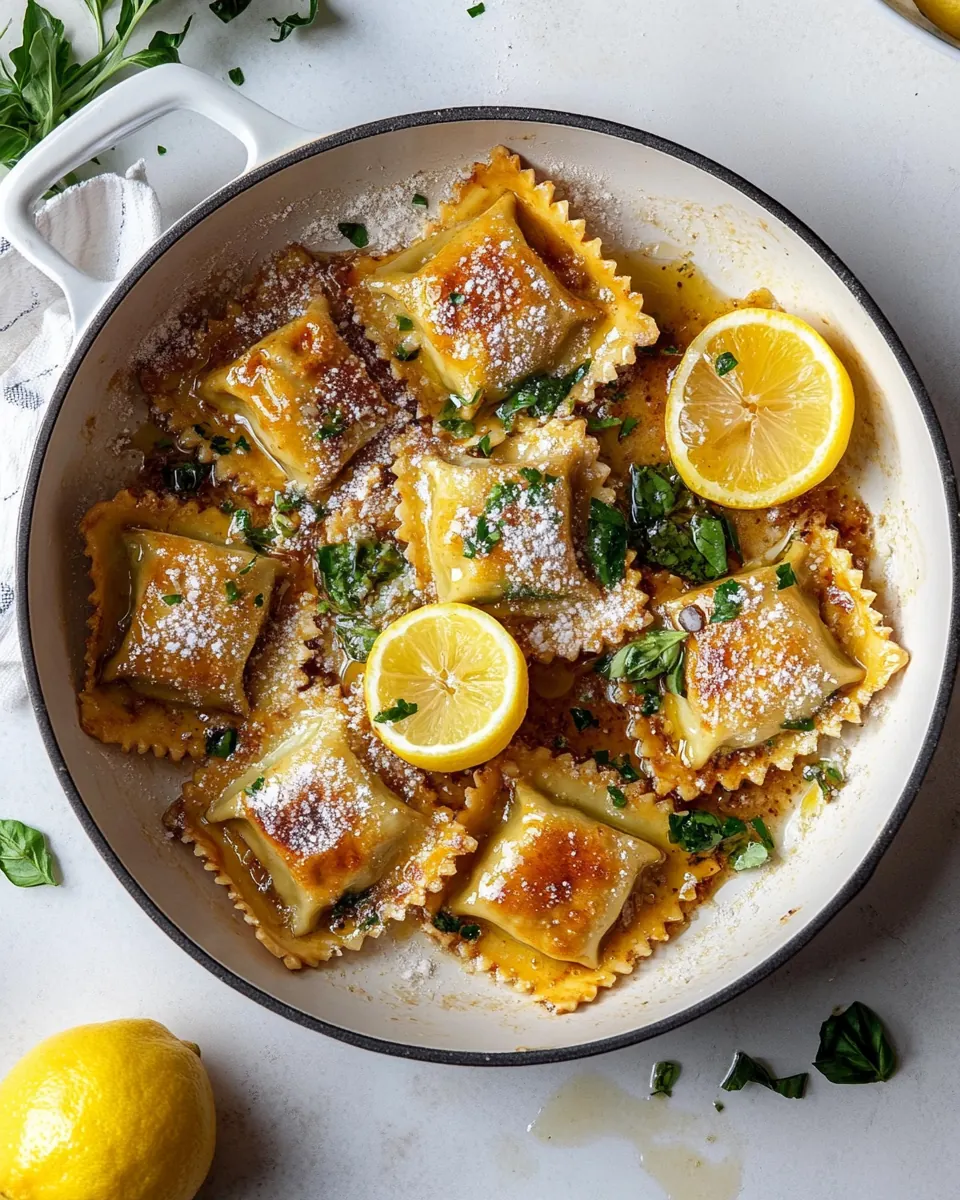
Since then, Toasted Skillet Ravioli with Lemon Brown Butter has become my go to for quick dinners, last minute guests, and even when I want something a bit special for a solo meal. I like to plate it simply, with a few dollops of ricotta and a handful of microgreens, because the contrast of textures is everything. The brown butter gives a toasted, almost caramel like note, while the lemon lifts the whole dish so it never feels heavy. Friends always ask how something so simple can taste so refined, and I tell them it is all in the technique and timing.
Recipe Snapshot
25 mins
10 mins
15 mins
Easy
450 kcal
Italian
Keto, Gluten-Free
Dinner
Large Skillet, Spatula, Grater
What’s Great About This Toasted Skillet Ravioli with Lemon Brown Butter
Golden Crisp Texture
I love how Toasted Skillet Ravioli with Lemon Brown Butter turns ordinary ravioli into something with bold texture because the toasting creates a crunchy exterior that contrasts with the soft filling. When I cook them in a hot pan, I listen for the satisfying sizzle and watch for a deep golden color that signals the right moment to flip. That crunchy surface adds dimension, and it keeps the ravioli from feeling stodgy.
Brown Butter Complexity
Brown butter is a small trick with a big payoff. I enjoy the toasty, nutty aroma that develops as the milk solids caramelize, and it brings a warm depth that pairs brilliantly with the citrus. I often swirl the final tablespoons of butter into the pan at the end for a glossy finish, because that sheen makes the dish look and taste elevated.
Bright Citrus Balance
The freshly grated lemon zest cuts through richness and adds an instant lift. I make sure to grate only the yellow part to keep the bitterness away, and that bright pop complements the buttery notes without overpowering them. In my experience, a little citrus magic goes a long way toward making this feel fresh and not heavy.
Comfort with Speed
This recipe is one of those comforting wins that does not require hours or fuss. I appreciate how quickly it comes together, which makes it ideal for weeknight dinners when time is tight but flavor matters. The straightforward steps mean you can focus on technique instead of ingredient prep, and that simplicity is a major reason I come back to it.
Flexible Finishing Touches
I adore the little rituals at the finish like adding spoonfuls of ricotta cheese and scattering microgreens or herbs. Those finishing touches add creaminess and freshness, and they let you customize the dish to your taste. I often change the herb based on what I have on hand, and each variation brings a slightly different personality to the plate.
Ingredients Overview for Toasted Skillet Ravioli with Lemon Brown Butter
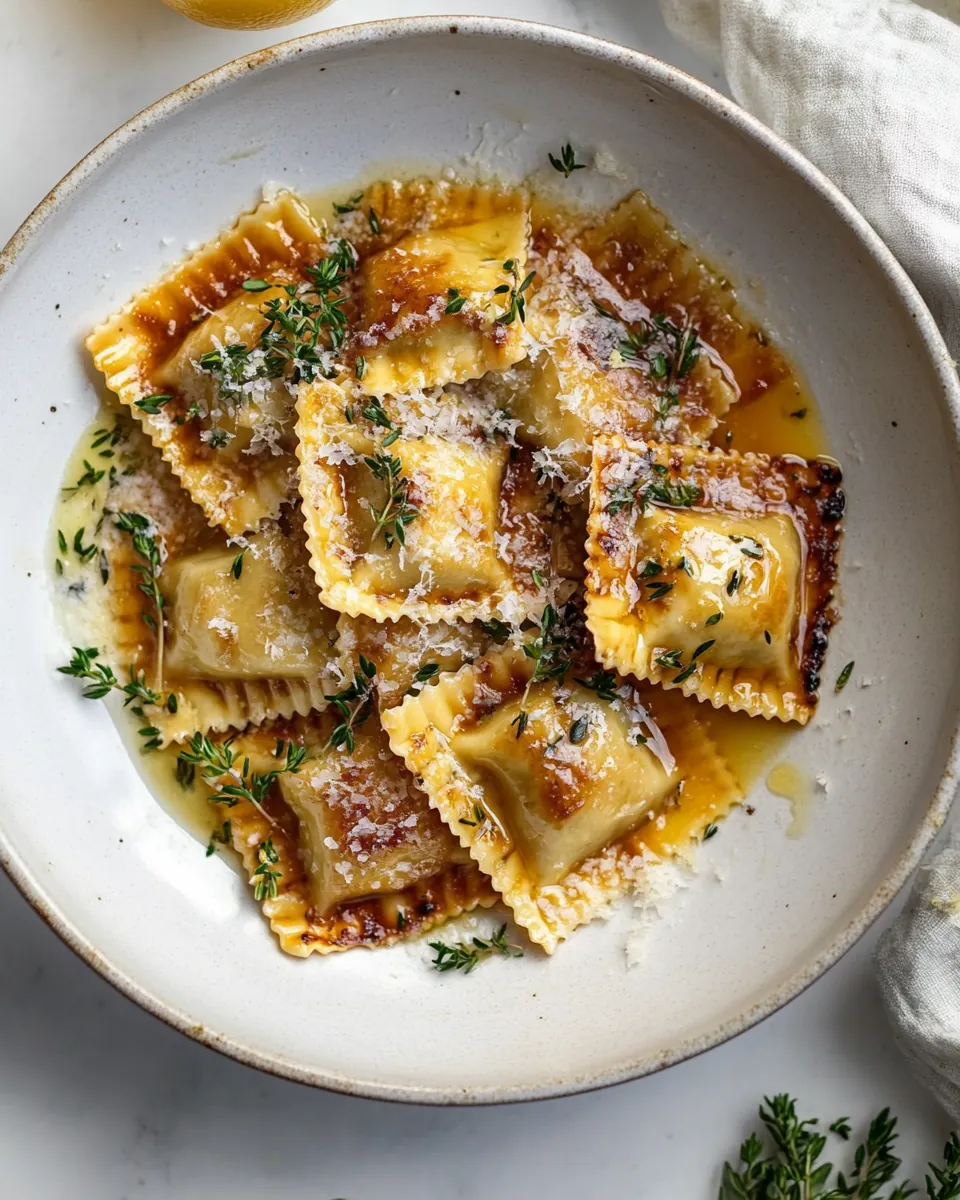
The ingredient list for Toasted Skillet Ravioli with Lemon Brown Butter is intentionally short and focused, because the goal is to let a few high quality elements shine. The key players are the butter, which becomes nutty and aromatic as it browns, the uncooked cheese ravioli for the creamy center and crisp edges, and the lemon zest that lifts the whole dish. Small additions like ricotta cheese and microgreens add cream and brightness, while kosher salt and pepper let you tune the seasoning to taste.
Below each listed ingredient I explain why it matters and how I use it to build layers of texture and flavor. These short notes should help you shop and think about small swaps while keeping the recipe’s soul intact.
- 6 tablespoons salted butter: Melted and browned to create a nutty, aromatic sauce that coats the ravioli; use the butter to cook and finish the dish while monitoring closely to avoid burning. Adjust heat to develop a golden brown color and stir in pan juices to carry lemon and seasoning evenly across each piece.
- 1 pound uncooked cheese ravioli, thawed if frozen: Added to the skillet as the main component to be toasted, providing tender pasta pockets filled with cheese; cook until edges crisp and surfaces develop light browning for contrast in texture. Handle gently when turning to keep fillings intact and to achieve even caramelization.
- 1/3 cup water: Poured into the skillet to loosen browned bits and create a silky pan sauce; use water sparingly to deglaze and help the butter and any released pasta starch form a cohesive glaze. Add in increments if needed to prevent the sauce from becoming too thin while preserving glossy coverage.
- 1 lemon, zest freshly grated: Zested directly for bright, citrusy aromatics that cut through richness and lift the brown butter flavor; sprinkle over the finished sauce to add fresh acidity and fragrant oils. Grate finely to distribute evenly and avoid large pithy pieces.
- 1 cup ricotta cheese: Spoonfuls dolloped or served alongside for creamy contrast and added tang, enhancing mouthfeel against the crisped pasta exterior; incorporate small spoonfuls atop each portion or mix gently with lemon zest for added richness. Keep chilled until plating to maintain texture balance.
- microgreens or fresh herbs, for serving: Scattered over the finished dish to add a fresh, peppery, or herbaceous note and visual appeal; use microgreens or herbs as a final garnish to introduce brightness and textural contrast. Add just before serving to preserve their delicate structure and color.
- kosher salt and pepper: Seasoned to taste during and after cooking to balance richness and brighten flavors; sprinkle kosher salt and freshly ground pepper in stages to build seasoning without over-salting. Taste the finished dish and adjust with small increments to achieve the desired savory profile.
Making Toasted Skillet Ravioli with Lemon Brown Butter
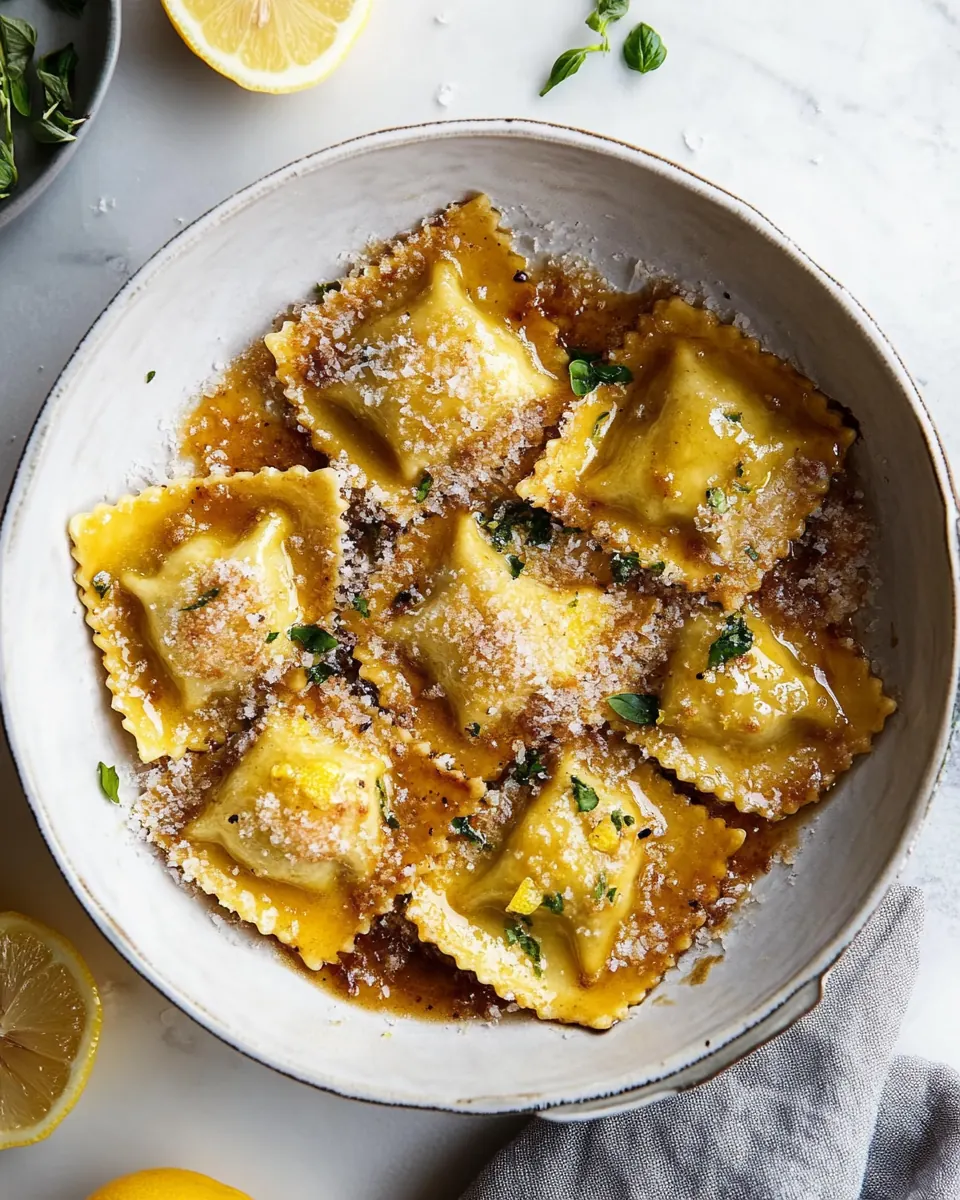
I approach these instructions like a short, sensory guided practice so you can cook confidently. The technique centers on controlled heat, timing, and finishing touches that highlight contrast and flavor. Read through once and then move step by step, paying attention to the visual and aromatic cues.
- Heat 4 tablespoons of the butter in a large skillet over medium heat. Let it bubble, turning the pan occasionally. As soon as the first brown bits appear, add the ravioli in a single layer. You want the ravioli to be uncooked, but not frozen.: The pan begins to hiss gently and you will see the butter melt into a shimmering pool, releasing a faint, creamy aroma. As it warms, small bubbles will form at the edges, and you should tilt the pan to ensure even coating. The goal here is to heat steadily so the butter does not brown too quickly; an immediate darkening means the heat is too high. If you skip this slow warming, the butter can scorch, creating a bitter note that will carry through the whole dish, so patience at this stage rewards you with a deep, nutty scent.
- Toast the ravioli until golden on one side, about 2 to 3 minutes per side. Flip the ravioli and let it get super golden and crisp on the other side.: Tiny popping sounds and a glossy surface are cues that the butter is reaching the right temperature for toasting. I rotate the skillet every minute or so so the hot spots even out, which helps create consistent browning. Keep the heat at medium so the butter develops color without burning; if you see smoke or the butter darkens too fast, reduce the heat. A common slip is walking away during this phase, which often results in burned solids that will taste acrid in the finished sauce.
- Add the water to the pan and cover. Let it steam for 5 to 8 minutes, until the ravioli is tender and soft.: When you notice golden specks forming, that is the signal to add the uncooked cheese ravioli . Lay each piece flat so the surface touches the pan, and try not to crowd them because each piece needs direct contact to develop a crisp crust. The initial sizzle will be lively; that sound confirms good hot contact. If you pile them up, the moisture trapped between pieces will steam them, preventing the desired crispness.
- Remove the lid and toss the ravioli. Add in the last 2 tablespoons of butter. Sprinkle with freshly cracked black pepper. Add salt if needed – I find that I don’t really need it for this recipe!: You will hear a steady, satisfying sizzle as the bottom turns a deep golden brown, and the edges will begin to look slightly translucent where the filling warms. Use a thin spatula to lift a corner and check the color before flipping, and try to flip only once so the crust sets properly. The correct timing yields a crunchy exterior with a tender interior; flipping too often interrupts crust formation and can lead to a pallid finish.
- Add a few dollops of ricotta cheese, the zest of one lemon and fresh herbs or a handful of microgreens. Serve immediately.: After flipping, the other side should develop an even deeper golden hue and a pleasing crunch. The aroma will shift toward toasted, almost nutty notes as more surface area browns. If the pan seems dry, you may add a small pinch more butter to maintain browning, but avoid adding too much liquid which would steam the pasta. A common mistake is increasing the heat to rush browning, which risks an undercooked interior while the exterior chars.
- Add the water to the pan and cover: Once you have a crisp exterior, pour in the measured water and immediately cover the skillet to trap steam. The sound will change to a gentle hiss as the steam works to tenderize the filling, and the exterior will retain much of its crispness because the steam heats from above. This step is crucial to achieve a delicate balance between crunchy shell and soft interior; too little steam will leave the filling cold, and too much will weaken the crust.
- Let it steam for 5 to 8 minutes, until the ravioli is tender and soft: During steaming you might notice the ravioli swell slightly as the filling heats and relaxes, and the aroma becomes more pronounced. I check a single piece near the shorter end of the time window, pressing gently to assess tenderness. If it feels firm in the center, steam a little longer. Avoid opening the lid too frequently because heat escapes and prolongs cooking; consistent steam is the most reliable way to reach perfect texture.
- Remove the lid and toss the ravioli: After steaming, the ravioli will glisten and the skillet will exude a warm, savory steam. Tossing briefly helps redistribute any pan juices and reintroduces them to the hot surface so the edges regain a touch of crisp. Use a gentle toss to avoid tearing the pasta; vigorous stirring risks ripping the delicate edges. If the ravioli seems a bit soft, allow a short return to the hot pan uncovered to recover some surface texture.
- Add in the last 2 tablespoons of butter: The remaining butter melts quickly, sizzling into the pan and picking up the browned milk solids, turning the sauce glossy and aromatic. Swirl the skillet so the butter coats each ravioli, and breathe in the toasty scent that deepens the flavor. This finishing butter is what ties the dish together, so add it toward the end to preserve its nutty character; adding it too early will dilute the depth developed from browning.
- Sprinkle with freshly cracked black pepper: Freshly crushed black pepper adds a bright, peppery lift that cuts through the richness. Grind it directly over the skillet so the volatile oils hit the hot surface and release fragrance. Taste before adding additional salt because the butter and cheese ravioli already contribute seasoning; oversalting is a frequent error at this stage.
- Add salt if needed – I find that I don’t really need it for this recipe: If you choose to season with kosher salt , do so sparingly and taste as you go, because the filling and salted butter often provide sufficient seasoning. A light pinch can elevate flavors without overpowering them. A typical mistake is assuming every dish needs more salt, which can mask the lemon and brown butter nuance.
- Add a few dollops of ricotta cheese, the zest of one lemon and fresh herbs or a handful of microgreens: Finish by placing small spoonfuls of ricotta cheese across the ravioli, grating the lemon zest over the top, and scattering microgreens or herbs. The ricotta melts slightly against the hot pasta, offering cool creaminess, while the fragrant zest releases citrus oils that brighten each bite. Present immediately so the contrast between warm, crisp ravioli and cool, soft ricotta is preserved; waiting too long blurs those textures.
Change It Up
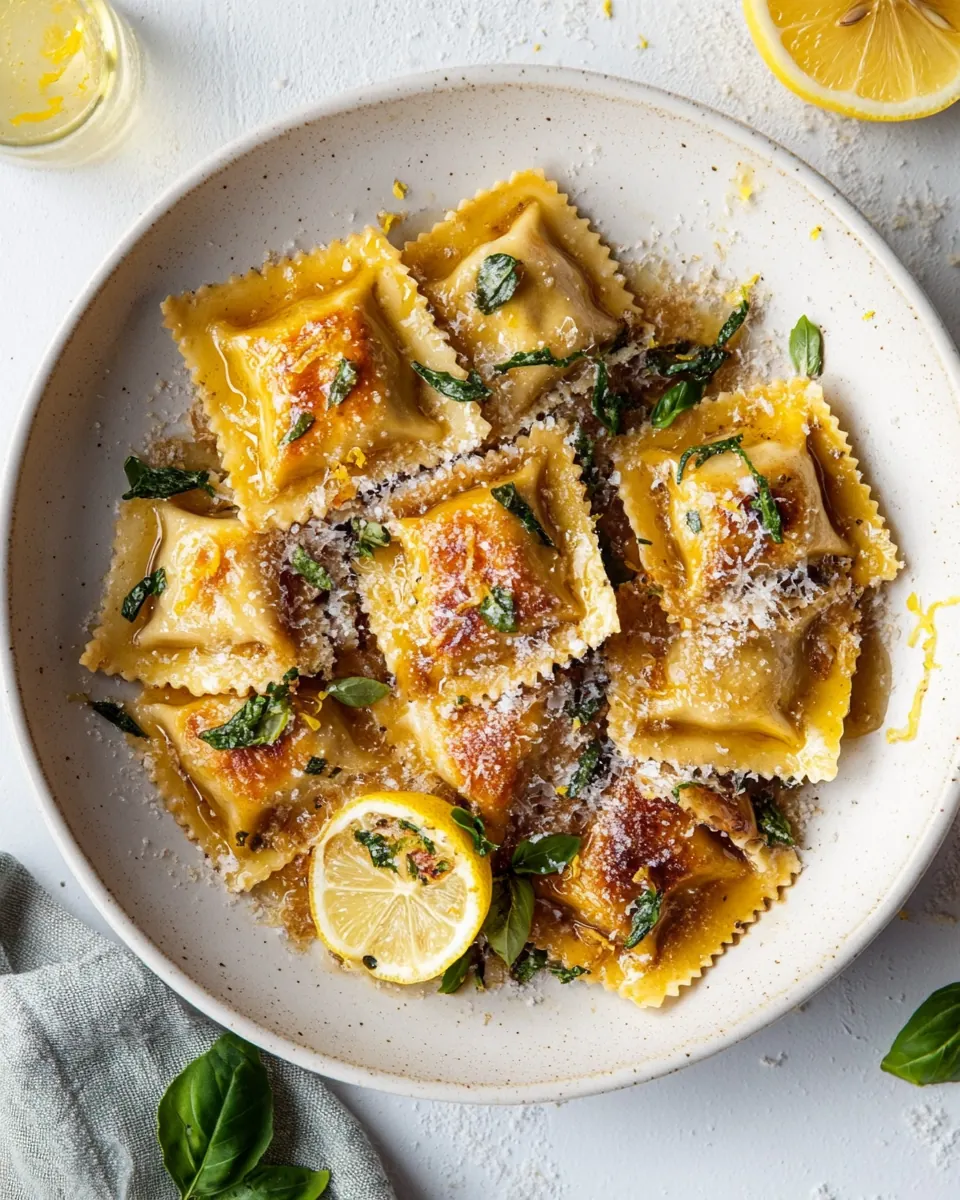
I like to think of these tips as small experiments you can try without changing the core recipe. Each suggestion highlights an easy way to tweak texture, presentation, or timing while staying true to the original flavors.
- Serve with extra ricotta — Offer small bowls of chilled ricotta cheese so guests can add more creamy contrast, which transforms each bite into a richer mouthfeel without changing the cooking steps.
- Swap fresh herbs — Try different herbs with the microgreens to vary aroma; basil adds sweetness while parsley keeps things bright, and each choice nudges the flavor profile subtly.
- Control crunch — For an even crisper exterior, toast the ravioli a little longer on the second side, but watch closely to prevent burning; this yields a pronounced crunch that some diners love.
- Zest at the end — Grate the lemon zest directly over the plated ravioli to capture the citrus oils on top, enhancing fragrance and visual appeal in a single step.
- Finish with cracked pepper — Use freshly cracked black pepper over pre ground to get bursts of heat and aroma that release as you eat, creating a lively contrast to the buttery base.
Side Dish Ideas for Toasted Skillet Ravioli with Lemon Brown Butter
Toasted Skillet Ravioli with Lemon Brown Butter pairs beautifully with simple, fresh sides that complement the crunchy and creamy textures. Choose light salads or steamed vegetables to balance the richness, and think about occasions when a quick, elegant meal fits best.
- Light green salad — A crisp mix of lettuce and a lemon vinaigrette offers a refreshing counterpoint to the buttery ravioli, making it perfect for a casual dinner.
- Steamed asparagus — Tender asparagus spears provide a clean, vegetal note and work well for spring or Easter gatherings where seasonal vegetables shine.
- Roasted cherry tomatoes — Slightly caramelized tomatoes add acidity and sweetness, ideal for weeknight dinners that need a flavor boost.
- Simple garlic sautéed greens — Quick sautéed spinach or kale with a touch of olive oil makes a wholesome side that pairs with the cheesy filling for a satisfying meal.
- Occasions and serving — This dish is great for intimate dinners, quick lunches, or Ramadan if served as part of a larger spread, offering warmth and comfort without long prep.
- Storage tips — Keep leftovers in an airtight container in the refrigerator and reheat gently in a skillet to restore some crisp, rather than microwaving which softens the crust.
- Seasonal pairing — In spring, pair with fresh herbs and microgreens; in late summer, add roasted tomatoes for bright, sun warmed flavors.
FAQ
Conclusion
This dish stands out because of its contrast between crisped exterior and creamy interior, bright lemon lift, and the deep, nutty notes from brown butter. It’s quick to prepare, yet it feels special enough for guests or a cozy night in. Try it when you want to elevate simple ravioli into something restaurant worthy without spending hours in the kitchen. I hope you enjoy the interplay of textures and the surprising depth that such a small set of ingredients can deliver, and that it becomes a favorite in your rotation.
Toasted Skillet Ravioli with Lemon Brown Butter
Equipment
- Large Skillet
- Spatula
- Grater
Ingredients
- 6 tablespoons salted butter Melted and browned to create a nutty, aromatic sauce that coats the ravioli; use the butter to cook and finish the dish while monitoring closely to avoid burning. Adjust heat to develop a golden brown color and stir in pan juices to carry lemon and seasoning evenly across each piece.
- 1 pound uncooked cheese ravioli, thawed if frozen Added to the skillet as the main component to be toasted, providing tender pasta pockets filled with cheese; cook until edges crisp and surfaces develop light browning for contrast in texture. Handle gently when turning to keep fillings intact and to achieve even caramelization.
- 1/3 cup water Poured into the skillet to loosen browned bits and create a silky pan sauce; use water sparingly to deglaze and help the butter and any released pasta starch form a cohesive glaze. Add in increments if needed to prevent the sauce from becoming too thin while preserving glossy coverage.
- 1 lemon, zest freshly grated Zested directly for bright, citrusy aromatics that cut through richness and lift the brown butter flavor; sprinkle over the finished sauce to add fresh acidity and fragrant oils. Grate finely to distribute evenly and avoid large pithy pieces.
- 1 cup ricotta cheese Spoonfuls dolloped or served alongside for creamy contrast and added tang, enhancing mouthfeel against the crisped pasta exterior; incorporate small spoonfuls atop each portion or mix gently with lemon zest for added richness. Keep chilled until plating to maintain texture balance.
- microgreens or fresh herbs, for serving Scattered over the finished dish to add a fresh, peppery, or herbaceous note and visual appeal; use microgreens or herbs as a final garnish to introduce brightness and textural contrast. Add just before serving to preserve their delicate structure and color.
- kosher salt and pepper Seasoned to taste during and after cooking to balance richness and brighten flavors; sprinkle kosher salt and freshly ground pepper in stages to build seasoning without over-salting. Taste the finished dish and adjust with small increments to achieve the desired savory profile.
Instructions
- Heat 4 tablespoons of the butter in a large skillet over medium heat. Let it bubble, turning the pan occasionally. As soon as the first brown bits appear, add the ravioli in a single layer. You want the ravioli to be uncooked, but not frozen.: The pan begins to hiss gently and you will see the butter melt into a shimmering pool, releasing a faint, creamy aroma. As it warms, small bubbles will form at the edges, and you should tilt the pan to ensure even coating. The goal here is to heat steadily so the butter does not brown too quickly; an immediate darkening means the heat is too high. If you skip this slow warming, the butter can scorch, creating a bitter note that will carry through the whole dish, so patience at this stage rewards you with a deep, nutty scent.
- Toast the ravioli until golden on one side, about 2 to 3 minutes per side. Flip the ravioli and let it get super golden and crisp on the other side.: Tiny popping sounds and a glossy surface are cues that the butter is reaching the right temperature for toasting. I rotate the skillet every minute or so so the hot spots even out, which helps create consistent browning. Keep the heat at medium so the butter develops color without burning; if you see smoke or the butter darkens too fast, reduce the heat. A common slip is walking away during this phase, which often results in burned solids that will taste acrid in the finished sauce.
- Add the water to the pan and cover. Let it steam for 5 to 8 minutes, until the ravioli is tender and soft.: When you notice golden specks forming, that is the signal to add the uncooked cheese ravioli . Lay each piece flat so the surface touches the pan, and try not to crowd them because each piece needs direct contact to develop a crisp crust. The initial sizzle will be lively; that sound confirms good hot contact. If you pile them up, the moisture trapped between pieces will steam them, preventing the desired crispness.
- Remove the lid and toss the ravioli. Add in the last 2 tablespoons of butter. Sprinkle with freshly cracked black pepper. Add salt if needed - I find that I don’t really need it for this recipe!: You will hear a steady, satisfying sizzle as the bottom turns a deep golden brown, and the edges will begin to look slightly translucent where the filling warms. Use a thin spatula to lift a corner and check the color before flipping, and try to flip only once so the crust sets properly. The correct timing yields a crunchy exterior with a tender interior; flipping too often interrupts crust formation and can lead to a pallid finish.
- Add a few dollops of ricotta cheese, the zest of one lemon and fresh herbs or a handful of microgreens. Serve immediately.: After flipping, the other side should develop an even deeper golden hue and a pleasing crunch. The aroma will shift toward toasted, almost nutty notes as more surface area browns. If the pan seems dry, you may add a small pinch more butter to maintain browning, but avoid adding too much liquid which would steam the pasta. A common mistake is increasing the heat to rush browning, which risks an undercooked interior while the exterior chars.
- Add the water to the pan and cover: Once you have a crisp exterior, pour in the measured water and immediately cover the skillet to trap steam. The sound will change to a gentle hiss as the steam works to tenderize the filling, and the exterior will retain much of its crispness because the steam heats from above. This step is crucial to achieve a delicate balance between crunchy shell and soft interior; too little steam will leave the filling cold, and too much will weaken the crust.
- Let it steam for 5 to 8 minutes, until the ravioli is tender and soft: During steaming you might notice the ravioli swell slightly as the filling heats and relaxes, and the aroma becomes more pronounced. I check a single piece near the shorter end of the time window, pressing gently to assess tenderness. If it feels firm in the center, steam a little longer. Avoid opening the lid too frequently because heat escapes and prolongs cooking; consistent steam is the most reliable way to reach perfect texture.
- Remove the lid and toss the ravioli: After steaming, the ravioli will glisten and the skillet will exude a warm, savory steam. Tossing briefly helps redistribute any pan juices and reintroduces them to the hot surface so the edges regain a touch of crisp. Use a gentle toss to avoid tearing the pasta; vigorous stirring risks ripping the delicate edges. If the ravioli seems a bit soft, allow a short return to the hot pan uncovered to recover some surface texture.
- Add in the last 2 tablespoons of butter: The remaining butter melts quickly, sizzling into the pan and picking up the browned milk solids, turning the sauce glossy and aromatic. Swirl the skillet so the butter coats each ravioli, and breathe in the toasty scent that deepens the flavor. This finishing butter is what ties the dish together, so add it toward the end to preserve its nutty character; adding it too early will dilute the depth developed from browning.
- Sprinkle with freshly cracked black pepper: Freshly crushed black pepper adds a bright, peppery lift that cuts through the richness. Grind it directly over the skillet so the volatile oils hit the hot surface and release fragrance. Taste before adding additional salt because the butter and cheese ravioli already contribute seasoning; oversalting is a frequent error at this stage.
- Add salt if needed - I find that I don’t really need it for this recipe: If you choose to season with kosher salt , do so sparingly and taste as you go, because the filling and salted butter often provide sufficient seasoning. A light pinch can elevate flavors without overpowering them. A typical mistake is assuming every dish needs more salt, which can mask the lemon and brown butter nuance.
- Add a few dollops of ricotta cheese, the zest of one lemon and fresh herbs or a handful of microgreens: Finish by placing small spoonfuls of ricotta cheese across the ravioli, grating the lemon zest over the top, and scattering microgreens or herbs. The ricotta melts slightly against the hot pasta, offering cool creaminess, while the fragrant zest releases citrus oils that brighten each bite. Present immediately so the contrast between warm, crisp ravioli and cool, soft ricotta is preserved; waiting too long blurs those textures.
Notes
- Serve with extra ricotta — Offer small bowls of chilled ricotta cheese so guests can add more creamy contrast, which transforms each bite into a richer mouthfeel without changing the cooking steps.
- Swap fresh herbs — Try different herbs with the microgreens to vary aroma; basil adds sweetness while parsley keeps things bright, and each choice nudges the flavor profile subtly.
- Control crunch — For an even crisper exterior, toast the ravioli a little longer on the second side, but watch closely to prevent burning; this yields a pronounced crunch that some diners love.
- Zest at the end — Grate the lemon zest directly over the plated ravioli to capture the citrus oils on top, enhancing fragrance and visual appeal in a single step.
- Finish with cracked pepper — Use freshly cracked black pepper over pre ground to get bursts of heat and aroma that release as you eat, creating a lively contrast to the buttery base.