How to Freeze Bread
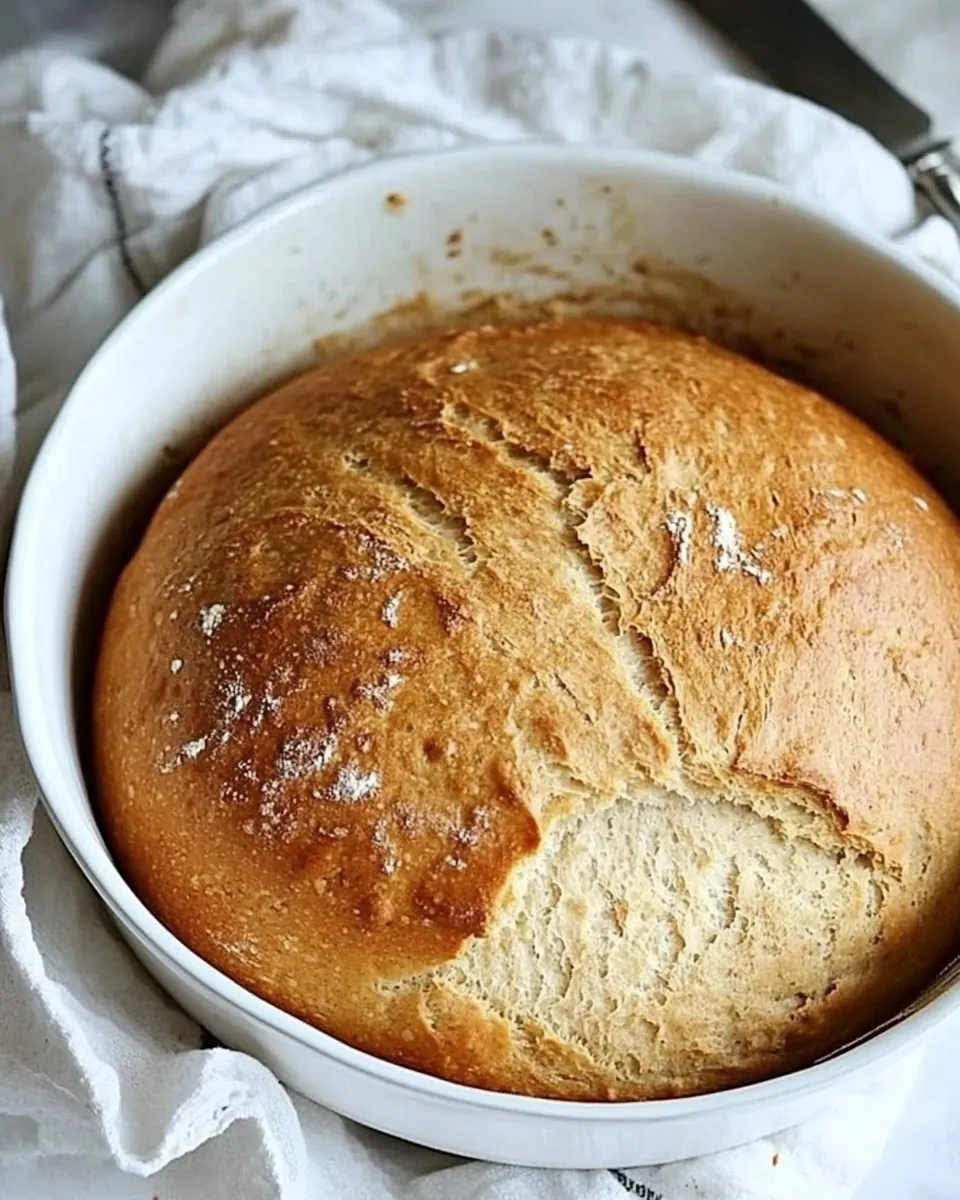
How to Freeze Bread is one of those small kitchen skills that saves time, money, and anguish when the last slice goes stale on a busy morning. I still remember the first time I learned to freeze a loaf properly, after wasting a half loaf because I shoved it in the freezer without thinking. From that moment, I started treating bread storage like a tiny ritual, and it changed my weekly routine for the better.
Over the years I experimented with different loaves, from a crusty sourdough to a soft sandwich Bread, and I learned subtle tricks that make frozen slices thaw with surprising freshness. I keep a sharpie and a stack of heavy freezer bags near the freezer, and those little habits have kept our kitchen stocked with reliable Bread for quick toast, sandwiches, and crumbs for binding meatballs. Once you get the technique down, it feels less like preservation and more like simple kitchen mindfulness.
Recipe Snapshot
2 mins
2 mins
Easy
150 kcal
American
Paleo, Vegan
Appetizers
Freezer bag, Permanent marker, Freezer
The Best Thing About This How to Freeze Bread
1. Saves Money and Reduces Waste
I hate tossing food, and freezing extends the life of Bread so you use what you buy. When I plan ahead, I only defrost what I need, which means fewer stale loaves and more savings at the grocery store.
2. Keeps Texture and Flavor
Freezing preserves the crumb and crust of many loaves when done right. I find that laying the Bread flat before freezing helps prevent crushed slices, so when you thaw it, the texture is closer to fresh.
3. Fast and Low Effort
This method requires almost no equipment and takes minutes. I often do it while I tidy up after baking or slice the loaf for immediate use, so it becomes part of the rhythm rather than a chore.
4. Flexible Serving Options
Frozen Bread can be used straight from the freezer for toasting, or thawed gently for sandwiches. I love keeping both whole loaves and pre sliced packs, because it gives me options for breakfast or last minute guests.
5. Great for Meal Prep
When I batch bake or buy a bigger loaf, freezing means I always have ingredients on hand for quick meals. It helps on rushed mornings, and it keeps my meal prep predictable and stress free.
Essential Ingredients for How to Freeze Bread
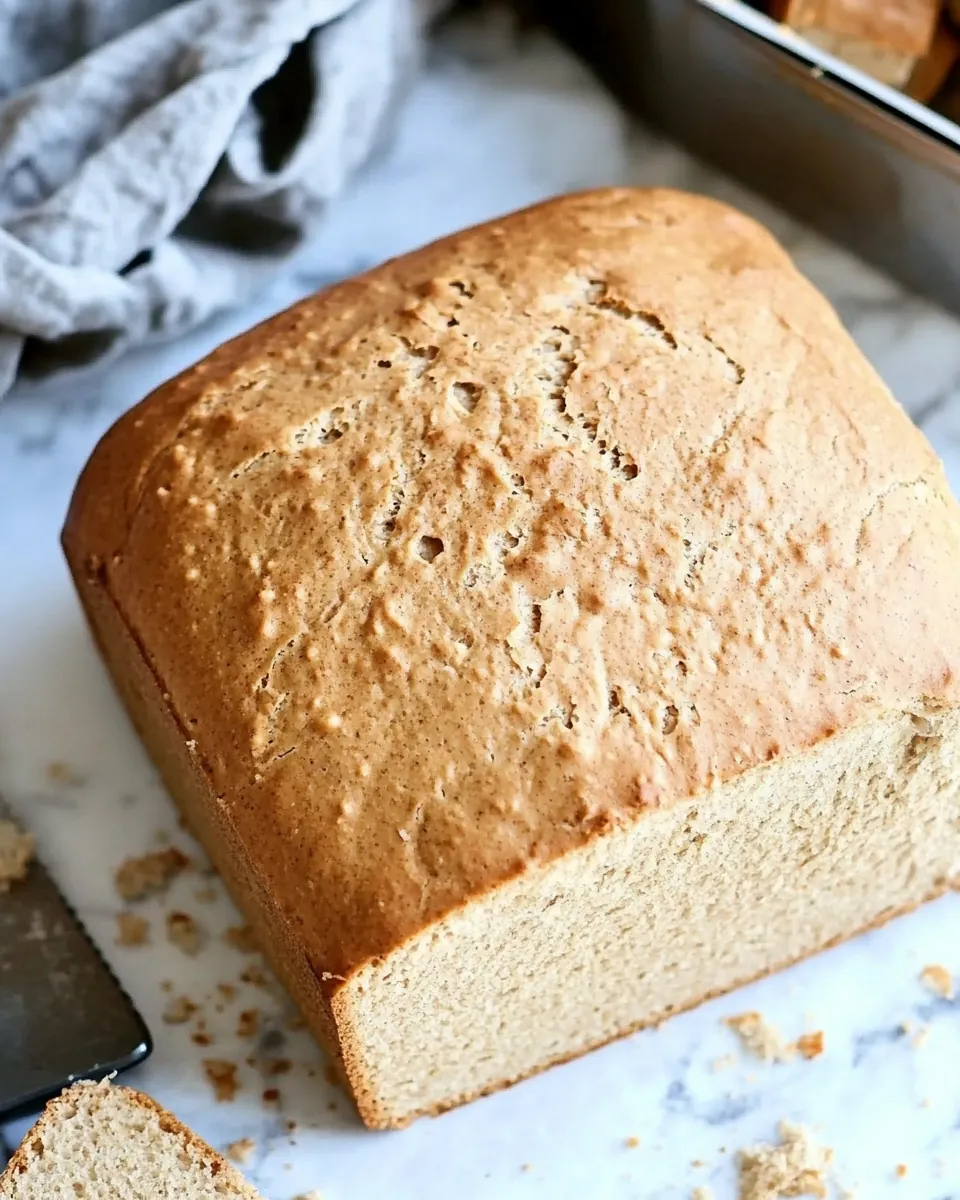
Think of these items as the small but essential players in preserving freshness. The philosophy is simple, use sturdy packaging and clear labeling, and treat the Bread gently to keep its texture. Each item contributes to preventing freezer burn, maintaining shape, and helping you rotate stock with ease.
- 1 loaf Bread any kind: Preserve texture and flavor by freezing slices or whole loaf tightly wrapped to prevent freezer burn and staling. Slice before freezing for convenient portioning and faster thawing, or freeze whole to retain moisture longer. Label with date and use within three months for best quality, thawing at room temperature or toasting directly from frozen.
Recipe Directions for How to Freeze Bread
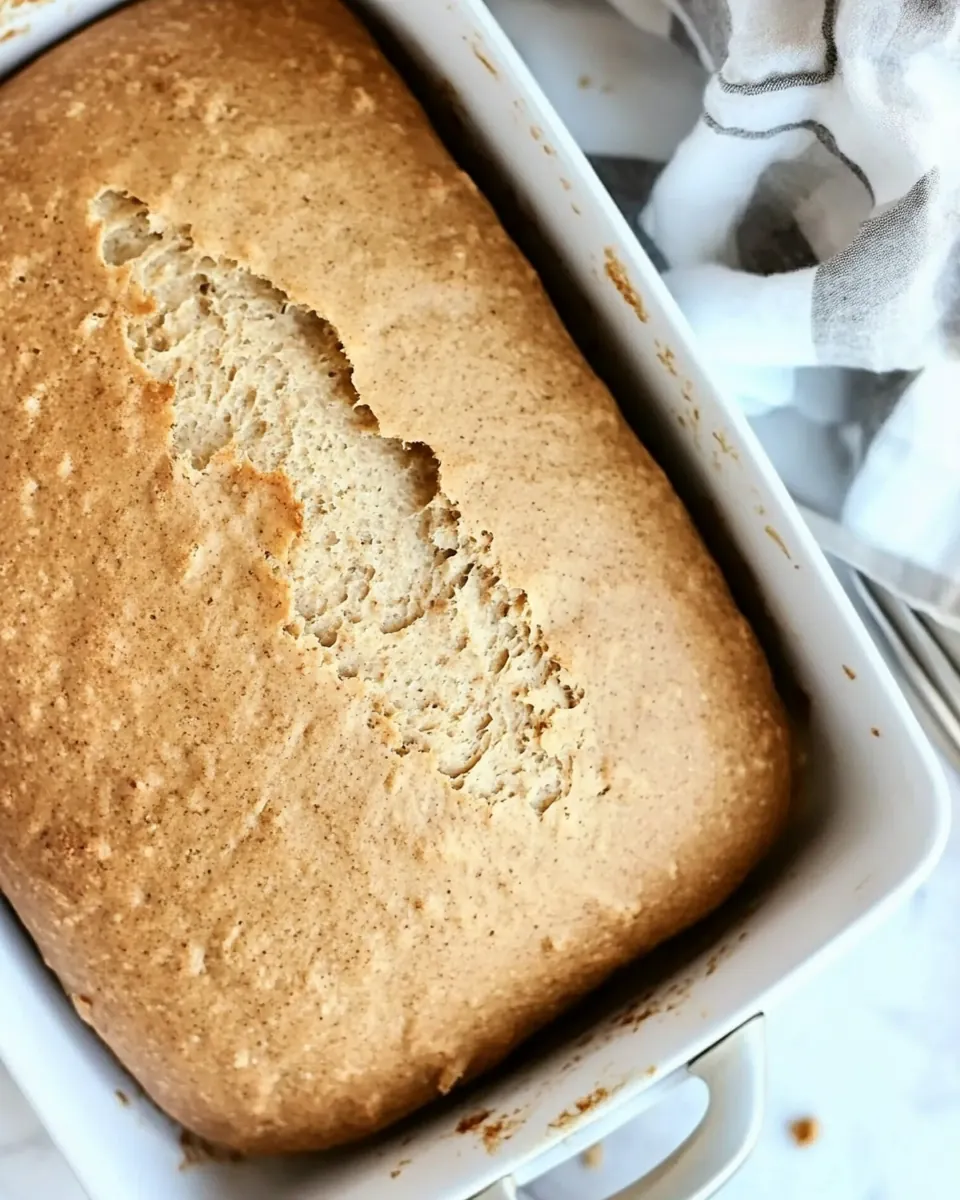
These directions are straightforward and meant to build a small routine. I walk you through labeling, packing, and storing so your Bread emerges from the freezer in the best possible shape. Follow the steps in order for consistent results.
- Label the freezer bag with a sharpie marker to indicate what will be in the bag and how many. Label with today's date and a 'USE BY' date (6 months to 1 year from now).: The first thing I notice when I open my freezer is a jumble of packages, the smell of frozen meals, and sometimes confusion about what is what, so a clear label helps instantly. Use a bold pen and write the contents and quantity, then add the date and a use by date that gives you a timeframe to rotate items. This practice saves time later, and it prevents accidental long term storage that leads to freezer burn. A common error is writing faintly or on a slippery surface, which smudges over time, so press firmly and let the ink dry before stacking. Also, avoid labeling over holes or seams, because the writing can rub off.
- Place the Bread into the freezer bag and lay flat.: Seeing dates at a glance reduces guesswork and helps you plan meals. I usually mark six months for soft sandwich Bread and up to a year for dense artisan loaves, because density affects how well it resists freezer burn. The 'USE BY' date is a guideline, not a strict rule, but it ensures older items get used first. A typical mistake is assuming everything keeps equally well; lighter, airier loaves degrade faster, so be realistic when dating packages.
- Squeeze as much air as possible from the bag.: When I place the loaf or sliced portions into the bag, I arrange them flat so the frozen package becomes compact and easy to stack. Laying flat helps the Bread freeze evenly, minimizing textural changes caused by ice crystal formation. You will often notice a subtle change in crumb if slices are piled up and freeze unevenly, so take the extra second to flatten them. Avoid forcing too many pieces into a bag, because overcrowding can crush slices and create uneven freezing.
- Seal the bag.: The most important sensory cue here is the silence of a well sealed bag, with the Bread snugly enclosed and no excess crinkling from trapped air. Removing air reduces oxidation and the risk of freezer burn, which manifests as dry, discolored patches. I press from the bottom toward the opening, rolling gently to push air out, and then finish sealing to lock the environment. A common mistake is sealing with air inside or leaving the seal partially open, which invites moisture loss and stale texture.
- Place the bag of Bread into the freezer and lay flat so that they will freeze flat.: After expelling air, ensure the closure is complete and secure. I run my fingers along the seal to confirm a tight closure, listening for a faint click in some bag types. A good seal keeps moisture consistent inside and prevents odors from the freezer mixing with the Bread . If the seal is imperfect, refold and reseal, or transfer to a fresh bag. Many people assume a zipper closes perfectly each time, but poorly aligned seals are a frequent cause of leakage and freezer burn.
- Place the bag of Bread into the freezer and lay flat so that they will freeze flat: Finally, arrange the labeled, sealed package flat in the coldest part of your freezer for rapid freezing. I favor a flat surface on a shelf or a tray, because quick freezing minimizes large ice crystals that damage crumb structure. After the loaf is solid, you can stand packages upright to save space, but initial flat freezing is key for preserving shape. Avoid stashing packages where the door opens a lot, as repeated temperature swings can lead to condensation and texture loss.
Expert Tips about How to Freeze Bread
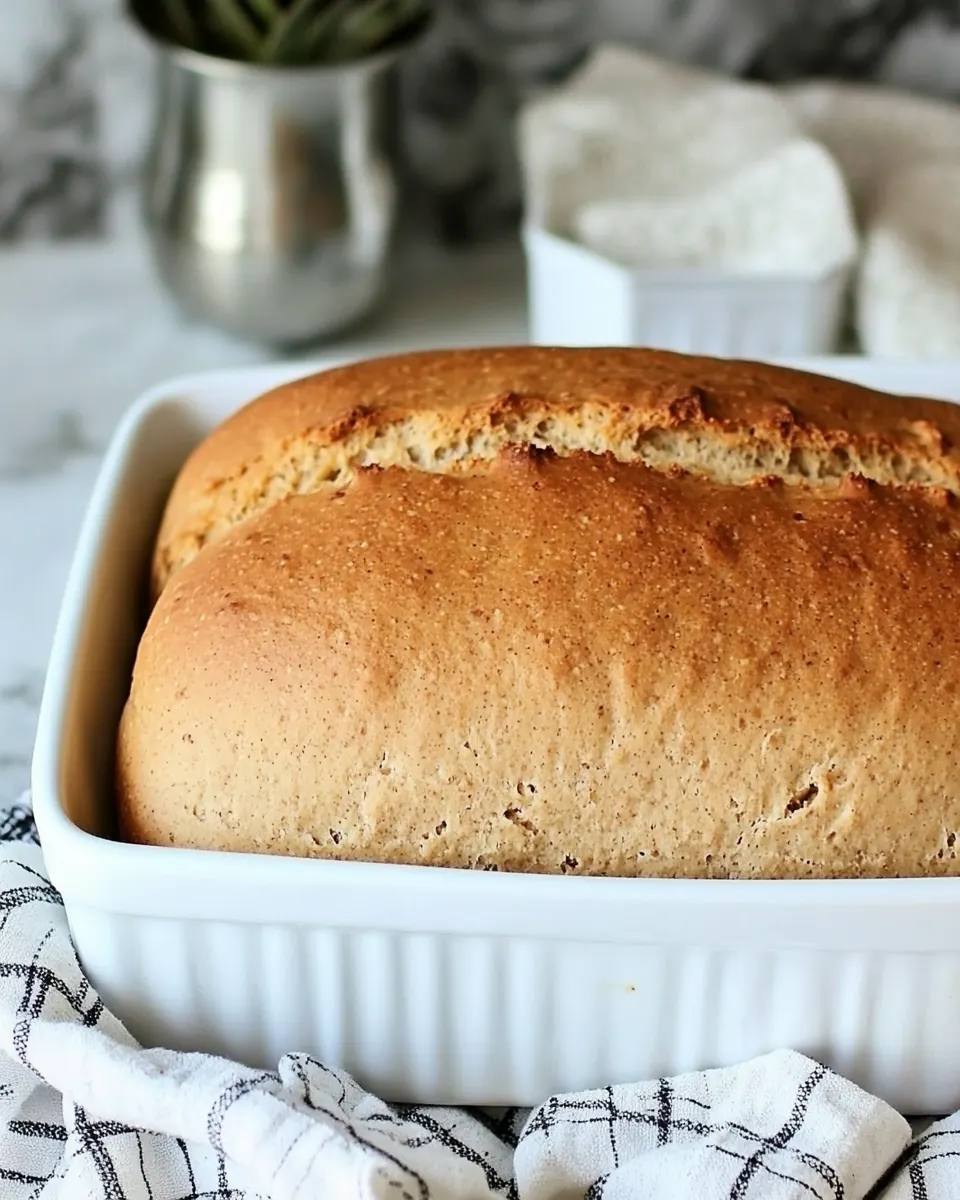
These tips round out the method with practical pointers I use regularly. They focus on small habits that add up to better texture, easier thawing, and longer lasting Bread.
- Choose sturdy bags, opting for thicker freezer bags rather than thin plastic to protect the loaf from punctures and freezer burn.
- Label clearly, including what the item is, how many pieces, and the date, so you always know what to use first.
- Remove excess air by pressing or rolling the bag before sealing to prevent dry spots and freezer flavor absorption.
- Freeze flat initially to preserve shape and make stacking simpler once frozen solid.
- Organize by date with newer purchases on the bottom, so older loaves get used first and nothing gets forgotten.
- Keep a permanent marker handy in the kitchen, taped to the freezer bag box or stored nearby for quick labeling.
What to Pair With How to Freeze Bread
Freezing Bread is about convenience, so serving suggestions focus on ease and adaptability. Think about how you will use the thawed loaf, and plan pairings that are quick and complementary. Below are ideas for meals, occasions, and storage-minded serving tips.
- Breakfast simplicity: Thawed slices are perfect for toast with jam, butter, or quick spreads for a no fuss morning.
- Sandwiches for lunch: Keep sliced frozen loaves for assembled sandwiches, thawing only the number of slices you need to keep lunches fresh.
- Meal prep: Use thawed Bread for breadcrumbs or stuffing, planning ahead so you can toast or pulse into crumbs right after thawing.
- Entertaining: Keep several loaves on hand frozen for guests, thawing whole loaves gently to maintain crust for artisan style serving.
- Seasonal storage: Freeze extra loaves from holiday baking and label with use by dates, rotating through them to enjoy seasonal flavors later.
- Storage tip: Stack frozen packages flat if possible, and after they are solid, stand them upright for space efficiency while keeping labels visible.
- Occasion planning: For Ramadan, holiday breakfasts, or weekend brunches, frozen bread ensures you have reliable staples ready without last minute runs to the store.
- Thawing strategy: For sandwiches, remove slices from the bag and toast from frozen for best texture; for whole loaves, thaw at room temperature while still sealed to avoid condensation on the crust.
- Rotation: Place newer items on the bottom of the stack so older packages are used first, limiting waste and preserving quality.
- Labeling practice: Keep the marker taped to the bag box so you never mislabel or forget dates when packing bread.
FAQ
Conclusion
Freezing bread well is a tiny habit that yields big benefits, from less waste to ready made meals. Try the simple steps of labeling, removing air, and freezing flat to keep your loaves tasting fresh longer. Once you adopt these small practices, you will find your kitchen runs smoother and your weekly meal planning gets a little easier. Give it a shot and notice how much easier mornings and quick meals become.
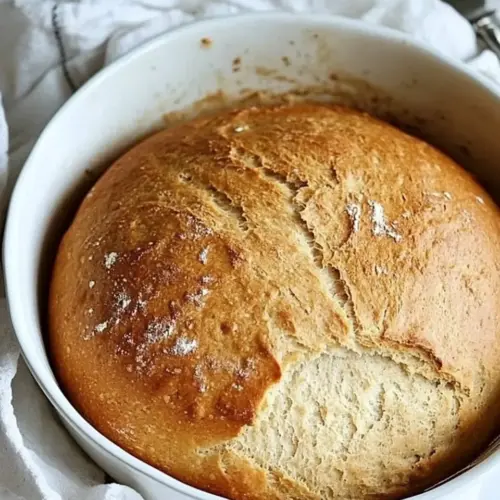
How to Freeze Bread
Equipment
- Freezer bag
- Permanent Marker
- Freezer
Ingredients
- 1 loaf Bread any kind Preserve texture and flavor by freezing slices or whole loaf tightly wrapped to prevent freezer burn and staling. Slice before freezing for convenient portioning and faster thawing, or freeze whole to retain moisture longer. Label with date and use within three months for best quality, thawing at room temperature or toasting directly from frozen.
Instructions
- Label the freezer bag with a sharpie marker to indicate what will be in the bag and how many. Label with today's date and a 'USE BY' date (6 months to 1 year from now).: The first thing I notice when I open my freezer is a jumble of packages, the smell of frozen meals, and sometimes confusion about what is what, so a clear label helps instantly. Use a bold pen and write the contents and quantity, then add the date and a use by date that gives you a timeframe to rotate items. This practice saves time later, and it prevents accidental long term storage that leads to freezer burn. A common error is writing faintly or on a slippery surface, which smudges over time, so press firmly and let the ink dry before stacking. Also, avoid labeling over holes or seams, because the writing can rub off.
- Place the Bread into the freezer bag and lay flat.: Seeing dates at a glance reduces guesswork and helps you plan meals. I usually mark six months for soft sandwich Bread and up to a year for dense artisan loaves, because density affects how well it resists freezer burn. The 'USE BY' date is a guideline, not a strict rule, but it ensures older items get used first. A typical mistake is assuming everything keeps equally well; lighter, airier loaves degrade faster, so be realistic when dating packages.
- Squeeze as much air as possible from the bag.: When I place the loaf or sliced portions into the bag, I arrange them flat so the frozen package becomes compact and easy to stack. Laying flat helps the Bread freeze evenly, minimizing textural changes caused by ice crystal formation. You will often notice a subtle change in crumb if slices are piled up and freeze unevenly, so take the extra second to flatten them. Avoid forcing too many pieces into a bag, because overcrowding can crush slices and create uneven freezing.
- Seal the bag.: The most important sensory cue here is the silence of a well sealed bag, with the Bread snugly enclosed and no excess crinkling from trapped air. Removing air reduces oxidation and the risk of freezer burn, which manifests as dry, discolored patches. I press from the bottom toward the opening, rolling gently to push air out, and then finish sealing to lock the environment. A common mistake is sealing with air inside or leaving the seal partially open, which invites moisture loss and stale texture.
- Place the bag of Bread into the freezer and lay flat so that they will freeze flat.: After expelling air, ensure the closure is complete and secure. I run my fingers along the seal to confirm a tight closure, listening for a faint click in some bag types. A good seal keeps moisture consistent inside and prevents odors from the freezer mixing with the Bread . If the seal is imperfect, refold and reseal, or transfer to a fresh bag. Many people assume a zipper closes perfectly each time, but poorly aligned seals are a frequent cause of leakage and freezer burn.
- Place the bag of Bread into the freezer and lay flat so that they will freeze flat: Finally, arrange the labeled, sealed package flat in the coldest part of your freezer for rapid freezing. I favor a flat surface on a shelf or a tray, because quick freezing minimizes large ice crystals that damage crumb structure. After the loaf is solid, you can stand packages upright to save space, but initial flat freezing is key for preserving shape. Avoid stashing packages where the door opens a lot, as repeated temperature swings can lead to condensation and texture loss.
Notes
- Choose sturdy bags, opting for thicker freezer bags rather than thin plastic to protect the loaf from punctures and freezer burn.
- Label clearly, including what the item is, how many pieces, and the date, so you always know what to use first.
- Remove excess air by pressing or rolling the bag before sealing to prevent dry spots and freezer flavor absorption.
- Freeze flat initially to preserve shape and make stacking simpler once frozen solid.
- Organize by date with newer purchases on the bottom, so older loaves get used first and nothing gets forgotten.
- Keep a permanent marker handy in the kitchen, taped to the freezer bag box or stored nearby for quick labeling.