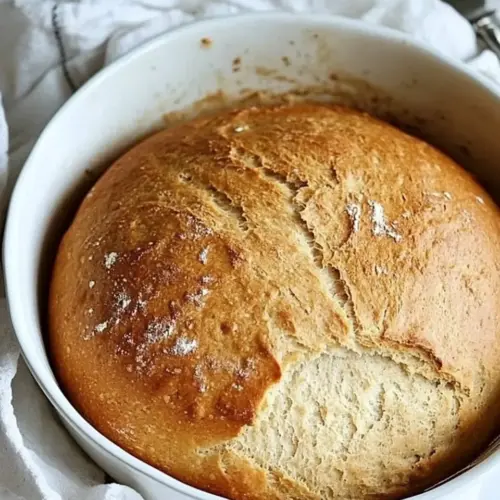
How to Freeze Bread
How to Freeze Bread makes preserving loaves simple and efficient, keeping crumb and crust intact with minimal effort. This easy method helps you avoid waste, save money, and have ready to use slices for quick breakfasts or sandwiches, ideal for batch bakers and busy weeknights. Learn a few reliable tricks to freeze flat, seal tightly, and label clearly so your bread stays fresh longer.
Equipment
- Freezer bag
- Permanent Marker
- Freezer
Ingredients
- 1 loaf Bread any kind Preserve texture and flavor by freezing slices or whole loaf tightly wrapped to prevent freezer burn and staling. Slice before freezing for convenient portioning and faster thawing, or freeze whole to retain moisture longer. Label with date and use within three months for best quality, thawing at room temperature or toasting directly from frozen.
Instructions
- Label the freezer bag with a sharpie marker to indicate what will be in the bag and how many. Label with today's date and a 'USE BY' date (6 months to 1 year from now).: The first thing I notice when I open my freezer is a jumble of packages, the smell of frozen meals, and sometimes confusion about what is what, so a clear label helps instantly. Use a bold pen and write the contents and quantity, then add the date and a use by date that gives you a timeframe to rotate items. This practice saves time later, and it prevents accidental long term storage that leads to freezer burn. A common error is writing faintly or on a slippery surface, which smudges over time, so press firmly and let the ink dry before stacking. Also, avoid labeling over holes or seams, because the writing can rub off.
- Place the Bread into the freezer bag and lay flat.: Seeing dates at a glance reduces guesswork and helps you plan meals. I usually mark six months for soft sandwich Bread and up to a year for dense artisan loaves, because density affects how well it resists freezer burn. The 'USE BY' date is a guideline, not a strict rule, but it ensures older items get used first. A typical mistake is assuming everything keeps equally well; lighter, airier loaves degrade faster, so be realistic when dating packages.
- Squeeze as much air as possible from the bag.: When I place the loaf or sliced portions into the bag, I arrange them flat so the frozen package becomes compact and easy to stack. Laying flat helps the Bread freeze evenly, minimizing textural changes caused by ice crystal formation. You will often notice a subtle change in crumb if slices are piled up and freeze unevenly, so take the extra second to flatten them. Avoid forcing too many pieces into a bag, because overcrowding can crush slices and create uneven freezing.
- Seal the bag.: The most important sensory cue here is the silence of a well sealed bag, with the Bread snugly enclosed and no excess crinkling from trapped air. Removing air reduces oxidation and the risk of freezer burn, which manifests as dry, discolored patches. I press from the bottom toward the opening, rolling gently to push air out, and then finish sealing to lock the environment. A common mistake is sealing with air inside or leaving the seal partially open, which invites moisture loss and stale texture.
- Place the bag of Bread into the freezer and lay flat so that they will freeze flat.: After expelling air, ensure the closure is complete and secure. I run my fingers along the seal to confirm a tight closure, listening for a faint click in some bag types. A good seal keeps moisture consistent inside and prevents odors from the freezer mixing with the Bread . If the seal is imperfect, refold and reseal, or transfer to a fresh bag. Many people assume a zipper closes perfectly each time, but poorly aligned seals are a frequent cause of leakage and freezer burn.
- Place the bag of Bread into the freezer and lay flat so that they will freeze flat: Finally, arrange the labeled, sealed package flat in the coldest part of your freezer for rapid freezing. I favor a flat surface on a shelf or a tray, because quick freezing minimizes large ice crystals that damage crumb structure. After the loaf is solid, you can stand packages upright to save space, but initial flat freezing is key for preserving shape. Avoid stashing packages where the door opens a lot, as repeated temperature swings can lead to condensation and texture loss.
Notes
- Choose sturdy bags, opting for thicker freezer bags rather than thin plastic to protect the loaf from punctures and freezer burn.
- Label clearly, including what the item is, how many pieces, and the date, so you always know what to use first.
- Remove excess air by pressing or rolling the bag before sealing to prevent dry spots and freezer flavor absorption.
- Freeze flat initially to preserve shape and make stacking simpler once frozen solid.
- Organize by date with newer purchases on the bottom, so older loaves get used first and nothing gets forgotten.
- Keep a permanent marker handy in the kitchen, taped to the freezer bag box or stored nearby for quick labeling.