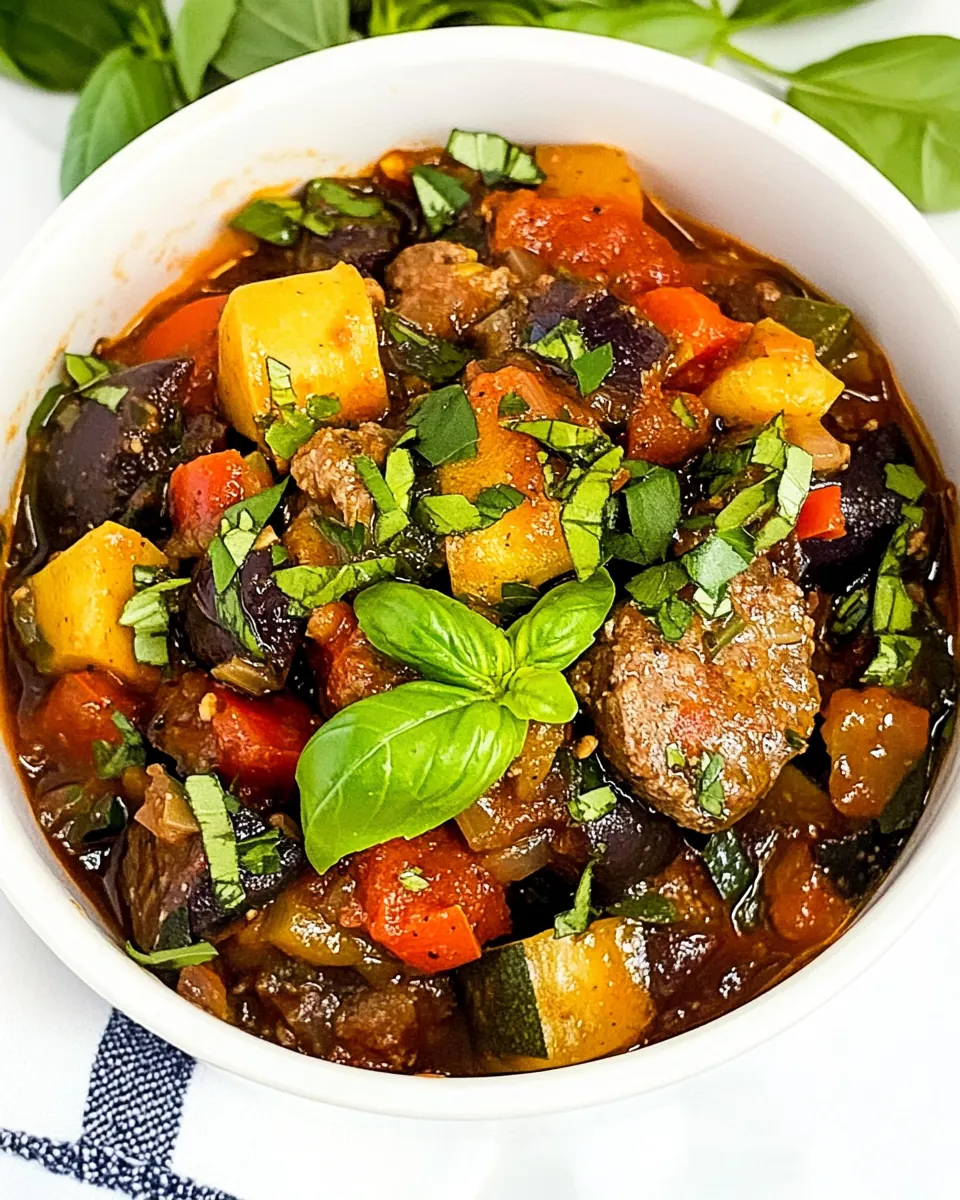
Ratatouille Stew with Italian Sausage
Ratatouille Stew with Italian Sausage is one of those dinners I fall back on when I want something honest, rustic, and full of texture. The first time I made this version I was juggling a busy week and a farm share overflowing with tomatoes, zucchini, and peppers. I loved how the aromatic vegetables softened into a rich, saucy base while the savory Italian sausage added a meaty counterpoint that made the dish feel comforting without being heavy.
I remember stirring the pot as sunlight slanted through my kitchen window and the scent of garlic and herbs filled the air. Each spoonful felt like a small celebration of late summer produce, even though I developed this for fall evenings when I crave warm, layered flavors. The recipe is forgiving, and that flexibility is why it has become a weekday favorite in my house. It holds up well reheated, which is a lifesaver on hectic nights.
What keeps me coming back is the way simple techniques coax out big flavors. Browning the sausage builds a caramelized base, sautéing the squash gives a hint of char, and a long gentle simmer melds everything into a stew that sings of herbs and ripe tomatoes. You can serve it straight from the pan or let it sit so the flavors deepen overnight. Either way, it feels like comfort food made with respect for bright, seasonal ingredients.
Recipe Snapshot
1 hr 15 mins
15 mins
60 mins
Medium
400 kcal
Italian
Keto, Gluten-Free
Dinner
Large heavy pan, Cutting board, Knife, Wooden spoon
What You’ll Enjoy About This Ratatouille Stew with Italian Sausage
Hearty, but not heavy
I love how Ratatouille Stew with Italian Sausage manages to be filling without weighing you down. The mix of tender tomatoes, zucchini, and yellow squash creates a vegetal backbone that soaks up juices, while the savory sausage lends substance. You get a satisfying mouthfeel that still feels light on the palate, perfect for weeknight dinners when you want something real but not sluggish.
Layered textures and aromas
What thrills me is the contrast between the slightly crisped edges of sautéed vegetables and the soft, stew like center. Browning the Italian sausage and searing the squash gives smoky notes that mingle with garlicky, herby aromas. When you lift the lid after a long simmer, the room fills with a chorus of smells that promise comfort and depth.
Flexible and forgiving
I rely on recipes that forgive small mistakes, and this one does just that. Miss the perfect chop size for a vegetable, or let the stew simmer a bit longer than planned It still shines. You can easily scale portions, swap similar vegetables within reason, or cook it gently until flavors meld. That flexibility makes it a working weeknight hero.
Great for leftovers and gatherings
This dish improves the next day as flavors marry, so it is perfect for meal prep. I often make a large batch, then serve it warm or at room temperature the following day. It travels well to potlucks and family dinners, and it stays robust in the fridge for several days without losing character.
Simple ingredients, big payoff
You do not need exotic pantry items to make this sing. A handful of herbs, aromatic garlic, ripe tomatoes, and a good quality Italian sausage are enough to deliver richness and complexity. That simplicity is exactly why I reach for this recipe when I want an accessible, impressive meal.
Ratatouille Stew with Italian Sausage Ingredients
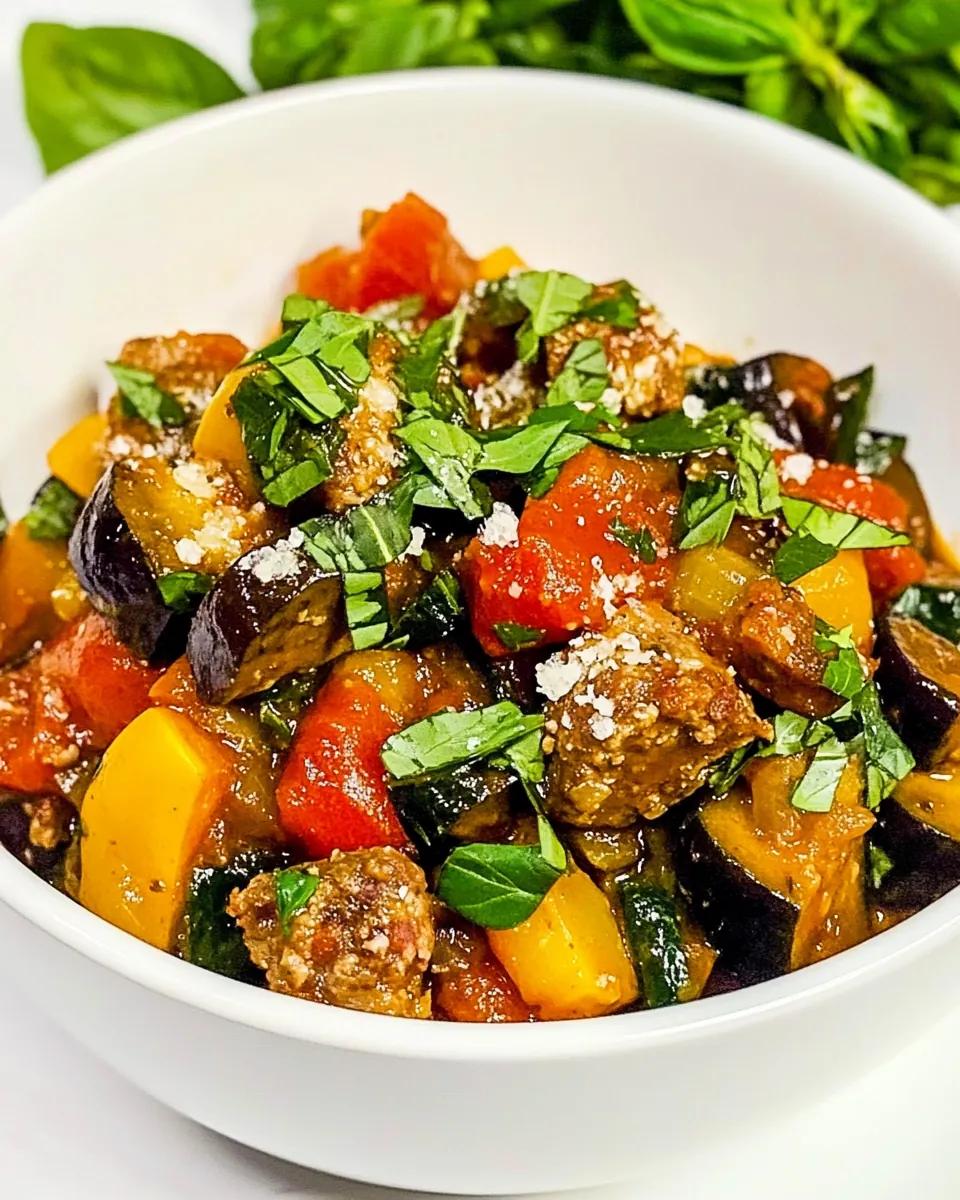
These ingredients are a study in cooperative cooking. They each play a role: the vegetables provide acidity and texture, the Italian sausage supplies savory depth, and the herbs bring brightness. Together they create a stew that is balanced, hearty, and layered with savory and fresh notes.
- one 19.5 oz. package uncooked turkey Italian sausage (see notes): Adds savory, seasoned pork flavor and protein while lending a hearty, meaty base to the stew; crumble and brown thoroughly to render fat and develop caramelized edges that deepen overall taste.
- 3 T olive oil: Provides a fruity, peppery fat for sautéing vegetables and melding flavors; warm gently to soften aromatics and carry the herb and tomato notes throughout the dish.
- 2 zucchini, chopped medium: Contributes mild, slightly sweet, and moist texture that holds shape when chopped medium; sauté until just tender so it absorbs sauce while adding bite and freshness.
- 2 yellow summer squash, chopped medium: Offers delicate, slightly sweet flesh that complements zucchini with a tender texture; cook until softened to release moisture and balance the stew’s acidity.
- 1/2 red onion, chopped small: Delivers sharp, pungent aromatics in small pieces that melt into the sauce; sweat gently to draw out sweetness and build savory depth without overpowering other flavors.
- 2 T minced garlic: Imparts robust, garlicky aroma and flavor when minced finely; add early in cooking to infuse the oil and vegetables, creating a savory backbone for the stew.
- 6 red or yellow tomatoes, chopped medium: Provides juicy acidity and natural sweetness that form the stew’s saucy base; chop medium to release juices and simmer until tomatoes break down and concentrate their flavor.
- 1 yellow pepper, chopped medium: Adds crisp, sweet vegetal notes and vibrant color when chopped medium; soften in the pan to contribute body and a subtle peppery sweetness to the ratatouille.
- 1 red pepper, chopped medium: Contributes bright, sweet flavor and colorful contrast similar to the yellow pepper; cook until tender to blend textures and enhance visual appeal.
- 3 T chopped fresh parsley (see notes): Introduces fresh, herbaceous brightness when chopped; stir in near the end or use as garnish to preserve its fresh green flavor and lift the rich stew.
- 1 tsp . dried oregano: Offers warm, slightly bitter Mediterranean herb flavor that complements tomatoes and sausage; sprinkle during cooking to infuse an earthy, aromatic background.
- salt and pepper to taste: Seasons the dish to taste and balances all flavors; add gradually during cooking and adjust at the end to ensure harmony among acidity, herbs, and richness.
- 1/2 cup chopped or sliced fresh basil, plus more to garnish the finished dish if desired: Delivers sweet, anise-like herbal notes and bright green freshness when chopped or sliced; fold in at the finish to preserve aromatic lift and a fresh, basil-forward finish.
- grated Parmesan cheese () (optional): Adds salty, umami richness as an optional finishing touch; grate over individual portions to enhance savory depth and provide a pleasing salty accent.
Ratatouille Stew with Italian Sausage Instructions
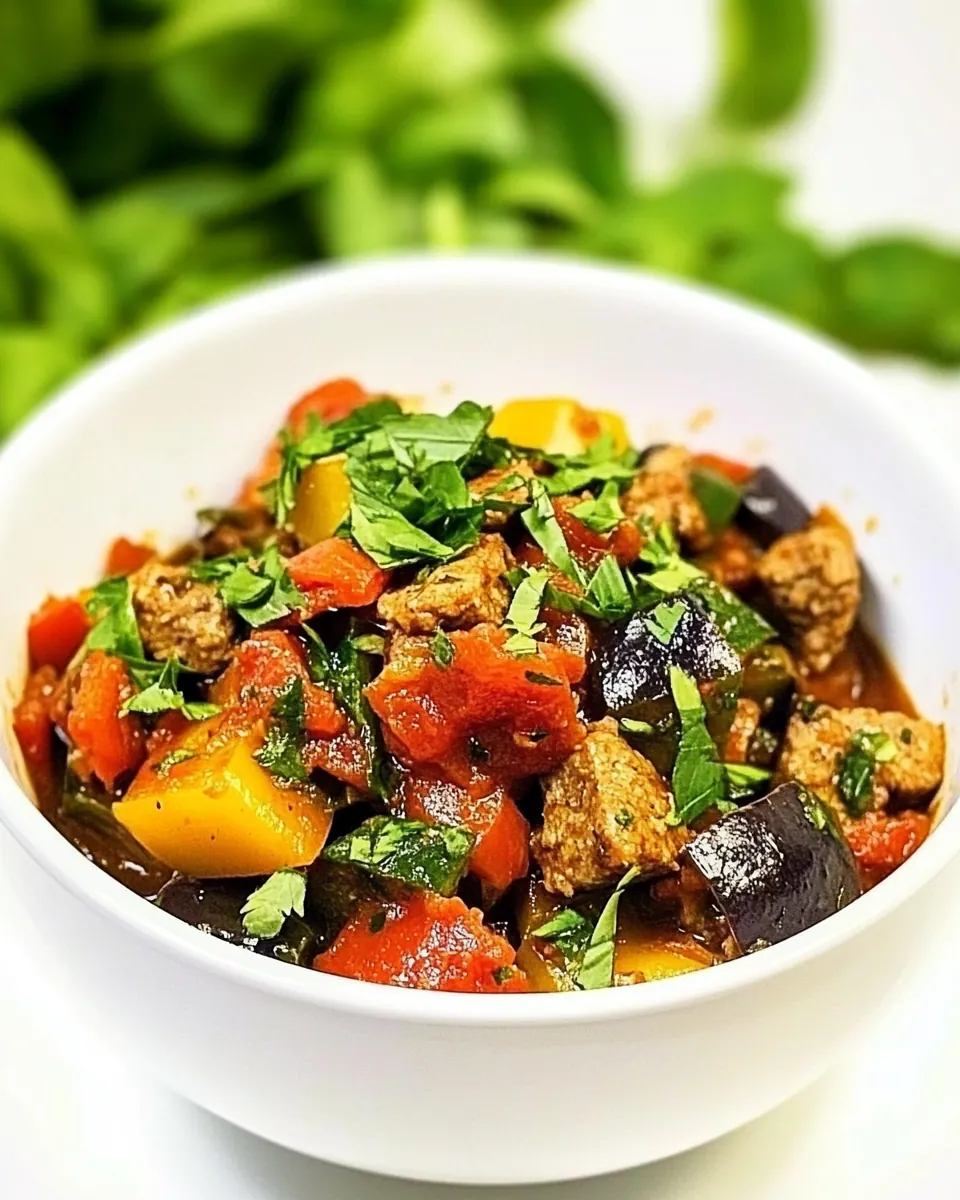
I like to walk through these steps steadily, paying attention to aroma and texture as the dish evolves. The directions below expand the original sequence into vivid, sensory guidance so you can tell when you are on the right track. Keep a wooden spoon and a taste-ready ladle nearby.
- Heat small amount of olive oil in large, heavy pan, add the Italian sausage, and cook over medium-high heat until the sausage is browned on all sides.: Warmth on the pan surface will cause the olive oil to shimmer and release a faint fruity scent, a sign it is ready. As the Italian sausage hits the pan you should hear an energetic sizzle, and within a few minutes pockets of fat will render, creating a glossy surface and browning the meat. Browning produces caramelized bits that deepen complexity, so encourage contact with the pan but do not stir constantly. You want golden crust, not a gray, steamed look. A common mistake is crowding the pan which lowers the temperature and prevents proper browning; if the pan becomes dense, brown in batches or use a slightly larger pan.
- Set sausage aside to cool on a cutting board.: As the sausage rests on the board you will notice its juices settle and its aroma becomes more pronounced, making it easier to handle. Resting prevents the meat from releasing all its moisture back into the pan during the next steps, which helps maintain the pan heat for sautéing vegetables. Use this pause to transfer those flavorful browned bits in the pan to the next cooking phases. Resist the impulse to chop immediately when it's piping hot, because cutting hot meat can release juices and make the pieces less tidy and fatty in the stew.
- Then add a bit more oil, add zucchini and yellow squash to the pan, and cook about 5 minutes, until it’s starting to brown slightly.: When you add the chopped zucchini and yellow squash , listen for a softer sizzle compared to the meat, and watch for edges to develop golden flecks. This initial sear concentrates flavor and gives the squash a slight textural contrast that stands up in the finished stew. They will release moisture, but those browned bits are worth it. Avoid over stirring; give them space to color. A common slip is cooking at too low a heat which results in limp, pale vegetables rather than pleasantly seared pieces.
- Remove squash from the pan and set aside.: Lifting the squash off the heat preserves the slight firmness and the browned surface you just achieved. If left in the pan too long they will break down excessively and become mushy, losing the pleasant bite that balances the stew. Setting them aside also frees pan space so you can properly cook the next ingredients at higher heat. Be careful not to leave them out so long they cool completely, which would blunt their flavor reintroduction.
- Add a bit more olive oil, then add peppers, onions, and garlic and cook 3-4 minutes.: The pan will fill with a fragrant chorus as the peppers and onion soften and the garlic releases its aroma. You should detect a soft sizzling and the onions turning translucent with edges showing faint color. This stage builds sweetness and aromatic foundation, so keep the heat moderate to coax sugars without charring. The primary trap here is letting the garlic burn it takes only moments and introduces bitterness, so add garlic slightly after the onions have begun to soften if your pan runs hot.
- Add tomatoes to pan, gently combine the vegetables, lower heat to medium, and cook 5 minutes more.: As the chopped tomatoes hit the pan they will begin to break down, releasing bright, acidic juices that gloss the vegetables. Stir gently so the liquid loosens pan fond and the mixture homogenizes. You want a gentle simmer that softens tomatoes while keeping some structure, not a furious boil. This step begins the sauce formation, so give it a few minutes to marry. A common misstep is cooking at too high heat which causes uneven reduction and can toughen softer vegetables.
- Add zucchini and yellow squash back into pan with parsley, dried oregano, salt and pepper.: Reintroducing the browned zucchini and yellow squash balances texture with the saucy tomatoes. The parsley and dried oregano bring herbal warmth, while salt and pepper sharpen flavors. Fold gently so the squash coats with sauce. The herbs diffuse into the mixture and begin to scent steam. Watch salt levels carefully; you can always add more later but you cannot reduce an over salted pot.
- Reduce heat to low and cook uncovered about 30 minutes. (You can add a little more olive oil if desired.): As the stew simmers uncovered, moisture reduces and flavors concentrate, producing a deeper, cohesive sauce. You will notice a mellowing of acidity and a quiet bubbling that indicates gentle cooking. This slow phase is crucial for melding textures and softening vegetables without breaking them apart. Stir occasionally to prevent sticking and check for evaporation, adding a splash of olive oil if the mixture looks dry. The mistake here is neglecting to monitor; too high heat can evaporate liquids too fast and leave the vegetables undercooked.
- Cut the sausage into diagonal slices and add to the pan and cook about 30-45 minutes more.: Slicing the cooled sausage diagonally creates attractive rounds that brown slightly when returned to the pan and release savory oils into the stew. During the 30 to 45 minute simmer the sausage will impart depth and meld with the vegetables, softening its texture while remaining distinct. You should see gentle movement in the sauce and smell a rounded, meaty aroma. Avoid boiling vigorously which can toughen the meat and break down vegetables too much.
- When sausage is cooked through and stew is flavorful, add sliced or chopped fresh basil, season with sea salt and cook 5-10 minutes more.: At this finishing stage add the basil to preserve its bright, peppery oils, and adjust seasoning with sea salt . The stew should smell harmonized and taste layered with acidity, herb notes, and savory meat. A short final simmer allows basil to integrate without losing its freshness. Be careful not to overcook the basil, which flattens the aromatic lift it provides.
- Serve hot or room temperature, with more sliced basil and Parmesan cheese to add at the table if desired.: Serve the stew warm or at room temperature depending on preference; the aroma will be at its peak warm, while the flavors melded and slightly cooled can be delightful too. Garnish with extra sliced basil and offer grated Parmesan cheese for umami richness. If serving family style, provide a ladle and let guests top individually. One common oversight is skipping a final taste for seasoning adjustments before plating.
- This Ratatouille with Sausage will keep in the fridge for several days and reheats well.: Proper cooling and refrigeration will let flavors continue to develop overnight, often improving the dish. Reheating gently on the stove preserves texture and prevents overheating, which can break down vegetables. Store in airtight containers and consume within a few days. Avoid reheating repeatedly, as repeated temperature cycling degrades texture and flavor.
Making Adjustments
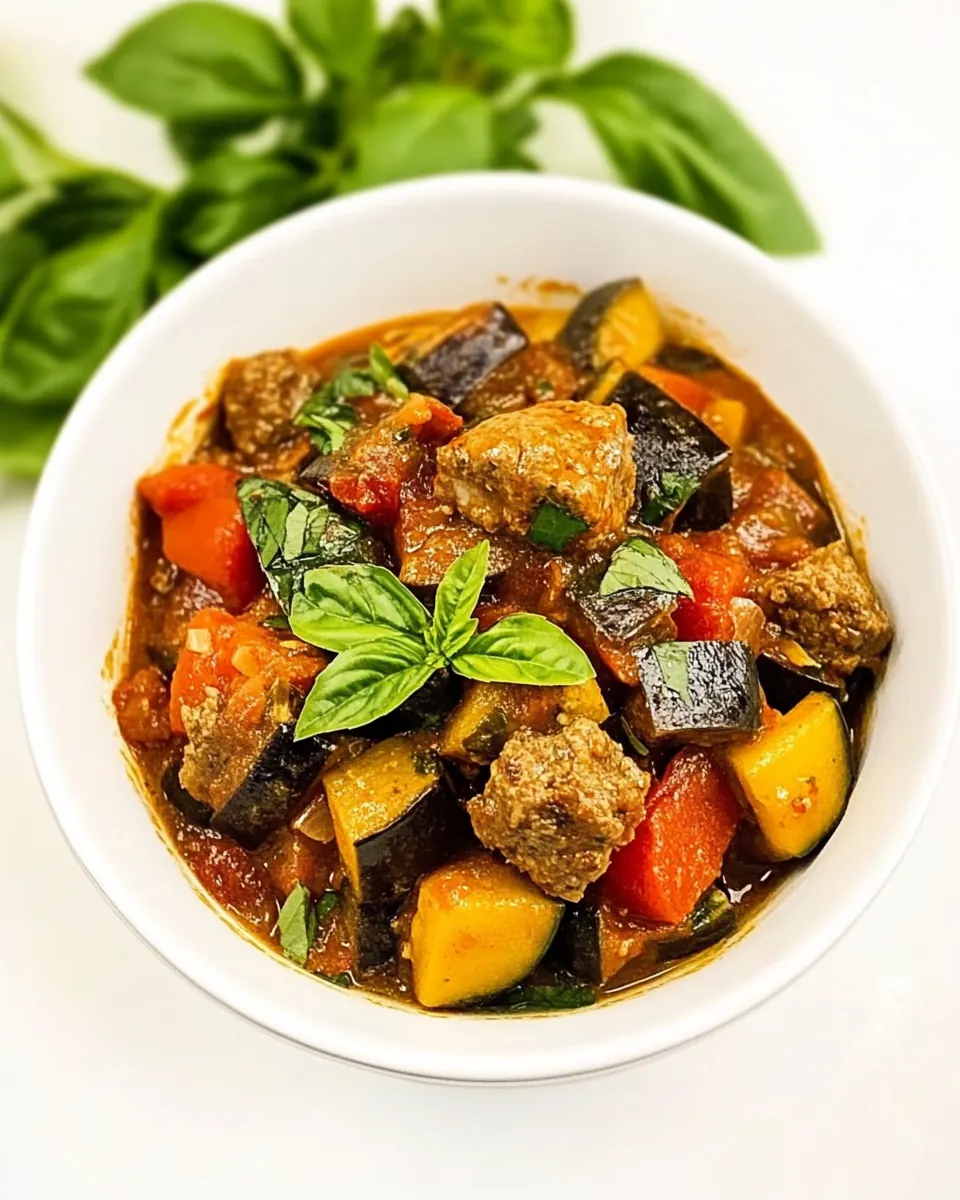
This section covers common variations and sensible adjustments I make while cooking Ratatouille Stew with Italian Sausage. Think of these as chef level nudges for texture, seasoning, and timing. Adjustments help you tailor the dish to your pantry and preferences while preserving the core character.
- Swap protein wisely If you prefer a lighter option, turkey Italian sausage works beautifully because it provides seasoning without excess fat. Keep the browning step the same to build flavor, and be cautious not to overcook which can dry leaner sausage.
- Control moisture If your tomatoes are very juicy, simmer longer to concentrate the sauce. A slow uncovered simmer will evaporate excess liquid, concentrating flavors without adding heat. Avoid raising the heat to rush reduction which can unevenly cook the vegetables.
- Herb timing Add dried oregano early so it infuses the stew, and reserve half of the parsley and basil to add near the end for freshness. This preserves bright herbal notes while still providing depth from longer cooking.
- Adjust pepper texture If you like a smoky edge, allow the peppers to char slightly before adding other vegetables, but do not burn them. Even a touch of char adds complex flavor that pairs nicely with the sausage.
- Salt in stages Season lightly at the start and adjust near the end, because flavors concentrate as the stew reduces. Tasting during the final simmer helps you hit the right balance without oversalting.
- Make it ahead This stew benefits from resting overnight, which lets flavors marry. Reheat gently the next day, and add a splash of olive oil or a few fresh basil leaves to revive the aromatics before serving.
- Finishing cheese Offer grated Parmesan cheese at the table rather than cooking it in, so each guest can control richness and the cheese retains its texture.
Serving This Ratatouille Stew with Italian Sausage
This stew is versatile for weeknight dinners, casual gatherings, or a cozy fall meal. Serve it simply or dress it up with garnishes and complementary side dishes to suit the occasion. It is especially welcome at communal meals where people can help themselves.
- Family dinner Spoon the stew into deep bowls and offer grated Parmesan cheese and extra torn basil on the side, letting everyone customize their bowl.
- Casual gathering Serve family style in the pan on the table with crusty bread for dipping and a simple green salad to add crunch and brightness.
- Meal prep Portion into airtight containers after cooling. The stew keeps well in the fridge for several days and tastes even better after a day as flavors meld.
- Room temperature service For buffet style events, this dish can be served at room temperature, where the herbal and tomato flavors are pronounced and easy to enjoy.
- Seasonal pairing In fall, pair it with roasted root vegetables or a warm grain like farro to echo the stew’s hearty character.
- Storage tip Cool to room temperature before refrigerating in sealed containers. Reheat gently on the stove to avoid overcooking the vegetables and drying the sausage.
- Occasion This is ideal for a cozy weeknight, a casual potluck, or a family Sunday supper when you want something comforting and shareable.
FAQ
Conclusion
This Ratatouille Stew with Italian Sausage shines because it balances hearty, savory meat with bright, tender vegetables for a comforting, layered meal. Give it a try on a cool evening or when you want a make ahead dish that improves overnight, and let the long simmer bring the flavors together. It is approachable, forgiving, and satisfying, a perfect recipe to lean on when you want depth without fuss. I hope it becomes one of your go to meals for family dinners and easy entertaining.
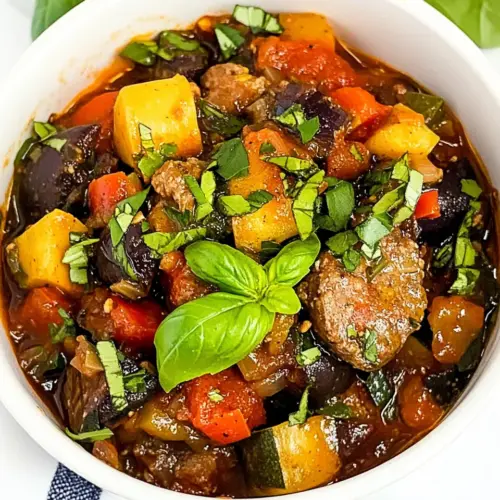
Ratatouille Stew with Italian Sausage
Equipment
- Large heavy pan
- Cutting Board
- Knife
- Wooden Spoon
Ingredients
- one 19.5 oz. package uncooked turkey Italian sausage (see notes) Adds savory, seasoned pork flavor and protein while lending a hearty, meaty base to the stew; crumble and brown thoroughly to render fat and develop caramelized edges that deepen overall taste.
- 3 T olive oil Provides a fruity, peppery fat for sautéing vegetables and melding flavors; warm gently to soften aromatics and carry the herb and tomato notes throughout the dish.
- 2 zucchini, chopped medium Contributes mild, slightly sweet, and moist texture that holds shape when chopped medium; sauté until just tender so it absorbs sauce while adding bite and freshness.
- 2 yellow summer squash, chopped medium Offers delicate, slightly sweet flesh that complements zucchini with a tender texture; cook until softened to release moisture and balance the stew’s acidity.
- 1/2 red onion, chopped small Delivers sharp, pungent aromatics in small pieces that melt into the sauce; sweat gently to draw out sweetness and build savory depth without overpowering other flavors.
- 2 T minced garlic Imparts robust, garlicky aroma and flavor when minced finely; add early in cooking to infuse the oil and vegetables, creating a savory backbone for the stew.
- 6 red or yellow tomatoes, chopped medium Provides juicy acidity and natural sweetness that form the stew’s saucy base; chop medium to release juices and simmer until tomatoes break down and concentrate their flavor.
- 1 yellow pepper, chopped medium Adds crisp, sweet vegetal notes and vibrant color when chopped medium; soften in the pan to contribute body and a subtle peppery sweetness to the ratatouille.
- 1 red pepper, chopped medium Contributes bright, sweet flavor and colorful contrast similar to the yellow pepper; cook until tender to blend textures and enhance visual appeal.
- 3 T chopped fresh parsley (see notes) Introduces fresh, herbaceous brightness when chopped; stir in near the end or use as garnish to preserve its fresh green flavor and lift the rich stew.
- 1 tsp . dried oregano Offers warm, slightly bitter Mediterranean herb flavor that complements tomatoes and sausage; sprinkle during cooking to infuse an earthy, aromatic background.
- salt and pepper to taste Seasons the dish to taste and balances all flavors; add gradually during cooking and adjust at the end to ensure harmony among acidity, herbs, and richness.
- 1/2 cup chopped or sliced fresh basil, plus more to garnish the finished dish if desired Delivers sweet, anise-like herbal notes and bright green freshness when chopped or sliced; fold in at the finish to preserve aromatic lift and a fresh, basil-forward finish.
- grated Parmesan cheese (optional) Adds salty, umami richness as an optional finishing touch; grate over individual portions to enhance savory depth and provide a pleasing salty accent.
Instructions
- Heat small amount of olive oil in large, heavy pan, add the Italian sausage, and cook over medium-high heat until the sausage is browned on all sides.: Warmth on the pan surface will cause the olive oil to shimmer and release a faint fruity scent, a sign it is ready. As the Italian sausage hits the pan you should hear an energetic sizzle, and within a few minutes pockets of fat will render, creating a glossy surface and browning the meat. Browning produces caramelized bits that deepen complexity, so encourage contact with the pan but do not stir constantly. You want golden crust, not a gray, steamed look. A common mistake is crowding the pan which lowers the temperature and prevents proper browning; if the pan becomes dense, brown in batches or use a slightly larger pan.
- Set sausage aside to cool on a cutting board.: As the sausage rests on the board you will notice its juices settle and its aroma becomes more pronounced, making it easier to handle. Resting prevents the meat from releasing all its moisture back into the pan during the next steps, which helps maintain the pan heat for sautéing vegetables. Use this pause to transfer those flavorful browned bits in the pan to the next cooking phases. Resist the impulse to chop immediately when it's piping hot, because cutting hot meat can release juices and make the pieces less tidy and fatty in the stew.
- Then add a bit more oil, add zucchini and yellow squash to the pan, and cook about 5 minutes, until it’s starting to brown slightly.: When you add the chopped zucchini and yellow squash , listen for a softer sizzle compared to the meat, and watch for edges to develop golden flecks. This initial sear concentrates flavor and gives the squash a slight textural contrast that stands up in the finished stew. They will release moisture, but those browned bits are worth it. Avoid over stirring; give them space to color. A common slip is cooking at too low a heat which results in limp, pale vegetables rather than pleasantly seared pieces.
- Remove squash from the pan and set aside.: Lifting the squash off the heat preserves the slight firmness and the browned surface you just achieved. If left in the pan too long they will break down excessively and become mushy, losing the pleasant bite that balances the stew. Setting them aside also frees pan space so you can properly cook the next ingredients at higher heat. Be careful not to leave them out so long they cool completely, which would blunt their flavor reintroduction.
- Add a bit more olive oil, then add peppers, onions, and garlic and cook 3-4 minutes.: The pan will fill with a fragrant chorus as the peppers and onion soften and the garlic releases its aroma. You should detect a soft sizzling and the onions turning translucent with edges showing faint color. This stage builds sweetness and aromatic foundation, so keep the heat moderate to coax sugars without charring. The primary trap here is letting the garlic burn it takes only moments and introduces bitterness, so add garlic slightly after the onions have begun to soften if your pan runs hot.
- Add tomatoes to pan, gently combine the vegetables, lower heat to medium, and cook 5 minutes more.: As the chopped tomatoes hit the pan they will begin to break down, releasing bright, acidic juices that gloss the vegetables. Stir gently so the liquid loosens pan fond and the mixture homogenizes. You want a gentle simmer that softens tomatoes while keeping some structure, not a furious boil. This step begins the sauce formation, so give it a few minutes to marry. A common misstep is cooking at too high heat which causes uneven reduction and can toughen softer vegetables.
- Add zucchini and yellow squash back into pan with parsley, dried oregano, salt and pepper.: Reintroducing the browned zucchini and yellow squash balances texture with the saucy tomatoes. The parsley and dried oregano bring herbal warmth, while salt and pepper sharpen flavors. Fold gently so the squash coats with sauce. The herbs diffuse into the mixture and begin to scent steam. Watch salt levels carefully; you can always add more later but you cannot reduce an over salted pot.
- Reduce heat to low and cook uncovered about 30 minutes. (You can add a little more olive oil if desired.): As the stew simmers uncovered, moisture reduces and flavors concentrate, producing a deeper, cohesive sauce. You will notice a mellowing of acidity and a quiet bubbling that indicates gentle cooking. This slow phase is crucial for melding textures and softening vegetables without breaking them apart. Stir occasionally to prevent sticking and check for evaporation, adding a splash of olive oil if the mixture looks dry. The mistake here is neglecting to monitor; too high heat can evaporate liquids too fast and leave the vegetables undercooked.
- Cut the sausage into diagonal slices and add to the pan and cook about 30-45 minutes more.: Slicing the cooled sausage diagonally creates attractive rounds that brown slightly when returned to the pan and release savory oils into the stew. During the 30 to 45 minute simmer the sausage will impart depth and meld with the vegetables, softening its texture while remaining distinct. You should see gentle movement in the sauce and smell a rounded, meaty aroma. Avoid boiling vigorously which can toughen the meat and break down vegetables too much.
- When sausage is cooked through and stew is flavorful, add sliced or chopped fresh basil, season with sea salt and cook 5-10 minutes more.: At this finishing stage add the basil to preserve its bright, peppery oils, and adjust seasoning with sea salt . The stew should smell harmonized and taste layered with acidity, herb notes, and savory meat. A short final simmer allows basil to integrate without losing its freshness. Be careful not to overcook the basil, which flattens the aromatic lift it provides.
- Serve hot or room temperature, with more sliced basil and Parmesan cheese to add at the table if desired.: Serve the stew warm or at room temperature depending on preference; the aroma will be at its peak warm, while the flavors melded and slightly cooled can be delightful too. Garnish with extra sliced basil and offer grated Parmesan cheese for umami richness. If serving family style, provide a ladle and let guests top individually. One common oversight is skipping a final taste for seasoning adjustments before plating.
- This Ratatouille with Sausage will keep in the fridge for several days and reheats well.: Proper cooling and refrigeration will let flavors continue to develop overnight, often improving the dish. Reheating gently on the stove preserves texture and prevents overheating, which can break down vegetables. Store in airtight containers and consume within a few days. Avoid reheating repeatedly, as repeated temperature cycling degrades texture and flavor.
Notes
- Swap protein wisely If you prefer a lighter option, turkey Italian sausage works beautifully because it provides seasoning without excess fat. Keep the browning step the same to build flavor, and be cautious not to overcook which can dry leaner sausage.
- Control moisture If your tomatoes are very juicy, simmer longer to concentrate the sauce. A slow uncovered simmer will evaporate excess liquid, concentrating flavors without adding heat. Avoid raising the heat to rush reduction which can unevenly cook the vegetables.
- Herb timing Add dried oregano early so it infuses the stew, and reserve half of the parsley and basil to add near the end for freshness. This preserves bright herbal notes while still providing depth from longer cooking.
- Adjust pepper texture If you like a smoky edge, allow the peppers to char slightly before adding other vegetables, but do not burn them. Even a touch of char adds complex flavor that pairs nicely with the sausage.
- Salt in stages Season lightly at the start and adjust near the end, because flavors concentrate as the stew reduces. Tasting during the final simmer helps you hit the right balance without oversalting.
- Make it ahead This stew benefits from resting overnight, which lets flavors marry. Reheat gently the next day, and add a splash of olive oil or a few fresh basil leaves to revive the aromatics before serving.
- Finishing cheese Offer grated Parmesan cheese at the table rather than cooking it in, so each guest can control richness and the cheese retains its texture.
