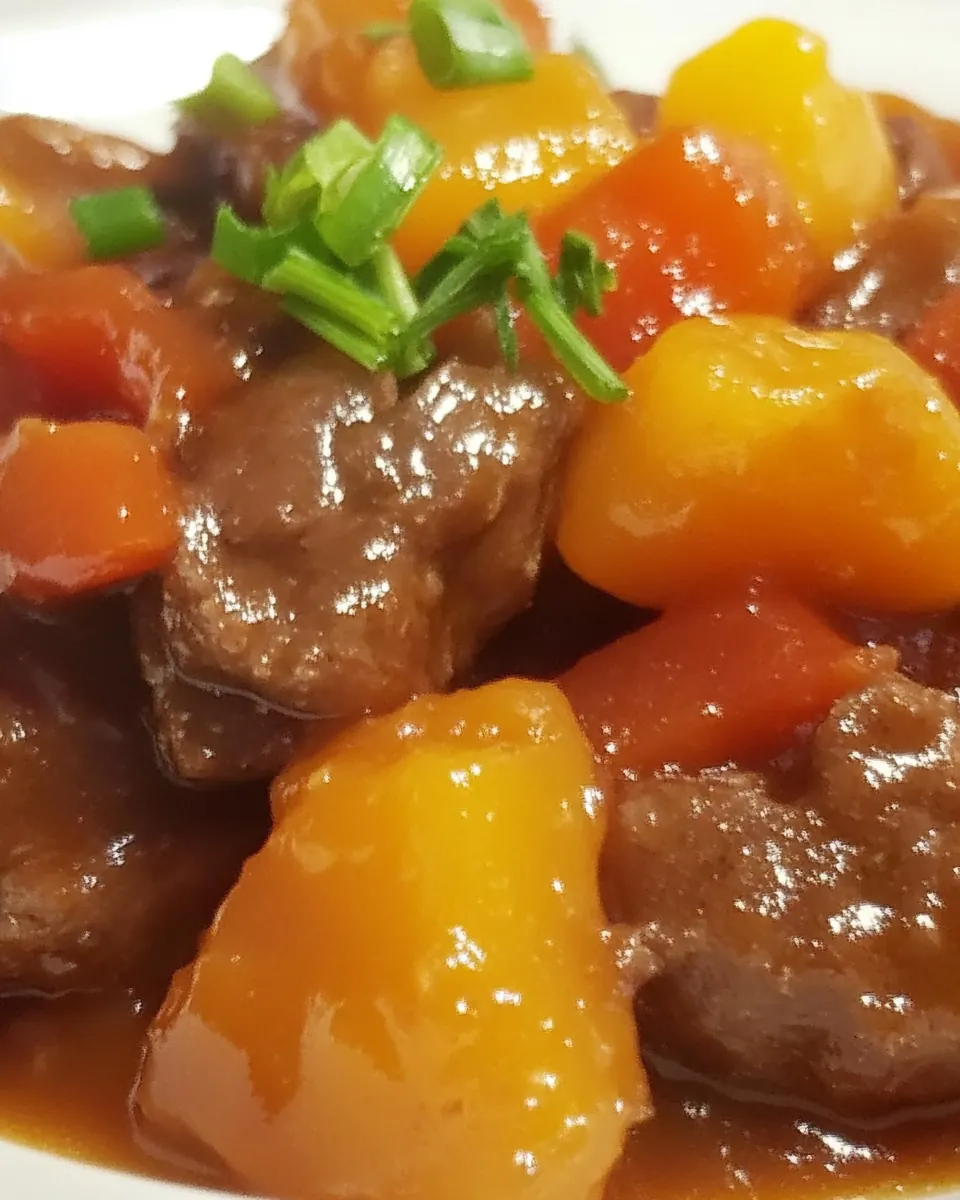
Slow Cooker Mandarin Beef
Slow Cooker Mandarin Beef was the kind of weeknight rescue I fell for the first time on a snowed in evening, when the city slowed and the kitchen warmed right up.
I still remember pulling the slow cooker from the cabinet, rubbing a little salt and pepper into a thick cut of beef, and thinking this would be dinner for the whole family. The aroma that filled the house while it simmered became the kind of scent that calls people from other rooms. I loved how the kitchen felt cozy and purposeful, like everyone had permission to slow down and gather.
That night I learned a few things I still use every time I make Slow Cooker Mandarin Beef. First, the maneuvers you do before the slow cooking begin set the tone for the finished texture. Second, a bright hit of citrus from canned mandarin orange keeps the sauce lively without fuss. Third, a light cornstarch slurry added near the end transforms cooking juices into a glossy coating that clings to each bite of beef. Over time I’ve tweaked small details, but the soul of this recipe remains the same, comforting and bright.
Recipe Snapshot
8 hr 10 mins
10 mins
480 mins
Hard
350 kcal
American
Gluten-Free, Paleo
Dinner
Slow Cooker
The Charm of This Slow Cooker Mandarin Beef
Bold, bright flavors that travel well
I love that Slow Cooker Mandarin Beef balances savory and sweet without ever feeling heavy. The combination of soy style seasoning, a touch of rice vinegar, and the natural sweetness from mandarin orange makes each forkful interesting. It keeps well for leftovers, so I often send containers home with family after a dinner, and that alone has earned it a reputation in my circle.
Hands off, but not hands out
One of the reasons I rely on this dish is how little babysitting it needs. After the initial prep, the beef slowly tenderizes while you get on with the rest of your day. It gives me space to focus on other tasks, yet it returns a richly developed sauce because slow, moist heat encourages collagen breakdown and deep flavor development.
Textural payoff from a simple trick
I always finish with a cornstarch slurry, which gives the sauce a shiny, clingy texture that makes rice or quinoa sing when paired with the meat. That small step elevates the mouthfeel dramatically, and it is why guests often ask for the recipe. It is an easy flourish that separates a good meal from a memorable one.
Accessible ingredients with an adaptable profile
I like that the ingredients are pantry friendly, and substitutions for soy style seasoning are noted right in the ingredient list so you can adapt to what you have. The flavor profile skews familiar, which makes it an excellent introduction to slow cooked Asian influenced mains for people who are newer to those tastes.
Feeds a crowd without stress
I’ve served this at casual gatherings and weeknight family dinners because it scales cleanly. The slow cooker does the heavy lifting, and by the time people sit down, the dish looks and smells like you spent hours on it. That theatrical reveal always gets compliments, and I always feel pleased that the effort to reward ratio is so high.
Ingredients Overview for Slow Cooker Mandarin Beef
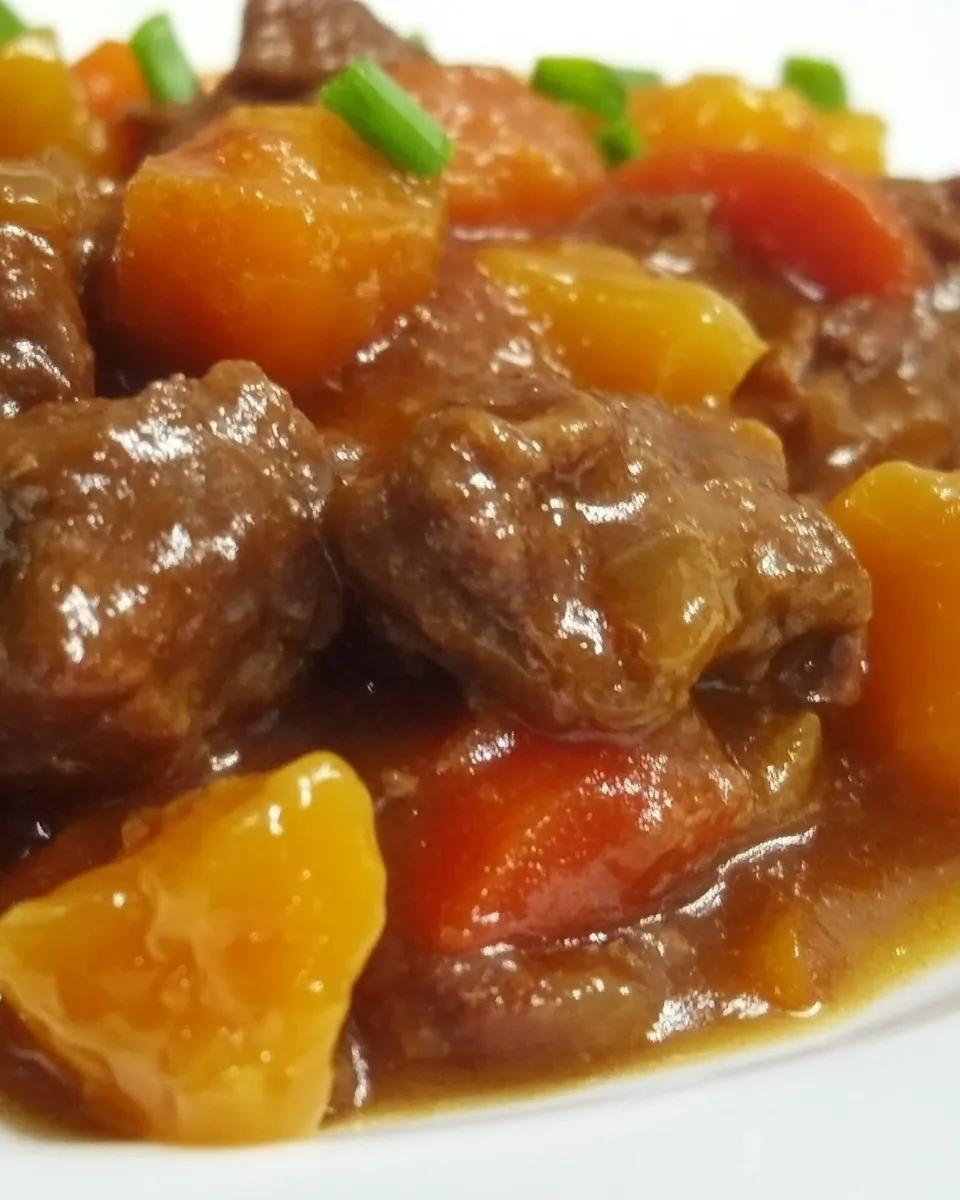
For Slow Cooker Mandarin Beef I aim for ingredients that work together to build savory depth, bright acidity, and a touch of sweetness. The key players are the beef for richness, aromatics like onion and garlic for savory backbone, and the mandarin orange for citrus lift. A cornstarch slurry finishes the sauce so it coats each piece of meat beautifully.
- 1 pound boneless beef chuck blade steak: Provide rich, well-marbled beef that becomes tender and flavorful when slow-cooked; break into bite-sized pieces and allow long, gentle cooking to render connective tissue for a silky mouthfeel.
- 1/2 teaspoon kosher or sea salt: Season meat evenly to enhance overall flavor and help balance sweetness and acidity; dissolve into other seasonings for consistent seasoning throughout the dish.
- 1/2 teaspoon black pepper: Season with warm, sharp heat to highlight savory elements and cut through richness; grind freshly for best aromatic impact and even distribution.
- 1 carrot diced: Add sweet, earthy crunch and subtle sweetness while absorbing sauces; dice uniformly so pieces soften evenly during long cooking without becoming mushy.
- 1 yellow onion small, diced: Contribute savory sweetness and body to the sauce as it breaks down; dice small so it melds into the braising liquid and adds texture without overpowering.
- 1 red bell pepper sliced into strips: Bring bright, crisp color and a tender-crisp bite when added; slice into strips so peppers hold shape and provide contrast to the braised beef.
- 2 garlic cloves minced: Impart pungent, aromatic depth and savory bite; mince finely so it disperses through the sauce and infuses the dish during slow cooking.
- 1 teaspoon fresh ginger grated: Add warm, citrusy-spicy brightness to lift flavors; grate finely so the ginger releases its essential oils and complements the sweet mandarin notes.
- 1 teaspoon anchovy paste (optional): Introduce umami and savory complexity with a slight saline background when used; stir in optional anchovy paste sparingly to deepen the sauce without fishiness.
- 1 teaspoon sesame oil: Contribute toasted, nutty aroma and finish; add in small amount to round savory flavors and enhance the sesame character of the finished dish.
- 1 tablespoon rice vinegar: Provide gentle acidity to balance sweetness and fat; stir into the sauce to brighten flavors and help tenderize meat slightly during cooking.
- 1 tablespoon soy sauce lite, low sodium – Tamari or Bragg's Liquid Aminos (optional): Supply salty, savory depth and a soy-based backbone; choose low-sodium or alternatives to control salt levels while maintaining umami complexity.
- 1 mandarin orange can: Offer bright citrus-sweet juice and segments that infuse the sauce with tang and sweetness; drain or add some syrup for desired intensity and texture.
- 2 tablespoons cornstarch: Thicken the braising liquid into a glossy sauce when mixed with cold liquid; dissolve thoroughly to prevent lumps and add near the end of cooking to reach desired consistency.
How to Prepare Slow Cooker Mandarin Beef
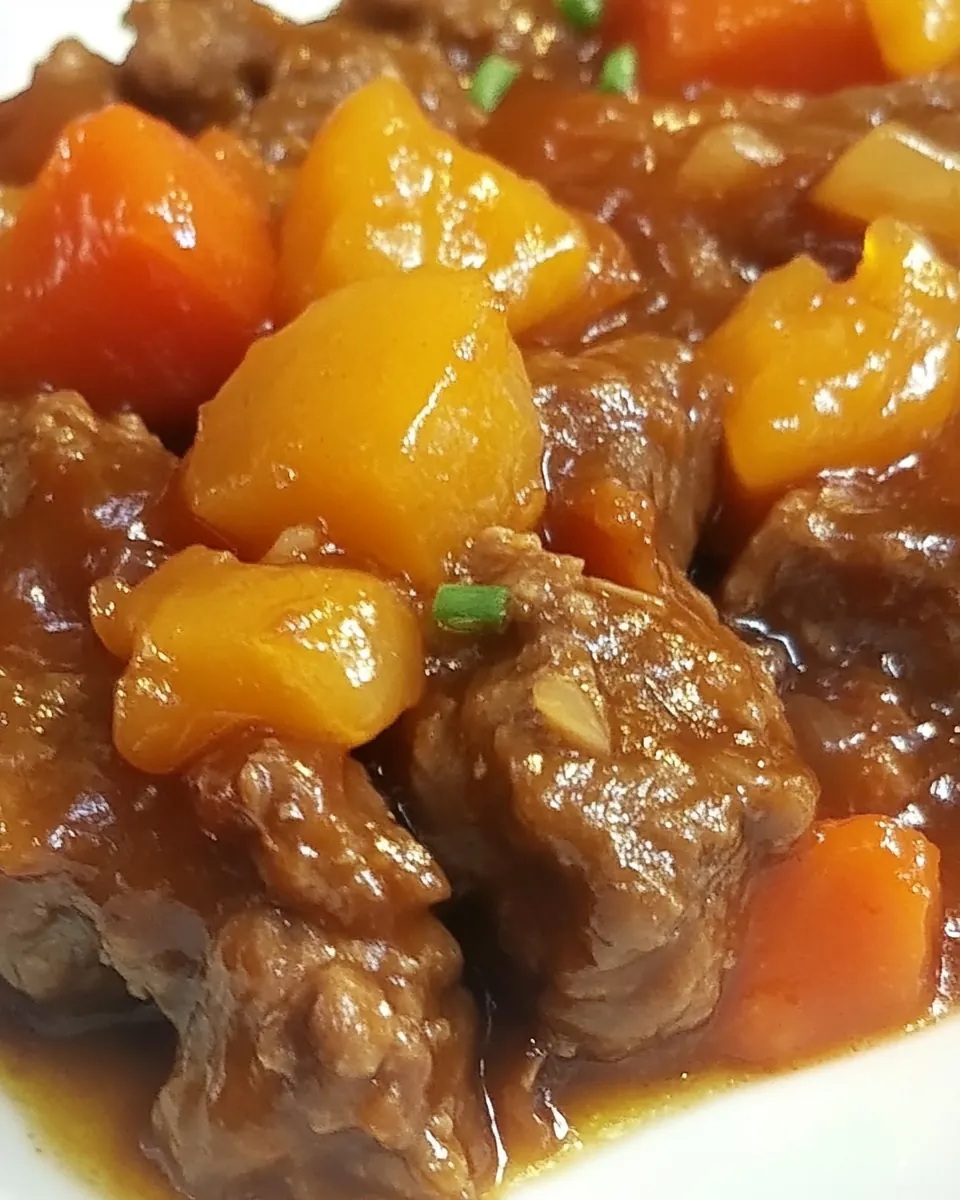
This recipe is straightforward, and the slow cooker does most of the work. Below I expand each direction into detailed sensory cues, explanations of why the technique matters, and common pitfalls to avoid so you can feel confident at every stage.
- Cut steak into bite-size pieces. Add to the slow cooker, steak, and the remaining ingredients, except cornstarch, water, and mandarin oranges. Cover and cook on low 6 to 8 hours.: The kitchen fills with a meaty aroma as you work; you should feel the resistance of the knife through the grain as you make uniform cubes so each piece cooks at the same rate. Cutting to similar sizes ensures consistent tenderness because uneven pieces lead to some bites that are overcooked while others remain chewy. A common mistake is cutting pieces that are too large, which increases cooking time and can leave the centers less tender. Make sure your blade is sharp so you get clean cuts and minimal shredding, and wipe excess moisture from the surface to avoid steaming instead of browning when necessary.
- About 15 minutes before the end of cooking time combine cornstarch with 1/4 cup liquid from mandarin oranges, stir until smooth and add to the slow cooker along with the oranges. Discard the remaining liquid from the oranges, unless you prefer a thinner sauce, in that case, add the remaining liquid. Stir and continue cooking 15 minutes.: As the ingredients nestle together you can already sense the mix of aromas, from sweet onion to fragrant ginger . Layering everything into the cooker allows the flavors to meld slowly, which is why I exclude the cornstarch and fruit until later; the cornstarch would break down and the fruit would disintegrate. If you pack ingredients unevenly, some pieces may be uncovered and cook differently, so stir gently to distribute seasoning, then spread items in a single layer when possible. Avoid overfilling the slow cooker because overcrowding traps steam and can alter the final texture.
- Mandarin Beef is delicious served over brown rice or quinoa.: During the long, low heat the beef will release juices and collagen will convert to gelatin, creating a tender, silky mouthfeel. You should notice occasional bubbling and a steady savory aroma from the cooker as flavors develop. Resist the urge to lift the lid frequently, because doing so lengthens cooking time and lets heat escape, interrupting the gentle break down of connective tissue. If you need to check, do it quickly and replace the lid firmly so heat and steam are retained.
- About 15 minutes before the end of cooking time combine cornstarch with 1/4 cup liquid from mandarin oranges, stir until smooth and add to the slow cooker along with the oranges: The slurry immediately thickens the sauce when it hits residual heat, changing the texture to glossy and clingy; you will hear a soft bubbling and see the liquid become more reflective. Mixing the cornstarch with mandarin liquid prevents lumps and ensures even distribution, which matters because unmixed cornstarch can create gritty pockets. A typical error is adding undissolved cornstarch directly, so always whisk until silky. Also, add the fruit now to preserve its shape and fresh citrus notes, rather than letting it vanish into the sauce.
- Discard the remaining liquid from the oranges, unless you prefer a thinner sauce, in that case, add the remaining liquid: The discarded juice contains excess sweetness that can dilute the savory balance, so I recommend removing it for a more robust sauce. If you favor a looser glaze, include the reserved juice and you will immediately notice a more fluid finish and a brighter, fruit forward scent. One thing to avoid is adding too much liquid, which thins the sauce and dulls the mouth coating; adjust carefully and taste before serving so the balance is right for you.
- Stir and continue cooking 15 minutes: The final simmer lets the slurry set and the flavors marry; you will notice the sauce thicken and cling to the pieces of beef , and the aroma becomes round and integrated. Gentle stirring helps distribute heat and prevents small hot spots from forming, which could break the glossy finish. Over stirring can break delicate fruit segments, so use a soft motion and keep it brief. If the sauce seems too thick, add a spoonful of reserved liquid and stir until you reach the desired consistency.
- Mandarin Beef is delicious served over brown rice or quinoa: Serving over a grain creates contrast, the tender beef and glossy sauce over nutty brown rice or fluffy quinoa provides a complete mouthfeel and textural variety. When plating, spoon the sauce generously so each bite of grain gets coated, and garnish if you like for color. A common misstep is under-salting the dish after thickening, so always taste the final sauce and adjust seasoning with a pinch of salt or a splash of soy style seasoning if it needs brightness.
Tips for Success
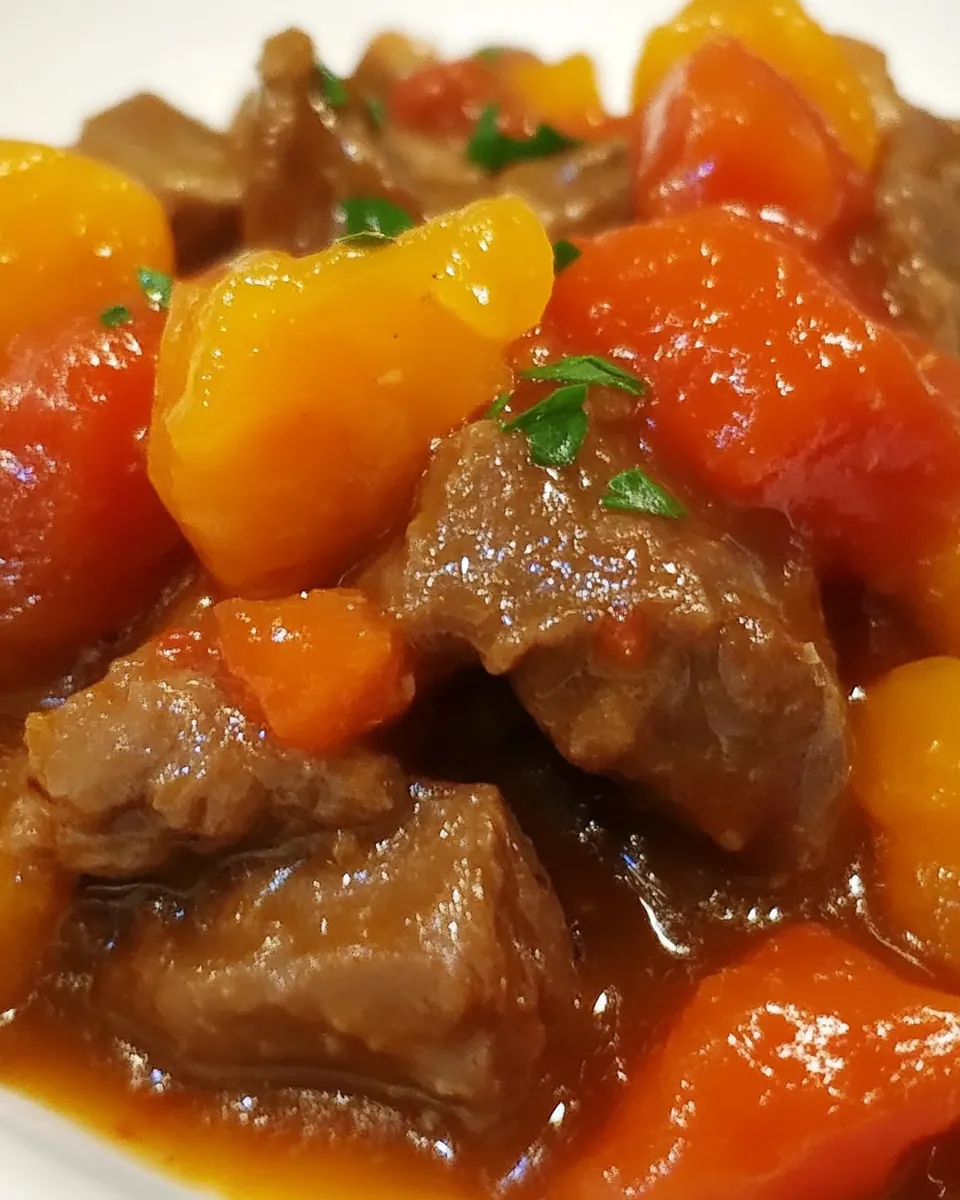
This section gives concentrated, practical advice so your Slow Cooker Mandarin Beef turns out reliably each time. Below are actionable tips that address timing, texture, seasoning, and serving.
- Trim and dry the beef: Pat the beef dry before cutting and seasoning to promote better browning if you sear first, and to prevent excess liquid in the slow cooker which can dilute flavor.
- Layer aromatics strategically: Place diced onion and minced garlic near the bottom so they spend more time mingling with cooking juices, which builds a richer base.
- Reserve mandarin liquid: Keep the juice from the canned mandarin orange aside so you can control sauce thickness; add it back sparingly if you prefer a looser consistency.
- Make a smooth slurry: Fully dissolve the cornstarch in cool mandarin juice before adding; this prevents lumps and ensures a shiny sauce that clings evenly.
- Season at the end: Taste and adjust salt and pepper after thickening because reduction concentrates flavors and you may need less salt than expected.
Great Combinations for Slow Cooker Mandarin Beef
Slow Cooker Mandarin Beef works beautifully with simple sides and fits many occasions. Below are serving suggestions, storage notes, and pairing ideas to help you plan meals from casual weeknights to cozy winter gatherings.
- Serve over grains: Spoon the saucy beef over warm brown rice or quinoa so the grain soaks up the flavorful sauce, making each bite balanced and satisfying.
- Family dinners: This recipe is ideal for a relaxed family meal because the slow cooker frees you up to focus on side dishes and conversation while the main cooks low and slow.
- Meal prep and leftovers: Portion into airtight containers and refrigerate for up to four days; the sauce deepens in flavor as it rests, making the leftovers especially tasty.
- Occasions: Bright citrus notes make this a welcome dish for winter gatherings or casual weekend dinners, bringing warmth and a touch of brightness to the table.
- Seasonal pairing: In colder months, pair it with roasted vegetables or a simple steamed green so the meal feels hearty and balanced without heavy sides.
FAQ
Conclusion
Slow Cooker Mandarin Beef stands out because it pairs comforting, slow cooked richness with bright citrus lift, giving a balanced and approachable main that works for weeknights and gatherings. Try it because it requires minimal hands on time, rewards patience with deeply developed flavors, and produces leftovers that taste even better the next day. I hope this recipe becomes one of your reliable, feel good dinners that you come back to when you want something soulful yet easy.
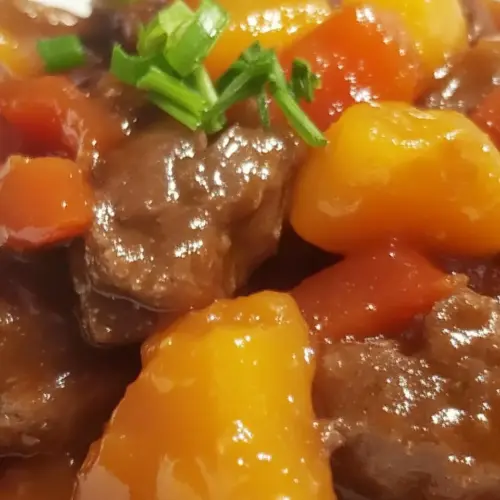
Slow Cooker Mandarin Beef
Equipment
- Slow Cooker
Ingredients
- 1 pound boneless beef chuck blade steak Provide rich, well-marbled beef that becomes tender and flavorful when slow-cooked; break into bite-sized pieces and allow long, gentle cooking to render connective tissue for a silky mouthfeel.
- 1/2 teaspoon kosher or sea salt Season meat evenly to enhance overall flavor and help balance sweetness and acidity; dissolve into other seasonings for consistent seasoning throughout the dish.
- 1/2 teaspoon black pepper Season with warm, sharp heat to highlight savory elements and cut through richness; grind freshly for best aromatic impact and even distribution.
- 1 carrot diced Add sweet, earthy crunch and subtle sweetness while absorbing sauces; dice uniformly so pieces soften evenly during long cooking without becoming mushy.
- 1 yellow onion small, diced Contribute savory sweetness and body to the sauce as it breaks down; dice small so it melds into the braising liquid and adds texture without overpowering.
- 1 red bell pepper sliced into strips Bring bright, crisp color and a tender-crisp bite when added; slice into strips so peppers hold shape and provide contrast to the braised beef.
- 2 garlic cloves minced Impart pungent, aromatic depth and savory bite; mince finely so it disperses through the sauce and infuses the dish during slow cooking.
- 1 teaspoon fresh ginger grated Add warm, citrusy-spicy brightness to lift flavors; grate finely so the ginger releases its essential oils and complements the sweet mandarin notes.
- 1 teaspoon anchovy paste optional Introduce umami and savory complexity with a slight saline background when used; stir in optional anchovy paste sparingly to deepen the sauce without fishiness.
- 1 teaspoon sesame oil Contribute toasted, nutty aroma and finish; add in small amount to round savory flavors and enhance the sesame character of the finished dish.
- 1 tablespoon rice vinegar Provide gentle acidity to balance sweetness and fat; stir into the sauce to brighten flavors and help tenderize meat slightly during cooking.
- 1 tablespoon soy sauce lite, low sodium - optional Tamari or Bragg's Liquid Aminos Supply salty, savory depth and a soy-based backbone; choose low-sodium or alternatives to control salt levels while maintaining umami complexity.
- 1 mandarin orange can Offer bright citrus-sweet juice and segments that infuse the sauce with tang and sweetness; drain or add some syrup for desired intensity and texture.
- 2 tablespoons cornstarch Thicken the braising liquid into a glossy sauce when mixed with cold liquid; dissolve thoroughly to prevent lumps and add near the end of cooking to reach desired consistency.
Instructions
- Cut steak into bite-size pieces. Add to the slow cooker, steak, and the remaining ingredients, except cornstarch, water, and mandarin oranges. Cover and cook on low 6 to 8 hours.: The kitchen fills with a meaty aroma as you work; you should feel the resistance of the knife through the grain as you make uniform cubes so each piece cooks at the same rate. Cutting to similar sizes ensures consistent tenderness because uneven pieces lead to some bites that are overcooked while others remain chewy. A common mistake is cutting pieces that are too large, which increases cooking time and can leave the centers less tender. Make sure your blade is sharp so you get clean cuts and minimal shredding, and wipe excess moisture from the surface to avoid steaming instead of browning when necessary.
- About 15 minutes before the end of cooking time combine cornstarch with 1/4 cup liquid from mandarin oranges, stir until smooth and add to the slow cooker along with the oranges. Discard the remaining liquid from the oranges, unless you prefer a thinner sauce, in that case, add the remaining liquid. Stir and continue cooking 15 minutes.: As the ingredients nestle together you can already sense the mix of aromas, from sweet onion to fragrant ginger . Layering everything into the cooker allows the flavors to meld slowly, which is why I exclude the cornstarch and fruit until later; the cornstarch would break down and the fruit would disintegrate. If you pack ingredients unevenly, some pieces may be uncovered and cook differently, so stir gently to distribute seasoning, then spread items in a single layer when possible. Avoid overfilling the slow cooker because overcrowding traps steam and can alter the final texture.
- Mandarin Beef is delicious served over brown rice or quinoa.: During the long, low heat the beef will release juices and collagen will convert to gelatin, creating a tender, silky mouthfeel. You should notice occasional bubbling and a steady savory aroma from the cooker as flavors develop. Resist the urge to lift the lid frequently, because doing so lengthens cooking time and lets heat escape, interrupting the gentle break down of connective tissue. If you need to check, do it quickly and replace the lid firmly so heat and steam are retained.
- About 15 minutes before the end of cooking time combine cornstarch with 1/4 cup liquid from mandarin oranges, stir until smooth and add to the slow cooker along with the oranges: The slurry immediately thickens the sauce when it hits residual heat, changing the texture to glossy and clingy; you will hear a soft bubbling and see the liquid become more reflective. Mixing the cornstarch with mandarin liquid prevents lumps and ensures even distribution, which matters because unmixed cornstarch can create gritty pockets. A typical error is adding undissolved cornstarch directly, so always whisk until silky. Also, add the fruit now to preserve its shape and fresh citrus notes, rather than letting it vanish into the sauce.
- Discard the remaining liquid from the oranges, unless you prefer a thinner sauce, in that case, add the remaining liquid: The discarded juice contains excess sweetness that can dilute the savory balance, so I recommend removing it for a more robust sauce. If you favor a looser glaze, include the reserved juice and you will immediately notice a more fluid finish and a brighter, fruit forward scent. One thing to avoid is adding too much liquid, which thins the sauce and dulls the mouth coating; adjust carefully and taste before serving so the balance is right for you.
- Stir and continue cooking 15 minutes: The final simmer lets the slurry set and the flavors marry; you will notice the sauce thicken and cling to the pieces of beef , and the aroma becomes round and integrated. Gentle stirring helps distribute heat and prevents small hot spots from forming, which could break the glossy finish. Over stirring can break delicate fruit segments, so use a soft motion and keep it brief. If the sauce seems too thick, add a spoonful of reserved liquid and stir until you reach the desired consistency.
- Mandarin Beef is delicious served over brown rice or quinoa: Serving over a grain creates contrast, the tender beef and glossy sauce over nutty brown rice or fluffy quinoa provides a complete mouthfeel and textural variety. When plating, spoon the sauce generously so each bite of grain gets coated, and garnish if you like for color. A common misstep is under-salting the dish after thickening, so always taste the final sauce and adjust seasoning with a pinch of salt or a splash of soy style seasoning if it needs brightness.
Notes
- Trim and dry the beef: Pat the beef dry before cutting and seasoning to promote better browning if you sear first, and to prevent excess liquid in the slow cooker which can dilute flavor.
- Layer aromatics strategically: Place diced onion and minced garlic near the bottom so they spend more time mingling with cooking juices, which builds a richer base.
- Reserve mandarin liquid: Keep the juice from the canned mandarin orange aside so you can control sauce thickness; add it back sparingly if you prefer a looser consistency.
- Make a smooth slurry: Fully dissolve the cornstarch in cool mandarin juice before adding; this prevents lumps and ensures a shiny sauce that clings evenly.
- Season at the end: Taste and adjust salt and pepper after thickening because reduction concentrates flavors and you may need less salt than expected.