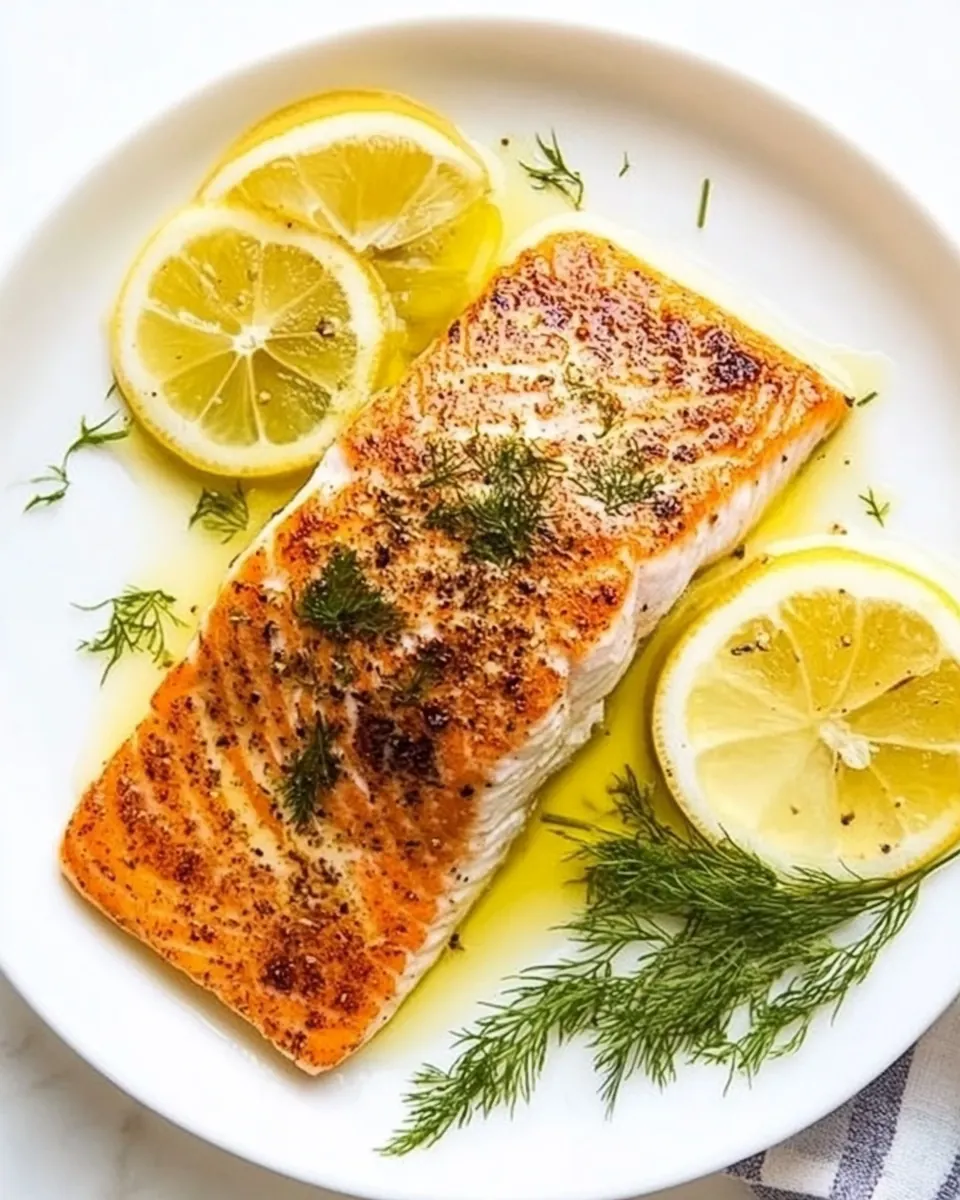
How to Cook Salmon
How to Cook Salmon is the sort of simple, honest dish I reach for when I want a fast, flavorful meal that still feels a little special. The first time I learned this easy technique I was pressed for time after a long day, but I wanted the kind of dinner that smelled as good as it tasted, with crisped edges and a tender center. Over the years I tweaked small things, and this version became my reliable go to when I want salmon that feels restaurant level with minimal fuss.
I remember a weekday evening when I had just two hands and a hungry friend stopping by. A single fillet, a squeeze of lemon wedges, a sprinkle of Kosher salt, or sea salt flakes, and a hot pan turned an ordinary night into a relaxed dinner conversation. That balance of texture and bright acidity is what keeps me coming back, and I enjoy sharing tricks that make the process forgiving for cooks at any skill level. When you learn a dependable method, it frees you to play with sides and seasonings later.
Recipe Snapshot
10 mins
5 mins
5 mins
Easy
350 kcal
American
Keto, Paleo
Dinner
Pan, Paper towels
Why You’ll Love This How to Cook Salmon
Texture that sings
I love how this approach delivers a crisp exterior while preserving a succulent interior. Searing the exterior creates contrast, and that contrast is the difference between a forgettable piece of fish and one you want to eat right away.
Speed without compromise
Because the technique is fast, it fits into busy evenings. I often have dinner on the table in under 15 minutes, and that speed does not mean sacrificing depth of flavor.
Minimal ingredients, maximum impact
With only a few pantry staples you get a dish that feels polished. The spices and olive oil amplify the natural richness of the fish, while Lemon wedges brighten every bite.
Highly adaptable
This method is forgiving. If you want a smokier note, adjust the paprika amount. If your fillet is thicker, a few extra seconds on the heat will do it. I appreciate recipes that bend to the moment rather than demanding exacting precision.
Great for everyday or guests
I use this preparation for a quiet dinner and for entertaining. It looks elegant on the plate but remains approachable. That combination makes it one of my most used fish techniques.
Ingredients Overview for How to Cook Salmon
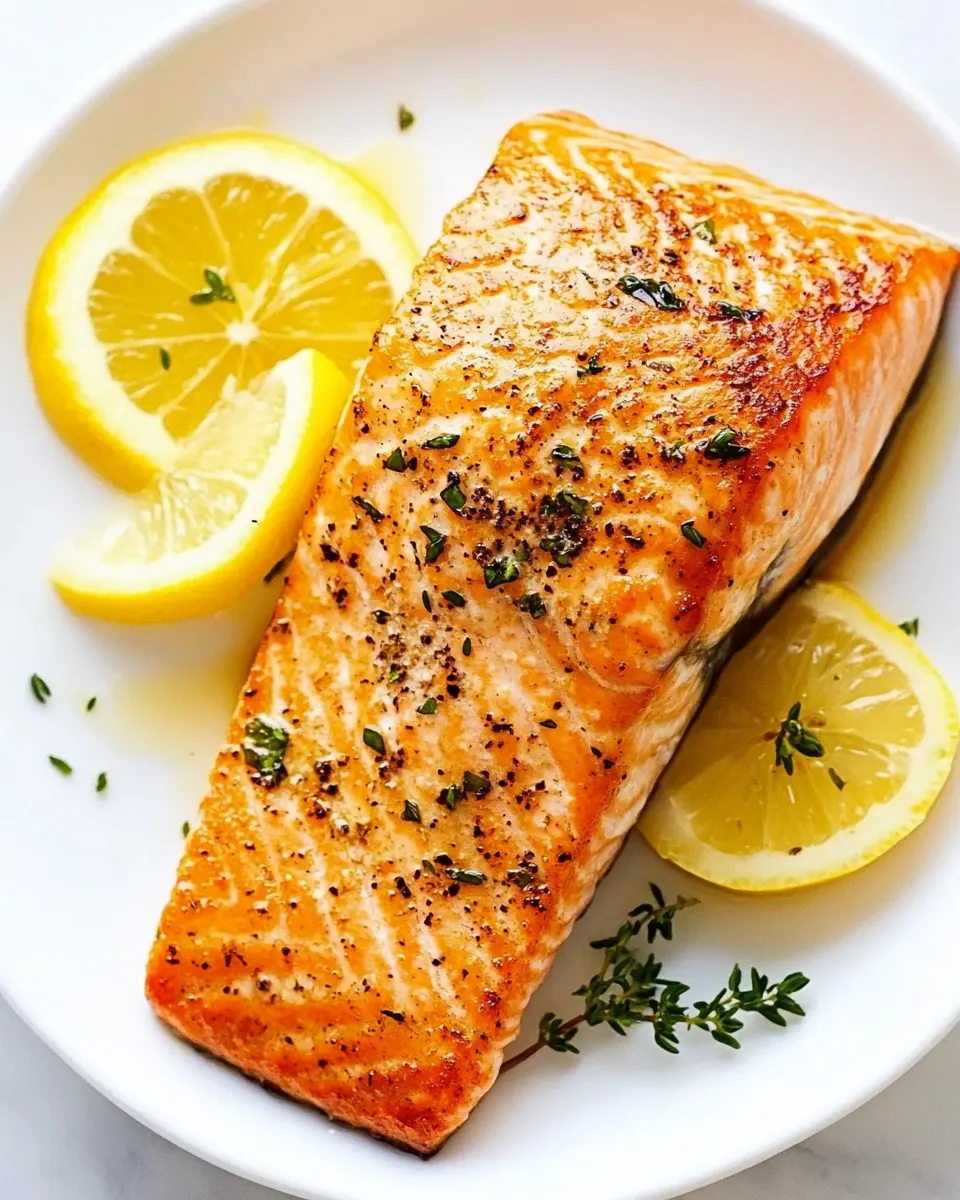
The philosophy behind these ingredients is simplicity that enhances the fish rather than masks it. The list focuses on a few key players that work together: a quality salmon fillet for flavor and texture, olive oil for searing and mouthfeel, seasoning to lift the taste, and a bright finish from Lemon wedges. Each item plays a purposeful role so that the final dish feels balanced and lively.
- 8 oz (230 g) salmon fillet: Cook gently to retain moisture and provide the main protein and flavorful centerpiece for the dish; choose even-thickness fillets for uniform cooking and check for doneness with a fork so it flakes easily but remains tender.
- 1 tablespoon olive oil: Coat lightly to promote even browning and prevent sticking while contributing subtle fruitiness and healthy fats; warm oil in the pan before adding fish to create a crisp exterior.
- Kosher salt, or sea salt flakes: Season sparingly to enhance natural flavors and add mineral brightness; sprinkle to taste and consider coarse flakes for a pleasant texture contrast on the finished fillet.
- Ground black pepper: Add sparingly to bring mild heat and depth; grind fresh over the fish just before serving to preserve aromatic oils and a clean peppery finish.
- 1/2 teaspoon smoked paprika: Sprinkle evenly to introduce a smoky, slightly sweet complexity that complements the richness of the fillet; adjust amount to taste when aiming for a subtle smoke note without overpowering.
- 1 teaspoon chopped parsley: Garnish chopped to add fresh herbaceousness and a pop of color; mix into a finishing sprinkle or compound butter for a bright, savory lift.
- Lemon wedges: Squeeze over to provide acidic brightness and balance richness with zesty citrus; serve wedges alongside for diners to control the amount of acidity added.
The Method for How to Cook Salmon
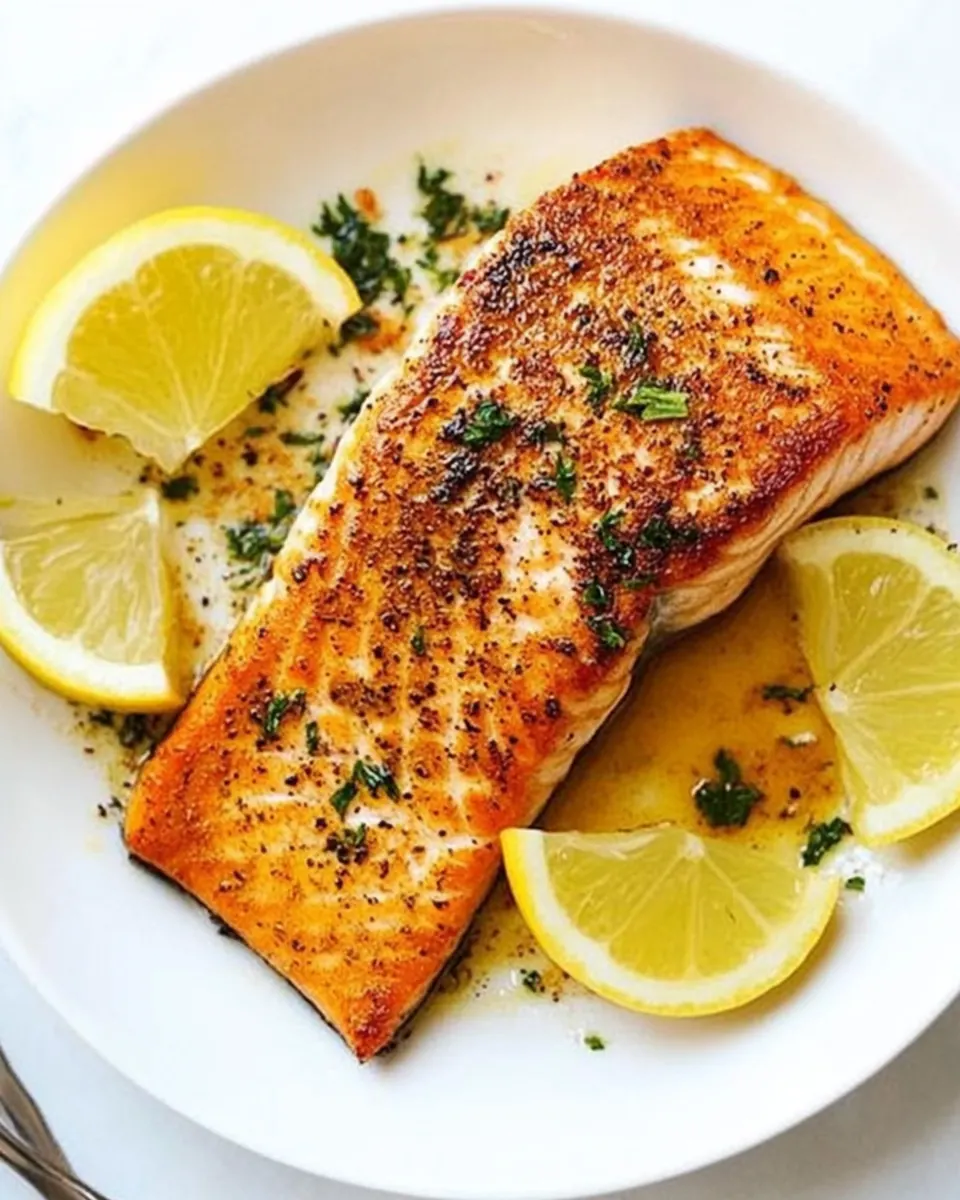
Let me walk you through the method in a friendly, conversational way. This is a hands on approach that asks you to pay attention to simple sensory cues like sound and color. Keep your tools ready and trust your senses when the pan and fish interact.
- Rinse the salmon fillet with cold water and pat it dry with paper towels.: A clean surface is essential, and the drying step ensures the pan creates a sear rather than steam. You'll notice the fillet's surface going from damp to slightly tacky as moisture leaves, which helps the oil cling. If the fish is not dry enough, it will hiss and steam rather than sizzle, so blot carefully. A common mistake is skipping the pat dry step, which can keep you from getting that golden crust.
- Brush or coat 1/2 tablespoon of olive oil on both sides of the salmon.: Coating the fish lightly with olive oil helps the seasonings adhere and encourages even browning. As you apply the oil you should see a glossy sheen appear on the flesh, and the oil will smell slightly fruity. Too much oil can cause excessive splatter in the pan, so use the measured amount to keep control.
- Sprinkle salt, freshly ground black pepper, and smoked paprika on both sides of the salmon fillet.: Seasoning at this point builds the flavor baseline. When you sprinkle, tilt the fillet so the spices land evenly, and you'll see a colored crust start to form as the fish cooks. The aroma of the paprika and pepper should become pronounced as heat hits them. Avoid over salting, because that can dominate the delicate fish flavor.
- Heat a pan over high heat. When the pan is fully heated, add the remaining 1/2 tablespoon of olive oil. Cook the salmon for 2 to 3 minutes, without moving it.: A properly hot pan is the key to a great sear. When the oil shimmers and a faint wispy smoke appears, place the fillet skin side down if it has skin. You should hear a clean, sustained sizzle that signals caramelization. Resist the urge to move the fillet, because that disrupts crust formation. A frequent error here is using medium heat, which yields a pale, steamed surface instead of a crisp exterior.
- Turn the salmon over and cook the other side for another 2 to 3 minutes, or until the inside is just cooked through. Do not overcook, as this will keep the salmon moist and juicy inside.: After flipping, watch for a change in the fish's color from translucent to opaque along the edge, which indicates doneness progressing inward. The center should still be slightly glossy and tender when ready, not chalky. You may gently press the thickest part with a finger to test for springiness. Overcooking is the most common misstep, leading to dry texture, so err on the side of slightly underdone if you intend to rest briefly.
- Top the salmon with chopped parsley and serve immediately with lemon wedges. Squeeze lemon juice over the salmon before eating.: The final garnish brightens the dish and adds a fresh scent that contrasts the warm, savory notes. Squeezing the Lemon wedges releases fragrant oils and acid that cut through fattiness, and you should hear and feel the citrus juice as it hits the hot fish, releasing aroma. Serve right away for best texture, because sitting will soften the crisp edges. A typical mistake is delaying the squeeze, which misses the immediate flavor uplift.
Make It Your Own
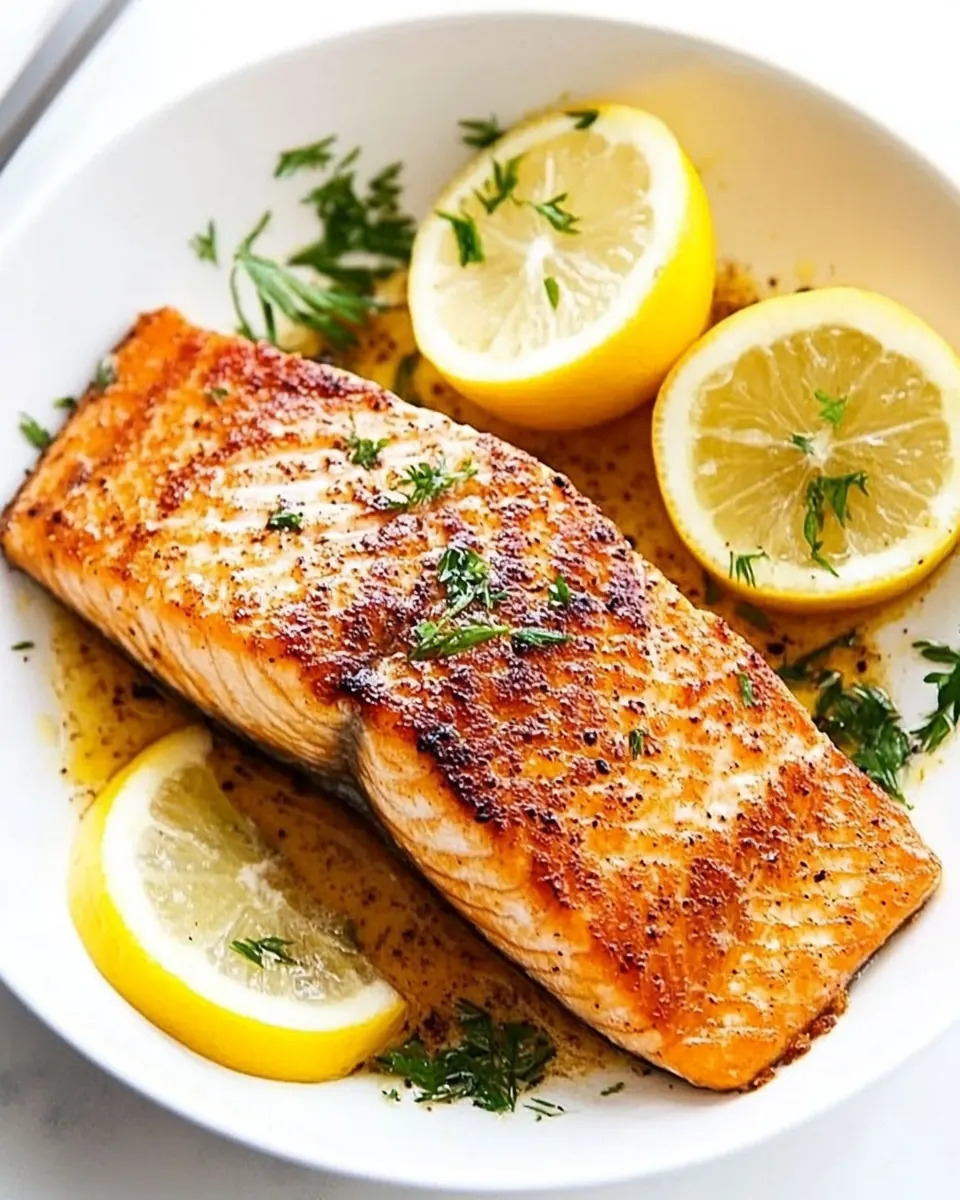
This short intro invites small variations that match your taste and what you have on hand. These suggestions help you personalize the dish while keeping the quick, dependable method intact. Try one or more adjustments to find a version that feels like your signature.
- Swap finishing herbs: Use different fresh herbs in place of parsley to shift the flavor profile without changing technique.
- Adjust paprika level: Increase or decrease the smoked paprika for more or less smoky warmth according to preference.
- Control the sear: If you prefer a gentler crust, lower the heat slightly and extend cooking time by small increments to keep the center tender.
- Try skin on or off: Cook with skin on for extra texture, crisping the skin first to create a flavorful base on the pan.
- Finish with citrus zest: Add a pinch of lemon zest along with the Lemon wedges squeeze for a brighter aroma and flavor lift.
Best Served With
This recipe pairs easily with a variety of sides depending on the occasion, from weeknight simplicity to a slightly dressier meal. Think about textures and temperatures when choosing accompaniments, and aim for balance so the salmon fillet remains the star.
- Light salads: A crisp green salad with a tangy dressing complements the warmth and richness of the salmon fillet well for a balanced lunch or dinner.
- Steamed vegetables: Gentle steamed vegetables add freshness and a soft counterpoint to the seared exterior, suitable for everyday meals.
- Simple grains: Serve with rice or quinoa to absorb the pan juices and provide a neutral base that lets the fish flavor shine.
- Casual gatherings: This method works for small dinner parties where you want an attractive plate without complicated timing, the seared salmon fillet presents nicely.
- Storage tips: Refrigerate leftovers in an airtight container for up to two days, and reheat gently to avoid drying the fish.
FAQ
Conclusion
This recipe stands out because it turns a handful of everyday ingredients into a satisfying, elegant plate with minimal effort. The quick sear delivers texture while a lemon finish brightens the whole bite, making the fish feel special even on a busy night. Give it a try the next time you want a straightforward, dependable meal that showcases the natural flavor of salmon. I hope it becomes one of your go to methods for cooking fish, the kind you return to again and again.
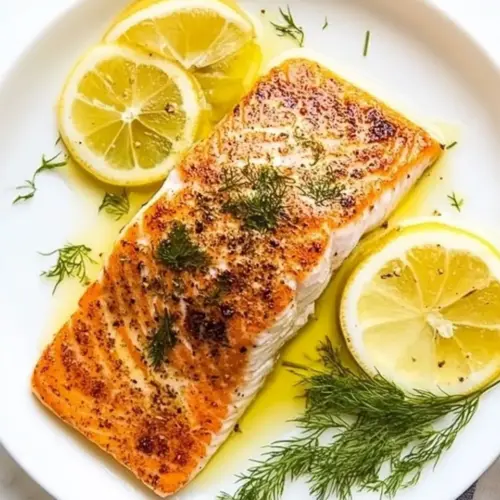
How to Cook Salmon
Equipment
- Pan
- Paper towels
Ingredients
- 8 oz (230 g) salmon fillet Cook gently to retain moisture and provide the main protein and flavorful centerpiece for the dish; choose even-thickness fillets for uniform cooking and check for doneness with a fork so it flakes easily but remains tender.
- 1 tablespoon olive oil Coat lightly to promote even browning and prevent sticking while contributing subtle fruitiness and healthy fats; warm oil in the pan before adding fish to create a crisp exterior.
- Kosher salt, or sea salt flakes Season sparingly to enhance natural flavors and add mineral brightness; sprinkle to taste and consider coarse flakes for a pleasant texture contrast on the finished fillet.
- Ground black pepper Add sparingly to bring mild heat and depth; grind fresh over the fish just before serving to preserve aromatic oils and a clean peppery finish.
- 1/2 teaspoon smoked paprika Sprinkle evenly to introduce a smoky, slightly sweet complexity that complements the richness of the fillet; adjust amount to taste when aiming for a subtle smoke note without overpowering.
- 1 teaspoon chopped parsley Garnish chopped to add fresh herbaceousness and a pop of color; mix into a finishing sprinkle or compound butter for a bright, savory lift.
- Lemon wedges Squeeze over to provide acidic brightness and balance richness with zesty citrus; serve wedges alongside for diners to control the amount of acidity added.
Instructions
- Rinse the salmon fillet with cold water and pat it dry with paper towels.: A clean surface is essential, and the drying step ensures the pan creates a sear rather than steam. You'll notice the fillet's surface going from damp to slightly tacky as moisture leaves, which helps the oil cling. If the fish is not dry enough, it will hiss and steam rather than sizzle, so blot carefully. A common mistake is skipping the pat dry step, which can keep you from getting that golden crust.
- Brush or coat 1/2 tablespoon of olive oil on both sides of the salmon.: Coating the fish lightly with olive oil helps the seasonings adhere and encourages even browning. As you apply the oil you should see a glossy sheen appear on the flesh, and the oil will smell slightly fruity. Too much oil can cause excessive splatter in the pan, so use the measured amount to keep control.
- Sprinkle salt, freshly ground black pepper, and smoked paprika on both sides of the salmon fillet.: Seasoning at this point builds the flavor baseline. When you sprinkle, tilt the fillet so the spices land evenly, and you'll see a colored crust start to form as the fish cooks. The aroma of the paprika and pepper should become pronounced as heat hits them. Avoid over salting, because that can dominate the delicate fish flavor.
- Heat a pan over high heat. When the pan is fully heated, add the remaining 1/2 tablespoon of olive oil. Cook the salmon for 2 to 3 minutes, without moving it.: A properly hot pan is the key to a great sear. When the oil shimmers and a faint wispy smoke appears, place the fillet skin side down if it has skin. You should hear a clean, sustained sizzle that signals caramelization. Resist the urge to move the fillet, because that disrupts crust formation. A frequent error here is using medium heat, which yields a pale, steamed surface instead of a crisp exterior.
- Turn the salmon over and cook the other side for another 2 to 3 minutes, or until the inside is just cooked through. Do not overcook, as this will keep the salmon moist and juicy inside.: After flipping, watch for a change in the fish's color from translucent to opaque along the edge, which indicates doneness progressing inward. The center should still be slightly glossy and tender when ready, not chalky. You may gently press the thickest part with a finger to test for springiness. Overcooking is the most common misstep, leading to dry texture, so err on the side of slightly underdone if you intend to rest briefly.
- Top the salmon with chopped parsley and serve immediately with lemon wedges. Squeeze lemon juice over the salmon before eating.: The final garnish brightens the dish and adds a fresh scent that contrasts the warm, savory notes. Squeezing the Lemon wedges releases fragrant oils and acid that cut through fattiness, and you should hear and feel the citrus juice as it hits the hot fish, releasing aroma. Serve right away for best texture, because sitting will soften the crisp edges. A typical mistake is delaying the squeeze, which misses the immediate flavor uplift.
Notes
- Swap finishing herbs: Use different fresh herbs in place of parsley to shift the flavor profile without changing technique.
- Adjust paprika level: Increase or decrease the smoked paprika for more or less smoky warmth according to preference.
- Control the sear: If you prefer a gentler crust, lower the heat slightly and extend cooking time by small increments to keep the center tender.
- Try skin on or off: Cook with skin on for extra texture, crisping the skin first to create a flavorful base on the pan.
- Finish with citrus zest: Add a pinch of lemon zest along with the Lemon wedges squeeze for a brighter aroma and flavor lift.