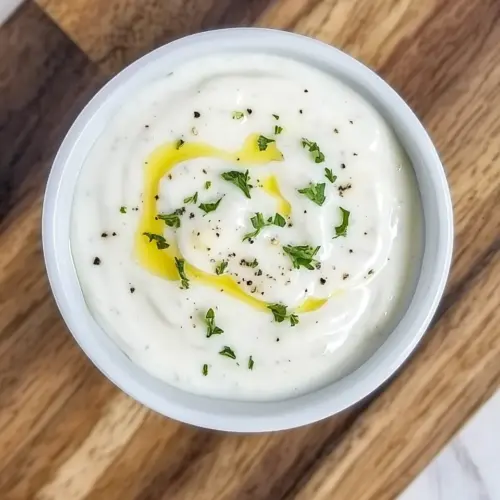
Horseradish Sauce
Horseradish Sauce is a creamy, tangy condiment with a bright, peppery kick that transforms simple plates into memorable meals. This easy, no cook sauce is ideal for weeknight dinners or entertaining, delivering sharpness balanced by rich crème fraîche and mellowed with mayonnaise. Make it ahead to let flavors meld, and you will have a versatile sauce to elevate roasted beef, vegetables, and sandwiches.
Equipment
- Small Bowl
- Whisk or spoon
- Measuring Spoons
Ingredients
- 1/2 cup crème fraîche, can substitute sour cream (crème fraîche is richer, thicker, and less tangy) Adds a rich, creamy base and silky texture while contributing a mild tang that balances the heat of horseradish; crème fraîche also helps stabilize the sauce and gives it a luxurious mouthfeel compared to thinner substitutes.
- 2 -3 tablespoons prepared horseradish, drained (depending on how strong you want it. NOTE: be sure to buy what's labeled "prepared" horseradish, not horseradish "sauce") Provides sharp, pungent heat and characteristic horseradish flavor; prepared horseradish adds concentrated bite and can be adjusted to taste by using the lower or higher end of the suggested amount.
- alternatively use 1 tablespoon finely grated fresh horseradish root (fresh is much more intense than prepared; use half the amount) Delivers intensely pungent, fresh heat and bright aromatic complexity when used; finely grated fresh root is much stronger than prepared and should be used sparingly to avoid overpowering the sauce.
- 2 tablespoons mayonnaise Contributes creaminess and a touch of fat that rounds out flavors and slightly mellows the sharpness of horseradish; mayonnaise helps bind the sauce components together for a smooth emulsion.
- 1 teaspoon white vinegar Introduces a bright, acidic note that lifts and balances the richness of the crème fraîche and mayonnaise; white vinegar sharpens flavors without discoloring the sauce.
- 1 teaspoon Dijon mustard Adds a subtle, tangy depth and gentle sharpness that complements the horseradish and vinegar; Dijon mustard also helps emulsify and bind the sauce.
- 1 teaspoon Worcestershire sauce Provides savory, umami complexity and a slightly tangy background note that enhances overall flavor; Worcestershire sauce contributes depth without altering the primary horseradish character.
- 1/4 teaspoons salt Seasoned to enhance and balance flavors by adding a subtle savory backbone; salt should be adjusted to taste to bring out other ingredients without salting overly.
- 1/8 teaspoon freshly ground black pepper Seasoned to provide a mild, aromatic heat and slight bitterness that brightens the sauce; freshly ground black pepper offers subtle spice and complexity when freshly cracked.
- 1 tablespoon finely chopped chives Adds a fresh, mild oniony flavor and bright green color while contributing delicate texture; finely chopped chives finish the sauce with a fresh herbal note.
Instructions
- Combine all ingredients in a small bowl, cover and refrigerate for at least 4 hours before serving. I recommend starting with 2 tablespoons of horseradish, taste it, and add an additional tablespoon if you prefer it stronger (note, that flavor will intensify the longer it sits). Will keep for up to a week or 2-3 weeks if you omit the chives and add them just before serving.: The aroma will be immediate, with the sharpness of the horseradish mingling with the lactic sweetness of the crème fraîche . Stirring releases the volatile oils from the horseradish , creating a bright, nasal tingle that subsides as the fat in the dairy coats those compounds. Use a small bowl so you can whisk efficiently and ensure uniform texture. If the mixture seems too loose, it likely means more liquid was present in your jarred horseradish ; drain next time. A common mistake here is overwhisking at high speed which can warm the sauce and mute the fresh flavors.
- Cover and refrigerate for at least 4 hours before serving: Cooling transforms the sauce, tempering the initial heat into a more nuanced bite and allowing flavors to marry. As it chills, the profile rounds out and the edges of the sharp horseradish mellow while the Dijon mustard and Worcestershire sauce deepen the base. The texture firms slightly, which helps the sauce cling to foods. Avoid serving it straight away unless you prefer a more aggressive heat, and do not store it uncovered to prevent flavor loss or absorption of fridge odors.
- I recommend starting with 2 tablespoons of horseradish, taste it, and add an additional tablespoon if you prefer it stronger: The tasting step is where you control the personality of the sauce. After the initial chill, sample a small amount with a neutral vehicle like a plain cracker or spoon, note the intensity, and adjust. Adding more horseradish will increase nasal heat and bite, but remember that the pungency will continue to bloom over time in the fridge. One pitfall is adding too much fresh horseradish at once; add in increments to avoid overpowering the sauce.
- note, that flavor will intensify the longer it sits: Time is an ingredient here. Over the next hours to days, the sharp compounds soften and integrate, often surprising you with a more complex experience. This is why I generally make the sauce ahead of any meal, letting the flavors settle. If you plan to store it longer, consider holding back the chives until service to preserve their color and snap. A mistake is judging the sauce only immediately after mixing, which may lead to unnecessary dilution later.
- Will keep for up to a week or 2-3 weeks if you omit the chives and add them just before serving: Storage affects freshness and texture. In my experience, omitting the chives for long storage keeps the color and prevents breakdown, while the base itself holds well in an airtight container for several days. Label the jar with the date and smell before using if kept beyond a week. The main error to avoid is storing it in a warm spot or an uncovered container, which can accelerate spoilage and flavor loss.
Notes
- Swap dairy for texture Use more or less crème fraîche or add a touch more mayonnaise to change mouthfeel and richness, which helps tame stronger horseradish.
- Fresh versus prepared Choose fresh grated horseradish for a brighter, sharper bite, but halve the amount compared to prepared to avoid overwhelming the sauce.
- Add chives at service Keep the chives separate for long storage, stirring them in just before presenting to maintain color and crispness.
- Tweaking heat Start with the lower suggested horseradish amount and increase after chilling, because pungency intensifies with time.
- Balance with acid A small extra splash of white vinegar can brighten a flat batch, add it incrementally while tasting.
- Boost umami Increase the Worcestershire sauce slightly if you want a deeper savory element, but mind the salt it adds.
- Make ahead strategy Prepare the base a day ahead, refrigerate, then finish with chives just before serving for peak freshness.