Cacio e Pepe Frittata with Cauliflower and Lemony Yogurt
Cacio e Pepe Frittata with Cauliflower and Lemony Yogurt landed on my table on a rainy Sunday, and right away I knew it would become one of those dishes I turn to when I want something both comforting and a little clever. I remember pulling a hot skillet from the oven, the edges puffed and golden, and thinking that the simple combination of eggs, cheese, and pepper felt like a hug with a bright lemony wink. That first bite, with creamy yogurt balancing a peppery Parmesan note, made me jot down small tweaks for future batches.
This recipe has become my reliable weekend project. I like to make it when friends drop by unexpectedly or when I want something that dresses up a weekday meal. The roasted cauliflower adds a satisfying texture, while the pepper and cheese give the frittata personality without being fussy. I often find myself smiling as I slice into it, because the aroma of browned cauliflower and crisped edges always promises good things.
Recipe Snapshot
50 mins
10 mins
40 mins
Hard
300 kcal
Italian
Keto, Gluten-Free
Breakfast
Ovenproof skillet, Mixing bowl, Whisk, Zester
The Appeal of This Cacio e Pepe Frittata with Cauliflower and Lemony Yogurt
Why the flavor sings
I love how Cacio e Pepe Frittata with Cauliflower and Lemony Yogurt combines creamy and crunchy textures. The eggs provide a silky base, while roasted cauliflower gives you those nutty browned notes that contrast with the bright, zesty yogurt. The result is rich, yet never cloying.
Why it is easy to scale
Because this is essentially an egg bake, it scales beautifully. I make a double batch for brunch gatherings and a smaller skillet for weeknight dinners. It holds up well at room temperature, so you can prep ahead and not feel chained to the oven.
Why the technique matters
Roasting the cauliflower first concentrates its flavor and gives a golden char that a simple sauté won’t match. The quick stovetop set before finishing in the oven ensures the edges start cooking and develop that pleasing crust, which means each slice has textural contrast.
Why the toppings elevate it
The split yogurt, one portion whisked into the eggs and the rest brightened with lemon zest, keeps the dish both creamy and bright. Tossed arugula adds peppery freshness and a vibrant finish that makes the frittata feel lighter and more composed on the plate.
Why it fits many occasions
Serve this frittata for casual brunches, a light dinner, or a picnic. It is forgiving, impressive, and approachable. I always find guests asking for the recipe after that first forkful. The balance of textures and flavors is what keeps me coming back.
Ingredient List for Cacio e Pepe Frittata with Cauliflower and Lemony Yogurt
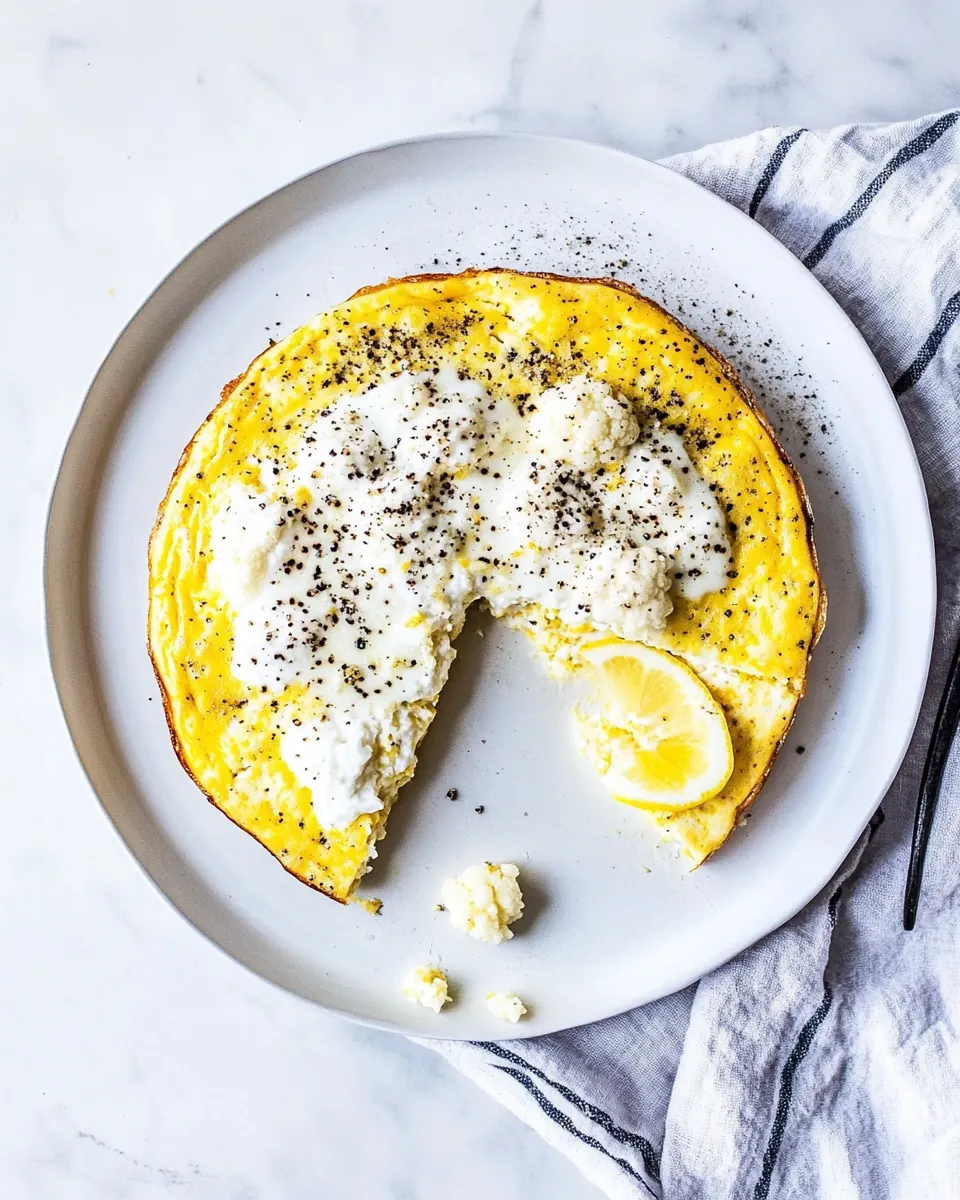
These ingredients are deliberately simple and purposeful. They lean on classic Italian seasoning principles, where cheese and black pepper do the heavy lifting, while roasted cauliflower and lemony yogurt add contrast. The key players are the eggs for structure, the cheese for savory depth, and the citrus yogurt to cut richness. Together they create a balanced, approachable frittata.
- 12 large eggs: Whisk vigorously to create the frittata’s airy custard base, providing structure and richness when combined with cheese and yogurt; eggs also help bind the cauliflower and arugula during baking and yield a tender, golden texture when cooked through.
- 3/4 cup freshly grated Pecorino Romano or Parmigiano Reggiano, plus more for serving: Grate finely to add sharp, salty umami and a signature cheesy finish; Pecorino Romano or Parmigiano Reggiano melds into the egg mixture to enhance savory depth and creates a savory crust when broiled briefly.
- 1 1/4 cups Stonyfield Organic Whole Milk Greek Yogurt, divided: Spoon or whisk partially into the eggs and reserve a portion to finish the dish, contributing creamy tanginess and a silky mouthfeel; the Greek yogurt lightens the custard and balances the peppery cheese for a luxurious texture.
- 2 tsp freshly ground black pepper, plus more for serving: Crush freshly to release bright, pungent heat that defines the cacio e pepe profile; generous cracked black pepper is stirred through the egg mixture and sprinkled for aromatic spice and a pronounced, peppery bite.
- 1 tsp kosher salt: Dissolve evenly to season the custard and coax out subtle flavors from the cheese and yolks; kosher salt ensures balanced seasoning throughout the frittata and enhances the overall savory profile.
- 1 small head cauliflower: Chop or break into florets and roast or sauté until tender and slightly caramelized to introduce nutty sweetness and a pleasant bite; cauliflower provides body and vegetable contrast while soaking up the cacio e pepe flavors.
- 2 tbsp extra-virgin olive oil: Heat gently to cook the cauliflower and flavor the pan, contributing fruity, grassy notes; extra–virgin olive oil helps prevent sticking, promotes even browning, and carries the aromatics throughout the frittata.
- 4 cups baby arugula: Toss lightly with lemon and oil or scatter fresh over the finished tart to add bright, peppery green notes and crisp texture; baby arugula provides a fresh counterpoint to the rich custard and cheese.
- 1 lemon: Zest or juice to lift the dish with lively citrus acidity and fragrance; lemon brightens the yogurt sauce and the overall frittata, cutting through richness and enhancing the flavors.
Cooking Instructions for Cacio e Pepe Frittata with Cauliflower and Lemony Yogurt

These directions guide you from a shimmering skillet to a tender, golden frittata. Read through once to picture the flow, then work steadily. The baking step sets the custard gently while the brief stovetop sear develops a pleasing edge.
- Preheat the oven to 450 F.: As you heat, notice the kitchen warming and the air taking on a faint metallic warmth from the oven element, which readies the pan for quick roasting. This high heat jumpstarts browning on the cauliflower , producing nutty aromas that are crucial for depth. A common mistake is not preheating fully, which leads to pale, steamed florets rather than caramelized pieces. If your oven temp is off, use an oven thermometer to verify accuracy.
- In a large mixing bowl, whisk the eggs, cheese, 3/4 cup yogurt, pepper, and salt until incorporated. Set aside.: You'll feel the mixture thicken as the grated cheese and yogurt integrate, creating a glossy, slightly heavy custard that smells savory and bright with cracked pepper . This blend ensures even distribution of flavor and a creamy interior. Avoid overwhisking to the point of froth, which can create unwanted air pockets. If the mixture seems grainy, let it rest briefly to hydrate the cheese .
- Trim the cauliflower into florets; discard any tough parts of the stem. Chop the cauliflower into small pieces.: As you chop, small bits will expose sweet, clean vegetal scents, and uniform size ensures even roasting. Small pieces develop more surface area for browning, contributing to texture. Cutting unevenly will result in some pieces undercooked while others char; aim for consistent bite sized florets.
- Set a large ovenproof skillet (preferably cast iron) over medium-high heat.: The skillet should warm until it feels hot to the touch near the handle, which helps create immediate sizzle when the olive oil and cauliflower hit the pan. A well heated skillet encourages Maillard browning. A common misstep is using a cold pan, which leads to soggy rather than crisped cauliflower .
- Add the olive oil; once it starts to shimmer, add the cauliflower, stir to coat, and let cook undisturbed for 3 to 4 minutes, or until it starts to brown.: When the oil shimmers and the first pieces hit the pan, you will hear a lively sizzle and smell a toasty, almost nutty aroma as the edges begin to caramelize. Leaving it undisturbed allows a deep golden crust to form. Stirring too soon prevents proper browning and yields a pale, steamed texture.
- Stir and cook for a few more minutes to increase the browning. Give the cauliflower one last stir and transfer the pan to the oven.: Each stir reveals new browned faces, and the kitchen fills with richer roasted notes. The oven completes the color development evenly. A common error is overcooking on the stovetop, which can dry the florets; use the oven to finish and ensure tenderness.
- Roast until it’s browned all over, 6 to 8 minutes.: The oven heat deepens the caramelization, producing a complex, sweet roasted scent and crisp edges. Look for an overall warm brown shade rather than blackened spots. Leaving it too long will make the pieces dry and tough, so check at the earlier end of the time range for your oven.
- Transfer the skillet back to the stovetop (carefully; it will be hot!) and decrease the oven to 300 F. This can be done ahead, or you can just pause and wait for the oven to cool down.: Handling the skillet will release a burst of warm, toasty aroma. Lowering the oven temperature ensures the custard bakes gently without overbrowning the top. Rushing this step can lead to an overcooked surface and an undercooked center; allow the oven to stabilize before the next bake.
- Set the skillet over medium-high heat.: Bringing the skillet back to heat readies it for the egg pour and helps set the edges immediately, producing a crisp rim. You will hear a soft hiss as residual oil warms. A mistake is using too high heat, which can scramble the eggs at the edge instead of forming a cohesive crust.
- Pour in the egg mixture and cook undisturbed for 30 seconds to 1 minute, or until the edges are just beginning to set.: The mixture will glisten and start to firm slightly at the perimeter, releasing a warm, custardy scent. This brief stovetop step jumpstarts the set and helps create a pleasant contrast between the silkier center and firmer edge. If you cook too long here, the edges can overbrown and dry out before the center bakes properly.
- Return to oven and bake the frittata until the top-center is just set, 25 to 30 minutes.: During baking, you will notice the center transitioning from jiggly to gently set, and the top will take on a pale golden hue. The aroma becomes richer and the edges will puff slightly. Avoid opening the oven repeatedly, as temperature fluctuations can lead to uneven setting. A toothpick inserted into the center should come out with a few moist crumbs, not wet batter.
- While it bakes, zest half of the lemon and combine it with the remaining 1/2 cup yogurt.: The lemon zest releases fragrant citrus oils that perfume the yogurt , creating a bright counterpoint to the savory frittata. Mixing now allows the flavors to meld. Be cautious not to include too much pith when zesting, as that will add bitterness.
- Season frittata generously with black pepper.: Freshly cracked black pepper on the surface intensifies the cacio e pepe identity and adds aromatic bite. Grind it coarsely for bursts of heat. Under seasoning is common, so taste a small piece if unsure, but remember the cheese contributes saltiness.
- Slice warm, directly from the skillet, or wait for the pan to cool down, set a large platter over the pan, and carefully invert it.: Slicing warm yields tender pieces with a slightly glossy interior, while inverting gives clean slices and a rustic presentation. The frittata will release nutty aromas when cut. Be careful when handling a hot skillet to avoid burns, and allow a short rest if the filling seems too loose.
- Just before serving, toss the arugula with a bit of lemon juice (2 teaspoons or so).: The tossed arugula brightens with fresh citrus, contributing crisp texture and peppery greens against creamy slices. Dress lightly to keep leaves lively. Over dressing wilts the greens and dilutes their peppery character.
- Serve slices of the frittata with about 1 generous tablespoon of lemony yogurt and top with the arugula salad; finish with black pepper and freshly grated Parmesan.: Each serving should balance warm, silky frittata with cool tangy yogurt and crisp arugula , the contrast sharpening the overall flavor. Finish with extra grated cheese for a savory lift. A final mistake to avoid is serving everything too hot, which mutes the lemony brightness of the yogurt.
Pro Tips and Tweaks

This section collects practical adjustments and ideas to refine the dish for different situations. Read through and pick the tips that fit your plan for the meal.
- Use room temperature eggs, they whisk into a smoother custard and help the frittata set evenly without overbeating.
- Finish with freshly grated cheese, which melds into the custard better than pre grated varieties and gives a silkier mouthfeel.
- Roast the cauliflower until clearly golden, not just tender, because the browning adds that toasty, savory flavor that lifts the whole dish.
- Keep the yogurt chilled until serving, so the contrast between warm frittata and cool lemony sauce is bright and pleasant.
- Toss arugula lightly with lemon right before serving to preserve its peppery crunch and fresh texture.
- Use a heavy ovenproof skillet, such as cast iron, to develop an even edge and to transport from stove to oven with confidence.
What to Pair With Cacio e Pepe Frittata with Cauliflower and Lemony Yogurt
This dish can be presented for many meals, from casual brunch to a light dinner. Think about balance and contrast when pairing, and use seasonal elements to complement the flavors.
- Light green salad, a simple dressed salad keeps the plate fresh and adds crispness alongside the creamy frittata, ideal for a spring lunch.
- Crusty bread, slices of warm, rustic bread are perfect for scooping up any leftover lemony yogurt and provide a satisfying chew for dinner service.
- Roasted vegetables, serve alongside extra roasted cauliflower or other root vegetables for a heartier meal that still feels homey and balanced.
- Picnic fare, this frittata travels well, making it suitable for outdoor meals or potluck brunches where you want something that holds shape and flavor.
- Occasions, ideal for weekend brunch, a light dinner, or a Ramadan iftar where you want something nourishing and shareable.
- Storage tips, refrigerate leftover slices in an airtight container for up to three days, reheat gently to preserve texture.
- Seasonal pairings, pair with spring greens and early lemon for spring, or serve with roasted winter root vegetables in colder months.
FAQ
Conclusion
This frittata shines because it balances creamy custard, nutty roasted cauliflower, and bright lemony yogurt in a single skillet. Give it a try when you want an impressive but unfussy meal that works for brunch, lunch, or a light dinner. The straightforward technique and flexible service options make it a dependable recipe to keep in your rotation. I hope you enjoy the contrasts of textures and flavors as much as I do when I slice into a warm, fragrant piece.

Cacio e Pepe Frittata with Cauliflower and Lemony Yogurt
Equipment
- Ovenproof skillet
- Mixing Bowl
- Whisk
- Zester
Ingredients
- 12 large eggs Whisk vigorously to create the frittata’s airy custard base, providing structure and richness when combined with cheese and yogurt; eggs also help bind the cauliflower and arugula during baking and yield a tender, golden texture when cooked through.
- 3/4 cup freshly grated Pecorino Romano or Parmigiano Reggiano, plus more for serving Grate finely to add sharp, salty umami and a signature cheesy finish; Pecorino Romano or Parmigiano Reggiano melds into the egg mixture to enhance savory depth and creates a savory crust when broiled briefly.
- 1 1/4 cups Stonyfield Organic Whole Milk Greek Yogurt, divided Spoon or whisk partially into the eggs and reserve a portion to finish the dish, contributing creamy tanginess and a silky mouthfeel; the Greek yogurt lightens the custard and balances the peppery cheese for a luxurious texture.
- 2 tsp freshly ground black pepper, plus more for serving Crush freshly to release bright, pungent heat that defines the cacio e pepe profile; generous cracked black pepper is stirred through the egg mixture and sprinkled for aromatic spice and a pronounced, peppery bite.
- 1 tsp kosher salt Dissolve evenly to season the custard and coax out subtle flavors from the cheese and yolks; kosher salt ensures balanced seasoning throughout the frittata and enhances the overall savory profile.
- 1 small head cauliflower Chop or break into florets and roast or sauté until tender and slightly caramelized to introduce nutty sweetness and a pleasant bite; cauliflower provides body and vegetable contrast while soaking up the cacio e pepe flavors.
- 2 tbsp extra-virgin olive oil Heat gently to cook the cauliflower and flavor the pan, contributing fruity, grassy notes; extra-virgin olive oil helps prevent sticking, promotes even browning, and carries the aromatics throughout the frittata.
- 4 cups baby arugula Toss lightly with lemon and oil or scatter fresh over the finished tart to add bright, peppery green notes and crisp texture; baby arugula provides a fresh counterpoint to the rich custard and cheese.
- 1 lemon Zest or juice to lift the dish with lively citrus acidity and fragrance; lemon brightens the yogurt sauce and the overall frittata, cutting through richness and enhancing the flavors.
Instructions
- Preheat the oven to 450 F.: As you heat, notice the kitchen warming and the air taking on a faint metallic warmth from the oven element, which readies the pan for quick roasting. This high heat jumpstarts browning on the cauliflower , producing nutty aromas that are crucial for depth. A common mistake is not preheating fully, which leads to pale, steamed florets rather than caramelized pieces. If your oven temp is off, use an oven thermometer to verify accuracy.
- In a large mixing bowl, whisk the eggs, cheese, 3/4 cup yogurt, pepper, and salt until incorporated. Set aside.: You'll feel the mixture thicken as the grated cheese and yogurt integrate, creating a glossy, slightly heavy custard that smells savory and bright with cracked pepper . This blend ensures even distribution of flavor and a creamy interior. Avoid overwhisking to the point of froth, which can create unwanted air pockets. If the mixture seems grainy, let it rest briefly to hydrate the cheese .
- Trim the cauliflower into florets; discard any tough parts of the stem. Chop the cauliflower into small pieces.: As you chop, small bits will expose sweet, clean vegetal scents, and uniform size ensures even roasting. Small pieces develop more surface area for browning, contributing to texture. Cutting unevenly will result in some pieces undercooked while others char; aim for consistent bite sized florets.
- Set a large ovenproof skillet (preferably cast iron) over medium-high heat.: The skillet should warm until it feels hot to the touch near the handle, which helps create immediate sizzle when the olive oil and cauliflower hit the pan. A well heated skillet encourages Maillard browning. A common misstep is using a cold pan, which leads to soggy rather than crisped cauliflower .
- Add the olive oil; once it starts to shimmer, add the cauliflower, stir to coat, and let cook undisturbed for 3 to 4 minutes, or until it starts to brown.: When the oil shimmers and the first pieces hit the pan, you will hear a lively sizzle and smell a toasty, almost nutty aroma as the edges begin to caramelize. Leaving it undisturbed allows a deep golden crust to form. Stirring too soon prevents proper browning and yields a pale, steamed texture.
- Stir and cook for a few more minutes to increase the browning. Give the cauliflower one last stir and transfer the pan to the oven.: Each stir reveals new browned faces, and the kitchen fills with richer roasted notes. The oven completes the color development evenly. A common error is overcooking on the stovetop, which can dry the florets; use the oven to finish and ensure tenderness.
- Roast until it’s browned all over, 6 to 8 minutes.: The oven heat deepens the caramelization, producing a complex, sweet roasted scent and crisp edges. Look for an overall warm brown shade rather than blackened spots. Leaving it too long will make the pieces dry and tough, so check at the earlier end of the time range for your oven.
- Transfer the skillet back to the stovetop (carefully; it will be hot!) and decrease the oven to 300 F. This can be done ahead, or you can just pause and wait for the oven to cool down.: Handling the skillet will release a burst of warm, toasty aroma. Lowering the oven temperature ensures the custard bakes gently without overbrowning the top. Rushing this step can lead to an overcooked surface and an undercooked center; allow the oven to stabilize before the next bake.
- Set the skillet over medium-high heat.: Bringing the skillet back to heat readies it for the egg pour and helps set the edges immediately, producing a crisp rim. You will hear a soft hiss as residual oil warms. A mistake is using too high heat, which can scramble the eggs at the edge instead of forming a cohesive crust.
- Pour in the egg mixture and cook undisturbed for 30 seconds to 1 minute, or until the edges are just beginning to set.: The mixture will glisten and start to firm slightly at the perimeter, releasing a warm, custardy scent. This brief stovetop step jumpstarts the set and helps create a pleasant contrast between the silkier center and firmer edge. If you cook too long here, the edges can overbrown and dry out before the center bakes properly.
- Return to oven and bake the frittata until the top-center is just set, 25 to 30 minutes.: During baking, you will notice the center transitioning from jiggly to gently set, and the top will take on a pale golden hue. The aroma becomes richer and the edges will puff slightly. Avoid opening the oven repeatedly, as temperature fluctuations can lead to uneven setting. A toothpick inserted into the center should come out with a few moist crumbs, not wet batter.
- While it bakes, zest half of the lemon and combine it with the remaining 1/2 cup yogurt.: The lemon zest releases fragrant citrus oils that perfume the yogurt , creating a bright counterpoint to the savory frittata. Mixing now allows the flavors to meld. Be cautious not to include too much pith when zesting, as that will add bitterness.
- Season frittata generously with black pepper.: Freshly cracked black pepper on the surface intensifies the cacio e pepe identity and adds aromatic bite. Grind it coarsely for bursts of heat. Under seasoning is common, so taste a small piece if unsure, but remember the cheese contributes saltiness.
- Slice warm, directly from the skillet, or wait for the pan to cool down, set a large platter over the pan, and carefully invert it.: Slicing warm yields tender pieces with a slightly glossy interior, while inverting gives clean slices and a rustic presentation. The frittata will release nutty aromas when cut. Be careful when handling a hot skillet to avoid burns, and allow a short rest if the filling seems too loose.
- Just before serving, toss the arugula with a bit of lemon juice (2 teaspoons or so).: The tossed arugula brightens with fresh citrus, contributing crisp texture and peppery greens against creamy slices. Dress lightly to keep leaves lively. Over dressing wilts the greens and dilutes their peppery character.
- Serve slices of the frittata with about 1 generous tablespoon of lemony yogurt and top with the arugula salad; finish with black pepper and freshly grated Parmesan.: Each serving should balance warm, silky frittata with cool tangy yogurt and crisp arugula , the contrast sharpening the overall flavor. Finish with extra grated cheese for a savory lift. A final mistake to avoid is serving everything too hot, which mutes the lemony brightness of the yogurt.
Notes
- Use room temperature eggs, they whisk into a smoother custard and help the frittata set evenly without overbeating.
- Finish with freshly grated cheese, which melds into the custard better than pre grated varieties and gives a silkier mouthfeel.
- Roast the cauliflower until clearly golden, not just tender, because the browning adds that toasty, savory flavor that lifts the whole dish.
- Keep the yogurt chilled until serving, so the contrast between warm frittata and cool lemony sauce is bright and pleasant.
- Toss arugula lightly with lemon right before serving to preserve its peppery crunch and fresh texture.
- Use a heavy ovenproof skillet, such as cast iron, to develop an even edge and to transport from stove to oven with confidence.