Hedgehog Roasted Rosemary Potatoes
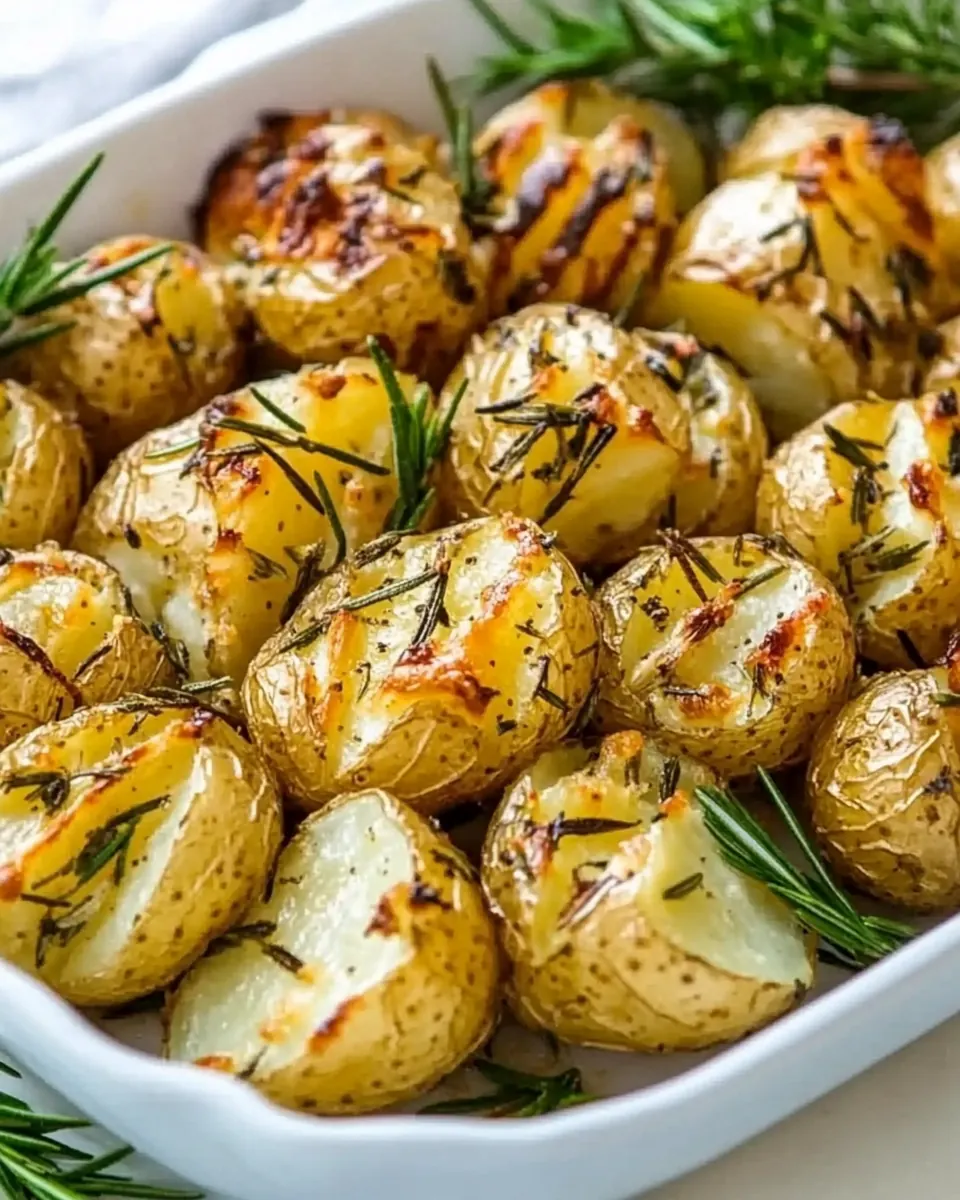
Hedgehog Roasted Rosemary Potatoes came into my life on a chilly autumn afternoon when I wanted something playful and comforting to serve alongside a simple roast. I remember arranging the little potatoes on the counter, thinking how their scored surfaces looked like tiny, edible sculptures, and wondering if a humble side could steal the show. I was right, the scored edges crisp into golden, crunchy ridges while the centers stay pillowy, making every bite a mix of texture and warmth.
I learned to treat these spud sculptures like small works of art. That first time I scored the potatoes I felt oddly proud, then even more pleased when the fragrant rosemary and melted butter slipped into every crease as they roasted. Guests leaned in to ask how I got that incredible crisp, and I loved telling them it was a simple technique with big returns. This recipe feels casual yet considered, perfect for a cozy dinner or a festive table where everyone reaches for seconds.
Recipe Snapshot
50 mins
10 mins
40 mins
Medium
150 kcal
American
Gluten-Free, Low FODMAP
Side Dishes
Baking tray, Mixing bowl, Knife, Chopping board, Wooden spoon
What You’ll Enjoy About This Hedgehog Roasted Rosemary Potatoes
They crisp differently
I adore how Hedgehog Roasted Rosemary Potatoes develop a crisp exterior while holding a soft center, because the scoring creates more surface area to caramelize. I can smell the faint nuttiness as the edges brown, and that contrast is what keeps me coming back.
Simple ingredients, bold results
These potatoes use minimal, pantry friendly items, yet they taste grown up and aromatic. I appreciate that baby potatoes, butter and olive oil work together to provide fat for browning, while both dried and fresh rosemary layer the flavor so it sings without being fussy.
Fun to make, crowd pleasing
Scoring the potatoes is oddly satisfying, and it makes plating playful. Whenever I bring them to a table, people smile and ask how they are made. They’re comforting enough for weeknight meals and charming enough for a holiday spread.
Flexible and forgiving
I like that the method is forgiving. If a potato is a touch larger or smaller, the texture still turns out well. I often tweak salt levels or add an extra sprinkle of fresh rosemary at the end to suit my mood.
Visual and aromatic appeal
There’s something theatrical about lifting the baking tray from the oven and catching the scent of roasted potatoes and resinous rosemary. That aroma invites everyone to the table, and the golden color makes the dish utterly Instagram friendly.
Ingredients to Make Hedgehog Roasted Rosemary Potatoes
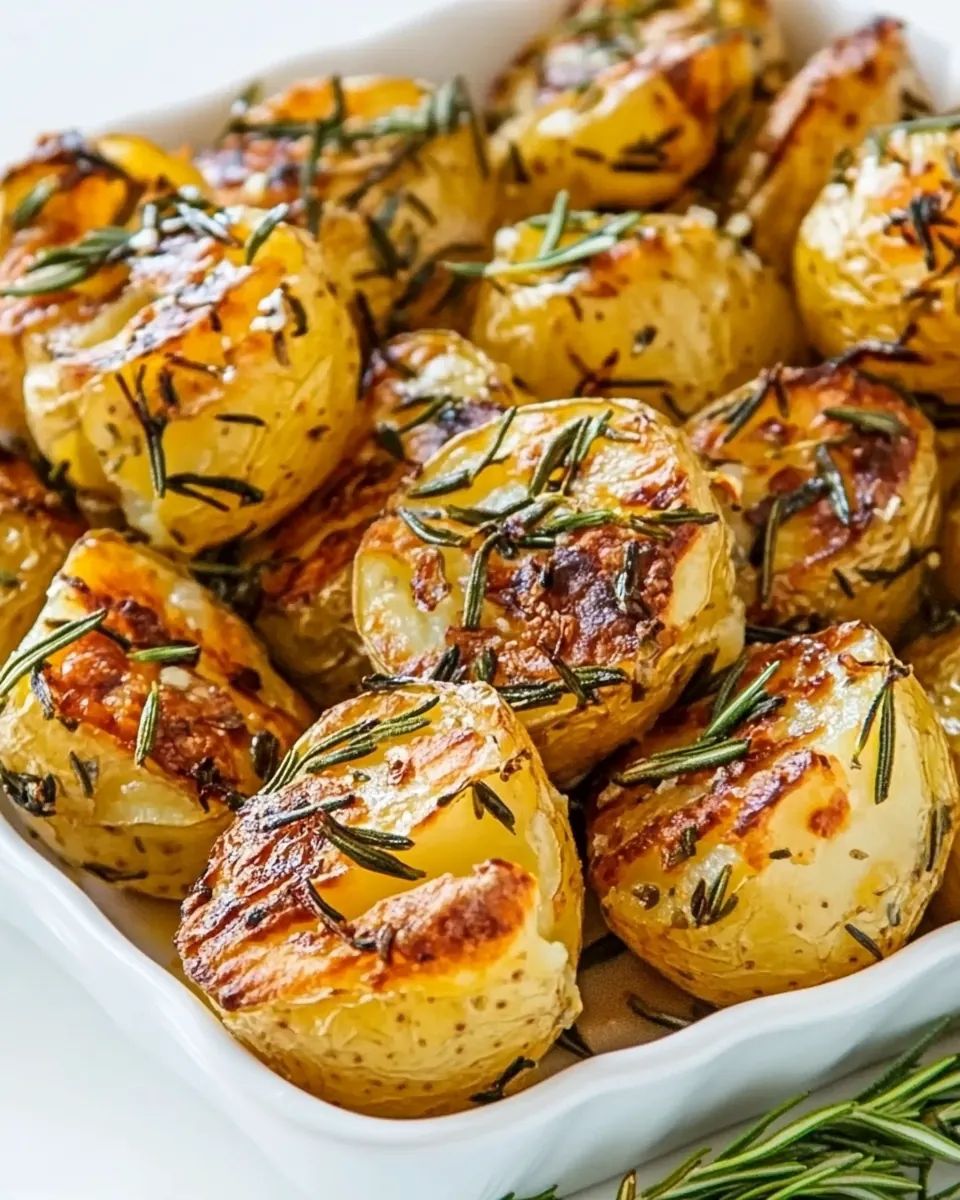
These ingredients are intentionally pared back, focused on texture and aroma. The key players are the baby potatoes which become tender inside while crisping on the outside, the fats that promote browning, and the two forms of rosemary which add depth. Each ingredient has a job, and together they create a small miracle of crunchy, herb scented comfort.
- 1 lb baby potatoes: Provide small, bite-sized pieces that crisp well and absorb flavors; roast until tender and golden for a hedgehog texture. Combine with seasonings and fats to create a hearty, rustic base for the dish.
- 2 tablespoon melted butter: Add rich flavor and promote browning when melted and tossed with potatoes; helps herbs and spices cling for even coating. Use to achieve a silky mouthfeel and a slightly nutty aroma when roasted.
- 2 tablespoon olive oil: Contribute a fruity, slightly peppery fat that helps potatoes brown evenly and develop a crisp exterior. Mix with butter to balance flavors and prevent sticking during roasting.
- 1 1/2 teaspoon dried rosemary: Impart concentrated piney, aromatic notes that complement roasted potatoes; rehydrate slightly in the oils to release essential oils. Use sparingly to avoid overwhelming the dish while reinforcing the rosemary theme.
- 1 teaspoon garlic powder: Provide savory garlic essence in a convenient, concentrated form that distributes evenly over potatoes. Sprinkle to infuse a warm, aromatic background without adding moisture.
- 1 teaspoon salt: Enhance overall flavor and bring out the natural sweetness of the potatoes; helps season each bite evenly. Balance saltiness carefully to avoid overpowering the herbs and butter.
- pinch black pepper: Add subtle heat and depth to balance richness and herbs; a small pinch enhances complexity without dominating. Adjust to taste to complement salt and rosemary.
- 2 teaspoon chopped fresh rosemary: Introduce fresh, bright herbal notes that contrast with dried rosemary and elevate the aroma when added toward the end. Chop finely so the leaves adhere to the potatoes and release vibrant oils when roasted.
- 1/2 teaspoon flaked sea salt: Provide a crunchy, saline finishing touch that intensifies flavors and adds texture contrast; sprinkle near the end or after roasting. Use sparingly to deliver bursts of saltiness on each bite.
Directions for Hedgehog Roasted Rosemary Potatoes
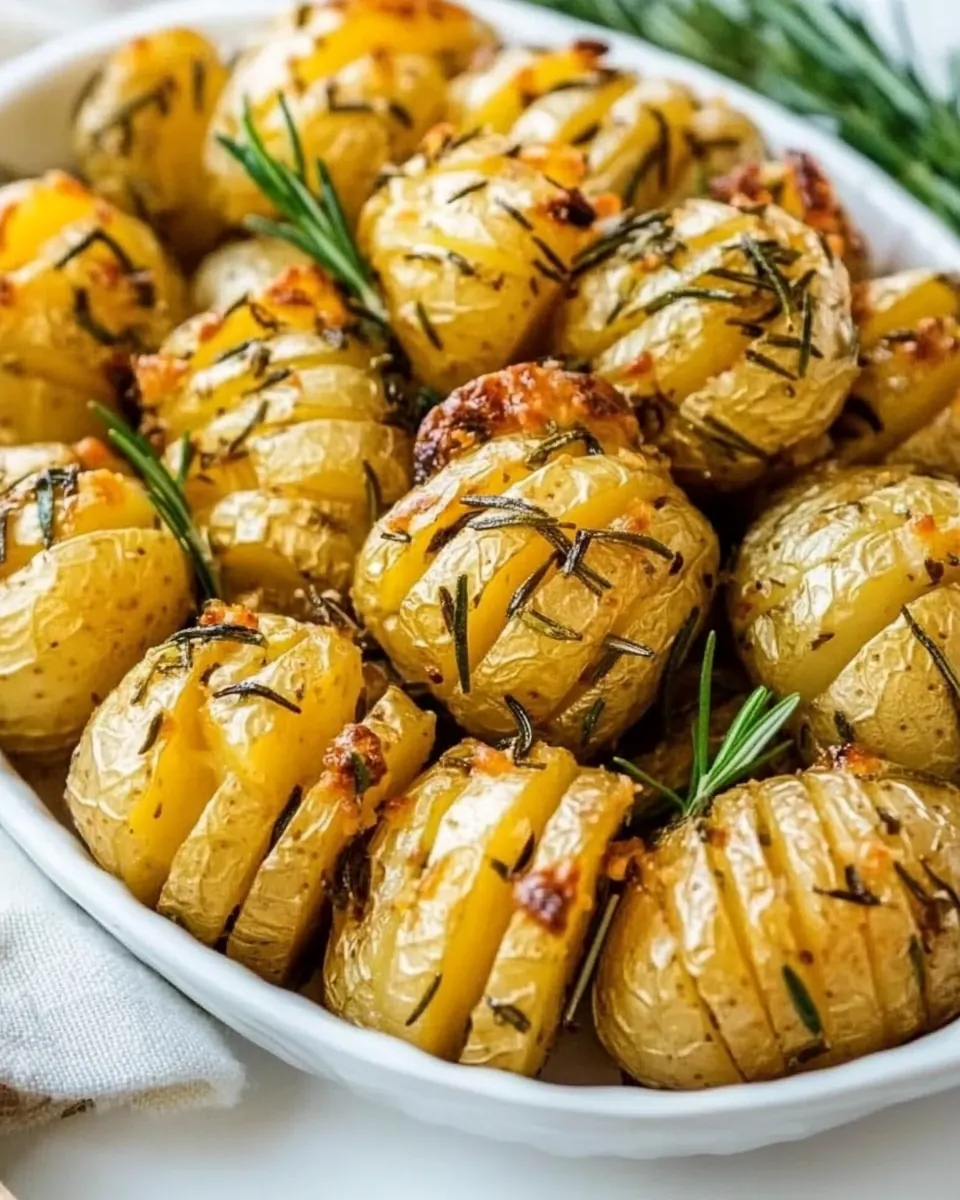
I approach the roasting with a relaxed focus, enjoying the ritual of scoring and tossing the potatoes in fragrant butter and oil. Below I expand each step so you can trust your senses, and I include what to listen for, what to look for, and a common pitfall to avoid at each stage.
- Preheat your oven to 200ºC/400°F.: You should notice the oven warming steadily, and when it reaches temperature the immediate benefit is even roasting from the moment the tray goes in. A properly preheated oven ensures the surface begins to crisp rather than steam. If the oven is cooler than stated, the potatoes will take longer and may steam, creating a soggy exterior instead of the desired golden crunch. Avoid opening the door frequently while preheating, which causes temperature drops and uneven heat distribution.
- Place a potato on the chopping board and lay a wooden spoon handle either side. Cut slices into the potato, using the spoon handles to stop the knife cutting all the way through.: As you slice, you will hear the soft whisper of knife meeting skin and feel a slight resistance as the blade approaches the spoon handles, which act as stoppers. This technique makes the potato open into a comb like structure that crisps amazingly in the oven. The why here is surface area, more edges mean more crunchy caramelization. A common mistake is pressing too hard and cutting through, which makes the potato fall apart in the pan, so take controlled, even slices and keep your fingers safe.
- Turn the potato and cut in the opposite direction to create the squares.: When you rotate and slice the opposite way you form a grid of little squares, and you will notice the potato beginning to fan slightly at the cuts. These small windows allow fat and seasoning to nestle inside, giving flavor to the interior as well as the exterior. The scent of raw potato and herb will start to mingle as you work, promising savory payoff. Avoid cutting irregularly deep lines, because uneven pieces will cook at different rates; aim for consistency for uniform doneness.
- Repeat this cutting process with the remaining potatoes.: As you repeat the technique the rhythm becomes meditative, the texture of each potato yielding to your knife. Keeping the sizes consistent is important so they roast evenly and finish at the same time. If you rush this step you might end up with uneven scoring, leading to some pieces overcooked and others underdone. Take your time and treat each potato the same way for predictable results.
- Mix the melted butter, olive oil, dried rosemary, garlic powder, salt and pepper together in a bowl. Stir to combine.: You will feel the warmth of the butter and see the sheen as the olive oil emulsifies, while the dried rosemary releases aroma as you stir. This flavored fat is the vehicle that carries taste into every crevice created by scoring. The reason for combining here is to ensure even coating, which promotes uniform browning. A common error is adding cold butter straight from the fridge, which can clump and not blend with the oil; warm the butter slightly so it mixes smoothly.
- Add in the potatoes and stir until the potatoes are covered in the butter.: As you toss, listen for a soft patter, and notice the shiny glaze forming over each scored surface. The coating fills the cuts, so when the potatoes roast the fats baste the flesh and encourage crisp edges. This step is key to getting flavor into the center rather than only on the outside. Avoid overcrowding the bowl which prevents even coating, and be gentle so the scored potatoes do not break apart.
- Tip the potatoes onto a lined baking tray and bake for 40 minutes until they are golden and crispy on the outside and tender within.: When they roast you will see edges darken to a rich golden brown and hear a casual crackle as moisture evaporates and sugars caramelize. The aroma will turn savory and herbaceous, and if you gently press a piece with a fork it should yield easily, signaling tenderness. The why is that prolonged dry heat creates Maillard reaction on the increased surface area, producing the sought after crunch. A common pitfall is baking at too low a temperature which results in pale, limp skins, so make sure that oven is hot and the tray has room for air circulation.
- Sprinkle with the chopped fresh rosemary and sea salt flakes.: The final sprinkle brings a bright herbal lift and bursts of texture from the flakes, and you will immediately notice a fresher, greener scent compared to the roasted herbs. This finishing step adds complexity and a pleasing contrast between crunchy highs and soft interior. One thing to avoid is adding delicate fresh herbs before roasting, which causes them to scorch and lose brightness; reserve them for the finish to preserve their fragrance.
Making Adjustments
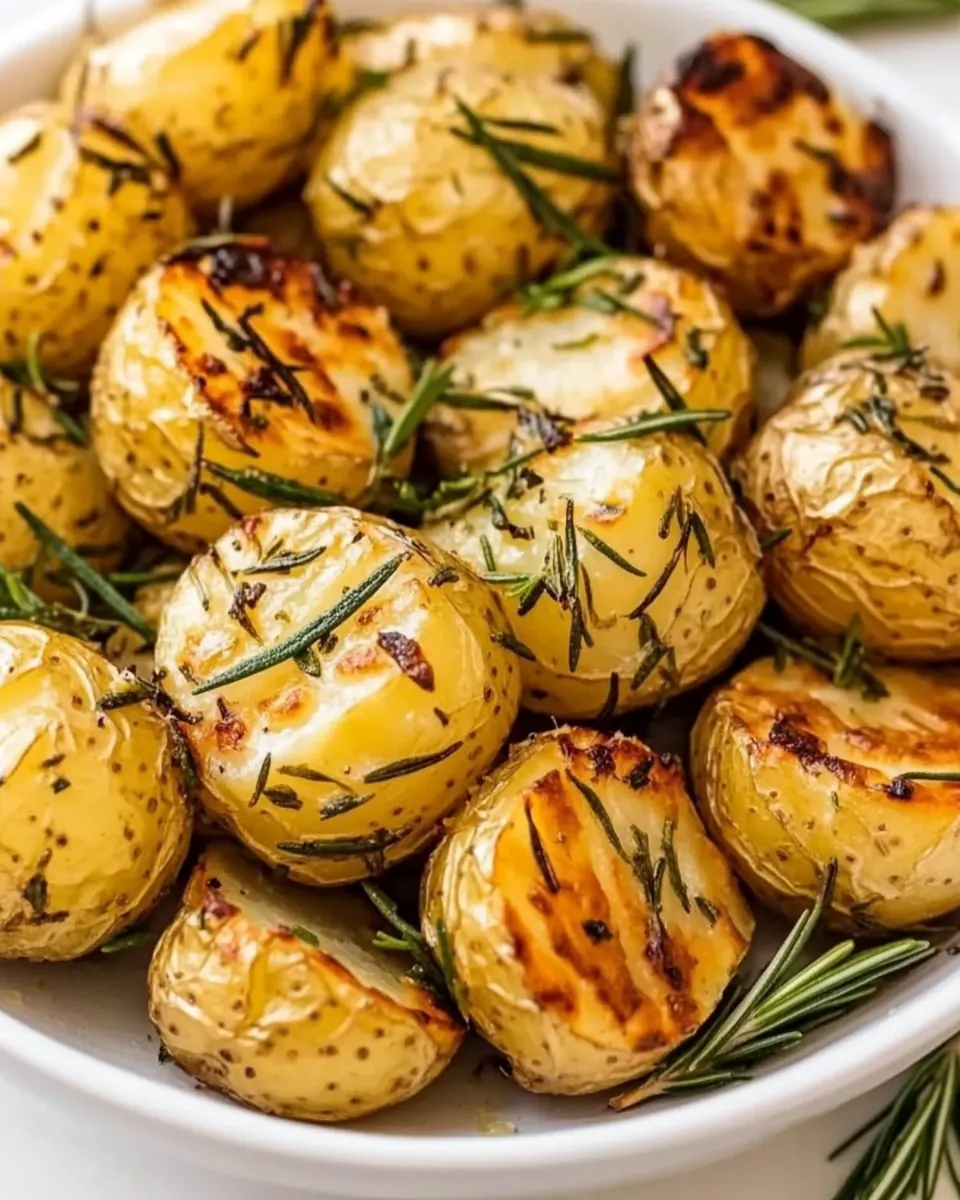
I like to tweak this recipe depending on the occasion or available ingredients. Below are practical adjustments that help you customize texture, seasoning, and make the technique work in different ovens. Each tip starts with a bold phrase to highlight the idea.
- Swap fats carefully: If you prefer a lighter finish, reduce the butter by half and increase the olive oil, which keeps crisping power while dialing back richness.
- Boost herb intensity: For stronger flavor, increase the dried rosemary by half a teaspoon in the fat mixture, but keep the fresh rosemary at the end to avoid overcooking.
- Adjust salt to taste: Use a little less in the mixing stage and finish with the flaked sea salt to control the salt bursts and avoid over seasoning during roasting.
- Ensure even sizes: If you have a mix of sizes, parboil larger pieces briefly to even out cook times so everything finishes simultaneously with consistent texture.
- Alternate pan choices: A heavy baking tray helps with even browning, while a very thin sheet can heat unevenly, so choose sturdier pans when possible for consistent caramelization.
Serving Options for Hedgehog Roasted Rosemary Potatoes
These potatoes are versatile for many meals and occasions. They pair beautifully with a main protein or can be the star side for a cozy dinner, a celebratory table, or a simple family meal. Below are thoughtful serving suggestions, storage notes, and seasonal pairings presented as a list.
- Weeknight family dinner: Serve warm alongside roasted vegetables and a simple protein for an easy weeknight supper, allowing each person to scoop up crispy edges with a fork.
- Holiday table: Present on a platter garnished with extra fresh rosemary, they add both visual charm and an herbaceous aroma suited to festive spreads like fall or winter gatherings.
- Casual entertaining: Arrange on a board with dipping sauces, letting guests pick at the crunchy edges; they work well for relaxed crowds who enjoy sharing bites.
- Storage tip: Store leftovers in an airtight container in the refrigerator for up to three days, then reheat in a hot oven to revive crispness rather than microwaving, which makes them soft.
- Seasonal pairing: In the fall they complement roasted squash and leafy greens, because the herbal notes and warm texture match autumnal flavors beautifully.
FAQ
Conclusion
What makes this recipe special is how a simple scoring technique transforms ordinary baby potatoes into crispy, herb scented delights with a soft interior. It’s an easy and satisfying method that yields dramatic texture and aromatic depth with very little fuss. Give it a try at your next dinner, because the playful presentation and irresistible crunch are sure to win compliments and second helpings. Enjoy the small ritual of slicing and the big reward on the plate.
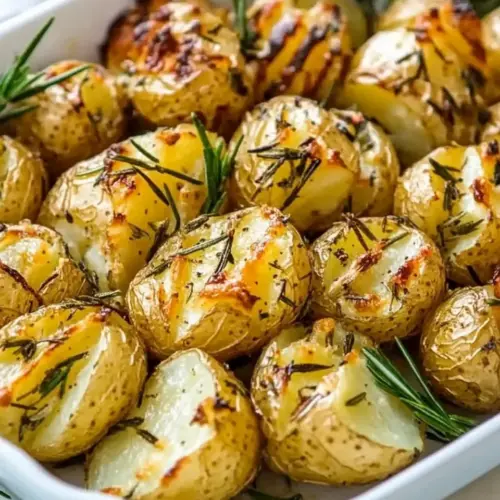
Hedgehog Roasted Rosemary Potatoes
Equipment
- Baking Tray
- Mixing Bowl
- Knife
- Chopping board
- Wooden Spoon
Ingredients
- 1 lb baby potatoes Provide small, bite-sized pieces that crisp well and absorb flavors; roast until tender and golden for a hedgehog texture. Combine with seasonings and fats to create a hearty, rustic base for the dish.
- 2 tablespoon melted butter Add rich flavor and promote browning when melted and tossed with potatoes; helps herbs and spices cling for even coating. Use to achieve a silky mouthfeel and a slightly nutty aroma when roasted.
- 2 tablespoon olive oil Contribute a fruity, slightly peppery fat that helps potatoes brown evenly and develop a crisp exterior. Mix with butter to balance flavors and prevent sticking during roasting.
- 1 1/2 teaspoon dried rosemary Impart concentrated piney, aromatic notes that complement roasted potatoes; rehydrate slightly in the oils to release essential oils. Use sparingly to avoid overwhelming the dish while reinforcing the rosemary theme.
- 1 teaspoon garlic powder Provide savory garlic essence in a convenient, concentrated form that distributes evenly over potatoes. Sprinkle to infuse a warm, aromatic background without adding moisture.
- 1 teaspoon salt Enhance overall flavor and bring out the natural sweetness of the potatoes; helps season each bite evenly. Balance saltiness carefully to avoid overpowering the herbs and butter.
- pinch black pepper Add subtle heat and depth to balance richness and herbs; a small pinch enhances complexity without dominating. Adjust to taste to complement salt and rosemary.
- 2 teaspoon chopped fresh rosemary Introduce fresh, bright herbal notes that contrast with dried rosemary and elevate the aroma when added toward the end. Chop finely so the leaves adhere to the potatoes and release vibrant oils when roasted.
- 1/2 teaspoon flaked sea salt Provide a crunchy, saline finishing touch that intensifies flavors and adds texture contrast; sprinkle near the end or after roasting. Use sparingly to deliver bursts of saltiness on each bite.
Instructions
- Preheat your oven to 200ºC/400°F.: You should notice the oven warming steadily, and when it reaches temperature the immediate benefit is even roasting from the moment the tray goes in. A properly preheated oven ensures the surface begins to crisp rather than steam. If the oven is cooler than stated, the potatoes will take longer and may steam, creating a soggy exterior instead of the desired golden crunch. Avoid opening the door frequently while preheating, which causes temperature drops and uneven heat distribution.
- Place a potato on the chopping board and lay a wooden spoon handle either side. Cut slices into the potato, using the spoon handles to stop the knife cutting all the way through.: As you slice, you will hear the soft whisper of knife meeting skin and feel a slight resistance as the blade approaches the spoon handles, which act as stoppers. This technique makes the potato open into a comb like structure that crisps amazingly in the oven. The why here is surface area, more edges mean more crunchy caramelization. A common mistake is pressing too hard and cutting through, which makes the potato fall apart in the pan, so take controlled, even slices and keep your fingers safe.
- Turn the potato and cut in the opposite direction to create the squares.: When you rotate and slice the opposite way you form a grid of little squares, and you will notice the potato beginning to fan slightly at the cuts. These small windows allow fat and seasoning to nestle inside, giving flavor to the interior as well as the exterior. The scent of raw potato and herb will start to mingle as you work, promising savory payoff. Avoid cutting irregularly deep lines, because uneven pieces will cook at different rates; aim for consistency for uniform doneness.
- Repeat this cutting process with the remaining potatoes.: As you repeat the technique the rhythm becomes meditative, the texture of each potato yielding to your knife. Keeping the sizes consistent is important so they roast evenly and finish at the same time. If you rush this step you might end up with uneven scoring, leading to some pieces overcooked and others underdone. Take your time and treat each potato the same way for predictable results.
- Mix the melted butter, olive oil, dried rosemary, garlic powder, salt and pepper together in a bowl. Stir to combine.: You will feel the warmth of the butter and see the sheen as the olive oil emulsifies, while the dried rosemary releases aroma as you stir. This flavored fat is the vehicle that carries taste into every crevice created by scoring. The reason for combining here is to ensure even coating, which promotes uniform browning. A common error is adding cold butter straight from the fridge, which can clump and not blend with the oil; warm the butter slightly so it mixes smoothly.
- Add in the potatoes and stir until the potatoes are covered in the butter.: As you toss, listen for a soft patter, and notice the shiny glaze forming over each scored surface. The coating fills the cuts, so when the potatoes roast the fats baste the flesh and encourage crisp edges. This step is key to getting flavor into the center rather than only on the outside. Avoid overcrowding the bowl which prevents even coating, and be gentle so the scored potatoes do not break apart.
- Tip the potatoes onto a lined baking tray and bake for 40 minutes until they are golden and crispy on the outside and tender within.: When they roast you will see edges darken to a rich golden brown and hear a casual crackle as moisture evaporates and sugars caramelize. The aroma will turn savory and herbaceous, and if you gently press a piece with a fork it should yield easily, signaling tenderness. The why is that prolonged dry heat creates Maillard reaction on the increased surface area, producing the sought after crunch. A common pitfall is baking at too low a temperature which results in pale, limp skins, so make sure that oven is hot and the tray has room for air circulation.
- Sprinkle with the chopped fresh rosemary and sea salt flakes.: The final sprinkle brings a bright herbal lift and bursts of texture from the flakes, and you will immediately notice a fresher, greener scent compared to the roasted herbs. This finishing step adds complexity and a pleasing contrast between crunchy highs and soft interior. One thing to avoid is adding delicate fresh herbs before roasting, which causes them to scorch and lose brightness; reserve them for the finish to preserve their fragrance.
Notes
- Swap fats carefully: If you prefer a lighter finish, reduce the butter by half and increase the olive oil, which keeps crisping power while dialing back richness.
- Boost herb intensity: For stronger flavor, increase the dried rosemary by half a teaspoon in the fat mixture, but keep the fresh rosemary at the end to avoid overcooking.
- Adjust salt to taste: Use a little less in the mixing stage and finish with the flaked sea salt to control the salt bursts and avoid over seasoning during roasting.
- Ensure even sizes: If you have a mix of sizes, parboil larger pieces briefly to even out cook times so everything finishes simultaneously with consistent texture.
- Alternate pan choices: A heavy baking tray helps with even browning, while a very thin sheet can heat unevenly, so choose sturdier pans when possible for consistent caramelization.