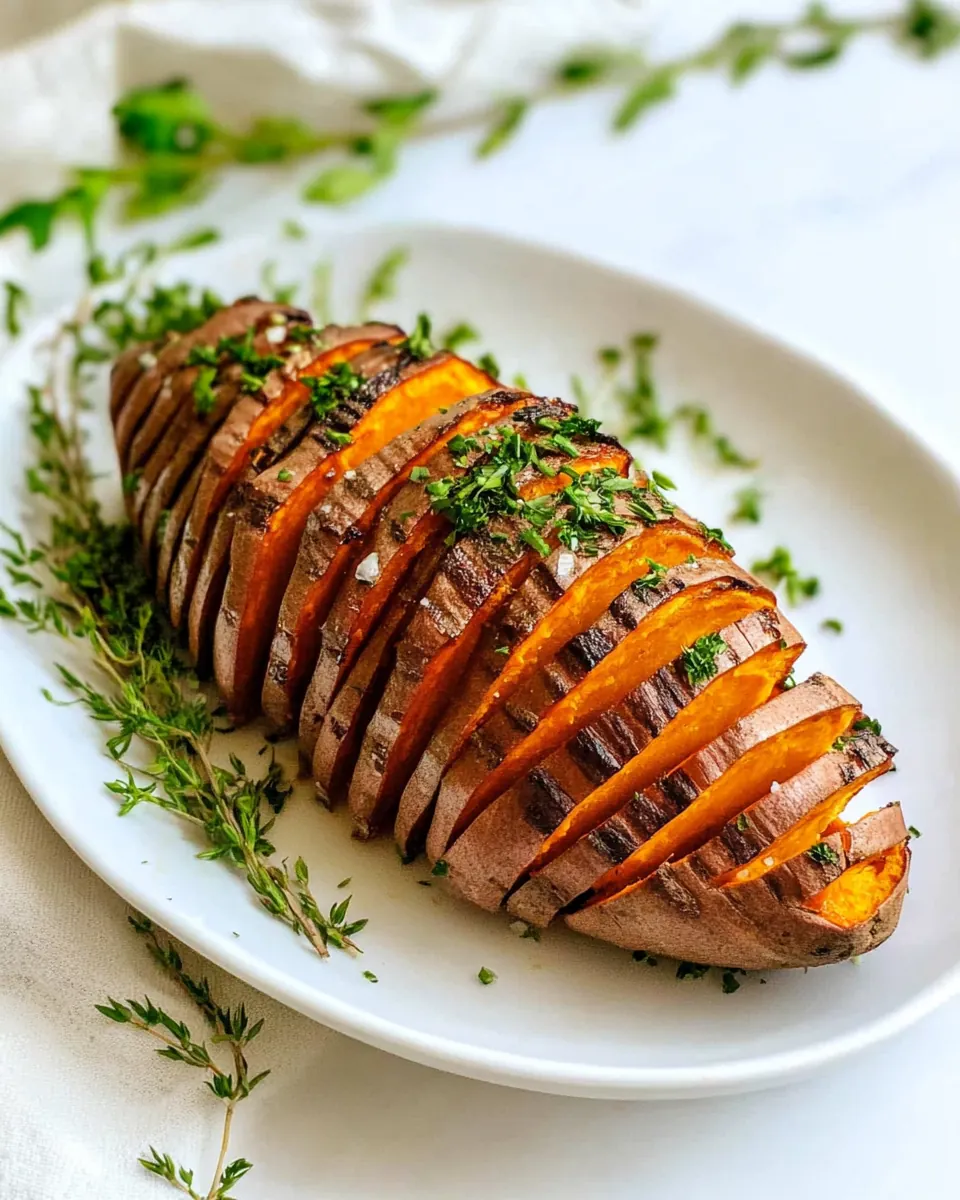
Hasselback Sweet Potatoes
Hasselback Sweet Potatoes are one of those recipes I return to when I want food that feels both comforting and a little special. The first time I made them I was trying to impress a friend who loves bold texture contrasts, and the thin, accordion like slices made each bite sing with crisp edges and melting centers. I remember standing at the counter, cigarette thin slices catching the light, thinking this simple technique transforms an ordinary sweet potatoes into something that looks and tastes like a celebration.
Over the years I have tweaked the seasoning and the finishing touches, and now I reach for these whenever I want an easy side that reads as thoughtful. They work for casual weeknight dinners and for the holiday table, depending on how you dress them up. I like to let the natural sweetness of the sweet potatoes lead, while adding herbs, salt, and a little cheese for contrast. You will notice the aroma as they roast, a warm, slightly caramelized scent that fills the kitchen and makes people wander in.
The process is meditative, I find, slicing without cutting through, brushing with a buttery herb mix, and watching those outer layers crisp. Each forkful gives you a tender, steaming interior and a golden crisp edge, and that texture is where the magic lives. If you enjoy hands on, visual cooking and crave simple flavor boosts, these Hasselback Sweet Potatoes will be a fast favorite. Try them when you want to impress with very little fuss.
Recipe Snapshot
1 hr 10 mins
10 mins
60 mins
Medium
250 kcal
American
Gluten-Free, Low FODMAP
Side Dishes
Oven, Baking sheet, Parchment paper, Brush
Why Try This Hasselback Sweet Potatoes
They look impressive without the work
I love how Hasselback Sweet Potatoes present on a platter, and yet the technique is surprisingly approachable. A few careful slices and a brush of seasoned butter make them feel elevated, so they steal the spotlight at the table even when you have a simple meal.
Texture is the star
The contrast between the crisp outer ridges and the creamy interior is exactly why I keep making this dish. The slicing increases surface area so flavors concentrate and edges caramelize, giving every bite a mix of crunch and silkiness that keeps you reaching for another forkful.
Flexible flavor profile
These potatoes are a great blank canvas. I stick with the herb butter and a sprinkle of cheese to highlight the sweet potatoes natural flavor, but you can lean more savory or more herbaceous depending on what you serve alongside them. I like how small tweaks shift the whole mood of the dish.
Reliable for crowds and weeknights
They scale easily, which is why I turn to them for family dinners and festive gatherings. You can roast many at once on a sheet pan, and the hands on time stays low. That makes them a practical choice when you want impressive results without fuss.
Minimal ingredient, maximum payoff
The ingredient list is short and pantry friendly, yet every component plays a clear role. Butter and olive oil encourage browning, thyme and salt bring balance, and a bit of cheese at the end adds savory lift. Together they make a dish that tastes far more complex than the shopping list suggests.
Ingredients Required for Hasselback Sweet Potatoes
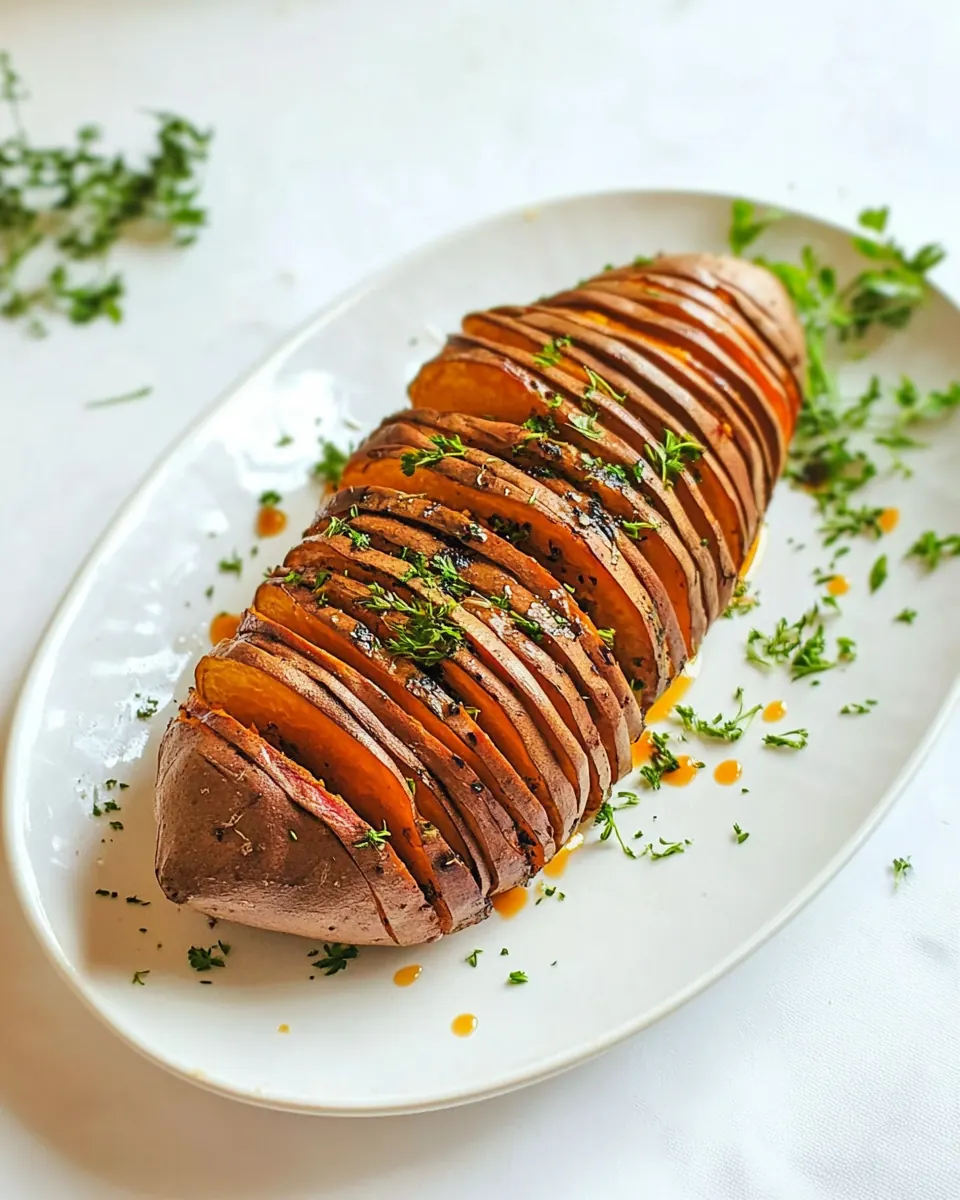
These ingredients are intentionally simple, aimed at coaxing out the best from the sweet potatoes. The strategy is to balance fat for browning, herbs for freshness, and a touch of cheese for savory contrast. Each item plays a supportive role, so you get crisp edges, tender flesh, and a finishing lift that ties everything together.
- 4 medium sweet potatoes scrubbed: Scrubbed to remove dirt and debris, providing a clean base for even slicing and roasting; delivers natural sweetness and creamy texture when baked until tender. Retains shape for hasselback cuts so thin slices crisp while interior stays soft, creating contrast in each bite.
- 2 tablespoons unsalted butter melted: Melted to create a rich, silky coating that helps carry flavors and promote browning on exposed potato surfaces. Adds a subtle dairy richness that enhances mouthfeel and helps seasonings adhere to the slices.
- 1 tablespoon olive oil: Used to lightly coat the potatoes and encourage crisp edges while roasting, contributing a fruity, savory note and higher smoke point for even browning. Blends with butter to create a balanced fat layer that crisps without burning.
- 1 teaspoon fresh thyme finely chopped: Finely chopped to infuse herbaceous, aromatic notes throughout the potatoes, brightening richness with a slightly lemony, floral character. Sprinkled between or atop slices to provide bursts of freshness and enhance overall complexity.
- 1/2 teaspoon kosher salt: Added to season and amplify the natural flavors of the sweet potatoes while balancing sweetness with savory depth; helps draw out moisture for better texture. Used sparingly to avoid overpowering delicate herbs and cheese.
- 1/4 teaspoon black pepper: Ground to add mild heat and depth, enhancing savory elements and balancing sweetness; creates subtle peppery highlights on crisped edges. Incorporated evenly so tiny bursts of heat appear in each bite without overwhelming.
- 1/4 cup grated Parmesan cheese: Grated to provide a nutty, umami-rich crust that melts into the crevices of the hasselback cuts, adding savory complexity and a golden finish. Sprinkled toward the end of roasting to form a delicate, crispy topping that contrasts with the tender interior.
- 1 tablespoon fresh parsley finely chopped: Finely chopped to offer a fresh, bright finish that cuts through richness and ties flavors together with a clean herbal note. Scattered over finished potatoes to add color, aroma, and a light, palate-cleansing element.
How to Prepare Hasselback Sweet Potatoes
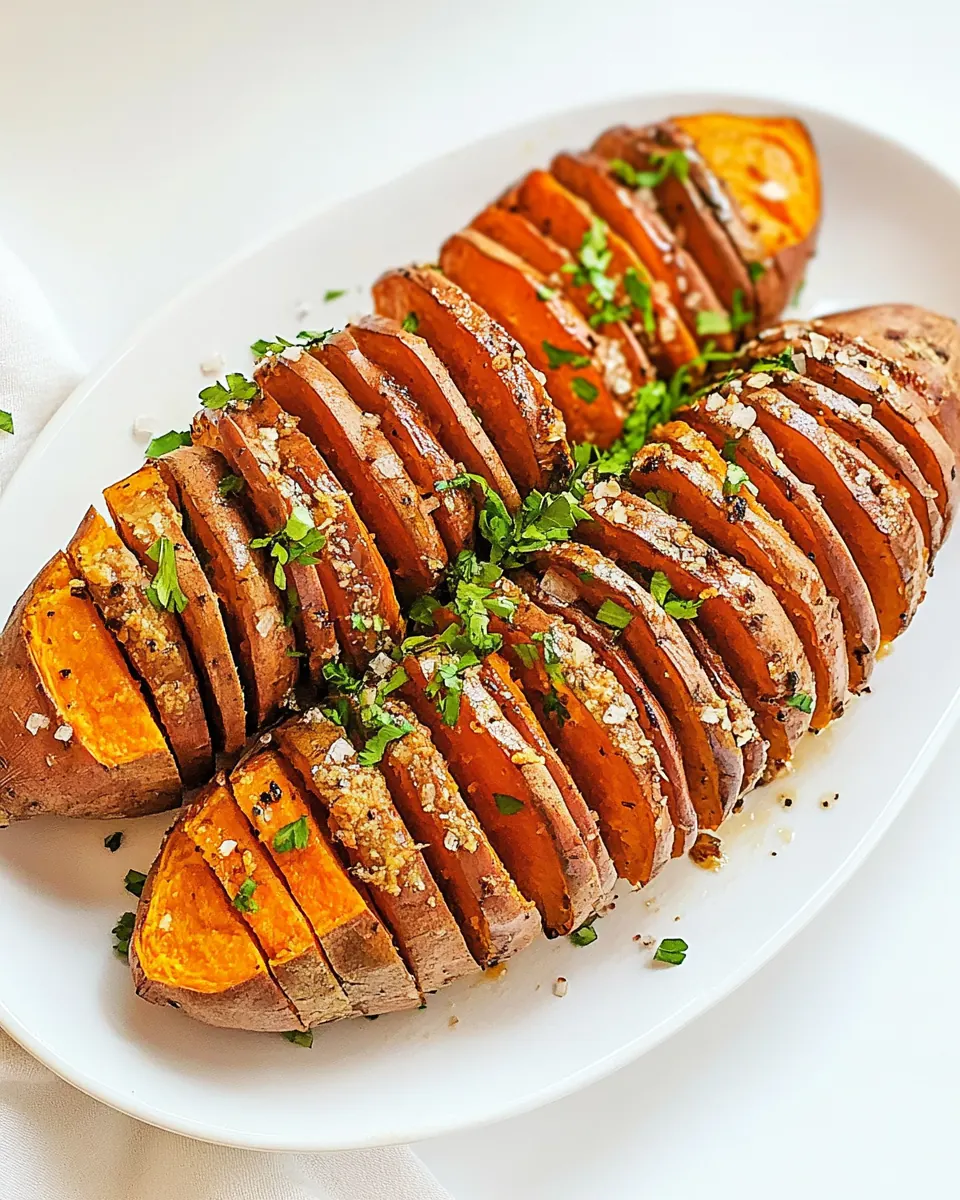
Preparing these Hasselback Sweet Potatoes is a gentle, rhythmic process that rewards attention. Below I unpack each step with sensory cues, reasons behind the technique, and the pitfalls I have learned to avoid so your results are consistent and delicious.
- Preheat your oven to 425 degrees Fahrenheit and line a baking sheet with parchment paper.: The first sign that you are ready is the warm, dry air that will circulate in the oven, encouraging surface browning. Using parchment paper keeps the pan cleaner and prevents sticking, while the high temperature promotes caramelization on the exposed ridges. If the oven is not fully preheated, the potatoes will steam rather than roast, resulting in a softer, less crisp exterior. A common mistake is rushing this step, so always wait until the oven registers the full 425 degrees and the interior light goes off before sliding the pan in.
- Carefully make thin slices along each sweet potato, stopping just before you cut through so that the slices stay connected at the bottom.: As you slice, you should hear a faint scraping sound and see the potato accordion slightly open, promising crisp edges. This technique increases surface area for browning while preserving the tender interior. The reason for not cutting through is structural, keeping the slices attached so they roast as one piece. A frequent error is making slices that are too thick, which reduces the amount of crispy edge per bite, or cutting all the way through, which makes the potato fall apart when serving.
- Mix the melted butter, olive oil, thyme, salt, and pepper, and brush the mixture over and between the slices of each sweet potato.: When you brush the warm butter and olive oil into the crevices, you will notice the aromatics releasing, and the surface becomes glossy. This fat infusion helps the edges blister and caramelize, concentrating flavor. Take your time to push the mixture into the gaps so each slice gets seasoned. Mistakes here include applying the mixture only to the surface, which leads to uneven flavor distribution, or using cold butter that won't penetrate the slices.
- Bake for about 60 minutes, until the potatoes are tender inside and crispy on the outside.: While roasting, you will hear a quiet, comforting hiss and smell a sweet, roasted aroma as natural sugars caramelize. Visual cues to watch for are deepening golden brown ridges and a slight pulling apart of the slices as they cook. The interior should yield easily to a skewer, indicating tenderness. If you rush the bake or use a lower temperature, the exterior will not achieve the desired crispness and the interior may remain undercooked. A common misstep is opening the oven frequently, which drops the temperature and extends cooking time.
- Remove from the oven, sprinkle with Parmesan cheese and parsley, and serve.: As soon as the potatoes come out, the hot ridges will welcome the Parmesan , which will melt slightly and add a savory finish, while fresh parsley brings color and brightness. The contrast between the warm, crisp edges and the cool, herbaceous garnish is key. Avoid letting them sit too long before serving, because the edges will soften and lose crispness. One mistake to watch for is adding cheese too early in the oven, which can burn and taste bitter instead of offering that melty umami note.
Tips and Variations
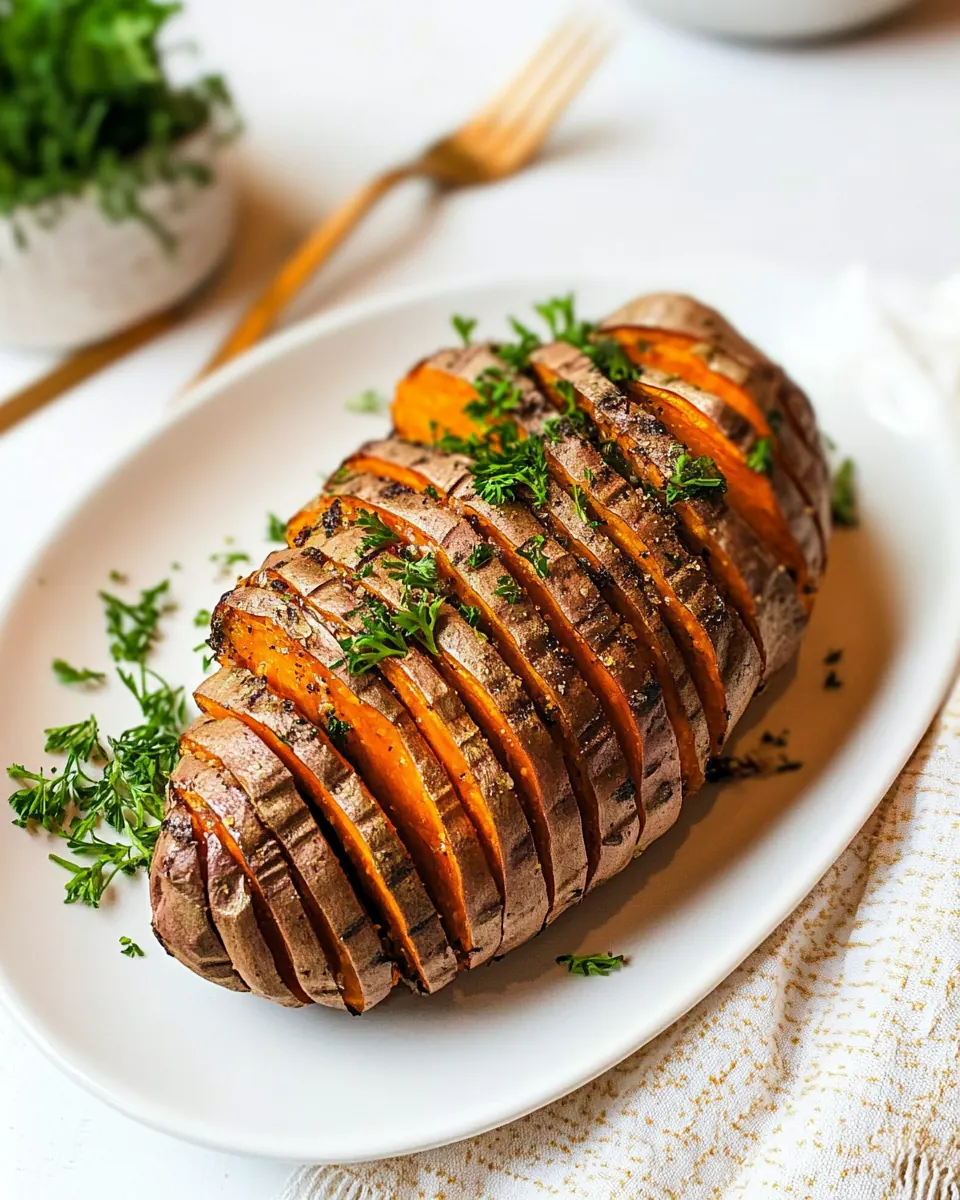
These tips will help you get the best out of your Hasselback Sweet Potatoes, whether you are making them for a quiet dinner or a festive spread. Small changes in technique and timing can alter texture and flavor in delightful ways.
- Use even sized potatoes to ensure uniform roasting, so no piece ends up overcooked or underdone.
- Keep slices thin to maximize crispy surface area, which enhances the contrast with the tender interior.
- Warm the butter before brushing so it penetrates between slices easily and carries herbs into the potato.
- Finish with cheese at the end to avoid burning and to give a melty, savory lift right before serving.
- Garnish just before serving with fresh parsley to maintain color and a bright herbal note.
Side Dish Ideas for Hasselback Sweet Potatoes
These serving suggestions will help you pair your Hasselback Sweet Potatoes for different occasions, and show how versatile they can be. I include storage notes and seasonal ideas so you can plan the whole menu around them.
- Weeknight roast dinner: Serve alongside roasted vegetables and a simple protein for a cozy, balanced meal that comes together with minimal fuss.
- Holiday centerpiece: These potatoes dress up beautifully for a holiday table, offering a comforting alternative to traditional sides while still feeling festive.
- Casual lunch: Pair with a crisp green salad and a dollop of plain yogurt or a light vinaigrette for a satisfying midday plate.
- Storage tip: Refrigerate leftovers in an airtight container for up to three days, then reheat in the oven to revive the crisp edges rather than using a microwave which softens them.
- Seasonal pairing: In fall, lean into warm spices elsewhere on the table; in spring, keep other dishes bright and herb forward to complement the fresh parsley.
- Serving style: Present on a warm platter, scatter extra Parmesan and herbs at the last moment, and encourage guests to take a piece from the ends where the layers are most dramatic.
FAQ
Conclusion
What makes these Hasselback Sweet Potatoes special is the irresistible contrast between crisp ridges and a melting interior, achieved with a simple slicing technique and a handful of thoughtful ingredients. Try them when you want a side that looks sophisticated but stays genuinely easy to prepare. They are ideal for family dinners or when you want to elevate a holiday table without extra fuss. I hope you enjoy the process of slicing, basting, and roasting, and that this recipe becomes one of your reliable, impressive go to sides.
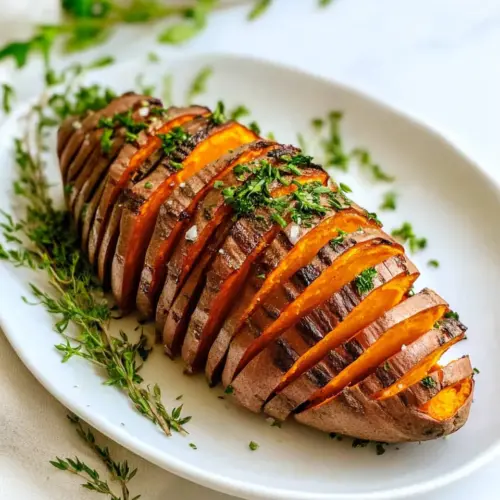
Hasselback Sweet Potatoes
Equipment
- Oven
- Baking Sheet
- Parchment Paper
- Brush
Ingredients
- 4 medium sweet potatoes scrubbed Scrubbed to remove dirt and debris, providing a clean base for even slicing and roasting; delivers natural sweetness and creamy texture when baked until tender. Retains shape for hasselback cuts so thin slices crisp while interior stays soft, creating contrast in each bite.
- 2 tablespoons unsalted butter melted Melted to create a rich, silky coating that helps carry flavors and promote browning on exposed potato surfaces. Adds a subtle dairy richness that enhances mouthfeel and helps seasonings adhere to the slices.
- 1 tablespoon olive oil Used to lightly coat the potatoes and encourage crisp edges while roasting, contributing a fruity, savory note and higher smoke point for even browning. Blends with butter to create a balanced fat layer that crisps without burning.
- 1 teaspoon fresh thyme finely chopped Finely chopped to infuse herbaceous, aromatic notes throughout the potatoes, brightening richness with a slightly lemony, floral character. Sprinkled between or atop slices to provide bursts of freshness and enhance overall complexity.
- 1/2 teaspoon kosher salt Added to season and amplify the natural flavors of the sweet potatoes while balancing sweetness with savory depth; helps draw out moisture for better texture. Used sparingly to avoid overpowering delicate herbs and cheese.
- 1/4 teaspoon black pepper Ground to add mild heat and depth, enhancing savory elements and balancing sweetness; creates subtle peppery highlights on crisped edges. Incorporated evenly so tiny bursts of heat appear in each bite without overwhelming.
- 1/4 cup grated Parmesan cheese Grated to provide a nutty, umami-rich crust that melts into the crevices of the hasselback cuts, adding savory complexity and a golden finish. Sprinkled toward the end of roasting to form a delicate, crispy topping that contrasts with the tender interior.
- 1 tablespoon fresh parsley finely chopped Finely chopped to offer a fresh, bright finish that cuts through richness and ties flavors together with a clean herbal note. Scattered over finished potatoes to add color, aroma, and a light, palate-cleansing element.
Instructions
- Preheat your oven to 425 degrees Fahrenheit and line a baking sheet with parchment paper.: The first sign that you are ready is the warm, dry air that will circulate in the oven, encouraging surface browning. Using parchment paper keeps the pan cleaner and prevents sticking, while the high temperature promotes caramelization on the exposed ridges. If the oven is not fully preheated, the potatoes will steam rather than roast, resulting in a softer, less crisp exterior. A common mistake is rushing this step, so always wait until the oven registers the full 425 degrees and the interior light goes off before sliding the pan in.
- Carefully make thin slices along each sweet potato, stopping just before you cut through so that the slices stay connected at the bottom.: As you slice, you should hear a faint scraping sound and see the potato accordion slightly open, promising crisp edges. This technique increases surface area for browning while preserving the tender interior. The reason for not cutting through is structural, keeping the slices attached so they roast as one piece. A frequent error is making slices that are too thick, which reduces the amount of crispy edge per bite, or cutting all the way through, which makes the potato fall apart when serving.
- Mix the melted butter, olive oil, thyme, salt, and pepper, and brush the mixture over and between the slices of each sweet potato.: When you brush the warm butter and olive oil into the crevices, you will notice the aromatics releasing, and the surface becomes glossy. This fat infusion helps the edges blister and caramelize, concentrating flavor. Take your time to push the mixture into the gaps so each slice gets seasoned. Mistakes here include applying the mixture only to the surface, which leads to uneven flavor distribution, or using cold butter that won't penetrate the slices.
- Bake for about 60 minutes, until the potatoes are tender inside and crispy on the outside.: While roasting, you will hear a quiet, comforting hiss and smell a sweet, roasted aroma as natural sugars caramelize. Visual cues to watch for are deepening golden brown ridges and a slight pulling apart of the slices as they cook. The interior should yield easily to a skewer, indicating tenderness. If you rush the bake or use a lower temperature, the exterior will not achieve the desired crispness and the interior may remain undercooked. A common misstep is opening the oven frequently, which drops the temperature and extends cooking time.
- Remove from the oven, sprinkle with Parmesan cheese and parsley, and serve.: As soon as the potatoes come out, the hot ridges will welcome the Parmesan , which will melt slightly and add a savory finish, while fresh parsley brings color and brightness. The contrast between the warm, crisp edges and the cool, herbaceous garnish is key. Avoid letting them sit too long before serving, because the edges will soften and lose crispness. One mistake to watch for is adding cheese too early in the oven, which can burn and taste bitter instead of offering that melty umami note.
Notes
- Use even sized potatoes to ensure uniform roasting, so no piece ends up overcooked or underdone.
- Keep slices thin to maximize crispy surface area, which enhances the contrast with the tender interior.
- Warm the butter before brushing so it penetrates between slices easily and carries herbs into the potato.
- Finish with cheese at the end to avoid burning and to give a melty, savory lift right before serving.
- Garnish just before serving with fresh parsley to maintain color and a bright herbal note.