Macaroni and Cheese
Macaroni and Cheese has been my ultimate comfort bowl since childhood, the kind of dish that feels like a warm, familiar hug after a long day. I remember a rainy evening when I first learned to make it for a friend who had just moved into a tiny apartment, juggling boxes and excuses. We ate straight from the baking dish with forks and laughed about mismatched socks, and that memory has since made this recipe my go to when I want something that tastes like home and hospitality.
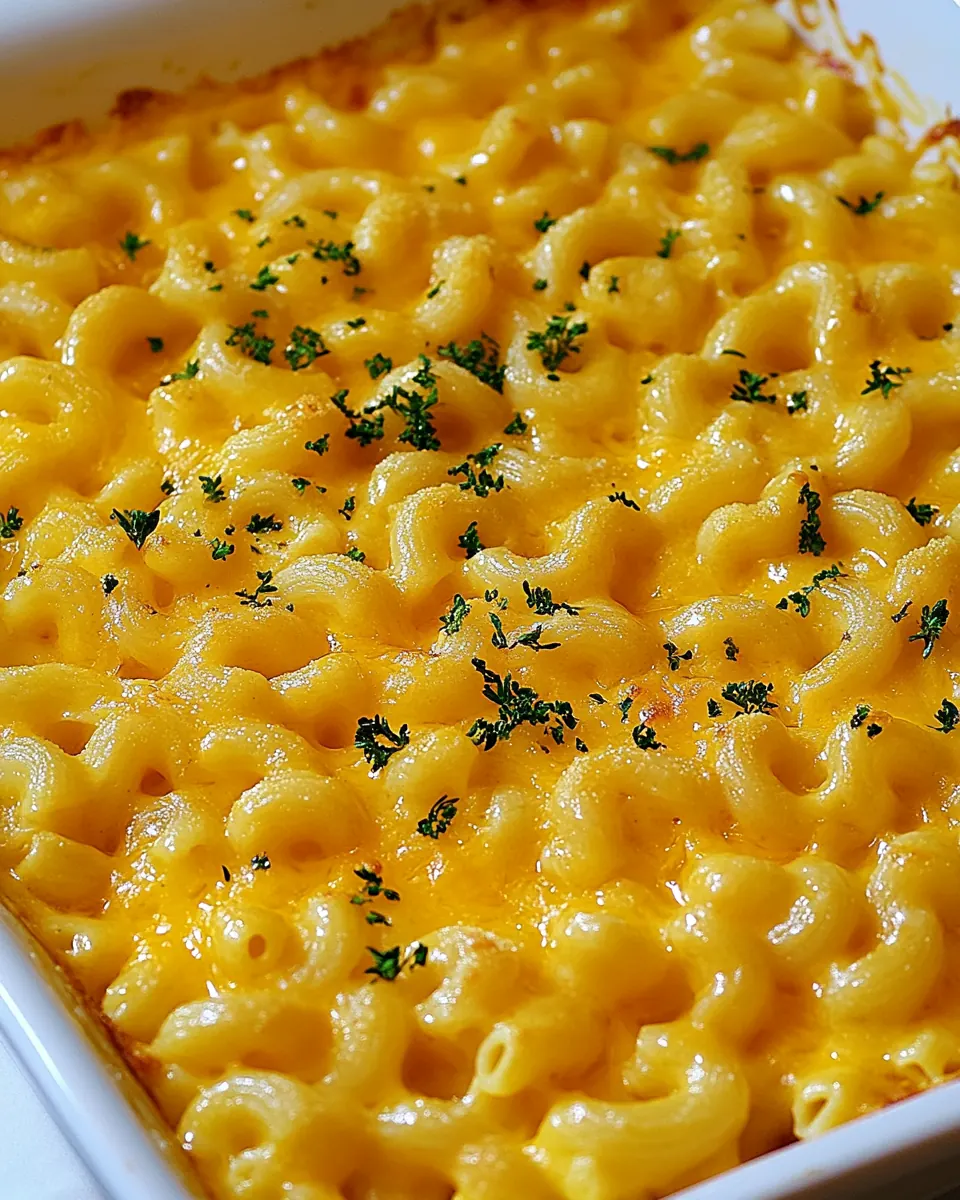
Every time I make Macaroni and Cheese I try to honor that simple moment by keeping the technique honest and the flavors bold. I want the pasta to carry a rich, velvety sauce that clings to every twist and tube, and I like a top layer that becomes just the right mix of gooey and lightly browned. Over the years I have nudged ingredient amounts and timing until the results read reliably comforting, and I still get a thrill when the cheese pulls are long and glossy.
Recipe Snapshot
55 mins
25 mins
30 mins
Medium
400 kcal
American
Gluten-Free, Low FODMAP
Dinner
cheese grater, 9 x 13 baking dish, large pot, large saucepan, whisk
Why This Macaroni and Cheese Stands Out
Rich, dependable flavor
I love that Macaroni and Cheese delivers an instantly recognizable flavor profile, thanks to a small number of bold components. With sharp cheddar as the centerpiece, the sauce tastes layered rather than one dimensional, and it hits the spot whether I serve it to picky eaters or seasoned food lovers.
Simple technique that rewards attention
What stands out to me is how basic steps like making a smooth roux and tempering milk transform simple pantry items into something decadent. I find that taking the time to whisk slowly and cook the sauce to the right thickness is where most of the magic happens, and that care pays off every single time.
Adaptable and crowd friendly
I often bring this dish to gatherings because it scales easily and keeps well for a short while after baking. The structure of the recipe allows me to double quantities without losing the creamy mouthfeel, which is perfect for feeding a group or planning leftovers for busy nights.
Comfort with a grown up bite
The use of sharp cheddar gives the dish a serious savory backbone that makes it feel both nostalgic and grown up, not too sweet or bland. I appreciate that it holds up to baking without becoming greasy, as long as you follow the technique and use freshly shredded cheese.
Reliable crowd pleaser
I find myself recommending this recipe when people ask for something fail safe. It travels well, reheats gracefully, and the sensory hit of bubbling, melty cheese always creates a warm reaction. That consistent happiness is why I keep returning to this version.
What to Buy for Macaroni and Cheese
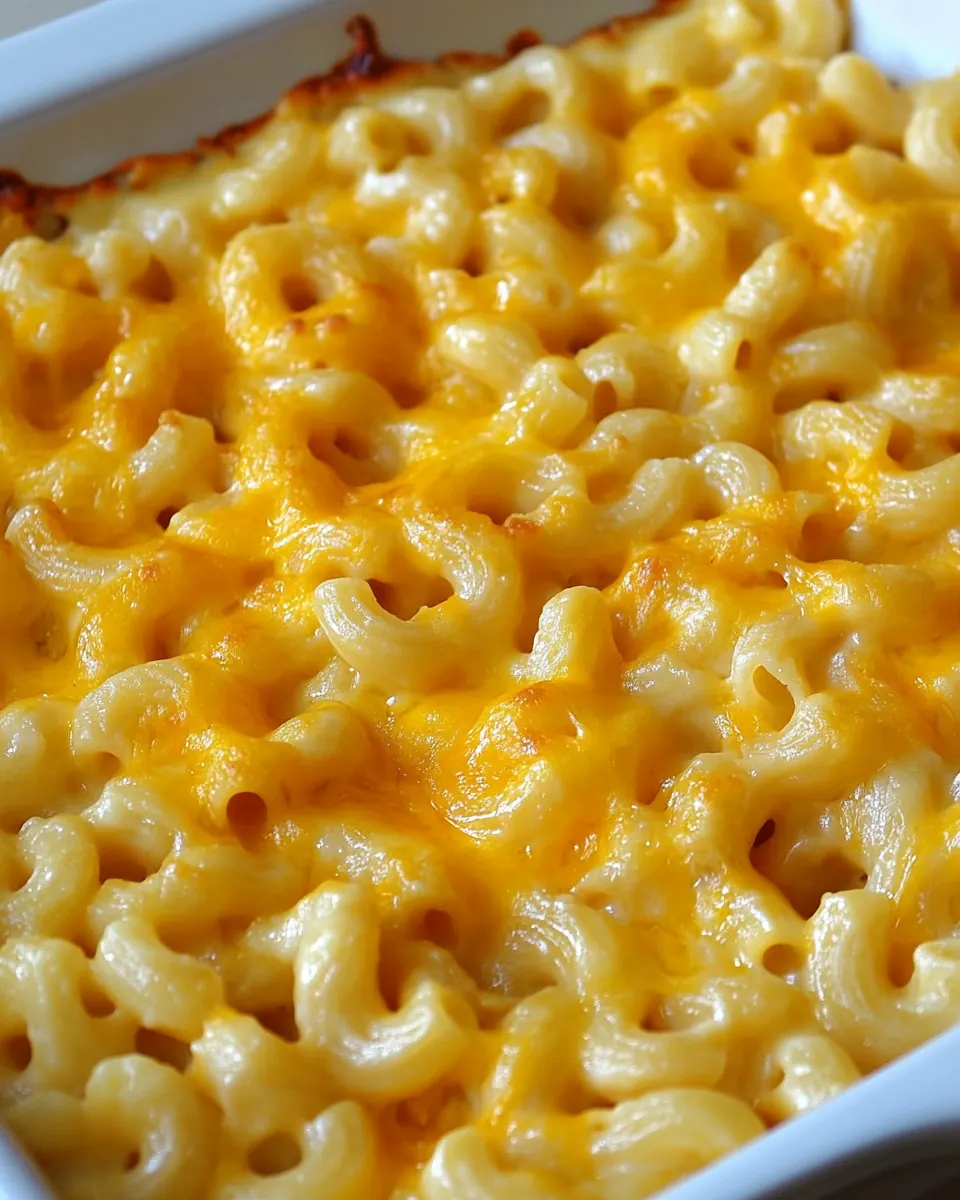
The philosophy behind these ingredients is economy and clarity. This recipe relies on a handful of quality, well chosen players that each contribute a distinct purpose. The pasta is the canvas, the butter and flour create a silky foundation, the milk and cream add richness, salt and careful seasoning elevate flavor, and a bold cheddar brings character and depth. Together they form a balanced, creamy texture and an assertive, cheesy taste that feels intentional rather than overloaded.
- 1 lb cavatappi pasta, elbow pasta, or any short pasta: Provide a sturdy pasta base that holds sauce well; cook until al dente so it remains slightly firm when baked. Toss with a bit of butter or oil after draining to prevent sticking and to help sauces cling evenly.
- 6 tablespoons unsalted butter: Add rich, emulsifying fat that creates a smooth roux when melted and combined with flour; melt gently to avoid browning. Stir continuously to incorporate flour and form the thickening base for the sauce.
- 1/3 cup all-purpose flour: Bind with dry starch to thicken the sauce; whisk into melted butter to form a pale roux and cook briefly to remove raw flour taste. Gradually blend with warm milk to create a lump-free béchamel foundation.
- 3 cups whole milk: Supply creamy liquid and body to the béchamel while adding subtle sweetness that balances cheese sharpness; warm before adding to the roux for easier incorporation. Simmer gently to allow sauce to thicken and to infuse flavor without scalding.
- 1 cup heavy cream: Contribute extra richness and silkiness to the sauce while increasing mouthfeel and stability; incorporate with milk to achieve desired creaminess. Use sparingly to avoid making the sauce overly heavy.
- 1 teaspoon salt: Season and enhance overall flavor; dissolve into the sauce to bring out the cheese's depth and roundness. Adjust to taste, keeping in mind that cheese may already contribute saltiness.
- 6 cups freshly shredded sharp cheddar cheese, divided: Impart primary flavor and texture, melting into the béchamel to form a luscious cheese sauce; reserve a portion for topping to form a golden crust. Shred freshly for better melting and even distribution throughout the dish.
Making Macaroni and Cheese
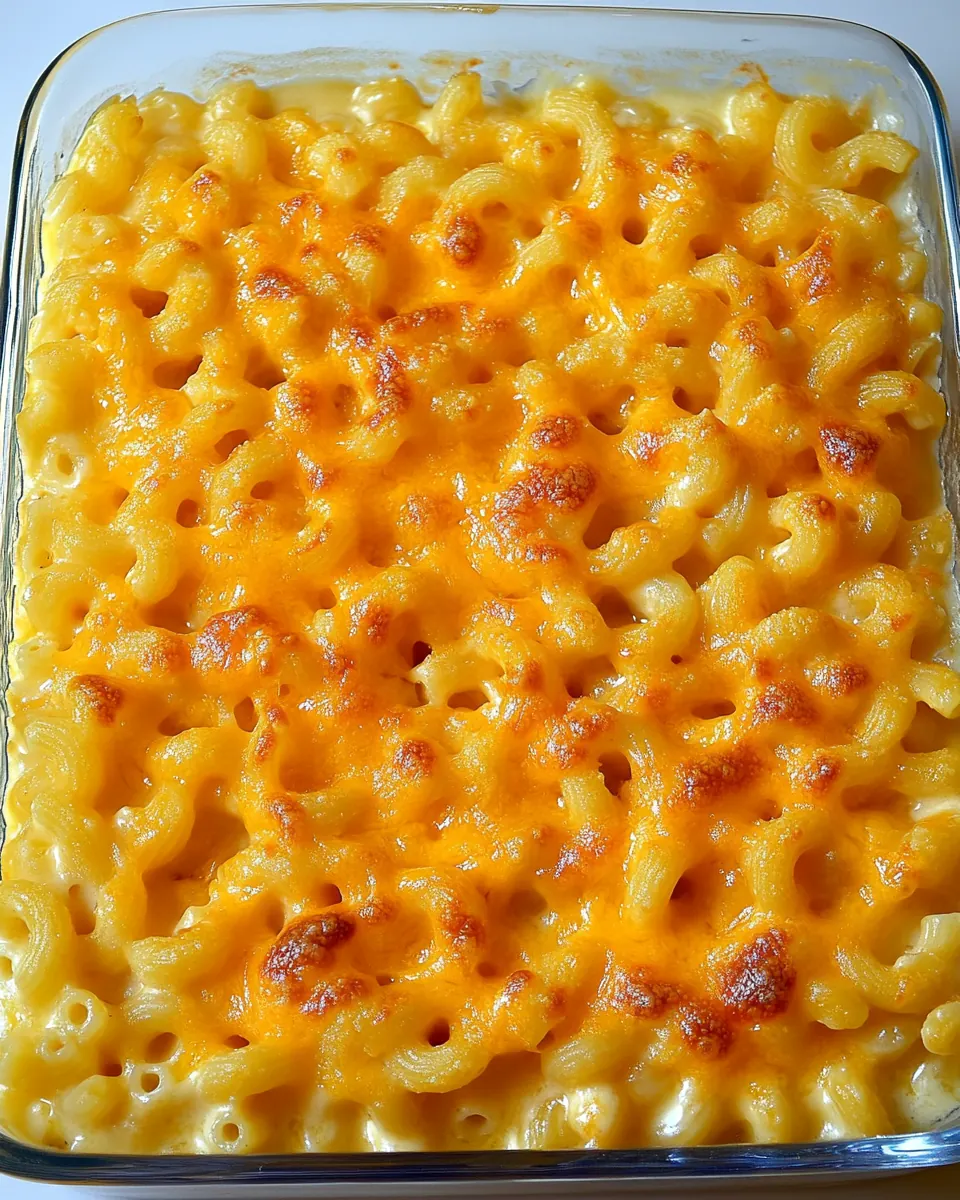
These instructions are written to help you move confidently from boiling pot to bubbling casserole. The process is straightforward, but attention to texture and timing will reward you with a creamy interior and a glossy, melted top. Read through once, then follow step by step so you can notice the sensory cues.
- Preheat the oven to 350 ℉ and grease a 9 x 13 baking dish.: The warm oven fills the kitchen with a subtle dry heat that signals the final set will be gentle and even, creating a golden finish without overbrowning. You should feel slight warmth on your face as the oven comes to temp, and the air may carry a faint baked scent. Greasing the dish prevents sticking and ensures clean serving slices, and using an appropriately sized pan ensures even thickness for consistent baking. A common mistake is skipping the greasing which makes portions tear when serving; use a thin smear of butter or a neutral oil to coat the dish.
- In a large pot filled with water, add 1 tablespoon of salt. Bring water to boiling and add your pasta. Cook according to package directions al dente. Drain and return to the pot.: The water should roar as it reaches a full boil, and that vigorous motion helps the pasta cook evenly. Salted water seasons the pasta from the inside out, which is crucial because the final bake only enhances flavors, it does not deeply season the pasta itself. When you bite into al dente pasta , you want a slight chew and a firm center, not a soft, collapsing texture. A typical error is overcooking at this stage since the pasta will absorb sauce and finish in the oven; aim for a firm tooth to avoid a soggy casserole.
- While pasta is cooking prepare the sauce. In a large sauce pan, melt the butter over medium heat. Whisk in the flour and cook for one minute. Slowly whisk in the milk one cup at a time followed with the cream. Simmer over medium high for a few minutes until mixture thickens. Add about 1 teaspoon salt and pepper to taste. This is important otherwise your mac and cheese will be bland.: You should hear a gentle bubbling as the butter melts and the whisk makes a soft swishing noise while incorporating the flour . Cooking the roux briefly removes raw flour notes and creates a pale golden base; watch carefully because the color can shift fast. As you add the milk and then the heavy cream in stages, the mixture will transition from a grainy slurry to a smooth, glossy sauce. The aroma will turn slightly sweet and dairy forward as it thickens, and a few patient minutes on medium high will give you a coat the back of a spoon consistency. A frequent misstep is rushing the liquid addition which causes lumps, so add slowly and whisk continuously to maintain silkiness.
- Remove from the heat and stir in 2 cups of the cheese until melted. Quickly stir the cheese sauce into the cooked and drained pasta.: The warm sauce will steam gently, and when you incorporate the first portion of cheddar cheese you will see the sauce take on a vibrant golden hue and shiny texture. The melting cheese should form long, glossy strings if you lift the spoon, and the scent will deepen into a nutty, sharp cheddar aroma. Stirring the sauce into the pasta while it is hot helps the sauce cling to every piece rather than pool at the bottom. Avoid adding all the cheese cold, which can shock the sauce and lead to a greasy separation; using freshly shredded cheese at near room temperature helps it incorporate smoothly.
- Pour half of the sauce coated pasta into the prepared dish. Layer 2 cups of the cheese on top. Add the remaining pasta on top in an even layer. Sprinkle the remaining 2 cups of cheese on top.: As you assemble, you will notice a satisfying layering rhythm, and the texture differences between saucy pasta and the unmelted cheese layer will be apparent. The first cheese layer melts into the pockets, creating internal pockets of gooeyness, while the final cheese topping becomes the showy, bubbling crown. Distribute evenly so each serving gets a balanced ratio of sauce and melted cheese. A common oversight is piling the top cheese unevenly which can cause patchy browning; take a moment to spread it into an even blanket.
- Bake uncovered for 20-25 minutes or until cheese is melted. Serve immediately.: In the oven you will hear a faint crackle as moisture escapes and the top goes from glossy to slightly bubbling, and a faint browned edge may begin to form after about 15 to 20 minutes. The aroma will intensify in the kitchen, smelling rich and toasty, with a clear sharp cheddar note. Baking sets the sauce so that it holds together when scooped, and serves hot so the texture remains creamy rather than congealed. Avoid overbaking which dries the interior and makes the top overly crusty; remove when the cheese is melted and edges gently bubble.
Recipe Variations about Macaroni and Cheese
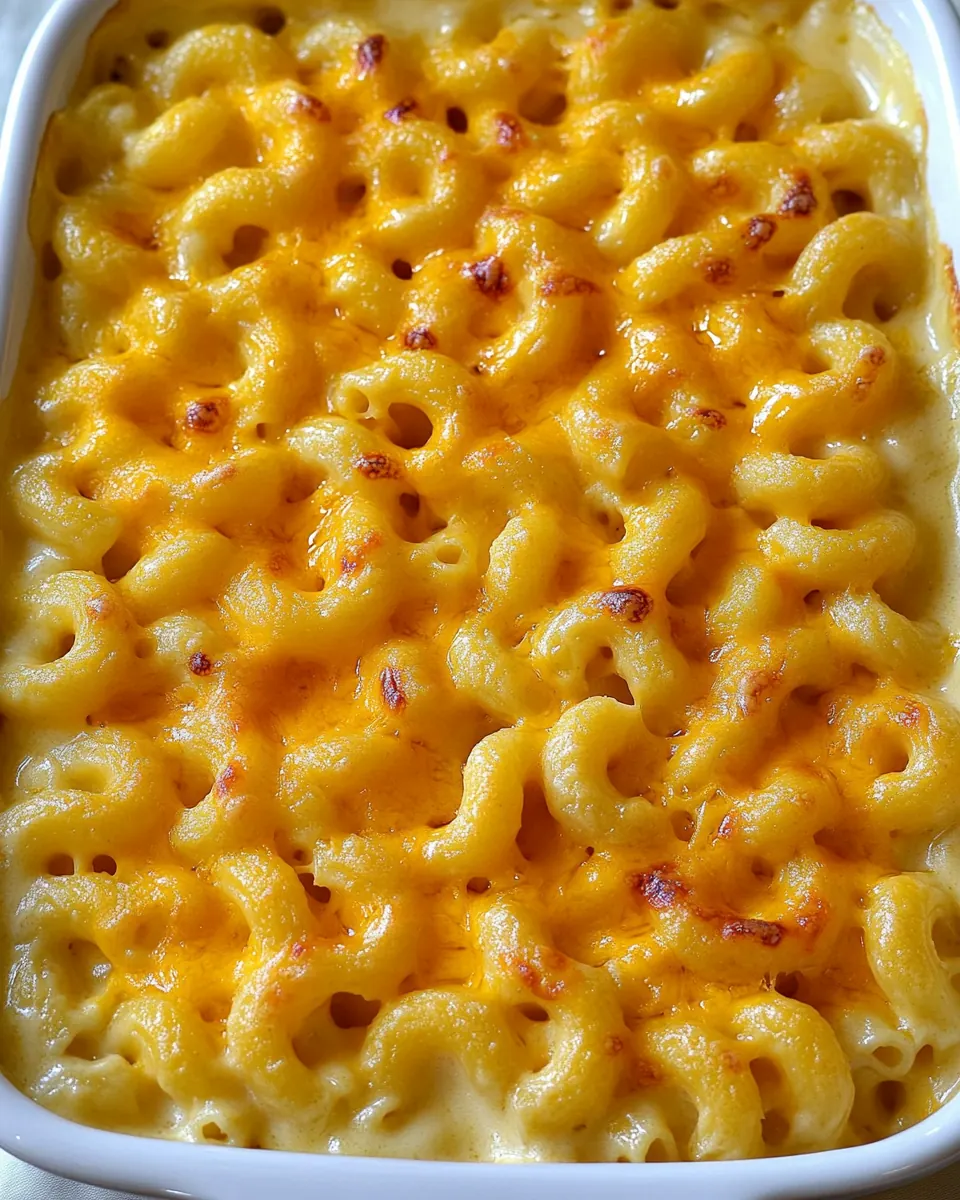
This recipe is straightforward to tweak while maintaining its comforting core. Below are expanded tips and variations based on common preferences and troubleshooting notes, each starting with a bolded lead to help you scan quickly.
- Short pasta swaps Use cavatappi, elbow, or other short pasta shapes that hold sauce; each shape changes how much sauce sits in crevices, altering the bite and sauciness.
- Cheese warmth Let freshly shredded cheese sit at room temperature briefly before adding so it melts more smoothly into the sauce and avoids cooling the mixture.
- Salt smart Taste and adjust salt in the sauce before combining with pasta, because the cheese adds saltiness and you want to avoid oversalting the final dish.
- Roux patience Cook the butter and flour only until fragrant and pale, this removes raw flour taste while keeping the roux light for a silky sauce rather than a pasty one.
- Even cheese distribution Divide the cheese so some melts into the sauce for body and some tops the casserole for a glossy, melty finish that also browns attractively in the oven.
- Make ahead notes Assemble the dish, cover tightly, and refrigerate up to 24 hours before baking, then add a few extra minutes to the bake time to account for a chilled casserole.
Accompaniments for Macaroni and Cheese
I like pairing this dish with light, contrasting sides to balance the richness. Below are detailed serving ideas, occasions, storage tips, and seasonal pairings presented as a list so you can mix and match based on appetite and event.
- Fresh green salad: A crisp salad with a bright vinaigrette cuts through the richness, providing a palate cleanser and refreshing contrast to the creamy Macaroni and Cheese.
- Roasted vegetables: Serve with oven roasted seasonal vegetables for textural contrast and an earthy counterpoint, which works well for weeknight dinners or casual gatherings.
- Family dinner: This is ideal for a cozy family meal where everyone can serve themselves straight from the dish, making it a comforting main or hearty side.
- Potluck friendly: It travels well for sharing, and you can reheat gently at the host site, making it a dependable potluck offering for friends and community events.
- Make ahead and store: Cool completely, then cover and refrigerate up to two days; reheat in a moderate oven until warmed through to keep texture intact. For longer storage, freeze in a sealed container and thaw overnight before baking.
- Seasonal pairing: In cooler months like winter, pair with roasted root vegetables and a tart apple slaw to brighten the plate and complement the dish’s warm, cheesy profile.
FAQ
Conclusion
This Macaroni and Cheese stands out for its simple yet purposeful ingredient list and reliably creamy texture. If you love a rich, cheesy bake that feels like home, this recipe is designed to give you consistent, comforting results. Give it a try on a chilly evening or when you need a crowd pleasing side, and enjoy how easily it delivers buttery, cheesy satisfaction without fuss.
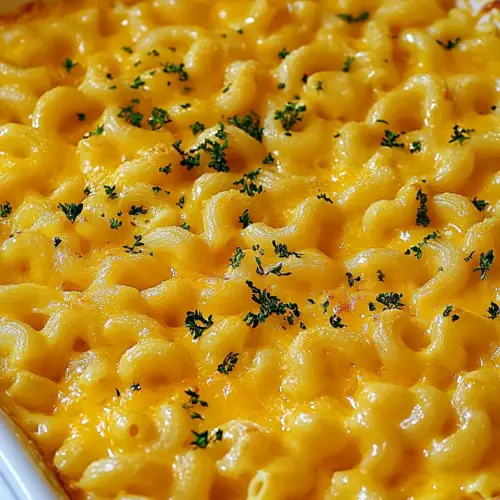
Macaroni and Cheese
Equipment
- Cheese grater
- 9 X 13 baking dish
- Large Pot
- Large saucepan
- Whisk
Ingredients
- 1 lb cavatappi pasta, elbow pasta, or any short pasta Provide a sturdy pasta base that holds sauce well; cook until al dente so it remains slightly firm when baked. Toss with a bit of butter or oil after draining to prevent sticking and to help sauces cling evenly.
- 6 tablespoons unsalted butter Add rich, emulsifying fat that creates a smooth roux when melted and combined with flour; melt gently to avoid browning. Stir continuously to incorporate flour and form the thickening base for the sauce.
- 1/3 cup all-purpose flour Bind with dry starch to thicken the sauce; whisk into melted butter to form a pale roux and cook briefly to remove raw flour taste. Gradually blend with warm milk to create a lump-free béchamel foundation.
- 3 cups whole milk Supply creamy liquid and body to the béchamel while adding subtle sweetness that balances cheese sharpness; warm before adding to the roux for easier incorporation. Simmer gently to allow sauce to thicken and to infuse flavor without scalding.
- 1 cup heavy cream Contribute extra richness and silkiness to the sauce while increasing mouthfeel and stability; incorporate with milk to achieve desired creaminess. Use sparingly to avoid making the sauce overly heavy.
- 1 teaspoon salt Season and enhance overall flavor; dissolve into the sauce to bring out the cheese's depth and roundness. Adjust to taste, keeping in mind that cheese may already contribute saltiness.
- 6 cups freshly shredded sharp cheddar cheese, divided Impart primary flavor and texture, melting into the béchamel to form a luscious cheese sauce; reserve a portion for topping to form a golden crust. Shred freshly for better melting and even distribution throughout the dish.
Instructions
- Preheat the oven to 350 ℉ and grease a 9 x 13 baking dish.: The warm oven fills the kitchen with a subtle dry heat that signals the final set will be gentle and even, creating a golden finish without overbrowning. You should feel slight warmth on your face as the oven comes to temp, and the air may carry a faint baked scent. Greasing the dish prevents sticking and ensures clean serving slices, and using an appropriately sized pan ensures even thickness for consistent baking. A common mistake is skipping the greasing which makes portions tear when serving; use a thin smear of butter or a neutral oil to coat the dish.
- In a large pot filled with water, add 1 tablespoon of salt. Bring water to boiling and add your pasta. Cook according to package directions al dente. Drain and return to the pot.: The water should roar as it reaches a full boil, and that vigorous motion helps the pasta cook evenly. Salted water seasons the pasta from the inside out, which is crucial because the final bake only enhances flavors, it does not deeply season the pasta itself. When you bite into al dente pasta , you want a slight chew and a firm center, not a soft, collapsing texture. A typical error is overcooking at this stage since the pasta will absorb sauce and finish in the oven; aim for a firm tooth to avoid a soggy casserole.
- While pasta is cooking prepare the sauce. In a large sauce pan, melt the butter over medium heat. Whisk in the flour and cook for one minute. Slowly whisk in the milk one cup at a time followed with the cream. Simmer over medium high for a few minutes until mixture thickens. Add about 1 teaspoon salt and pepper to taste. This is important otherwise your mac and cheese will be bland.: You should hear a gentle bubbling as the butter melts and the whisk makes a soft swishing noise while incorporating the flour . Cooking the roux briefly removes raw flour notes and creates a pale golden base; watch carefully because the color can shift fast. As you add the milk and then the heavy cream in stages, the mixture will transition from a grainy slurry to a smooth, glossy sauce. The aroma will turn slightly sweet and dairy forward as it thickens, and a few patient minutes on medium high will give you a coat the back of a spoon consistency. A frequent misstep is rushing the liquid addition which causes lumps, so add slowly and whisk continuously to maintain silkiness.
- Remove from the heat and stir in 2 cups of the cheese until melted. Quickly stir the cheese sauce into the cooked and drained pasta.: The warm sauce will steam gently, and when you incorporate the first portion of cheddar cheese you will see the sauce take on a vibrant golden hue and shiny texture. The melting cheese should form long, glossy strings if you lift the spoon, and the scent will deepen into a nutty, sharp cheddar aroma. Stirring the sauce into the pasta while it is hot helps the sauce cling to every piece rather than pool at the bottom. Avoid adding all the cheese cold, which can shock the sauce and lead to a greasy separation; using freshly shredded cheese at near room temperature helps it incorporate smoothly.
- Pour half of the sauce coated pasta into the prepared dish. Layer 2 cups of the cheese on top. Add the remaining pasta on top in an even layer. Sprinkle the remaining 2 cups of cheese on top.: As you assemble, you will notice a satisfying layering rhythm, and the texture differences between saucy pasta and the unmelted cheese layer will be apparent. The first cheese layer melts into the pockets, creating internal pockets of gooeyness, while the final cheese topping becomes the showy, bubbling crown. Distribute evenly so each serving gets a balanced ratio of sauce and melted cheese. A common oversight is piling the top cheese unevenly which can cause patchy browning; take a moment to spread it into an even blanket.
- Bake uncovered for 20-25 minutes or until cheese is melted. Serve immediately.: In the oven you will hear a faint crackle as moisture escapes and the top goes from glossy to slightly bubbling, and a faint browned edge may begin to form after about 15 to 20 minutes. The aroma will intensify in the kitchen, smelling rich and toasty, with a clear sharp cheddar note. Baking sets the sauce so that it holds together when scooped, and serves hot so the texture remains creamy rather than congealed. Avoid overbaking which dries the interior and makes the top overly crusty; remove when the cheese is melted and edges gently bubble.
Notes
- Short pasta swaps Use cavatappi, elbow, or other short pasta shapes that hold sauce; each shape changes how much sauce sits in crevices, altering the bite and sauciness.
- Cheese warmth Let freshly shredded cheese sit at room temperature briefly before adding so it melts more smoothly into the sauce and avoids cooling the mixture.
- Salt smart Taste and adjust salt in the sauce before combining with pasta, because the cheese adds saltiness and you want to avoid oversalting the final dish.
- Roux patience Cook the butter and flour only until fragrant and pale, this removes raw flour taste while keeping the roux light for a silky sauce rather than a pasty one.
- Even cheese distribution Divide the cheese so some melts into the sauce for body and some tops the casserole for a glossy, melty finish that also browns attractively in the oven.
- Make ahead notes Assemble the dish, cover tightly, and refrigerate up to 24 hours before baking, then add a few extra minutes to the bake time to account for a chilled casserole.