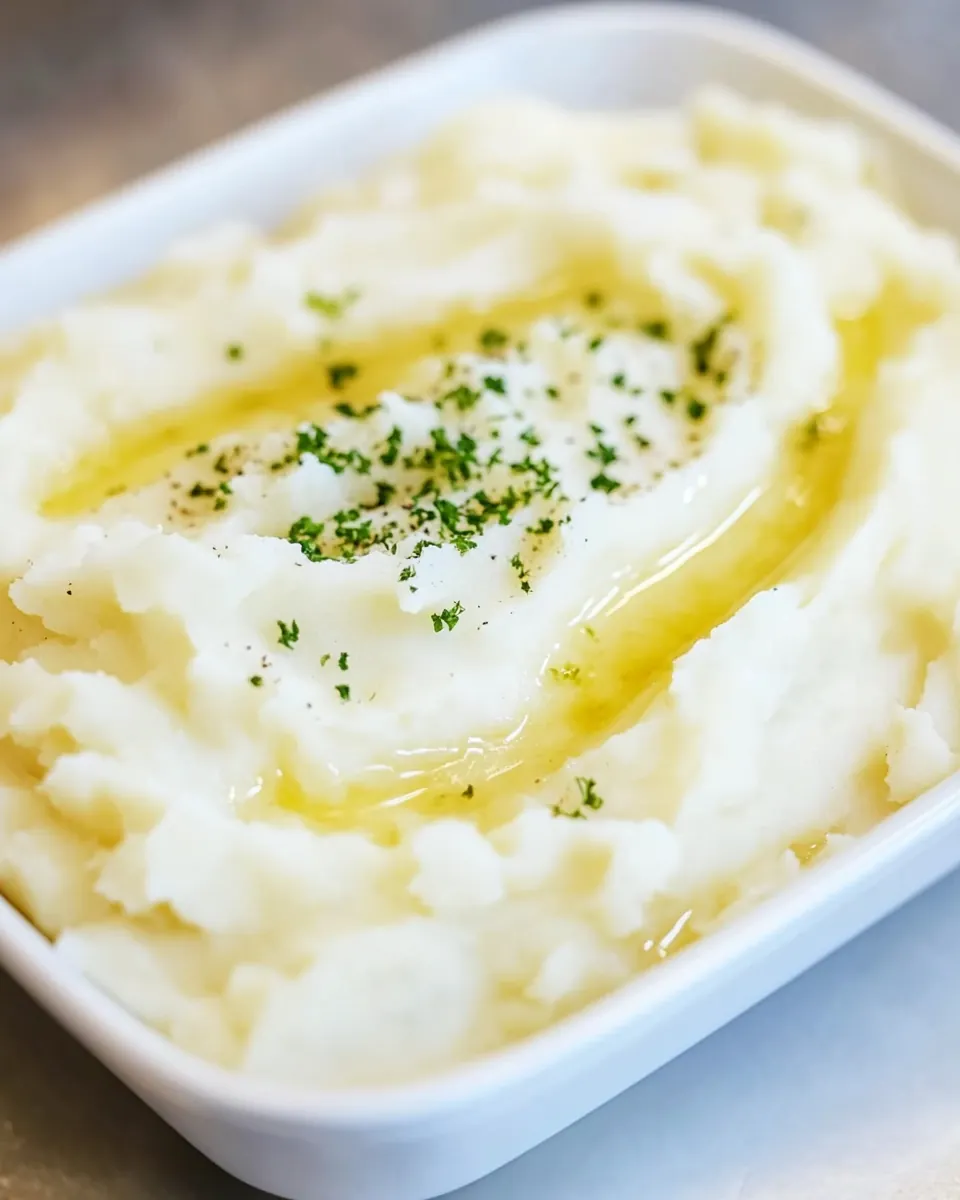
Mashed Potatoes
Mashed Potatoes have a way of bringing people together at my table, every single time. I remember the first time I made them for a holiday dinner and watched everyone reach for second helpings before the main course was even finished, the warm, buttery scent filling the room and coaxing smiles out of even the most stoic guests.
There is a small ceremony I follow when I make Mashed Potatoes, from choosing the right tubers to the final flourish of herbs. Growing up, my family served them plain, but over the years I learned little techniques that transformed them into something memorable. Those tiny changes, like warming the milk and mashing while the potatoes are hot, make all the difference. I love how the texture can be coaxed from rustic and chunky to silky and cloudlike, depending on how you treat the potatoes and how much butter and milk you coax in.
When I bring out a bowl of Mashed Potatoes at a casual weeknight supper or a festive gathering, I always tell the story of the first time I learned to mash by hand, and how the rhythm of the masher felt almost meditative. Those moments around the pot teach patience and attentiveness, and I find that the simplest recipes reward the most care. Whether you are aiming for smooth comfort or a slightly textured bite, these techniques will guide you to a result people will remember.
Recipe Snapshot
30 mins
15 mins
15 mins
Easy
180 kcal
American
Gluten-Free, Low FODMAP
Side Dishes
Large pot, Potato masher, Colander
Why This Mashed Potatoes Stands Out
Comforting Familiarity
I love Mashed Potatoes because they offer instant comfort, a warm, creamy base that makes any meal feel like home. The combination of soft potatoes, melted butter, and warm milk creates a texture that hugs the palate, and I often find myself reaching for a spoon before the rest of the table even sits down. This familiarity is why I return to them whenever I need a dependable crowd pleaser.
Simple Ingredients, Big Impact
We are working with very few players here, and that is the beauty of the recipe. Each element has a job: the potatoes supply body, the butter lends richness, the milk controls texture, and the seasonings sharpen the flavor. Because everything is straightforward, small quality choices, like using warmed milk or high quality butter, amplify the final dish enormously.
Versatility at the Table
One reason I keep this recipe in heavy rotation is its flexibility. I can scale it up easily for a crowd, dial the creaminess up or down, or leave the skins on for a more rustic feel. Garnishing with parsley or chives finishes it with a fresh note, and the dish pairs with almost any protein or vegetable, so it is a dependable companion for weeknight dinners and festive feasts alike.
Technique Makes the Difference
I often tell cooks that technique trumps trickery. Warming the milk prevents chilling the mash, mashing while the potatoes are hot yields a silkier result, and adding liquid slowly helps you control the texture. These small, intentional steps separate good mashed potatoes from unforgettable ones.
Comfort with Personality
Finally, Mashed Potatoes are a canvas. You can keep them classic or let the simple base highlight a subtle flourish, like a scattering of fresh chives or a few extra dots of butter on top. I enjoy sharing them because each batch tells a little story about who is cooking and who is eating.
What You Need for Mashed Potatoes
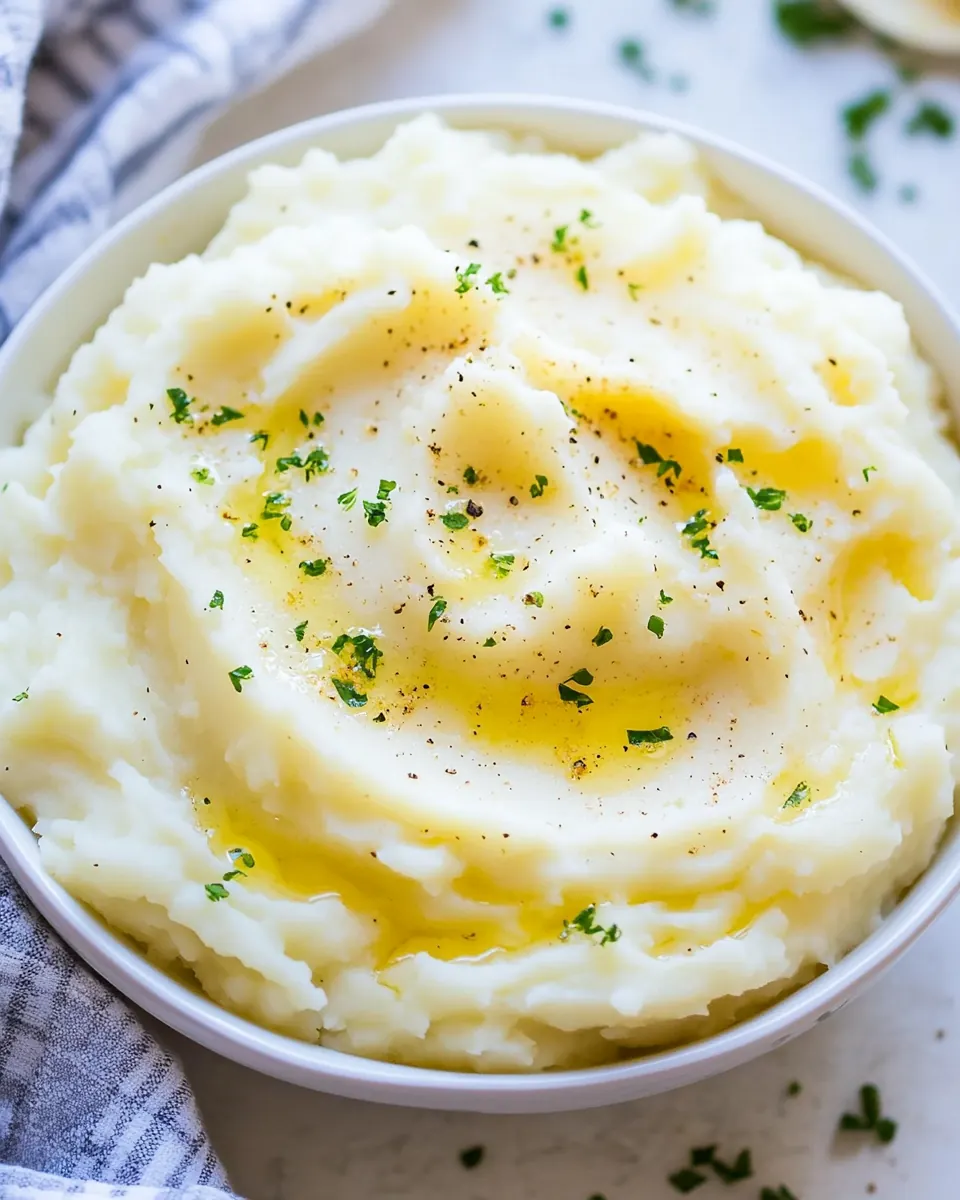
These ingredients are intentionally simple and cohesive, chosen to work together to create a creamy, comforting mash. The potatoes are the star, the butter brings richness and mouthfeel, the warmed milk tames temperature shock and smooths the texture, and the seasoning and herbs lift the final bowl. Each item has a clear purpose and minimal processing keeps the flavors bright and satisfying.
- 4 lbs Yukon gold potatoes: Boil and mash to provide the starchy, creamy base for the dish; yields a naturally buttery texture when cooked and helps bind liquids and fats for smooth consistency. Choose uniform-sized pieces and cook until fork-tender to avoid lumps, then drain thoroughly before mashing to control moisture. Yukon Golds contribute a subtly sweet, rich flavor and golden color that enhances overall mouthfeel and appearance.
- 1/2 c. salted butter softened: Soften and enrich by adding creamy, savory fat that improves texture and flavor; helps create a silkier mouthfeel when incorporated while also aiding in aeration during mashing. Bring to room temperature or gently warm to ensure even distribution and prevent cooling the potatoes. Salted butter adds seasoning, so adjust additional salt accordingly during final tasting.
- 1 c. milk warmed: Warm gently and blend to loosen the mashed potatoes to a creamy, scoopable consistency; temperature-matched milk integrates smoothly and prevents chilling the mixture. Use warmed milk to control final texture, adding gradually until desired creaminess is achieved without making the mash watery. Whole or reduced-fat milk will affect richness, so select according to preferred creaminess.
- 1 1/2 tsp sea salt finely ground: Season finely to balance and enhance the natural flavors of the potatoes; dissolves evenly when finely ground and avoids pockets of concentrated salt. Measure carefully and adjust to taste after combining other ingredients, since the butter may already contribute sodium. Proper salting brings out depth and rounds the overall flavor profile.
- 1/2 tsp pepper: Spice subtly to provide gentle heat and underpinning savory notes that brighten the dish; ground pepper distributes aromatic pungency throughout the mash. Add gradually and taste before serving to avoid over-seasoning, as pepper can intensify after sitting. Freshly ground pepper will yield stronger flavor compared with pre-ground varieties.
- parsley or chives (optional): Garnish optionally to add fresh herbal aroma, color contrast, and a light oniony or grassy note that complements the rich potatoes; use finely chopped parsley or chives for even distribution. Sprinkle just before serving to preserve brightness and prevent wilting from residual heat. Herbs can be mixed in or used as a finishing touch depending on presentation preference.
Making This Mashed Potatoes
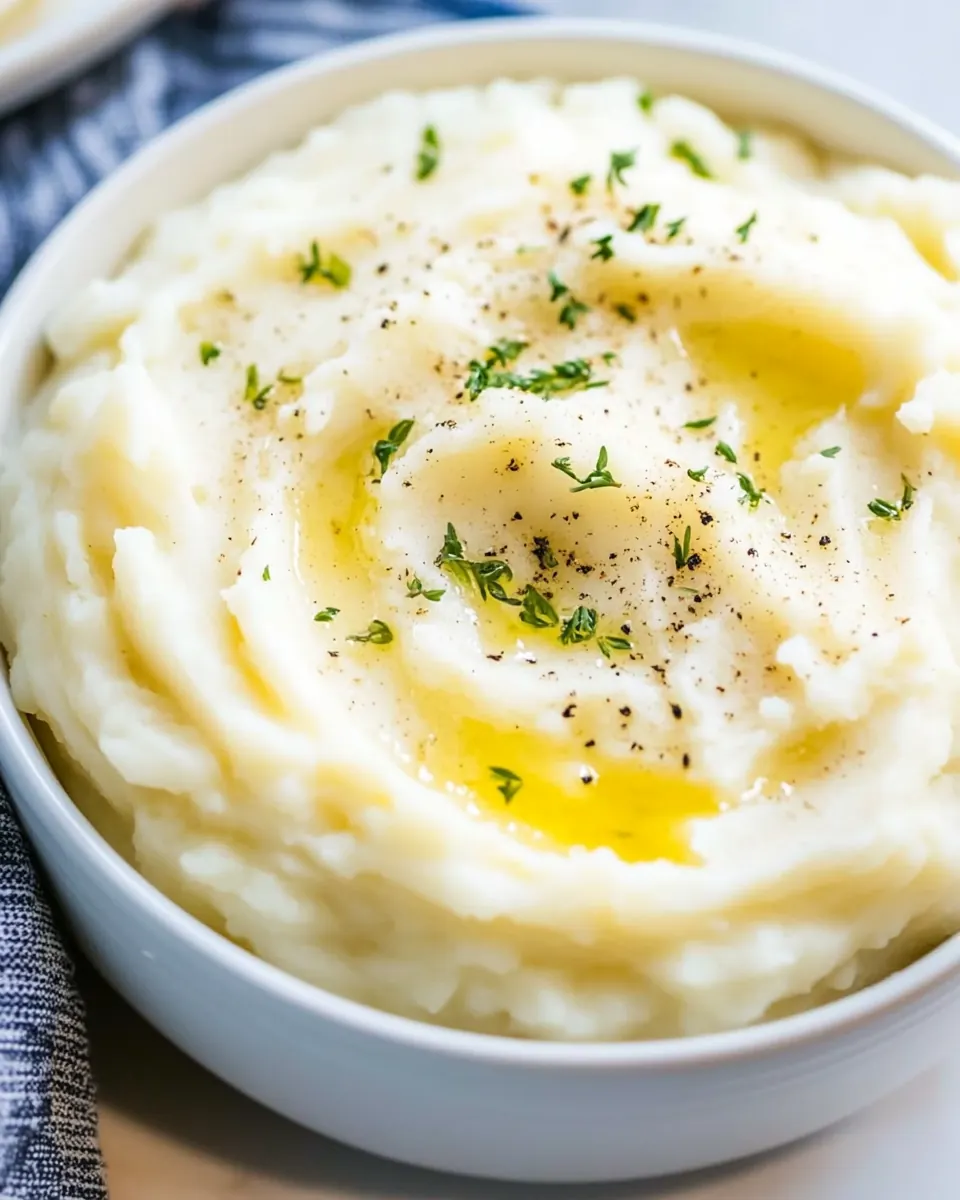
This is the kind of recipe that rewards attention and gentle hands. The directions are straightforward, but the results hinge on timing and sensory cues, like the feel of a fork through a potato or the way warmed milk glossy-lands the mash. Follow your senses, keep tasting, and resist the urge to overwork the starch.
- Peel potatoes and quarter them. Place potatoes in a large pot and cover with cold water. Bring to a boil and cook until easily pierced with a knife about 15 minutes. Drain well.: The aroma of raw potatoes is faintly earthy, and when you quarter them you create uniform pieces that cook evenly. Make sure pieces are similar in size so none finish much earlier than the rest. A common mistake is leaving large gaps in size, which leads to some pieces being undercooked while others fall apart.
- Add butter to potatoes and begin mashing with your potato masher. Pour in a little of the warmed milk at a time while mashing to achieve desired consistency.: Starting with cold water ensures the potatoes heat evenly from edge to center, preventing a mushy exterior and undercooked core. The sound of tiny bubbles building as the water warms is your cue that even heating is happening. If you start in hot water, the outside can overcook before the center warms through, producing an inconsistent texture.
- Season with salt and pepper to taste and garnish with chives or parsley if desired.: During boiling, the water should bubble steadily but not violently; a rolling boil can batter the tubers and bruise them. Check doneness by sliding a knife into the largest piece, feeling for a smooth slide with no resistance. Overcooking will make the potatoes waterlogged and prone to becoming gluey when mashed, so watch the clock and test early.
- Drain well: After the potatoes are tender, drain them completely so excess water does not dilute the flavor or thin the mash. The quiet clatter of the pot as the water leaves is the last audible sign before you begin mashing. Leaving water behind is a common error that leads to a watery, bland result, so give them a good shake in the colander.
- Add butter to potatoes and begin mashing with your potato masher: As you press the potatoes, you will hear a soft, rhythmic squelch and see the texture change from chunky to cohesive. The butter should melt into warm potatoes , releasing a nutty aroma. I prefer a hand masher because it preserves a lighter texture; using a mixer can overwork the starches and make the mash gummy.
- Pour in a little of the warmed milk at a time while mashing to achieve desired consistency: Warm milk integrates smoothly, leaving the mash glossy and tender. Add it slowly, watching the texture change and stopping when the mouthfeel feels right. If you pour too much at once, the mash can turn soupy, so proceed in small increments and taste as you go.
- Season with salt and pepper to taste: Salt brings out the underlying potato flavor, while pepper adds a gentle counterpoint. Sprinkle small amounts, stir, and taste, because it is easy to over-season. Remember that butter already contains salt, so adjust carefully.
- Garnish with chives or parsley if desired: Fresh herbs add a bright finish and a pop of color against the creamy backdrop. Scatter finely chopped chives or parsley just before serving to keep their vibrancy. Adding herbs too early can cause them to wilt and lose their fresh aroma.
Change It Up
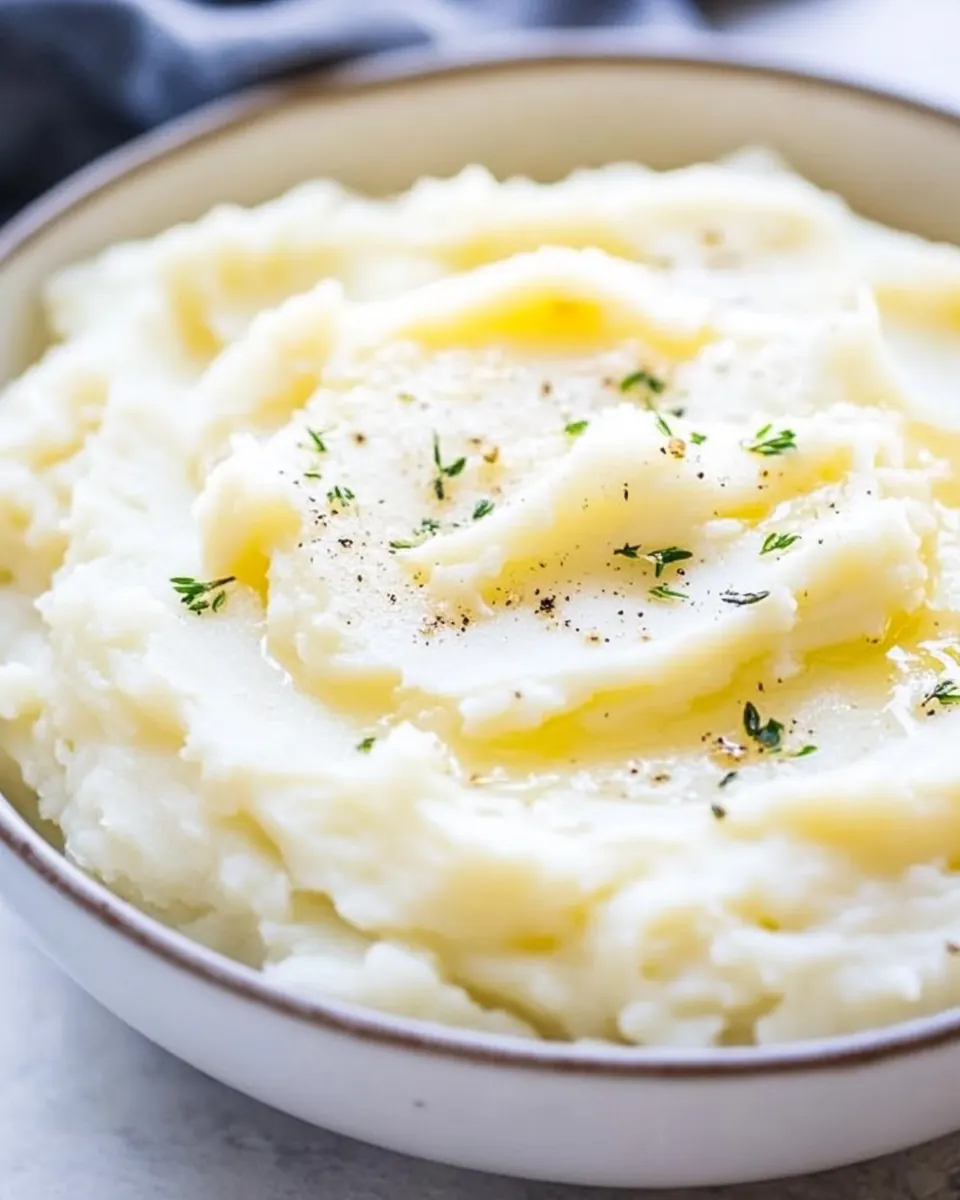
I love offering variations so you can adapt Mashed Potatoes to whatever mood you are in. Below are tips and notes that expand on the basic method and help you avoid common pitfalls. Each tip starts with a bolded prompt to guide you quickly.
- Choose Your Potato: Yukon golds are my preferred option for their creamy texture, but if you only have Russets they will still make a lovely mash, just be mindful of water content and cook time.
- Butter Temperature: Use softened or melted butter so it blends readily into the hot potatoes, creating an even, unbroken texture rather than lumps of cold fat.
- Milk Warmth: Always warm the milk slightly before adding, this prevents cooling the mash and allows the liquid to incorporate with less stirring.
- Herb Finish: Fresh chives or parsley are ideal as a final touch; add them just before serving to keep color and aroma bright.
- Texture Control: Add liquid gradually and stop when you reach your preferred mouthfeel, whether that is rustic and slightly chunky or smooth and silky.
Serving Suggestions
Mashed Potatoes are a comfort table hero that fits many meals, from casual dinners to holiday spreads. I like to present them in a warmed bowl and finish with a few dots of butter and a sprinkle of herbs, inviting guests to help themselves. They pair well with roasted proteins, vegetable mains, and hearty stews, and they travel well for potlucks and gatherings.
- Classic Dinner Pairing: Serve alongside roasted chicken or beef for a traditional comfort plate that balances protein and creamy starch.
- Holiday Centerpiece: For festive dinners, place the mash in a large serving dish, swirl with a spoon to create peaks, and dot with extra butter and chopped herbs for visual appeal.
- Weeknight Comfort: For easy family meals, spoon mashed potatoes beside a pan-seared protein and steamed vegetables, keeping everything straightforward and satisfying.
- Storage Tips: Refrigerate cooled mash in an airtight container for up to four days, gently reheat with a splash of warm milk to restore creaminess.
- Seasonal Pairings: In winter, pair with roasted root vegetables and braised greens to match the cozy season.
- Serving Style: Present in individual bowls for a rustic family feel, or on a communal platter for sharing at a holiday table.
FAQ
Conclusion
Mashed Potatoes shine because of their simplicity and the small techniques that elevate them into something memorable. The right potato, warm milk, and gentle mashing turn humble ingredients into a creamy, comforting side that complements so many meals. I encourage you to give this method a try and pay attention to those little details, like warming the milk and mashing while hot, because they truly change the result. Serve them with a flourish and enjoy the way they bring people together around your table.
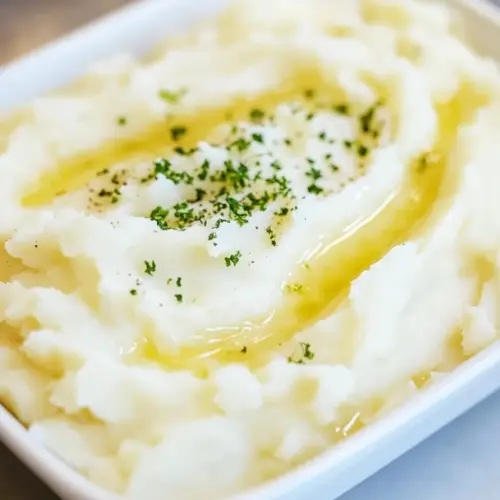
Mashed Potatoes
Equipment
- Large Pot
- Potato Masher
- Colander
Ingredients
- 4 lbs Yukon gold potatoes Boil and mash to provide the starchy, creamy base for the dish; yields a naturally buttery texture when cooked and helps bind liquids and fats for smooth consistency. Choose uniform-sized pieces and cook until fork-tender to avoid lumps, then drain thoroughly before mashing to control moisture. Yukon Golds contribute a subtly sweet, rich flavor and golden color that enhances overall mouthfeel and appearance.
- 1/2 c. salted butter softened Soften and enrich by adding creamy, savory fat that improves texture and flavor; helps create a silkier mouthfeel when incorporated while also aiding in aeration during mashing. Bring to room temperature or gently warm to ensure even distribution and prevent cooling the potatoes. Salted butter adds seasoning, so adjust additional salt accordingly during final tasting.
- 1 c. milk warmed Warm gently and blend to loosen the mashed potatoes to a creamy, scoopable consistency; temperature-matched milk integrates smoothly and prevents chilling the mixture. Use warmed milk to control final texture, adding gradually until desired creaminess is achieved without making the mash watery. Whole or reduced-fat milk will affect richness, so select according to preferred creaminess.
- 1 1/2 tsp sea salt finely ground Season finely to balance and enhance the natural flavors of the potatoes; dissolves evenly when finely ground and avoids pockets of concentrated salt. Measure carefully and adjust to taste after combining other ingredients, since the butter may already contribute sodium. Proper salting brings out depth and rounds the overall flavor profile.
- 1/2 tsp pepper Spice subtly to provide gentle heat and underpinning savory notes that brighten the dish; ground pepper distributes aromatic pungency throughout the mash. Add gradually and taste before serving to avoid over-seasoning, as pepper can intensify after sitting. Freshly ground pepper will yield stronger flavor compared with pre-ground varieties.
- parsley or chives optional Garnish optionally to add fresh herbal aroma, color contrast, and a light oniony or grassy note that complements the rich potatoes; use finely chopped parsley or chives for even distribution. Sprinkle just before serving to preserve brightness and prevent wilting from residual heat. Herbs can be mixed in or used as a finishing touch depending on presentation preference.
Instructions
- Peel potatoes and quarter them. Place potatoes in a large pot and cover with cold water. Bring to a boil and cook until easily pierced with a knife about 15 minutes. Drain well.: The aroma of raw potatoes is faintly earthy, and when you quarter them you create uniform pieces that cook evenly. Make sure pieces are similar in size so none finish much earlier than the rest. A common mistake is leaving large gaps in size, which leads to some pieces being undercooked while others fall apart.
- Add butter to potatoes and begin mashing with your potato masher. Pour in a little of the warmed milk at a time while mashing to achieve desired consistency.: Starting with cold water ensures the potatoes heat evenly from edge to center, preventing a mushy exterior and undercooked core. The sound of tiny bubbles building as the water warms is your cue that even heating is happening. If you start in hot water, the outside can overcook before the center warms through, producing an inconsistent texture.
- Season with salt and pepper to taste and garnish with chives or parsley if desired.: During boiling, the water should bubble steadily but not violently; a rolling boil can batter the tubers and bruise them. Check doneness by sliding a knife into the largest piece, feeling for a smooth slide with no resistance. Overcooking will make the potatoes waterlogged and prone to becoming gluey when mashed, so watch the clock and test early.
- Drain well: After the potatoes are tender, drain them completely so excess water does not dilute the flavor or thin the mash. The quiet clatter of the pot as the water leaves is the last audible sign before you begin mashing. Leaving water behind is a common error that leads to a watery, bland result, so give them a good shake in the colander.
- Add butter to potatoes and begin mashing with your potato masher: As you press the potatoes, you will hear a soft, rhythmic squelch and see the texture change from chunky to cohesive. The butter should melt into warm potatoes , releasing a nutty aroma. I prefer a hand masher because it preserves a lighter texture; using a mixer can overwork the starches and make the mash gummy.
- Pour in a little of the warmed milk at a time while mashing to achieve desired consistency: Warm milk integrates smoothly, leaving the mash glossy and tender. Add it slowly, watching the texture change and stopping when the mouthfeel feels right. If you pour too much at once, the mash can turn soupy, so proceed in small increments and taste as you go.
- Season with salt and pepper to taste: Salt brings out the underlying potato flavor, while pepper adds a gentle counterpoint. Sprinkle small amounts, stir, and taste, because it is easy to over-season. Remember that butter already contains salt, so adjust carefully.
- Garnish with chives or parsley if desired: Fresh herbs add a bright finish and a pop of color against the creamy backdrop. Scatter finely chopped chives or parsley just before serving to keep their vibrancy. Adding herbs too early can cause them to wilt and lose their fresh aroma.
Notes
- Choose Your Potato: Yukon golds are my preferred option for their creamy texture, but if you only have Russets they will still make a lovely mash, just be mindful of water content and cook time.
- Butter Temperature: Use softened or melted butter so it blends readily into the hot potatoes, creating an even, unbroken texture rather than lumps of cold fat.
- Milk Warmth: Always warm the milk slightly before adding, this prevents cooling the mash and allows the liquid to incorporate with less stirring.
- Herb Finish: Fresh chives or parsley are ideal as a final touch; add them just before serving to keep color and aroma bright.
- Texture Control: Add liquid gradually and stop when you reach your preferred mouthfeel, whether that is rustic and slightly chunky or smooth and silky.
