Greek Beef Stew
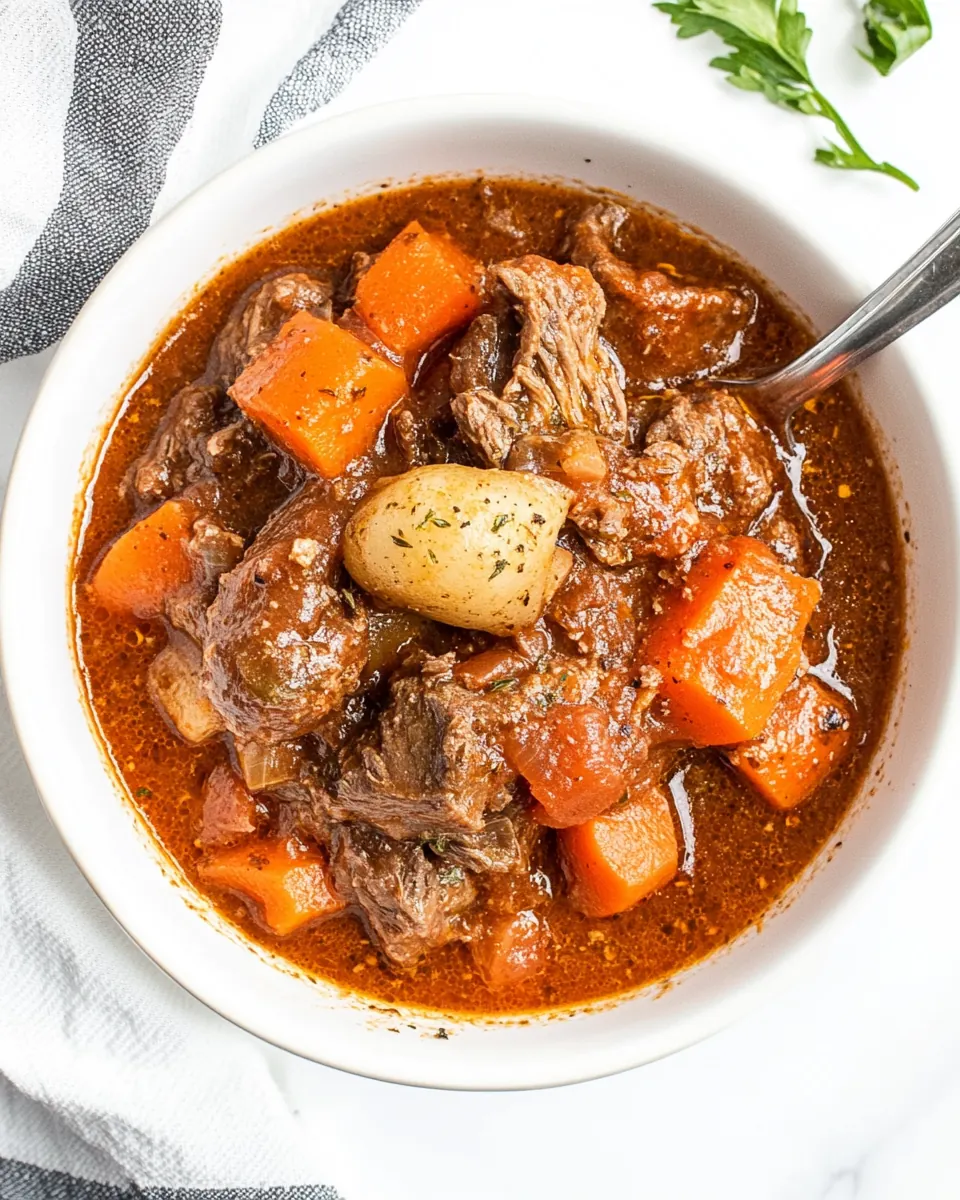
Greek Beef Stew arrived at my table one snowy evening when I needed something warm, honest, and a little unexpected. I remember lifting the lid and being hit first by the aroma of garlic and tomatoes mingled with the bright, citrusy lift of lemon zest, and I knew this was not just another heavy stew. The dish felt cozy but clever, a blend of rustic comfort and Mediterranean brightness that settled into conversation and stretched late into the night.
I grew up with slow cooked meals that took their time, and this Greek Beef Stew fits that tradition while adding small, distinctive touches. The use of a cinnamon stick tucked among the vegetables gives a whisper of warmth rather than sweetness, and the final snowfall of feta cheese creates a salty, tangy finish that turns every bite into a little celebration. I like to think of it as a pot that rewards patience, where each hour multiplies the depth and tenderness.
When I serve this, I often tell whoever’s listening that it was worth the wait. The beef becomes melt in your mouth, the tomatoes reduce into a bright, saucy hug, and the pearl onions keep their character while surrendering softness. Folks ask for seconds, and sometimes I hide the leftovers because I know they taste even better the next day. That quiet satisfaction, the kind you get from food that has real soul, is why this recipe sits in my rotation for cold nights and easy weekend dinners.
Recipe Snapshot
8 hr 25 mins
25 mins
480 mins
Hard
450 kcal
Mediterranean
Gluten-Free, Paleo
Dinner
Large slow cooker, Large skillet, Slotted spoon, Foil
Why Try This Greek Beef Stew
Comfort with a Mediterranean Twist
I love how Greek Beef Stew feels like a classic winter comfort without being heavy or cloying. The beef and tomatoes provide the backbone, while lemon zest and oregano lift everything so it never feels flat. This contrast between sturdy and bright is why I reach for this recipe when I want something satisfying but not sleepy.
Layered Aromatics and Subtle Spice
There is real craft in how simple aromatics transform during long, slow cooking. The cinnamon stick is my secret, it adds a background warmth that plays beautifully with the savory garlic. I adore those moments when a kitchen smells unusually comforting, and this stew does that reliably.
Make Ahead Magic
One of the best reasons I keep this recipe in rotation is how well it improves overnight. Refrigerated and reheated the next day, the flavors knit together even more tightly. For busy weeks, that make ahead quality means you can cook once and serve excellent meals twice.
Textural Balance
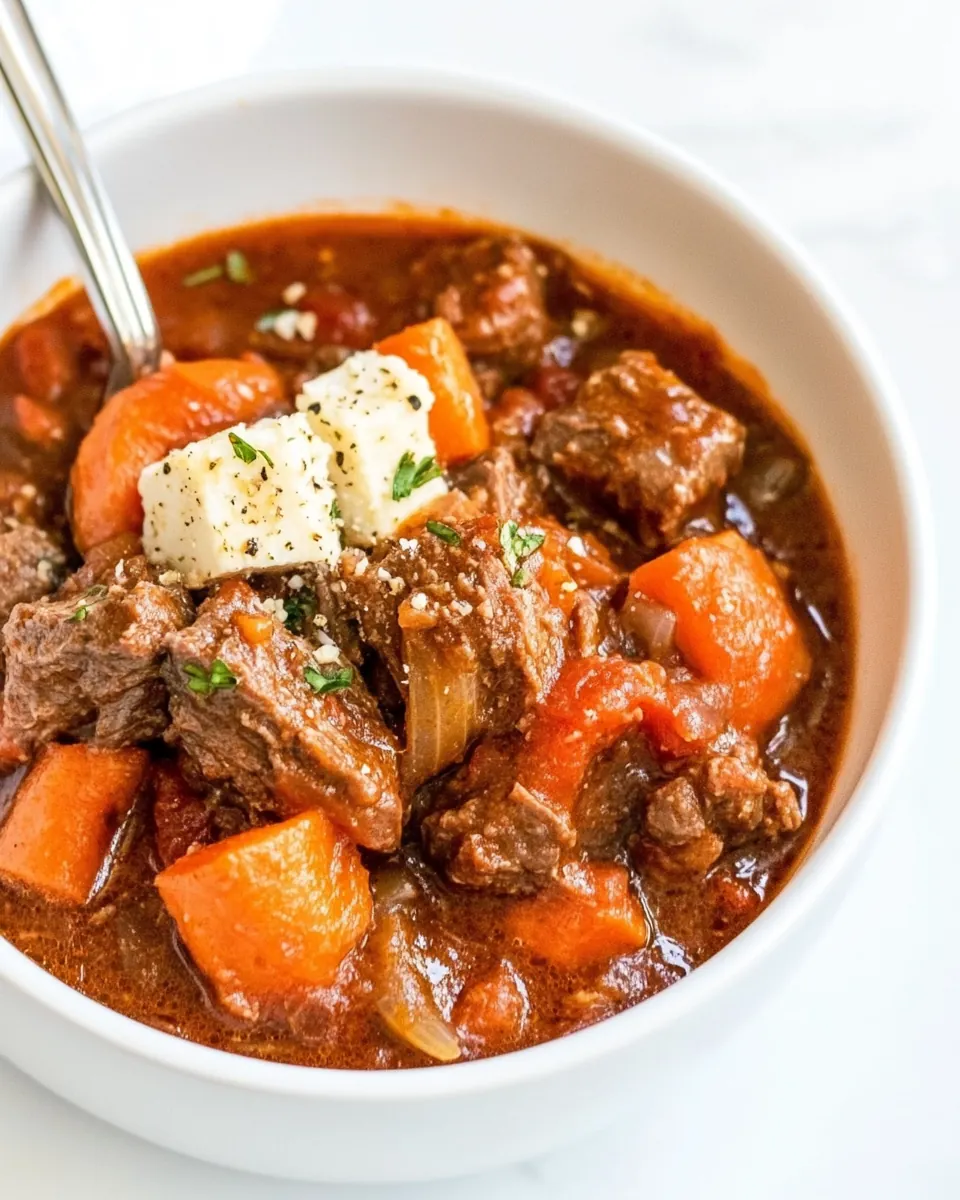
The mix of baby carrots, pearl onions, and tender beef gives varied bite and interest. I enjoy serving it with a spoonful of crumbled feta cheese on top, the salty tang cutting through the lush sauce. It’s that play of textures and contrasts that keeps people coming back for more.
Family Friendly and Flexible
This dish travels easily from weeknight to weekend. Kids typically rally for the soft vegetables and rich sauce, and adults appreciate the thoughtful seasoning. I like recipes that can be both homey and a touch refined, and this one gives me both without drama.
Greek Beef Stew Ingredients
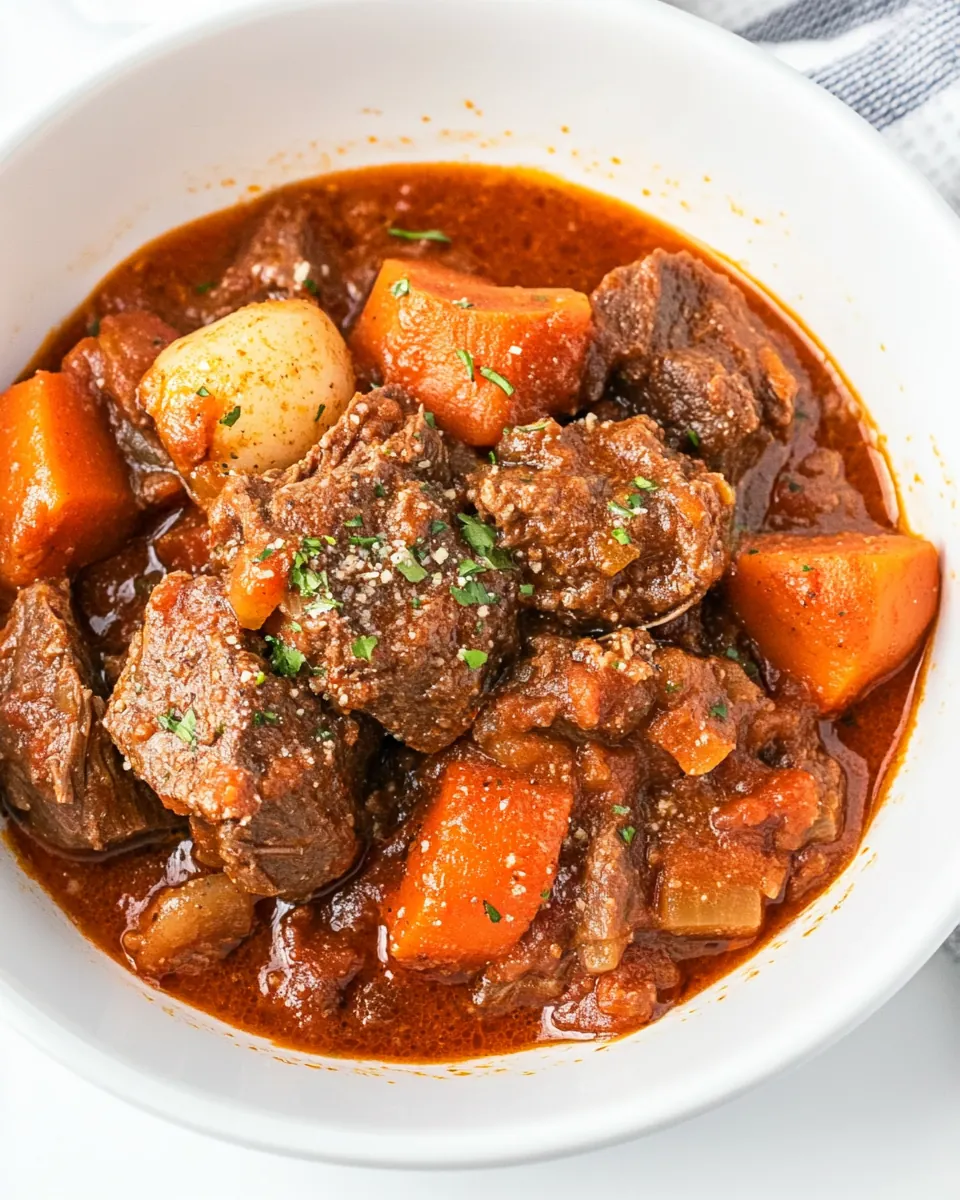
These ingredients work together as a study in balance. The beef brings deep savory richness, the tomatoes add acidity and body, and the lemon zest and oregano brighten the whole pot so it never becomes heavy. The cinnamon stick is a subtle background player, lending warmth rather than sweetness, while the feta cheese at the end introduces a salty, creamy counterpoint that finishes each bowl.
- 2 cups baby carrots: Provide a sweet, earthy crunch and simmer until tender to add natural sweetness and texture to the stew; can be added whole or halved depending on preference and size. Complement braising liquids by absorbing flavors and balancing acidity from tomatoes over long cooking times.
- 1 pound pearl onions, trimmed (or use one large onion, chopped): Add a mellow aromatic bite or substitute chopped large onion for a more familiar onion base; pearl onions hold their shape when braised and provide small bursts of sweetness. Trim and peel carefully, then sauté or braise with the meat to build a flavorful foundation for the stew.
- 1 stick cinnamon: Infuse warm, sweet-spicy depth by adding as a whole stick during braising and removing before serving; imparts subtle cinnamon notes that complement tomato and beef flavors. Use sparingly to avoid overpowering the dish and pair well with the tomatoes and citrus zest.
- 2 tablespoons olive oil: Coat the pan and meat for a flavorful sear while contributing a fruity, smooth base fat; heat until shimmering before browning beef to develop fond for the sauce. Use quality extra-virgin olive oil for balanced flavor that complements Mediterranean ingredients.
- 2 pounds boneless beef chuck roast, cut into 2-inch pieces: Provide hearty protein and rich marbling that renders into silky braising liquid when cut into uniform pieces and browned thoroughly; chuck becomes tender and shreddable after long, slow cooking. Choose well-marbled chuck for maximum flavor and succulence in the finished stew.
- 4 medium garlic cloves, minced: Impart pungent, savory aromatics that boost the overall depth; mince and add early during sautéing to bloom the flavor without burning. Garlic melds with the tomato base and beef juices to create a rounded savory backbone for the stew.
- 1/2 teaspoon salt: Enhance overall seasoning and help bring out natural flavors when added gradually and adjusted to taste; evenly distribute during cooking to ensure balanced seasoning. Use measured amounts early, then taste and correct after reduction and finishing.
- 1/2 teaspoon freshly ground black pepper: Provide mild heat and aromatic complexity when freshly ground and added to taste; helps accentuate the beef and tomato flavors. Add during cooking and adjust at the end to maintain a subtle peppery background without overpowering other seasonings.
- Two 14-ounce cans diced tomatoes: Contribute bright acidity, texture, and umami to the braising liquid; add both cans with their juices to create a rich tomato base that braises the meat and vegetables. Choose diced tomatoes for body and occasional tomato pieces that break down into the sauce as it simmers.
- 1/3 cup tomato paste: Concentrate tomato flavor and thicken the sauce by stirring in so it dissolves fully into the braising liquid; helps achieve a glossy, cohesive stew consistency. Use along with diced tomatoes to boost tomato intensity without adding excess liquid.
- 1 tablespoon grated lemon zest: Brighten and lift the rich stew with citrus aromatic oils by grating only the yellow zest and adding near the end of cooking to preserve freshness. Provide a lemony note that cuts through the richness of beef and feta while complementing Mediterranean herbs.
- 1/2 teaspoon dried oregano: Add herbal Mediterranean character and pair classically with lemon and feta when sprinkled into the braise; rehydrate during cooking to release earthy, slightly bitter notes. Use conservatively to avoid overpowering other seasonings and to support the overall Greek profile.
- 3/4 cup crumbled feta cheese: Finish the stew with creamy, salty crumbles added just before serving to provide tangy richness and a briny contrast to the braised beef and tomatoes. Sprinkle over portions so the feta retains some texture and brightens each bite with characteristic Mediterranean flavor.
The Method for Greek Beef Stew
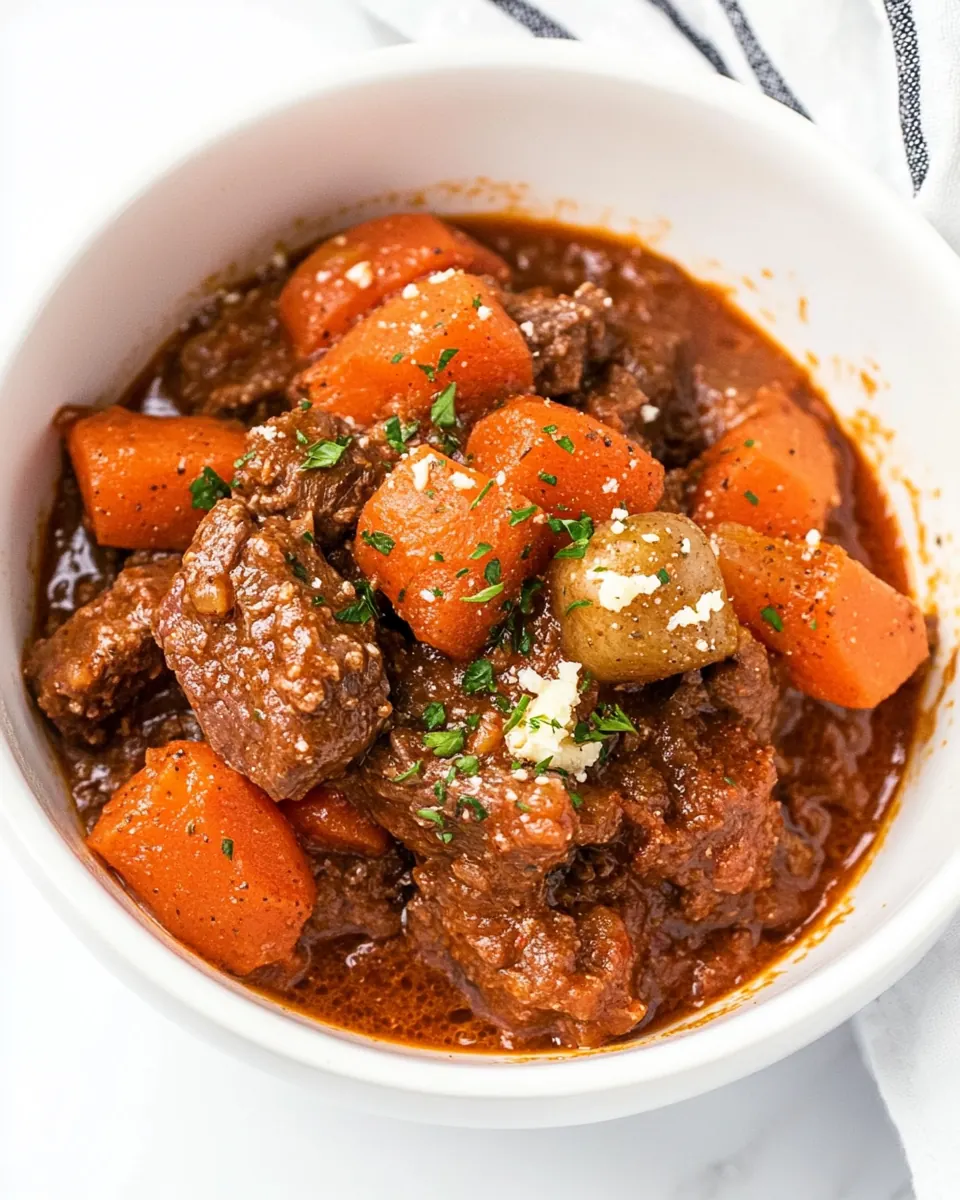
I enjoy the unhurried rhythm of assembling and cooking this stew. The directions are straightforward, and once the pot is set, the hours of low heat do the heavy lifting. Below I expand each direction into a richly described, sensory guide so you can approach every step with confidence.
- Place the carrots, onions, and cinnamon stick in a large slow-cooker insert.: The first moment fills the insert with visual contrast, glossy pearl onions nestled among bright baby carrots , and the rough wooden cue of a cinnamon stick tucked in for aromatic support. You should notice an immediate, faint sweetness and a warm, spicy note when you press the stick between your fingers. This layering matters because the vegetables and the cinnamon will slowly infuse the cooking liquid, giving the stew depth. A common mistake is crowding the pot unevenly, which can lead to inconsistent cook on the vegetables, so spread them in an even layer.
- Heat the oil in large skillet over medium-high heat until hot. Add the beef, in batches if necessary; cook 5 to 7 minutes or until browned on all sides.: As the olive oil shimmers, add the pieces of beef and listen for an assertive sizzle that signals proper browning. The smell will move from raw meat toward roasted, with nutty oil notes and caramelizing edges. Browning creates the Maillard reaction, which is essential because it builds complex savory flavor that a slow cooker alone cannot replicate. If you skip browning to save time, the stew will still be good but less layered. Avoid overfilling the pan, which steams the meat instead of browning it, and work in batches to keep that rich crust forming.
- Place the beef on top of the vegetables in the slow cooker. Sprinkle with garlic, salt and pepper; top with tomatoes. Cover and cook on low 8 to 10 hours or until the beef and vegetables are tender.: When the golden seared pieces meet the bed of vegetables, the sound becomes gentle, a soft settling as the tomatoes are ladled over and steam begins to rise. The mixture will smell both herbaceous and deeply savory as the garlic and seasonings start to mingle. Cooking low for many hours allows connective tissue in the beef to break down into gelatin, creating a silky mouthfeel in the finished sauce. A typical pitfall here is lifting the lid frequently to check, which lets heat escape and extends cooking time; trust the process and peek only toward the end.
- Gently remove the beef and vegetables with a slotted spoon and wrap in foil to keep warm; discard the cinnamon stick. Add the tomato paste, lemon zest, and oregano to the slow cooker; stir to combine. Cover and cook on low 15 to 20 minutes or until thickened and heated through. Stir the beef and vegetables back into the sauce. Serve in bowls and sprinkle each serving with cheese.: As you lift the cooked pieces out with a slotted spoon you will feel how tender the beef has become and see the vegetables nearly falling apart but still holding shape. Wrapping them keeps them at serving temperature and gives you space to focus on the sauce. Stirring in tomato paste , bright lemon zest , and oregano wakes up the cooking liquid; the aroma will shift to concentrated tomato with a citrus lift. Allowing the sauce to reduce concentrates flavors and improves cling to the meat. Avoid skipping the thickening step, because a thin sauce won’t coat your spoon or plate properly and will feel watery.
- Stir the beef and vegetables back into the sauce Serve in bowls and sprinkle each serving with cheese: Reuniting the tender beef and softened vegetables with the thickened sauce is a sensory payoff, releasing savory steam and citrus lift simultaneously. As you stir, notice the way the sauce clings and glazes the meat, the aroma of oregano rising with the warmth. Serving in bowls helps hold heat, and when you scatter crumbled feta cheese on top each spoonful gets a salty, creamy counterpoint that brightens the flavor profile. A common error is adding the feta cheese too early, which will melt it into the sauce rather than letting it remain a contrasting finishing note, so sprinkle just before serving.
Making Adjustments
I like to present practical tweaks you can make depending on pantry items or timing. Below are approachable, reliable tips to tailor the stew to your preferences without losing its essence.
- Adjusting saltiness Taste near the end before adding feta cheese since the cheese will add salt, and you may need less added salt.
- Skipping browning If short on time you can skip searing, but expect a less complex flavor; I only do this when pressed for time.
- Make ahead Cook a day early and refrigerate, flavors will deepen and the texture often improves after resting overnight.
- Thickening the sauce If the sauce is thin, uncover and cook on low until it reduces, or stir in a small amount of tomato paste to thicken quickly.
- Serving warmer Keep bowls warm in a low oven before serving so the stew stays hot longer at the table.
Accompaniments for Greek Beef Stew
This stew pairs well with simple sides that complement rather than compete with its rich, tomatoey character. Below I cover how to serve it for different occasions, storage advice, and seasonal pairing ideas that elevate the meal.
- Crusty bread for soaking A torn loaf or thick slices of bread are perfect for mopping up the sauce, making the meal feel hearty and communal.
- Rice or orzo Serve the stew over plain rice or orzo to absorb the sauce and add a comforting base to each bowl.
- Light salad A simple green salad dressed with lemon and olive oil balances the richness and adds a crisp contrast.
- Family dinners This is an ideal winter family meal, easy to scale up for guests and forgiving in holding temperature while people gather.
- Make ahead and store Refrigerate leftovers in an airtight container for up to three days, reheat gently on the stovetop, and add a splash of water if it has thickened too much.
- Seasonal touches In winter I serve it with roasted root vegetables, while in spring a brighter side salad keeps the plate feeling fresh.
FAQ
Conclusion
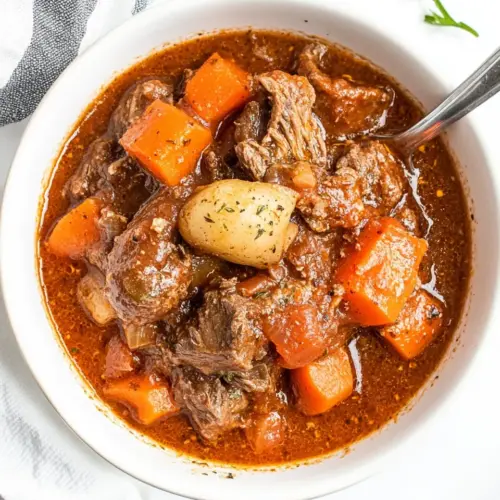
What makes this recipe special is its marriage of deep, slow cooked savory flavors with bright Mediterranean accents, creating a stew that is both comforting and lively. I encourage you to try it on a cold evening, let the slow cooking work its magic, and enjoy the way the flavors deepen the next day. Gather loved ones, serve it simply, and savor the warmth and satisfaction that comes from a pot that took time and love to make.
Greek Beef Stew
Equipment
- Large slow cooker
- Large Skillet
- Slotted Spoon
- Foil
Ingredients
- 2 cups baby carrots Provide a sweet, earthy crunch and simmer until tender to add natural sweetness and texture to the stew; can be added whole or halved depending on preference and size. Complement braising liquids by absorbing flavors and balancing acidity from tomatoes over long cooking times.
- 1 pound pearl onions, trimmed (or use one large onion, chopped) Add a mellow aromatic bite or substitute chopped large onion for a more familiar onion base; pearl onions hold their shape when braised and provide small bursts of sweetness. Trim and peel carefully, then sauté or braise with the meat to build a flavorful foundation for the stew.
- 1 stick cinnamon Infuse warm, sweet-spicy depth by adding as a whole stick during braising and removing before serving; imparts subtle cinnamon notes that complement tomato and beef flavors. Use sparingly to avoid overpowering the dish and pair well with the tomatoes and citrus zest.
- 2 tablespoons olive oil Coat the pan and meat for a flavorful sear while contributing a fruity, smooth base fat; heat until shimmering before browning beef to develop fond for the sauce. Use quality extra-virgin olive oil for balanced flavor that complements Mediterranean ingredients.
- 2 pounds boneless beef chuck roast, cut into 2-inch pieces Provide hearty protein and rich marbling that renders into silky braising liquid when cut into uniform pieces and browned thoroughly; chuck becomes tender and shreddable after long, slow cooking. Choose well-marbled chuck for maximum flavor and succulence in the finished stew.
- 4 medium garlic cloves, minced Impart pungent, savory aromatics that boost the overall depth; mince and add early during sautéing to bloom the flavor without burning. Garlic melds with the tomato base and beef juices to create a rounded savory backbone for the stew.
- 1/2 teaspoon salt Enhance overall seasoning and help bring out natural flavors when added gradually and adjusted to taste; evenly distribute during cooking to ensure balanced seasoning. Use measured amounts early, then taste and correct after reduction and finishing.
- 1/2 teaspoon freshly ground black pepper Provide mild heat and aromatic complexity when freshly ground and added to taste; helps accentuate the beef and tomato flavors. Add during cooking and adjust at the end to maintain a subtle peppery background without overpowering other seasonings.
- Two 14-ounce cans diced tomatoes Contribute bright acidity, texture, and umami to the braising liquid; add both cans with their juices to create a rich tomato base that braises the meat and vegetables. Choose diced tomatoes for body and occasional tomato pieces that break down into the sauce as it simmers.
- 1/3 cup tomato paste Concentrate tomato flavor and thicken the sauce by stirring in so it dissolves fully into the braising liquid; helps achieve a glossy, cohesive stew consistency. Use along with diced tomatoes to boost tomato intensity without adding excess liquid.
- 1 tablespoon grated lemon zest Brighten and lift the rich stew with citrus aromatic oils by grating only the yellow zest and adding near the end of cooking to preserve freshness. Provide a lemony note that cuts through the richness of beef and feta while complementing Mediterranean herbs.
- 1/2 teaspoon dried oregano Add herbal Mediterranean character and pair classically with lemon and feta when sprinkled into the braise; rehydrate during cooking to release earthy, slightly bitter notes. Use conservatively to avoid overpowering other seasonings and to support the overall Greek profile.
- 3/4 cup crumbled feta cheese Finish the stew with creamy, salty crumbles added just before serving to provide tangy richness and a briny contrast to the braised beef and tomatoes. Sprinkle over portions so the feta retains some texture and brightens each bite with characteristic Mediterranean flavor.
Instructions
- Place the carrots, onions, and cinnamon stick in a large slow-cooker insert.: The first moment fills the insert with visual contrast, glossy pearl onions nestled among bright baby carrots , and the rough wooden cue of a cinnamon stick tucked in for aromatic support. You should notice an immediate, faint sweetness and a warm, spicy note when you press the stick between your fingers. This layering matters because the vegetables and the cinnamon will slowly infuse the cooking liquid, giving the stew depth. A common mistake is crowding the pot unevenly, which can lead to inconsistent cook on the vegetables, so spread them in an even layer.
- Heat the oil in large skillet over medium-high heat until hot. Add the beef, in batches if necessary; cook 5 to 7 minutes or until browned on all sides.: As the olive oil shimmers, add the pieces of beef and listen for an assertive sizzle that signals proper browning. The smell will move from raw meat toward roasted, with nutty oil notes and caramelizing edges. Browning creates the Maillard reaction, which is essential because it builds complex savory flavor that a slow cooker alone cannot replicate. If you skip browning to save time, the stew will still be good but less layered. Avoid overfilling the pan, which steams the meat instead of browning it, and work in batches to keep that rich crust forming.
- Place the beef on top of the vegetables in the slow cooker. Sprinkle with garlic, salt and pepper; top with tomatoes. Cover and cook on low 8 to 10 hours or until the beef and vegetables are tender.: When the golden seared pieces meet the bed of vegetables, the sound becomes gentle, a soft settling as the tomatoes are ladled over and steam begins to rise. The mixture will smell both herbaceous and deeply savory as the garlic and seasonings start to mingle. Cooking low for many hours allows connective tissue in the beef to break down into gelatin, creating a silky mouthfeel in the finished sauce. A typical pitfall here is lifting the lid frequently to check, which lets heat escape and extends cooking time; trust the process and peek only toward the end.
- Gently remove the beef and vegetables with a slotted spoon and wrap in foil to keep warm; discard the cinnamon stick. Add the tomato paste, lemon zest, and oregano to the slow cooker; stir to combine. Cover and cook on low 15 to 20 minutes or until thickened and heated through. Stir the beef and vegetables back into the sauce. Serve in bowls and sprinkle each serving with cheese.: As you lift the cooked pieces out with a slotted spoon you will feel how tender the beef has become and see the vegetables nearly falling apart but still holding shape. Wrapping them keeps them at serving temperature and gives you space to focus on the sauce. Stirring in tomato paste , bright lemon zest , and oregano wakes up the cooking liquid; the aroma will shift to concentrated tomato with a citrus lift. Allowing the sauce to reduce concentrates flavors and improves cling to the meat. Avoid skipping the thickening step, because a thin sauce won’t coat your spoon or plate properly and will feel watery.
- Stir the beef and vegetables back into the sauce Serve in bowls and sprinkle each serving with cheese: Reuniting the tender beef and softened vegetables with the thickened sauce is a sensory payoff, releasing savory steam and citrus lift simultaneously. As you stir, notice the way the sauce clings and glazes the meat, the aroma of oregano rising with the warmth. Serving in bowls helps hold heat, and when you scatter crumbled feta cheese on top each spoonful gets a salty, creamy counterpoint that brightens the flavor profile. A common error is adding the feta cheese too early, which will melt it into the sauce rather than letting it remain a contrasting finishing note, so sprinkle just before serving.
Notes
- Adjusting saltiness Taste near the end before adding feta cheese since the cheese will add salt, and you may need less added salt.
- Skipping browning If short on time you can skip searing, but expect a less complex flavor; I only do this when pressed for time.
- Make ahead Cook a day early and refrigerate, flavors will deepen and the texture often improves after resting overnight.
- Thickening the sauce If the sauce is thin, uncover and cook on low until it reduces, or stir in a small amount of tomato paste to thicken quickly.
- Serving warmer Keep bowls warm in a low oven before serving so the stew stays hot longer at the table.