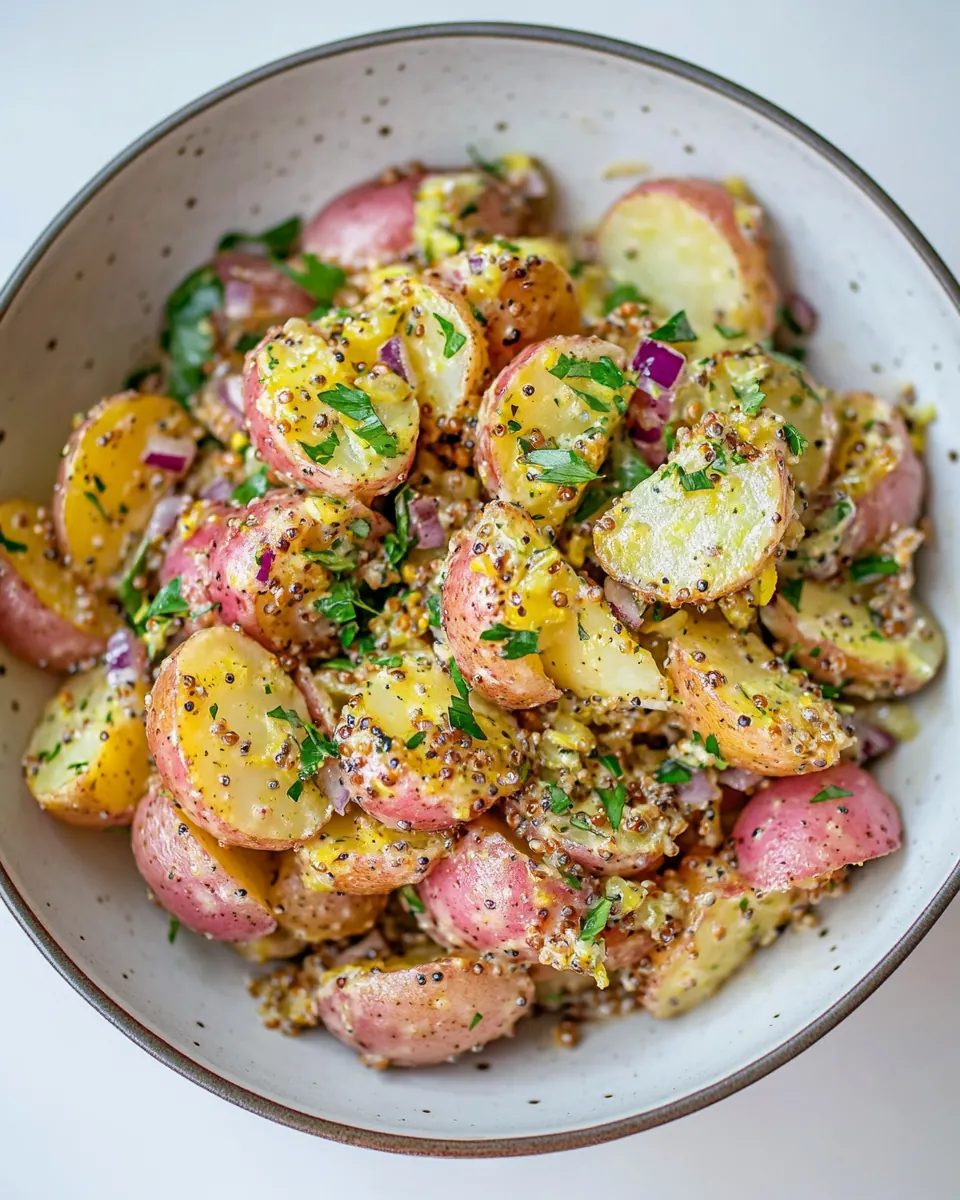
Grainy Mustard Potato Salad
Grainy Mustard Potato Salad is one of those recipes I return to whenever warm weather shows up and the table calls for something bright, textured, and satisfying. The first time I made this salad I was chasing a flavor that would stand up to grilled vegetables, yet still feel light on a hot afternoon. I remember the way the mustard cracked open against the warm, tender potatoes and how the crisp slices of radishes gave each bite a lively snap. That contrast between creamy and crunchy stuck with me, and it has become my go to for summer gatherings.
Over the years I’ve tweaked the dressing to land right on the edge of sharp and mellow, and I’ve learned small habits that make the whole salad sing. I usually boil the potatoes just a touch beyond fork tender so they hold their shape when tossed, and I always taste and adjust the seasoning at the end. This salad travels well too, which is why I have packed it for picnics and potlucks more than once. Guests often ask for the dressing recipe, and I tell them it is the grainy mustard that does the heavy lifting, giving a rustic texture and assertive flavor without overpowering the other players.
There are moments when food needs to be simple and honest, and this recipe fits that bill. The parsley and chives add green freshness, and the olive oil smooths the mustard so it clings to the potatoes instead of sliding off. When you make Grainy Mustard Potato Salad you’ll notice how the ingredients cooperate rather than compete. It is one of those dishes that feels both homey and a little elevated, which is why it keeps showing up on my table from late spring through summer.
Recipe Snapshot
30 mins
10 mins
20 mins
Easy
230 kcal
American
Paleo, Vegan
Side Dishes
Pot, Mandoline, Mixing bowl
Why You’ll Love This Grainy Mustard Potato Salad
Bold but balanced flavor
I love how Grainy Mustard Potato Salad delivers a punch of mustard without drowning out the subtle sweetness of the potatoes. The grainy mustard brings texture and acidity, while the olive oil rounds things out. It is assertive and controlled at the same time, which makes each forkful interesting.
Textural contrast
The interplay between the tender boiled potatoes and the crisp, thinly sliced radishes keeps every bite lively. I always slice the radishes paper thin so they add a whisper of crunch rather than dominate the salad, and the fresh herbs like parsley and chives add a delicate lift.
Speed and simplicity
This is a dish you can pull together quickly, which I appreciate on busy days. With a short boil and a simple whisked dressing, you get something that looks and tastes much more elaborate than the prep suggests. The dressing can be made ahead, which frees up your hands for other tasks.
Versatile for occasions
I find myself serving this salad at backyard lunches, weeknight dinners, and casual get togethers. It pairs well with grilled mains and sits happily on a picnic spread. Because it travels and holds up chilled, it is a reliable choice for a range of gatherings.
Room for personalization
While the recipe is straightforward, there is room to make it yours. I like to nudge the seasoning and lemon juice until it sings for my palate, and you can easily scale the quantities for a crowd. The few quality ingredients each play a clear role, so small adjustments have big effects.
What You’ll Need for Grainy Mustard Potato Salad
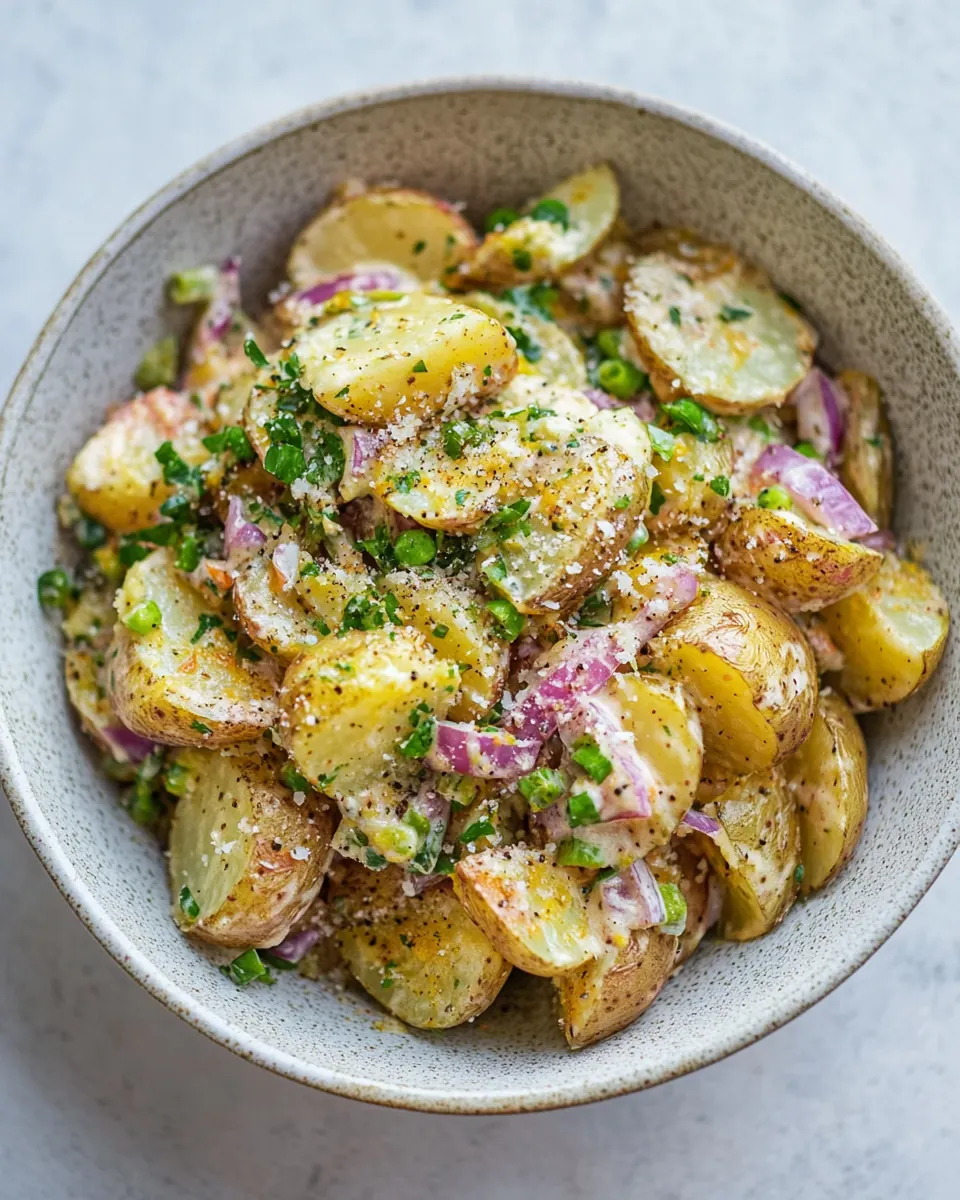
These ingredients form a short, intentional cast that lets texture and bright flavors shine through. The tender potatoes are the canvas, while the grainy mustard and olive oil create a dressing that clings and seasons. Fresh herbs and radishes contribute aromatic lift and crunch, so every mouthful feels balanced.
- 1.5 pounds little potatoes cut into halves: Cut into halves to provide bite-sized pieces that hold their shape when boiled, offering a creamy interior and firm exterior. Add warm potatoes to the bowl so they absorb dressing and distribute texture throughout the salad.
- Small bunch radishes sliced paper-thin: Slice paper–thin to contribute a crisp, peppery crunch and bright color contrast to the dish. Scatter over the salad just before serving to preserve freshness and add a slight bite against the potatoes.
- 1 tablespoon fresh parsley chopped: Chopped finely to add a fresh, herbaceous note that lifts the overall flavor profile. Sprinkle through the salad to introduce green color and a delicate aromatic finish.
- 3 heaping tablespoons grainy mustard: Spoon in heaping amounts to deliver bold, tangy flavor and coarse texture that defines the dressing. Whisk together with oil and lemon juice so mustard emulsifies and evenly coats the potatoes.
- 1 tablespoon chives chopped: Chopped finely to impart a mild onion-like flavor and subtle grassy aroma that complements the mustard. Fold through at the end to maintain delicate texture and bright, savory notes.
- 3 tablespoons olive oil: Drizzle to create a silky dressing base that carries the mustard and lemon, coating ingredients evenly. Use extra-virgin olive oil for fruity depth and to help bind flavors together.
- 1 teaspoon lemon juice: Add sparingly to brighten and balance the mustard's tang with acidic lift. Mix into the dressing so it enhances freshness without overpowering delicate potato and radish flavors.
- Salt & pepper to taste: Season to taste to enhance all flavors and provide necessary balance between acidity, fat, and spice. Adjust gradually and taste often to avoid over-salting while achieving a well-rounded finish.
How to Cook Grainy Mustard Potato Salad
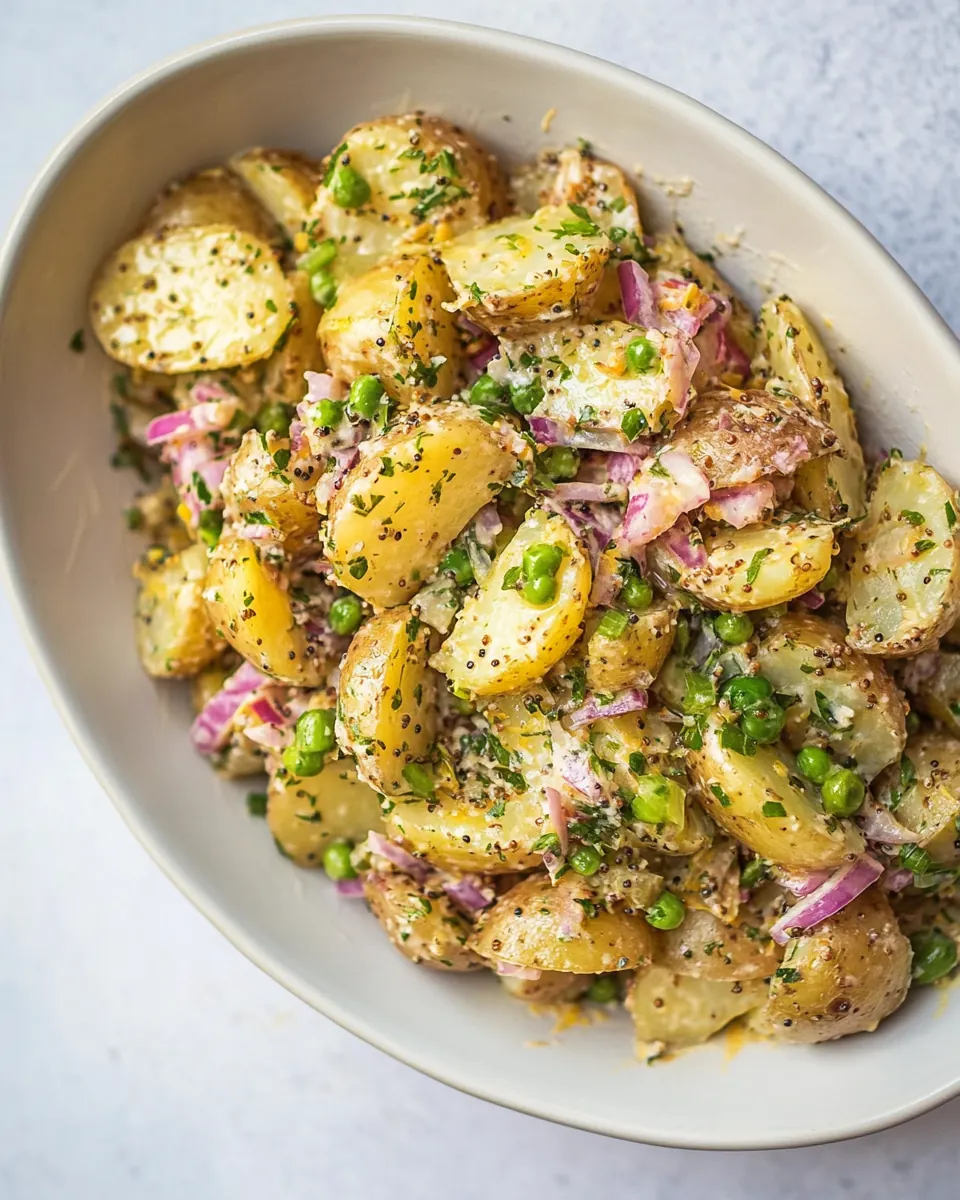
This recipe is approachable and comforting, with a few moments that reward attention. Below I walk through each direction with sensory cues, reasons for technique, and what to do if things go slightly off track.
- Cut potatoes in half then boil them until they're knife tender (about 15-20 minutes).: When the water begins to simmer you will hear a steady soft bubbling and the kitchen will take on an earthy potato scent, signaling the starches are waking up. Test by piercing the thickest piece with a knife, it should slide in with little resistance and the surface should feel slightly pillowy but intact, never falling apart. This level of doneness ensures the potatoes hold their shape when tossed, which preserves texture in the final salad. A common mistake is overboiling, which causes mealy, waterlogged potatoes that crumble when handled. To avoid that, keep an eye on the pot starting at the ten minute mark and check every few minutes. If you find uneven sizes after cutting, remove smaller pieces earlier and let larger ones continue to cook until all are uniformly tender.
- In a small bowl, whisk the dressing ingredients together. Pop the bowl in the fridge until needed.: As you whisk the grainy mustard with the olive oil and lemon juice , you'll notice the dressing emulsify into a slightly glossy, grain speckled sauce that smells bright and tangy. Chilling the dressing helps it thicken slightly and lets the flavors meld so it is more cohesive when you toss it with warm potatoes . This step influences how well the dressing coats each piece, which matters for even seasoning. One thing to avoid is adding oil too quickly while whisking, because the mixture can separate; incorporate the oil slowly to ensure a smooth emulsion. If separation happens, whisk in a teaspoon of warm water to bring it back together.
- Slice the radishes using the thinnest setting on a mandoline and chop the parsley.: The mandoline produces whisper thin radishes that shimmer and offer crispness without bulk. As you slice, you'll hear a clean, light slicing sound and see translucent discs that almost flutter into the bowl. Finely chopped parsley will look like flecks of green and release a fresh, herbaceous aroma when handled. This delicate texture contrast is why I prefer the mandoline here. The usual mistake is slicing too thick, which can dominate the salad; if you don't own a mandoline, use a sharp knife and take your time to get as thin as possible to mimic the intended mouthfeel.
- Drain the potatoes well and let them cool for about 30 minutes. Toss the salad. Give it a taste and add a bit more salt & pepper if needed. Serve immediately or let it chill in the fridge for a few hours.: After draining, the potatoes will steam in the pot for a few moments, releasing a warm, comforting aroma. Allowing them to cool slightly makes them more receptive to the dressing, because piping hot potatoes can make oil separate and can wilt the fresh herbs and radishes . The cooling period also firms the interiors just a touch, which helps with texture when you toss. If you rush this step and toss while the potatoes are too hot, the dressing can become thin and the salad may taste oily. If you need to speed things up, spread the potatoes on a sheet pan to cool faster, but avoid the freezer which can make them mealy.
- Toss the salad. Give it a taste and add a bit more salt & pepper if needed. Serve immediately or let it chill in the fridge for a few hours: The moment you combine the warm, slightly steamed potatoes with the chilled dressing, you'll notice the dressing cling to the surfaces and the aromas mingle, creating a rounded, savory bouquet. Tasting at this stage is critical because potatoes absorb seasoning; what seemed balanced before tossing may need an extra pinch of salt to come alive. Serving immediately will keep the radishes crisp, while chilling for a couple hours melds flavors and softens the mustard bite. A common pitfall is over seasoning before tasting after tossing, so always taste once combined. If the salad seems flat after chilling, a squeeze of additional lemon juice brightens everything without adding extra salt.
Recipe Variations about Grainy Mustard Potato Salad
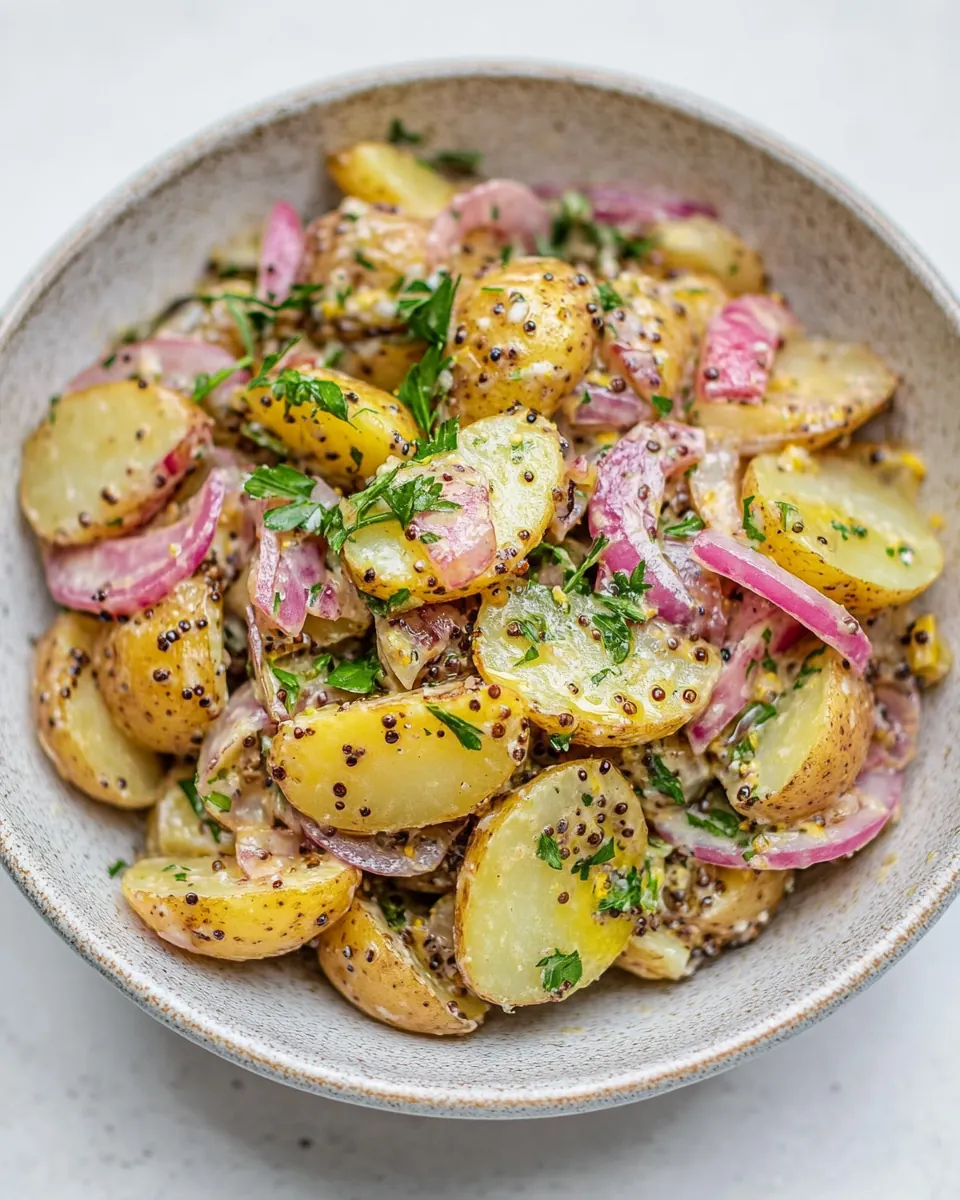
This short intro explains how small changes can shift the salad toward different flavor profiles while keeping the core identity intact. Below are practical variations and ideas to adapt the recipe for different occasions or preferences.
- Boost the mustard character — Increase the grainy mustard slightly for a punchier, more assertive dressing that stands up to strong side dishes.
- Mellow the bite — Add a touch more olive oil and a little extra lemon juice to soften the mustard while retaining brightness.
- Herb forward — Double the parsley and chives for a greener, fresher profile that feels almost salad like.
- Serve warm or cold — Toss with the dressing while the potatoes are still slightly warm for a comforting version, or chill for a firmer, melded flavor.
- Make-ahead friendly — Prepare the dressing and slice the radishes in advance, then combine with the potatoes just before serving for best texture.
Side Dish Ideas for Grainy Mustard Potato Salad
This salad is flexible and pairs well with many meals. Here are several ways to serve it across seasons and occasions, including storage guidance and pairing suggestions to help you plan a cohesive plate.
- Picnic pairing — Bring the salad to outdoor lunches alongside a simple green salad and crusty bread for a portable, crowd pleasing spread.
- Barbecue complement — Serve chilled with grilled vegetables or a simply seasoned protein for a classic summer barbecue pairing.
- Weeknight side — Pair with roasted vegetables and a grain bowl for an easy weeknight dinner where the salad adds texture and brightness.
- Make ahead and store — Keep refrigerated in an airtight container for up to two days, though the radishes may soften slightly over time; toss before serving to refresh texture.
- Seasonal serving — In summer, highlight the salad with fresh garden herbs and new potatoes; it also works in cooler months as a sturdy side for roasted mains.
FAQ
Conclusion
This recipe stands out because it balances creamy, tender little potatoes with the bright, textured punch of grainy mustard and crisp radishes. It is easy to prepare yet feels thoughtfully composed, making it a versatile favorite for casual meals and gatherings. I encourage you to give it a try, tweak the seasoning to your liking, and see how a handful of simple, quality ingredients can make a memorable side dish. Enjoy sharing it with friends or keeping it for weeknight dinners when you want something reliable and flavorful.
Grainy Mustard Potato Salad
Equipment
- Pot
- Mandoline
- Mixing Bowl
Ingredients
- 1.5 pounds little potatoes cut into halves Cut into halves to provide bite-sized pieces that hold their shape when boiled, offering a creamy interior and firm exterior. Add warm potatoes to the bowl so they absorb dressing and distribute texture throughout the salad.
- Small bunch radishes sliced paper-thin Slice paper-thin to contribute a crisp, peppery crunch and bright color contrast to the dish. Scatter over the salad just before serving to preserve freshness and add a slight bite against the potatoes.
- 1 tablespoon fresh parsley chopped Chopped finely to add a fresh, herbaceous note that lifts the overall flavor profile. Sprinkle through the salad to introduce green color and a delicate aromatic finish.
- 3 heaping tablespoons grainy mustard Spoon in heaping amounts to deliver bold, tangy flavor and coarse texture that defines the dressing. Whisk together with oil and lemon juice so mustard emulsifies and evenly coats the potatoes.
- 1 tablespoon chives chopped Chopped finely to impart a mild onion-like flavor and subtle grassy aroma that complements the mustard. Fold through at the end to maintain delicate texture and bright, savory notes.
- 3 tablespoons olive oil Drizzle to create a silky dressing base that carries the mustard and lemon, coating ingredients evenly. Use extra-virgin olive oil for fruity depth and to help bind flavors together.
- 1 teaspoon lemon juice Add sparingly to brighten and balance the mustard's tang with acidic lift. Mix into the dressing so it enhances freshness without overpowering delicate potato and radish flavors.
- Salt & pepper to taste Season to taste to enhance all flavors and provide necessary balance between acidity, fat, and spice. Adjust gradually and taste often to avoid over-salting while achieving a well-rounded finish.
Instructions
- Cut potatoes in half then boil them until they're knife tender (about 15-20 minutes).: When the water begins to simmer you will hear a steady soft bubbling and the kitchen will take on an earthy potato scent, signaling the starches are waking up. Test by piercing the thickest piece with a knife, it should slide in with little resistance and the surface should feel slightly pillowy but intact, never falling apart. This level of doneness ensures the potatoes hold their shape when tossed, which preserves texture in the final salad. A common mistake is overboiling, which causes mealy, waterlogged potatoes that crumble when handled. To avoid that, keep an eye on the pot starting at the ten minute mark and check every few minutes. If you find uneven sizes after cutting, remove smaller pieces earlier and let larger ones continue to cook until all are uniformly tender.
- In a small bowl, whisk the dressing ingredients together. Pop the bowl in the fridge until needed.: As you whisk the grainy mustard with the olive oil and lemon juice , you'll notice the dressing emulsify into a slightly glossy, grain speckled sauce that smells bright and tangy. Chilling the dressing helps it thicken slightly and lets the flavors meld so it is more cohesive when you toss it with warm potatoes . This step influences how well the dressing coats each piece, which matters for even seasoning. One thing to avoid is adding oil too quickly while whisking, because the mixture can separate; incorporate the oil slowly to ensure a smooth emulsion. If separation happens, whisk in a teaspoon of warm water to bring it back together.
- Slice the radishes using the thinnest setting on a mandoline and chop the parsley.: The mandoline produces whisper thin radishes that shimmer and offer crispness without bulk. As you slice, you'll hear a clean, light slicing sound and see translucent discs that almost flutter into the bowl. Finely chopped parsley will look like flecks of green and release a fresh, herbaceous aroma when handled. This delicate texture contrast is why I prefer the mandoline here. The usual mistake is slicing too thick, which can dominate the salad; if you don't own a mandoline, use a sharp knife and take your time to get as thin as possible to mimic the intended mouthfeel.
- Drain the potatoes well and let them cool for about 30 minutes. Toss the salad. Give it a taste and add a bit more salt & pepper if needed. Serve immediately or let it chill in the fridge for a few hours.: After draining, the potatoes will steam in the pot for a few moments, releasing a warm, comforting aroma. Allowing them to cool slightly makes them more receptive to the dressing, because piping hot potatoes can make oil separate and can wilt the fresh herbs and radishes . The cooling period also firms the interiors just a touch, which helps with texture when you toss. If you rush this step and toss while the potatoes are too hot, the dressing can become thin and the salad may taste oily. If you need to speed things up, spread the potatoes on a sheet pan to cool faster, but avoid the freezer which can make them mealy.
- Toss the salad. Give it a taste and add a bit more salt & pepper if needed. Serve immediately or let it chill in the fridge for a few hours: The moment you combine the warm, slightly steamed potatoes with the chilled dressing, you'll notice the dressing cling to the surfaces and the aromas mingle, creating a rounded, savory bouquet. Tasting at this stage is critical because potatoes absorb seasoning; what seemed balanced before tossing may need an extra pinch of salt to come alive. Serving immediately will keep the radishes crisp, while chilling for a couple hours melds flavors and softens the mustard bite. A common pitfall is over seasoning before tasting after tossing, so always taste once combined. If the salad seems flat after chilling, a squeeze of additional lemon juice brightens everything without adding extra salt.
Notes
- Boost the mustard character — Increase the grainy mustard slightly for a punchier, more assertive dressing that stands up to strong side dishes.
- Mellow the bite — Add a touch more olive oil and a little extra lemon juice to soften the mustard while retaining brightness.
- Herb forward — Double the parsley and chives for a greener, fresher profile that feels almost salad like.
- Serve warm or cold — Toss with the dressing while the potatoes are still slightly warm for a comforting version, or chill for a firmer, melded flavor.
- Make-ahead friendly — Prepare the dressing and slice the radishes in advance, then combine with the potatoes just before serving for best texture.