Gingerbread Pancakes
Gingerbread Pancakes is the kind of breakfast that turns an ordinary morning into something cozy and memorable, and I still remember the first time I made them on a chilly autumn morning when the light felt like warm tea. That batch filled the kitchen with the scent of ground ginger, cinnamon, and molasses, and my partner wandered in, eyes half closed, immediately ready to forgive any small mistake I might have made that week.
Over the years I’ve tweaked the batter so the texture stays tender yet pillowy, and I often make a double batch because friends tend to linger once those pancakes hit the griddle. There is something really human about flipping pancakes together, laughing when one comes out lopsided, and wiping up a stray smear of unsulphured molasses from the counter. I like to think of these as a breakfast that invites conversation, not perfection.
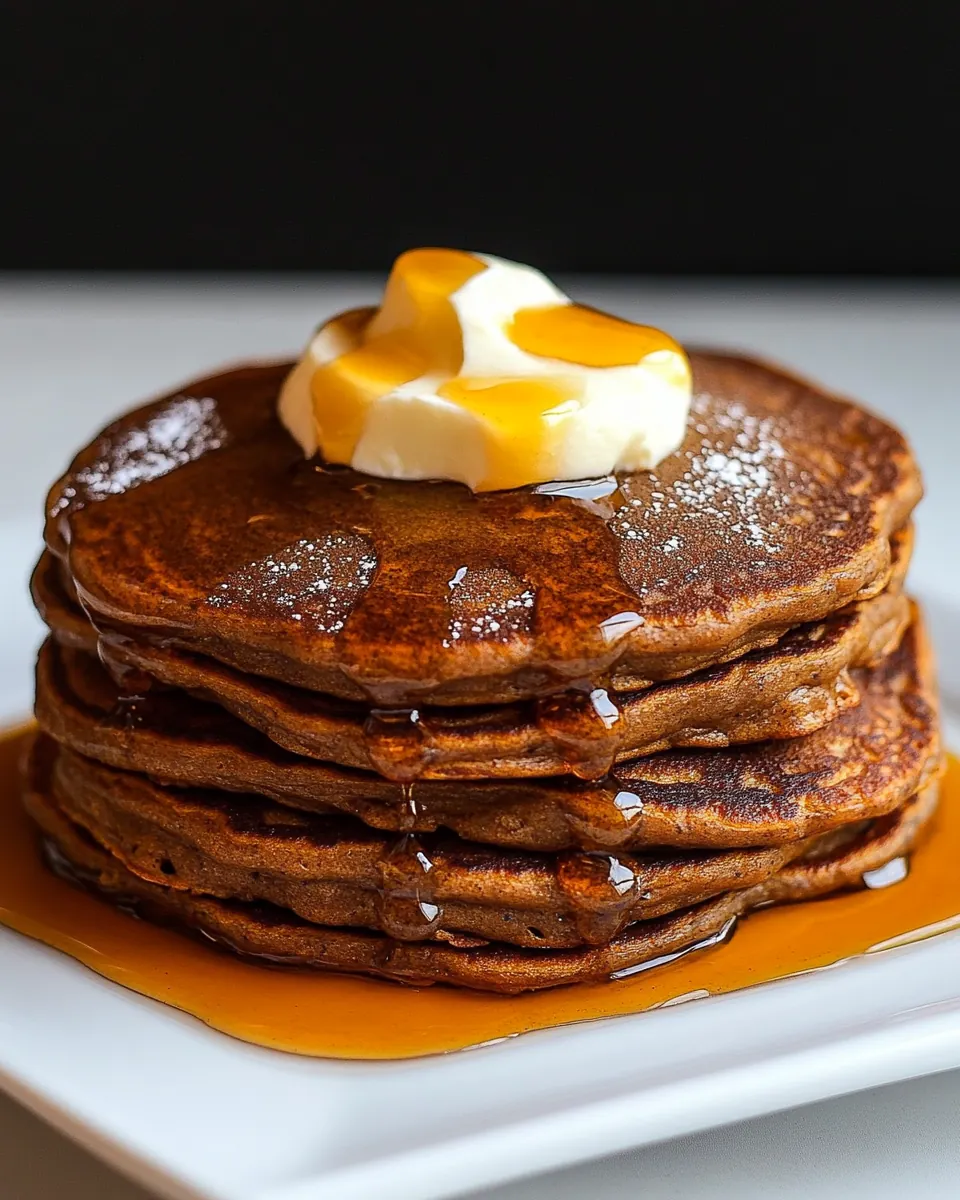
When I serve Gingerbread Pancakes I usually have a small pitcher of warm maple syrup ready and a pat of unsalted butter melting into a glossy pool on top of the stack. It is not only about sweetness, it is about the interplay of warm spices and the slightly dark, rich character that molasses brings. These pancakes are one of those recipes I reach for when I want something seasonal, approachable, and satisfying without fuss.
Recipe Snapshot
30 mins
15 mins
15 mins
Medium
250 kcal
American
Gluten-Free, Low FODMAP
Breakfast
Electric griddle, Mixing bowl, Whisk, Measuring cup, Spatula
Why This Gingerbread Pancakes Hits Different
Warm Spiced Aroma That Feels Like Home
I adore how Gingerbread Pancakes fill the kitchen with a lively, spicy perfume that instantly signals comfort. That aroma hooks guests before they taste a single bite, inviting them to linger and chat while the stack grows. The combination of ground ginger, cinnamon, nutmeg, and cloves is balanced so it never overwhelms, instead it teases the palate and pairs beautifully with a drizzle of maple syrup.
Simple Pantry Ingredients, Complex Flavor
I love that this recipe relies on everyday staples like all purpose flour, eggs, and baking powder, but the presence of molasses lifts the flavor into something special. You do not need exotic groceries to produce a breakfast that tastes crafted and seasonal. That ease makes it perfect for hosting a casual brunch or treating yourself on a slow weekend morning.
Flexible Texture and Batter Handling
These pancakes are forgiving, which is a real win in my book. The batter will be slightly runny and that is okay, because resting it for a few minutes firms it up and helps the pancakes cook to tender, slightly springy perfection. I like that the recipe allows small adjustments without penalty, so you can adapt a bit and still get excellent results.
Great for Sharing and Celebrations
I often make a larger batch for holiday mornings, because Gingerbread Pancakes feel festive without being fussy. They are a crowd pleaser, and they travel well from griddle to table. Guests appreciate the thoughtful spice combination, and the pancakes themselves are hearty enough to satisfy a hungry crowd.
Balanced Sweetness
Finally, the sweetness here is nuanced. The molasses provides depth, while the maple syrup on the side lets each person choose their ideal level of sweetness. That control makes these pancakes versatile for different palates, from kids who want syrupy stacks to adults who prefer a more restrained touch.
What’s In This Gingerbread Pancakes
These ingredients work together to create a batter that is both tender and warmly spiced. The key players are the dry blend of leaveners and spices that build structure and aroma, and the wet trio of water, molasses, and eggs that bring moisture and rich flavor. The small amount of unsalted butter melted into the batter, plus extra for the griddle, gives the pancakes a glossy finish and helps develop those golden edges we all love.
- 2 cups all-purpose flour: Provide structure and bulk to the batter, forming the framework that traps gases and creates tender pancakes; sift or whisk to remove lumps and ensure even mixing with wet ingredients.
- 1 1/2 tsp baking powder: Leaven the batter by releasing carbon dioxide during cooking, contributing to light, fluffy pancakes; measure accurately and combine with dry ingredients to distribute evenly.
- 1/2 tsp baking soda: React with acidic components to produce additional lift and a fine crumb, balancing the baking powder for optimal rise; dissolve slightly when mixed with wet ingredients to start activation.
- 1/2 tsp salt: Enhance overall flavor balance by moderating sweetness and highlighting spices, while also strengthening gluten slightly; dissolve uniformly for consistent taste across pancakes.
- 2 1/2 tsp ground ginger: Provide characteristic warm, spicy ginger flavor and aroma, giving the pancakes their gingerbread identity; measure precisely to avoid overpowering other spices.
- 1 1/2 tsp ground cinnamon: Contribute sweet, woody warmth and depth to the spice profile, harmonizing with ginger and molasses for a classic holiday flavor; use ground form for even distribution.
- 1/4 tsp ground nutmeg: Add subtle sweet-nutty warmth and complexity to the spice blend, supporting ginger and cinnamon without overwhelming the batter; a pinch intensifies the gingerbread note.
- 1/4 tsp ground cloves: Introduce a sharp, aromatic bite that rounds out the spice mix and enhances savoriness, giving the pancakes depth and complexity; use sparingly due to strong potency.
- 1 1/4 cups water: Provide the primary liquid to hydrate dry ingredients and form batter consistency, allowing starches to swell and gluten to develop; adjust slightly for desired thickness.
- 1/2 cup unsulphured molasses: Bring deep, rich sweetness and molasses' characteristic caramel notes, adding moisture and dark color while contributing acidity that interacts with leaveners; stir in thoroughly with wet ingredients.
- 2 large eggs: Incorporate structure and richness through proteins and emulsification, aiding lift and binding the batter while adding moisture and a tender crumb; beat lightly before folding in.
- 3 tbsp unsalted butter, melted, plus more for griddle: Add fat for tenderness, richness, and improved mouthfeel while helping prevent sticking on the griddle; melt and cool slightly before blending into the batter.
- Maple syrup, for serving: Serve as a sweet finishing syrup that complements the gingerbread spices, adding moisture and extra sweetness when drizzled over cooked pancakes; offer alongside for individual preference.
Recipe Steps for Gingerbread Pancakes
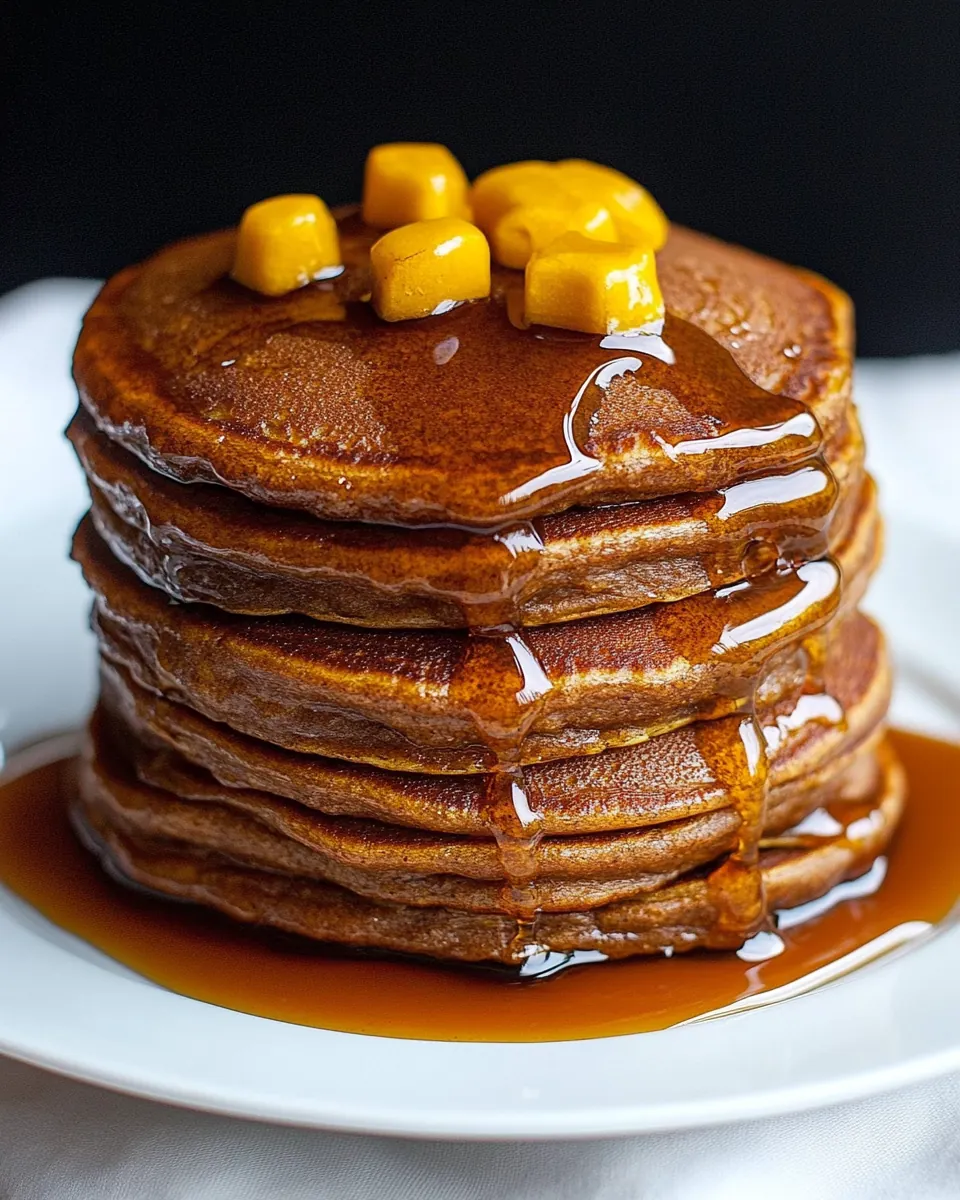
These steps guide you through warming the griddle, combining the dry and wet components, and cooking each pancake to a golden finish. Read each step, look for the sensory cues I describe, and you will know when to flip and when to serve.
- Preheat an electric griddle to 375 degrees.: As the griddle warms you should notice a faint rising heat, almost like the kitchen is preparing itself for breakfast. Preheating to 375 degrees ensures the pancakes begin cooking immediately on contact, creating a caramelized exterior while the inside stays tender. If the griddle is too cool the batter will spread too thin and absorb more fat, leading to limp pancakes, while a griddle that is too hot will brown the outside before the center cooks. A quick test is to sprinkle a few drops of water onto the surface; they should dance and evaporate quickly. Avoid skipping this step because inconsistent temperature is the most common reason pancakes cook unevenly.
- In a mixing bowl whisk together flour, baking powder, baking soda, salt, ginger, cinnamon, nutmeg and cloves for 20 seconds. Make a well in center of flour mixture and set aside.: You will smell those spices bloom almost immediately as you whisk them with the all purpose flour , which helps distribute the leaveners evenly. A uniform dry mix prevents pockets of baking powder or spice that could make the batter uneven in rise or taste. Whisking for about 20 seconds is enough to blend without overworking the flour, which would develop gluten and lead to tougher pancakes. Avoid using a blender here because it can overmix and compress the dry ingredients.
- In a separate mixing bowl whisk together water, molasses, and eggs then mix in butter.: Creating a well gives you a controlled place to combine wet ingredients, minimizing overmixing and helping you fold the wet into the dry gently. The well acts like a little harbor so when you pour the liquids they integrate gradually, which reduces the formation of large gluten strands. This technique is especially useful when the batter is runny, giving you a clean, manageable way to bring everything together. Do not skip this simple step if you want lighter pancakes.
- While whisking, pour molasses mixture into well in flour mixture, and mix just until combined (batter should be slightly lumpy and it will also be pretty runny – if you'd like you can let it rest for about 3 minutes and it will thicken).: As you whisk the water , unsulphured molasses , and eggs , the mixture becomes glossy and slightly thick, the molasses disperses into the liquid so you do not get streaks in the batter. Adding melted unsalted butter at the end warms the mixture and prevents the eggs from tightening up, yielding a silkier batter. The aroma will shift to a deeper, molasses forward note, which is encouraging. A common error is adding cold butter which can cause the eggs to seize; let the butter cool slightly before combining.
- Butter griddle then immediately pour batter onto griddle about 1/3 cup at a time.: Right after you pour, you will see streaks as the wet meets the dry, then the action of gentle folding brings them together into a cohesive batter. The batter's slight lumpiness is a good sign, it means you did not overmix, which preserves a tender crumb. Because the batter will be fairly runny, letting it rest for about 3 minutes allows the flour to hydrate and the batter to firm slightly, which improves cooking. Overmixing here would create tough pancakes and is the most frequent misstep.
- Cook until bottom is golden brown and bubbles start to appear on surface edges of pancakes then rotate and cook opposite side until golden brown.: As you butter the hot surface the fat will melt and begin sizzling softly, creating a slick surface that encourages even browning. Pouring roughly 1/3 cup yields medium sized pancakes that cook through without burning. Listen for a gentle sizzle as the batter hits the griddle, that is the sound of the exterior setting. If you pour too much batter at once the center may remain undercooked while the edges brown, so stick to consistent portions for even results.
- Serve warm with maple syrup.: Watch for visual cues, first the edges will look set and small bubbles will form and pop around the surface; the underside will be a warm golden brown. When these signs appear it is time to rotate or flip, and you will hear a quieter sizzle as the second side finishes. The second side cooks faster, so stay attentive and remove the pancakes when both sides are evenly golden. A common mistake is flipping too early which leads to a collapsed center, or flipping too late which leads to dryness.
- Serve warm with maple syrup: Serve the pancakes right away while they are still steaming, the contrast between a warm pancake and cool syrup is part of the pleasure. The syrup will sink into any tiny nooks and melt a small pat of unsalted butter into a silky veil. If you need to hold pancakes briefly, keep them in a single layer on a warm oven tray so they do not steam and become soggy. Avoid stacking too tightly if you want to preserve crisp edges.
Expert Tips about Gingerbread Pancakes
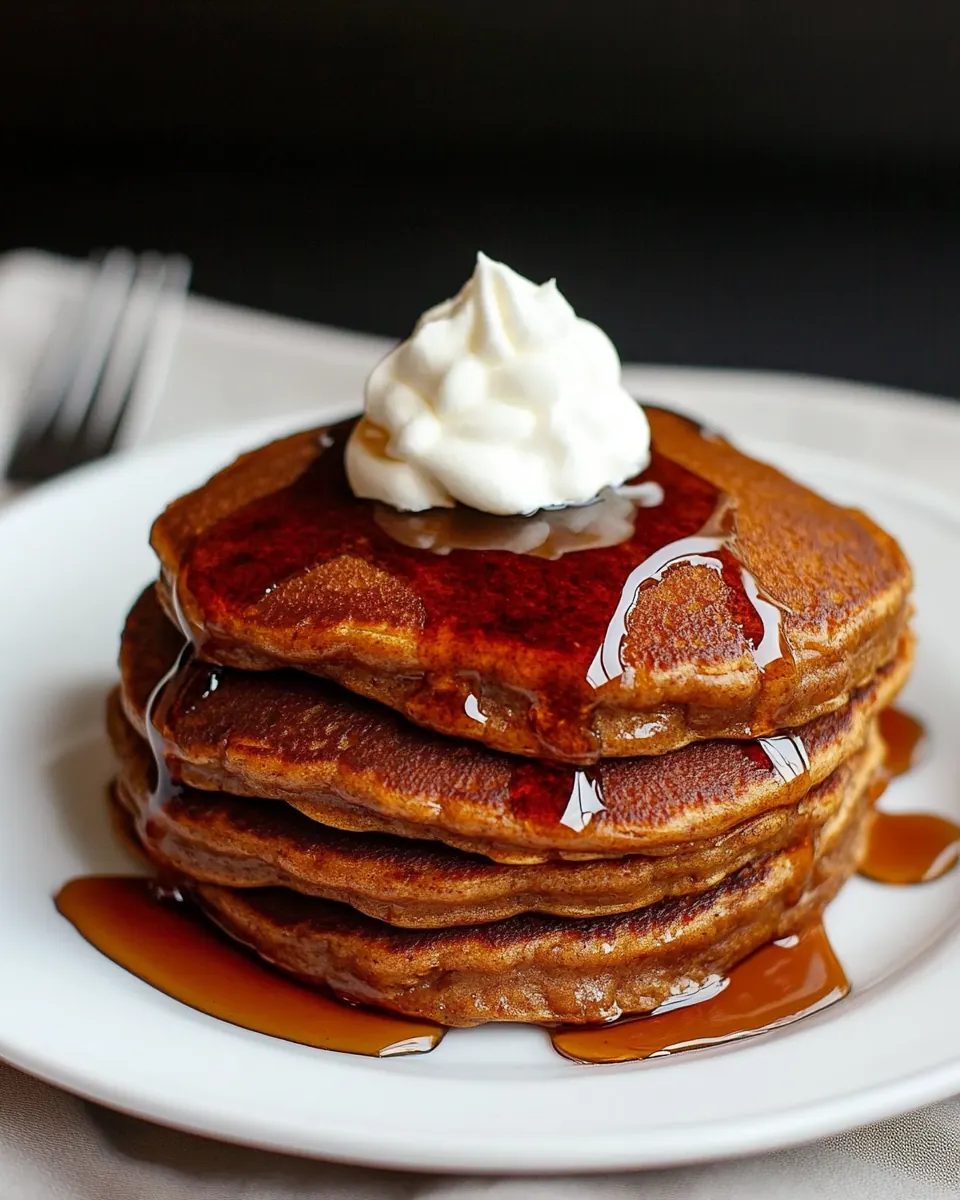
If you are aiming for reliable results every time, a few focused techniques make a big difference. Below are detailed, practical tips to refine your approach and elevate the final plate. Each tip starts with a strong, actionable phrase to help you remember the important parts.
- Check leaveners for freshness: Baking powder and baking soda lose potency over time, which results in flat pancakes. Test baking powder by dropping a pinch into warm water; it should fizz energetically. For baking soda, mix a small pinch with vinegar to ensure it bubbles. Fresh leaveners equal reliable lift and a fluffier texture.
- Measure flour correctly: Spoon flour into the measuring cup then level it with a knife, do not scoop directly from the bag. Scooping packs the flour, which can make the batter heavy and dense; light, accurate measuring maintains tenderness in the pancake crumb.
- Mind the molasses temperature: If your molasses feels very thick or cold, warm it slightly so it blends smoothly into the water and eggs. Cold molasses can cause streaks or uneven mixing, while gently warmed molasses integrates seamlessly and helps the batter come together.
- Use a small ladle for pouring: A 1/3 cup scoop or small ladle helps you pour uniform pancakes quickly. Uniform size means predictable cook times and a consistent stack, which is especially helpful when serving multiple people.
- Adjust griddle heat in real time: If pancakes brown too quickly, reduce the heat slightly; if they take too long to develop color, raise it a touch. Slight adjustments will keep your pancakes golden without undercooking the centers.
- Keep cooked pancakes warm without steaming: Use a single layer on a rimmed baking sheet in a warm oven to hold pancakes briefly. This preserves edges and prevents condensation, so the next pancake off the griddle still feels freshly cooked.
What to Serve Alongside Gingerbread Pancakes
Think about contrast and seasonal pairing when plating these pancakes. A few complementary side items and serving situations can elevate the meal, making it suitable for cozy breakfasts, holiday brunches, or a relaxed weekend treat. Below are ideas and practical serving notes to help you plan.
- Warm fruit compote: A spoonful of stewed apples or pears complements the spice notes and adds a bright, acidic balance to the deep sweetness of molasses.
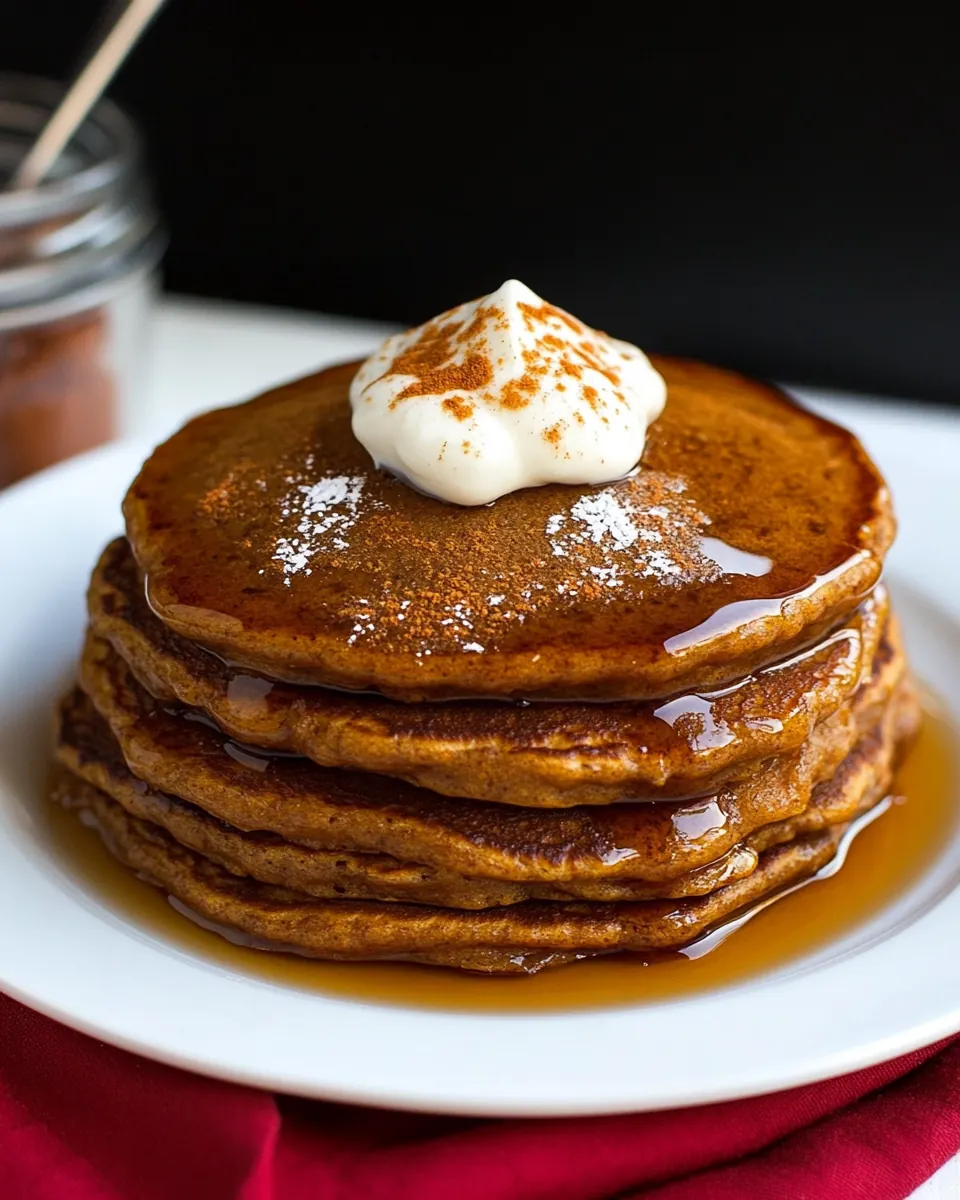
- Whipped cream or yogurt: A light dollop of whipped cream or plain yogurt provides a cool, creamy counterpoint that softens the intensity of the spices and adds a silky mouthfeel.
- Toasted nuts: A small handful of toasted walnuts or pecans adds crunch and a nutty aroma that pairs well with the cinnamon and cloves.
- Seasonal beverages: Serve with hot coffee, chai, or a lightly spiced tea to echo the warm flavors in the pancakes and create a complete, comforting breakfast.
- Holiday brunch spreads: These pancakes fit beautifully into a Christmas or fall brunch menu alongside lighter items like fruit plates and fruit salads, making them the cozy centerpiece.
- Storage tips: Keep leftover pancakes in an airtight container in the refrigerator for up to two days or freeze layers separated by parchment for up to one month. Reheat gently on a griddle to restore crisp edges.
FAQ
Conclusion
What makes this recipe special is the way familiar pantry ingredients combine to produce a warm, spiced pancake that tastes both nostalgic and new. The balance of molasses with aromatic spices gives each bite a cozy complexity that feels just right for fall mornings or holiday brunches. I encourage you to try these pancakes when you want a comforting, hands on breakfast that invites lingering at the table. Share them with friends or savor a quiet stack by yourself, and enjoy how the simple ritual of cooking elevates the day.
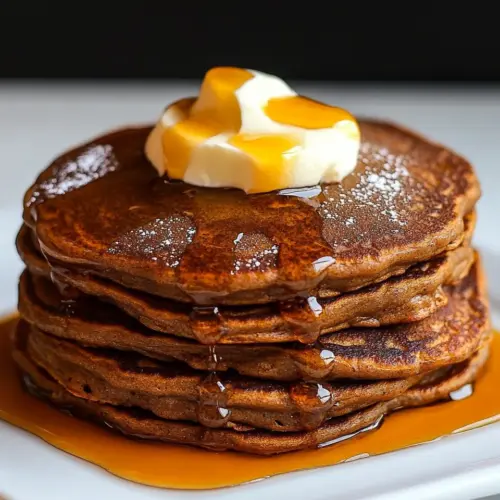
Gingerbread Pancakes
Equipment
- Electric griddle
- Mixing Bowl
- Whisk
- Measuring Cup
- Spatula
Ingredients
- 2 cups all-purpose flour Provide structure and bulk to the batter, forming the framework that traps gases and creates tender pancakes; sift or whisk to remove lumps and ensure even mixing with wet ingredients.
- 1 1/2 tsp baking powder Leaven the batter by releasing carbon dioxide during cooking, contributing to light, fluffy pancakes; measure accurately and combine with dry ingredients to distribute evenly.
- 1/2 tsp baking soda React with acidic components to produce additional lift and a fine crumb, balancing the baking powder for optimal rise; dissolve slightly when mixed with wet ingredients to start activation.
- 1/2 tsp salt Enhance overall flavor balance by moderating sweetness and highlighting spices, while also strengthening gluten slightly; dissolve uniformly for consistent taste across pancakes.
- 2 1/2 tsp ground ginger Provide characteristic warm, spicy ginger flavor and aroma, giving the pancakes their gingerbread identity; measure precisely to avoid overpowering other spices.
- 1 1/2 tsp ground cinnamon Contribute sweet, woody warmth and depth to the spice profile, harmonizing with ginger and molasses for a classic holiday flavor; use ground form for even distribution.
- 1/4 tsp ground nutmeg Add subtle sweet-nutty warmth and complexity to the spice blend, supporting ginger and cinnamon without overwhelming the batter; a pinch intensifies the gingerbread note.
- 1/4 tsp ground cloves Introduce a sharp, aromatic bite that rounds out the spice mix and enhances savoriness, giving the pancakes depth and complexity; use sparingly due to strong potency.
- 1 1/4 cups water Provide the primary liquid to hydrate dry ingredients and form batter consistency, allowing starches to swell and gluten to develop; adjust slightly for desired thickness.
- 1/2 cup unsulphured molasses Bring deep, rich sweetness and molasses' characteristic caramel notes, adding moisture and dark color while contributing acidity that interacts with leaveners; stir in thoroughly with wet ingredients.
- 2 large eggs Incorporate structure and richness through proteins and emulsification, aiding lift and binding the batter while adding moisture and a tender crumb; beat lightly before folding in.
- 3 tbsp unsalted butter, melted, plus more for griddle Add fat for tenderness, richness, and improved mouthfeel while helping prevent sticking on the griddle; melt and cool slightly before blending into the batter.
- Maple syrup, for serving Serve as a sweet finishing syrup that complements the gingerbread spices, adding moisture and extra sweetness when drizzled over cooked pancakes; offer alongside for individual preference.
Instructions
- Preheat an electric griddle to 375 degrees.: As the griddle warms you should notice a faint rising heat, almost like the kitchen is preparing itself for breakfast. Preheating to 375 degrees ensures the pancakes begin cooking immediately on contact, creating a caramelized exterior while the inside stays tender. If the griddle is too cool the batter will spread too thin and absorb more fat, leading to limp pancakes, while a griddle that is too hot will brown the outside before the center cooks. A quick test is to sprinkle a few drops of water onto the surface; they should dance and evaporate quickly. Avoid skipping this step because inconsistent temperature is the most common reason pancakes cook unevenly.
- In a mixing bowl whisk together flour, baking powder, baking soda, salt, ginger, cinnamon, nutmeg and cloves for 20 seconds. Make a well in center of flour mixture and set aside.: You will smell those spices bloom almost immediately as you whisk them with the all purpose flour , which helps distribute the leaveners evenly. A uniform dry mix prevents pockets of baking powder or spice that could make the batter uneven in rise or taste. Whisking for about 20 seconds is enough to blend without overworking the flour, which would develop gluten and lead to tougher pancakes. Avoid using a blender here because it can overmix and compress the dry ingredients.
- In a separate mixing bowl whisk together water, molasses, and eggs then mix in butter.: Creating a well gives you a controlled place to combine wet ingredients, minimizing overmixing and helping you fold the wet into the dry gently. The well acts like a little harbor so when you pour the liquids they integrate gradually, which reduces the formation of large gluten strands. This technique is especially useful when the batter is runny, giving you a clean, manageable way to bring everything together. Do not skip this simple step if you want lighter pancakes.
- While whisking, pour molasses mixture into well in flour mixture, and mix just until combined (batter should be slightly lumpy and it will also be pretty runny - if you'd like you can let it rest for about 3 minutes and it will thicken).: As you whisk the water , unsulphured molasses , and eggs , the mixture becomes glossy and slightly thick, the molasses disperses into the liquid so you do not get streaks in the batter. Adding melted unsalted butter at the end warms the mixture and prevents the eggs from tightening up, yielding a silkier batter. The aroma will shift to a deeper, molasses forward note, which is encouraging. A common error is adding cold butter which can cause the eggs to seize; let the butter cool slightly before combining.
- Butter griddle then immediately pour batter onto griddle about 1/3 cup at a time.: Right after you pour, you will see streaks as the wet meets the dry, then the action of gentle folding brings them together into a cohesive batter. The batter's slight lumpiness is a good sign, it means you did not overmix, which preserves a tender crumb. Because the batter will be fairly runny, letting it rest for about 3 minutes allows the flour to hydrate and the batter to firm slightly, which improves cooking. Overmixing here would create tough pancakes and is the most frequent misstep.
- Cook until bottom is golden brown and bubbles start to appear on surface edges of pancakes then rotate and cook opposite side until golden brown.: As you butter the hot surface the fat will melt and begin sizzling softly, creating a slick surface that encourages even browning. Pouring roughly 1/3 cup yields medium sized pancakes that cook through without burning. Listen for a gentle sizzle as the batter hits the griddle, that is the sound of the exterior setting. If you pour too much batter at once the center may remain undercooked while the edges brown, so stick to consistent portions for even results.
- Serve warm with maple syrup.: Watch for visual cues, first the edges will look set and small bubbles will form and pop around the surface; the underside will be a warm golden brown. When these signs appear it is time to rotate or flip, and you will hear a quieter sizzle as the second side finishes. The second side cooks faster, so stay attentive and remove the pancakes when both sides are evenly golden. A common mistake is flipping too early which leads to a collapsed center, or flipping too late which leads to dryness.
- Serve warm with maple syrup: Serve the pancakes right away while they are still steaming, the contrast between a warm pancake and cool syrup is part of the pleasure. The syrup will sink into any tiny nooks and melt a small pat of unsalted butter into a silky veil. If you need to hold pancakes briefly, keep them in a single layer on a warm oven tray so they do not steam and become soggy. Avoid stacking too tightly if you want to preserve crisp edges.
Notes
- Check leaveners for freshness: Baking powder and baking soda lose potency over time, which results in flat pancakes. Test baking powder by dropping a pinch into warm water; it should fizz energetically. For baking soda, mix a small pinch with vinegar to ensure it bubbles. Fresh leaveners equal reliable lift and a fluffier texture.
- Measure flour correctly: Spoon flour into the measuring cup then level it with a knife, do not scoop directly from the bag. Scooping packs the flour, which can make the batter heavy and dense; light, accurate measuring maintains tenderness in the pancake crumb.
- Mind the molasses temperature: If your molasses feels very thick or cold, warm it slightly so it blends smoothly into the water and eggs. Cold molasses can cause streaks or uneven mixing, while gently warmed molasses integrates seamlessly and helps the batter come together.
- Use a small ladle for pouring: A 1/3 cup scoop or small ladle helps you pour uniform pancakes quickly. Uniform size means predictable cook times and a consistent stack, which is especially helpful when serving multiple people.
- Adjust griddle heat in real time: If pancakes brown too quickly, reduce the heat slightly; if they take too long to develop color, raise it a touch. Slight adjustments will keep your pancakes golden without undercooking the centers.
- Keep cooked pancakes warm without steaming: Use a single layer on a rimmed baking sheet in a warm oven to hold pancakes briefly. This preserves edges and prevents condensation, so the next pancake off the griddle still feels freshly cooked.