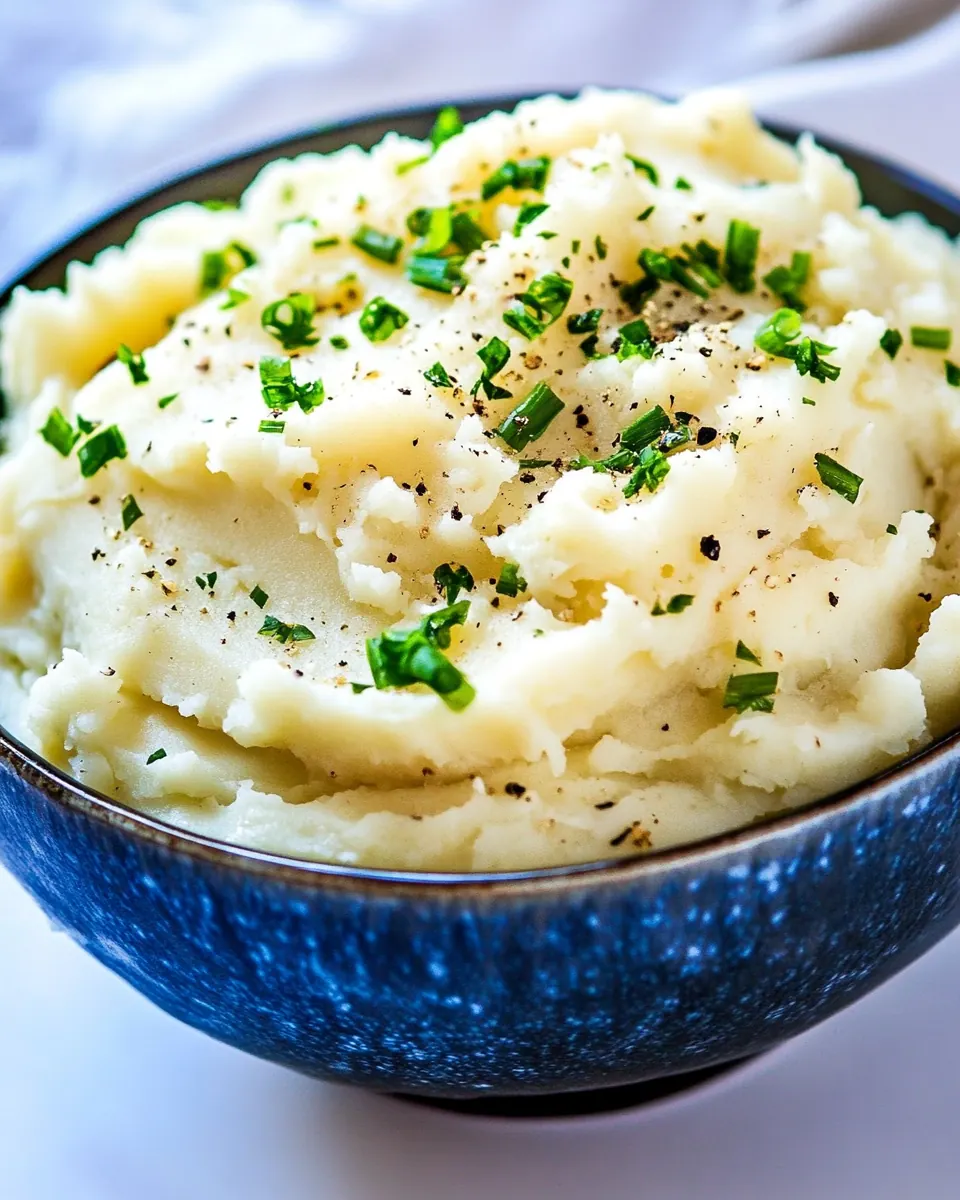
Garlic Mashed Potatoes
Garlic Mashed Potatoes has been the comfort anchor of my winter dinners since I first learned to coax creamy texture from humble tubers. I remember standing at my mother’s kitchen counter, apron tied, while she talked me through the rhythm of boiling, draining, and gently beating until the potatoes felt airy yet substantial. That first spoonful of warm, garlicky potato sealed a memory, and ever since I look for reasons to make a big pot whenever friends or family drop by.
Years later, I still return to this recipe when I want food that hugs you from the inside out. There is something honest about stirring in butter, cream, and a handful of chives, watching steam curl into the air while the kitchen fills with the mellow scent of cooked potatoes and garlic notes. Each time I make Garlic Mashed Potatoes, I tweak a tiny detail depending on my mood, sometimes skipping the cheese for simplicity, other times adding a touch more sour cream for tang.
I also love how forgiving this dish is. A pot of perfectly tender potatoes can be rescued if you heat the dairy mixture slowly and fold it in with patience, or made ahead and gently reheated for a dinner party. The recipe feels like a warm conversation, practical and generous, and I find it pairs effortlessly with lively weekday meals or slower weekend gatherings. Making Garlic Mashed Potatoes is less about precision and more about paying attention to texture and taste, so you end up with something that truly comforts the people at your table.
Recipe Snapshot
40 mins
20 mins
20 mins
Easy
250 kcal
American
Gluten-Free, Low FODMAP
Side Dishes
Dutch oven, Mixer, Colander
The Charm of This Garlic Mashed Potatoes
Comforting Creamy Texture
I adore how Garlic Mashed Potatoes turns simple potatoes into a silky, pillowy side. The combination of warmed butter and heated heavy cream folded in slowly creates a texture that feels indulgent without being heavy. I love the first forkful when the potatoes have the right balance between fluffy and lush.
Simple, Trustworthy Technique
What I appreciate most is the straightforward method. Boil until tender, drain well, and then gently incorporate the dairy. This approach minimizes guesswork, so I can relax and focus on seasoning. I often remind myself that overheating the dairy or overbeating the potatoes are the usual pitfalls, so I pay attention to gentle handling.
Flavor That Fits Every Occasion
The savory hit of garlic powder, the tang from sour cream, and the subtle saltiness of Parmesan when included, make this an all purpose side. I reach for this recipe for weekday dinners and holiday tables alike because it complements everything from roasted mains to bright vegetable dishes.
Make Ahead Friendly
I love that you can prep these in advance and keep them warm in a slow cooker or over a gentle water bath. For gatherings, that flexibility is a game changer. It means less last minute fuss and more time chatting with guests while the comforting aroma fills the house.
Customizable and Reliable
Finally, I appreciate how easy it is to adapt the flavors. Whether I want a dairy forward mash with extra richness or a tangier version with more sour cream, the base technique holds up. That reliability gives me the freedom to play without risking the whole dish.
What to Gather for Garlic Mashed Potatoes
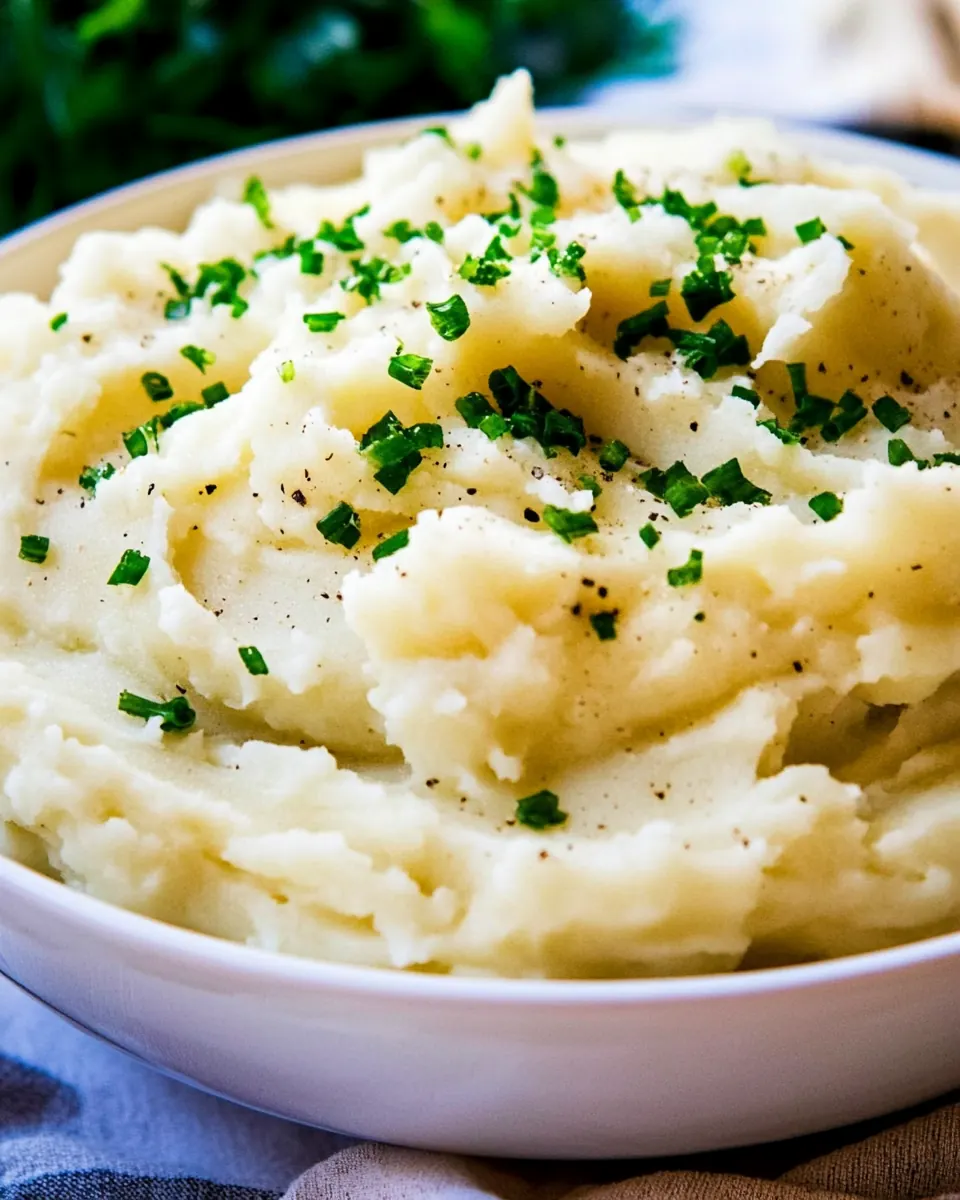
These ingredients are straightforward and purposeful. The star is the potatoes, providing structure and starch to carry the creamy additions. Dairy elements like heavy cream, milk, butter, and sour cream layer richness and mouthfeel, while Parmesan and chives add savory depth and brightness. A little salt, garlic powder, and pepper tie everything together. The philosophy here is simple: a few quality parts handled gently create a comforting, elegant whole.
- 3 lb s.russet potatoes peeled and cut into 1 1/2-inch chunks: Provide starchy body and structure to the dish when boiled and mashed until tender; peeling and cutting into uniform chunks ensures even cooking and a creamy texture when combined with dairy and seasonings.
- 1/2 cup heavy cream: Add rich, silky mouthfeel and moisture to the potatoes when warmed and blended in; heavy cream enhances creaminess and helps create a luxurious, smooth mashed consistency.
- 1/4 cup milk: Contribute subtle lightness and a thinner dairy fraction to balance the richness of cream; milk helps adjust final consistency and prevents the mash from becoming overly dense.
- 4 tablespoons butter, cubed: Supply concentrated buttery flavor and smoothness when cubed and incorporated while hot; melting the butter into the potatoes contributes to a velvety texture and savory depth.
- 1/2 cup finely grated fresh Parmesan cheese (2 oz.) () (optional): Impart salty, nutty, umami complexity and a touch of sharpness when finely grated into the mash; optional use boosts flavor intensity and enhances overall savory character.
- 1/2 cup sour cream: Bring bright tang and additional creaminess that lightens the palate; sour cream also contributes acidity which balances richness and adds a slightly fluffy texture when folded in.
- 1/4 cup freshly chopped chives: Provide fresh oniony-herb fragrance and a mild, grassy bite when finely chopped and sprinkled in; chives add color contrast and a clean finish to the rich potatoes.
- 3/4 teaspoons salt: Enhance overall seasoning and deepen flavor when measured and adjusted to taste; salt is essential for bringing out the natural potato flavor and balancing dairy components.
- 1/4 teaspoon garlic powder: Introduce concentrated garlic warmth and subtle savory note without overpowering; garlic powder offers convenience and even distribution of garlic flavor throughout the mash.
- 1/8 teaspoon pepper: Contribute gentle heat and savory depth when measured sparingly; black pepper rounds out the flavors and provides a subtle background spice without dominating the dish.
The Process for Making Garlic Mashed Potatoes
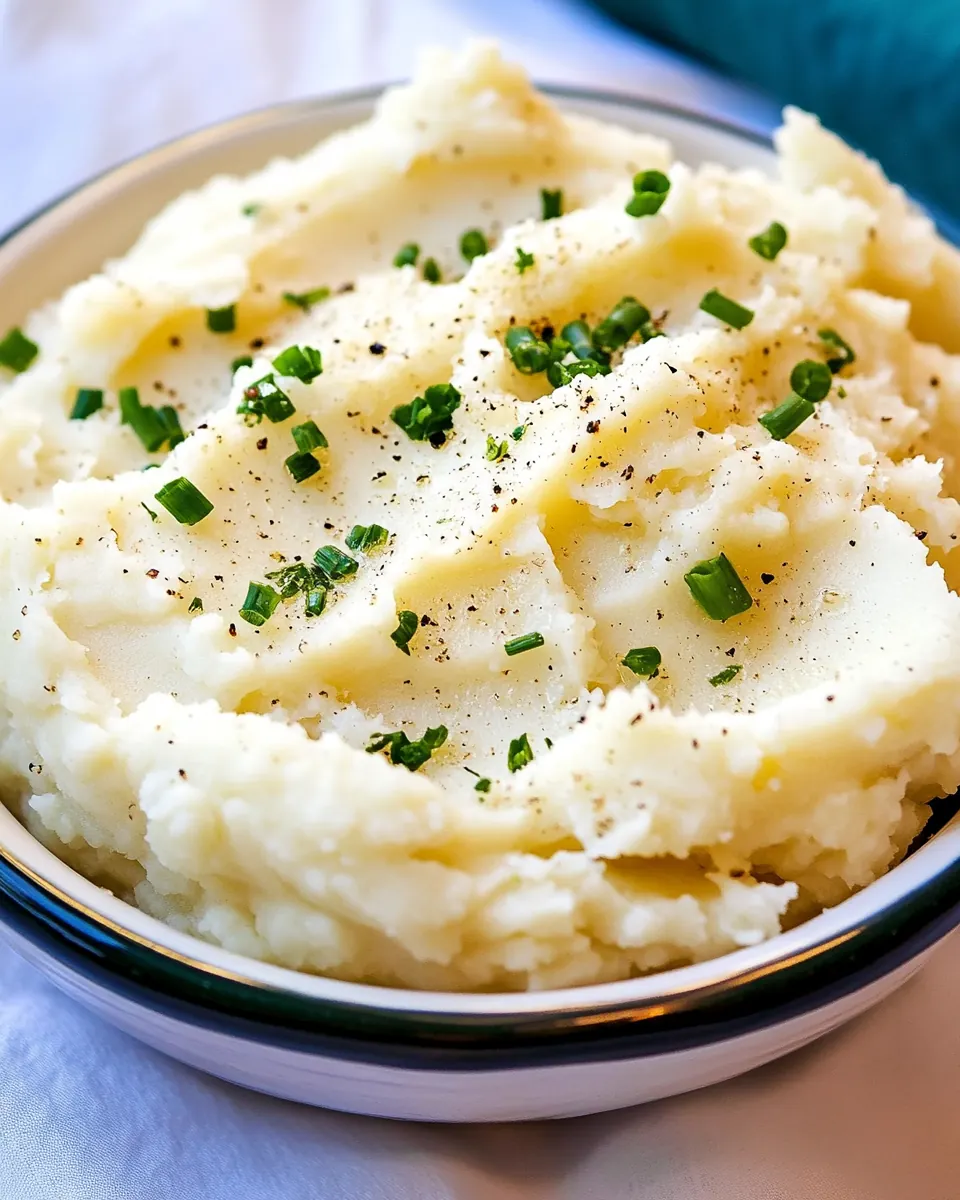
Let me walk you through the rhythm I use when making these, from pot to plate. The technique is forgiving, but attention to temperature, timing, and texture makes all the difference for a truly luxurious mash. I like to keep my tools ready and my dairy warmed so the final mixing is smooth and celebratory.
- Add potatoes to a 5 quart (or larger) Dutch oven and add water until it reaches about 1-inch past the top of the potatoes. Season with 1/2 teaspoon salt. Cover and bring to a boil then reduce heat to low. Simmer for 10-15 minutes or until very tender when pierced with a fork; drain VERY WELL. Add potatoes to bowl of electric or hand held mixer.: The moment you immerse the cut potatoes in cold water, you control how evenly they cook, which impacts texture. As the water comes to a gentle boil you will hear a low, steady simmer, and the kitchen fills with a faint earthy aroma. The visual cue is rolling bubbles that break the surface in a steady rhythm, not a frantic boil. Using cold water ensures the exterior does not overcook before the center softens. A common mistake is starting with hot water, which can lead to unevenly cooked pieces and gummy texture.
- Heat butter, heavy cream and milk for 1 1/2 minutes. Slowly stream heated butter/cream mixture into potatoes while beating on LOW until combined. Beat in Parmesan, sour cream, chives, salt, pepper and garlic powder on MEDIUM just until combined. Stop beating at this point for fluffy potatoes. For creamier, more dense potatoes, continue to beat just a little longer but be aware not to overbeat. Taste and season with additional salt and pepper if desired.: Salting the cooking water seasons the potatoes from within as they absorb moisture. You will notice the water smell becomes slightly more savory, and the potatoes themselves gain depth when tasted. This step is like seasoning a pasta pot, and skipping it often results in bland mash. Avoid over salting the water because it concentrates during reduction and can make the mash too salty later.
- Cover and bring to a boil then reduce heat to low: Covering traps steam and brings the pot to temperature faster, with an initial strong bubble chorus. Once boiling, reducing to low keeps the simmer gentle, allowing the pieces to cook through without breaking apart prematurely. You should see occasional gentle bursts, not violent splashes. Many folks leave it boiling hard, which can cause the potatoes to fall apart and make a watery mash.
- Simmer for 10 to 15 minutes or until very tender when pierced with a fork; drain VERY WELL: Tenderness is the key test, felt when a fork slides through with almost no resistance, and you may notice steam rising as you check. Proper draining is crucial because excess water dilutes flavor and ruins texture. After draining, let the potatoes sit briefly in the colander so residual steam evaporates. A common error is insufficient draining, which leads to watery, bland mash rather than fluffy, rich results.
- Add potatoes to bowl of electric or hand held mixer: Transferring the drained potatoes to a mixer bowl readies them for emulsification with dairy. At this point, the aroma of warm cooked starch is comforting and slightly sweet. The mixer allows controlled beating to achieve a uniform texture without lumps. Overreliance on a food processor or too vigorous mixing can make the mash gluey, so choose a mixer and speed carefully.
- Heat butter, heavy cream and milk for 1 1/2 minutes: Warming the butter , heavy cream , and milk helps them integrate smoothly, keeping the mash hot and preventing it from cooling and becoming stodgy. You will see the butter melt into the cream, forming a glossy liquid that catches the light, and you may smell a rich, dairy scent that promises comfort. If you overheat until boiling, the dairy can scald and develop off flavors, so heat just until warm and combined.
- Slowly stream heated butter/cream mixture into potatoes while beating on LOW until combined: Slowly introducing warm dairy creates an emulsion with the starchy potatoes , turning them silky. You should hear a gentle whir from the mixer and see the mixture transform from clumpy to smooth as the cream is incorporated. The slow stream prevents the potatoes from seizing up or becoming gluey. A frequent mistake is pouring all the dairy too quickly, which can make the mash runny or separate, so patience here pays off.
- Beat in Parmesan, sour cream, chives, salt, pepper and garlic powder on MEDIUM just until combined: As you move to medium speed, the mix will fluff and lighten, and the scents of Parmesan and chives become more pronounced. The tang of the sour cream brightens the overall flavor, while the powdered garlic infuses an even savory note. Watch for a glossy surface and even distribution of herbs. Overbeating at this stage can break down the structure and lead to dense, heavy potatoes, so stop as soon as everything looks unified.
- Stop beating at this point for fluffy potatoes: Stopping ensures the potatoes hold their air, giving a light, pillowy texture on the plate. You will feel a soft, billowy consistency under the spoon, and the surface will show soft peaks rather than a dense paste. The why is simple, vigorous mixing breaks starches down too far. Avoid the urge to continue just because it looks smooth; texture matters more than sheen.
- For creamier, more dense potatoes, continue to beat just a little longer but be aware not to overbeat: If you prefer a denser mouthfeel, a brief extra beating will tighten the structure and create a more cohesive spoonful. You may notice the mash becomes slightly glossy and settles more densely in the bowl. The balance is delicate, because too much mixing makes the starches gummy and sticky. A common pitfall is assuming more beating always improves texture, which it does not.
- Taste and season with additional salt and pepper if desired: The final tasting moment is where you calibrate the dish to your preference, sampling for warmth, salt, and balance. Adjustments here refine the savory profile and ensure the garlic powder and Parmesan are in harmony with the dairy. Remember that temperature can mute or amplify flavors, so taste while the mash is warm. Overseasoning at the end is harder to correct than adding a little more salt, so proceed gradually.
Variations to Try
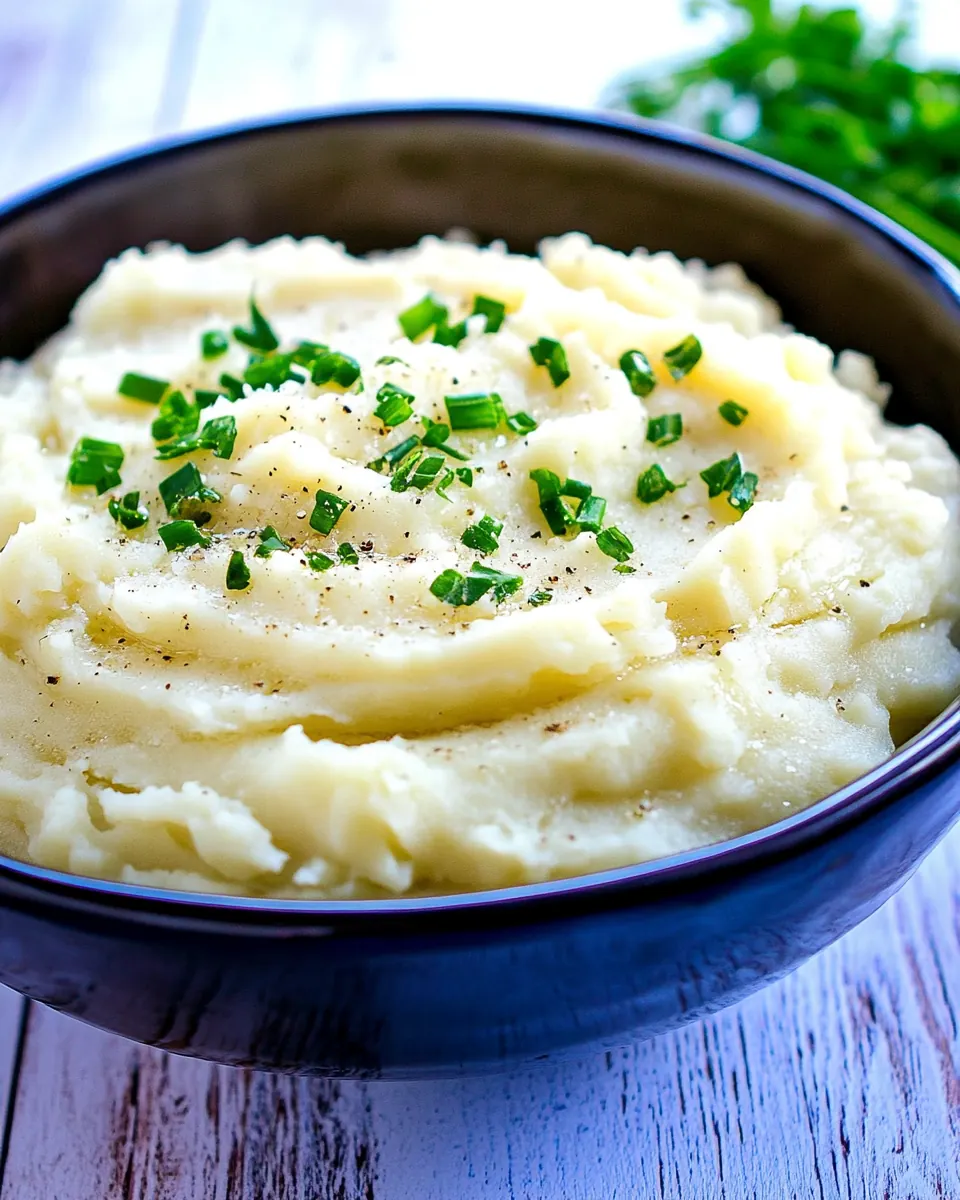
I love experimenting with small changes to shift the mood of this classic. Below are ideas you can try, each with a clear starting point so you can taste and adjust confidently. Treat them as friendly nudges rather than rules.
- Swap the cheese Try different hard cheeses in place of Parmesan to alter umami and salt levels, but add sparingly and taste as you fold them in.
- Extra tang Increase the sour cream slightly for a brighter, snappier finish that lifts richer mains without overpowering them.
- Herb boost Fold in additional fresh herbs alongside chives for a greener, more aromatic profile, adding them at the end to preserve freshness.
- Richer finish Use a touch more warmed butter for a silkier mouthfeel that feels luxurious on the tongue, but balance with milk to avoid heaviness.
- Make it ahead Keep the mash warm in a slow cooker on low or over a pot of simmering water, stirring occasionally to maintain texture and even heat.
Serve This Garlic Mashed Potatoes With
Garlic Mashed Potatoes fits a wide range of meals and occasions. Whether you are setting a cozy family dinner in winter or preparing a holiday side, these potatoes bring warmth and satisfying texture. The list below outlines pairings, serving styles, and storage ideas to help you present the dish with confidence.
- Classic roast pairing Serve alongside roasted mains for a timeless combination, using the creamy potatoes to soak up pan juices and sauces.
- Weeknight comfort Plate with simple sautéed vegetables and a protein for an easy weeknight dinner that feels special without extra fuss.
- Holiday centerpiece support Use as a dependable side for holiday spreads where guests may prefer familiar, comforting flavors and ample portions.
- Storage and reheating Store leftovers in an airtight container in the refrigerator for up to three days, and reheat gently with a splash of milk or warmed dairy to restore creaminess.
- Seasonal accent In colder months, lean into richer dairy and extra herbs to make the dish feel more celebratory; in milder seasons, keep it lighter with less butter and added fresh chives.
FAQ
Conclusion
Garlic Mashed Potatoes stand out because they transform simple ingredients into a luxuriously creamy, crowd pleasing side. Give this recipe a try and you will appreciate how small technique choices create big differences in texture and flavor. Serve it warm, tweak it to your taste, and enjoy the easy comfort it brings to any meal.
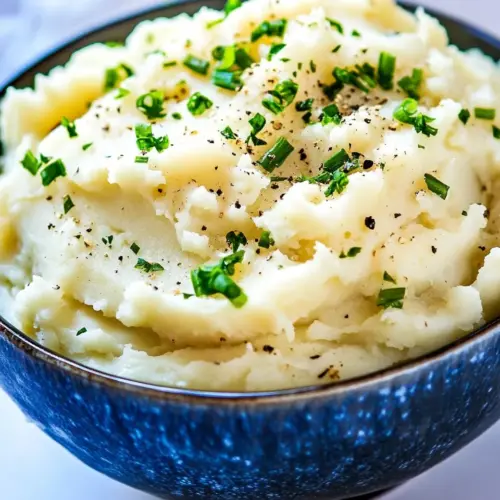
Garlic Mashed Potatoes
Equipment
- Dutch Oven
- Mixer
- Colander
Ingredients
- 3 lb s.russet potatoes peeled and cut into 1 1/2-inch chunks Provide starchy body and structure to the dish when boiled and mashed until tender; peeling and cutting into uniform chunks ensures even cooking and a creamy texture when combined with dairy and seasonings.
- 1/2 cup heavy cream Add rich, silky mouthfeel and moisture to the potatoes when warmed and blended in; heavy cream enhances creaminess and helps create a luxurious, smooth mashed consistency.
- 1/4 cup milk Contribute subtle lightness and a thinner dairy fraction to balance the richness of cream; milk helps adjust final consistency and prevents the mash from becoming overly dense.
- 4 tablespoons butter, cubed Supply concentrated buttery flavor and smoothness when cubed and incorporated while hot; melting the butter into the potatoes contributes to a velvety texture and savory depth.
- 1/2 cup finely grated fresh Parmesan cheese (2 oz.) (optional) Impart salty, nutty, umami complexity and a touch of sharpness when finely grated into the mash; optional use boosts flavor intensity and enhances overall savory character.
- 1/2 cup sour cream Bring bright tang and additional creaminess that lightens the palate; sour cream also contributes acidity which balances richness and adds a slightly fluffy texture when folded in.
- 1/4 cup freshly chopped chives Provide fresh oniony-herb fragrance and a mild, grassy bite when finely chopped and sprinkled in; chives add color contrast and a clean finish to the rich potatoes.
- 3/4 teaspoons salt Enhance overall seasoning and deepen flavor when measured and adjusted to taste; salt is essential for bringing out the natural potato flavor and balancing dairy components.
- 1/4 teaspoon garlic powder Introduce concentrated garlic warmth and subtle savory note without overpowering; garlic powder offers convenience and even distribution of garlic flavor throughout the mash.
- 1/8 teaspoon pepper Contribute gentle heat and savory depth when measured sparingly; black pepper rounds out the flavors and provides a subtle background spice without dominating the dish.
Instructions
- Add potatoes to a 5 quart (or larger) Dutch oven and add water until it reaches about 1-inch past the top of the potatoes. Season with 1/2 teaspoon salt. Cover and bring to a boil then reduce heat to low. Simmer for 10-15 minutes or until very tender when pierced with a fork; drain VERY WELL. Add potatoes to bowl of electric or hand held mixer.: The moment you immerse the cut potatoes in cold water, you control how evenly they cook, which impacts texture. As the water comes to a gentle boil you will hear a low, steady simmer, and the kitchen fills with a faint earthy aroma. The visual cue is rolling bubbles that break the surface in a steady rhythm, not a frantic boil. Using cold water ensures the exterior does not overcook before the center softens. A common mistake is starting with hot water, which can lead to unevenly cooked pieces and gummy texture.
- Heat butter, heavy cream and milk for 1 1/2 minutes. Slowly stream heated butter/cream mixture into potatoes while beating on LOW until combined. Beat in Parmesan, sour cream, chives, salt, pepper and garlic powder on MEDIUM just until combined. Stop beating at this point for fluffy potatoes. For creamier, more dense potatoes, continue to beat just a little longer but be aware not to overbeat. Taste and season with additional salt and pepper if desired.: Salting the cooking water seasons the potatoes from within as they absorb moisture. You will notice the water smell becomes slightly more savory, and the potatoes themselves gain depth when tasted. This step is like seasoning a pasta pot, and skipping it often results in bland mash. Avoid over salting the water because it concentrates during reduction and can make the mash too salty later.
- Cover and bring to a boil then reduce heat to low: Covering traps steam and brings the pot to temperature faster, with an initial strong bubble chorus. Once boiling, reducing to low keeps the simmer gentle, allowing the pieces to cook through without breaking apart prematurely. You should see occasional gentle bursts, not violent splashes. Many folks leave it boiling hard, which can cause the potatoes to fall apart and make a watery mash.
- Simmer for 10 to 15 minutes or until very tender when pierced with a fork; drain VERY WELL: Tenderness is the key test, felt when a fork slides through with almost no resistance, and you may notice steam rising as you check. Proper draining is crucial because excess water dilutes flavor and ruins texture. After draining, let the potatoes sit briefly in the colander so residual steam evaporates. A common error is insufficient draining, which leads to watery, bland mash rather than fluffy, rich results.
- Add potatoes to bowl of electric or hand held mixer: Transferring the drained potatoes to a mixer bowl readies them for emulsification with dairy. At this point, the aroma of warm cooked starch is comforting and slightly sweet. The mixer allows controlled beating to achieve a uniform texture without lumps. Overreliance on a food processor or too vigorous mixing can make the mash gluey, so choose a mixer and speed carefully.
- Heat butter, heavy cream and milk for 1 1/2 minutes: Warming the butter , heavy cream , and milk helps them integrate smoothly, keeping the mash hot and preventing it from cooling and becoming stodgy. You will see the butter melt into the cream, forming a glossy liquid that catches the light, and you may smell a rich, dairy scent that promises comfort. If you overheat until boiling, the dairy can scald and develop off flavors, so heat just until warm and combined.
- Slowly stream heated butter/cream mixture into potatoes while beating on LOW until combined: Slowly introducing warm dairy creates an emulsion with the starchy potatoes , turning them silky. You should hear a gentle whir from the mixer and see the mixture transform from clumpy to smooth as the cream is incorporated. The slow stream prevents the potatoes from seizing up or becoming gluey. A frequent mistake is pouring all the dairy too quickly, which can make the mash runny or separate, so patience here pays off.
- Beat in Parmesan, sour cream, chives, salt, pepper and garlic powder on MEDIUM just until combined: As you move to medium speed, the mix will fluff and lighten, and the scents of Parmesan and chives become more pronounced. The tang of the sour cream brightens the overall flavor, while the powdered garlic infuses an even savory note. Watch for a glossy surface and even distribution of herbs. Overbeating at this stage can break down the structure and lead to dense, heavy potatoes, so stop as soon as everything looks unified.
- Stop beating at this point for fluffy potatoes: Stopping ensures the potatoes hold their air, giving a light, pillowy texture on the plate. You will feel a soft, billowy consistency under the spoon, and the surface will show soft peaks rather than a dense paste. The why is simple, vigorous mixing breaks starches down too far. Avoid the urge to continue just because it looks smooth; texture matters more than sheen.
- For creamier, more dense potatoes, continue to beat just a little longer but be aware not to overbeat: If you prefer a denser mouthfeel, a brief extra beating will tighten the structure and create a more cohesive spoonful. You may notice the mash becomes slightly glossy and settles more densely in the bowl. The balance is delicate, because too much mixing makes the starches gummy and sticky. A common pitfall is assuming more beating always improves texture, which it does not.
- Taste and season with additional salt and pepper if desired: The final tasting moment is where you calibrate the dish to your preference, sampling for warmth, salt, and balance. Adjustments here refine the savory profile and ensure the garlic powder and Parmesan are in harmony with the dairy. Remember that temperature can mute or amplify flavors, so taste while the mash is warm. Overseasoning at the end is harder to correct than adding a little more salt, so proceed gradually.
Notes
- Swap the cheese Try different hard cheeses in place of Parmesan to alter umami and salt levels, but add sparingly and taste as you fold them in.
- Extra tang Increase the sour cream slightly for a brighter, snappier finish that lifts richer mains without overpowering them.
- Herb boost Fold in additional fresh herbs alongside chives for a greener, more aromatic profile, adding them at the end to preserve freshness.
- Richer finish Use a touch more warmed butter for a silkier mouthfeel that feels luxurious on the tongue, but balance with milk to avoid heaviness.
- Make it ahead Keep the mash warm in a slow cooker on low or over a pot of simmering water, stirring occasionally to maintain texture and even heat.