Mississippi Pot Roast
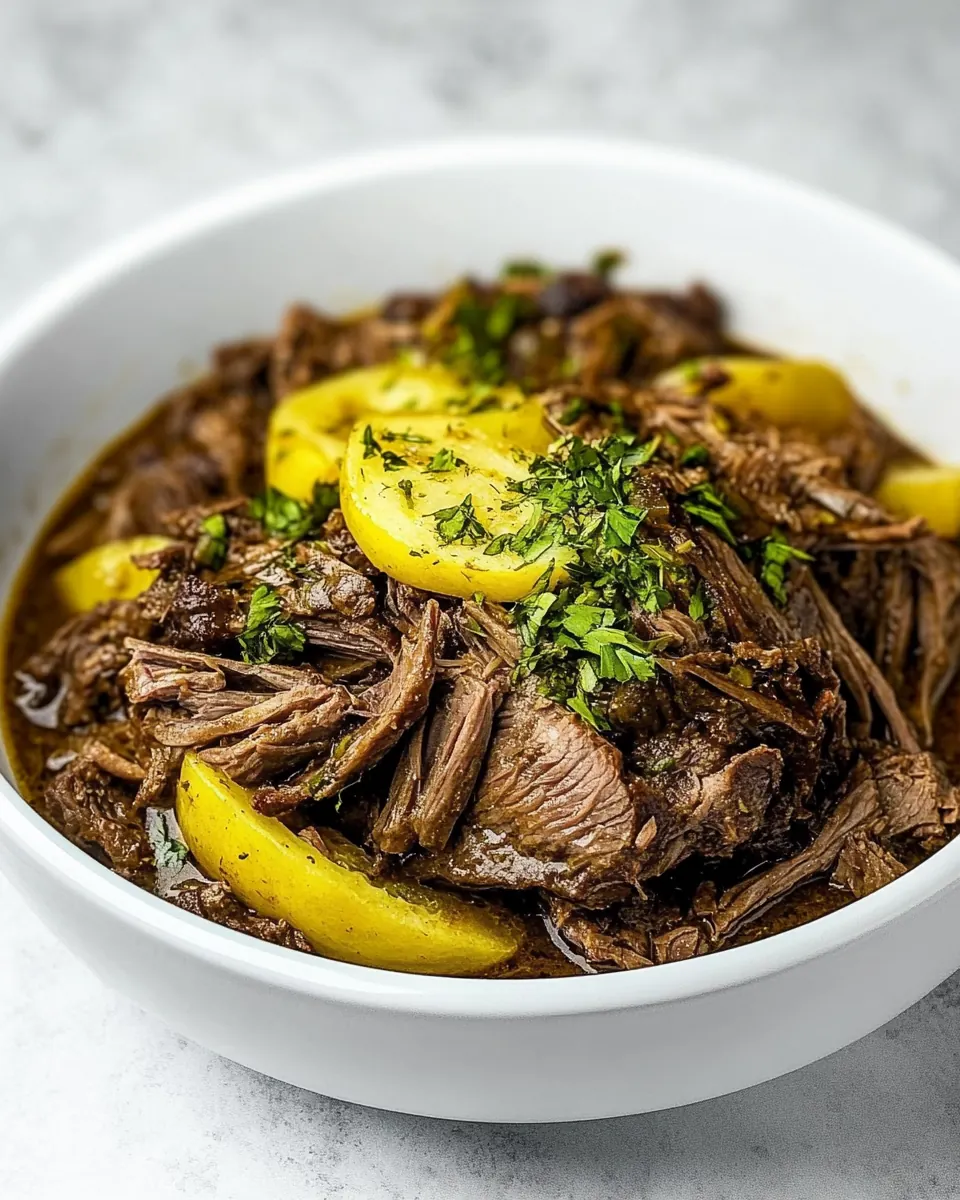
Mississippi Pot Roast is the kind of recipe I turn to when I want something comforting and no fuss, a real stick to your ribs dish that practically cooks itself while you get on with life. The first time I made Mississippi Pot Roast I was racing the clock between work and a chilly evening, and that soft, tangy sauce paired with fork tender beef felt like a warm hug the minute we sat down. I remember pausing halfway through the week, smelling the butter and pepperoncini mingle, and deciding this would be a repeat on our menu for months to come.
There is a quiet joy in how simple ingredients transform into something soulful. With a few pantry packets and a solid cut of beef, the kitchen fills with a slow savory aroma that changes the whole mood of the house. I love serving this when friends drop by unexpectedly, because it looks like you put in so much work, when in fact the slow cooker does most of the heavy lifting. Over time I learned small tweaks that deepen the flavor without complicating the process, and those little adjustments have become part of my cooking rhythm whenever I reach for Mississippi Pot Roast.
Recipe Snapshot
8 hr 15 mins
15 mins
480 mins
Hard
400 kcal
American
Keto, Gluten-Free
Dinner
Skillet, Slow Cooker, Tongs, Forks
What Sets This Mississippi Pot Roast Apart
Comforting, foolproof results
I keep coming back to Mississippi Pot Roast because the outcome is reliably tender and rich. The slow, gentle heat breaks down the connective tissue in the beef, yielding slices you can pull apart with a fork, and that texture is pure comfort. I appreciate recipes that perform consistently, and this one does, even on busy weeknights when I need dinner to be both simple and satisfying.
Minimal hands on time
One of the reasons I love this recipe is how little babysitting it requires. After an initial sear and an easy assembly in the slow cooker, you can basically walk away. That freedom to prep lunches, tidy up, or relax with a book while the kitchen does the work feels like a gift. For anyone balancing family or work, this hands off method is a real win.
Punchy, layered flavors
The combination of butter, ranch packet, au jus packet, and pepperoncini creates a savory, tangy profile that is more complex than its ingredient list suggests. I love how the pepperoncini add a vinegary brightness that cuts through the richness of the beef and butter. It is surprising in the best way, and that contrast keeps each bite interesting.
Versatile serving options
I’ve served this pulled over mashed potatoes, on toasted rolls, and even spooned over rice, and every time it feels at home. That versatility makes it a go to for casual dinners, potlucks, or when I want a cozy meal with minimal fuss. You can tailor the sides without changing the core recipe, which is one reason I recommend keeping this in the regular rotation.
Great for feeding a crowd
Because it is made in a slow cooker and yields generous portions, Mississippi Pot Roast is excellent for feeding guests. I often double the recipe for family gatherings. The easy scaling and forgiving nature of the method mean you get consistently good results without extra stress, which is a rare and welcome trait in my kitchen.
What You Need for Mississippi Pot Roast
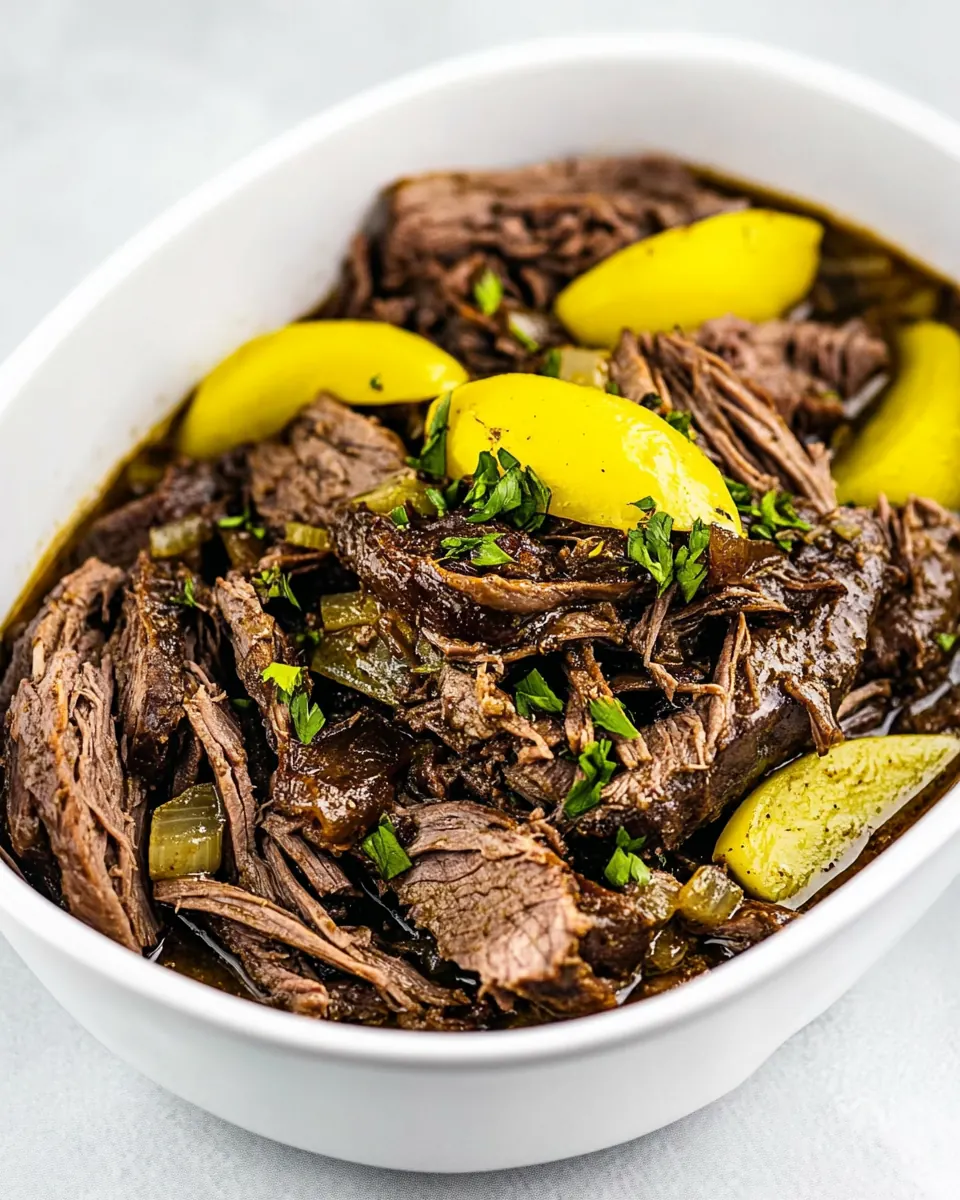
These ingredients are built around a few strong players that do the heavy lifting: a well marbled cut of beef for tenderness, butter for richness, and packaged seasonings to add immediate savory depth. The pepperoncini bring a subtle tang that brightens the slow cooked richness, and the onion flakes add an aromatic backbone. Together, they create a layered profile without the need for many specialty items.
- 6 tablespoons unsalted butter (divided): Melted and divided to brown and enrich the roast, adding a silky mouthfeel and helping develop a flavorful crust during searing. Use half to sear the beef and the remainder to finish the cooking, boosting richness in the pan juices and final sauce.
- 1 teaspoon ea salt: Seasoned to enhance the overall savory profile of the dish, balancing richness and highlighting the beef’s natural flavors. Sprinkle evenly before searing to ensure the roast develops depth throughout cooking.
- 1 teaspoon black pepper: Ground to provide sharp, aromatic heat and a subtle bite that cuts through the richness of the meat and butter. Add when seasoning and adjust to taste for a balanced peppery finish in the gravy.
- 3 pounds beef chuck roast (boneless): Selected for its marbling and connective tissue, which break down during low-and-slow cooking to yield tender, flavorful meat and a hearty, beefy sauce. Trim only excess fat, then sear well before braising to lock in juices and build fond for the au jus.
- 1 tablespoon onion flakes (minced): Used in dried minced form to contribute gentle oniony sweetness and savory complexity without adding moisture, helping season the rub and the cooking liquid. Sprinkle over the roast before braising so the flakes rehydrate and infuse the sauce.
- 1 packet Ranch seasoning mix: Added as a powdered seasoning to create a tangy, herby backbone characteristic of Mississippi pot roast, contributing buttermilk and herb flavors. Mix into the braising liquid or rub to infuse the meat with concentrated ranch profile.
- 1 packet Au Jus seasoning: Included to deepen the beefy gravy with concentrated beef flavor and savory umami, enhancing the sauce’s richness and mouthfeel. Dissolve into the cooking liquid or nestle the packet near the roast so its flavors meld during braising.
- 10 whole pepperoncini: Placed whole to impart briny, mildly tangy heat and a bright, acidic counterpoint that cuts through the fatty roast and enriches the pan sauce. Scatter among the meat so their juice punctuates the gravy and complements the ranch seasoning.
How to Prepare Mississippi Pot Roast
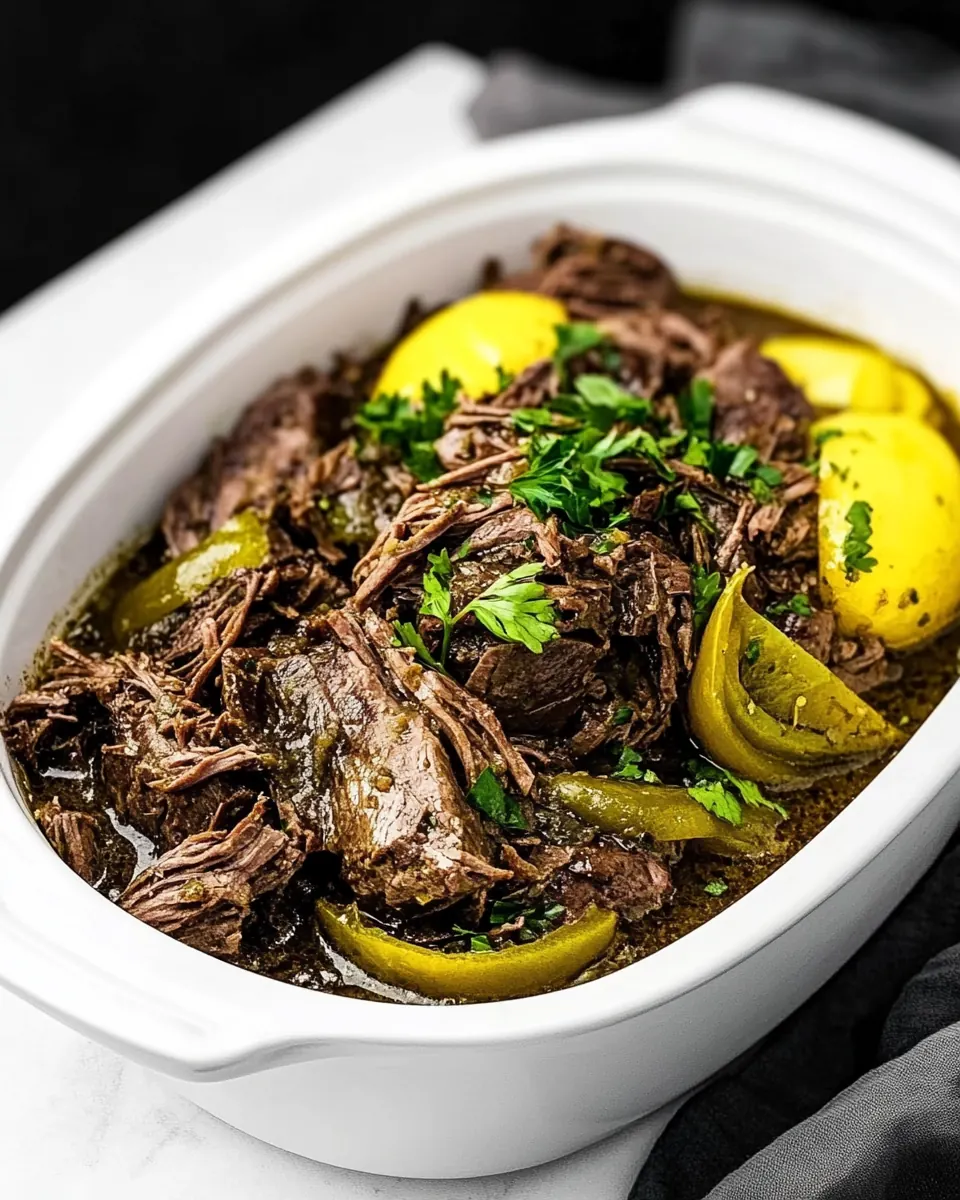
This method is very approachable, but I like to walk through what to watch for while it cooks. The sear at the beginning develops flavor, the seasoning packets build depth, and the slow, low heat is what turns the beef fork tender. Below, I expand each direction into detailed, sensory rich guidance so you can feel confident at each stage.
- Heat 1 to 2 tablespoons of butter in a skillet over medium-high heat.: When the butter melts and begins to foam, you will notice a nutty aroma and a gentle sizzle, signaling the skillet is ready; this creates a seasoned surface for browning and captures those caramelized bits that become concentrated flavor. Use a heavy skillet so heat distributes evenly; if the butter smokes, lower the heat a bit to avoid burning which would impart bitterness. A common mistake here is not heating the pan enough, which prevents a good sear and leaves the meat pale rather than richly browned; listen for a clear sizzle when the meat hits the pan.
- Lightly salt and pepper each side of the pot roast (see note about salt). Add the meat to the skillet and sear each side of the roast until browned.: As the roast touches the skillet you should hear a pronounced sizzle and see a thin crust form within a minute to two, releasing deeply savory aromas of caramelized meat; that crust is flavor. Sear each face until a rich mahogany color appears, turning with tongs so the exterior develops even browning. This step builds layers of taste through the Maillard reaction, which is why it matters for the final sauce and texture. Avoid crowding the pan, which steams the meat and prevents browning; if the roast cools the sear will take longer, and you will lose some of those concentrated flavors.
- Transfer the browned roast to the crockpot and pour all the excess butter and browned bits from the skillet into the crockpot.: The browned bits and melted butter hold intense, concentrated flavor, and tipping them into the slow cooker is like adding a flavor concentrate to the pot. You should see glossy brown juices and tiny caramelized fragments clinging to the skillet, which dissolve into the slow cooker juices and enrich the final sauce. If you scrape the pan with a little warm water to release stubborn bits, add that liquid too; it carries a lot of savory goodness. A frequent oversight is discarding these fond residues, which are precisely what deepen the roast's flavor.
- Sprinkle minced onions over the meat.: The dried onion flakes will rehydrate as they sit in the cooking juices, releasing a warm, mellow sweetness and aromatic lift. Sprinkle them evenly so they distribute flavor across the roast, and they will swell and blend into the sauce, adding body and a subtle onion presence without requiring chopping. One issue to watch for is uneven distribution, which can lead to one spot tasting more pronouncedly of onion than another; use your fingers to spread them gently if needed.
- Add contents of ranch seasoning and au jus packets.: The instant burst of seasoning from both packets dissolves into the cooking liquid and infuses the roast with herby, savory, and beefy notes; you will notice the scent shift to a fuller, more complex aroma as these powders hydrate. Sprinkle them evenly, then resist stirring immediately so they marry with the juices naturally. They form the backbone of the sauce, so choosing lower sodium options can be helpful if you are monitoring salt. Stirring too early or vigorously can clump the powders; instead, let the heat and gentle moisture dissolve them.
- Top with remaining butter, cut into pieces. Add pepperoncini to the pot and place the lid on top.: Dotting the roast with the remaining butter gives pockets of melting fat that baste the meat, creating a glossy, silky sauce; you will see the pieces soften and seep into the juices. Nestle the whole pepperoncini around and atop the roast so their briny juices can slowly mingle; their tang transforms the richness into something bright. Put the lid on snugly to trap steam and heat, which promotes even, gentle breakdown of the meat. A common slip is skipping the butter dots, which reduces richness, or adding the pepperoncini too late, limiting their flavor release.
- Cook on low heat for 8 hours or until meat falls apart easily when pulled with a fork.: In the slow cooker gentle bubbling and a deepening aroma will develop over hours, and the meat should gradually soften until it offers little resistance to a fork; that is the hallmark of perfectly rendered connective tissue. Cook low and slow to promote collagen breakdown into gelatin, which gives that luscious mouthfeel you expect from a pot roast. If you rush this step on high heat the roast may cook faster but remain tougher and drier, so patience pays off here.
- Shred the meat into large chunks and stir everything together.: After the roast is tender, use two forks to pull it into big, rustic chunks that still hold their shape but are easy to bite; as you shred, the sauce will cling to the fibers and become more integrated. The aroma will intensify and the texture should feel moist and silky. Stir the shredded pieces into the cooking juices so they absorb the sauce evenly. A mistake to avoid is over shredding into mush, losing the pleasant meat texture; aim for generous shreds rather than a fine pull.
- Shred the meat into large chunks and stir everything together.: With the meat shredded and the juices coating each chunk, you should notice a glossy sheen and a balance of savory and tangy notes from the pepperoncini and seasoning packets. Let the meat rest briefly in the pot after shredding so the flavors marry and the juices redistribute, ensuring each bite is succulent. If the sauce seems too thin, you can slightly reduce it by leaving the lid off on warm for a short time, stirring occasionally. A common misstep is serving immediately without allowing flavors to settle, which can make the sauce taste less cohesive; a few minutes of standing time improves the overall harmony.
How to Switch It Up
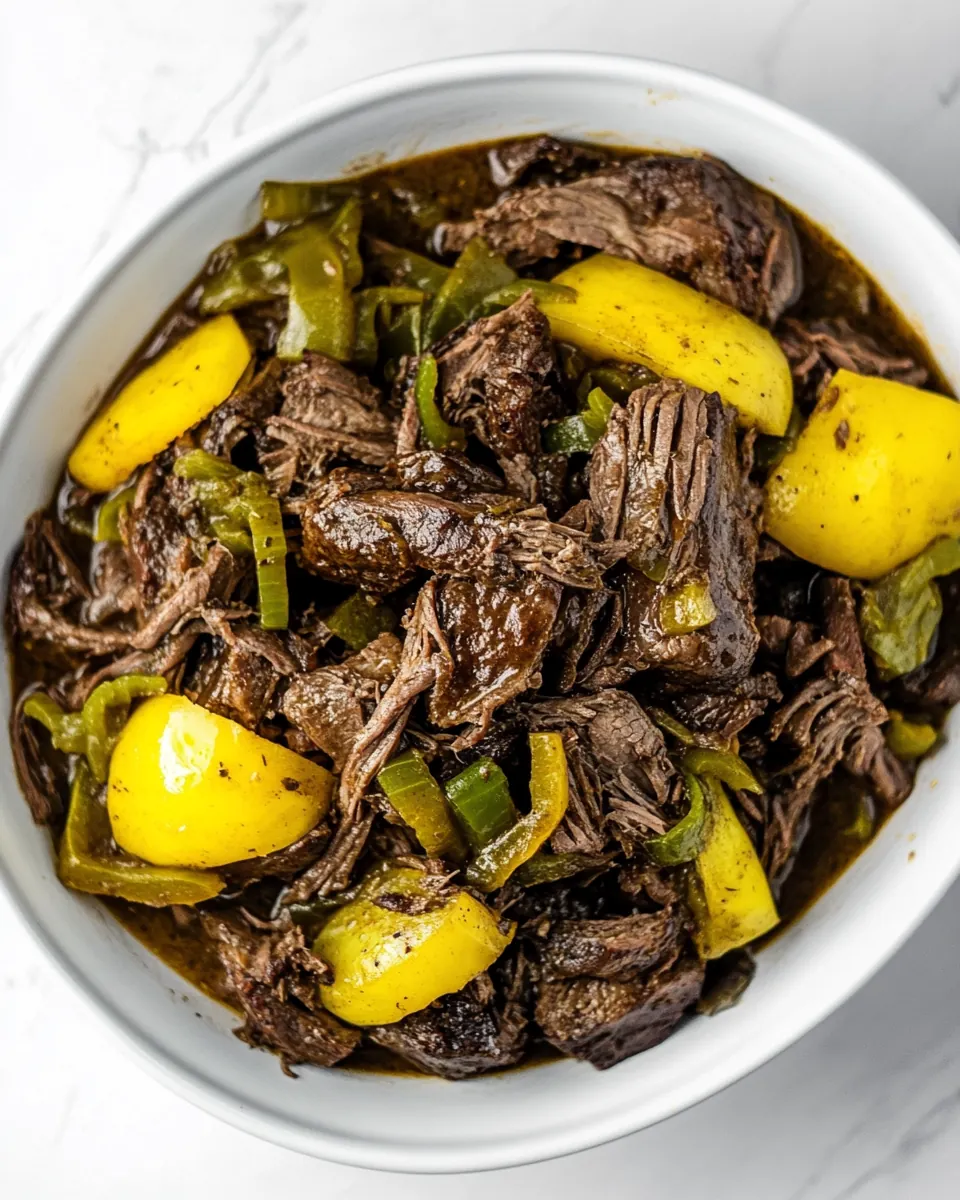
There are simple ways to vary the classic profile of Mississippi Pot Roast while keeping the core method intact. Below are several tips and ideas that let you adapt the recipe based on pantry items, dietary needs, or the occasion, all without changing the essence of the dish.
- Swap the seasoning brands Use low sodium or reduced salt versions of the Ranch seasoning mix and Au Jus seasoning to better control the salt level and keep the flavor balanced if serving with salty sides.
- Adjust pepperoncini amounts Increase or decrease the number of whole pepperoncini to control brightness and tang; more peppers intensify the vinegar note, fewer will let the buttery, meaty flavors shine.
- Omit the sear for simplicity If you are short on time or want less active prep, skip the browning step and add the roast directly to the slow cooker; the texture will still be tender though slightly less caramelized.
- Use clarified butter Clarified butter can withstand higher searing temperatures and reduces the risk of burning the fat during the initial brown, preserving a clean nutty flavor.
- Make it a sandwich Pile shredded beef on toasted rolls and spoon extra sauce over the top for a messy, satisfying sandwich that highlights the roast‘s richness and tang.
- Scale for a crowd This recipe doubles easily in a larger slow cooker, making it ideal for gatherings; just ensure your cooker has enough space for even heat circulation around the roast.
How to Enjoy Mississippi Pot Roast
This roast is hearty and flexible, great for weeknight dinners or relaxed gatherings. Serve it in family style bowls, on rolls, or over a starch to make a complete plate. It stores well and reheats beautifully which makes it ideal for meal prep or leftovers.
- Over mashed potatoes Serve the shredded beef and sauce spooned over creamy mashed potatoes so the juices soak into the mash, creating a classic comforting pairing.
- On toasted rolls Build sandwiches with the warm shredded beef piled onto toasted rolls for a casual, handheld meal that is great for game day or potlucks.
- With rice or grains Spoon the roast over rice, quinoa, or barley to capture the sauce and add textural contrast for an easy family dinner.
- For gatherings Keep the slow cooker on warm during a party so guests can help themselves to tender beef and saucy bites all evening, perfect for informal buffet style serving.
- Storage tips Refrigerate cooled leftover beef in an airtight container for up to four days, or freeze in portions for up to three months; thaw overnight before reheating gently to preserve texture.
FAQ
Conclusion
Mississippi Pot Roast stands out because it combines minimal prep with richly developed flavors and reliably tender beef. The mix of buttery richness, savory seasoning packets, and bright pepperoncini creates a satisfying contrast that keeps this recipe in my regular rotation. I encourage you to give it a try on a day when you want hands off cooking and a meal that rewards patience with deep, comforting results. Serve it simply over a starch or on rolls, and enjoy how effortlessly it comes together to feed a family or a small gathering.
Mississippi Pot Roast
Equipment
- Skillet
- Slow Cooker
- Tongs
- Forks
Ingredients
- 6 tablespoons unsalted butter (divided) Melted and divided to brown and enrich the roast, adding a silky mouthfeel and helping develop a flavorful crust during searing. Use half to sear the beef and the remainder to finish the cooking, boosting richness in the pan juices and final sauce.
- 1 teaspoon ea salt Seasoned to enhance the overall savory profile of the dish, balancing richness and highlighting the beef’s natural flavors. Sprinkle evenly before searing to ensure the roast develops depth throughout cooking.
- 1 teaspoon black pepper Ground to provide sharp, aromatic heat and a subtle bite that cuts through the richness of the meat and butter. Add when seasoning and adjust to taste for a balanced peppery finish in the gravy.
- 3 pounds beef chuck roast (boneless) Selected for its marbling and connective tissue, which break down during low-and-slow cooking to yield tender, flavorful meat and a hearty, beefy sauce. Trim only excess fat, then sear well before braising to lock in juices and build fond for the au jus.
- 1 tablespoon onion flakes (minced) Used in dried minced form to contribute gentle oniony sweetness and savory complexity without adding moisture, helping season the rub and the cooking liquid. Sprinkle over the roast before braising so the flakes rehydrate and infuse the sauce.
- 1 packet Ranch seasoning mix Added as a powdered seasoning to create a tangy, herby backbone characteristic of Mississippi pot roast, contributing buttermilk and herb flavors. Mix into the braising liquid or rub to infuse the meat with concentrated ranch profile.
- 1 packet Au Jus seasoning Included to deepen the beefy gravy with concentrated beef flavor and savory umami, enhancing the sauce’s richness and mouthfeel. Dissolve into the cooking liquid or nestle the packet near the roast so its flavors meld during braising.
- 10 whole pepperoncini Placed whole to impart briny, mildly tangy heat and a bright, acidic counterpoint that cuts through the fatty roast and enriches the pan sauce. Scatter among the meat so their juice punctuates the gravy and complements the ranch seasoning.
Instructions
- Heat 1 to 2 tablespoons of butter in a skillet over medium-high heat.: When the butter melts and begins to foam, you will notice a nutty aroma and a gentle sizzle, signaling the skillet is ready; this creates a seasoned surface for browning and captures those caramelized bits that become concentrated flavor. Use a heavy skillet so heat distributes evenly; if the butter smokes, lower the heat a bit to avoid burning which would impart bitterness. A common mistake here is not heating the pan enough, which prevents a good sear and leaves the meat pale rather than richly browned; listen for a clear sizzle when the meat hits the pan.
- Lightly salt and pepper each side of the pot roast (see note about salt). Add the meat to the skillet and sear each side of the roast until browned.: As the roast touches the skillet you should hear a pronounced sizzle and see a thin crust form within a minute to two, releasing deeply savory aromas of caramelized meat; that crust is flavor. Sear each face until a rich mahogany color appears, turning with tongs so the exterior develops even browning. This step builds layers of taste through the Maillard reaction, which is why it matters for the final sauce and texture. Avoid crowding the pan, which steams the meat and prevents browning; if the roast cools the sear will take longer, and you will lose some of those concentrated flavors.
- Transfer the browned roast to the crockpot and pour all the excess butter and browned bits from the skillet into the crockpot.: The browned bits and melted butter hold intense, concentrated flavor, and tipping them into the slow cooker is like adding a flavor concentrate to the pot. You should see glossy brown juices and tiny caramelized fragments clinging to the skillet, which dissolve into the slow cooker juices and enrich the final sauce. If you scrape the pan with a little warm water to release stubborn bits, add that liquid too; it carries a lot of savory goodness. A frequent oversight is discarding these fond residues, which are precisely what deepen the roast's flavor.
- Sprinkle minced onions over the meat.: The dried onion flakes will rehydrate as they sit in the cooking juices, releasing a warm, mellow sweetness and aromatic lift. Sprinkle them evenly so they distribute flavor across the roast, and they will swell and blend into the sauce, adding body and a subtle onion presence without requiring chopping. One issue to watch for is uneven distribution, which can lead to one spot tasting more pronouncedly of onion than another; use your fingers to spread them gently if needed.
- Add contents of ranch seasoning and au jus packets.: The instant burst of seasoning from both packets dissolves into the cooking liquid and infuses the roast with herby, savory, and beefy notes; you will notice the scent shift to a fuller, more complex aroma as these powders hydrate. Sprinkle them evenly, then resist stirring immediately so they marry with the juices naturally. They form the backbone of the sauce, so choosing lower sodium options can be helpful if you are monitoring salt. Stirring too early or vigorously can clump the powders; instead, let the heat and gentle moisture dissolve them.
- Top with remaining butter, cut into pieces. Add pepperoncini to the pot and place the lid on top.: Dotting the roast with the remaining butter gives pockets of melting fat that baste the meat, creating a glossy, silky sauce; you will see the pieces soften and seep into the juices. Nestle the whole pepperoncini around and atop the roast so their briny juices can slowly mingle; their tang transforms the richness into something bright. Put the lid on snugly to trap steam and heat, which promotes even, gentle breakdown of the meat. A common slip is skipping the butter dots, which reduces richness, or adding the pepperoncini too late, limiting their flavor release.
- Cook on low heat for 8 hours or until meat falls apart easily when pulled with a fork.: In the slow cooker gentle bubbling and a deepening aroma will develop over hours, and the meat should gradually soften until it offers little resistance to a fork; that is the hallmark of perfectly rendered connective tissue. Cook low and slow to promote collagen breakdown into gelatin, which gives that luscious mouthfeel you expect from a pot roast. If you rush this step on high heat the roast may cook faster but remain tougher and drier, so patience pays off here.
- Shred the meat into large chunks and stir everything together.: After the roast is tender, use two forks to pull it into big, rustic chunks that still hold their shape but are easy to bite; as you shred, the sauce will cling to the fibers and become more integrated. The aroma will intensify and the texture should feel moist and silky. Stir the shredded pieces into the cooking juices so they absorb the sauce evenly. A mistake to avoid is over shredding into mush, losing the pleasant meat texture; aim for generous shreds rather than a fine pull.
- Shred the meat into large chunks and stir everything together.: With the meat shredded and the juices coating each chunk, you should notice a glossy sheen and a balance of savory and tangy notes from the pepperoncini and seasoning packets. Let the meat rest briefly in the pot after shredding so the flavors marry and the juices redistribute, ensuring each bite is succulent. If the sauce seems too thin, you can slightly reduce it by leaving the lid off on warm for a short time, stirring occasionally. A common misstep is serving immediately without allowing flavors to settle, which can make the sauce taste less cohesive; a few minutes of standing time improves the overall harmony.
Notes
- Swap the seasoning brands Use low sodium or reduced salt versions of the Ranch seasoning mix and Au Jus seasoning to better control the salt level and keep the flavor balanced if serving with salty sides.
- Adjust pepperoncini amounts Increase or decrease the number of whole pepperoncini to control brightness and tang; more peppers intensify the vinegar note, fewer will let the buttery, meaty flavors shine.
- Omit the sear for simplicity If you are short on time or want less active prep, skip the browning step and add the roast directly to the slow cooker; the texture will still be tender though slightly less caramelized.
- Use clarified butter Clarified butter can withstand higher searing temperatures and reduces the risk of burning the fat during the initial brown, preserving a clean nutty flavor.
- Make it a sandwich Pile shredded beef on toasted rolls and spoon extra sauce over the top for a messy, satisfying sandwich that highlights the roast's richness and tang.
- Scale for a crowd This recipe doubles easily in a larger slow cooker, making it ideal for gatherings; just ensure your cooker has enough space for even heat circulation around the roast.