Garlic Cream Cheese Mashed Potatoes
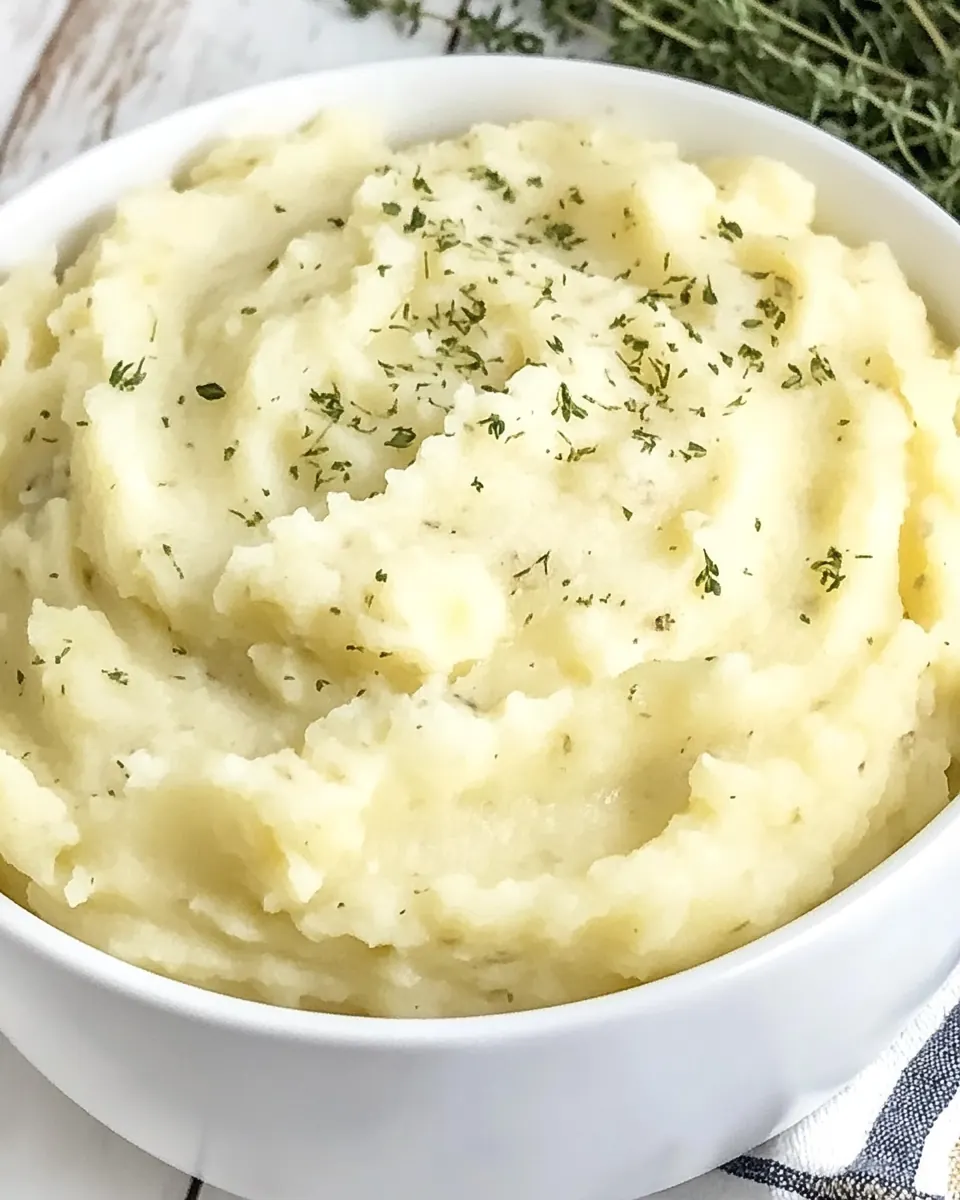
Garlic Cream Cheese Mashed Potatoes is one of those comforting side dishes I reach for when I want people to feel instantly at home at my table. The first time I made this dish I remember the kitchen filling with a warm, savory scent of garlic and melting butter, while the texture of the potatoes turned into a cloudlike mash thanks to a little cream cheese and heavy cream. It felt like giving an old favorite sweater a fresh stitch, familiar but elevated.
That batch was for a family gathering on a chilly evening in winter, and seeing everyone scoop a generous helping onto their plates made me realize how simple comforts bring people closer. I like to tell stories while stirring the pot, and that night I shared childhood memories of holiday dinners where mashed potatoes were the unofficial currency at the table. The dish held up beautifully alongside roasted mains, yet it was bold enough to stand out when spooned onto a plate on its own.
I also learned a few tricks from that first attempt. Softened cream cheese and butter at room temperature melt into the potatoes more seamlessly, and a touch of shredded parmesan cheese folded in at two stages creates a layered cheesy note that tastes roasted even before the oven kiss. Over time I adjusted the herb balance, adding a modest amount of dried basil, parsley, and oregano to give the dish an aromatic lift without overpowering the creamy base. I still find myself reaching for this recipe for holidays, weeknight dinners, and whenever I want something reliable and indulgent.
Recipe Snapshot
1 hr 5 mins
20 mins
45 mins
Medium
280 kcal
American
Gluten-Free, Low FODMAP
Side Dishes
Large pot, Colander, Mixing bowl, Potato masher, Hand mixer, 9×13 baking dish, Aluminum foil
Why Try This Garlic Cream Cheese Mashed Potatoes
Comfort with an elevated twist
I love that Garlic Cream Cheese Mashed Potatoes manages to feel both nostalgic and slightly fancy. The cream cheese and heavy cream create a velvety mouthfeel that turns ordinary cooked potatoes into something spoonable and luxurious. When I serve this, guests always comment on how rich and smooth the texture is, and that reaction never gets old.
Deep garlic flavor without bite
Using minced garlic instead of raw cloves keeps the flavor consistent and mellow, so the dish tastes aromatic, not sharp. I usually add the garlic early when mashing so it heats through and melds into the dairy, which helps it breathe into every bite. That technique makes the flavor cozy rather than aggressive.
Cheesy layers for depth
Adding parmesan cheese in two stages gives this recipe a savory backbone. I fold most of the cheese into the mash, then sprinkle the rest on top before baking so you get both internal creaminess and a lightly baked cheesy finish. The contrast is small but noticeable, and I think it makes the dish feel thoughtfully composed.
Easy to scale and adapt
Whether I am cooking for a small dinner or a larger holiday crowd, these ingredients scale nicely. The recipe stays forgiving because the main goal is the texture of the potatoes and the balance of dairy and seasoning. I find it reassuringly resistant to small measurement slips, which is why I recommend it for cooks who want a dependable side dish.
Make ahead friendly
I appreciate how well the mash tolerates reheating. You can prepare it ahead, keep it covered in the fridge, and rewarm it gently in the oven until it bubbles and feels gooey again. That gives you freedom on the day of serving, and I often rely on that when hosting so I can focus on the main course.
What’s In This Garlic Cream Cheese Mashed Potatoes
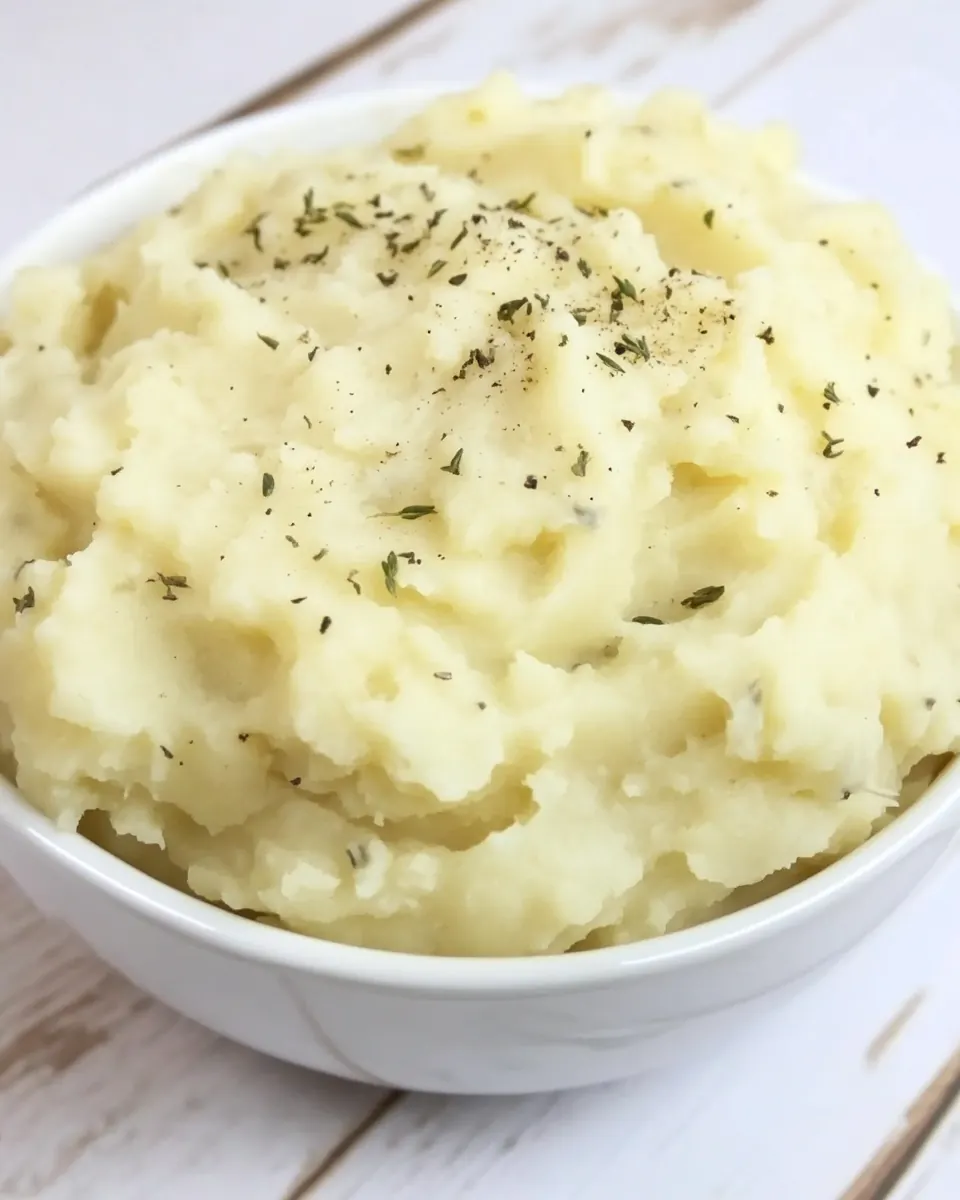
These ingredients work together to create a luscious mash with layered savory notes. The star is the starchy potatoes, which provide structure and body. Dairy elements like cream cheese, butter, sour cream, and heavy cream add silkiness and richness. Parmesan cheese contributes umami, while a small trio of dried herbs and basic seasoning bring balance and aroma.
- 3 pounds russet potatoes peeled and cut into chunks, see notes: Peel and cube to ensure even cooking; provides the starchy base and creamy texture when mashed and combined with dairy.
- 2 teaspoons garlic minced: Mince finely to release aromatic oils; imparts a pungent, savory garlic flavor that brightens the potatoes.
- 4 ounces cream cheese softened: Soften at room temperature for easy blending; adds tangy richness and silky body to the mashed potatoes.
- 1/2 cup butter softened: Soften for easy incorporation and to create a luscious mouthfeel; contributes buttery flavor and smoothness.
- 1/2 cup sour cream: Bring a tangy creaminess that balances richness; adds a cool, slightly acidic note that enhances overall flavor.
- 1 cup heavy cream can also use half and half: Warm slightly before adding for smooth blending; enriches the potatoes with creamy fat and helps achieve desired consistency.
- 1 cup parmesan cheese shredded, divided: Shred finely and divide so some melts in and some tops the dish; lends salty, nutty umami and depth to the mash.
- 1 teaspoon basil: Use dried or fresh, crushed or chopped; gives a subtle herbal sweetness and aromatic lift to complement the garlic.
- 1 teaspoon parsley: Add as a finishing herb to provide fresh, grassy notes; enhances color and adds mild, clean flavor to the dish.
- 1 teaspoon oregano: Crush or crumble and distribute evenly; contributes warm, slightly bitter herbal complexity that rounds out the seasoning.
- 1 1/2 teaspoons salt: Dissolve into the hot potatoes to season thoroughly; enhances natural flavors and ensures the mash is well seasoned.
- 1/2 teaspoon pepper: Grind freshly when possible and sprinkle evenly; provides mild heat and helps balance the salt and rich dairy elements.
Preparation Steps for Garlic Cream Cheese Mashed Potatoes
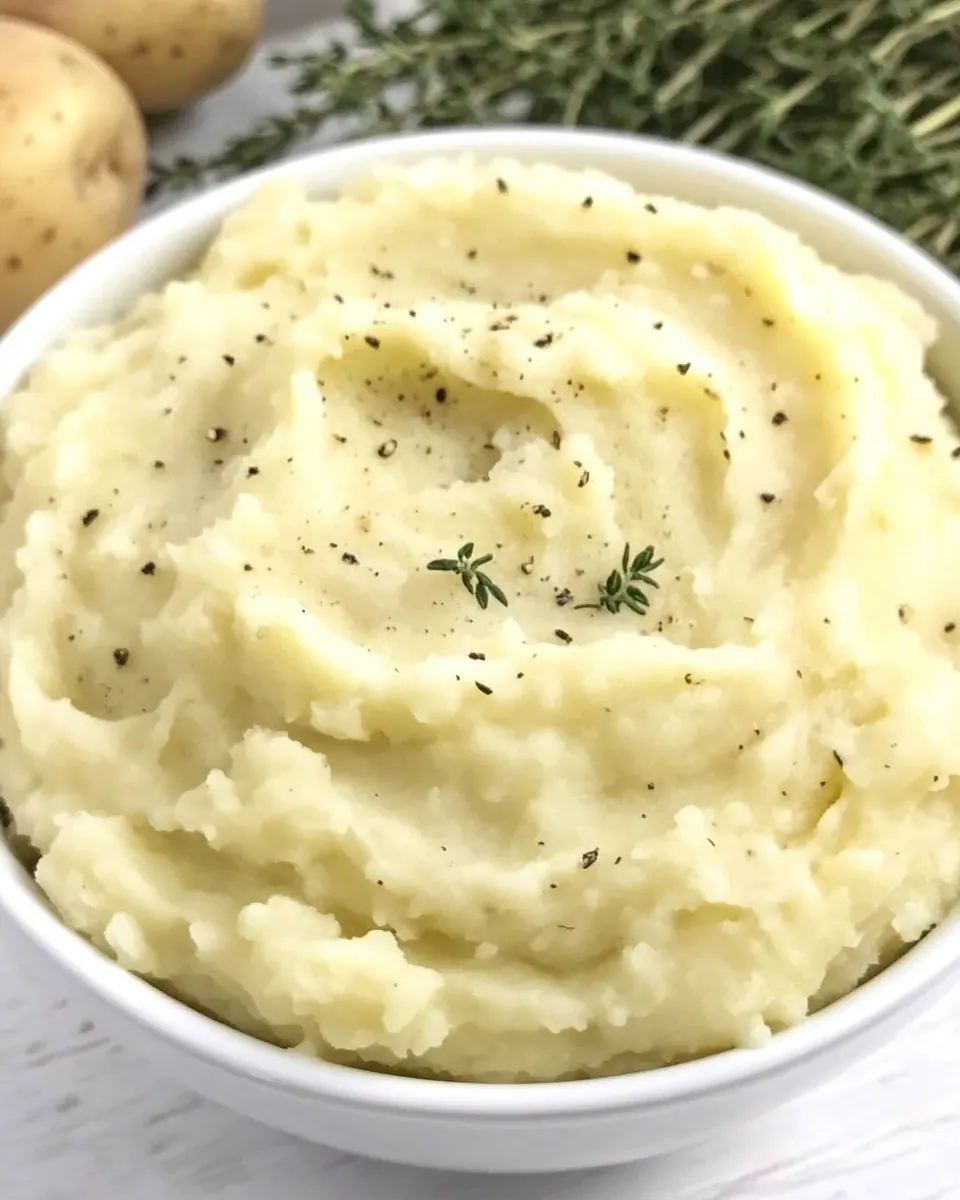
These steps will take you from whole potatoes to a warm, creamy casserole ready to serve. I like to work methodically, checking texture and seasoning as I go. Keep your tools close and taste frequently so the final mash sings on the plate.
- Wash, peel and cut the potatoes into large 2 inch chunks. Place the potatoes in a large pot and cover with water. Bring the water to a boil and boil the potatoes for 15 to 20 minutes until they are fork tender.: You will notice the fresh, earthy scent of raw potatoes as you work, and cutting them into even 2 inch pieces ensures they cook at the same rate, which is essential for a uniform texture. This step matters because uneven pieces result in some parts falling apart while others remain firm, making it harder to achieve a smooth mash. A common mistake is cutting pieces that are too big, which lengthens boiling time and can lead to uneven doneness; take a moment to match sizes for consistent results.
- Transfer the cooked potatoes to a colander to drain the potatoes and rinse with cold water. Allow to cool for at least 10-15 minutes.: As the pot fills, you will hear the water slosh and see the potatoes settle beneath, and covering them with water by about an inch helps them cook through evenly. Starting with cold water and then bringing it to a simmer allows the centers to heat gradually, preventing the exterior from disintegrating before the middle cooks. If you add too little water the starches can concentrate and make the outer parts gummy, so be sure they are fully submerged.
- Preheat the oven to 350 degrees and grease a 9×13 baking dish with nonstick cooking spray.: The kitchen will fill with a gentle, starchy aroma as the water steams, and testing with a fork is your best indicator of doneness; it should slide in without resistance. This timing typically yields potatoes that mash smoothly, but altitudes and potato size can vary the time needed. Avoid boiling so long that the pieces fall apart and soak up water, which can make the mash watery when you drain it.
- Place the cooked potatoes in a large mixing bowl. Add garlic, cream cheese, sour cream, and heavy cream to the bowl. Use a potato masher or hand mixer to mash the potatoes and blend until smooth.: When you drain them you will hear the torrent of water and feel the heat release from the colander, then rinsing briefly with cool water stops the cooking and firms the pieces slightly, making them easier to handle. Cooling for at least 10 to 15 minutes prevents the dairy from melting unevenly into hot pockets and helps you blend more consistently. A mistake here is skipping the cooling, which can leave chilled dairy items lumpy when mixed into very hot potatoes .
- Add 3/4 cup of parmesan cheese, basil, parsley, oregano, salt and pepper to the potatoes. Blend until the spices are well mixed into the potatoes.: This quiet pause lets steam escape and prevents watery mash, and you can tell they are ready when they no longer steam heavily and feel warm rather than scalding. The slight cooling helps the cream cheese integrate smoothly without forming clumps. Rushing into mixing while they are piping hot can result in separated fats and an uneven texture, so be patient for a silkier finish.
- Spread the mashed potatoes with cream cheese into the prepared baking dish and sprinkle with the remaining 1/4 cup of parmesan cheese and cover with aluminum foil. Bake for 30 minutes until warm and gooey, then serve and enjoy!: As the oven warms you may notice a faint electric scent that signals readiness, and greasing the dish prevents sticking and encourages easy serving. This step ensures the mash bakes gently and develops a cohesive surface without drying out. Skipping the greasing can make removal messy, so take the extra minute to coat the dish evenly.
- Place the cooked potatoes in a large mixing bowl: The bowl will feel warm and hold the weight of the potatoes , setting you up for mixing. A large bowl gives you room to fold in dairy and herbs without spilling. If the bowl is too small you risk splatter and uneven mixing, so choose one that gives you breathing space for vigorous mashing or mixing.
- Add garlic, cream cheese, sour cream, and heavy cream to the bowl: At this point the aroma of garlic joins the dairy fragrance, creating a promising sensory layer, and adding softened cream cheese , sour cream , and heavy cream provides the liquid and fat needed to reach that silky consistency. The reason for these specific ingredients is that they combine tang, fat, and moisture to produce a balanced, lush texture. One trap is adding all the liquid at once; instead, incorporate gradually to control the final thickness.
- Use a potato masher or hand mixer to mash the potatoes and blend until smooth: You will hear the soft squelch of starch breaking down and see the mash transform into a creamy, cohesive mass, and the tool you choose affects texture; a hand mixer yields an ultra smooth consistency while a masher gives a slightly rustic feel. This technique is crucial because overmixing with a powerful mixer can make the mash gluey, while undermixing leaves lumps. Avoid high speed for too long to prevent a gummy result.
- Add 3/4 cup of parmesan cheese, basil, parsley, oregano, salt and pepper to the potatoes: As you fold in the parmesan cheese and herbs the mixture will steam faintly and release a savory perfume that hints at the finished flavor, with parmesan cheese lending umami and the herbs adding brightness. These elements round the profile and ensure every bite has complexity. A common oversight is under seasoning; taste and adjust because the parmesan cheese already contributes saltiness.
- Blend until the spices are well mixed into the potatoes: When the herbs and parmesan cheese are fully incorporated you will see an even flecking of green and a uniformly creamy surface, which signals successful distribution of flavor. Proper blending prevents pockets of unseasoned mash, and helps the dish taste consistent from edge to edge. Overworking the mix at this stage can warm it too much and slightly thin the texture, so fold gently until uniform.
- Spread the mashed potatoes with cream cheese into the prepared baking dish and sprinkle with the remaining 1/4 cup of parmesan cheese and cover with aluminum foil: Spreading creates an even layer that will reheat uniformly, while the final sprinkle of parmesan cheese promises a lightly baked topping. Covering with foil traps moisture so the mash stays gooey, and the foil prevents the top from drying. Leaving it uncovered too early can form an overly crusty surface instead of a soft, warmed center.
- Bake for 30 minutes until warm and gooey, then serve and enjoy: During baking you will see gentle bubbling at the edges and smell an intensified dairy aroma, and the 30 minute bake warms everything through, melding flavors and finishing the top. The visual cue of slight bubbling and a faint golden tint on the cheese indicates readiness. Avoid overbaking, which can dry the mash; remove when it is heated through and still creamy for the best texture.
Recipe Notes about Garlic Cream Cheese Mashed Potatoes
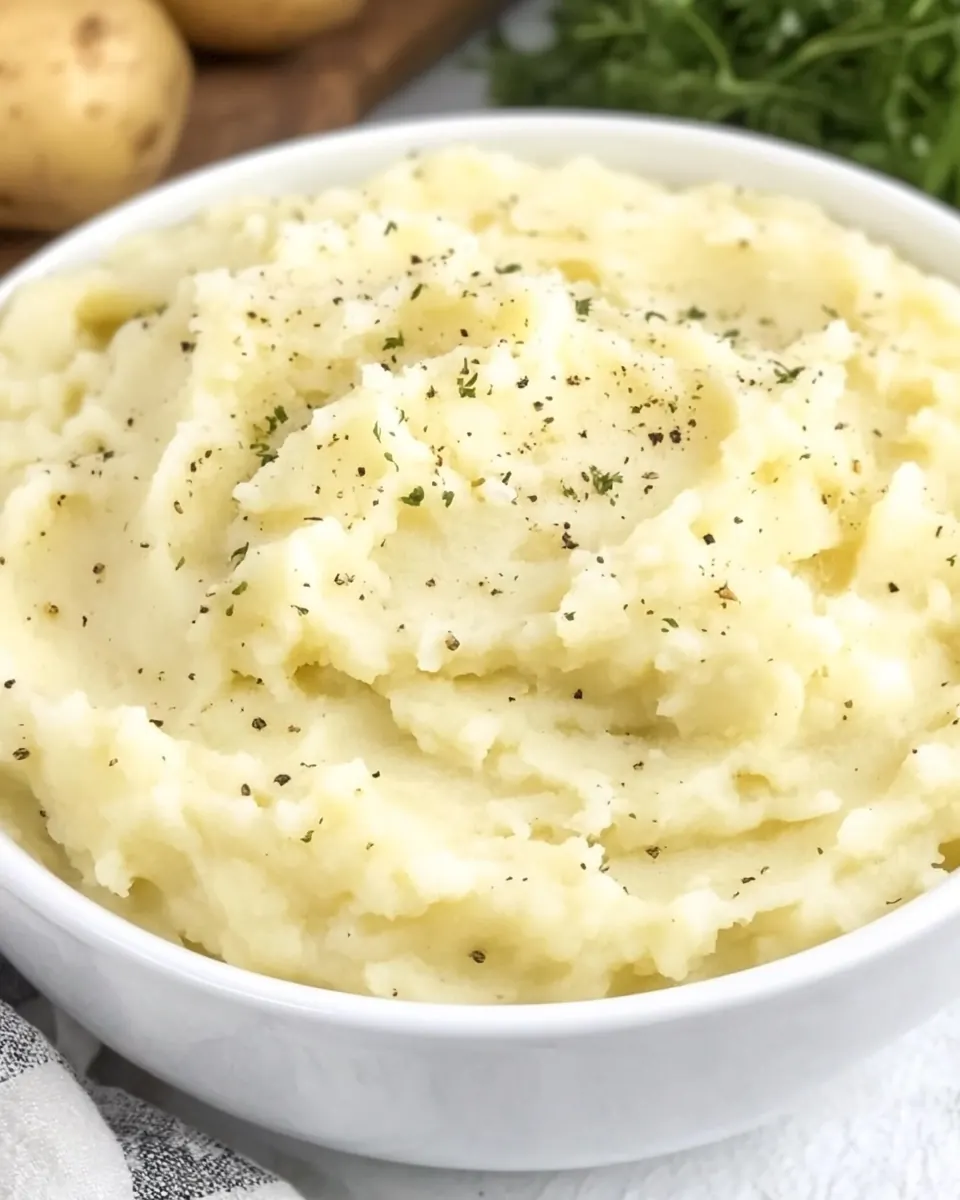
I often jot down tips while cooking so the next iteration is even better. These notes expand on techniques and small adjustments that make a noticeable difference when you serve this mash to friends and family.
- Room temperature dairy improves incorporation, so soften the cream cheese and butter before mixing to avoid lumps and ensure a silky texture.
- Gradual liquid addition lets you control the final consistency; pour the heavy cream in a little at a time and stop when the mash reaches your preferred creaminess.
- Double stage cheese adds depth, fold most parmesan cheese into the mash and reserve a small portion to sprinkle on top before baking for a layered cheesy effect.
- Rest after draining for 10 to 15 minutes so the potatoes lose excess steam; this prevents a watery mash when you add dairy.
- Taste before serving and adjust salt and pepper at the end, especially since parmesan cheese can add noticeable saltiness.
How to Enjoy Garlic Cream Cheese Mashed Potatoes
These serving suggestions help you pair and present the mash for weeknight dinners or special occasions. The dish is versatile and pairs well with roasted mains, and it stands up well to festive spreads during holiday gatherings.
- Classic dinner pairing Serve alongside roasted or braised mains for a comforting plate where the creamy potatoes soak up sauces and juices, making every bite satisfying.
- Holiday centerpiece This mash shines at a Thanksgiving or holiday table, placed in a warm casserole dish so guests can help themselves, and the familiar flavors pair well with roasted vegetables and savory mains.
- Family style Scoop into a large serving bowl and offer extra parmesan cheese at the table so guests can season to taste, encouraging communal serving and easy portioning.
- Storage and reheating Store leftovers in an airtight container in the refrigerator for up to three days, and rewarm slowly in the oven at low heat until just bubbling, stirring occasionally to restore creaminess.
- Seasonal pairings In cold months this dish complements roasted root vegetables and braised meats, while in milder seasons it pairs nicely with lighter roasted poultry or vegetable mains for a balanced plate.
FAQ
Conclusion
This Garlic Cream Cheese Mashed Potatoes recipe stands out for its velvety texture and layered savory flavors that come from the combination of cream cheese, parmesan cheese, and aromatic herbs. It is a dependable, crowd pleasing side that fits both cozy weeknights and celebratory holiday spreads. Give it a try the next time you want a comforting, creamy potato dish that feels special yet easy to prepare, and enjoy how it brings warmth and satisfied smiles to your table.
Garlic Cream Cheese Mashed Potatoes
Equipment
- Large Pot
- Colander
- Mixing Bowl
- Potato Masher
- Hand Mixer
- 9×13 baking dish
- Aluminum Foil
Ingredients
- 3 pounds russet potatoes peeled and cut into chunks, see notes Peel and cube to ensure even cooking; provides the starchy base and creamy texture when mashed and combined with dairy.
- 2 teaspoons garlic minced Mince finely to release aromatic oils; imparts a pungent, savory garlic flavor that brightens the potatoes.
- 4 ounces cream cheese softened Soften at room temperature for easy blending; adds tangy richness and silky body to the mashed potatoes.
- 1/2 cup butter softened Soften for easy incorporation and to create a luscious mouthfeel; contributes buttery flavor and smoothness.
- 1/2 cup sour cream Bring a tangy creaminess that balances richness; adds a cool, slightly acidic note that enhances overall flavor.
- 1 cup heavy cream can also use half and half Warm slightly before adding for smooth blending; enriches the potatoes with creamy fat and helps achieve desired consistency.
- 1 cup parmesan cheese shredded, divided Shred finely and divide so some melts in and some tops the dish; lends salty, nutty umami and depth to the mash.
- 1 teaspoon basil Use dried or fresh, crushed or chopped; gives a subtle herbal sweetness and aromatic lift to complement the garlic.
- 1 teaspoon parsley Add as a finishing herb to provide fresh, grassy notes; enhances color and adds mild, clean flavor to the dish.
- 1 teaspoon oregano Crush or crumble and distribute evenly; contributes warm, slightly bitter herbal complexity that rounds out the seasoning.
- 1 1/2 teaspoons salt Dissolve into the hot potatoes to season thoroughly; enhances natural flavors and ensures the mash is well seasoned.
- 1/2 teaspoon pepper Grind freshly when possible and sprinkle evenly; provides mild heat and helps balance the salt and rich dairy elements.
Instructions
- Wash, peel and cut the potatoes into large 2 inch chunks. Place the potatoes in a large pot and cover with water. Bring the water to a boil and boil the potatoes for 15 to 20 minutes until they are fork tender.: You will notice the fresh, earthy scent of raw potatoes as you work, and cutting them into even 2 inch pieces ensures they cook at the same rate, which is essential for a uniform texture. This step matters because uneven pieces result in some parts falling apart while others remain firm, making it harder to achieve a smooth mash. A common mistake is cutting pieces that are too big, which lengthens boiling time and can lead to uneven doneness; take a moment to match sizes for consistent results.
- Transfer the cooked potatoes to a colander to drain the potatoes and rinse with cold water. Allow to cool for at least 10-15 minutes.: As the pot fills, you will hear the water slosh and see the potatoes settle beneath, and covering them with water by about an inch helps them cook through evenly. Starting with cold water and then bringing it to a simmer allows the centers to heat gradually, preventing the exterior from disintegrating before the middle cooks. If you add too little water the starches can concentrate and make the outer parts gummy, so be sure they are fully submerged.
- Preheat the oven to 350 degrees and grease a 9×13 baking dish with nonstick cooking spray.: The kitchen will fill with a gentle, starchy aroma as the water steams, and testing with a fork is your best indicator of doneness; it should slide in without resistance. This timing typically yields potatoes that mash smoothly, but altitudes and potato size can vary the time needed. Avoid boiling so long that the pieces fall apart and soak up water, which can make the mash watery when you drain it.
- Place the cooked potatoes in a large mixing bowl. Add garlic, cream cheese, sour cream, and heavy cream to the bowl. Use a potato masher or hand mixer to mash the potatoes and blend until smooth.: When you drain them you will hear the torrent of water and feel the heat release from the colander, then rinsing briefly with cool water stops the cooking and firms the pieces slightly, making them easier to handle. Cooling for at least 10 to 15 minutes prevents the dairy from melting unevenly into hot pockets and helps you blend more consistently. A mistake here is skipping the cooling, which can leave chilled dairy items lumpy when mixed into very hot potatoes .
- Add 3/4 cup of parmesan cheese, basil, parsley, oregano, salt and pepper to the potatoes. Blend until the spices are well mixed into the potatoes.: This quiet pause lets steam escape and prevents watery mash, and you can tell they are ready when they no longer steam heavily and feel warm rather than scalding. The slight cooling helps the cream cheese integrate smoothly without forming clumps. Rushing into mixing while they are piping hot can result in separated fats and an uneven texture, so be patient for a silkier finish.
- Spread the mashed potatoes with cream cheese into the prepared baking dish and sprinkle with the remaining 1/4 cup of parmesan cheese and cover with aluminum foil. Bake for 30 minutes until warm and gooey, then serve and enjoy!: As the oven warms you may notice a faint electric scent that signals readiness, and greasing the dish prevents sticking and encourages easy serving. This step ensures the mash bakes gently and develops a cohesive surface without drying out. Skipping the greasing can make removal messy, so take the extra minute to coat the dish evenly.
- Place the cooked potatoes in a large mixing bowl: The bowl will feel warm and hold the weight of the potatoes , setting you up for mixing. A large bowl gives you room to fold in dairy and herbs without spilling. If the bowl is too small you risk splatter and uneven mixing, so choose one that gives you breathing space for vigorous mashing or mixing.
- Add garlic, cream cheese, sour cream, and heavy cream to the bowl: At this point the aroma of garlic joins the dairy fragrance, creating a promising sensory layer, and adding softened cream cheese , sour cream , and heavy cream provides the liquid and fat needed to reach that silky consistency. The reason for these specific ingredients is that they combine tang, fat, and moisture to produce a balanced, lush texture. One trap is adding all the liquid at once; instead, incorporate gradually to control the final thickness.
- Use a potato masher or hand mixer to mash the potatoes and blend until smooth: You will hear the soft squelch of starch breaking down and see the mash transform into a creamy, cohesive mass, and the tool you choose affects texture; a hand mixer yields an ultra smooth consistency while a masher gives a slightly rustic feel. This technique is crucial because overmixing with a powerful mixer can make the mash gluey, while undermixing leaves lumps. Avoid high speed for too long to prevent a gummy result.
- Add 3/4 cup of parmesan cheese, basil, parsley, oregano, salt and pepper to the potatoes: As you fold in the parmesan cheese and herbs the mixture will steam faintly and release a savory perfume that hints at the finished flavor, with parmesan cheese lending umami and the herbs adding brightness. These elements round the profile and ensure every bite has complexity. A common oversight is under seasoning; taste and adjust because the parmesan cheese already contributes saltiness.
- Blend until the spices are well mixed into the potatoes: When the herbs and parmesan cheese are fully incorporated you will see an even flecking of green and a uniformly creamy surface, which signals successful distribution of flavor. Proper blending prevents pockets of unseasoned mash, and helps the dish taste consistent from edge to edge. Overworking the mix at this stage can warm it too much and slightly thin the texture, so fold gently until uniform.
- Spread the mashed potatoes with cream cheese into the prepared baking dish and sprinkle with the remaining 1/4 cup of parmesan cheese and cover with aluminum foil: Spreading creates an even layer that will reheat uniformly, while the final sprinkle of parmesan cheese promises a lightly baked topping. Covering with foil traps moisture so the mash stays gooey, and the foil prevents the top from drying. Leaving it uncovered too early can form an overly crusty surface instead of a soft, warmed center.
- Bake for 30 minutes until warm and gooey, then serve and enjoy: During baking you will see gentle bubbling at the edges and smell an intensified dairy aroma, and the 30 minute bake warms everything through, melding flavors and finishing the top. The visual cue of slight bubbling and a faint golden tint on the cheese indicates readiness. Avoid overbaking, which can dry the mash; remove when it is heated through and still creamy for the best texture.
Notes
- Room temperature dairy improves incorporation, so soften the cream cheese and butter before mixing to avoid lumps and ensure a silky texture.
- Gradual liquid addition lets you control the final consistency; pour the heavy cream in a little at a time and stop when the mash reaches your preferred creaminess.
- Double stage cheese adds depth, fold most parmesan cheese into the mash and reserve a small portion to sprinkle on top before baking for a layered cheesy effect.
- Rest after draining for 10 to 15 minutes so the potatoes lose excess steam; this prevents a watery mash when you add dairy.
- Taste before serving and adjust salt and pepper at the end, especially since parmesan cheese can add noticeable saltiness.