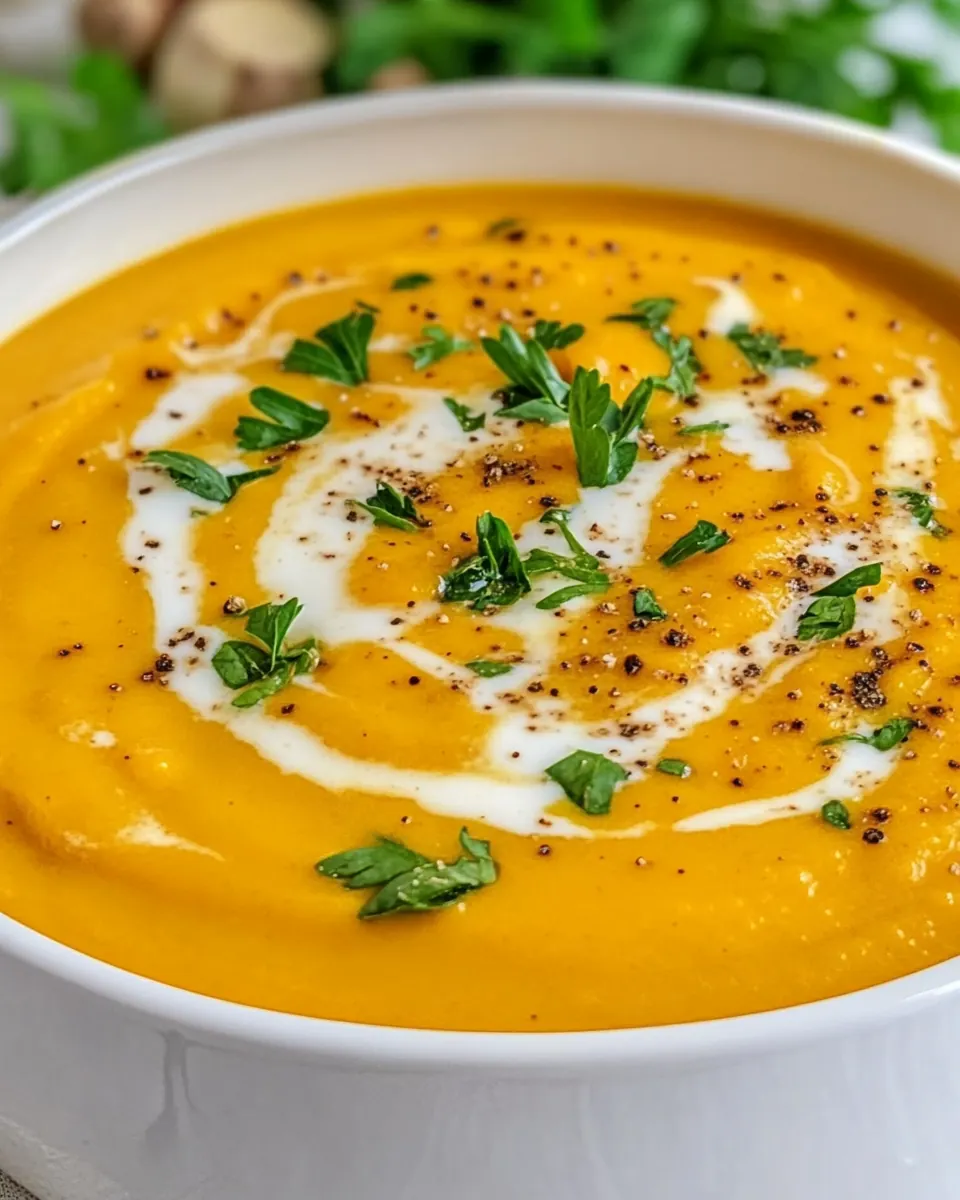
Curried Cauliflower Soup
Curried Cauliflower Soup is one of those meals I turn to when I want something comforting, bright, and surprisingly simple. The first time I made this, I was returning from a damp autumn market with a head of cauliflower tucked under my arm and a craving for warmth. I wanted a bowl that felt like a hug, but also had personality, so I leaned into curry and coconut milk to give the soup depth and silk.
That evening I chopped a modest onion and minced a couple of garlic cloves while the house filled with heady spice aromas. The combination of sautéed onion, toasted curry powder, and the faint heat from cayenne pepper reminded me of a street stall I once visited, where a single ladle of soup wrapped you in warmth. As the cauliflower simmered in bubbling vegetable broth, I found the kitchen slowly shifting from chilly to cozy.
I love how adaptable this recipe is. It lets the creamy texture of the pureed cauliflower sing while coconut adds a gentle sweetness, and a sprinkle of fresh cilantro at the end wakes everything up. Every spoonful feels indulgent yet light enough for a weeknight. Over time I refined small touches, like the moment to add the coconut milk so it stays silky, and how long to let the spices bloom so they are fragrant but not bitter. If you crave a soothing bowl that still has character, Curried Cauliflower Soup will become a repeat favorite.
Recipe Snapshot
45 mins
15 mins
30 mins
Medium
220 kcal
Indian Inspired
Keto, Gluten-Free
Soups
Large pot, Immersion blender, Wooden spoon
What We Adore About This Curried Cauliflower Soup
Spiced Comfort Without Fuss
I adore this soup because it marries deep spice flavor with effortless technique. The way the curry powder blooms in hot olive oil produces a fragrant base that tastes far more complex than the time invested. I often say that a small handful of spices can completely transform humble ingredients, and here the cauliflower becomes rich and layered rather than bland.
Silky Texture, Light Finish
The puréeing step gives the soup a luxurious mouthfeel similar to cream based soups, but it remains light thanks to the use of light coconut milk rather than heavy cream. I appreciate this balance because it feels indulgent without being heavy, which makes it ideal for both weeknight dinners and when I want something restorative after a long day.
Quick and Pantry Friendly
This is a recipe I can usually make without a special trip to the store. Most of the spices are pantry staples for me, and the rest are common produce items. When life is busy, I love that I can pull this together in under an hour, achieving restaurant worthy flavor with minimal fuss.
Versatile for Serving
I find this soup works in many contexts, whether as a warming starter or the main at a light lunch. The garnish of chopped cilantro brightens each bowl, and the soup pairs well with simple sides. It photographs beautifully too, which makes it great for sharing with friends or saving for later entertaining.
Great for Seasonal Eating
During the cooler months I reach for cauliflower often. It soaks up spice and broth wonderfully, making this soup a seasonal staple. The spices bring warmth while the coconut lends a hint of tropical comfort, creating a balanced profile that feels both familiar and novel.
Everything You Need for Curried Cauliflower Soup
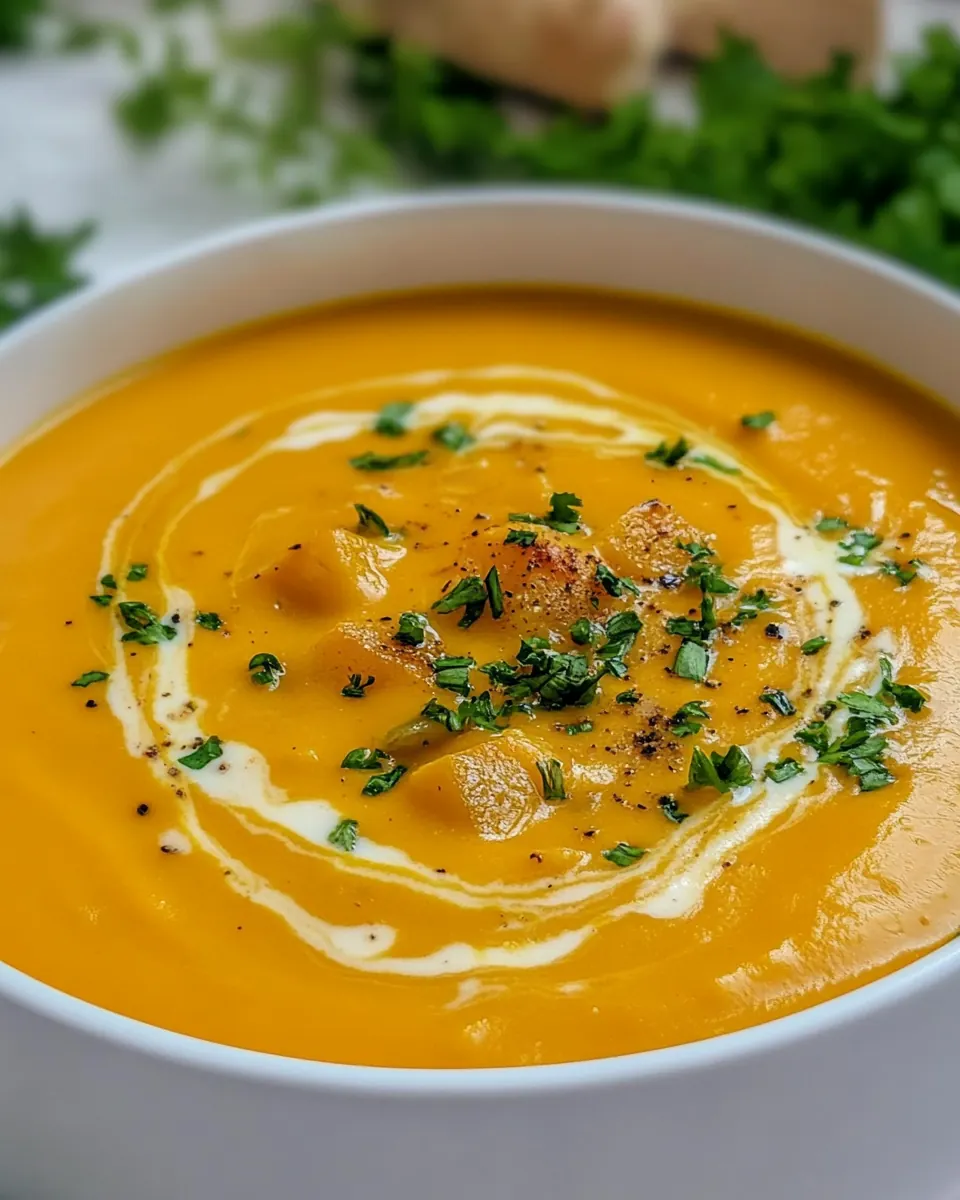
I choose ingredients that are straightforward and complementary. The backbone is cauliflower and vegetable broth, which provide body and liquid base, while spices like curry powder, turmeric, and a touch of cayenne pepper deliver warmth and complexity. Coconut milk softens the edges and yields a creamy texture without dairy. The rest are small players that amplify aroma and balance, like the sautéed onion and minced garlic.
- 1 1/2 tablespoons olive oil: Heat gently and provide a cooking medium to sauté aromatics and spices; contributes healthy fats and helps bloom curry flavors for the soup.
- 1 small yellow onion chopped: Sauté chopped to soften and sweeten while forming the flavor base; adds mild oniony depth and body when cooked until translucent.
- 2 cloves garlic minced: Mince finely to release pungent aromatics; adds sharp, savory notes that balance the curry and enhance overall aroma during sautéing.
- 1/2 teaspoon dried ginger: Add sparingly as a warm, slightly sweet spice to complement curry powder; provides subtle heat and a gingery backbone without fresh root.
- 1/8 teaspoon cayenne pepper: Sprinkle in small amounts to introduce concentrated heat and brightness; helps lift the curry profile and adds a clean spicy kick.
- 1/4 teaspoon turmeric: Stir in for warm earthy color and gentle bitterness; enhances the curry blend and contributes a subtle golden hue to the soup.
- 1 1/2 tablespoons curry powder: Toast briefly in oil to bloom complex flavors and create the central spice character; provides the signature curry taste and aromatic depth.
- Florets of 1 large head cauliflower: Separate into florets to cook evenly and become tender; supplies the main body and vegetable texture that the soup highlights.
- 4 cups vegetable broth: Pour as the primary liquid to simmer and infuse flavors; offers a savory base that thins the soup and allows vegetables to cook through.
- 1 1/4 cup light coconut milk: Add for creamy richness and subtle coconut sweetness; rounds out spices and gives the soup a smooth, silky mouthfeel without dairy.
- Salt to taste: Season to personal preference to enhance and balance flavors; brings out sweetness and reduces bitterness when adjusted carefully.
- Freshly ground black pepper to taste: Grind freshly to add subtle heat and aromatic complexity; sharpens flavors and offers a contrasting bite against creamy coconut.
- Freshly chopped cilantro for garnish: Garnish freshly chopped to add bright herbal notes and a fresh finish; provides color contrast and a hint of citrusy, green aroma.
Step by Step Guide for Curried Cauliflower Soup
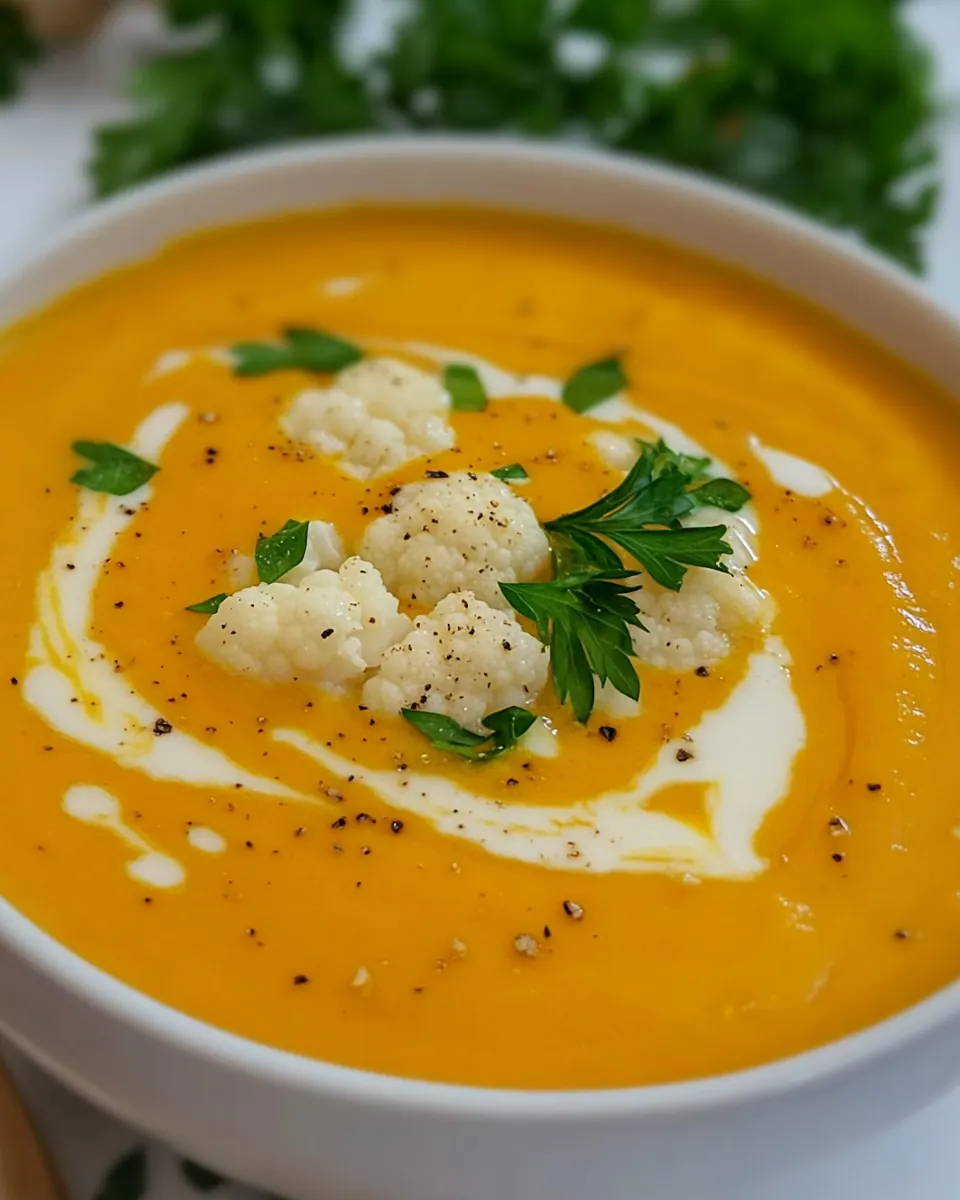
These steps will guide you through building flavor, coaxing softness from the cauliflower, and finishing with a silky texture. I recommend reading through the list before you begin so your timings and mise en place are smooth.
- Heat a large pot over medium heat. Add oil. Once the oil is shimmering, add diced onion, minced garlic, dried ginger, cayenne, and turmeric.: The moment the olive oil shimmers you will notice a faint aroma rising, signaling the ideal time to add aromatics. As the onion hits the pan it should sizzle softly, and within a minute you will smell a sweet, caramel undertone beginning to form. The garlic and dried ginger will become fragrant quickly, but keep the heat controlled to avoid burning which causes bitterness. Stir gently to coat everything in oil, and maintain a medium temperature so the spices infuse rather than scorch. A common mistake here is rushing with high heat, which can brown the garlic unevenly; if you see dark flecks, lower the heat and scrape them away.
- Sauté until onion is translucent, about 5 minutes. Stir in curry powder and mix to combine. Cook for another minute.: As the onion turns soft and translucent you will notice a sweeter aroma and a slightly sticky sound as sugars release. This is the cue to add the curry powder , which should hiss gently as it meets the warm oil, releasing essential oils that make the dish aromatic. Stir continuously for the ensuing minute so the powder toasts evenly, becoming fragrant without burning. This step awakens the spices and deepens the flavor profile. Avoid leaving the spice in the pan unattended, as even short exposure to high heat can turn spices acrid.
- Once the vegetables and spices are aromatic, add cauliflower florets and vegetable broth to the pot. Bring to a boil, then reduce heat.: When the spices and aromatics are singing, add the prepared cauliflower florets and pour in the vegetable broth . The pot will create a gentle chorus of bubbling as it comes to a boil, and you should see the liquid shimmer and steam rise. Bringing the mixture to a boil briefly helps the temperature climb quickly, then reducing the heat to a simmer ensures even cooking so the cauliflower softens without breaking down unusably. Resist the urge to cook too vigorously, which can produce stringy, less creamy results once pureed.
- Simmer the mixture for 25 minutes or until the cauliflower has softened.: During the simmer you will notice the broth reducing slightly and the scent becoming fuller and more integrated. A fork should slide into a floret with little resistance when the cauliflower is ready. This long, gentle simmer allows the starches to release, which later contribute to a velvety texture after puréeing. If the soup seems to thicken too much, add a splash more vegetable broth , and if the florets are not soft enough at 25 minutes, give them a few more minutes rather than raising the heat, which can affect texture negatively.
- Purée the soup with an immersion blender. Once smooth, stir in coconut milk; season with salt and pepper and adjust seasonings as needed.: Blending transforms the mixture into a creamy, cohesive soup. As you run the immersion blender you will hear a steady hum and see the color lighten and texture become silky. Add the light coconut milk after puréeing for a glossy finish, and then season with salt and freshly ground black pepper . Taste iteratively, because spices concentrate as the soup cools slightly. A common pitfall is adding the coconut milk too early and over blending, which can emulsify differently; adding it post blend keeps the texture smooth and the flavor balanced.
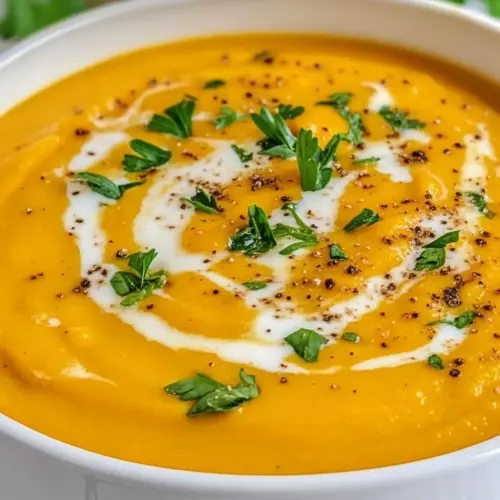
- Remove from heat once the soup is back up to temperature. Serve the soup hot, garnished with chopped fresh cilantro.: After stirring the coconut milk in, heat the soup gently just until it returns to serving temperature, you will notice steam rising and small bubbles at the edge. Transfer to bowls and sprinkle chopped cilantro for a fresh, herbal lift. Letting it sit too long off heat can mute the spices, so serve while warm. One common mistake is reheating quickly on high which can change the mouthfeel, so rewarm gently if needed.
Ways to Customize
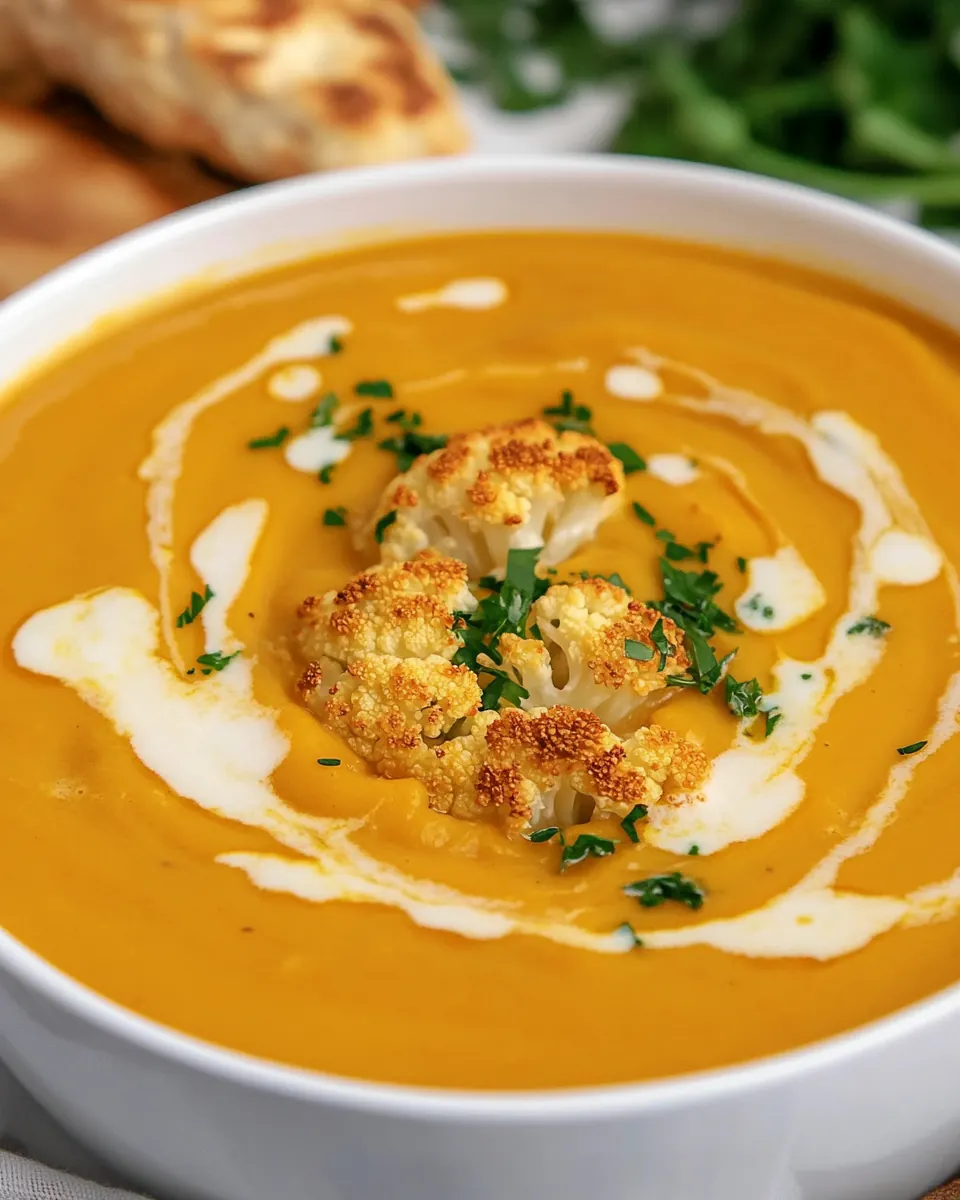
This soup is a flexible canvas. Small adjustments to spice levels, texture, and garnishes let you tailor it to your mood or the occasion. Below are practical ways to personalize bowls while keeping the core character intact.
- Boost heat by adding a bit more cayenne pepper or a pinch of chili flakes when you sauté the aromatics for a spicier profile.
- Make it richer by stirring in an extra two tablespoons of light coconut milk just before serving, which enhances silkiness without overwhelming the flavors.
- Adjust texture by blending less for a chunkier version, or longer for an ultra smooth finish; use an immersion blender or blender depending on the texture you prefer.
- Enhance aroma by adding a squeeze of citrus at the end on the spoon, which brightens the spices and balances the creaminess.
- Create a fuller meal by serving the soup with a hearty slice of toasted bread or a simple grain side to make it more satiating.
Pairing Suggestions for Curried Cauliflower Soup
This soup pairs well with simple sides and suits multiple occasions from weeknight dinners to cozy seasonal meals. Use contrasting textures and fresh herbs to elevate each bowl. Below are ideas for service, storage, and seasonal context.
- Side breads: Serve with warm crusty bread or a sliced baguette, which is perfect for dipping and balances the creamy texture of the soup.
- Light lunch: Offer alongside a small salad featuring crisp greens, lemon vinaigrette, and toasted seeds for a refreshing contrast to the warm, spiced soup.
- Dinner starter: Present the soup as a first course for a multi course meal, where its aromatic spices prepare the palate for richer main dishes.
- Seasonal serving: In cooler months, pair with roasted root vegetables or a grain pilaf to create a comforting, autumnal plate that complements the fall harvest feel.
- Storage tips: Cool the soup to room temperature, then refrigerate in an airtight container for up to four days. Reheat gently over low heat, stirring in a splash of vegetable broth if it thickens.
- Make ahead: The soup stores well and flavors meld overnight, so it is ideal for preparing a day in advance when you want quick weeknight servings.
FAQ
Conclusion
This Curried Cauliflower Soup stands out for its ability to deliver deep, layered spice with minimal effort while maintaining a silky, comforting texture. I encourage you to try it because it strikes a beautiful balance between warmth and brightness, and it is versatile enough for weeknight dinners or a cozy seasonal meal. Whether you follow the recipe exactly or tweak the spice level to suit your palate, this soup rewards small adjustments and will likely become a reliable favorite in your cooking rotation.
Curried Cauliflower Soup
Equipment
- Large Pot
- Immersion Blender
- Wooden Spoon
Ingredients
- 1 1/2 tablespoons olive oil Heat gently and provide a cooking medium to sauté aromatics and spices; contributes healthy fats and helps bloom curry flavors for the soup.
- 1 small yellow onion chopped Sauté chopped to soften and sweeten while forming the flavor base; adds mild oniony depth and body when cooked until translucent.
- 2 cloves garlic minced Mince finely to release pungent aromatics; adds sharp, savory notes that balance the curry and enhance overall aroma during sautéing.
- 1/2 teaspoon dried ginger Add sparingly as a warm, slightly sweet spice to complement curry powder; provides subtle heat and a gingery backbone without fresh root.
- 1/8 teaspoon cayenne pepper Sprinkle in small amounts to introduce concentrated heat and brightness; helps lift the curry profile and adds a clean spicy kick.
- 1/4 teaspoon turmeric Stir in for warm earthy color and gentle bitterness; enhances the curry blend and contributes a subtle golden hue to the soup.
- 1 1/2 tablespoons curry powder Toast briefly in oil to bloom complex flavors and create the central spice character; provides the signature curry taste and aromatic depth.
- Florets of 1 large head cauliflower Separate into florets to cook evenly and become tender; supplies the main body and vegetable texture that the soup highlights.
- 4 cups vegetable broth Pour as the primary liquid to simmer and infuse flavors; offers a savory base that thins the soup and allows vegetables to cook through.
- 1 1/4 cup light coconut milk Add for creamy richness and subtle coconut sweetness; rounds out spices and gives the soup a smooth, silky mouthfeel without dairy.
- Salt to taste Season to personal preference to enhance and balance flavors; brings out sweetness and reduces bitterness when adjusted carefully.
- Freshly ground black pepper to taste Grind freshly to add subtle heat and aromatic complexity; sharpens flavors and offers a contrasting bite against creamy coconut.
- Freshly chopped cilantro for garnish Garnish freshly chopped to add bright herbal notes and a fresh finish; provides color contrast and a hint of citrusy, green aroma.
Instructions
- Heat a large pot over medium heat. Add oil. Once the oil is shimmering, add diced onion, minced garlic, dried ginger, cayenne, and turmeric.: The moment the olive oil shimmers you will notice a faint aroma rising, signaling the ideal time to add aromatics. As the onion hits the pan it should sizzle softly, and within a minute you will smell a sweet, caramel undertone beginning to form. The garlic and dried ginger will become fragrant quickly, but keep the heat controlled to avoid burning which causes bitterness. Stir gently to coat everything in oil, and maintain a medium temperature so the spices infuse rather than scorch. A common mistake here is rushing with high heat, which can brown the garlic unevenly; if you see dark flecks, lower the heat and scrape them away.
- Sauté until onion is translucent, about 5 minutes. Stir in curry powder and mix to combine. Cook for another minute.: As the onion turns soft and translucent you will notice a sweeter aroma and a slightly sticky sound as sugars release. This is the cue to add the curry powder , which should hiss gently as it meets the warm oil, releasing essential oils that make the dish aromatic. Stir continuously for the ensuing minute so the powder toasts evenly, becoming fragrant without burning. This step awakens the spices and deepens the flavor profile. Avoid leaving the spice in the pan unattended, as even short exposure to high heat can turn spices acrid.
- Once the vegetables and spices are aromatic, add cauliflower florets and vegetable broth to the pot. Bring to a boil, then reduce heat.: When the spices and aromatics are singing, add the prepared cauliflower florets and pour in the vegetable broth . The pot will create a gentle chorus of bubbling as it comes to a boil, and you should see the liquid shimmer and steam rise. Bringing the mixture to a boil briefly helps the temperature climb quickly, then reducing the heat to a simmer ensures even cooking so the cauliflower softens without breaking down unusably. Resist the urge to cook too vigorously, which can produce stringy, less creamy results once pureed.
- Simmer the mixture for 25 minutes or until the cauliflower has softened.: During the simmer you will notice the broth reducing slightly and the scent becoming fuller and more integrated. A fork should slide into a floret with little resistance when the cauliflower is ready. This long, gentle simmer allows the starches to release, which later contribute to a velvety texture after puréeing. If the soup seems to thicken too much, add a splash more vegetable broth , and if the florets are not soft enough at 25 minutes, give them a few more minutes rather than raising the heat, which can affect texture negatively.
- Purée the soup with an immersion blender. Once smooth, stir in coconut milk; season with salt and pepper and adjust seasonings as needed.: Blending transforms the mixture into a creamy, cohesive soup. As you run the immersion blender you will hear a steady hum and see the color lighten and texture become silky. Add the light coconut milk after puréeing for a glossy finish, and then season with salt and freshly ground black pepper . Taste iteratively, because spices concentrate as the soup cools slightly. A common pitfall is adding the coconut milk too early and over blending, which can emulsify differently; adding it post blend keeps the texture smooth and the flavor balanced.
- Remove from heat once the soup is back up to temperature. Serve the soup hot, garnished with chopped fresh cilantro.: After stirring the coconut milk in, heat the soup gently just until it returns to serving temperature, you will notice steam rising and small bubbles at the edge. Transfer to bowls and sprinkle chopped cilantro for a fresh, herbal lift. Letting it sit too long off heat can mute the spices, so serve while warm. One common mistake is reheating quickly on high which can change the mouthfeel, so rewarm gently if needed.
Notes
- Boost heat by adding a bit more cayenne pepper or a pinch of chili flakes when you sauté the aromatics for a spicier profile.
- Make it richer by stirring in an extra two tablespoons of light coconut milk just before serving, which enhances silkiness without overwhelming the flavors.
- Adjust texture by blending less for a chunkier version, or longer for an ultra smooth finish; use an immersion blender or blender depending on the texture you prefer.
- Enhance aroma by adding a squeeze of citrus at the end on the spoon, which brightens the spices and balances the creaminess.
- Create a fuller meal by serving the soup with a hearty slice of toasted bread or a simple grain side to make it more satiating.
