Glazed Lemon Bread
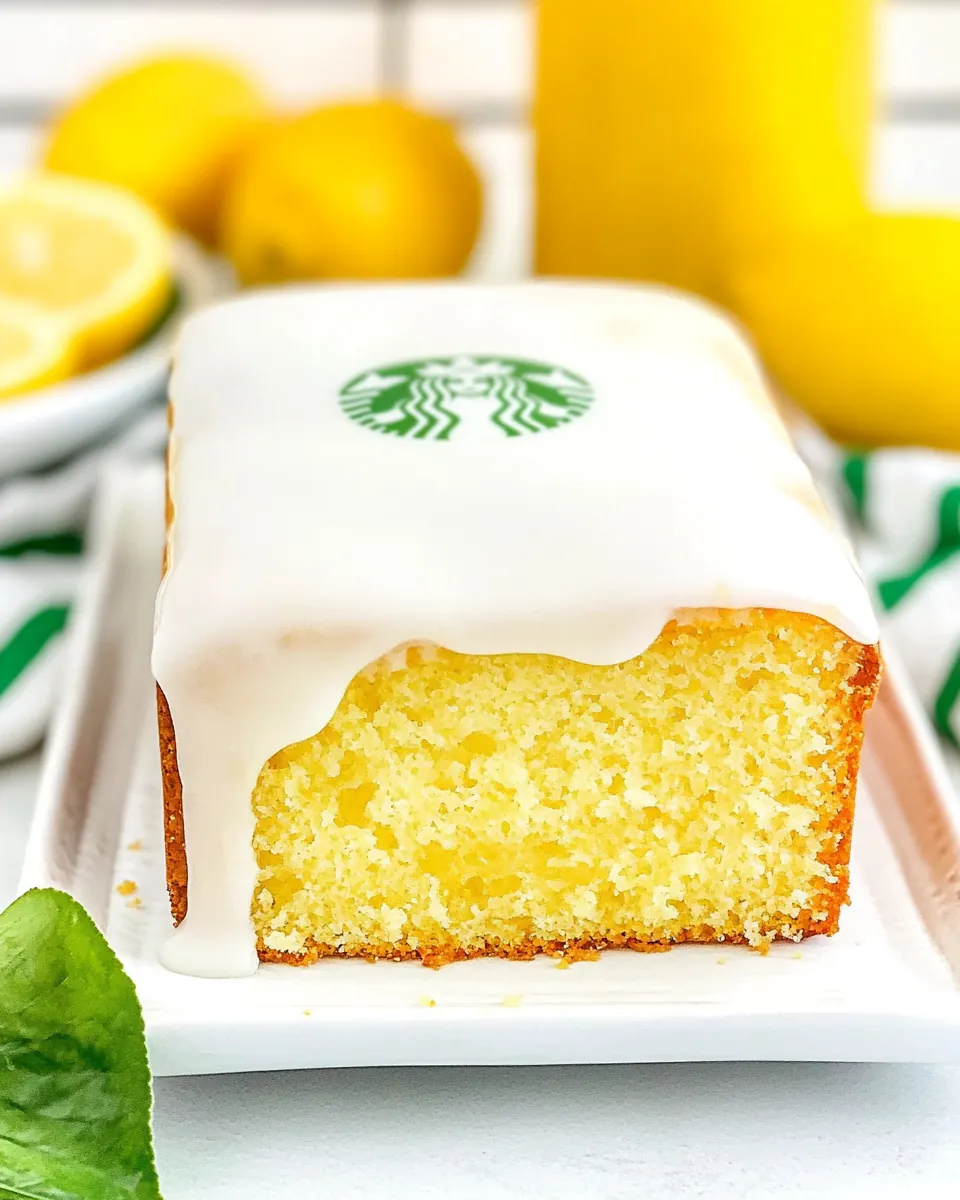
Glazed Lemon Bread is one of those loaves I reach for when I want something bright, comforting, and just a little bit nostalgic.
Years ago I baked this on a rainy afternoon while a friend visited, and the whole kitchen smelled like sunshine within minutes of pulling the pan from the oven. I remember us hovering over the cooling rack, napkins in hand, arguing gently about whether the first slice should be warm with the glaze still tacky or completely set so the crumb held together. That memory is part of why I return to this recipe often, because it moves from weekday quick treat to giftable loaf with hardly any effort.
What I love most is how approachable it is. You do not need special equipment or exotic pantry staples, just a handful of basic items and a loaf pan. The lemon flavor is lively without being harsh, and the glaze adds that glossy, sweet finish that makes each bite sing. I’ll tell you about the ingredients and techniques I swear by below, and I’ll walk you through each step with sensory details so you can recreate that buttery, citrusy arc of flavor I keep chasing.
Recipe Snapshot
50 mins
5 mins
45 mins
Medium
250 kcal
American
Gluten-Free, Low FODMAP
Desserts
Loaf Pan, Mixing Bowls, Microplate Zester
What You’ll Enjoy About This Glazed Lemon Bread
Bright, balanced lemon flavor
I love how Glazed Lemon Bread manages to taste bold without being sharp. The combination of lemon zest, lemon juice, and a measured amount of lemon extract layers citrus notes so the loaf feels vibrant from the first bite to the last. I find that this triple approach gives both fragrance and depth, so you notice lemon on the nose and on the tongue.
Simple, forgiving technique
The method is straightforward, which is a relief when you want great results without drama. I like recipes that forgive small errors, and this one does. If you whisk a little too long or fold the batter with a bit more vigor, the final crumb still comes out tender. That forgiving nature makes it ideal for bakers who want consistent success, and I often recommend it to friends who are newer to baking.
Flexible serving options
I adore how this loaf moves easily from a cozy kitchen snack to a thoughtful gift. Slice it for breakfast with a cup of coffee, tuck a mini loaf in a care package, or bring the full loaf to a gathering. The glaze sets into a pretty sheen that makes the bread look special, and you can adapt portions by using mini loaf pans when you want individual servings.
Texture that pleases everyone
The crumb is tender, slightly dense, and moist, thanks to the balance of milk, eggs, and butter. That texture is what makes it satisfying as a morning slice and also sturdy enough to hold the glaze without falling apart. I often slice a warm piece and watch how the glaze clings to the top, providing a pleasant contrast of soft cake and sugary coating.
Great for customizing
While the basic loaf is a gem, it welcomes small adjustments. I sometimes stir in fruit, and other times I keep it pure and lemon-forward. That adaptability means you can make it your own without losing what makes it special: a bright, buttery loaf finished with a glossy, citrus glaze that always gets compliments.
Ingredients Overview for Glazed Lemon Bread

These ingredients are chosen to create a tender, citrus forward loaf with a shiny, sweet finish. The key players are the bulk components that form structure, the dairy and eggs that add moisture and richness, and the citrus elements that provide the characteristic bright lemon profile. Together they balance sweetness, texture, and aroma so each slice feels both fresh and indulgent.
- 1 cups ugar: Provide sweetness and structure to the batter, helping to dissolve into the wet ingredients for even texture. Enhance browning during baking and balance the lemon flavors for the loaf.
- 1/3 cup butter, melted: Add creamy fat and moisture while contributing to a tender crumb when melted and incorporated. Help carry flavor and improve mouthfeel without making the loaf greasy.
- 3 tbsp lemon extract: Deliver concentrated citrus aroma and flavor that amplifies lemon notes without extra acidity. Intensify the overall lemon profile so the bread tastes bright and fragrant.
- 2 large eggs: Bind ingredients together while adding richness and lift from the trapped air when beaten. Contribute to a soft, cohesive crumb and help set the loaf during baking.
- 1/2 cup milk: Provide liquid to hydrate the dry ingredients, control batter consistency, and add tenderness to the finished bread. Dilute concentrated flavors and help activate leaveners for proper rise.
- 1 1/2 cup all-purpose flour: Supply the primary structure and bulk through gluten formation when mixed with liquids, giving the loaf its body and chew. Serve as the base that interacts with leavening agents to determine texture.
- 1 tsp baking powder: Act as a chemical leavener to produce carbon dioxide and lightness in the crumb, creating the desired rise. Balance density from the flour and ensure an airy, tender loaf.
- 1 1/2 tsp lemon zest: Contribute fresh citrus oils and aromatic intensity for a bright, zesty flavor and fragrant top note. Enhance perceived freshness and accentuate the lemon elements throughout the bread.
- 1 1/2 cup powdered sugar: Form a smooth, sweet glaze or dusting component that adds sweetness and a delicate finish while balancing tartness. Dissolve easily into liquids to create a glossy icing for the loaf.
- 1/4 cup lemon juice: Provide natural acidity and pronounced lemon flavor that cuts through sweetness and brightens the glaze. Add moisture and tang to balance the powdered sugar for a glossy, tart finish.
Cooking Method for Glazed Lemon Bread

We are going to move through a few simple stages, from preheating and mixing to baking and glazing. Below I expand each direction into detailed, sensory rich steps that will help you achieve a glossy, tender loaf.
- Preheat the oven to 350ºF. Line a 9×5-inch loaf pan with parchment paper and lightly spray with cooking spray. Set aside.: The warm, dry air from a preheated oven ensures the loaf begins rising immediately, giving an even, golden exterior. You should notice the oven temperature stabilize and the air inside feel noticeably warm when you open the door. Lining a loaf pan with parchment and using a light spray prevents sticking and makes removal seamless. A common mistake is skipping the parchment, which can cause edges to stick and tear when unmolding. If your oven runs hot, rotate the pan halfway through the bake to avoid overly brown corners.
- In a large bowl, whisk together sugar, melted butter, lemon extract, eggs, milk, flour, baking powder, and lemon zest. Pour batter into the prepared pan.: When you whisk these components, you should see the batter become glossy and slightly thick, with tiny suspended air bubbles. The scent of lemon extract and lemon zest will perfume the bowl, giving a preview of the final loaf. Mixing evenly ensures the baking powder disperses so the rise is uniform. Overmixing can develop gluten and make the crumb tough, so stop once the dry ingredients are incorporated. If you see streaks of flour, gently fold a few more times until smooth.
- Bake the bread for 40 to 50 minutes. Cool completely.: As the loaf bakes, the top will develop a pale golden color and the aroma of butter and lemon will become stronger, filling your kitchen. You may hear a faint crackle as the crust sets. Use a toothpick inserted into the center to check doneness; it should come out with a few moist crumbs but not wet batter. Allowing the loaf to cool completely prevents the glaze from melting into the crumb, which preserves a neat, glossy finish. A frequent error is glazing too soon while the loaf is still warm, causing a runny glaze that soaks in rather than staying on top.
- In a small bowl, whisk together powdered sugar and lemon juice. Spread over cooked cake. Garnish with more lemon zest if desired.: The glaze should be smooth and glossy, and when you whisk powdered sugar with lemon juice you will notice the texture transform from dusty to silk. Spread with a small offset spatula for an even layer, or spoon it to create soft drips. The contrast of the sugary shine against the matte crumb is part of the loaf's charm. If the glaze is too thin it will run off the edges, so adjust by adding more powdered sugar. Avoid overmixing the glaze which can make it aerated and less shiny.
Pro Tips and Tweaks

I like to share practical notes that make the process smoother and the outcome more reliable. Below are expanded tips based on hands on experience with this loaf, highlighting small changes that produce consistently excellent results.
- Use fresh citrus: Fresh lemon zest and lemon juice give the loaf the most vibrant aroma and flavor, far superior to bottled juice or dried zest.
- Check your leavening: If your baking powder has been in the pantry for a while, replace it to ensure full rise and a light crumb.
- Adjust glaze consistency: For a thicker glaze that clings, add more powdered sugar; for a thinner sheen, add a few drops of lemon juice until you reach the desired flow.
- Try mini loaf pans: Baking in mini pans shortens bake time and creates portable gifts, just watch the internal temperature and reduce the time accordingly.
- Fold gently: When combining wet and dry ingredients, fold until just combined to avoid developing gluten and creating a dense texture.
Serving Suggestions
This loaf adapts to many occasions, from a casual breakfast to a small celebration. Below I outline serving approaches, storage ideas, and pairing suggestions to help you present the loaf well for different moments.
- Breakfast or brunch: Serve slices warm with a cup of coffee or tea, offering a balanced sweet and tangy start to the day.
- Afternoon tea: Present thin slices on a platter with delicate napkins for a light, citrusy accompaniment to tea.
- Gifting: Wrap a cooled mini loaf in parchment and a ribbon for an attractive homemade present that stays fresh for days.
- Storage: Store leftover slices in an airtight container at room temperature; once glazed and wrapped tightly, the loaf freezes well for up to three months.
- Occasions: Great for spring gatherings when citrus feels seasonal, for potlucks, or when you want an easy, elegant dessert or snack.
FAQ
Conclusion
What makes this recipe special is its ability to marry bright citrus flavor with a tender, buttery loaf that feels both simple and refined. The glossy lemon glaze is the finishing touch that elevates each slice, making it suitable for a weekday treat or a small celebration. I encourage you to give it a try, taking pleasure in the small, sensory moments as the lemon aroma fills your kitchen and the first slice reveals a soft, fragrant crumb. Enjoy sharing it, or keep it all to yourself for quiet, citrusy comfort.
Glazed Lemon Bread
Equipment
- Loaf Pan
- Mixing Bowls
- Microplate Zester
Ingredients
- 1 cups ugar Provide sweetness and structure to the batter, helping to dissolve into the wet ingredients for even texture. Enhance browning during baking and balance the lemon flavors for the loaf.
- 1/3 cup butter, melted Add creamy fat and moisture while contributing to a tender crumb when melted and incorporated. Help carry flavor and improve mouthfeel without making the loaf greasy.
- 3 tbsp lemon extract Deliver concentrated citrus aroma and flavor that amplifies lemon notes without extra acidity. Intensify the overall lemon profile so the bread tastes bright and fragrant.
- 2 large eggs Bind ingredients together while adding richness and lift from the trapped air when beaten. Contribute to a soft, cohesive crumb and help set the loaf during baking.
- 1/2 cup milk Provide liquid to hydrate the dry ingredients, control batter consistency, and add tenderness to the finished bread. Dilute concentrated flavors and help activate leaveners for proper rise.
- 1 1/2 cup all-purpose flour Supply the primary structure and bulk through gluten formation when mixed with liquids, giving the loaf its body and chew. Serve as the base that interacts with leavening agents to determine texture.
- 1 tsp baking powder Act as a chemical leavener to produce carbon dioxide and lightness in the crumb, creating the desired rise. Balance density from the flour and ensure an airy, tender loaf.
- 1 1/2 tsp lemon zest Contribute fresh citrus oils and aromatic intensity for a bright, zesty flavor and fragrant top note. Enhance perceived freshness and accentuate the lemon elements throughout the bread.
- 1 1/2 cup powdered sugar Form a smooth, sweet glaze or dusting component that adds sweetness and a delicate finish while balancing tartness. Dissolve easily into liquids to create a glossy icing for the loaf.
- 1/4 cup lemon juice Provide natural acidity and pronounced lemon flavor that cuts through sweetness and brightens the glaze. Add moisture and tang to balance the powdered sugar for a glossy, tart finish.
Instructions
- Preheat the oven to 350ºF. Line a 9×5-inch loaf pan with parchment paper and lightly spray with cooking spray. Set aside.: The warm, dry air from a preheated oven ensures the loaf begins rising immediately, giving an even, golden exterior. You should notice the oven temperature stabilize and the air inside feel noticeably warm when you open the door. Lining a loaf pan with parchment and using a light spray prevents sticking and makes removal seamless. A common mistake is skipping the parchment, which can cause edges to stick and tear when unmolding. If your oven runs hot, rotate the pan halfway through the bake to avoid overly brown corners.
- In a large bowl, whisk together sugar, melted butter, lemon extract, eggs, milk, flour, baking powder, and lemon zest. Pour batter into the prepared pan.: When you whisk these components, you should see the batter become glossy and slightly thick, with tiny suspended air bubbles. The scent of lemon extract and lemon zest will perfume the bowl, giving a preview of the final loaf. Mixing evenly ensures the baking powder disperses so the rise is uniform. Overmixing can develop gluten and make the crumb tough, so stop once the dry ingredients are incorporated. If you see streaks of flour, gently fold a few more times until smooth.
- Bake the bread for 40 to 50 minutes. Cool completely.: As the loaf bakes, the top will develop a pale golden color and the aroma of butter and lemon will become stronger, filling your kitchen. You may hear a faint crackle as the crust sets. Use a toothpick inserted into the center to check doneness; it should come out with a few moist crumbs but not wet batter. Allowing the loaf to cool completely prevents the glaze from melting into the crumb, which preserves a neat, glossy finish. A frequent error is glazing too soon while the loaf is still warm, causing a runny glaze that soaks in rather than staying on top.
- In a small bowl, whisk together powdered sugar and lemon juice. Spread over cooked cake. Garnish with more lemon zest if desired.: The glaze should be smooth and glossy, and when you whisk powdered sugar with lemon juice you will notice the texture transform from dusty to silk. Spread with a small offset spatula for an even layer, or spoon it to create soft drips. The contrast of the sugary shine against the matte crumb is part of the loaf's charm. If the glaze is too thin it will run off the edges, so adjust by adding more powdered sugar. Avoid overmixing the glaze which can make it aerated and less shiny.
Notes
- Use fresh citrus: Fresh lemon zest and lemon juice give the loaf the most vibrant aroma and flavor, far superior to bottled juice or dried zest.
- Check your leavening: If your baking powder has been in the pantry for a while, replace it to ensure full rise and a light crumb.
- Adjust glaze consistency: For a thicker glaze that clings, add more powdered sugar; for a thinner sheen, add a few drops of lemon juice until you reach the desired flow.
- Try mini loaf pans: Baking in mini pans shortens bake time and creates portable gifts, just watch the internal temperature and reduce the time accordingly.
- Fold gently: When combining wet and dry ingredients, fold until just combined to avoid developing gluten and creating a dense texture.