
Minestrone Soup
Minestrone Soup is the kind of bowl I turn to when I want comfort that feels honest and homemade, the sort of meal that makes the kitchen smell like a well loved home for hours.
Growing up my neighbor taught me how to stretch a few pantry staples into something nourishing and full of texture, and this version of Minestrone Soup carries that same spirit. I remember stirring a big pot on a cold afternoon while the kids did homework at the table, the air filled with a garlic free vegetable aroma, the promise of something warm to come. That memory shaped how I cook this soup now, with patience and a focus on balancing soft and firm vegetables so each spoonful delivers a variety of bite and broth.
When I make Minestrone Soup I like to keep it approachable, letting the flavors breathe rather than forcing them. The canned tomatoes bring a bright anchor, the beans add creamy heft, and the Parmesan rind quietly rounds everything without overtaking the vegetables. I often ladle it into mismatched bowls and invite neighbors over, because soup like this begs to be shared.
Recipe Snapshot
1 hr 40 mins
20 mins
80 mins
Medium
200 kcal
Italian
Gluten-Free, Vegan
Soups
Large stockpot or Dutch oven, Slotted spoon or tongs
What We Adore About This Minestrone Soup
Hearty, not heavy
I love how Minestrone Soup fills you up without weighing you down. The combination of starchy potato, tender zucchini, and creamy cannellini beans creates a satisfying mouthfeel, while the broth stays light and sipable. This is a bowl I reach for when I want a full meal that still feels wholesome and vibrant.
Pantry friendly and flexible
One of the best things about this recipe is how forgiving it is. With simple staples like canned tomatoes, dried pantry beans, and basic vegetables, you can pull together a worthwhile dinner with little planning. I appreciate recipes that let me improvise when life gets busy, and this one rewards small substitutions while keeping its soul intact.
Layered flavors from gentle techniques
I adore the slow simmer that builds depth. Cooking the vegetables gently with the Parmesan cheese rind infuses the broth with savory nuance, and the final stir of pesto brightens everything. The technique is simple, but it pays off with complex, cozy flavors that feel like they took longer than they did.
Textural variety in every spoon
From the soft ribbons of spinach to the bite of diced potato and the tender chew of zucchini, each spoonful offers contrast. I love that you can taste the individual vegetables while still enjoying a cohesive bowl, and that balance is what keeps people coming back for seconds.
Comfort with a bright finish
Finishing the pot with a splash of pesto is my favorite trick. It adds herbaceous lift and a tiny hit of oil that carries aromas across the entire bowl. That last step transforms a good soup into something memorable, and I always nudge friends to try it the first time they taste my version.
Essential Ingredients for Minestrone Soup
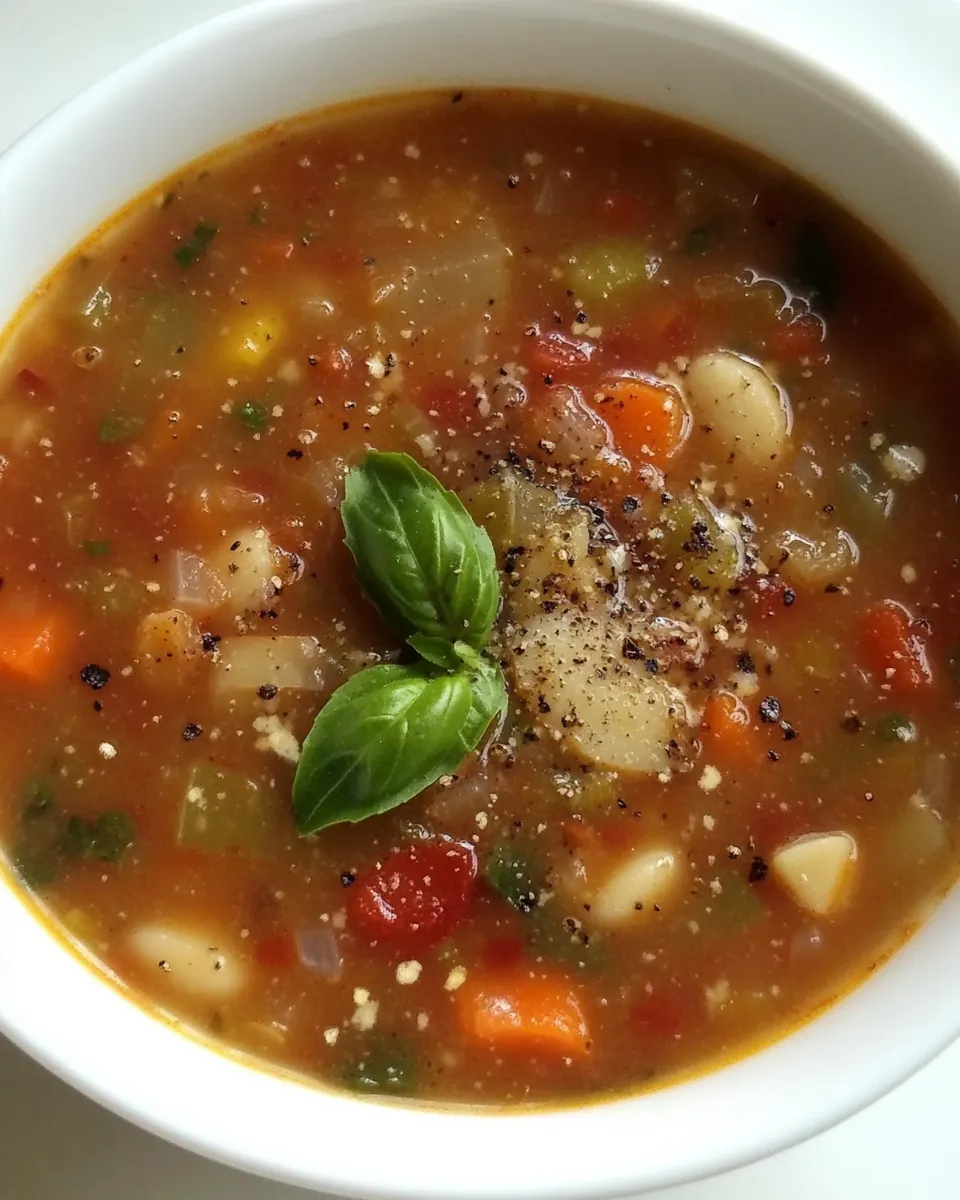
These ingredients form the backbone of a classic, homey Minestrone Soup. They work together to create a broth that is both savory and bright, with starches to satisfy and greens to refresh. The canned tomatoes provide acidity, the Parmesan cheese rind supplies umami, and the cannellini beans lend creaminess. Each element has a role, and the combined effect is more than the sum of its parts.
- 2 small leeks, or 1 large, white and light green parts sliced thin crosswise (about 3/4 cup): Slice thinly and sauté gently to release a mild, onion-like sweetness; contributes aromatic depth and a delicate texture that melds with other vegetables when simmered in the soup. Use only the white and light green parts to maintain a tender mouthfeel and avoid bitter toughness from darker greens.
- 2 medium carrots, peeled and chopped small (about 3/4 cup): Peel and chop small to add natural sweetness, color, and a tender bite; helps build the soup's foundational mirepoix flavor when cooked until just softened. Provides balancing sugars that complement the savory tomato base and beans.
- 2 small onions, peeled and chopped small (about 3/4 cup): Peel and chop small to supply savory pungency and foundational flavor; forms part of the classic aromatic base that deepens when sweated or lightly caramelized. Enhances overall complexity and complements the leeks and celery.
- 2 medium stalks celery, trimmed and chopped small (about 3/4 cup): Trim and chop small to contribute crisp, herbaceous notes and a slight vegetal crunch; pairs with onions and carrots to form the aromatic backbone of the soup. Releases subtle savory juices that round out the broth as it simmers.
- 1 medium baking potato, peeled and cut into 1/2-inch dice (about 1 1/4 cups): Peel and dice to provide body and creamy texture as the starches break down during cooking; helps thicken the broth slightly and adds hearty substance. Absorbs flavors from the tomatoes and parmesan rind for cohesive mouthfeel.
- 1 medium zucchini, trimmed and chopped medium (about 1 1/4 cups): Trim and chop to add tender, slightly sweet summer vegetable flavor and pleasant textural contrast; holds its shape when simmered briefly and brightens the pot with fresh notes. Complements the potato and greens while balancing heavier components.
- 3 cups (90 g) stemmed spinach leaves, cut into thin strips: Stem and thinly slice to introduce bright, leafy freshness and a tender, slightly mineral flavor; wilts quickly in hot broth to add nutrition and a pop of green color. Integrates with the pesto and tomatoes for layered vegetable taste.
- 28 ounces (793.79 g) canned whole tomatoes packed in juice, drained and chopped: Drain and chop to supply concentrated, acidic tomato flavor and rich umami that forms the soup's backbone; canned whole tomatoes offer texture and body while their juices deepen the broth. Chop roughly to disperse tomato pieces evenly throughout the soup.
- 8 cups (2 l) water: Measure and add as the cooking liquid to create the soup's base and control consistency; dilutes concentrated flavors and ensures proper simmering of vegetables and beans. Use hot or room-temperature water to achieve the desired broth clarity.
- 1 Parmesan cheese rind, about 5 by 2 inches: Add the rind to the simmering pot to impart savory, nutty umami and cheese-infused depth to the broth; simmer for at least part of the cooking time to extract flavor, then remove before serving. Acts as a natural flavor enhancer that enriches the entire soup.
- 1 teaspoon salt: Measure and season the pot to enhance and balance all ingredients; dissolves into the broth to elevate savory and sweet components while controlling overall taste. Adjust amount to preference after simmering and tasting.
- 15 ounces (425.24 g) canned cannellini beans, drained and rinsed: Drain and rinse to contribute creamy texture, plant-based protein, and mild, nutty flavor; adds substance and heartiness while absorbing the soup's seasonings. Use rinsed beans to reduce excess sodium and improve broth clarity.
- 1/4 cup (62 g) pesto, homemade or store-bought: Spoon in at the end or swirl into individual bowls to introduce concentrated basil, garlic, and cheese flavors; adds aromatic freshness and a burst of herbaceous fat that finishes the soup. Use sparingly to control intensity and maintain balance.
Putting Together Minestrone Soup

Bringing this Minestrone Soup together is straightforward but benefits from attention to timing. The goal is tender vegetables that still hold shape, a broth with rounded savory notes, and a finishing hit of herbal brightness. Below I explain each stage with sensory cues and troubleshooting notes so you can cook with confidence.
- Bring the leeks, carrots, onion, celery, potato, zucchini, spinach, tomatoes, water, cheese rind, and salt to a boil in a large stockpot or Dutch oven. Reduce the heat to medium-low and simmer, uncovered, stirring occasionally, until the vegetables are tender but still hold their shape, about 1 hour. Remove and discard the cheese rind.: The pot will start with a chorus of small bubbling sounds as the water warms and the aromas of leeks and onions lift into the air, sweet and vegetal. As the temperature climbs you will see small steam clouds and the surface begin to ripple, signaling the transition from gentle heat to active boiling. This step lets the ingredients begin to mingle so the broth can extract flavor from the vegetables and the Parmesan cheese rind . Stir gently to combine, ensuring the diced potato and chopped carrot sink into the liquid and cook evenly. A common mistake here is rushing the boil, which can cause uneven cooking or splattering. Keep an eye on the pot, and use a spoon to skim any foam that gathers on top for a cleaner broth.
- Add the beans and cook just until heated through, about 5 minutes. Remove the pot from the heat. Stir in the pesto. Adjust the seasonings, adding pepper and more salt, if necessary. Serve immediately.: The simmer should feel like a gentle whisper of bubbles rising to the surface, not a roar. During this long, slow cook the broth deepens, the Parmesan cheese rind releases savory notes, and the vegetables soften while maintaining texture. You will notice the scent growing warmer and more rounded, with the tomato sweetness balancing the vegetal notes. Stir every so often to prevent sticking and to check the texture of the diced potato and zucchini . If pieces start falling apart, your heat is too high or the simmer ran too long. Patience is the trick here; this slow cook is what creates layered flavor rather than sharp, raw vegetable tastes.
- Remove and discard the cheese rind: When you lift the Parmesan cheese rind out, the broth will smell subtly richer, the savory backbone having been imparted. Removing it prevents an odd chewy bite in finished bowls. Use tongs or a slotted spoon and take a moment to glance at the surface for any bits you may want to skim away. A common oversight is leaving the rind in, which can surprise a guest with a too firm, waxy texture in a spoonful. Discard it and continue to taste the pot, adjusting seasoning as needed.
- Add the beans and cook just until heated through, about 5 minutes: As you fold in the drained and rinsed cannellini beans , listen for a gentle settling sound as they join the simmer. They should heat until they're warm and tender but not so long that they disintegrate and cloud the broth. The beans add creamy body and a soft, buttery texture that complements the firmer vegetables. Overcooking at this stage often leads to a pasty mouthfeel, so watch the clock and feel for slight resistance when you press a bean between your fingers to know when it is ready.
- Remove the pot from the heat: Pulling the pot off the burner ends active cooking, and the residual heat will gently finish any last softening. The steam will rise in a fragrant plume, rich with tomato and herb notes, and the surface may shimmer with a thin sheen from the vegetables and beans. Letting the pot rest briefly off heat helps flavors settle and prevents the pesto from losing its vibrancy when you add it. A mistake to avoid is leaving the pot on heat while mixing in delicate final ingredients, which can dull aromas and alter texture.
- Stir in the pesto: Adding the pesto off heat preserves its bright herb and olive oil aroma, which lifts the entire bowl. As you stir, the soup will take on a peppery, green perfume and the oil in the pesto will create little glossy ribbons on the surface. This finishing touch brightens the savory broth and ties the components together. If you stir pesto into a vigorously boiling pot, its fresh character will fade, so always add it after removing from heat.
- Adjust the seasonings, adding pepper and more salt, if necessary: Taste with a spoon and let your palate guide you. The broth might need a touch more salt to coax out the best from the vegetables, or a grind of pepper for contrast. Seasoning at the end ensures balance because the flavors have had time to develop during simmering. A common pitfall is over seasoning too early; wait until the pot has finished and remember you can always add more but cannot take it away.
- Serve immediately: Ladling the soup into bowls while it is steaming warm invites immediate enjoyment, the aromas rising and the textures shining. The ideal bowl will show tender vegetables, creamy beans, and flecks of wilted spinach . Serve with a spoon and perhaps some crusty bread if you like, though the soup stands well on its own. If you wait too long to serve, the vegetables will continue to soften and the textures will flatten, so time your bowls to go out while the soup is still vibrant.
Tips for Success

I like to share a handful of practical tips that make this Minestrone Soup sing. These suggestions come from cooking, tasting, and tweaking over many pots, and they will help you hit the right texture and flavor every time.
- Prep ingredients ahead so the long simmer is simple and relaxed, making it easy to monitor the pot and adjust seasoning without scrambling.
- Rinse canned beans to remove packing liquid, which keeps the broth cleaner and prevents excess saltiness from the tin.
- Simmer low and slow to coax out the Parmesan cheese rind flavor without breaking down vegetables, resulting in a broth with depth and clarity.
- Add delicate greens last so they retain color and slight texture, ensuring every spoonful has bright leafy notes.
- Finish with pesto off heat to preserve the fresh herbal aroma, giving the soup a lifted final impression.
Perfect Pairings for Minestrone Soup
This Minestrone Soup pairs well with simple sides and a variety of occasions, making it a versatile option for weeknight dinners or cozy weekend lunches. Think about textures and warmth when selecting what to serve alongside the bowl.
- Crusty bread for dipping, such as a rustic loaf, so you can scoop up the broth and enjoy contrasting crunchy and tender textures.
- Light green salad dressed with a lemon vinaigrette provides a bright, acidic counterpoint that refreshes the palate between spoonfuls.
- Roasted vegetables on the side for a heartier meal, especially in winter when root vegetables are in season and offer complementary sweetness.
- Family lunches or weeknight dinners, this soup is excellent for feeding a small group, offering both comfort and enough substance to serve as a main course.
- Meal prep and storage, cool the soup completely before refrigerating, and store in airtight containers for up to four days, reheating gently on the stove to preserve texture.
- Seasonal pairing, serve in winter when root vegetables are at their peak, and consider adding a squeeze of lemon when tomatoes taste less vibrant in off seasons to brighten the bowl.
FAQ
Conclusion
This Minestrone Soup shines because it balances hearty vegetables, creamy beans, and a savory broth in one comforting bowl. Give it a try on a cool evening when you need something wholesome and filling, and finish it with a spoonful of pesto to brighten the flavors. I hope this recipe becomes one of your go to soups for busy weeks and relaxed weekends, a dependable dish that warms both the body and the heart.

Minestrone Soup
Equipment
- Large stockpot or Dutch oven
- Slotted spoon or tongs
Ingredients
- 2 small leeks, or 1 large, white and light green parts sliced thin crosswise (about 3/4 cup) Slice thinly and sauté gently to release a mild, onion-like sweetness; contributes aromatic depth and a delicate texture that melds with other vegetables when simmered in the soup. Use only the white and light green parts to maintain a tender mouthfeel and avoid bitter toughness from darker greens.
- 2 medium carrots, peeled and chopped small (about 3/4 cup) Peel and chop small to add natural sweetness, color, and a tender bite; helps build the soup's foundational mirepoix flavor when cooked until just softened. Provides balancing sugars that complement the savory tomato base and beans.
- 2 small onions, peeled and chopped small (about 3/4 cup) Peel and chop small to supply savory pungency and foundational flavor; forms part of the classic aromatic base that deepens when sweated or lightly caramelized. Enhances overall complexity and complements the leeks and celery.
- 2 medium stalks celery, trimmed and chopped small (about 3/4 cup) Trim and chop small to contribute crisp, herbaceous notes and a slight vegetal crunch; pairs with onions and carrots to form the aromatic backbone of the soup. Releases subtle savory juices that round out the broth as it simmers.
- 1 medium baking potato, peeled and cut into 1/2-inch dice (about 1 1/4 cups) Peel and dice to provide body and creamy texture as the starches break down during cooking; helps thicken the broth slightly and adds hearty substance. Absorbs flavors from the tomatoes and parmesan rind for cohesive mouthfeel.
- 1 medium zucchini, trimmed and chopped medium (about 1 1/4 cups) Trim and chop to add tender, slightly sweet summer vegetable flavor and pleasant textural contrast; holds its shape when simmered briefly and brightens the pot with fresh notes. Complements the potato and greens while balancing heavier components.
- 3 cups (90 g) stemmed spinach leaves, cut into thin strips Stem and thinly slice to introduce bright, leafy freshness and a tender, slightly mineral flavor; wilts quickly in hot broth to add nutrition and a pop of green color. Integrates with the pesto and tomatoes for layered vegetable taste.
- 28 ounces (793.79 g) canned whole tomatoes packed in juice, drained and chopped Drain and chop to supply concentrated, acidic tomato flavor and rich umami that forms the soup's backbone; canned whole tomatoes offer texture and body while their juices deepen the broth. Chop roughly to disperse tomato pieces evenly throughout the soup.
- 8 cups (2 l) water Measure and add as the cooking liquid to create the soup's base and control consistency; dilutes concentrated flavors and ensures proper simmering of vegetables and beans. Use hot or room-temperature water to achieve the desired broth clarity.
- 1 Parmesan cheese rind, about 5 by 2 inches Add the rind to the simmering pot to impart savory, nutty umami and cheese-infused depth to the broth; simmer for at least part of the cooking time to extract flavor, then remove before serving. Acts as a natural flavor enhancer that enriches the entire soup.
- 1 teaspoon salt Measure and season the pot to enhance and balance all ingredients; dissolves into the broth to elevate savory and sweet components while controlling overall taste. Adjust amount to preference after simmering and tasting.
- 15 ounces (425.24 g) canned cannellini beans, drained and rinsed Drain and rinse to contribute creamy texture, plant-based protein, and mild, nutty flavor; adds substance and heartiness while absorbing the soup's seasonings. Use rinsed beans to reduce excess sodium and improve broth clarity.
- 1/4 cup (62 g) pesto, homemade or store-bought Spoon in at the end or swirl into individual bowls to introduce concentrated basil, garlic, and cheese flavors; adds aromatic freshness and a burst of herbaceous fat that finishes the soup. Use sparingly to control intensity and maintain balance.
Instructions
- Bring the leeks, carrots, onion, celery, potato, zucchini, spinach, tomatoes, water, cheese rind, and salt to a boil in a large stockpot or Dutch oven. Reduce the heat to medium-low and simmer, uncovered, stirring occasionally, until the vegetables are tender but still hold their shape, about 1 hour. Remove and discard the cheese rind.: The pot will start with a chorus of small bubbling sounds as the water warms and the aromas of leeks and onions lift into the air, sweet and vegetal. As the temperature climbs you will see small steam clouds and the surface begin to ripple, signaling the transition from gentle heat to active boiling. This step lets the ingredients begin to mingle so the broth can extract flavor from the vegetables and the Parmesan cheese rind . Stir gently to combine, ensuring the diced potato and chopped carrot sink into the liquid and cook evenly. A common mistake here is rushing the boil, which can cause uneven cooking or splattering. Keep an eye on the pot, and use a spoon to skim any foam that gathers on top for a cleaner broth.
- Add the beans and cook just until heated through, about 5 minutes. Remove the pot from the heat. Stir in the pesto. Adjust the seasonings, adding pepper and more salt, if necessary. Serve immediately.: The simmer should feel like a gentle whisper of bubbles rising to the surface, not a roar. During this long, slow cook the broth deepens, the Parmesan cheese rind releases savory notes, and the vegetables soften while maintaining texture. You will notice the scent growing warmer and more rounded, with the tomato sweetness balancing the vegetal notes. Stir every so often to prevent sticking and to check the texture of the diced potato and zucchini . If pieces start falling apart, your heat is too high or the simmer ran too long. Patience is the trick here; this slow cook is what creates layered flavor rather than sharp, raw vegetable tastes.
- Remove and discard the cheese rind: When you lift the Parmesan cheese rind out, the broth will smell subtly richer, the savory backbone having been imparted. Removing it prevents an odd chewy bite in finished bowls. Use tongs or a slotted spoon and take a moment to glance at the surface for any bits you may want to skim away. A common oversight is leaving the rind in, which can surprise a guest with a too firm, waxy texture in a spoonful. Discard it and continue to taste the pot, adjusting seasoning as needed.
- Add the beans and cook just until heated through, about 5 minutes: As you fold in the drained and rinsed cannellini beans , listen for a gentle settling sound as they join the simmer. They should heat until they're warm and tender but not so long that they disintegrate and cloud the broth. The beans add creamy body and a soft, buttery texture that complements the firmer vegetables. Overcooking at this stage often leads to a pasty mouthfeel, so watch the clock and feel for slight resistance when you press a bean between your fingers to know when it is ready.
- Remove the pot from the heat: Pulling the pot off the burner ends active cooking, and the residual heat will gently finish any last softening. The steam will rise in a fragrant plume, rich with tomato and herb notes, and the surface may shimmer with a thin sheen from the vegetables and beans. Letting the pot rest briefly off heat helps flavors settle and prevents the pesto from losing its vibrancy when you add it. A mistake to avoid is leaving the pot on heat while mixing in delicate final ingredients, which can dull aromas and alter texture.
- Stir in the pesto: Adding the pesto off heat preserves its bright herb and olive oil aroma, which lifts the entire bowl. As you stir, the soup will take on a peppery, green perfume and the oil in the pesto will create little glossy ribbons on the surface. This finishing touch brightens the savory broth and ties the components together. If you stir pesto into a vigorously boiling pot, its fresh character will fade, so always add it after removing from heat.
- Adjust the seasonings, adding pepper and more salt, if necessary: Taste with a spoon and let your palate guide you. The broth might need a touch more salt to coax out the best from the vegetables, or a grind of pepper for contrast. Seasoning at the end ensures balance because the flavors have had time to develop during simmering. A common pitfall is over seasoning too early; wait until the pot has finished and remember you can always add more but cannot take it away.
- Serve immediately: Ladling the soup into bowls while it is steaming warm invites immediate enjoyment, the aromas rising and the textures shining. The ideal bowl will show tender vegetables, creamy beans, and flecks of wilted spinach . Serve with a spoon and perhaps some crusty bread if you like, though the soup stands well on its own. If you wait too long to serve, the vegetables will continue to soften and the textures will flatten, so time your bowls to go out while the soup is still vibrant.
Notes
- Prep ingredients ahead so the long simmer is simple and relaxed, making it easy to monitor the pot and adjust seasoning without scrambling.
- Rinse canned beans to remove packing liquid, which keeps the broth cleaner and prevents excess saltiness from the tin.
- Simmer low and slow to coax out the Parmesan cheese rind flavor without breaking down vegetables, resulting in a broth with depth and clarity.
- Add delicate greens last so they retain color and slight texture, ensuring every spoonful has bright leafy notes.
- Finish with pesto off heat to preserve the fresh herbal aroma, giving the soup a lifted final impression.
