Fruit Salad Recipe
Fruit Salad Recipe has been my go to for sunny afternoons and last minute gatherings ever since I learned how a few simple choices can turn a bowl of fruit into something memorable.
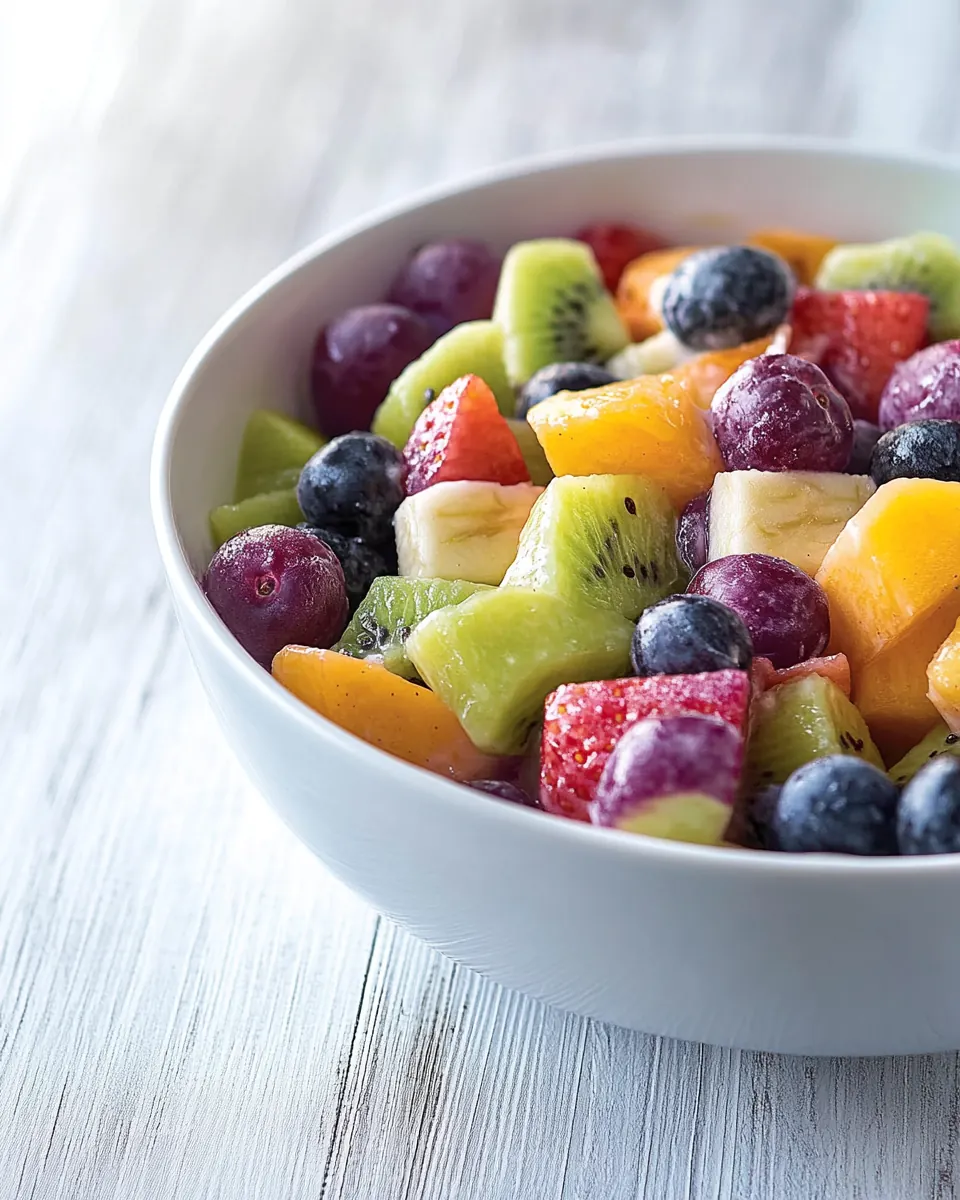
I remember the first time I tossed together this mix, a humid summer evening when friends popped by without warning. I reached for a handful of strawberries, a cup of blueberries, and a cluster of red grapes, then added a sliced banana and bright kiwis for contrast. The citrus notes from an orange and a small splash of orange juice lifted everything, while a drizzle of honey and a squeeze of lime juice brought it all together. Fresh mint leaves on top gave that final aromatic touch that made everyone pause and ask for seconds.
Over the years I have adapted the routine depending on what is in season, but the core idea remains the same: treat each fruit like a star and give it a partner in flavor. I like to balance texture and acidity so every bite is interesting. When guests arrive I often assemble the bowl quickly, then let it sit briefly so the dressing softens edges and the flavors mingle, creating a naturally sweet and tangy harmony.
Recipe Snapshot
20 mins
20 mins
Easy
150 kcal
American
Paleo, Gluten-Free
Salads
Large mixing bowl, Small bowl, Whisk, Knife, Cutting board
The Magic of This Fruit Salad Recipe
Vibrant flavor balance
I love how this Fruit Salad Recipe manages to balance sweetness and brightness without much effort. The interplay of juicy strawberries and plump blueberries with the tartness of lime juice creates a layered taste that keeps you coming back for more. I find that small additions like a spoonful of honey amplify natural sugars while the citrus prevents things from tasting flat.
Textural contrast
One of my favorite things about this Fruit Salad Recipe is the variety of textures. Soft banana slices, crisp red grapes, and the slightly firm bite of kiwis mean every forkful is different. I always look for this kind of contrast because it makes a simple dish feel thoughtfully composed.
Speed and simplicity
We can whip this Fruit Salad Recipe up in minutes, which is why I reach for it on busy days. No cooking is required, just careful washing and slicing, then a quick whisk of a small dressing. It feels luxurious, yet it is truly approachable and forgiving for cooks of any skill level.
Adaptable and seasonal
I appreciate how flexible this Fruit Salad Recipe is. I swap in whatever is ripe: berries in summer, stone fruit when available, or citrus in cooler months. That adaptability means it never gets old, and you can make it feel fancy or casual depending on the occasion.
Universally appealing
Finally, this Fruit Salad Recipe is a crowd pleaser. It works as a light dessert, a side for brunch, or a refreshing snack. I often bring it to potlucks because it travels well and most people enjoy a bright bowl of fresh fruit.
Ingredients for Fruit Salad Recipe
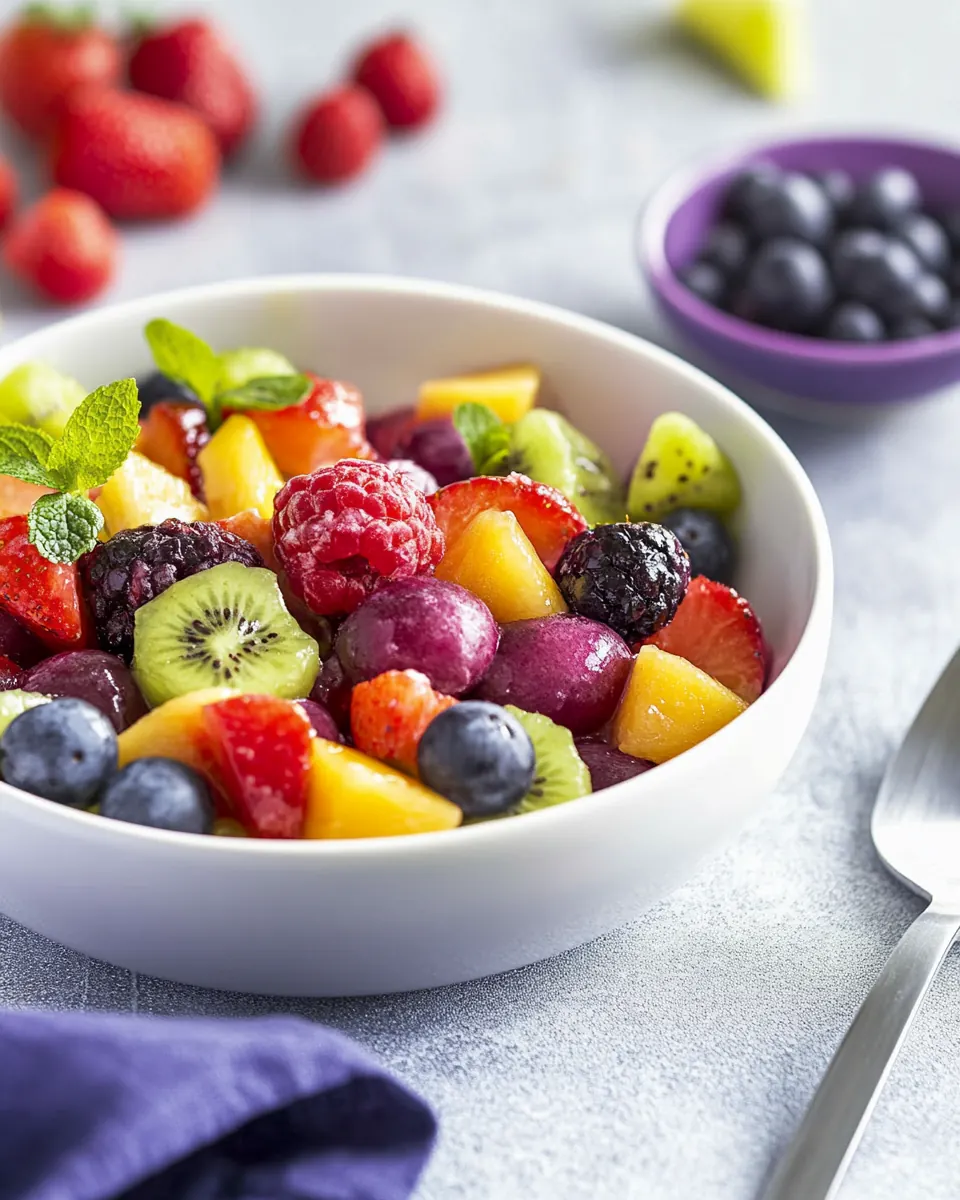
These ingredients are chosen to play well together, creating a balance of sweetness, acidity, and texture. The fruits bring natural sugars and varied bite, while the small amounts of juices and honey act as a light dressing that melds the flavors. The mint leaves are optional but they add an aromatic finish that elevates the whole bowl.
- 1 cup strawberries hulled and sliced: Adds bright, sweet-tart flavor and vibrant color while contributing juicy texture; hulled and sliced pieces blend easily with other fruits for uniform bite size. Provides natural sugars and vitamin C, enhancing overall freshness and aroma in the salad.
- 1 cup blueberries: Offers small bursts of sweet-tart flavor and deep color contrast, contributing a firm yet juicy texture that holds up well in mixtures. Supplies antioxidants and a mildly tangy note that complements softer fruits.
- 1 cup red grapes halved: Contributes a sweet, slightly tart flavor and firm texture when halved, adding pleasant bite and visual variety; skins add subtle tannic complexity. Brings natural sweetness and juiciness that balances softer or creamier elements.
- 1 large banana sliced: Provides creamy texture and mellow sweetness when sliced; softens slightly after slicing to meld with other fruits and add richness. Supplies potassium and a smooth mouthfeel that helps round out the salad's flavors.
- 2 kiwis peeled and sliced: Delivers bright, tangy-sweet flavor and pleasing texture when peeled and sliced; adds a juicy, slightly tart element that lifts the overall profile. Supplies vitamin C and a refreshing acidity that balances sweeter fruits.
- 1 orange peeled and sectioned: Adds juicy citrus brightness and segmented texture; peeled sections release fragrant oils and a sweet-tart burst that elevates freshness. Contributes vitamin C and aromatic acidity to balance sweeter elements.
- 1 tablespoon honey: Introduces concentrated sweetness and a glossy finish when drizzled over the salad; helps bind fruit juices and slightly thin dressings. Enhances flavor complexity while adding a natural sweetener and slight floral notes.
- 1/4 cup fresh orange juice: Provides additional citrus sweetness and liquid to help macerate fruits and distribute flavors evenly; adds a fresh orange aroma that brightens the mix. Helps thin any dressing and contributes vitamin C.
- 2 tablespoons fresh lime juice: Supplies sharp, tangy acidity that balances sweetness and brightens flavors; helps prevent browning of certain fruits and enhances overall freshness. Adds a zesty citrus note and helps keep the salad lively.
- Fresh mint leaves for garnish: Offers aromatic, cooling herbal notes and a pop of green color when used as garnish; fresh leaves add a fragrant finish and visual appeal. Enhances perceived freshness and complements citrus and berry flavors.
How to Make Fruit Salad Recipe
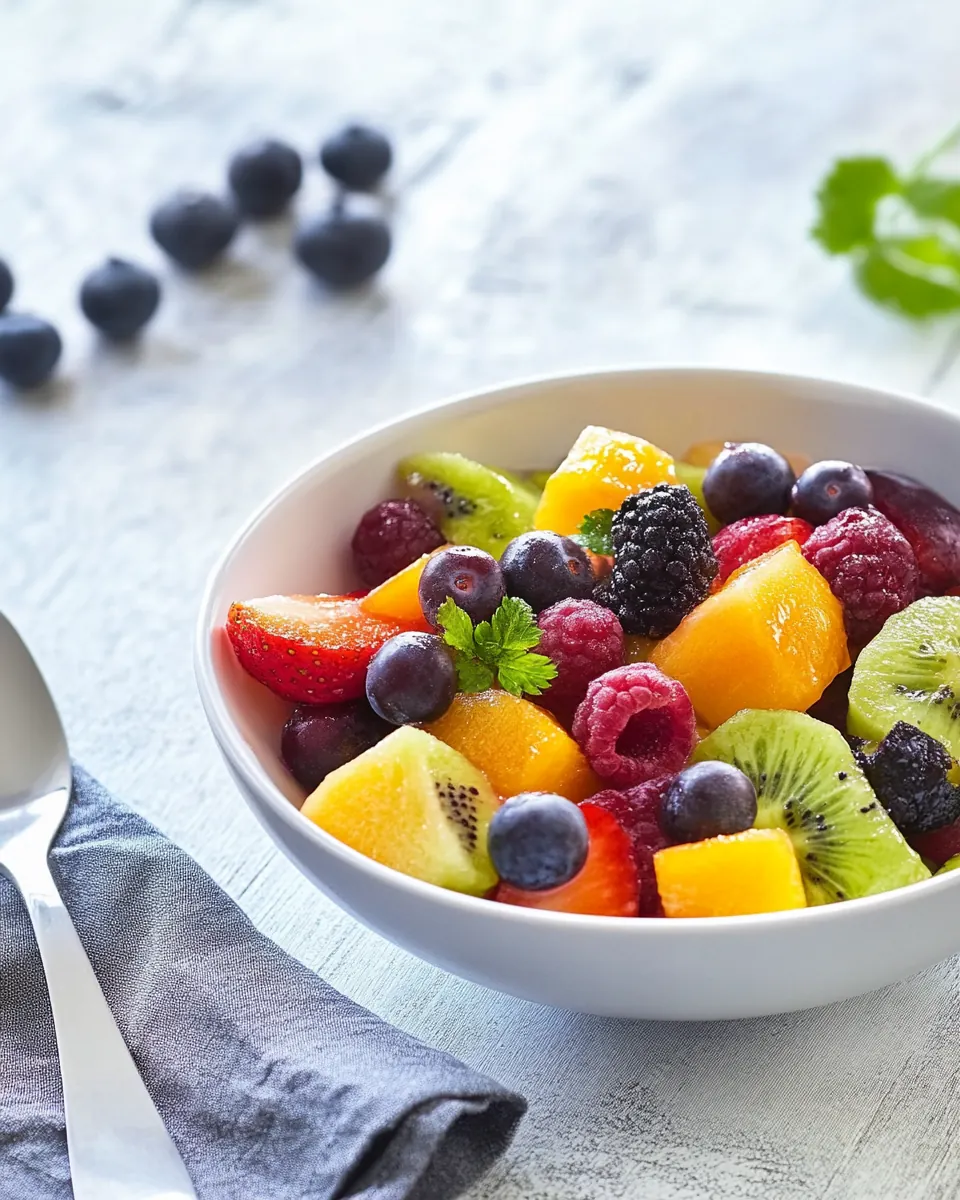
This recipe is straightforward, but a few thoughtful moves make a big difference in texture and flavor. I always take a moment to prep each fruit carefully and whisk the dressing until it feels silky. With a little attention you can transform simple ingredients into a composed, refreshing salad.
- Prepare the fruits by washing and slicing them as indicated, then combine them in a large mixing bowl.: The first sensory cue you will notice is the clean, bright scent of freshly washed strawberries and blueberries , with citrus notes from the orange . Mixing in a spacious bowl lets the pieces nestle without crushing. Why this matters, I have learned, is that crowded fruit bruises and releases too much juice, which dilutes texture. A common pitfall here is rushing the wash or using a small bowl, which results in broken berries and a watery base. As you slice, listen for a faint snap from the red grapes and watch for firm edges on the banana slices. Visually aim for varied shapes so each forkful is interesting. When combining, fold gently to preserve shape and color, and avoid vigorous stirring which can make the salad mushy.
- In a small bowl, whisk together the honey, orange juice, and lime juice until well blended.: When you whisk the dressing, you should see the honey dissolve into the citrus, forming a glossy, slightly viscous liquid that catches the light. The aroma will become brighter as the citrus oils release. The reason this simple emulsion matters is it helps the dressing coat fruit evenly rather than pool at the bottom. One mistake to avoid is adding cold, thick honey to citrus without whisking; it can clump and not incorporate evenly. If the honey resists blending, warm it briefly so it flows easily. The texture you want is smooth and slightly syrupy, which will cling gently to fruit surfaces.
- Pour the dressing over the fruit and gently toss to coat evenly. Garnish with fresh mint leaves and serve immediately or chill in the refrigerator until ready to serve.: As you pour, notice the glossy sheen as the dressing hits the cluster of fruits, and listen for soft tiviis of juice as pieces shift. Tossing should be a gentle lift and fold motion that distributes the dressing while preserving the integrity of each piece. The why here is crucial: even coating guarantees that every bite carries a balance of sweet and tart. A typical error is over tossing, which leads to crushed berries and a puddle of juice. If you encounter excess liquid collecting at the bottom, stop tossing and serve sooner, or drain a bit to retain texture. The visual cue for readiness is that all fruit surfaces have a light glaze without appearing soggy.
- Garnish with fresh mint leaves and serve immediately or chill in the refrigerator until ready to serve: The final step is aromatic and visual. Tearing a few mint leaves releases a cooling scent that complements the citrus and fruit sugars. Serving immediately presents the freshest textures, while chilling for a short time melds the flavors and slightly softens the fruit. The why is that chilling allows flavors to marry, but too long in the fridge will cause softer fruits like banana to brown and the salad to release excess liquid. A common mistake is preparing hours in advance and forgetting to add the banana last, which results in an unattractive brown color. For best results, wait to add delicate ingredients shortly before serving and keep the bowl covered and chilled if you need to hold it for any length of time.
Helpful Hints
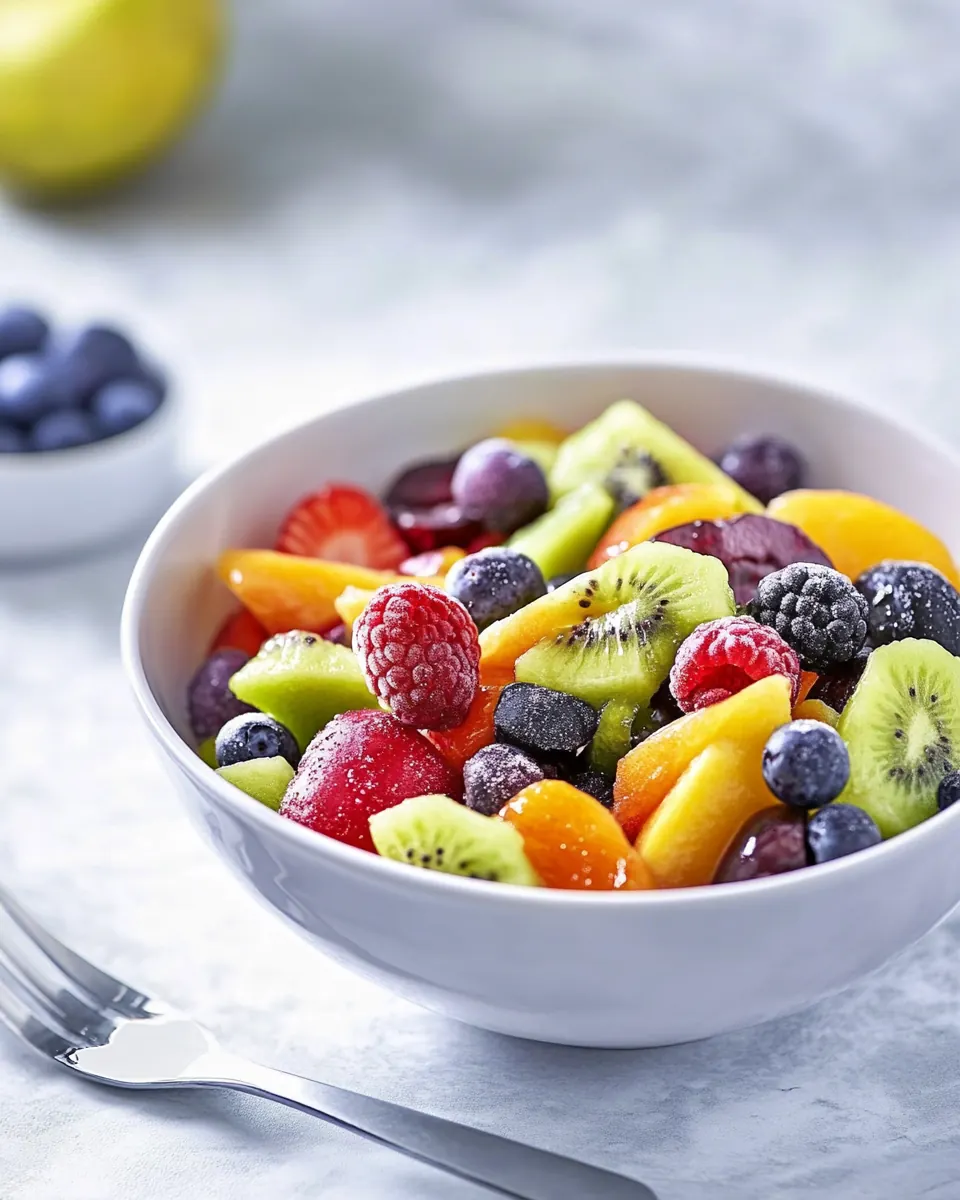
I like to think of these hints as little chef shortcuts that maintain quality while saving time. They help you keep the salad bright, textured, and visually appealing whether serving a few people or a crowd.
- Choose firm ripe fruit to keep pieces distinct and avoid a soupy salad, especially when slicing ahead of time.
- Dry berries thoroughly after rinsing to prevent the dressing from becoming diluted and the bowl from losing its shine.
- Add soft fruit last such as banana, to reduce browning and preserve the fresh look of the salad.
- Warm crystallized honey briefly so it mixes smoothly with the citrus, creating a uniform dressing that clings to the fruit.
- Use a roomy mixing bowl to toss gently and avoid crushing delicate pieces, which keeps texture pleasing for each bite.
What to Serve With Fruit Salad Recipe
This Fruit Salad Recipe is versatile and pairs well with many meals, from casual brunch to a light dessert after dinner. I often plan the rest of the menu around its bright, fresh profile so flavors do not compete. Below are serving ideas and occasions where it shines.
- Brunch companion Serve alongside yogurt, granola, or soft cheeses for a balanced morning spread that feels light but satisfying.
- Summer barbecue side Bring this bowl to a barbecue to provide a cool, refreshing contrast to grilled mains and heavier sides.
- Light dessert Offer it after a rich meal to cleanse the palate, the citrus and mint acting as a natural refresher.
- Potluck favorite Because it travels well when chilled, it is ideal for potlucks and gatherings where you need something simple and universally liked.
- Seasonal variation Swap in seasonal fruits to keep it relevant year round, using berries in summer and citrus in winter for maximum flavor impact.
- Storage tip Keep leftover salad chilled in an airtight container and add delicate fruits like banana just before serving to maintain appearance for up to one day.
FAQ
Conclusion
This Fruit Salad Recipe stands out because it combines a thoughtful mix of textures and bright citrus notes for a lively, refreshing bowl. Give it a try the next time you want an easy, healthy dish that looks and tastes special with very little effort. I hope it becomes one of your go to recipes for gatherings and simple meals, bringing color and brightness to your table.
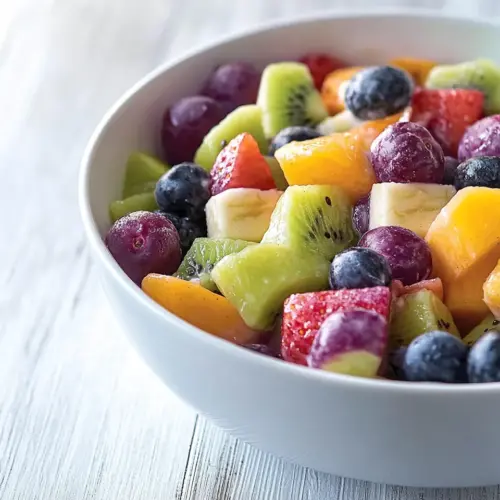
Fruit Salad Recipe
Equipment
- Large Mixing Bowl
- Small Bowl
- Whisk
- Knife
- Cutting Board
Ingredients
- 1 cup strawberries hulled and sliced Adds bright, sweet-tart flavor and vibrant color while contributing juicy texture; hulled and sliced pieces blend easily with other fruits for uniform bite size. Provides natural sugars and vitamin C, enhancing overall freshness and aroma in the salad.
- 1 cup blueberries Offers small bursts of sweet-tart flavor and deep color contrast, contributing a firm yet juicy texture that holds up well in mixtures. Supplies antioxidants and a mildly tangy note that complements softer fruits.
- 1 cup red grapes halved Contributes a sweet, slightly tart flavor and firm texture when halved, adding pleasant bite and visual variety; skins add subtle tannic complexity. Brings natural sweetness and juiciness that balances softer or creamier elements.
- 1 large banana sliced Provides creamy texture and mellow sweetness when sliced; softens slightly after slicing to meld with other fruits and add richness. Supplies potassium and a smooth mouthfeel that helps round out the salad's flavors.
- 2 kiwis peeled and sliced Delivers bright, tangy-sweet flavor and pleasing texture when peeled and sliced; adds a juicy, slightly tart element that lifts the overall profile. Supplies vitamin C and a refreshing acidity that balances sweeter fruits.
- 1 orange peeled and sectioned Adds juicy citrus brightness and segmented texture; peeled sections release fragrant oils and a sweet-tart burst that elevates freshness. Contributes vitamin C and aromatic acidity to balance sweeter elements.
- 1 tablespoon honey Introduces concentrated sweetness and a glossy finish when drizzled over the salad; helps bind fruit juices and slightly thin dressings. Enhances flavor complexity while adding a natural sweetener and slight floral notes.
- 1/4 cup fresh orange juice Provides additional citrus sweetness and liquid to help macerate fruits and distribute flavors evenly; adds a fresh orange aroma that brightens the mix. Helps thin any dressing and contributes vitamin C.
- 2 tablespoons fresh lime juice Supplies sharp, tangy acidity that balances sweetness and brightens flavors; helps prevent browning of certain fruits and enhances overall freshness. Adds a zesty citrus note and helps keep the salad lively.
- Fresh mint leaves for garnish Offers aromatic, cooling herbal notes and a pop of green color when used as garnish; fresh leaves add a fragrant finish and visual appeal. Enhances perceived freshness and complements citrus and berry flavors.
Instructions
- Prepare the fruits by washing and slicing them as indicated, then combine them in a large mixing bowl.: The first sensory cue you will notice is the clean, bright scent of freshly washed strawberries and blueberries , with citrus notes from the orange . Mixing in a spacious bowl lets the pieces nestle without crushing. Why this matters, I have learned, is that crowded fruit bruises and releases too much juice, which dilutes texture. A common pitfall here is rushing the wash or using a small bowl, which results in broken berries and a watery base. As you slice, listen for a faint snap from the red grapes and watch for firm edges on the banana slices. Visually aim for varied shapes so each forkful is interesting. When combining, fold gently to preserve shape and color, and avoid vigorous stirring which can make the salad mushy.
- In a small bowl, whisk together the honey, orange juice, and lime juice until well blended.: When you whisk the dressing, you should see the honey dissolve into the citrus, forming a glossy, slightly viscous liquid that catches the light. The aroma will become brighter as the citrus oils release. The reason this simple emulsion matters is it helps the dressing coat fruit evenly rather than pool at the bottom. One mistake to avoid is adding cold, thick honey to citrus without whisking; it can clump and not incorporate evenly. If the honey resists blending, warm it briefly so it flows easily. The texture you want is smooth and slightly syrupy, which will cling gently to fruit surfaces.
- Pour the dressing over the fruit and gently toss to coat evenly. Garnish with fresh mint leaves and serve immediately or chill in the refrigerator until ready to serve.: As you pour, notice the glossy sheen as the dressing hits the cluster of fruits, and listen for soft tiviis of juice as pieces shift. Tossing should be a gentle lift and fold motion that distributes the dressing while preserving the integrity of each piece. The why here is crucial: even coating guarantees that every bite carries a balance of sweet and tart. A typical error is over tossing, which leads to crushed berries and a puddle of juice. If you encounter excess liquid collecting at the bottom, stop tossing and serve sooner, or drain a bit to retain texture. The visual cue for readiness is that all fruit surfaces have a light glaze without appearing soggy.
- Garnish with fresh mint leaves and serve immediately or chill in the refrigerator until ready to serve: The final step is aromatic and visual. Tearing a few mint leaves releases a cooling scent that complements the citrus and fruit sugars. Serving immediately presents the freshest textures, while chilling for a short time melds the flavors and slightly softens the fruit. The why is that chilling allows flavors to marry, but too long in the fridge will cause softer fruits like banana to brown and the salad to release excess liquid. A common mistake is preparing hours in advance and forgetting to add the banana last, which results in an unattractive brown color. For best results, wait to add delicate ingredients shortly before serving and keep the bowl covered and chilled if you need to hold it for any length of time.
Notes
- Choose firm ripe fruit to keep pieces distinct and avoid a soupy salad, especially when slicing ahead of time.
- Dry berries thoroughly after rinsing to prevent the dressing from becoming diluted and the bowl from losing its shine.
- Add soft fruit last such as banana, to reduce browning and preserve the fresh look of the salad.
- Warm crystallized honey briefly so it mixes smoothly with the citrus, creating a uniform dressing that clings to the fruit.
- Use a roomy mixing bowl to toss gently and avoid crushing delicate pieces, which keeps texture pleasing for each bite.