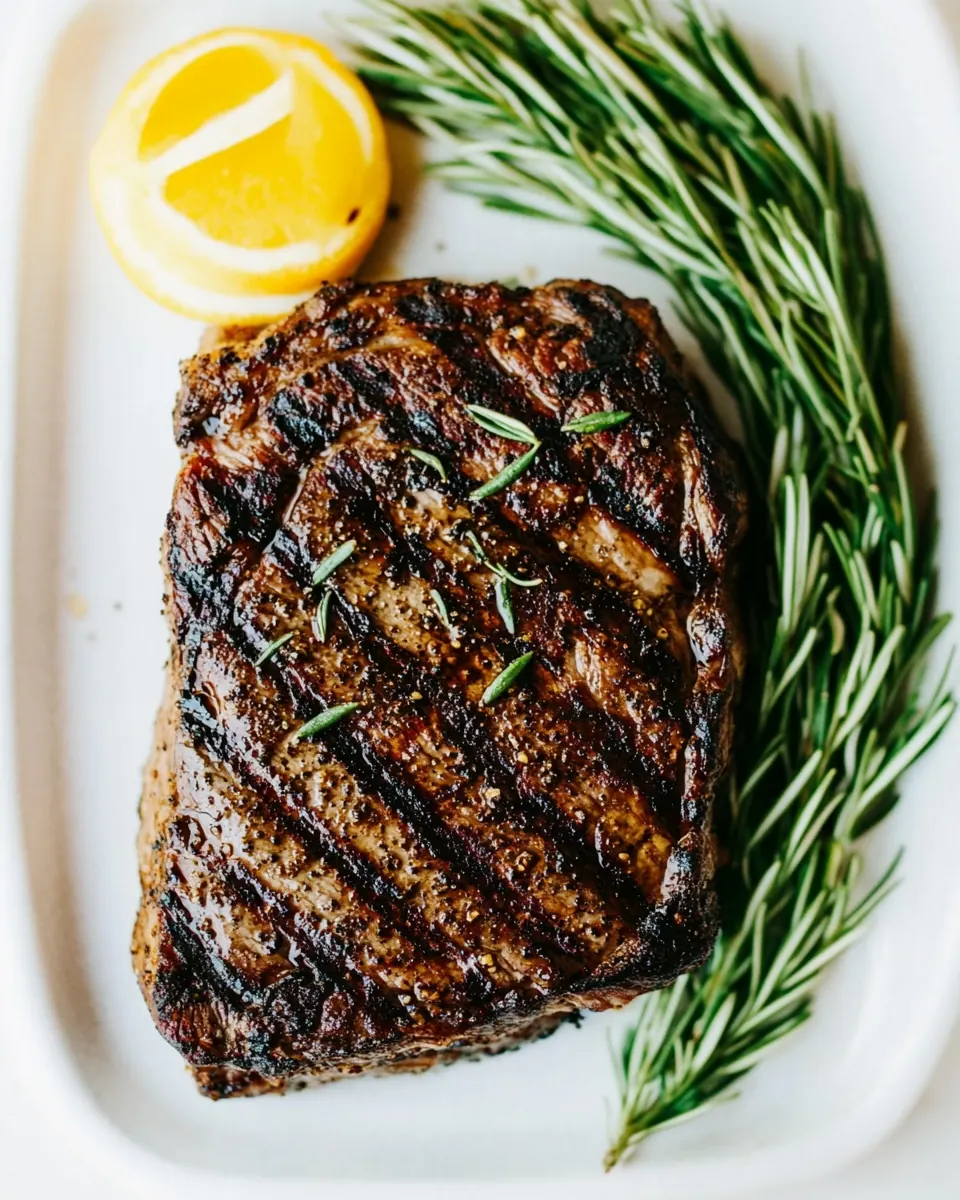
Perfectly Juicy Grilled Steak
Perfectly Juicy Grilled Steak has been my go to when I want a meal that feels celebratory without the fuss. I remember the first time I mastered the timing on a hot grill, the way the air filled with that slightly charred, savory perfume and how a simple pat of butter made the juices sing. That evening taught me to trust heat, patience, and a tiny bit of restraint.
Weeks later I still reach for the same simple combination of soy sauce, lemon juice, and extra virgin olive oil to lift the natural beefy flavor of a good steak. Friends always comment on the crust, and family asks for the recipe, so I started jotting down the little adjustments I make when the weather is warm and the grill is ready.
There is something honest about cooking a great steak outdoors, the conversation that grows louder with the sizzle, and the few quiet moments while the meat rests under foil. I like to keep things approachable, explain why each move matters, and share the tactile cues I watch for, so you can feel confident the first time you try Perfectly Juicy Grilled Steak on your own grill.
Recipe Snapshot
2 hr 10 mins
120 mins
10 mins
Hard
500 kcal
American
Keto, Gluten-Free
Dinner
Grill, Resealable bag or large bowl, Small bowl, Tongs, Aluminum foil
Why This Perfectly Juicy Grilled Steak Hits Different
Rich, concentrated flavor from a simple marinade
I love how a short marinade of soy sauce, lemon juice, and Worcestershire sauce amplifies the steak without masking it. The acid from the lemon juice brightens the beef, while the soy sauce layers in umami, so you get depth in every bite.
Fast high heat cooking for a perfect crust
Grilling hot gives you that satisfying sear and a slightly smoky edge. A quick, intense cook locks in juices, and when you flip at the right moment you get the golden brown exterior that defines a memorable steak.
Buttered finish for silkiness
Finishing with a pat of butter and fresh chopped parsley adds gloss and a gentle herb lift. That final fat melds with the meat juices so each slice feels luxurious and tender.
Resting makes all the difference
I always let the steaks rest tented with foil. This step redistributes the juices, so when you slice you do not lose that savory moisture. It is a small pause that yields big payoff.
Flexible timing for busy cooks
The recipe works whether you marinate for only a couple of hours or overnight. I often adapt based on schedule, and the results remain reliably juicy. That flexibility is why this has become a staple for summer gatherings at my house.
Recipe Ingredients for Perfectly Juicy Grilled Steak
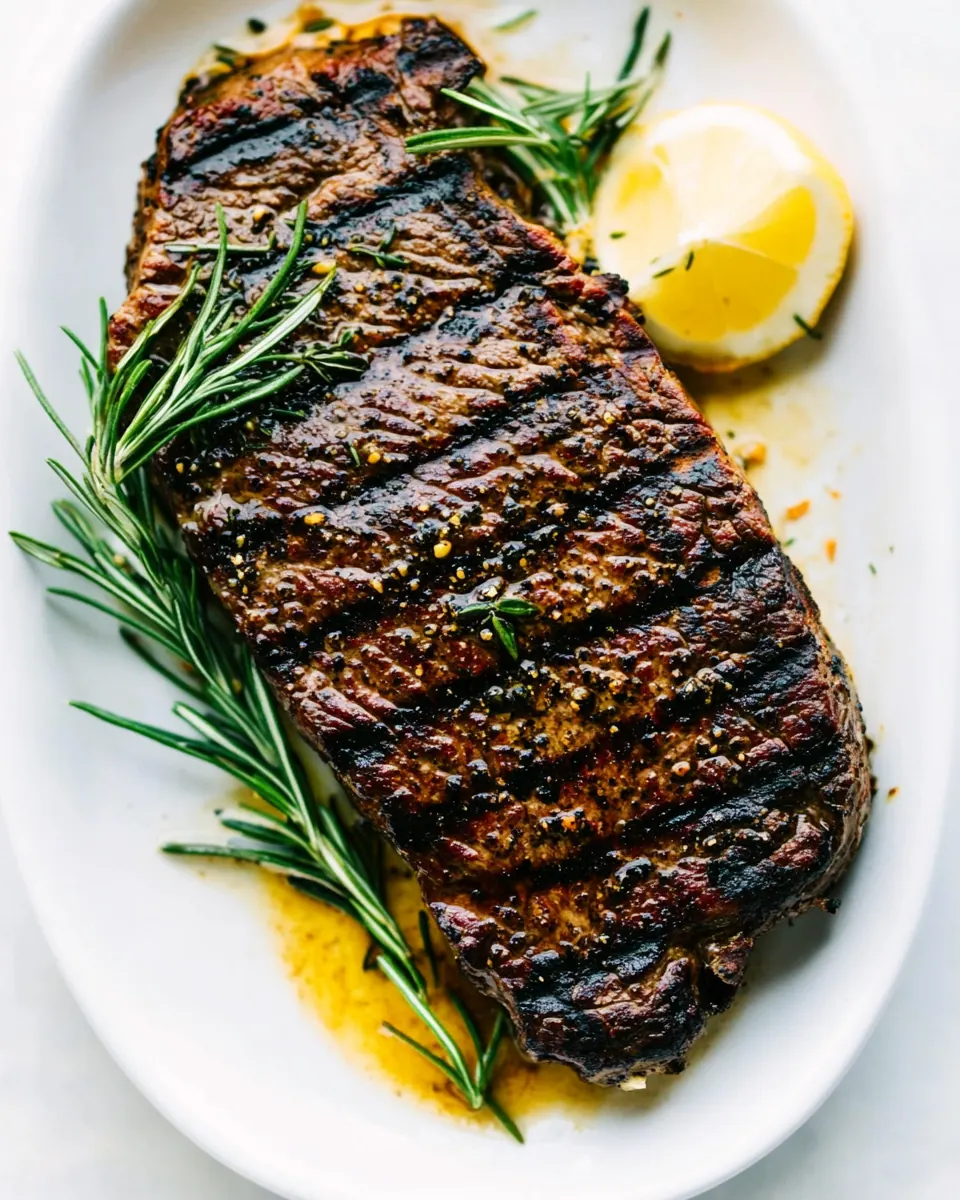
These ingredients are built around a simple philosophy, balance plus contrast. The marinade combines salty, acidic, and oily elements to tenderize and flavor the steak, while aromatics and seasoning add complexity. The steak itself is the hero, and the small finishing touches bring texture and brightness so each bite feels complete.
- 1/3 cup soy sauce: Enhances umami depth and provides a salty, savory base to the marinade, helping to tenderize the steak through its sodium content. Balances richer flavors and binds other liquid ingredients for a cohesive soak. Penetrates meat fibers to improve overall mouthfeel and caramelization during grilling.
- 1/3 cup lemon juice: Brightens the marinade with acidic brightness that helps break down connective tissue, contributing to a more tender steak. Adds a zesty contrast to richer components and helps balance the overall flavor profile. Aids in creating a glossy finish on the grilled surface.
- 1/2 cup extra virgin olive oil: Coats the steak with healthy fat that transfers flavor and promotes even browning and crust formation when grilling. Helps carry fat-soluble aromatics and keeps the meat moist by sealing surface juices. Adds a subtle fruitiness that complements savory and acidic elements.
- 1/4 cup Worcestershire sauce: Introduces deep, savory, slightly tangy notes that reinforce beefy flavors and contribute to a complex, layered marinade. Complements soy and lemon by adding a rounded, slightly sweet umami boost. Helps create a glossy, flavorful exterior when seared.
- 1 tablespoon minced garlic: Provides pungent aromatic intensity that infuses the meat with savory, garlicky character and enhances overall flavor complexity. Works with acid and salt to penetrate the steak and add savory depth. Supports Maillard reaction development on the steak surface.
- 2 tablespoons Italian seasoning: Adds an herby, aromatic blend that imparts Mediterranean flavors and a balanced mix of dried herbs to the marinade. Enhances savory complexity and pairs well with garlic and pepper for robust seasoning. Helps create an evenly seasoned crust during grilling.
- 1 teaspoon pepper: Seasoned with warm, sharp spice that highlights the meat’s natural flavors and provides subtle heat without overpowering. Balances salt and acid while enhancing overall taste perception. Contributes to crust development and a pleasant finishing bite.
- 1/2 teaspoon salt: Seasoned lightly to control overall salinity and allow other flavors to shine while helping break down proteins in the marinade. Works with acidic components to tenderize and season the steak internally. Ensures the finished steak is properly seasoned throughout.
- pinch of red pepper: Adds a hint of concentrated heat that livens the flavor profile and complements other spices without overwhelming the palette. Enhances complexity and provides a subtle lingering warmth in each bite. Can be adjusted for preferred spice level.
- 1 1/2 pound rib eye steaks: Serves as the primary protein with rich marbling that benefits from marinade and high-heat grilling to achieve a juicy, flavorful interior. Requires appropriate resting and cooking times to render fat and reach desired doneness. Acts as the centerpiece, delivering texture and beefy taste.
- 2 tablespoons butter: Melts into the finished steak to enrich mouthfeel, add glossy sheen, and introduce a rich, creamy butteriness that complements charred flavors. Can be used to baste during resting or finishing for added flavor and juiciness. Helps carry herbs and seasoning over the surface.
- fresh chopped parsley: Provides fresh, bright herbal finish that adds color, mild peppery notes, and a hint of freshness to cut through richness. Used as a garnish or mixed into finishing butter to elevate aroma and flavor. Enhances presentation and a layered tasting experience.
Step by Step Guide for Perfectly Juicy Grilled Steak
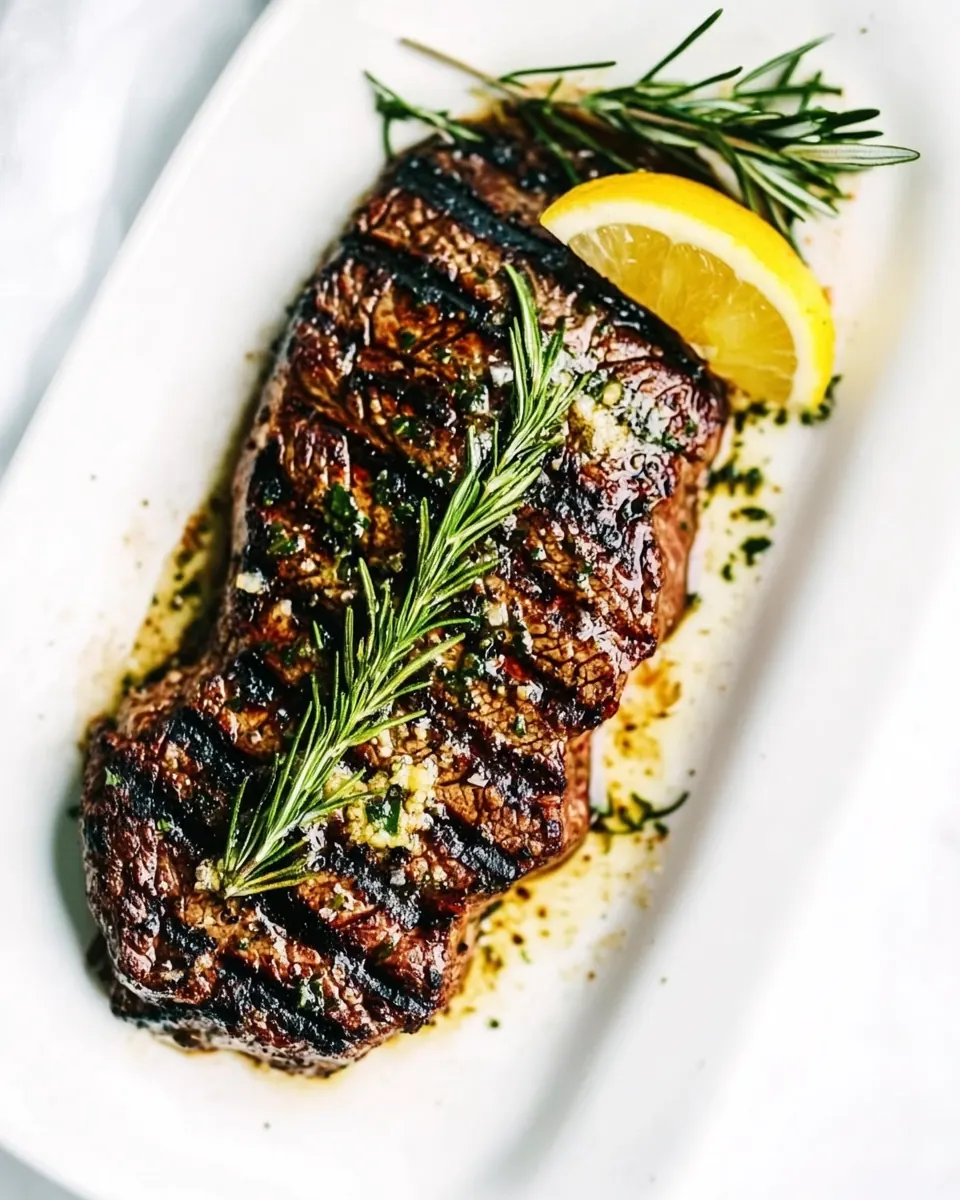
These steps are written to guide you through the sensory cues and decisions I use when grilling. Take your time to read the cues, listen for sizzle, and watch for color changes so you can match the results I describe. Gather your ingredients and tools, and follow each step to achieve a reliably juicy steak.
- In a small bowl, whisk together 1/3 cup soy sauce, 1/3 cup lemon juice, 1/2 cup extra virgin olive oil, 1/4 cup Worcestershire sauce, 1 tablespoon minced garlic, 2 tablespoons Italian seasoning, 1 teaspoon pepper, 1/2 teaspoon salt, and a pinch of red pepper. Add 1 1/2 pound rib eye steaks to a resealable zip lock bag or large bowl and pour the marinade on top. Marinate for 2 hours or overnight.: The marinade smells bright and savory, with citrus and garlic lifting the salty depth of soy sauce and Worcestershire sauce . You will notice tiny oil droplets suspended in the liquid, and the aroma should be inviting, not harsh. Whisking helps emulsify the oil and acid so each portion of the rib eye steaks makes contact with every flavor. If the mixture smells overly acidic, add a touch more olive oil to round it out. A common mistake is under whisking, which can leave the garlic clumped and lead to uneven flavor distribution.
- Heat your grill to high heat. Remove the steaks from the marinade and place on the grill. Grill the steaks until they slightly char and are golden brown from 3-5 minutes. Flip the steak and cook on the other side until desired doneness.: As you place the rib eye steaks into the container, press the marinade into the surface so it coats evenly; you should hear faint sloshing as the liquid moves around the meat. The meat should sit submerged or be turned occasionally so the flavor permeates all sides. Using a resealable bag helps the marinade cling and reduces air exposure. Avoid overfilling the bag which can prevent even coverage, and do not pack steaks too tightly because tight stacking can inhibit penetration of the marinade.
- Remove from grill and tent with foil. Let the steaks rest for 5 minutes. Top with 2 tablespoons butter and fresh chopped parsley to serve.: During marinating the scent will shift subtly, the lemon juice will begin to soften the outer fibers, and the color may deepen slightly. If you marinate overnight you will gain extra flavor depth, but keep in mind that very long acid contact can tenderize too much and change texture. A typical mistake is leaving highly acidic marinades on for more than 24 hours, which can make the surface mushy; two hours is a reliable minimum that still provides a noticeable improvement.
- Heat your grill to high heat: Preheating should produce an even, intense heat and a faint smoky aroma as the grates get hot. You will see heat shimmer above the grill and feel the warmth if you hold your hand several inches above the surface. High heat is crucial for forming a good crust quickly, which seals juices inside. If your grill does not get sufficiently hot you may end up with an overcooked interior and a pale exterior, so clean grates first and allow ample preheat time.
- Remove the steaks from the marinade and place on the grill: When you set the steaks on the grates you should hear an immediate, assertive sizzle, and the meat should begin to give off a faint roast aroma. Pat the excess marinade off so it does not cause large flare ups, which can char the outside too quickly. Place the steaks with gentle pressure so the entire surface contacts the grates. Avoid moving them too soon, as premature flipping can tear the developing crust.
- Grill the steaks until they slightly char and are golden brown from 3 to 5 minutes: As the steak cooks you will hear sizzling intensify and notice juices rising to the surface, signaling the Maillard reaction is happening. The edges will darken and small droplets will bead on top. Use a reliable timer and visual cues rather than guessing. A common error is relying solely on time without checking color and feel, which can lead to under or overcooking.
- Flip the steak and cook on the other side until desired doneness: After the flip you will again hear a distinct sizzle and see similar beading of juices. Press gently to assess springiness, which helps gauge doneness; a soft center indicates rare, while firmer gives medium to well. Cook to one level below your final target because carryover will raise temperature slightly while resting. Flipping multiple times prevents a consistent crust, so avoid excessive turning.
- Remove from grill and tent with foil: Once off heat, the air around the steak will be warm and the aroma mellow. Tenting with foil traps heat and allows internal juices to redistribute, preventing them from pooling at the surface. You should not wrap tightly, as a loose tent keeps the exterior from steaming. A frequent mistake is slicing immediately, which causes a lot of juice to run out, making the steak drier on the plate.
- Let the steaks rest for 5 minutes: During resting you will notice the sizzling quiet and the aroma settle; juices move inward and the texture becomes more cohesive. Five minutes is enough for average cuts; thicker cuts may need longer. Resist the urge to cut early, because you will lose flavor and moisture. Resting too long without tenting can cool the steak excessively, so keep it covered but not sealed.
- Top with 2 tablespoons butter and fresh chopped parsley to serve: As the warm butter melts it creates a glossy sheen and releases a rich dairy scent that softens and balances the grilled notes, while fresh parsley adds a bright, herbal contrast. Spoon the butter to distribute it so each slice benefits from the melt. If you skip the butter you miss a layer of mouthfeel that makes the steak feel finished, but if you add it while the steak is still cold it will not melt evenly.
Variations to Try
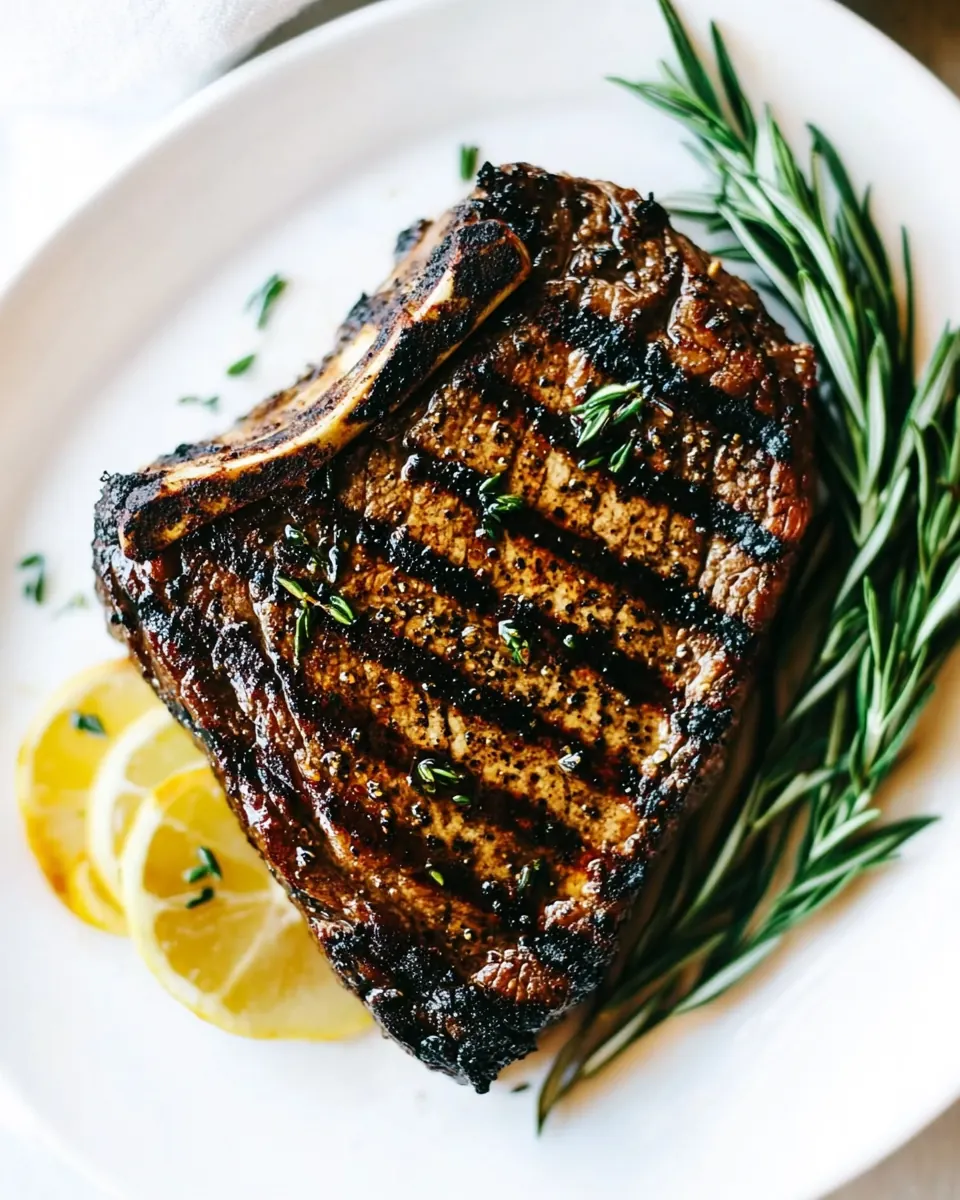
I like to suggest a few straightforward variations so you can adapt the recipe to what you have on hand or the flavor profile you prefer. Each idea below begins with a bold prompt to highlight the variation, then explains how and why it works so you can experiment confidently.
- Use a different cut: Try a similarly marbled cut if you cannot find rib eye steaks, keeping in mind cook times will vary with thickness and fat distribution; adjust rest time accordingly to maintain juiciness.
- Shorter marinating: If you are short on time, two hours still infuses robust flavor; the surface will taste bright and seasoned while the interior retains natural beef character.
- Herb finish: Swap parsley for other fresh herbs you like, using the same finishing technique to provide a fragrant contrast to the rich butter and meat.
- Control heat: If your grill runs hot, move steaks to a slightly cooler zone after searing to reach target doneness without burning the exterior.
- Butter timing: Add the butter right after removing from the grill for immediate melt and gloss, or compound the butter with a touch of minced garlic for extra aroma.
What to Serve With Perfectly Juicy Grilled Steak
A good serving plan elevates the meal and balances the steak’s richness. Choose sides that add texture, brightness, and seasonal appeal so the plate feels complete and celebratory.
- Classic grilled vegetables: Charred vegetables brought up on a hot grill provide smoky counterpoint and are ideal for summer dinners alongside the steak.
- Simple salad: A crisp green salad dressed lightly highlights the steak’s richness and adds a refreshing bite for a balanced meal.
- Starches: Serve roasted or smashed potatoes to complement the steak with creamy, comforting texture that soaks up the juices.
- Occasions: This steak fits summer gatherings and special weekend dinners, and it works well for any casual celebration where you want a main that feels special.
- Storage tips: Keep leftovers in an airtight container, refrigerate promptly, and reheat gently to preserve moisture; thinly slice and rewarm quickly in a skillet with a splash of water or stock to avoid drying out.
- Seasonal pairings: Pair with bright summer sides in warm months, or heartier roasted root vegetables in cooler weather to match seasonal produce and textures.
FAQ
Conclusion
What makes this recipe special is the way simple ingredients and confident grilling come together to create a steak with a flavorful crust and a juicy interior. Give it a try when you want a satisfying, uncomplicated main that still feels special. With a short marinade, high heat sear, and a buttery finish, this approach consistently produces plates people remember. I hope it becomes one of your favorite grilling rituals, a reliable option for warm weather cookouts or cozy dinners alike.
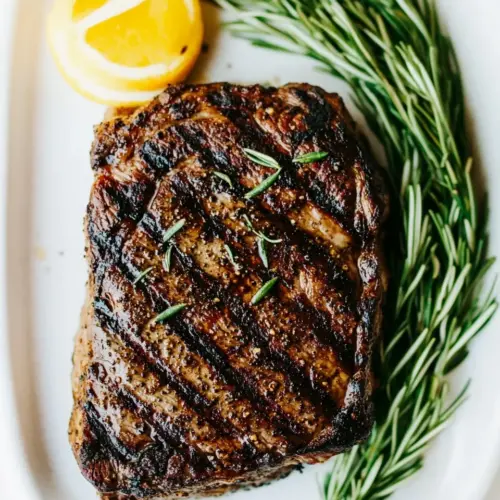
Perfectly Juicy Grilled Steak
Equipment
- Grill
- Resealable bag or large bowl
- Small Bowl
- Tongs
- Aluminum Foil
Ingredients
- 1/3 cup soy sauce Enhances umami depth and provides a salty, savory base to the marinade, helping to tenderize the steak through its sodium content. Balances richer flavors and binds other liquid ingredients for a cohesive soak. Penetrates meat fibers to improve overall mouthfeel and caramelization during grilling.
- 1/3 cup lemon juice Brightens the marinade with acidic brightness that helps break down connective tissue, contributing to a more tender steak. Adds a zesty contrast to richer components and helps balance the overall flavor profile. Aids in creating a glossy finish on the grilled surface.
- 1/2 cup extra virgin olive oil Coats the steak with healthy fat that transfers flavor and promotes even browning and crust formation when grilling. Helps carry fat-soluble aromatics and keeps the meat moist by sealing surface juices. Adds a subtle fruitiness that complements savory and acidic elements.
- 1/4 cup Worcestershire sauce Introduces deep, savory, slightly tangy notes that reinforce beefy flavors and contribute to a complex, layered marinade. Complements soy and lemon by adding a rounded, slightly sweet umami boost. Helps create a glossy, flavorful exterior when seared.
- 1 tablespoon minced garlic Provides pungent aromatic intensity that infuses the meat with savory, garlicky character and enhances overall flavor complexity. Works with acid and salt to penetrate the steak and add savory depth. Supports Maillard reaction development on the steak surface.
- 2 tablespoons Italian seasoning Adds an herby, aromatic blend that imparts Mediterranean flavors and a balanced mix of dried herbs to the marinade. Enhances savory complexity and pairs well with garlic and pepper for robust seasoning. Helps create an evenly seasoned crust during grilling.
- 1 teaspoon pepper Seasoned with warm, sharp spice that highlights the meat’s natural flavors and provides subtle heat without overpowering. Balances salt and acid while enhancing overall taste perception. Contributes to crust development and a pleasant finishing bite.
- 1/2 teaspoon salt Seasoned lightly to control overall salinity and allow other flavors to shine while helping break down proteins in the marinade. Works with acidic components to tenderize and season the steak internally. Ensures the finished steak is properly seasoned throughout.
- pinch of red pepper Adds a hint of concentrated heat that livens the flavor profile and complements other spices without overwhelming the palette. Enhances complexity and provides a subtle lingering warmth in each bite. Can be adjusted for preferred spice level.
- 1 1/2 pound rib eye steaks Serves as the primary protein with rich marbling that benefits from marinade and high-heat grilling to achieve a juicy, flavorful interior. Requires appropriate resting and cooking times to render fat and reach desired doneness. Acts as the centerpiece, delivering texture and beefy taste.
- 2 tablespoons butter Melts into the finished steak to enrich mouthfeel, add glossy sheen, and introduce a rich, creamy butteriness that complements charred flavors. Can be used to baste during resting or finishing for added flavor and juiciness. Helps carry herbs and seasoning over the surface.
- fresh chopped parsley Provides fresh, bright herbal finish that adds color, mild peppery notes, and a hint of freshness to cut through richness. Used as a garnish or mixed into finishing butter to elevate aroma and flavor. Enhances presentation and a layered tasting experience.
Instructions
- In a small bowl, whisk together 1/3 cup soy sauce, 1/3 cup lemon juice, 1/2 cup extra virgin olive oil, 1/4 cup Worcestershire sauce, 1 tablespoon minced garlic, 2 tablespoons Italian seasoning, 1 teaspoon pepper, 1/2 teaspoon salt, and a pinch of red pepper. Add 1 1/2 pound rib eye steaks to a resealable zip lock bag or large bowl and pour the marinade on top. Marinate for 2 hours or overnight.: The marinade smells bright and savory, with citrus and garlic lifting the salty depth of soy sauce and Worcestershire sauce . You will notice tiny oil droplets suspended in the liquid, and the aroma should be inviting, not harsh. Whisking helps emulsify the oil and acid so each portion of the rib eye steaks makes contact with every flavor. If the mixture smells overly acidic, add a touch more olive oil to round it out. A common mistake is under whisking, which can leave the garlic clumped and lead to uneven flavor distribution.
- Heat your grill to high heat. Remove the steaks from the marinade and place on the grill. Grill the steaks until they slightly char and are golden brown from 3-5 minutes. Flip the steak and cook on the other side until desired doneness.: As you place the rib eye steaks into the container, press the marinade into the surface so it coats evenly; you should hear faint sloshing as the liquid moves around the meat. The meat should sit submerged or be turned occasionally so the flavor permeates all sides. Using a resealable bag helps the marinade cling and reduces air exposure. Avoid overfilling the bag which can prevent even coverage, and do not pack steaks too tightly because tight stacking can inhibit penetration of the marinade.
- Remove from grill and tent with foil. Let the steaks rest for 5 minutes. Top with 2 tablespoons butter and fresh chopped parsley to serve.: During marinating the scent will shift subtly, the lemon juice will begin to soften the outer fibers, and the color may deepen slightly. If you marinate overnight you will gain extra flavor depth, but keep in mind that very long acid contact can tenderize too much and change texture. A typical mistake is leaving highly acidic marinades on for more than 24 hours, which can make the surface mushy; two hours is a reliable minimum that still provides a noticeable improvement.
- Heat your grill to high heat: Preheating should produce an even, intense heat and a faint smoky aroma as the grates get hot. You will see heat shimmer above the grill and feel the warmth if you hold your hand several inches above the surface. High heat is crucial for forming a good crust quickly, which seals juices inside. If your grill does not get sufficiently hot you may end up with an overcooked interior and a pale exterior, so clean grates first and allow ample preheat time.
- Remove the steaks from the marinade and place on the grill: When you set the steaks on the grates you should hear an immediate, assertive sizzle, and the meat should begin to give off a faint roast aroma. Pat the excess marinade off so it does not cause large flare ups, which can char the outside too quickly. Place the steaks with gentle pressure so the entire surface contacts the grates. Avoid moving them too soon, as premature flipping can tear the developing crust.
- Grill the steaks until they slightly char and are golden brown from 3 to 5 minutes: As the steak cooks you will hear sizzling intensify and notice juices rising to the surface, signaling the Maillard reaction is happening. The edges will darken and small droplets will bead on top. Use a reliable timer and visual cues rather than guessing. A common error is relying solely on time without checking color and feel, which can lead to under or overcooking.
- Flip the steak and cook on the other side until desired doneness: After the flip you will again hear a distinct sizzle and see similar beading of juices. Press gently to assess springiness, which helps gauge doneness; a soft center indicates rare, while firmer gives medium to well. Cook to one level below your final target because carryover will raise temperature slightly while resting. Flipping multiple times prevents a consistent crust, so avoid excessive turning.
- Remove from grill and tent with foil: Once off heat, the air around the steak will be warm and the aroma mellow. Tenting with foil traps heat and allows internal juices to redistribute, preventing them from pooling at the surface. You should not wrap tightly, as a loose tent keeps the exterior from steaming. A frequent mistake is slicing immediately, which causes a lot of juice to run out, making the steak drier on the plate.
- Let the steaks rest for 5 minutes: During resting you will notice the sizzling quiet and the aroma settle; juices move inward and the texture becomes more cohesive. Five minutes is enough for average cuts; thicker cuts may need longer. Resist the urge to cut early, because you will lose flavor and moisture. Resting too long without tenting can cool the steak excessively, so keep it covered but not sealed.
- Top with 2 tablespoons butter and fresh chopped parsley to serve: As the warm butter melts it creates a glossy sheen and releases a rich dairy scent that softens and balances the grilled notes, while fresh parsley adds a bright, herbal contrast. Spoon the butter to distribute it so each slice benefits from the melt. If you skip the butter you miss a layer of mouthfeel that makes the steak feel finished, but if you add it while the steak is still cold it will not melt evenly.
Notes
- Use a different cut: Try a similarly marbled cut if you cannot find rib eye steaks, keeping in mind cook times will vary with thickness and fat distribution; adjust rest time accordingly to maintain juiciness.
- Shorter marinating: If you are short on time, two hours still infuses robust flavor; the surface will taste bright and seasoned while the interior retains natural beef character.
- Herb finish: Swap parsley for other fresh herbs you like, using the same finishing technique to provide a fragrant contrast to the rich butter and meat.
- Control heat: If your grill runs hot, move steaks to a slightly cooler zone after searing to reach target doneness without burning the exterior.
- Butter timing: Add the butter right after removing from the grill for immediate melt and gloss, or compound the butter with a touch of minced garlic for extra aroma.