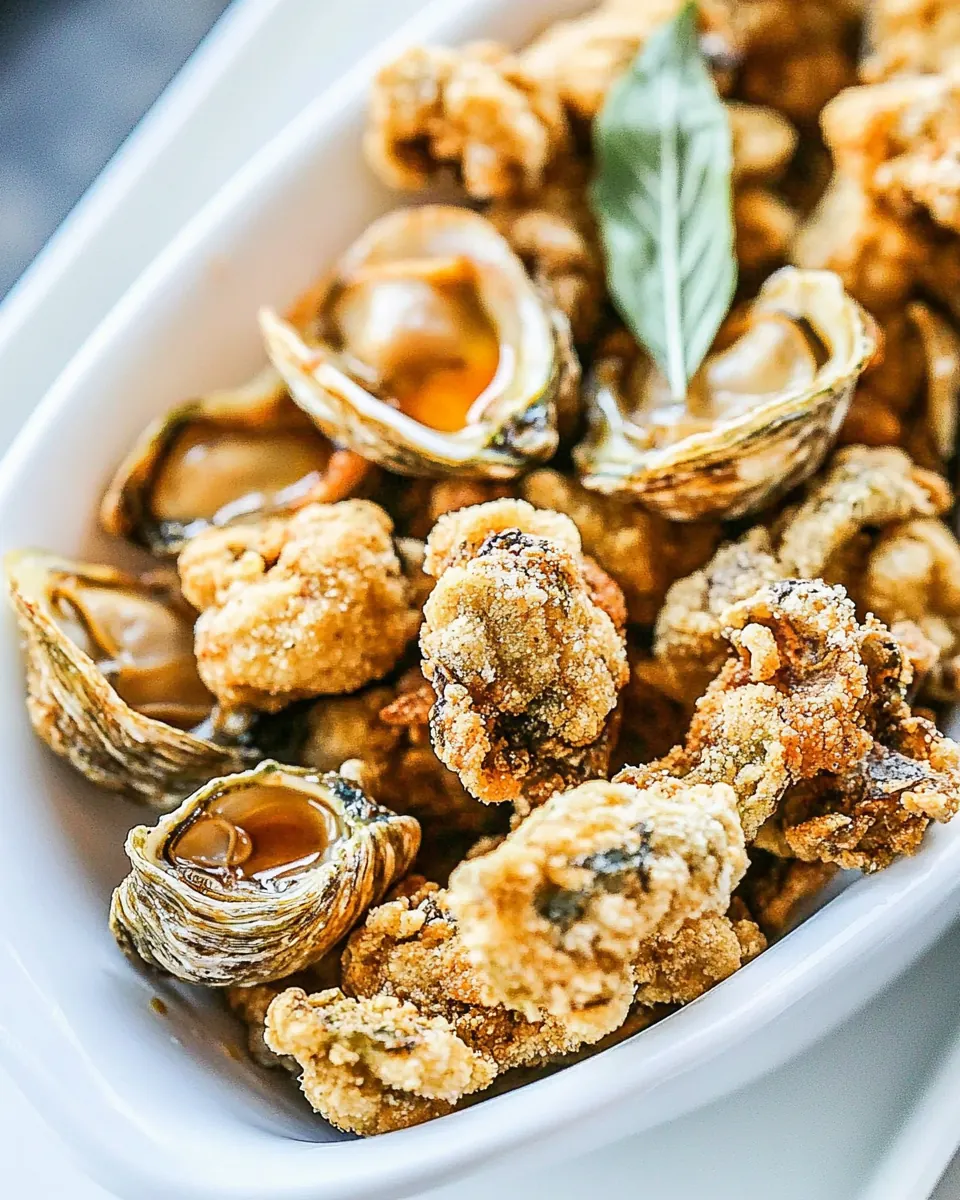
Fried Oysters and Littleneck Clams
Fried Oysters and Littleneck Clams is the kind of seaside comfort I crave when the sky turns crisp and the appetite calls for something indulgent and simple. I first fell for this combination on an autumn afternoon at a tiny harbor shack where the cook tossed sage leaves into hot oil like a flourish, and the steam smelled of brine and frying dough. Since then, I have a ritual for making this dish whenever friends drop by, because it feels festive without fuss.
I remember the first time I tried to recreate that harbor magic at home, juggling a thermometer, a pot nearly full of shimmering oil, and a dozen slippery little mollusks. I learned to slow down, respect the oil temperature, and keep the clams and oysters separate so each piece cooks perfectly. There is a small satisfaction in the rhythm of dredging, frying, and salting, and I love how the quick–fried Fresh sage leaves quick fried, for garnish add an herbal whisper that makes the plate feel special.
Recipe Snapshot
20 mins
10 mins
10 mins
Easy
350 kcal
American
Paleo, Gluten-Free
Appetizers
Large pot, Dutch oven, Fryer, Thermometer, Slotted spoon, Spider
The Magic of This Fried Oysters and Littleneck Clams
Crispy texture that sings
I adore how the exterior becomes satisfyingly crisp while the interior stays tender. With Fried Oysters and Littleneck Clams, that contrast is everything, and I’ll always choose a high–heat oil to get an even, golden crust. I find the first bite, where the shellfish yields into briny juiciness beneath the crackle, absolutely irresistible.
Speed without compromise
One reason I reach for this recipe on busy nights is that it comes together fast, yet tastes like something you waited for. From dredging to plate can be just a few short minutes, so it’s ideal when you want a memorable dinner without a marathon in the kitchen. I still take a few extra seconds to test the oil, because that little step prevents heavy, oily results.
Minimal ingredients, maximum flavor
There is purity here. A couple of pantry staples and the freshest shellfish you can find give you a rich, coastal flavor. I like that the list is honest, and each ingredient plays a clear role. Salt lifts the shellfish, the flour gives structure, and the sage adds an aromatic note that keeps the plate interesting.
Great for sharing
I love serving this at casual get togethers because it invites conversation. People cluster around the platter, passing hot sauce and grabbing little piles of fried leaves. It’s informal, social, and always gone fast, which says a lot about how well it travels from pan to plate in a party setting.
Flexible and approachable
This recipe lets you lean on technique rather than complicated prep. Once you understand the cues, you can scale batches, test oil temperature, and time the frying so everything finishes crisp and hot. I enjoy that learning curve, and I always feel proud when the oysters and clams come out pale golden and perfectly tender.
Ingredients Overview for Fried Oysters and Littleneck Clams
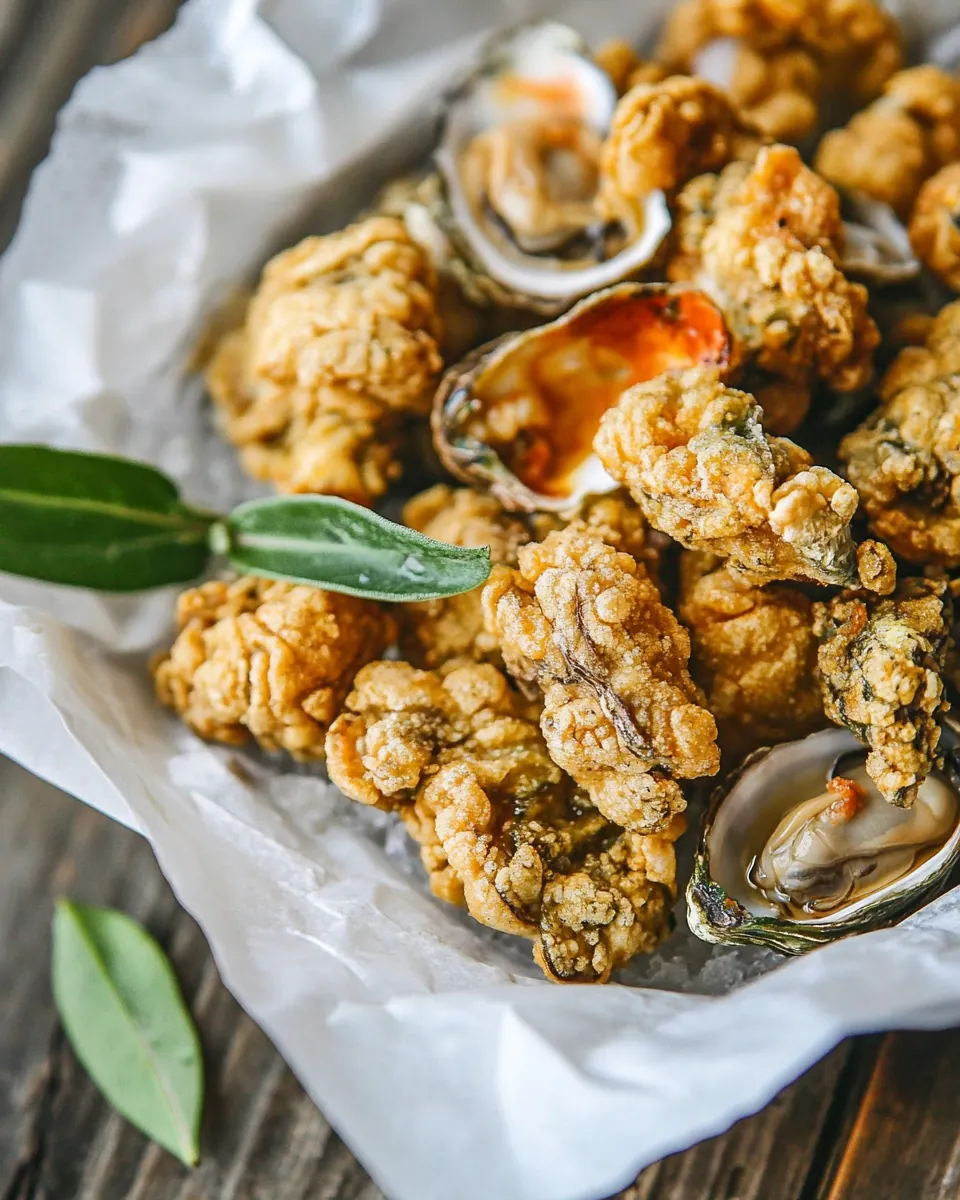
The ingredients for Fried Oysters and Littleneck Clams are deliberately straightforward, which is part of why the recipe works so well. The philosophy is simple: use a neutral high–heat oil for a clean fry, a light coating of flour to create a crisp crust, and fresh shellfish for bright, briny flavor. The sage and hot sauce are small but effective accents, and salt is the finishing handshake that ties everything together.
- 2 quarts canola, grapeseed, or other high-heat cooking oil for frying: Heated to high temperatures and used as the cooking medium for deep-frying the clams, oysters, and sage; choose a neutral, high-smoke-point oil like canola or grapeseed to achieve a crisp exterior without imparting off-flavors. Maintain a steady temperature to prevent greasiness and to ensure even browning, and use enough oil to fully submerge the seafood for consistent results.
- 1/2 cup Wondra flour or all-purpose flour: Lightly coats and helps bind the breading to the seafood; use Wondra for a finer, lighter crust or all-purpose flour for a slightly heartier coating. Sift or shake off excess before frying to avoid clumping and to promote an even, golden finish.
- 1 dozen raw littleneck clams cleaned and shucked: Shucked and prepared to provide a tender, briny component that crisps quickly when fried; clean thoroughly to remove grit and any shell fragments before dredging. Pat dry to reduce splatter during frying and season lightly to enhance the natural sweetness of the clam meat.
- 1 dozen raw oysters cleaned and shucked: Shucked and readied to add delicate, oceanic flavor and a soft interior that contrasts with a crisp fried crust; ensure oysters are drained and patted dry to prevent oil splatter and uneven frying. Fry briefly at the correct oil temperature to keep them plump and tender while achieving a golden exterior.
- Sea salt to taste: Sprinkled sparingly to enhance and balance the seafood’s natural flavors; use sea salt to season the flour or to finish the fried pieces to taste. Adjust seasoning incrementally after frying to avoid over-salting delicate shellfish.
- Fresh sage leaves quick-fried, for garnish: Quick–fried until crisp to create an aromatic, herbaceous garnish that provides texture and a pop of color; use fresh sage leaves and fry briefly in hot oil used for the seafood. Drain on paper towels to remove excess oil and sprinkle over the finished dish just before serving.
- Tobasco, or other hot sauce to taste (optional): Added sparingly as a finishing condiment to introduce acidity and heat that cuts through the richness of the fried seafood; offer Tabasco or another hot sauce at the table for diners to customize spice levels. Choose a sauce that complements the briny flavors without overpowering them.
How to Make Fried Oysters and Littleneck Clams
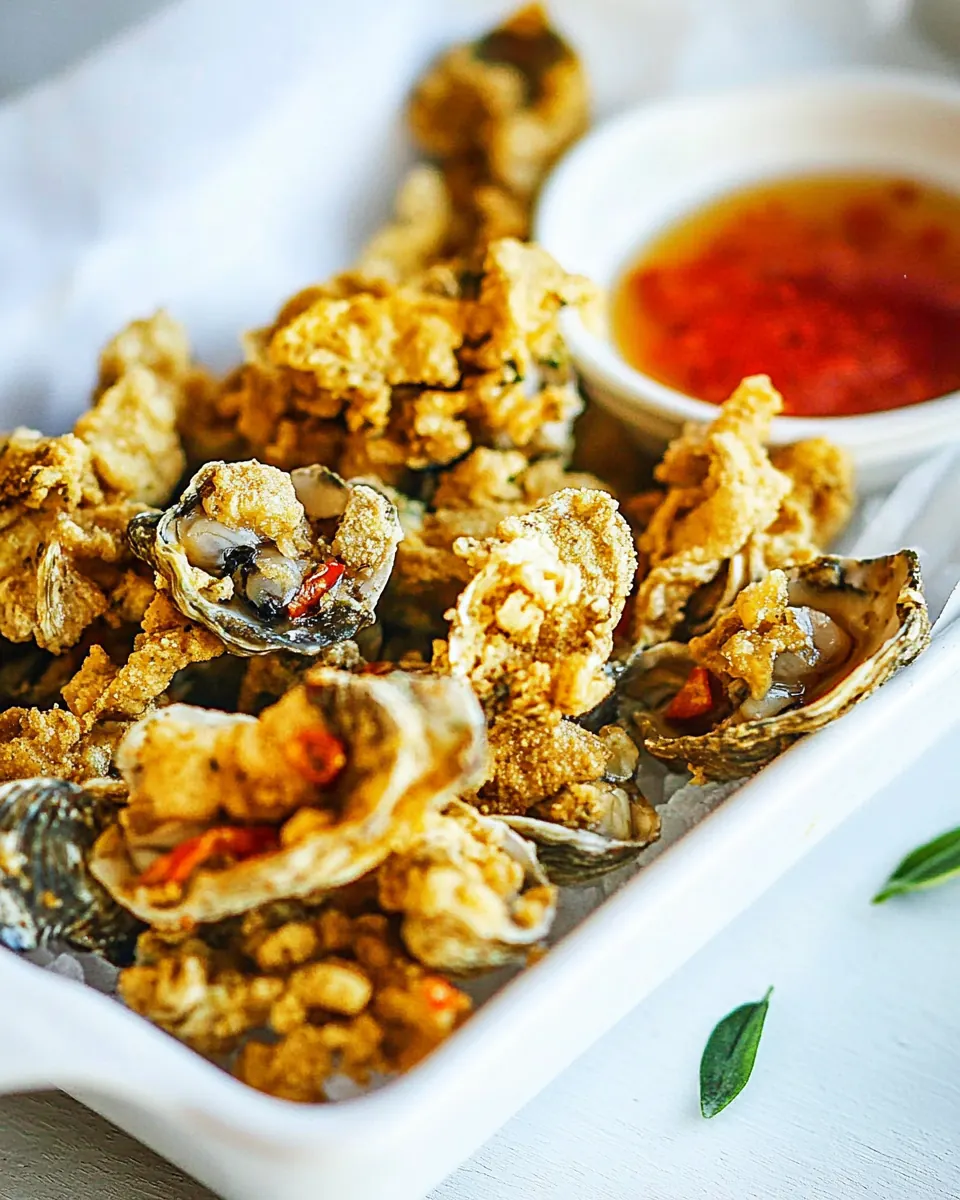
These steps are practical and sensory so you can feel confident at the stove. I talk you through cues like oil shimmer and the sound of a proper sizzle, to help you achieve a light, crisp crust and tender shellfish every time. Keep tools handy, and work in small batches for the best results.
- Pour the oil into a large pot, Dutch oven, or fryer. It should be at least 2 inches deep. Heat the oil to 375°F. If you don't own a candy or oil thermometer, simply sprinkle a pinch of flour into the oil. If it sizzles, it's ready.: When the oil heats, you want a steady environment that lets pieces float and fry evenly. Look for a glossy surface and a slow shimmer, not smoke. The ideal sound is a clear, active sizzle when you test with a pinch of flour; it should snap but not spit wildly. If you see heavy black smoke, the oil is too hot and will burn coatings, so lower the heat and let it cool slightly before testing again. Overcrowding the pot is a common mistake here because it drops the temperature and yields greasy results.
- Meanwhile, put the flour in a shallow dish. Dredge the clams in flour and set aside. Repeat with the oysters, keeping the clams and oysters separate.: At this temperature, the flour coating crisps quickly, sealing in juices without overcooking the shellfish. If you have a thermometer, aim for a stable 375°F and watch for slight temperature dips between batches. Without a thermometer, sprinkle a pinch of flour into the oil; it should sizzle energetically and brown in a few seconds. A too cool oil will soak into the coating and feel heavy, while too hot oil will scorch the crust, so pacing and thermometer checks prevent disasters.
- When the oil is hot, using a slotted spoon or spider, fry one test clam to ensure your oil is at the correct temperature. If your test is successful and the clam is pale golden, using a slotted spoon or spider, lower half of the clams into the oil and fry for 45 seconds, then transfer to a plate or baking sheet lined with paper towels to drain. Sprinkle liberally with salt. Repeat the process with the remaining clams, letting the oil return to temperature before frying the next batch.: Dry flour helps form the crust and gives each piece a consistent finish. As you dredge, pat excess flour off so you have a light coating rather than a thick batter. Keeping clams and oysters separate avoids cross contamination of cooking times and maintains clarity of texture. A mistake to avoid is letting the dredged pieces sit too long and absorb ambient moisture, which can make the crust fall off in the oil.
- Next, fry half of the oysters. Using a slotted spoon or spider, lower half of the oysters into the oil and fry for 1 minute, then transfer to a plate or baking sheet lined with paper towels to drain. Sprinkle liberally with salt. Repeat the process with the remaining oysters, letting the oil return to temperature before frying the next batch.: A test piece confirms readiness and saves a whole batch from being ruined. The test clam should come up pale golden and crisp quickly. Listen for a lively sizzle that calms as the clam is removed; that indicates proper heat. If the test fritter sinks and does not brown, the oil needs to be hotter. One trap here is assuming the thermometer is correct without a test if your burner is finicky; the test keeps you honest.
- Garnish the clams and oysters with fried sage leaves and serve with hot sauce, if desired.: The brief fry time preserves a juicy interior while giving a thin, crisp coating. You will hear a sustained sizzle and see tiny bubbles racing around the edges. Transfer to paper towels to wick away excess oil and sprinkle sea salt immediately so it sticks. Avoid crowding the basket because it will lower oil temperature and make results uneven.
- Sprinkle liberally with salt: Salting right after frying is critical because the warmth helps the salt adhere and season through the crust. The grains create a bright counterpoint to the fried richness. A common misstep is waiting too long to salt, which leaves the exterior bland; salt while still warm for best flavor penetration.
- Repeat the process with the remaining clams letting the oil return to temperature before frying the next batch: Patience between batches ensures each group hits the same thermal window for crispness. Use the test method again if the oil temperature wavers, and remove any small debris in the oil that could darken the next batch. Rushing by adding too many at once invites greasy, undercooked results, so keep the rhythm steady.
- Next fry half of the oysters Using a slotted spoon or spider lower half of the oysters into the oil and fry for 1 minute then transfer to a plate or baking sheet lined with paper towels to drain: Oysters take marginally longer than littlenecks because their shape and moisture content need that extra moment to set the crust. Listen for a bright sizzle that keeps going for the full minute, and look for a uniform pale golden hue. Remove and let them drain briefly; should you see a dull, soggy surface, the oil was probably too cool, so adjust heat before the next batch.
- Sprinkle liberally with salt: As with the clams, seasoning immediately after frying brings out the shellfish's natural flavors. The salt anchors the bite and balances the fried coating. One trap is using too fine a grind that dissolves away; medium flake sea salt gives a satisfying crunch and consistent seasoning.
- Repeat the process with the remaining oysters letting the oil return to temperature before frying the next batch: By the final batches you will have a rhythm that helps you anticipate temperature dips and timing. Keep a small plate for finished pieces to avoid stacking while hot, which can steam and soften the crust. The most frequent mistake at this stage is impatience, leading to uneven doneness across pieces.
- Garnish the clams and oysters with fried sage leaves and serve with hot sauce if desired: Quick frying the Fresh sage leaves imparts an aromatic, slightly bitter contrast that brightens the plate. They crisp in seconds and smell herbaceous and warm, like a fleeting autumn smell. Offer Tobasco on the side for anyone wanting vinegary heat. Avoid attempting to fry too many leaves at once because they can clump and become soggy rather than crisp.
Expert Tips about Fried Oysters and Littleneck Clams
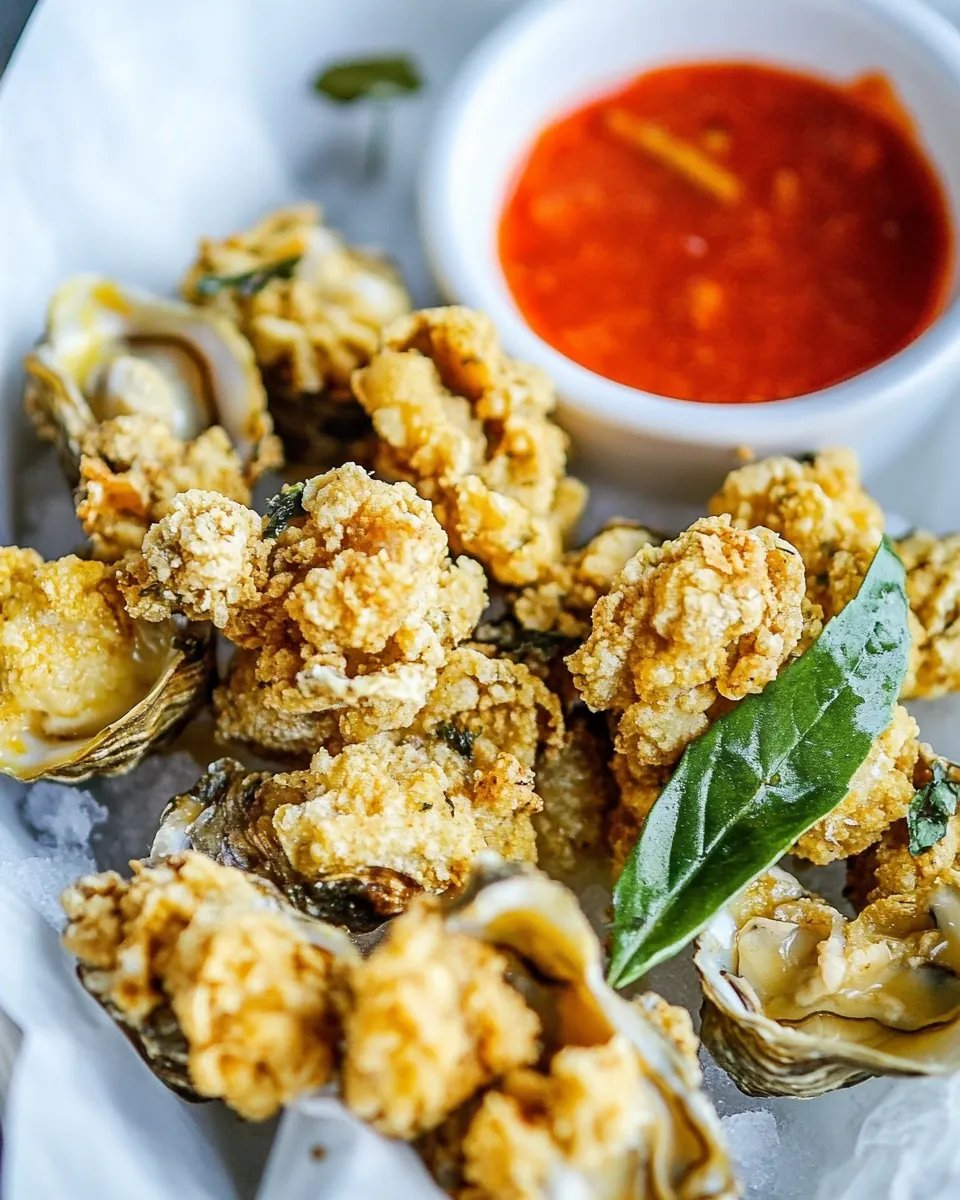
These tips will help you produce consistently crisp shellfish and a calm, safe frying experience. I share what I learned from trial and error so you can avoid common pitfalls and enjoy the best texture and flavor.
- Temperature matters, keep the oil around 375°F for a crisp exterior and tender interior. Use a thermometer and monitor between batches because temperature drops when you add more pieces.
- Dry shellfish well, pat clams and oysters with paper towels before dredging. Moisture causes splatter and prevents an even crust from forming.
- Don’t overcrowd the pot, fry in small batches to keep the oil temperature steady and prevent soggy results. Overcrowding is the fastest route to greasy coating.
- Use neutral high smoke point oil, choose canola or grapeseed so the oil won’t impart flavors and can sustain high heat required for quick crisping.
- Fry sage quickly, the leaves crisp in seconds and add an aromatic lift, but do them in a tiny batch so they remain light and crunchy.
What to Serve With Fried Oysters and Littleneck Clams
These serving ideas will help you plan a meal around Fried Oysters and Littleneck Clams. I include pairing suggestions, occasion notes, and storage guidance to make the dish work for weeknights and gatherings.
- Simple green salad, a crisp mixed green salad with a light vinaigrette provides a refreshing contrast to the fried shellfish and cuts through richness on a casual dinner plate.
- Crusty bread or rolls, warm bread helps scoop up any remaining juices and pairs naturally with the seaside flavors, making the meal feel satisfying and communal.
- Seasonal sides, roasted root vegetables or a mashed potato make this a heartier dinner for cool fall evenings when you want warmth and comfort.
- Occasions, this is great for informal gatherings, a special weekend lunch, or a relaxed fall dinner, especially when you want food that encourages passing plates and conversation.
- Storage tips, if you must keep leftovers, store fried pieces in a single layer on a tray in the fridge for up to one day and reheat in a hot oven to help restore crispness rather than using a microwave.
- Serving style, serve on a large platter with lemon wedges and a small bowl of Tobasco so guests can season to taste and enjoy family style.
FAQ
Conclusion
What makes this recipe special is the contrast between the light, crisp coating and the tender, briny shellfish, punctuated by fried sage and a touch of hot sauce. Give it a try the next time you want a memorable meal that comes together quickly and encourages sharing. I find it rewarding to watch friends gather around a platter and savor the textures and simple flavors, and I hope you enjoy making and serving it as much as I do.
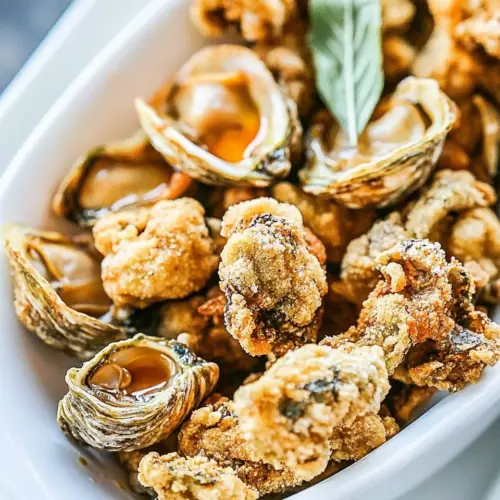
Fried Oysters and Littleneck Clams
Equipment
- Large Pot
- Dutch Oven
- Fryer
- Thermometer
- Slotted Spoon
- Spider
Ingredients
- 2 quarts canola, grapeseed, or other high-heat cooking oil for frying Heated to high temperatures and used as the cooking medium for deep-frying the clams, oysters, and sage; choose a neutral, high-smoke-point oil like canola or grapeseed to achieve a crisp exterior without imparting off-flavors. Maintain a steady temperature to prevent greasiness and to ensure even browning, and use enough oil to fully submerge the seafood for consistent results.
- 1/2 cup Wondra flour or all-purpose flour Lightly coats and helps bind the breading to the seafood; use Wondra for a finer, lighter crust or all-purpose flour for a slightly heartier coating. Sift or shake off excess before frying to avoid clumping and to promote an even, golden finish.
- 1 dozen raw littleneck clams cleaned and shucked Shucked and prepared to provide a tender, briny component that crisps quickly when fried; clean thoroughly to remove grit and any shell fragments before dredging. Pat dry to reduce splatter during frying and season lightly to enhance the natural sweetness of the clam meat.
- 1 dozen raw oysters cleaned and shucked Shucked and readied to add delicate, oceanic flavor and a soft interior that contrasts with a crisp fried crust; ensure oysters are drained and patted dry to prevent oil splatter and uneven frying. Fry briefly at the correct oil temperature to keep them plump and tender while achieving a golden exterior.
- Sea salt to taste Sprinkled sparingly to enhance and balance the seafood’s natural flavors; use sea salt to season the flour or to finish the fried pieces to taste. Adjust seasoning incrementally after frying to avoid over-salting delicate shellfish.
- Fresh sage leaves quick-fried, for garnish Quick-fried until crisp to create an aromatic, herbaceous garnish that provides texture and a pop of color; use fresh sage leaves and fry briefly in hot oil used for the seafood. Drain on paper towels to remove excess oil and sprinkle over the finished dish just before serving.
- Tobasco, or other hot sauce to taste, optional Added sparingly as a finishing condiment to introduce acidity and heat that cuts through the richness of the fried seafood; offer Tabasco or another hot sauce at the table for diners to customize spice levels. Choose a sauce that complements the briny flavors without overpowering them.
Instructions
- Pour the oil into a large pot, Dutch oven, or fryer. It should be at least 2 inches deep. Heat the oil to 375°F. If you don't own a candy or oil thermometer, simply sprinkle a pinch of flour into the oil. If it sizzles, it's ready.: When the oil heats, you want a steady environment that lets pieces float and fry evenly. Look for a glossy surface and a slow shimmer, not smoke. The ideal sound is a clear, active sizzle when you test with a pinch of flour; it should snap but not spit wildly. If you see heavy black smoke, the oil is too hot and will burn coatings, so lower the heat and let it cool slightly before testing again. Overcrowding the pot is a common mistake here because it drops the temperature and yields greasy results.
- Meanwhile, put the flour in a shallow dish. Dredge the clams in flour and set aside. Repeat with the oysters, keeping the clams and oysters separate.: At this temperature, the flour coating crisps quickly, sealing in juices without overcooking the shellfish. If you have a thermometer, aim for a stable 375°F and watch for slight temperature dips between batches. Without a thermometer, sprinkle a pinch of flour into the oil; it should sizzle energetically and brown in a few seconds. A too cool oil will soak into the coating and feel heavy, while too hot oil will scorch the crust, so pacing and thermometer checks prevent disasters.
- When the oil is hot, using a slotted spoon or spider, fry one test clam to ensure your oil is at the correct temperature. If your test is successful and the clam is pale golden, using a slotted spoon or spider, lower half of the clams into the oil and fry for 45 seconds, then transfer to a plate or baking sheet lined with paper towels to drain. Sprinkle liberally with salt. Repeat the process with the remaining clams, letting the oil return to temperature before frying the next batch.: Dry flour helps form the crust and gives each piece a consistent finish. As you dredge, pat excess flour off so you have a light coating rather than a thick batter. Keeping clams and oysters separate avoids cross contamination of cooking times and maintains clarity of texture. A mistake to avoid is letting the dredged pieces sit too long and absorb ambient moisture, which can make the crust fall off in the oil.
- Next, fry half of the oysters. Using a slotted spoon or spider, lower half of the oysters into the oil and fry for 1 minute, then transfer to a plate or baking sheet lined with paper towels to drain. Sprinkle liberally with salt. Repeat the process with the remaining oysters, letting the oil return to temperature before frying the next batch.: A test piece confirms readiness and saves a whole batch from being ruined. The test clam should come up pale golden and crisp quickly. Listen for a lively sizzle that calms as the clam is removed; that indicates proper heat. If the test fritter sinks and does not brown, the oil needs to be hotter. One trap here is assuming the thermometer is correct without a test if your burner is finicky; the test keeps you honest.
- Garnish the clams and oysters with fried sage leaves and serve with hot sauce, if desired.: The brief fry time preserves a juicy interior while giving a thin, crisp coating. You will hear a sustained sizzle and see tiny bubbles racing around the edges. Transfer to paper towels to wick away excess oil and sprinkle sea salt immediately so it sticks. Avoid crowding the basket because it will lower oil temperature and make results uneven.
- Sprinkle liberally with salt: Salting right after frying is critical because the warmth helps the salt adhere and season through the crust. The grains create a bright counterpoint to the fried richness. A common misstep is waiting too long to salt, which leaves the exterior bland; salt while still warm for best flavor penetration.
- Repeat the process with the remaining clams letting the oil return to temperature before frying the next batch: Patience between batches ensures each group hits the same thermal window for crispness. Use the test method again if the oil temperature wavers, and remove any small debris in the oil that could darken the next batch. Rushing by adding too many at once invites greasy, undercooked results, so keep the rhythm steady.
- Next fry half of the oysters Using a slotted spoon or spider lower half of the oysters into the oil and fry for 1 minute then transfer to a plate or baking sheet lined with paper towels to drain: Oysters take marginally longer than littlenecks because their shape and moisture content need that extra moment to set the crust. Listen for a bright sizzle that keeps going for the full minute, and look for a uniform pale golden hue. Remove and let them drain briefly; should you see a dull, soggy surface, the oil was probably too cool, so adjust heat before the next batch.
- Sprinkle liberally with salt: As with the clams, seasoning immediately after frying brings out the shellfish's natural flavors. The salt anchors the bite and balances the fried coating. One trap is using too fine a grind that dissolves away; medium flake sea salt gives a satisfying crunch and consistent seasoning.
- Repeat the process with the remaining oysters letting the oil return to temperature before frying the next batch: By the final batches you will have a rhythm that helps you anticipate temperature dips and timing. Keep a small plate for finished pieces to avoid stacking while hot, which can steam and soften the crust. The most frequent mistake at this stage is impatience, leading to uneven doneness across pieces.
- Garnish the clams and oysters with fried sage leaves and serve with hot sauce if desired: Quick frying the Fresh sage leaves imparts an aromatic, slightly bitter contrast that brightens the plate. They crisp in seconds and smell herbaceous and warm, like a fleeting autumn smell. Offer Tobasco on the side for anyone wanting vinegary heat. Avoid attempting to fry too many leaves at once because they can clump and become soggy rather than crisp.
Notes
- Temperature matters, keep the oil around 375°F for a crisp exterior and tender interior. Use a thermometer and monitor between batches because temperature drops when you add more pieces.
- Dry shellfish well, pat clams and oysters with paper towels before dredging. Moisture causes splatter and prevents an even crust from forming.
- Don’t overcrowd the pot, fry in small batches to keep the oil temperature steady and prevent soggy results. Overcrowding is the fastest route to greasy coating.
- Use neutral high smoke point oil, choose canola or grapeseed so the oil won’t impart flavors and can sustain high heat required for quick crisping.
- Fry sage quickly, the leaves crisp in seconds and add an aromatic lift, but do them in a tiny batch so they remain light and crunchy.