Bagna Cauda
Bagna Cauda is the kind of sauce that hooked me the first time I tasted it at a bustling Italian market, where a vendor ladled warm, garlicky oil over torn bread and invited passersby to taste. I remember the immediate, quiet pause it caused at my table, everyone leaning in for another bite, the conversation slowing as the flavors took over. That first experience stuck with me, and over the years I’ve learned to make and serve Bagna Cauda in a way that brings people together, encourages sharing, and rewards slow, attentive cooking.
When I make Bagna Cauda at home, it becomes an event rather than just a condiment. I set out a simple spread of raw and blanched vegetables, a sturdy loaf for tearing, and a small fondue pot to keep the sauce gently warm. There is something intimate about dipping a crisp slice of pepper or a wedge of fennel into hot, savory oil, the way the aromas curl up and invite conversation. I like to tell stories while we dip, and the sauce itself sparks them, because it tastes like a place and a practice.
Recipe Snapshot
30 mins
10 mins
20 mins
Easy
300 kcal
Italian
Keto, Gluten-Free
Appetizers
Medium skillet, Wooden spoon, Small fondue pot or warm serving bowl
What We Adore About This Bagna Cauda
Deep, Mediterranean Flavor
I love Bagna Cauda because it captures the essence of simple Mediterranean cooking: high quality olive oil, abundant garlic, and savory anchovies. The flavors are concentrated but balanced, offering umami richness without heaviness. Each component sings, and together they create a mouthfilling, slightly briny sauce that makes vegetables feel celebratory.
Comforting, Sociable Ritual
This is not a sauce you eat alone at a kitchen counter. I always serve Bagna Cauda at gatherings, and it becomes the center of attention. Passing the fondue pot around, everyone dipping and commenting, makes a meal feel communal. I value recipes that turn eating into an experience, and this one does that beautifully.
Versatile and Seasonal
Although rooted in winter vegetable traditions in Italy, Bagna Cauda works with almost any fresh produce. I use it year round, since you can adjust dippers based on what is in season. The sauce itself keeps and reheats well, so you can make it ahead when hosting, which I appreciate when planning casual dinner nights.
Transforms Humble Ingredients
What I admire most is how Bagna Cauda elevates simple ingredients. A slice of crusty bread becomes decadent, and raw carrot batons taste kissed with something savory and warm. It makes plain vegetables craveable, and that makes it a great way to get everyone at the table to eat more produce, in a totally indulgent way.
Easy Technique, Big Impact
Finally, I keep coming back to how approachable this sauce is to make. The technique is patient rather than complicated, and the payoff is immense. I enjoy teaching this to friends because even modest cooks can produce restaurant worthy results with a little attention to temperature and timing.
Everything You Need for Bagna Cauda
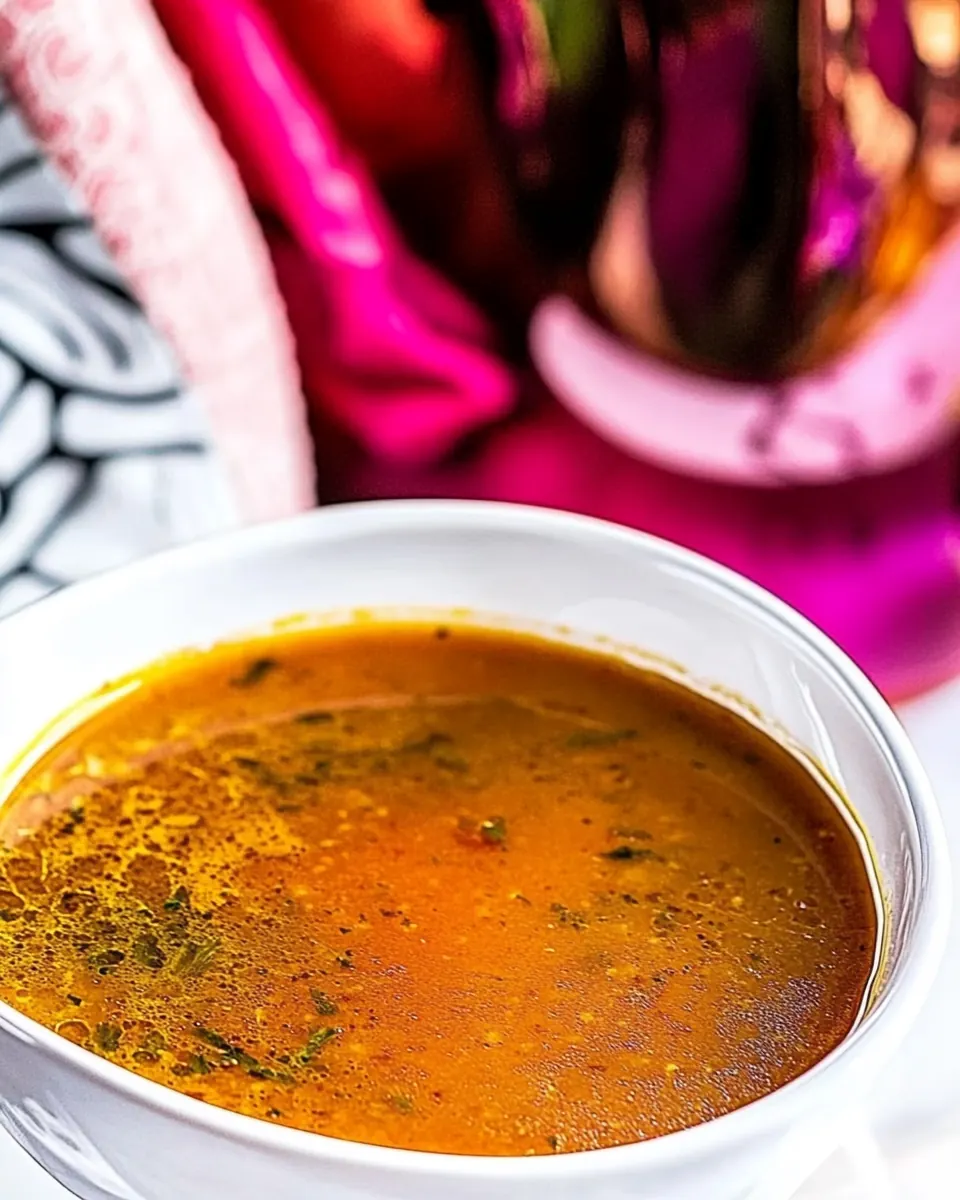
These ingredients form a simple, focused cast where each role is important. The philosophy here is restraint and quality. The key players are olive oil as the gentle carrier, garlic for aromatic backbone, butter for silk and richness, and anchovies delivering concentrated umami. When combined slowly, they produce a sauce that is both lush and savory, perfect for dipping bright vegetables and rustic bread.
- 1/2 cup good quality extra virgin olive oil: Provides a fruity, peppery base and helps gently infuse the sauce with heat; carries and melds the flavors of garlic and anchovies while preventing burning.
- 1/2 cup minced fresh garlic (from about 16-18 large garlic cloves): Adds intense pungency and savory sharpness when minced; releases aromatic oils that form the backbone of the sauce’s bold, garlicky character.
- 1/2 cup unsalted butter, cut into tablespoon-sized pieces: Contributes creamy richness and a silky mouthfeel; balances saline notes and rounds the flavor while helping to emulsify the mixture.
- 1/2 cup drained anchovies in oil (I use three 2-ounce tins): Delivers concentrated umami and briny depth; dissolves into the warm oil to create a deeply savory backbone essential to the classic sauce.
Step by Step Guide for Bagna Cauda
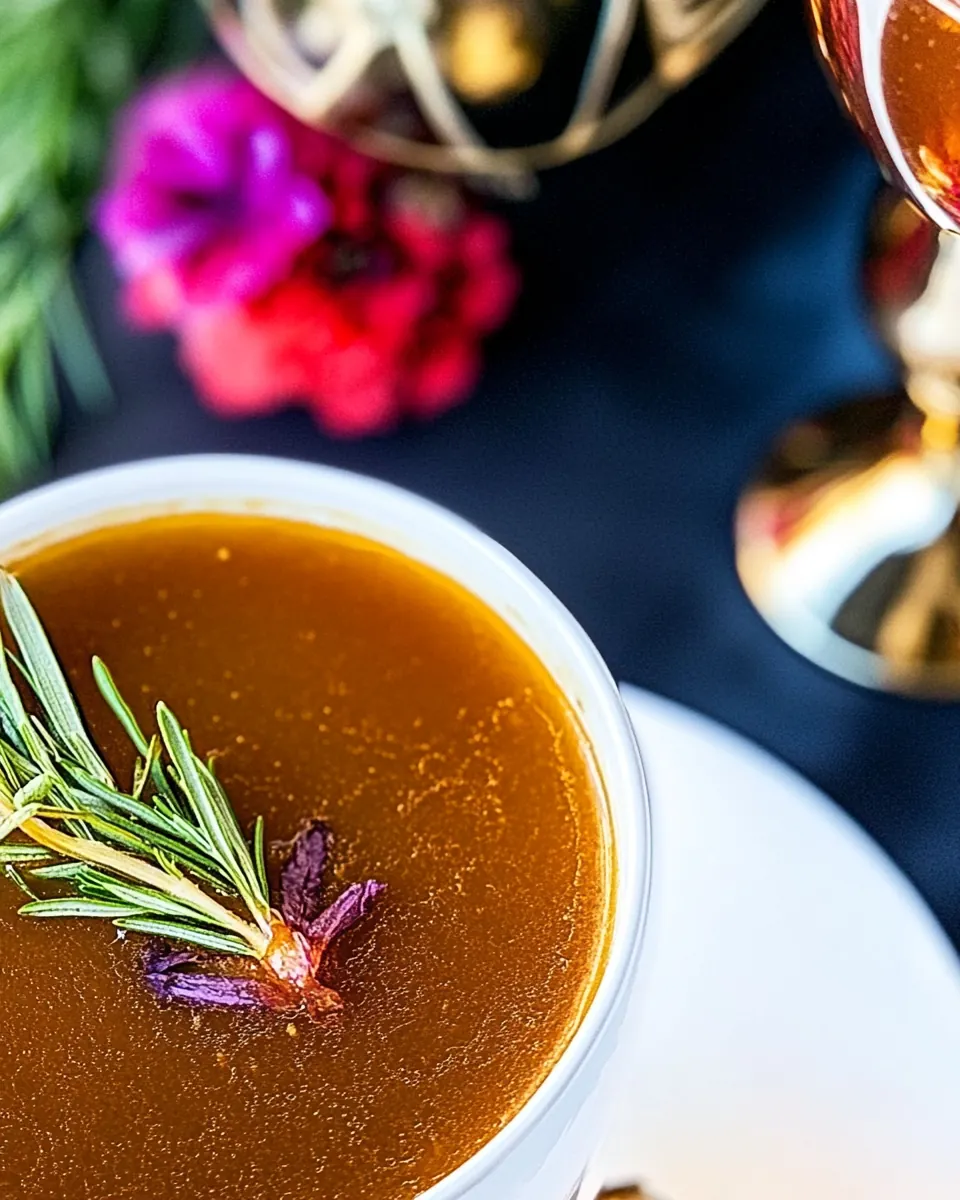
This sauce is about patience, gentle heat, and attention. Below I break down each direction into rich, sensory instructions so you can replicate the warm, silky sauce at home with confidence and purpose.
- Add oil and garlic to a cold medium-size skillet. Turn heat to low and lightly simmer for 10-12 minutes, until softened. The oil should be just lightly bubbling – do not let garlic darken in color. It's very important to not rush this – go "low and slow".: As the mixture slowly warms you will notice the raw sharpness of the garlic yielding to a heady, sweet perfume that drifts from the pan. The sound is a barely audible whisper of tiny bubbles, and visually the minced pieces soften and become translucent without taking on color. This slow softening is essential because it tames the harsh sulfurous edge of raw garlic , producing a mellow, almost sweet base that melds with the olive oil . Stir occasionally so the garlic heats evenly, and watch closely for the first hints of sizzle that mean the oil is warm enough. A common mistake here is turning the heat too high, which browns and bitterly chars the garlic ; if you see any brown flecks, lower the heat and remove the pan from direct heat briefly to cool.
- Add the anchovies and stir to combine, still over low heat. After 1 minute, use a wooden spoon to break up the anchovies. They will start to literally melt into the hot oil and garlic, and should be completely broken down in about 5 minutes.: When the anchovies hit the warm oil, you will smell an immediate savory, marine note that deepens the aroma profile. As the fish softens, press them against the pan with a wooden spoon, working them until they dissolve into threads and flakes that lose their original shape. The oil will take on a slightly thicker sheen and a bronzed tint, hinting at the umami being released. The process makes the sauce savory without overt fishiness, because the tiny pieces dissolve into the fat, distributing flavor evenly. One trap is adding the anchovies to a pan that is too hot, which can make them taste unpleasantly fishy; keep the flame very low, and be patient as they break down.
- Add butter and stir occasionally, until completely melted and combined. Then simmer for 1 more minute over low heat.: As you incorporate the pieces of butter , the sauce will shine and become silkier, the richness rounding out any sharp edges left by the anchovies and garlic . Melted butter will foam slightly at first then settle into a glossy emulsion with the olive oil , coating the wooden spoon as you stir. That final minute of gentle simmer helps the flavors knit together so they taste cohesive rather than separate. If you overheat now, the emulsion can break and the fats may separate, so keep the temperature minimal and remove from heat as soon as the sauce looks glossy and smooth.
- Transfer finished bagna cauda to a small fondue pot, with a lit candle beneath. Serve with chunks of crusty Italian bread and fresh vegetables, such as sweet peppers, celery, cauliflower, carrot, fennel, and cabbage – use these to mop up the savory sauce. Cardoons (similar to artichokes) are a traditional dipper in Italy, if you have access to them!: The moment you move the sauce into a warm serving vessel, the aromas will lift and fill the room, inviting guests to gather. Keep the flame gentle enough to maintain warmth without simmering, ensuring the texture stays silky for dipping. Arrange sturdy dippers like crusty bread and crisp vegetables so they can carry the sauce without falling apart. When guests dip, they will experience contrast between the hot, savory sauce and the cool, crunchy vegetable, which is precisely the appeal. Avoid using a flame that is too high under the fondue pot, because overheating will alter the sauce texture and intensity; a low, steady heat is perfect to preserve the emulsion and keep flavors balanced.
Tips for Success
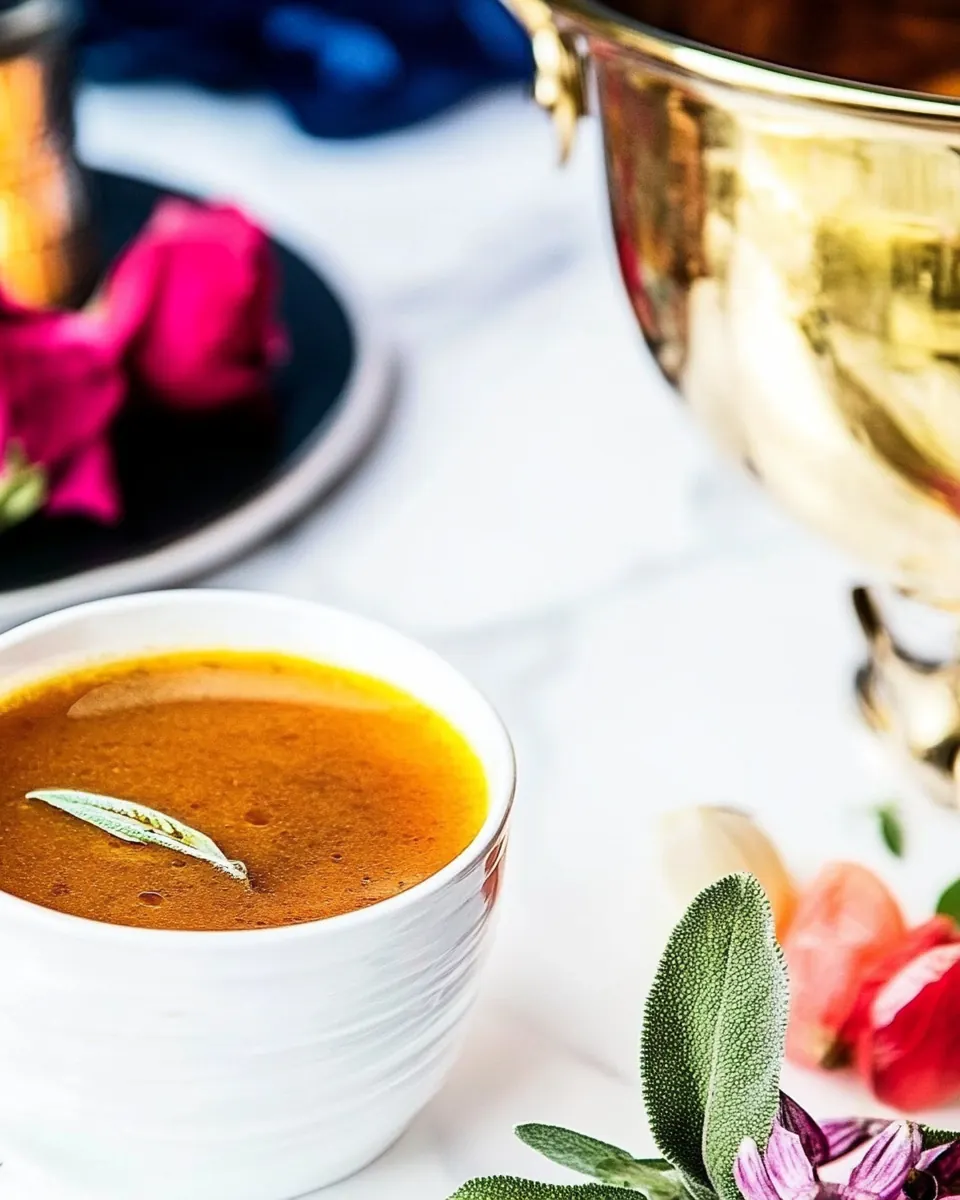
These tips will help you make the best possible Bagna Cauda. They focus on temperature control, ingredient quality, and serving presentation so the sauce delivers on texture and aroma every time.
- Choose a high quality olive oil because it forms the base of the sauce and its flavor will be obvious when warmed.
- Mince garlic very finely so it softens quickly and evenly during the low simmer without burning.
- Drain anchovies well to avoid adding extra packing oil that can make the sauce greasy.
- Cut butter into pieces so it melts gradually and helps form a stable, glossy emulsion with the oil.
- Keep the heat low at all times to prevent browning and to allow flavors to meld gently.
- Use a fondue pot or small warm bowl to keep the sauce at dipping temperature without reheating aggressively.
- Serve with sturdy dippers like crusty bread and crunchy vegetables so they hold up when scooped into the sauce.
Serve This Bagna Cauda With
Bagna Cauda is best enjoyed as a shared starter or part of a communal spread. Below are serving ideas, pairing suggestions, and storage notes to help you choose the right context and keep leftovers tasting fresh.
- Classic platter: Arrange warm chunks of crusty Italian bread alongside raw and blanched vegetables such as sweet peppers, celery, cauliflower, carrot, fennel, and cabbage for a traditional experience.
- Seasonal variations: In colder months, offer roasted root vegetables slightly warm for dipping, while in spring offer raw, crisp farm vegetables for contrast.
- Occasions: This is ideal for casual dinners, small gatherings, or as an appetizer for holiday meals; it invites conversation and communal eating.
- Storage tips: Refrigerate any leftover sauce in an airtight container for up to 3 days; reheat gently over very low heat to avoid breaking the emulsion.
- Presentation: Serve in a small fondue pot or warm, shallow bowl to keep the sauce at dipping temperature without simmering vigorously.
- Pairing note: Keep wines or other beverages separate from the sauce when serving, and focus on light, refreshing drinks that complement the rich, savory flavors.
FAQ
Conclusion
Bagna Cauda stands out because it turns simple ingredients into a warm, savory centerpiece that brings people together. Its combination of melted butter, fragrant garlic, rich olive oil, and concentrated anchovies creates a sauce that is both comforting and exciting. Give it a try at your next gathering, and you will find how effortlessly it converts humble bread and raw vegetables into a communal feast that sparks conversation. Serve it warm, keep the heat low, and enjoy the ritual of sharing this delicious, rustic dip.
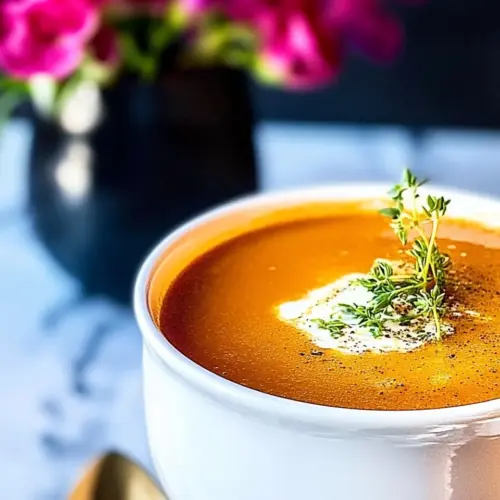
Bagna Cauda
Equipment
- Medium skillet
- Wooden Spoon
- Small fondue pot or warm serving bowl
Ingredients
- 1/2 cup good quality extra virgin olive oil Provides a fruity, peppery base and helps gently infuse the sauce with heat; carries and melds the flavors of garlic and anchovies while preventing burning.
- 1/2 cup minced fresh garlic (from about 16-18 large garlic cloves) Adds intense pungency and savory sharpness when minced; releases aromatic oils that form the backbone of the sauce’s bold, garlicky character.
- 1/2 cup unsalted butter, cut into tablespoon-sized pieces Contributes creamy richness and a silky mouthfeel; balances saline notes and rounds the flavor while helping to emulsify the mixture.
- 1/2 cup drained anchovies in oil (I use three 2-ounce tins) Delivers concentrated umami and briny depth; dissolves into the warm oil to create a deeply savory backbone essential to the classic sauce.
Instructions
- Add oil and garlic to a cold medium-size skillet. Turn heat to low and lightly simmer for 10-12 minutes, until softened. The oil should be just lightly bubbling – do not let garlic darken in color. It's very important to not rush this – go "low and slow".: As the mixture slowly warms you will notice the raw sharpness of the garlic yielding to a heady, sweet perfume that drifts from the pan. The sound is a barely audible whisper of tiny bubbles, and visually the minced pieces soften and become translucent without taking on color. This slow softening is essential because it tames the harsh sulfurous edge of raw garlic , producing a mellow, almost sweet base that melds with the olive oil . Stir occasionally so the garlic heats evenly, and watch closely for the first hints of sizzle that mean the oil is warm enough. A common mistake here is turning the heat too high, which browns and bitterly chars the garlic ; if you see any brown flecks, lower the heat and remove the pan from direct heat briefly to cool.
- Add the anchovies and stir to combine, still over low heat. After 1 minute, use a wooden spoon to break up the anchovies. They will start to literally melt into the hot oil and garlic, and should be completely broken down in about 5 minutes.: When the anchovies hit the warm oil, you will smell an immediate savory, marine note that deepens the aroma profile. As the fish softens, press them against the pan with a wooden spoon, working them until they dissolve into threads and flakes that lose their original shape. The oil will take on a slightly thicker sheen and a bronzed tint, hinting at the umami being released. The process makes the sauce savory without overt fishiness, because the tiny pieces dissolve into the fat, distributing flavor evenly. One trap is adding the anchovies to a pan that is too hot, which can make them taste unpleasantly fishy; keep the flame very low, and be patient as they break down.
- Add butter and stir occasionally, until completely melted and combined. Then simmer for 1 more minute over low heat.: As you incorporate the pieces of butter , the sauce will shine and become silkier, the richness rounding out any sharp edges left by the anchovies and garlic . Melted butter will foam slightly at first then settle into a glossy emulsion with the olive oil , coating the wooden spoon as you stir. That final minute of gentle simmer helps the flavors knit together so they taste cohesive rather than separate. If you overheat now, the emulsion can break and the fats may separate, so keep the temperature minimal and remove from heat as soon as the sauce looks glossy and smooth.
- Transfer finished bagna cauda to a small fondue pot, with a lit candle beneath. Serve with chunks of crusty Italian bread and fresh vegetables, such as sweet peppers, celery, cauliflower, carrot, fennel, and cabbage – use these to mop up the savory sauce. Cardoons (similar to artichokes) are a traditional dipper in Italy, if you have access to them!: The moment you move the sauce into a warm serving vessel, the aromas will lift and fill the room, inviting guests to gather. Keep the flame gentle enough to maintain warmth without simmering, ensuring the texture stays silky for dipping. Arrange sturdy dippers like crusty bread and crisp vegetables so they can carry the sauce without falling apart. When guests dip, they will experience contrast between the hot, savory sauce and the cool, crunchy vegetable, which is precisely the appeal. Avoid using a flame that is too high under the fondue pot, because overheating will alter the sauce texture and intensity; a low, steady heat is perfect to preserve the emulsion and keep flavors balanced.
Notes
- Choose a high quality olive oil because it forms the base of the sauce and its flavor will be obvious when warmed.
- Mince garlic very finely so it softens quickly and evenly during the low simmer without burning.
- Drain anchovies well to avoid adding extra packing oil that can make the sauce greasy.
- Cut butter into pieces so it melts gradually and helps form a stable, glossy emulsion with the oil.
- Keep the heat low at all times to prevent browning and to allow flavors to meld gently.
- Use a fondue pot or small warm bowl to keep the sauce at dipping temperature without reheating aggressively.
- Serve with sturdy dippers like crusty bread and crunchy vegetables so they hold up when scooped into the sauce.