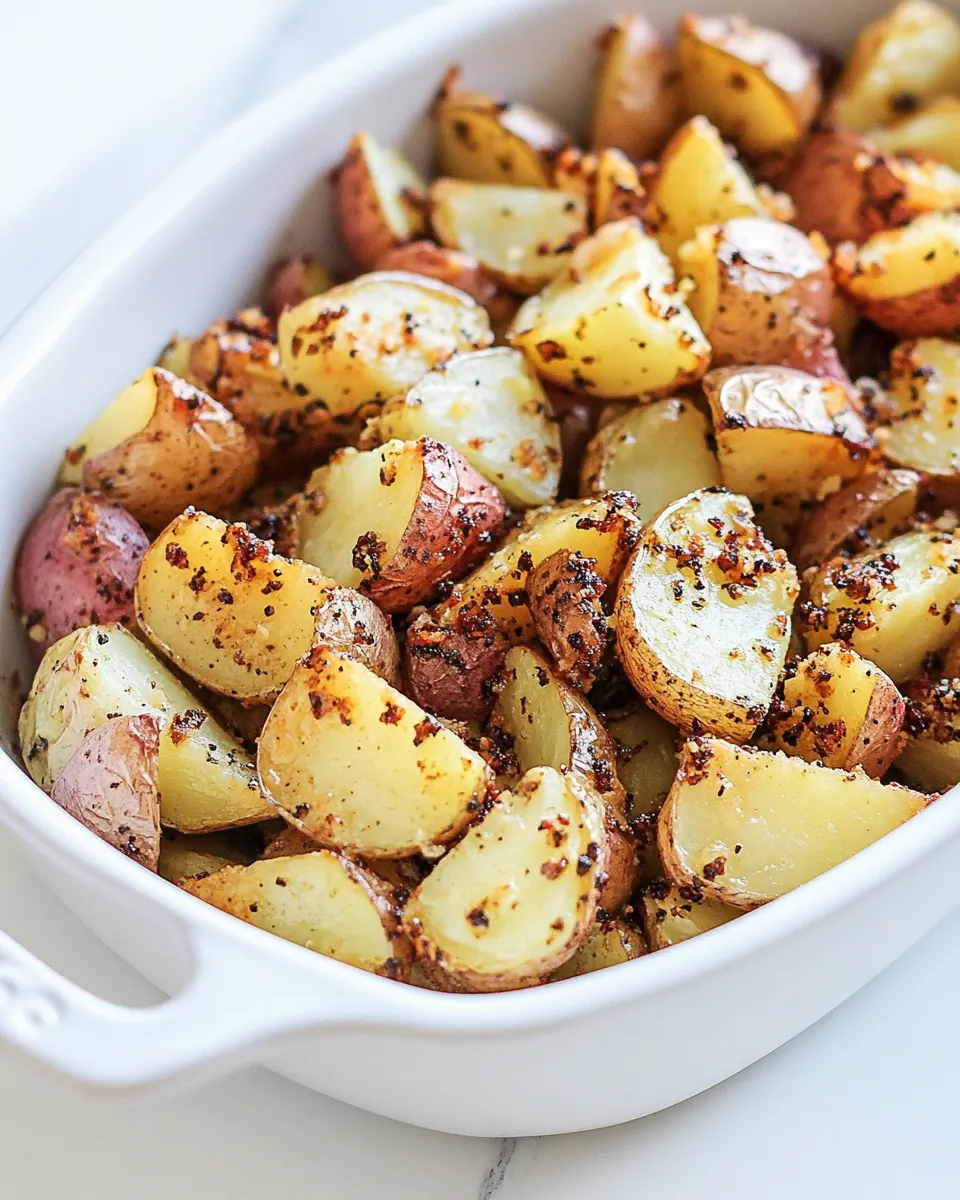
Mustard Roasted Potatoes
Mustard Roasted Potatoes have been a constant in my weeknight rotation ever since a friend served them at a casual backyard dinner and I begged for the recipe the moment I tasted that tangy crust. I remember standing in their tiny kitchen, napkin in hand, while we traded stories and I kept returning to the platter because the combination of heat and mustard made each bite feel lively and comforting. That evening stuck with me, and I started experimenting until I landed on a version that balanced crunch, creaminess, and bright citrus notes.
There is something about the ritual of prepping potatoes that soothes me. I like to chop a mix of red and white potatoes into wedges, sensing the weight of the bowl in my hands and hearing the soft clink as the pieces settle. While they sit, I whisk together a bold mix of mustard, olive oil, melted butter, and lemon, and the kitchen fills with a warm, garlicky aroma. Over time I learned tiny habits that make a big difference, like letting the potatoes rest briefly after tossing so every wedge gets a glossy, flavorful coat.
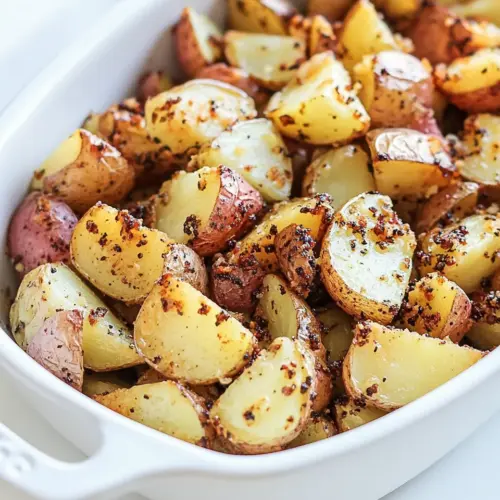
Serving these Mustard Roasted Potatoes is a small moment of joy. They arrive at the table with a crust that crackles when you cut into it and a soft, almost buttery interior. Guests often ask for seconds before I even get to announce the main course. I like pairing them with simple greens and a roasted protein because they hold up well, and leftovers reheat beautifully. For me, this recipe is about comfort that tastes bright and a technique that feels approachable, which is why I make it over and over.
Recipe Snapshot
1 hr 10 mins
25 mins
45 mins
Medium
220 kcal
American
Gluten-Free, Low FODMAP
Side Dishes
Rimmed baking sheet, Mixing bowl, Whisk, Parchment paper
Why We Love This Mustard Roasted Potatoes
Bold, Tangy Flavor That Stands Out
I love how Mustard Roasted Potatoes wear their flavor on the outside. The whole grain Dijon mustard creates a thick, textured glaze that toasts in the oven, giving the potatoes a lively, tang-forward crust. I find this much more exciting than plain roasted potatoes, and it pairs beautifully with simple mains. The mustard‘s acidity brightens the palate, so you never feel heavy after a serving.
Texture Contrast You Can Hear
One of the main reasons I keep coming back to this recipe is the contrast between the crispy exterior and the pillowy interior. When you roast at high heat on roomy baking sheets, the edges caramelize and develop a satisfying crunch. At the same time, the center of each wedge stays tender. That textural play makes each mouthful interesting and keeps people reaching for another bite.
Simple Pantry Ingredients, Big Impact
Most of the magic happens with everyday ingredients like olive oil, butter, garlic, and dried oregano. I appreciate recipes that don’t demand exotic items yet reward you with deep flavor. The lemon juice and zest lift the mix, while the fat from the butter adds richness, so the dish tastes both bright and satisfying. I can usually make this without an extra trip to the store.
Scalable and Reliable for Gatherings
I’ve doubled and tripled this recipe for potlucks and it always behaves. The method scales because the potatoes roast independently on sheets, so they crisp without steaming. I often make them a bit ahead and rewarm on a hot sheet in the oven, and the texture holds up remarkably well. That reliability makes this a go to when feeding a group.
Flexible Pairing Options
These potatoes are versatile. I serve them with roasted vegetables, simple salads, or a grilled main. Because the flavors are assertive but not overpowering, they harmonize with many styles of cooking. I enjoy mixing varieties of potatoes, since the skins add color and subtle differences in texture.
Mustard Roasted Potatoes Ingredients
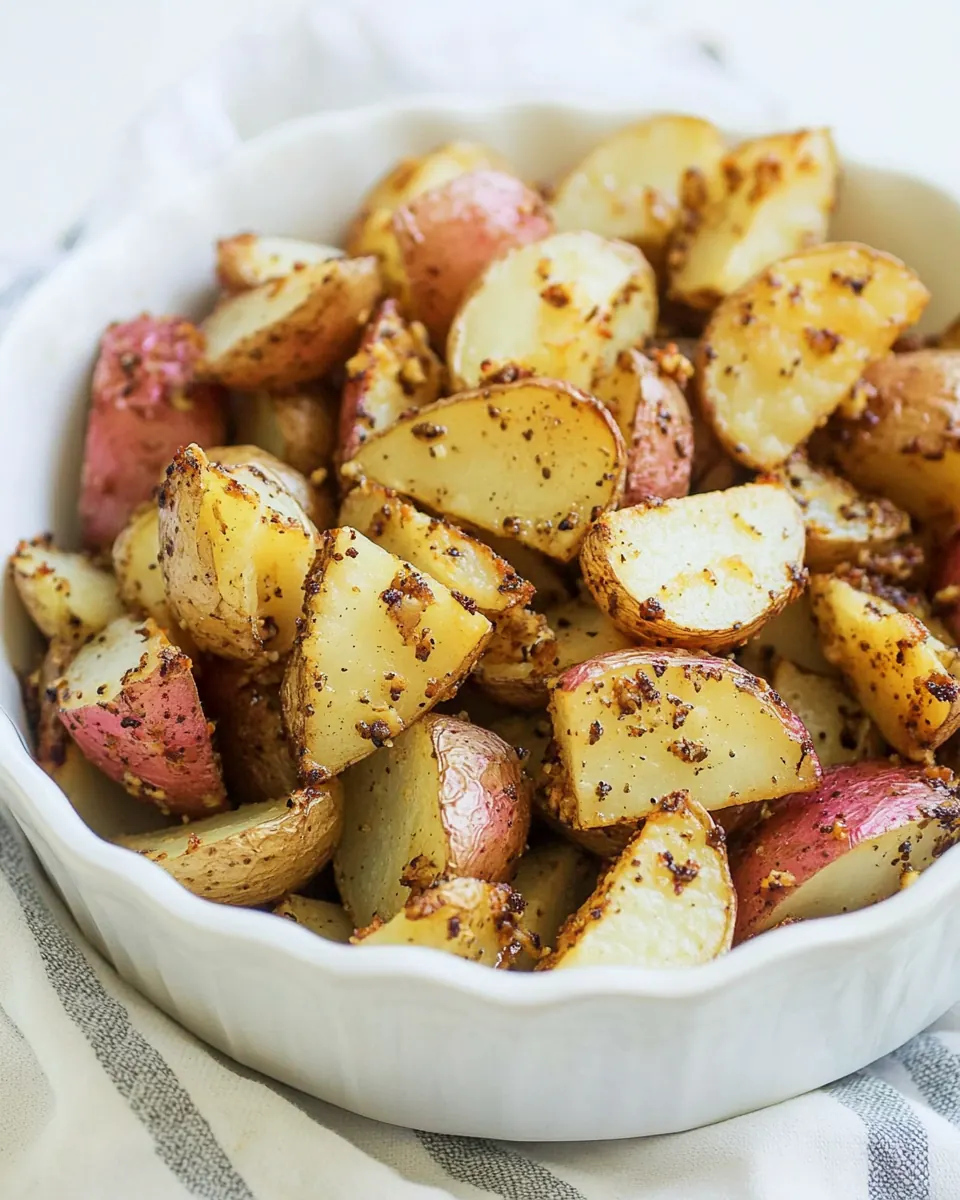
These ingredients work together by layering tang, fat, and aromatics so each wedge becomes a tiny vessel of flavor. The Dijon mustard and lemon introduce acidity and brightness, the butter and olive oil supply richness that promotes browning, while garlic and oregano deliver savory depth. The potatoes themselves provide the canvas, absorbing flavors while maintaining a comforting interior.
- 1/2 cup whole grain Dijon mustard: Provide a tangy, piquant base and emulsifying binder that helps the mustard cling to potato wedges while contributing robust, slightly spicy flavor and visible whole–grain texture to the roast.
- 2 tablespoons extra virgin olive oil: Add a fruity, smooth fat that helps carry flavors, promotes even roasting, and crisps the potato edges while contributing subtle richness without overpowering the mustard.
- 2 tablespoons butter, melted: Impart a silky, buttery richness that deepens savory flavor, encourages browning, and helps create a glossy coating on roasted potatoes when melted and combined with oil and mustard.
- 2 tablespoons freshly squeezed lemon juice: Brighten the overall flavor profile with bright acidity that balances richness and sharpness, tenderizes surface starches slightly, and lifts the roasted aromas for a fresher finish.
- 3 medium garlic cloves, minced: Provide pungent, aromatic heat and savory depth when minced, releasing sulfurous compounds that complement the mustard and enhance the roasted potato's overall savoriness.
- 1 tablespoon dried oregano: Contribute warm, herbaceous, slightly woody notes that marry well with mustard and lemon, adding an earthy Mediterranean character and subtle aromatic complexity to the dish.
- 1 teaspoon finely grated lemon zest: Deliver concentrated citrus oils and aromatic lift that reinforce the lemon juice's brightness, add fragrant top notes, and enhance overall flavor contrast against the mustard.
- 1 teaspoon kosher salt: Season evenly to enhance and balance all flavors, help with taste perception during roasting, and assist in drawing out surface moisture for better browning.
- 3 pounds (1 to 1 1/2 inch in diameter) red and white skinned potatoes, cut into 3/4-inch-wide wedges (use a mix of both kinds of potatoes): Offer starchy body and tender bite as the main component of the dish, providing substantial texture that roasts to crisp edges and fluffy interiors while absorbing the mustardy glaze.
Directions for Mustard Roasted Potatoes
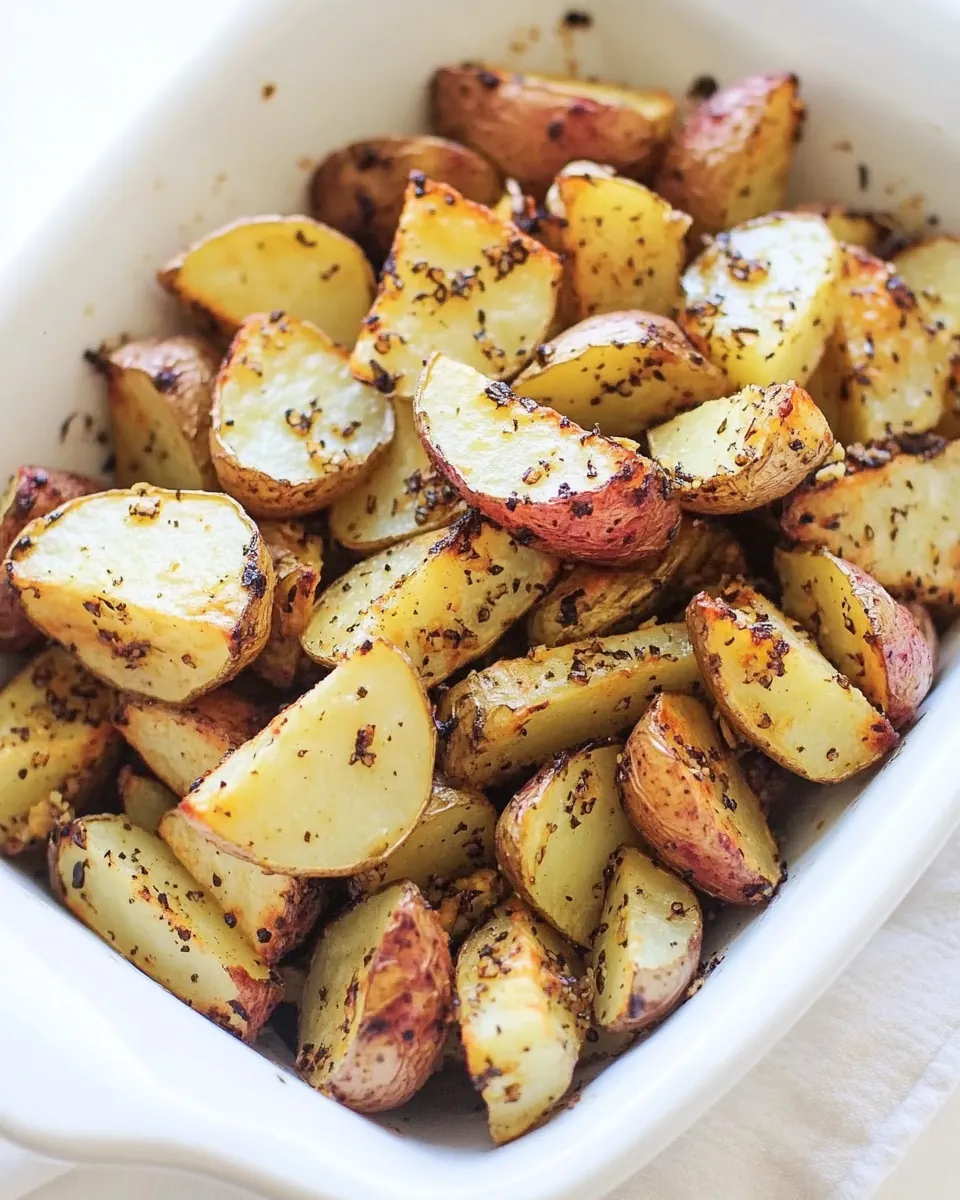
I approach the roasting process like a small performance where timing and temperature shape the final result. The prep is straightforward, but the payoff comes from a hot oven and a careful sheet pan layout so each wedge crisps properly. Below are the steps translated into detailed, sensory rich guidance so you can reproduce the same crunchy, tender outcome.
- Position 1 rack in the top third of the oven and 1 rack in the bottom third of the oven. Preheat the oven to 425°F. Spray 2 large rimmed baking sheets with nonstick spray or line with parchment paper.: The room warms as the oven approaches 425°F and you may notice a faint dry heat when you open the door, which signals the environment needed for crisping. Setting racks high and low helps ensure even airflow if you roast two pans at once. I always use rimmed sheets because the edges catch any drips, and parchment makes cleanup effortless. A common mistake is overcrowding the sheet, which causes steaming instead of browning, so leave space between wedges and avoid piling them up.
- In a large bowl, whisk together the mustard, olive oil, butter, lemon juice, garlic, oregano, lemon zest, and salt to blend. Add the potatoes; sprinkle generously with freshly ground black pepper and toss to coat.: At this stage you will hear a gentle clatter as the whisk hits the bowl and smell the bright citrus and pungent garlic as the ingredients combine. The mixture should become glossy and slightly thick, clinging to the whisk. Tossing the potatoes allows every surface to pick up the grainy Dijon mustard , and you should see the wedges gain a sheen. If any wedges look splotchy, give them an extra gentle turn so the glaze is even. Avoid over mixing to prevent breaking the wedges, which leads to soggy spots instead of crisp edges.
- Divide the potatoes between the prepared baking sheets, leaving any excess mustard mixture behind in the bowl. Spread the potatoes in a single layer.: As you transfer the wedges, lay them skin side down when possible so the flesh faces up and browns attractively. A single layer is crucial because it exposes more surface area to direct heat, producing crunch. You might hear a faint sizzle as wedges contact the hot tray. If you leave too much glaze in the bowl, the sheets will be less coated, resulting in uneven crust formation, so aim to distribute most of the coating across the potatoes while not crowding the pan.
- Roast the potatoes for 20 minutes. Reverse the baking sheets and roast until the potatoes are crusty outside and tender inside, turning occasionally, about 25 minutes longer.: During the first 20 minutes the kitchen fills with a toasty aroma as the mustard and butter begin to brown. You will notice edges going from pale to golden, then to deeper amber. After you reverse the sheets, the sound of small crackles may accompany the bake, and you should see the glaze caramelize into a textured crust. The interior will feel tender when pierced with a fork. Turn the wedges occasionally so all sides develop color. A frequent pitfall is not reversing the pans, which can leave one side more browned than the other, so rotate them for even caramelization.
Ways to Adapt This Recipe
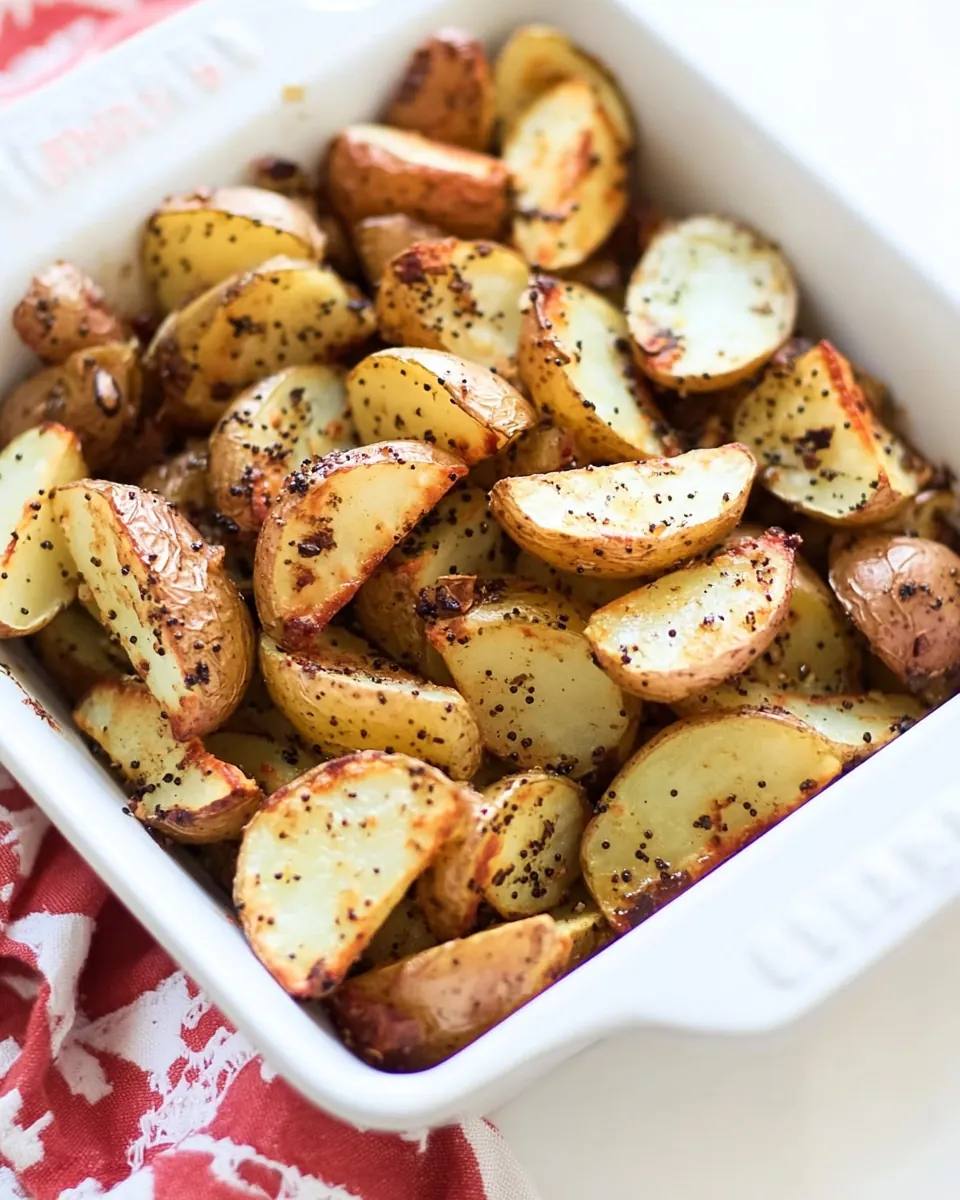
These adaptations help you tailor Mustard Roasted Potatoes to different tastes or occasions while keeping the core technique intact. Each tip below highlights a simple change that preserves the essential texture and flavor profile.
- Make it herb forward by swapping or adding fresh herbs like parsley or thyme at the end, tossing the hot potatoes with herbs to release their aroma without interfering with the roasting.
- Boost the garlic punch by using roasted garlic instead of raw for a milder, sweeter flavor, or increase the minced garlic slightly if you like a more assertive note.
- Adjust the tartness by varying the lemon juice up or down to suit your palate, remembering that a little acidity lifts the whole dish and helps balance the fat.
- Butter free option swap the melted butter for an equal amount of olive oil for a dairy free version that still promotes browning and crisp texture.
- Make ahead and reheat by preparing through the first roast, cooling on the sheets, and then finishing in a hot oven for ten minutes before serving to revive the crust.
What to Serve Alongside Mustard Roasted Potatoes
These potatoes are versatile companions for many meals. Below are thoughtful pairings, suggestions for occasions, and storage tips presented as a list so you can mix and match based on season or menu.
- Weeknight dinners pair well with simply roasted or grilled proteins, the potatoes carry bold flavor so mains can be lightly seasoned.
- Holiday sides they make a bright contrast to rich mains during festive meals, especially when you need a reliable, crowd friendly side.
- Lunch bowls toss warm potatoes with a bed of greens and a dollop of plain yogurt or a vinaigrette for a hearty midday meal.
- Make ahead for gatherings roast ahead and reheat in a hot oven to refresh the crust, this lets you focus on other dishes during service.
- Storage tips refrigerate leftover potatoes in an airtight container for up to three days, and reheat in a 425°F oven to restore crispness.
- Seasonal pairing in fall serve with roasted root vegetables and simple braises, while in spring lighten the plate with lemony greens for a fresher meal.
FAQ
Conclusion
This recipe shines because it turns simple potatoes into a bright, textured side that feels both homey and elevated. The grainy mustard glaze crisps into a flavorful crust while the interior stays soft, making every bite satisfying. Give these potatoes a try the next time you want an easy side that impresses without fuss. I think you will find them as reliable and crowd pleasing as I do, and they are a lovely addition to many meals.
Mustard Roasted Potatoes
Equipment
- Rimmed Baking Sheet
- Mixing Bowl
- Whisk
- Parchment Paper
Ingredients
- 1/2 cup whole grain Dijon mustard Provide a tangy, piquant base and emulsifying binder that helps the mustard cling to potato wedges while contributing robust, slightly spicy flavor and visible whole-grain texture to the roast.
- 2 tablespoons extra virgin olive oil Add a fruity, smooth fat that helps carry flavors, promotes even roasting, and crisps the potato edges while contributing subtle richness without overpowering the mustard.
- 2 tablespoons butter, melted Impart a silky, buttery richness that deepens savory flavor, encourages browning, and helps create a glossy coating on roasted potatoes when melted and combined with oil and mustard.
- 2 tablespoons freshly squeezed lemon juice Brighten the overall flavor profile with bright acidity that balances richness and sharpness, tenderizes surface starches slightly, and lifts the roasted aromas for a fresher finish.
- 3 medium garlic cloves, minced Provide pungent, aromatic heat and savory depth when minced, releasing sulfurous compounds that complement the mustard and enhance the roasted potato's overall savoriness.
- 1 tablespoon dried oregano Contribute warm, herbaceous, slightly woody notes that marry well with mustard and lemon, adding an earthy Mediterranean character and subtle aromatic complexity to the dish.
- 1 teaspoon finely grated lemon zest Deliver concentrated citrus oils and aromatic lift that reinforce the lemon juice's brightness, add fragrant top notes, and enhance overall flavor contrast against the mustard.
- 1 teaspoon kosher salt Season evenly to enhance and balance all flavors, help with taste perception during roasting, and assist in drawing out surface moisture for better browning.
- 3 pounds (1 to 1 1/2 inch in diameter) red and white skinned potatoes, cut into 3/4-inch-wide wedges (use a mix of both kinds of potatoes) Offer starchy body and tender bite as the main component of the dish, providing substantial texture that roasts to crisp edges and fluffy interiors while absorbing the mustardy glaze.
Instructions
- Position 1 rack in the top third of the oven and 1 rack in the bottom third of the oven. Preheat the oven to 425°F. Spray 2 large rimmed baking sheets with nonstick spray or line with parchment paper.: The room warms as the oven approaches 425°F and you may notice a faint dry heat when you open the door, which signals the environment needed for crisping. Setting racks high and low helps ensure even airflow if you roast two pans at once. I always use rimmed sheets because the edges catch any drips, and parchment makes cleanup effortless. A common mistake is overcrowding the sheet, which causes steaming instead of browning, so leave space between wedges and avoid piling them up.
- In a large bowl, whisk together the mustard, olive oil, butter, lemon juice, garlic, oregano, lemon zest, and salt to blend. Add the potatoes; sprinkle generously with freshly ground black pepper and toss to coat.: At this stage you will hear a gentle clatter as the whisk hits the bowl and smell the bright citrus and pungent garlic as the ingredients combine. The mixture should become glossy and slightly thick, clinging to the whisk. Tossing the potatoes allows every surface to pick up the grainy Dijon mustard , and you should see the wedges gain a sheen. If any wedges look splotchy, give them an extra gentle turn so the glaze is even. Avoid over mixing to prevent breaking the wedges, which leads to soggy spots instead of crisp edges.
- Divide the potatoes between the prepared baking sheets, leaving any excess mustard mixture behind in the bowl. Spread the potatoes in a single layer.: As you transfer the wedges, lay them skin side down when possible so the flesh faces up and browns attractively. A single layer is crucial because it exposes more surface area to direct heat, producing crunch. You might hear a faint sizzle as wedges contact the hot tray. If you leave too much glaze in the bowl, the sheets will be less coated, resulting in uneven crust formation, so aim to distribute most of the coating across the potatoes while not crowding the pan.
- Roast the potatoes for 20 minutes. Reverse the baking sheets and roast until the potatoes are crusty outside and tender inside, turning occasionally, about 25 minutes longer.: During the first 20 minutes the kitchen fills with a toasty aroma as the mustard and butter begin to brown. You will notice edges going from pale to golden, then to deeper amber. After you reverse the sheets, the sound of small crackles may accompany the bake, and you should see the glaze caramelize into a textured crust. The interior will feel tender when pierced with a fork. Turn the wedges occasionally so all sides develop color. A frequent pitfall is not reversing the pans, which can leave one side more browned than the other, so rotate them for even caramelization.
Notes
- Make it herb forward by swapping or adding fresh herbs like parsley or thyme at the end, tossing the hot potatoes with herbs to release their aroma without interfering with the roasting.
- Boost the garlic punch by using roasted garlic instead of raw for a milder, sweeter flavor, or increase the minced garlic slightly if you like a more assertive note.
- Adjust the tartness by varying the lemon juice up or down to suit your palate, remembering that a little acidity lifts the whole dish and helps balance the fat.
- Butter free option swap the melted butter for an equal amount of olive oil for a dairy free version that still promotes browning and crisp texture.
- Make ahead and reheat by preparing through the first roast, cooling on the sheets, and then finishing in a hot oven for ten minutes before serving to revive the crust.
