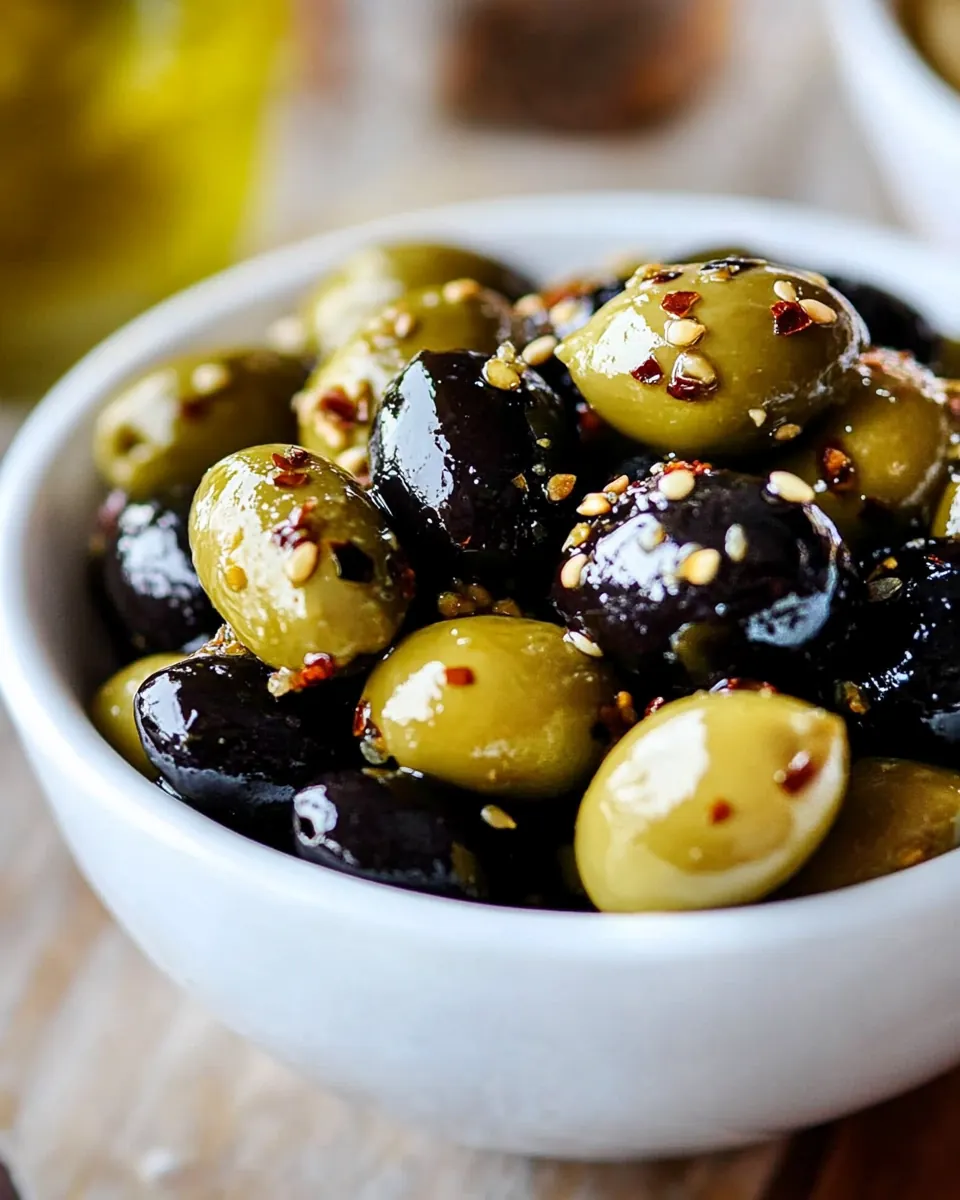
Marinated Olives
Marinated Olives were one of the first simple recipes that taught me the power of patience in the kitchen. The first sentence of a story like this feels important to me, because these glossy, herb studded gems show how a few pantry items and a smidge of time can turn ordinary into memorable.
I first made Marinated Olives for a small dinner where I wanted something that felt effortless yet cultivated. I remember pulling a jar from the fridge the day before, tucking it into a corner shelf and thinking little of it. The next evening, when I unscrewed the lid, the sharp scent of citrus peeked out through the oil and herbs, and I realized food can be a quiet kind of hospitality, the sort that arrives before you do.
Over the years, I have tweaked amounts and swapped olive varieties, learning to read brines and to nudge flavors with zest rather than salt. Folks often assume marinades are complicated, but with Marinated Olives you only need to know how to layer flavors and then wait. I like to serve them at room temperature, letting the oil soften and the aromatics bloom, and watching how simple ingredients become something you keep returning to during a meal.
Recipe Snapshot
15 mins
15 mins
Easy
120 kcal
Mediterranean
Paleo, Vegan
Appetizers
Jar with lid, Medium sized glass bowl
Why This Marinated Olives Is a Winner
Bright Citrus and Herb Harmony
I love how Marinated Olives balance the briny punch of the olives with the fresh lift of lemon zest and orange zest. The citrus oils infuse the surface notes without masking the olive‘s character. When I taste them after a day or two, the citrus is like a soft exclamation point that brightens every bite.
Flexible and Crowd Friendly
These olives scale beautifully, which is why I often make a jar for gatherings. You can mix different olive types, and each one contributes texture and flavor. I particularly appreciate that they store well, so you can prepare them ahead and spend more time with guests.
Textural Interest and Aromatics
The combination of garlic, dried oregano, rosemary, and thyme creates an aromatic backbone that clings to the olive skins. As the oil settles, those herbs soften and perfume every olive. I like the play between the soft flesh of some olives and the firmer bite of others, creating a pleasing contrast in every spoonful.
Simple Technique, Big Flavor
I value recipes that reward patience, and Marinated Olives is one of those. The technique is almost meditative, just layering and waiting. That slow melding is what gives the olive a far deeper flavor than a quick toss ever could, and it requires very little hands on time.
Year Round Appeal
Because the ingredients are pantry staples, I reach for this recipe throughout the year. Whether it’s a summer picnic or a cozy winter snack, these olives fit the mood. I love how they make a simple cheese board feel elevated without fuss.
What to Buy for Marinated Olives
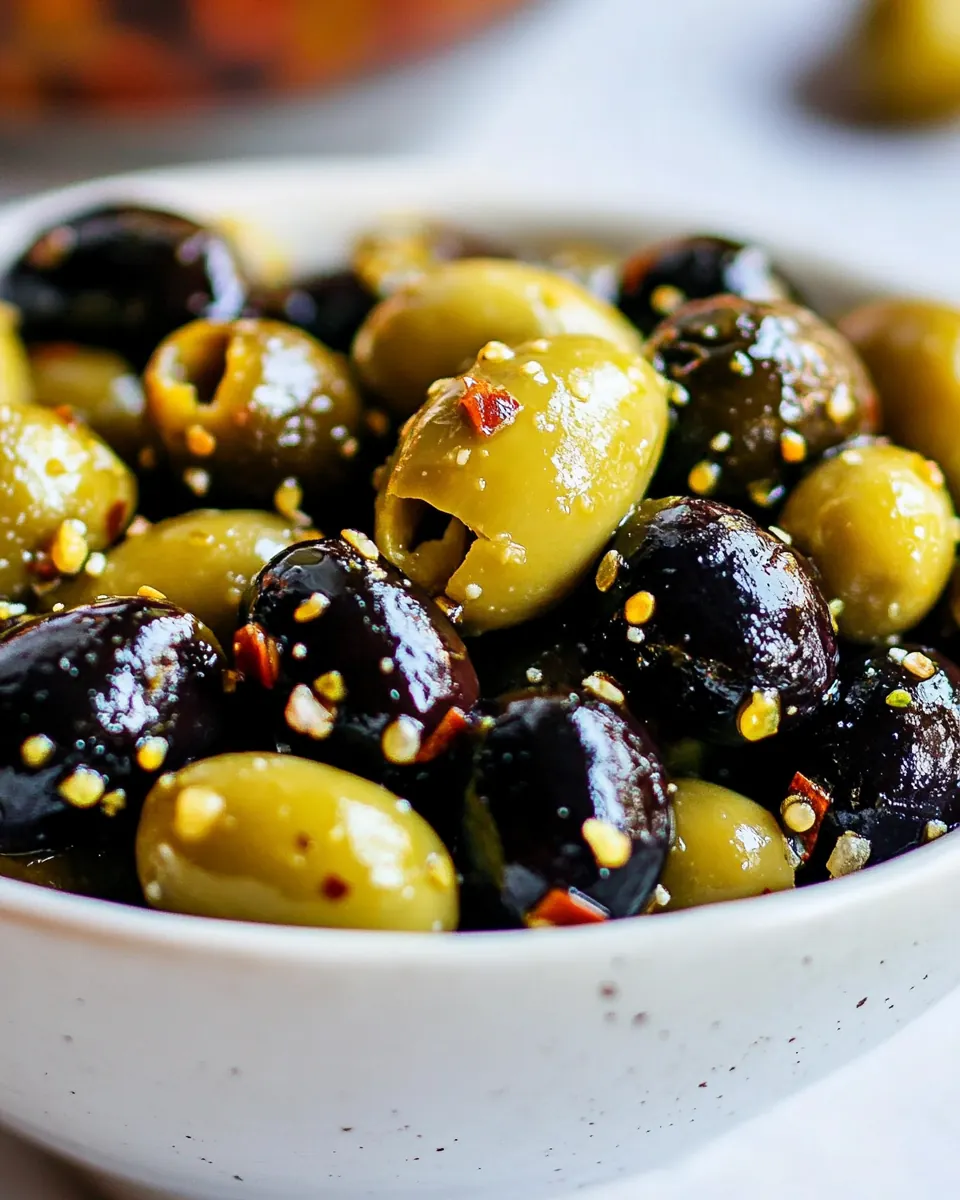
These ingredients are a lesson in restraint. Each element plays a clear role: the olives provide the base, the herbs and garlic build aroma, the citrus zests add brightness, and the oil binds everything together. I think of the olive as the canvas, and the aromatics as the brushstrokes that create depth. Together they yield a snack or condiment that is both rustic and refined.
- 3 cups olives large, in brine, See NOTES: Provide a briny, savory base and varied textures that define the olive mix; rinse briefly if excessively salty, then pat dry. Offer a range of flavor notes from mild to robust depending on olive variety, and absorb the marinade’s aromatics for best results.
- 1 tablespoon oregano dried: Add a warm, herbaceous Mediterranean note that complements the olives and citrus; crumble between fingers before sprinkling to release oils. Help tie together dried herbs with the oil and citrus zest for balanced flavor throughout the marinade.
- 1 teaspoon rosemary dried: Impart a piney, slightly resinous undertone that contrasts the olives’ fruitiness; crush lightly to awaken aroma before mixing. Contribute structure to the herb blend so the marinade has depth without overpowering the olives.
- 1 teaspoon thyme dried: Introduce a subtle earthy, floral note that supports other herbs and enhances overall complexity; crumble or rub to release fragrance. Provide a gentle background flavor that melds with citrus and garlic during marination.
- 3 cloves garlic minced: Deliver pungent, savory bite and aromatic lift when minced finely; distribute evenly so each olive receives some garlicky flavor. Act as a key savory component that brightens the oil and complements the herbs and citrus zests.
- 1/2 teaspoon red pepper flakes: Bring controlled heat and a hint of smokiness that livens the marinade; use sparingly to avoid overwhelming the olives. Offer textural flecks and visual contrast while enhancing the overall flavor profile with gentle spiciness.
- 1 tablespoon orange zest: Contribute bright, sweet citrus oils that add aromatic freshness and lighten the briny olives; zest finely to avoid pith. Provide floral, fruity notes that balance savory herbs and enrich the olive oil with vibrant fragrance.
- 1 tablespoon lemon zest: Provide sharp, tangy citrus oils that boost acidity and freshness; zest thinly to capture fragrant oils while avoiding bitter white pith. Enhance the marinade’s brightness and help cut through the richness of the olives and oil.
- sea salt coarse, as needed: Season to taste and help balance brininess and bitterness; add sparingly at the end or after tasting to avoid oversalting. Provide texture and a finishing touch that elevates the overall flavor when used as needed.
- 2/3 cup extra-virgin olive oil: Bind and carry flavors while adding richness and mouthfeel; drizzle over olives to coat evenly and allow aromatics to infuse. Serve as the primary medium for herb and citrus extraction so flavors permeate each olive.
Cooking Method for Marinated Olives
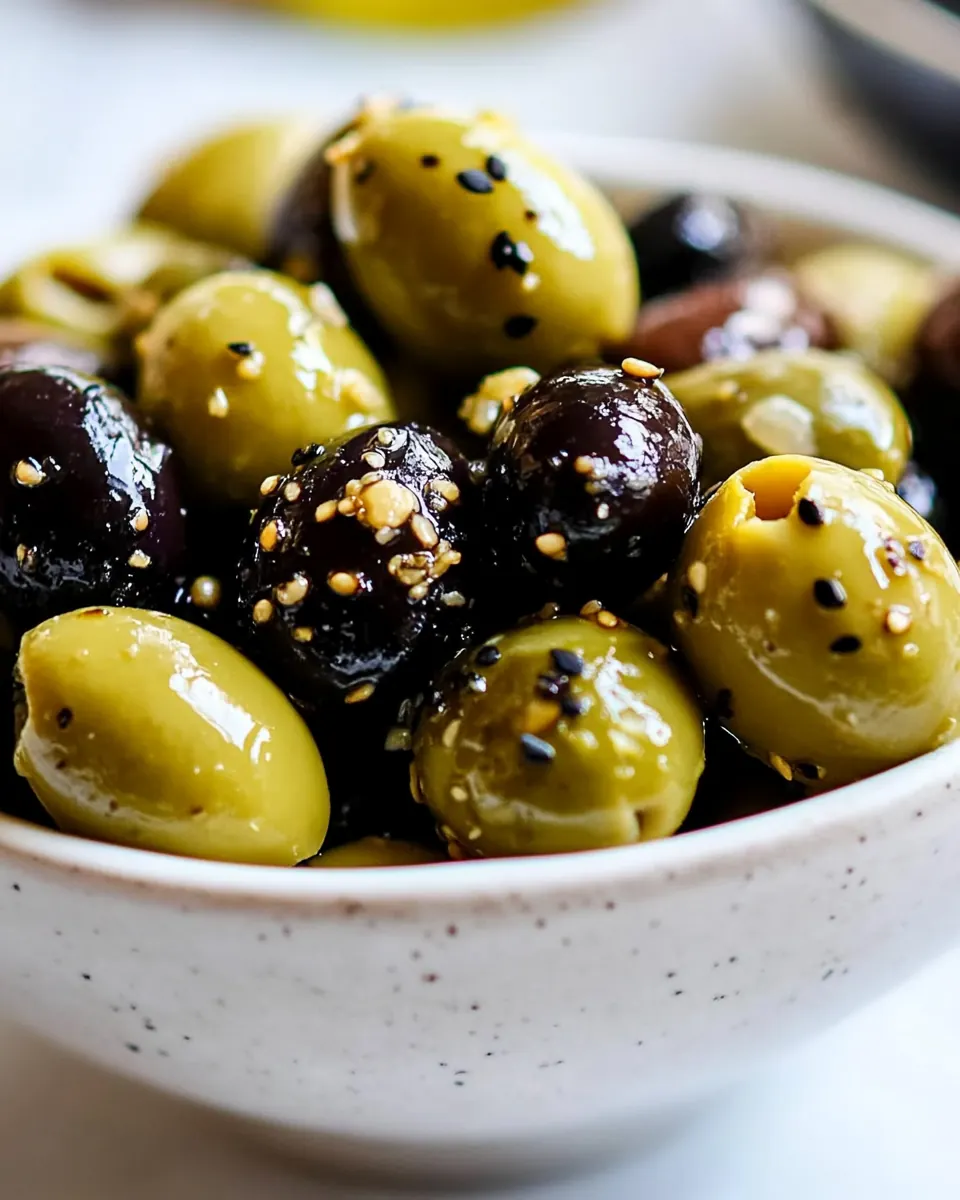
This recipe is more about assembly and time than active cooking. You will be layering flavors, massaging aromatics into oil, and giving the olives space to rest. Think of it as a slow reveal of flavor rather than a timed kitchen sprint.
- Drain olives and place them in a large bowl.: The bowl of olives should look glossy once drained, and you may hear a faint glug as the brine settles. Draining removes excess salt so the marinade can control seasoning, and placing them in a roomy bowl makes it easy to stir. A common mistake is not draining enough, which results in an overly salty final dish.
- To the olives, add the oregano, rosemary, thyme, garlic, red pepper flakes, orange zest, and lemon zest. Add salt, as needed (See NOTES).: Once the aromatics hit the bowl, you will notice an immediate lift in scent, citrus cutting through the brine. Stirring at this stage helps the dried herbs begin to hydrate and the minced garlic to release its essential oils. Be careful not to over-salt, taste as you go. A typical error is adding too much salt early, which cannot be undone.
- Add enough oil to coat the olives, about 1/2 cup. Gently stir the olives with the aromatics until they are fully coated. If possible, transfer the olives to a large jar with a lid, or a couple of smaller jars with lids. Add more oil to just cover the tops of the olives. If keeping in the bowl, cover with plastic wrap, if using jars, screw on the lids.: As the extra–virgin olive oil envelops the mixture, you will see a sheen form on the olive skins and tiny herb flecks suspended in the oil. This oil not only distributes flavor but protects the olives in storage. When transferring to jars, tap them lightly to release air pockets. A common slip is using too little oil which leaves herbs exposed to air and causes uneven marinating.
- Place in the refrigerator for 12 hours, or preferably 24 hours, or up to 1 month. Before serving, allow the olives to come to room temperature, a couple of hours.: During refrigeration the flavors meld and the oil thickens slightly, which concentrates aroma. After resting, bring the olives to room temperature so the oil loosens and scents bloom, releasing citrus perfume and softened herb notes. Avoid serving them straight from the fridge, which mutes flavors. One mistake people make is not waiting long enough for the flavors to marry.
- To serve, pour the olives with the oil into a large bowl. Use a slotted spoon to place the olives in a serving bowl. Scoop out some of the herbs, zest, and garlic from the oil and drizzle over the olives. If serving whole olives, be sure to include a bowl for guests to place the pits.: When you spoon them out, the sound of oil sliding is subtle and inviting, and the herbs glisten on top. Drizzling some of the infused oil back over the olives intensifies the aroma and creates a luxurious mouthfeel. Offer a pit bowl to keep the presentation tidy. A frequent oversight is not reserving enough oil, which reduces the ability to dress the olives when plating.
Pro Tips and Tweaks
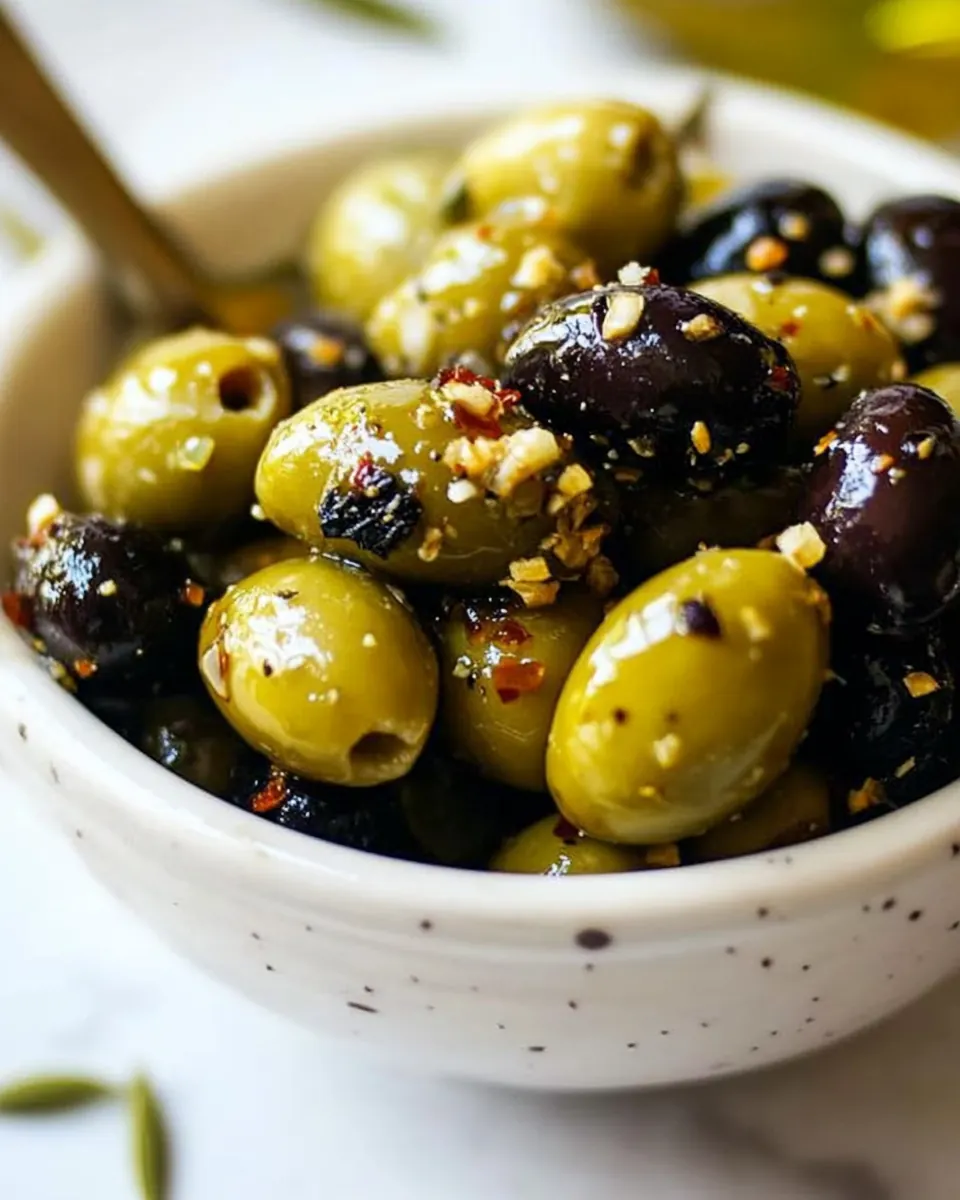
I like to think of these tips as small adjustments that yield big flavor payoffs. Below I expand on practical tweaks that make the marinade sing.
- Taste first, always sample your olives straight from the jar before adding salt, because brine intensity varies and you may not need any additional salt at all.
- Mix varieties, combining different olive types gives you a range of textures and flavors, from buttery to meaty, which keeps each bite interesting.
- Use good oil, a flavorful extra-virgin olive oil will shine in this recipe since it is a primary ingredient, so pick one you enjoy on its own.
- Zest only, avoid the white pith when zesting citrus, as the pith introduces bitterness that can throw the balance off.
- Store submerged, make sure the olives stay covered in oil during storage to preserve flavor and texture and to prevent oxidation.
- Let herbs hydrate, give the dried herbs at least 12 hours to rehydrate in the oil, which softens them and releases more aroma.
How to Enjoy Marinated Olives
These olives are versatile, and how you serve them can change their role at the table. Below are thoughtful ways to present them and pairings to consider.
- As a snack, set out a bowl of Marinated Olives alongside crackers for an informal nibble during casual gatherings, they keep guests reaching back for more.
- On a cheese board, place the olives near firm cheeses so guests can alternate bites, the oil and herbs balance richer flavors nicely.
- With salads, spoon a few olives and a drizzle of the infused oil over greens to add savory depth and a silky finish.
- During Ramadan or festive tables, use these olives as part of a spread, they travel well and can be prepared in advance to ease hosting duties.
- For storage, keep them refrigerated and submerged in oil, they will last up to one month, and the flavor will continue to develop over time.
- Seasonal pairings, their bright citrus notes make them enjoyable year round, pairing especially well with warm breads in winter and fresh salads in summer.
FAQ
Conclusion
Marinated Olives shine because they transform a few pantry staples into a deeply flavored, ready to serve accompaniment that always feels thoughtful. Give them a day to marry and you will be rewarded with olives that are aromatic, silky, and bright with citrus and herbs. I encourage you to try this recipe for a casual gathering or as a make ahead element for larger spreads, and notice how a small jar can elevate the entire table. Enjoy the ritual of preparing them and the ease of serving something that tastes much more complicated than it is.
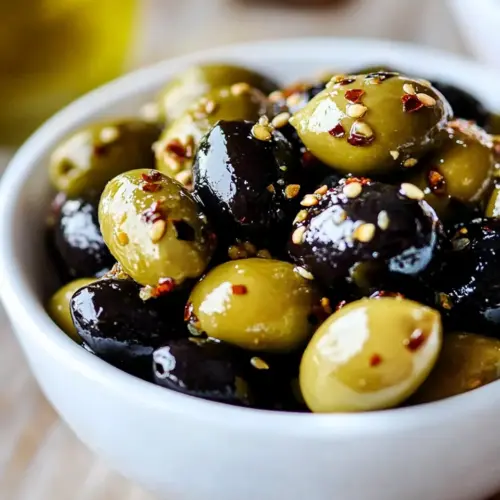
Marinated Olives
Equipment
- Jar with Lid
- Medium sized glass bowl
Ingredients
- 3 cups olives large, in brine, See NOTES Provide a briny, savory base and varied textures that define the olive mix; rinse briefly if excessively salty, then pat dry. Offer a range of flavor notes from mild to robust depending on olive variety, and absorb the marinade’s aromatics for best results.
- 1 tablespoon oregano dried Add a warm, herbaceous Mediterranean note that complements the olives and citrus; crumble between fingers before sprinkling to release oils. Help tie together dried herbs with the oil and citrus zest for balanced flavor throughout the marinade.
- 1 teaspoon rosemary dried Impart a piney, slightly resinous undertone that contrasts the olives’ fruitiness; crush lightly to awaken aroma before mixing. Contribute structure to the herb blend so the marinade has depth without overpowering the olives.
- 1 teaspoon thyme dried Introduce a subtle earthy, floral note that supports other herbs and enhances overall complexity; crumble or rub to release fragrance. Provide a gentle background flavor that melds with citrus and garlic during marination.
- 3 cloves garlic minced Deliver pungent, savory bite and aromatic lift when minced finely; distribute evenly so each olive receives some garlicky flavor. Act as a key savory component that brightens the oil and complements the herbs and citrus zests.
- 1/2 teaspoon red pepper flakes Bring controlled heat and a hint of smokiness that livens the marinade; use sparingly to avoid overwhelming the olives. Offer textural flecks and visual contrast while enhancing the overall flavor profile with gentle spiciness.
- 1 tablespoon orange zest Contribute bright, sweet citrus oils that add aromatic freshness and lighten the briny olives; zest finely to avoid pith. Provide floral, fruity notes that balance savory herbs and enrich the olive oil with vibrant fragrance.
- 1 tablespoon lemon zest Provide sharp, tangy citrus oils that boost acidity and freshness; zest thinly to capture fragrant oils while avoiding bitter white pith. Enhance the marinade’s brightness and help cut through the richness of the olives and oil.
- sea salt coarse, as needed Season to taste and help balance brininess and bitterness; add sparingly at the end or after tasting to avoid oversalting. Provide texture and a finishing touch that elevates the overall flavor when used as needed.
- 2/3 cup extra-virgin olive oil Bind and carry flavors while adding richness and mouthfeel; drizzle over olives to coat evenly and allow aromatics to infuse. Serve as the primary medium for herb and citrus extraction so flavors permeate each olive.
Instructions
- Drain olives and place them in a large bowl.: The bowl of olives should look glossy once drained, and you may hear a faint glug as the brine settles. Draining removes excess salt so the marinade can control seasoning, and placing them in a roomy bowl makes it easy to stir. A common mistake is not draining enough, which results in an overly salty final dish.
- To the olives, add the oregano, rosemary, thyme, garlic, red pepper flakes, orange zest, and lemon zest. Add salt, as needed (See NOTES).: Once the aromatics hit the bowl, you will notice an immediate lift in scent, citrus cutting through the brine. Stirring at this stage helps the dried herbs begin to hydrate and the minced garlic to release its essential oils. Be careful not to over-salt, taste as you go. A typical error is adding too much salt early, which cannot be undone.
- Add enough oil to coat the olives, about 1/2 cup. Gently stir the olives with the aromatics until they are fully coated. If possible, transfer the olives to a large jar with a lid, or a couple of smaller jars with lids. Add more oil to just cover the tops of the olives. If keeping in the bowl, cover with plastic wrap, if using jars, screw on the lids.: As the extra-virgin olive oil envelops the mixture, you will see a sheen form on the olive skins and tiny herb flecks suspended in the oil. This oil not only distributes flavor but protects the olives in storage. When transferring to jars, tap them lightly to release air pockets. A common slip is using too little oil which leaves herbs exposed to air and causes uneven marinating.
- Place in the refrigerator for 12 hours, or preferably 24 hours, or up to 1 month. Before serving, allow the olives to come to room temperature, a couple of hours.: During refrigeration the flavors meld and the oil thickens slightly, which concentrates aroma. After resting, bring the olives to room temperature so the oil loosens and scents bloom, releasing citrus perfume and softened herb notes. Avoid serving them straight from the fridge, which mutes flavors. One mistake people make is not waiting long enough for the flavors to marry.
- To serve, pour the olives with the oil into a large bowl. Use a slotted spoon to place the olives in a serving bowl. Scoop out some of the herbs, zest, and garlic from the oil and drizzle over the olives. If serving whole olives, be sure to include a bowl for guests to place the pits.: When you spoon them out, the sound of oil sliding is subtle and inviting, and the herbs glisten on top. Drizzling some of the infused oil back over the olives intensifies the aroma and creates a luxurious mouthfeel. Offer a pit bowl to keep the presentation tidy. A frequent oversight is not reserving enough oil, which reduces the ability to dress the olives when plating.
Notes
- Taste first, always sample your olives straight from the jar before adding salt, because brine intensity varies and you may not need any additional salt at all.
- Mix varieties, combining different olive types gives you a range of textures and flavors, from buttery to meaty, which keeps each bite interesting.
- Use good oil, a flavorful extra-virgin olive oil will shine in this recipe since it is a primary ingredient, so pick one you enjoy on its own.
- Zest only, avoid the white pith when zesting citrus, as the pith introduces bitterness that can throw the balance off.
- Store submerged, make sure the olives stay covered in oil during storage to preserve flavor and texture and to prevent oxidation.
- Let herbs hydrate, give the dried herbs at least 12 hours to rehydrate in the oil, which softens them and releases more aroma.