Cinnamon Buttermilk Syrup
Cinnamon Buttermilk Syrup is one of those simple kitchen treasures I reach for whenever I want to lift a bowl of pancakes or transform plain yogurt into something cozy and memorable.
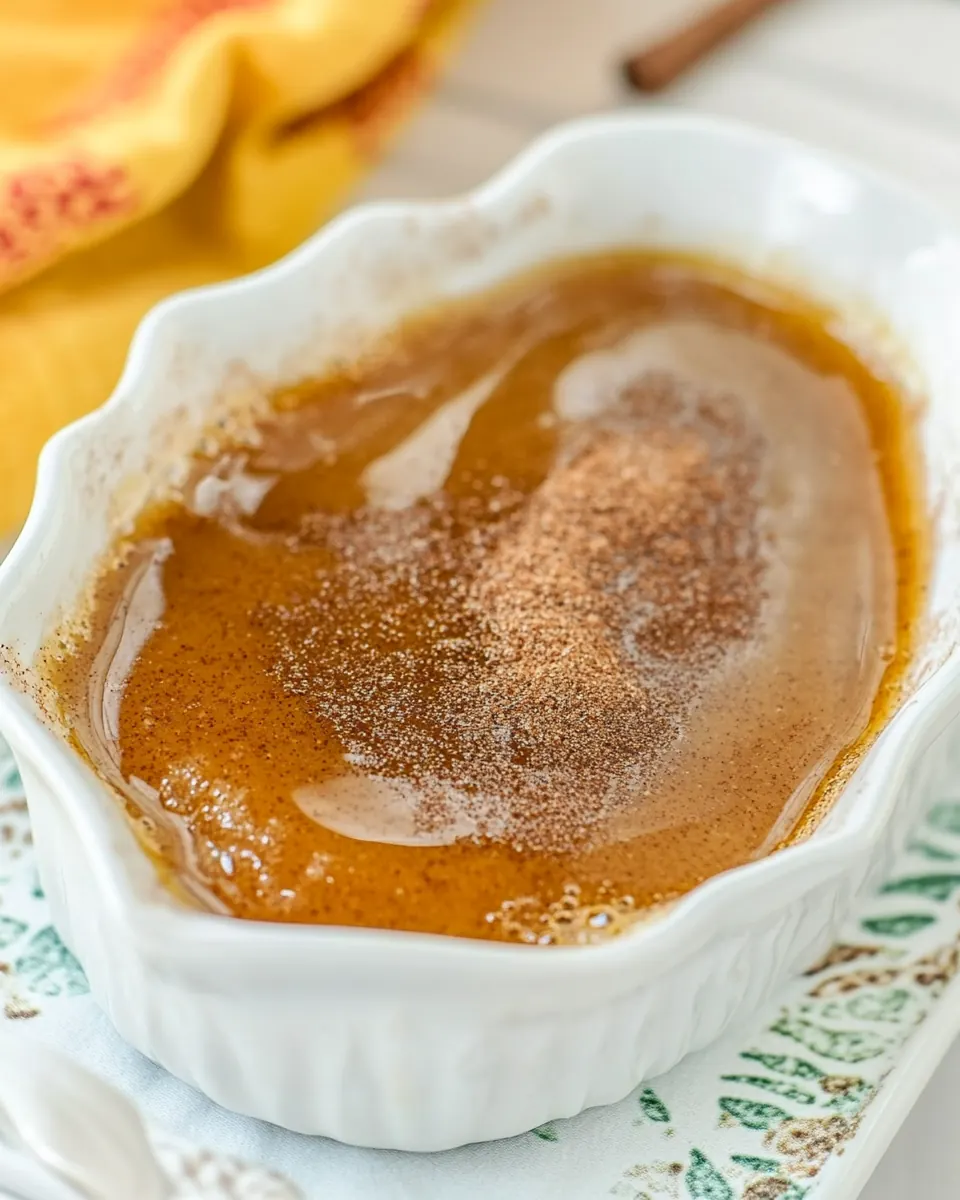
Years ago I kept a jar of this syrup in the fridge during a winter when mornings were rushed and I wanted something comforting that did not require a lot of fuss. I remember the first batch bubbling gently on the stove, that warm cinnamon scent threading through the house while the edges of the pan caught glossy, amber ripples. It became our quick celebration syrup, the thing that turned a regular breakfast into a small ritual.
Over time I learned how small adjustments change the outcome. A bit more butter for silkier texture, a touch less sugar when the fruit we served alongside was very sweet, and the careful timing when adding baking soda so the mixture foamed up just right. I also started keeping a tiny measuring spoon by the stove because a teaspoon here or there mattered to my morning rhythm.
What I love about this recipe is its flexibility and the way the ingredients interact. The tang of the buttermilk brightens the caramel notes from the melted butter and sugar, while the cinnamon anchors it with warm spice. It’s an easy technique that still feels special, especially when shared. I often make a double batch for guests, and the jar vanishes fast. You’ll find it becomes one of those few go to recipes that make simple dishes sing.
Recipe Snapshot
10 mins
5 mins
5 mins
Easy
150 kcal
American
Keto, Gluten-Free
Desserts
Saucepan, Spatula, Measuring cups
The Magic of This Cinnamon Buttermilk Syrup
Warm, familiar flavor with a twist
I love how Cinnamon Buttermilk Syrup delivers a classic sweet profile but with a tangy undertone from the buttermilk. That slight acidity brightens the whole syrup, preventing it from feeling cloying. It elevates pancakes and waffles in a way that straight maple can sometimes miss.
Fast and forgiving technique
We can make this in about ten minutes on the stove, and it forgives minor timing slips. When the butter and sugar blend, you get an immediate aroma that tells you you are on the right track. Even if you simmer a little longer, you mostly gain a deeper flavor rather than ruin the batch.
Minimal ingredients, maximum impact
The ingredient list is short, but each player has a job. The butter adds richness, the sugar gives sweetness and structure, and the cinnamon provides aromatic warmth. The baking soda creates a delightful foaming reaction that lightens texture, making the syrup feel airy when spooned over warm dishes.
Versatile uses
I’ve used this syrup on pancakes, stirred through warm porridge, drizzled over ice cream, and even as a quick glaze for roasted fruit. Because it stores well in the refrigerator, it’s a handy finishing touch for breakfasts and desserts alike.
Great for sharing and gifting
I often jar a batch to bring to friends because it travels well and feels homemade. A small jar with a ribbon is a thoughtful, low stress gift that communicates care without needing to bake an entire cake.
Cinnamon Buttermilk Syrup Shopping List
This syrup is built on a simple philosophy: keep the components honest and let them play off each other. The key players are rich butter, bright buttermilk, and warming cinnamon. Each ingredient contributes texture, flavor, or a chemical reaction that makes the syrup sing together.
- 1/2 cup butter: Adds rich, creamy fat and a silky mouthfeel to the syrup; helps carry and mellow the spices while creating a glossy finish when melted and combined with sugar.
- 1 cup sugar: Provides sweetness and bulk to the syrup; dissolves into the butter to create a simple caramel-like base and balances the tang from the buttermilk.
- 1/2 cup buttermilk (for a substitute, use 1/2 cup milk with 1 tsp lemon juice): Contributes tangy acidity and tenderizing moisture that brightens flavor; reacts with baking soda to produce lightness and enhances the syrup’s depth. For a quick substitute, combine milk with lemon juice as noted.
- 1/2 tsp baking soda: Acts as a leavening agent when it reacts with acidic buttermilk; produces carbon dioxide that lightens texture and helps create small bubbles for a lighter, less dense syrup.
- 1 tsp vanilla extract: Imparts warm, floral aroma and rounds out sweetness with a familiar vanilla note; enhances other flavors and provides a smooth, rounded finish to the syrup.
- 1 tsp cinnamon: Delivers warm, aromatic spice and a sweet-woody depth; balances sweetness and complements the vanilla while giving the syrup its characteristic cinnamon flavor.
How to Prepare Cinnamon Buttermilk Syrup
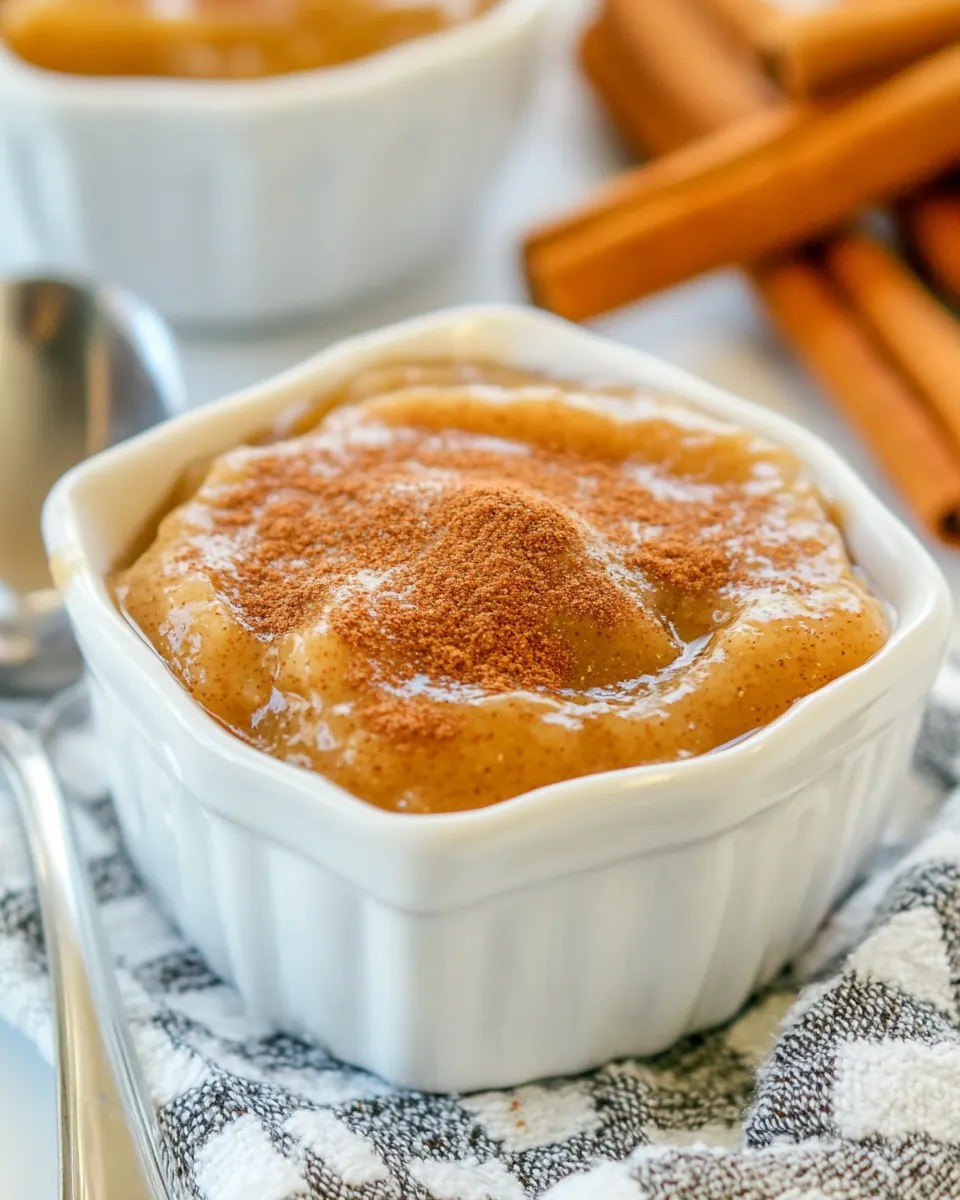
Getting this syrup right is more about attention than complexity. You will melt, combine, and watch a brief, lively chemical reaction. Keep your senses tuned to smell, sight, and sound so you hit the desirable foamy finish. Wear an apron, have a spatula ready, and work calmly; small changes make a noticeable difference.
- Melt butter in a pan on low-medium heat.: You will notice the butter first soften then turn entirely liquid, with a faint sizzle as moisture evaporates. Keep the heat low to medium so the butter does not brown unless you want a toasty flavor. The sound should be gentle, not aggressive. Why this matters, the butter forms the emulsion base that carries the sugar and spices, giving the syrup a glossy, rich texture. A common mistake is using high heat which can cause the butter to brown too quickly and introduce bitter notes. If it smells nutty and deep, you have gone beyond the intended stage, and the syrup will take on a different profile.
- Add sugar, buttermilk, vanilla and cinnamon and mix well and cook for a few minutes.: As you add the sugar , it will begin to dissolve into the warm butter , and the mixture will loosen visually, moving from oily to syrupy. When you stir in the buttermilk , expect a cloudier appearance as the emulsion incorporates dairy. The aroma will change, with the cinnamon and vanilla extract blooming into the steam. Cook for a few minutes so the sugar fully dissolves and the flavors marry; this gentle heating also reduces any raw dairy edge from the buttermilk . The reason this stage matters is that it harmonizes flavors and creates the proper viscosity. A troubleshooting tip, if you still feel graininess, continue cooking with gentle stirring until smooth, but do not overboil, or the syrup may thin excessively.
- Add baking soda and stir until all combined. Mixture will get foamy and bubble up when done.: When you introduce the baking soda , the mixture will react with the acid in the buttermilk and start to foam energetically. You will see lively bubbles and a noticeable increase in volume, and the sound will shift to a brisk bubbling. This foaming lightens the syrup and creates a slightly aerated texture that feels lighter on the tongue. It is important because it changes mouthfeel and prevents the syrup from being overly dense. A common issue is adding the baking soda too early or using too much, which can cause an overly frothy, unstable result. Add it thoughtfully and stir steadily until the foam subsides and the surface looks cohesive, then remove from heat to stop the reaction.
Ways to Adapt This Recipe
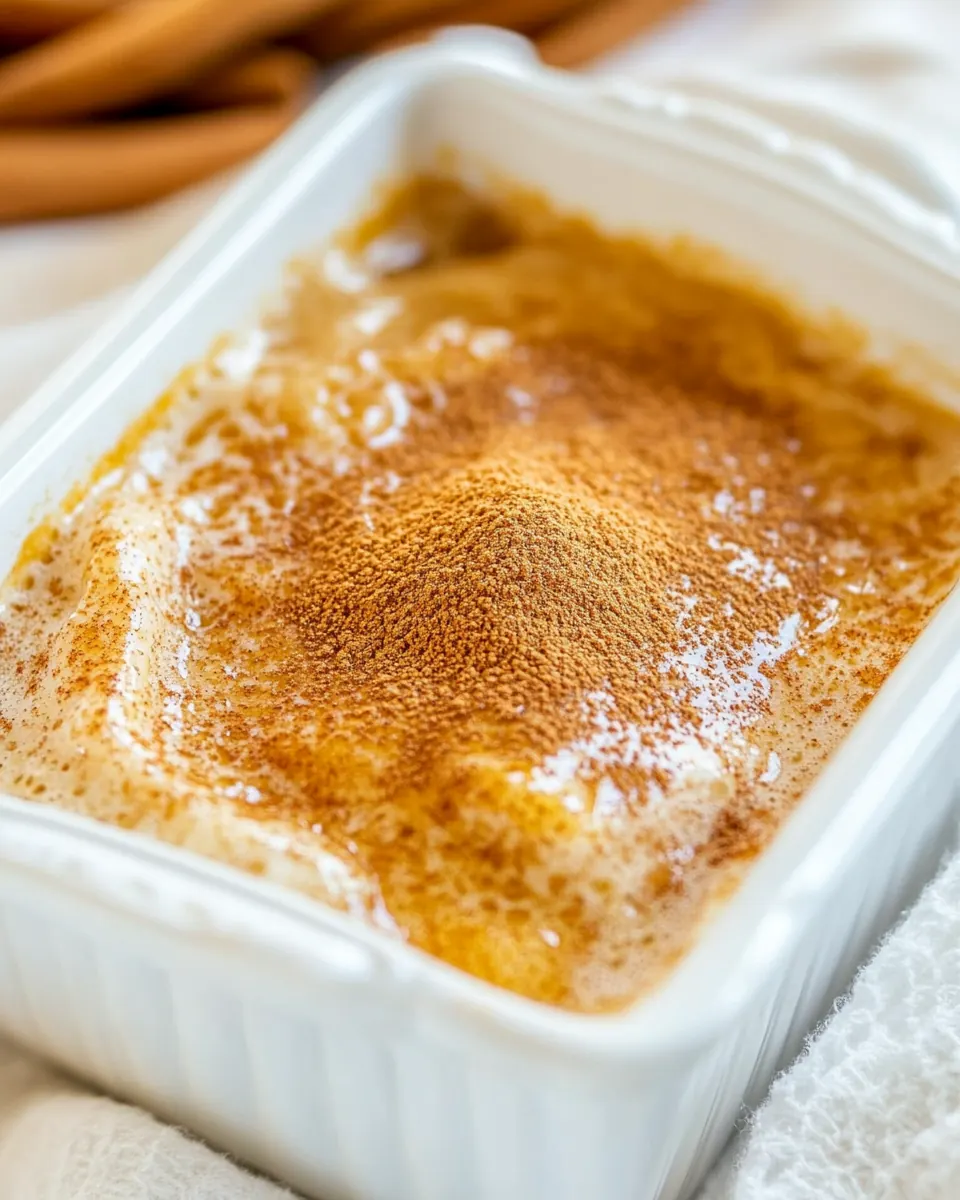
This small batch adapts easily to what you have on hand, and each tweak changes the final profile without adding fuss. Below I offer practical options that keep the core identity intact while giving you room to experiment.
- Reduce sugar: If you prefer less sweetness, decrease the sugar by up to one quarter and taste as it cooks, because the perceived sweetness will intensify slightly as the syrup cools.
- Richer texture: For an even silkier finish, increase the butter by a tablespoon, which adds gloss and depth without masking the cinnamon notes.
- Dairy substitute trick: If you do not have buttermilk, mix 1/2 cup milk with 1 teaspoon lemon juice and let it sit for a few minutes to thicken and provide the same tangy effect.
- Adjust spice level: Increase the cinnamon to one and a half teaspoons for more warmth, but do so gradually so it does not dominate the syrup.
- Make ahead: Cool and refrigerate in a jar for up to two weeks, reheating gently before serving so the syrup regains fluidity without breaking the emulsion.
Great Combinations for Cinnamon Buttermilk Syrup
This syrup pairs wonderfully across breakfasts and sweet finishes, and it’s adaptable to seasonal menus and simple gatherings. Below are serving ideas, occasions, and storage notes to help you enjoy it fully.
- Pancakes and waffles: Spoon warm syrup over a stack of pancakes or waffles to introduce tangy, spiced sweetness that complements buttered batter.
- Baked fruit: Drizzle over warm roasted apples or pears as a quick glaze that enhances natural sugars and adds depth of flavor.
- Breakfast bowls: Stir a spoonful into oatmeal or yogurt to create a nuanced sweetness and aromatic lift for a weekday morning.
- Special occasions: Bring a jar to brunch gatherings or holiday breakfasts for an easy, crowd pleasing finishing touch that everyone can add to their plates.
- Storage tips: Refrigerate in a sealed jar for up to two weeks, and rewarm gently in a small saucepan or microwave in short intervals to preserve texture and aroma.
- Seasonal pairing: In cooler months, pair with warm spices and toasted nuts; in spring, use more citrus forward fruits alongside the syrup to balance warmth and brightness.
FAQ
Conclusion
This Cinnamon Buttermilk Syrup combines warm spice, creamy richness, and a bright tang to create a truly memorable finishing sauce. Give it a try the next time you want to elevate breakfast, dessert, or a simple bowl of yogurt without a lot of fuss. It’s quick to make, adaptable to your taste, and stores nicely so you can reach for it whenever you want to add a little homemade charm.
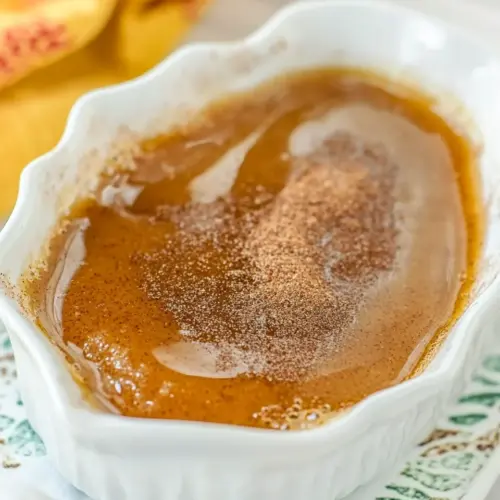
Cinnamon Buttermilk Syrup
Equipment
- Saucepan
- Spatula
- Measuring Cups
Ingredients
- 1/2 cup butter Adds rich, creamy fat and a silky mouthfeel to the syrup; helps carry and mellow the spices while creating a glossy finish when melted and combined with sugar.
- 1 cup sugar Provides sweetness and bulk to the syrup; dissolves into the butter to create a simple caramel-like base and balances the tang from the buttermilk.
- 1/2 cup buttermilk (for a substitute, use 1/2 cup milk with 1 tsp lemon juice) Contributes tangy acidity and tenderizing moisture that brightens flavor; reacts with baking soda to produce lightness and enhances the syrup’s depth. For a quick substitute, combine milk with lemon juice as noted.
- 1/2 tsp baking soda Acts as a leavening agent when it reacts with acidic buttermilk; produces carbon dioxide that lightens texture and helps create small bubbles for a lighter, less dense syrup.
- 1 tsp vanilla extract Imparts warm, floral aroma and rounds out sweetness with a familiar vanilla note; enhances other flavors and provides a smooth, rounded finish to the syrup.
- 1 tsp cinnamon Delivers warm, aromatic spice and a sweet-woody depth; balances sweetness and complements the vanilla while giving the syrup its characteristic cinnamon flavor.
Instructions
- Melt butter in a pan on low-medium heat.: You will notice the butter first soften then turn entirely liquid, with a faint sizzle as moisture evaporates. Keep the heat low to medium so the butter does not brown unless you want a toasty flavor. The sound should be gentle, not aggressive. Why this matters, the butter forms the emulsion base that carries the sugar and spices, giving the syrup a glossy, rich texture. A common mistake is using high heat which can cause the butter to brown too quickly and introduce bitter notes. If it smells nutty and deep, you have gone beyond the intended stage, and the syrup will take on a different profile.
- Add sugar, buttermilk, vanilla and cinnamon and mix well and cook for a few minutes.: As you add the sugar , it will begin to dissolve into the warm butter , and the mixture will loosen visually, moving from oily to syrupy. When you stir in the buttermilk , expect a cloudier appearance as the emulsion incorporates dairy. The aroma will change, with the cinnamon and vanilla extract blooming into the steam. Cook for a few minutes so the sugar fully dissolves and the flavors marry; this gentle heating also reduces any raw dairy edge from the buttermilk . The reason this stage matters is that it harmonizes flavors and creates the proper viscosity. A troubleshooting tip, if you still feel graininess, continue cooking with gentle stirring until smooth, but do not overboil, or the syrup may thin excessively.
- Add baking soda and stir until all combined. Mixture will get foamy and bubble up when done.: When you introduce the baking soda , the mixture will react with the acid in the buttermilk and start to foam energetically. You will see lively bubbles and a noticeable increase in volume, and the sound will shift to a brisk bubbling. This foaming lightens the syrup and creates a slightly aerated texture that feels lighter on the tongue. It is important because it changes mouthfeel and prevents the syrup from being overly dense. A common issue is adding the baking soda too early or using too much, which can cause an overly frothy, unstable result. Add it thoughtfully and stir steadily until the foam subsides and the surface looks cohesive, then remove from heat to stop the reaction.
Notes
- Reduce sugar: If you prefer less sweetness, decrease the sugar by up to one quarter and taste as it cooks, because the perceived sweetness will intensify slightly as the syrup cools.
- Richer texture: For an even silkier finish, increase the butter by a tablespoon, which adds gloss and depth without masking the cinnamon notes.
- Dairy substitute trick: If you do not have buttermilk, mix 1/2 cup milk with 1 teaspoon lemon juice and let it sit for a few minutes to thicken and provide the same tangy effect.
- Adjust spice level: Increase the cinnamon to one and a half teaspoons for more warmth, but do so gradually so it does not dominate the syrup.
- Make ahead: Cool and refrigerate in a jar for up to two weeks, reheating gently before serving so the syrup regains fluidity without breaking the emulsion.