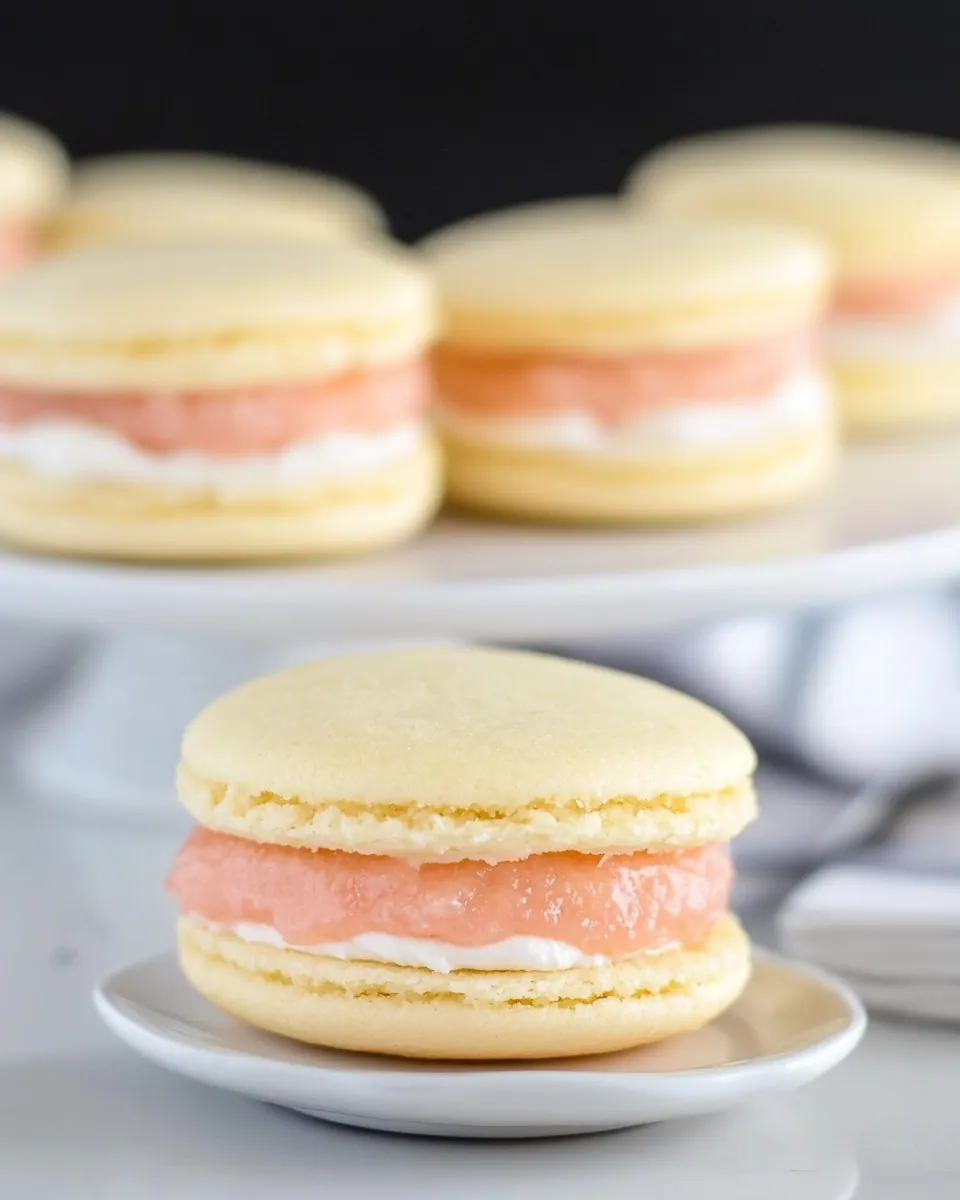
Pink Grapefruit Sandwich Cookies
Pink Grapefruit Sandwich Cookies are the kind of treat that sneaks into my kitchen with the brightness of citrus and the comfort of a classic tea cookie. The first time I made these, I had a stack of grapefruits on my counter from a spring farmers market run, and I wanted something that celebrated that tart floral note without being cloying. I remember zesting one fruit and watching the tiny fragrant oils scatter across the sugar, instantly lifting the kitchen. That little aromatic moment set the tone for the whole recipe and has kept me coming back ever since.
Over the years I have found that these cookies function beautifully as both a small indulgence and a showy dessert to bring to gatherings. I love pairing the tender, sandy texture of the cookie with a bright, velvety filling that tastes like sunshine in the cool months. Friends who tasted them at a spring brunch asked for the recipe immediately, and I enjoy telling the story of how a routine fruit purchase turned into a signature cookie. You will notice the process rewards patience, especially when chilling the dough, so keep a little extra time on hand and maybe a cup of tea.
Recipe Snapshot
52 mins
40 mins
12 mins
Medium
150 kcal
American
Gluten-Free, Low FODMAP
Desserts
Mixer, Mixing bowls, Rolling pin, 2-inch round cutter, Baking sheets, Parchment paper, Wire rack
Why You’ll Love This Pink Grapefruit Sandwich Cookies
1. Bright citrus personality
I adore how Pink Grapefruit Sandwich Cookies deliver an immediate citrus punch. The zest and juice bring forward floral, slightly bitter notes that balance the sugar. I find the cookies never taste too sweet because the grapefruit keeps things lively, making them perfect for people who like a nuanced dessert.
2. Textural contrast
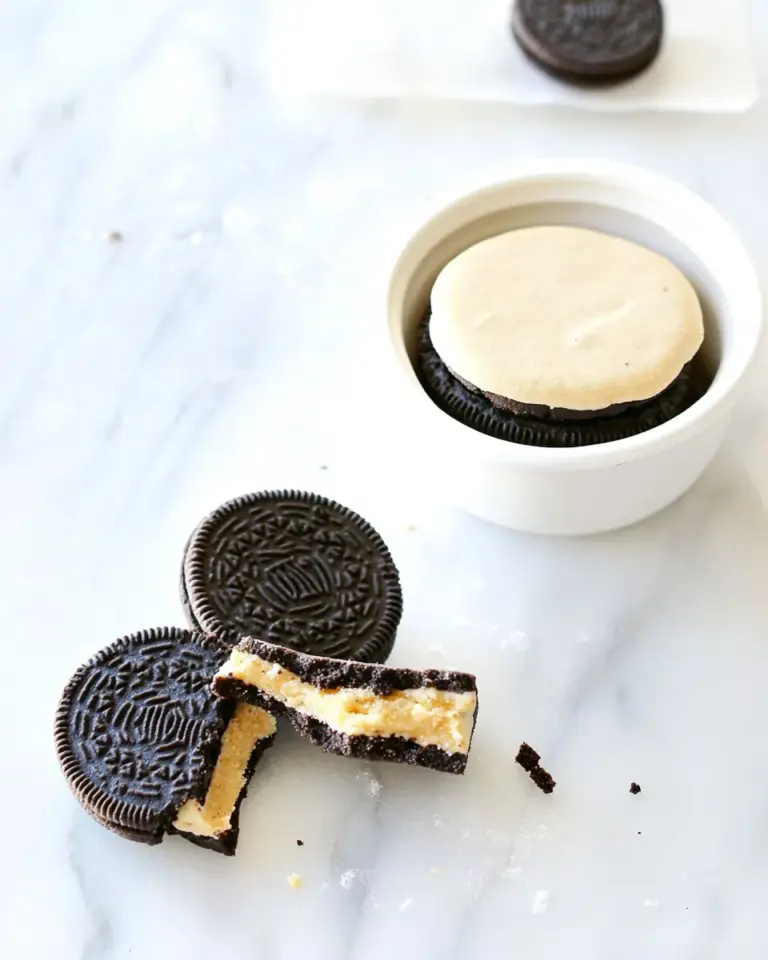
The sandwich format provides a delightful contrast, the outer flour based rounds are tender and slightly crisp at the edges, while the filling is creamy and smooth. I like how each bite gives a gentle crumble followed by a soft, silky finish from the filling. That contrast is what elevates them beyond a simple cookie.
3. Elegant but approachable
These cookies look refined on a platter, yet they are surprisingly approachable to make at home. I often tell guests they seem fancy, but the technique is straightforward. That accessibility makes them my go to when I want something impressive without an overly complicated method.
4. Versatile for occasions
I use this recipe for brunches, bridal showers, and leisurely afternoons, because they travel well and keep in an airtight container for several days. They also feel seasonal, especially in spring when grapefruits are at their best. I find they pair wonderfully with tea and light coffees, and they brighten any dessert spread.
5. Room for personal tweaks
Even though the recipe is precise, there is room for personalization. I sometimes add an optional tint of food coloring to the filling for a playful look, and other times I pipe a decorative border. Those small touches help make the cookies feel like your own while preserving the core grapefruit flavor.
What You’ll Need for Pink Grapefruit Sandwich Cookies
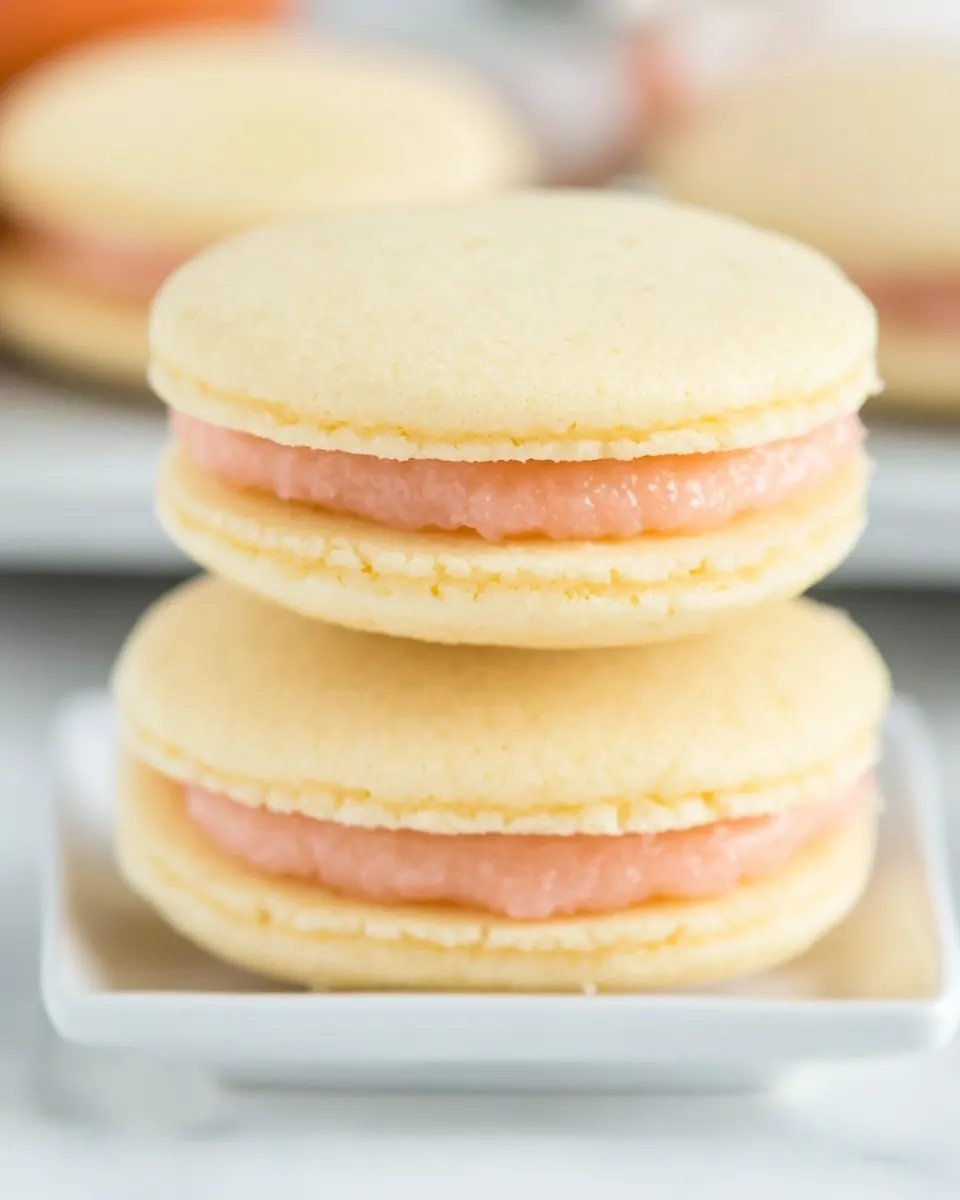
These components are intentionally chosen to create a delicate cookie that carries citrus bright notes. The two flours form the tender structure, while the sugar and grapefruit zest build aromatic depth. The butter and egg yolks add richness and tenderness, and the filling brings a creamy, concentrated grapefruit finish. Together these ingredients balance texture and flavor so each bite feels light, yet satisfying.
- 1 1/2 cup (187.5 g) all-purpose flour: Provide structure and bulk to the cookie dough, contributing gluten development and tenderness when combined with other flours; measure precisely for consistent texture and avoid overmixing to keep cookies tender. Sift before using if needed to remove lumps and ensure even incorporation with dry ingredients for a uniform crumb.
- 3/4 cup (93.75 g) cake flour: Add a softer, lighter texture and reduce overall gluten intensity in the dough, helping create a delicate, slightly crumbly bite; use cake flour to balance the all-purpose flour for a finer crumb. Spoon into the cup and level for accurate measurement to maintain the intended tender cookie structure.
- 1 teaspoon baking powder: Leaven the dough slightly to give lift and a light crumb, reacting with moisture to produce small air pockets during baking; ensure the powder is fresh for reliable rise. Whisk into the dry ingredients to distribute evenly and prevent localized rising or metallic pockets.
- 1/2 teaspoon (0.5 teaspoon) salt: Enhance overall flavor balance and strengthen gluten slightly for improved texture while controlling seasoning; measure carefully because too much will make dough taste overly salty. Blend with the dry ingredients so it disperses uniformly through the dough.
- 1 cup (200 g) granulated sugar: Provide sweetness and promote browning and tenderizing by interfering with gluten formation; dissolve into butter and eggs to create a smooth creamed base for the cookies. Use granulated sugar to ensure proper creaming for lightness and even caramelization in the oven.
- Zest of 1 pink grapefruit: Contribute intense citrus aroma and concentrated flavor oils that brighten the cookie, delivering fragrant notes without adding extra liquid; zest should be finely grated to avoid bitter pith. Fold into the creamed butter and sugar so the oils disperse and infuse the dough thoroughly.
- 1/2 cup (113.5 g) unsalted butter, at room temperature: Offer richness, moisture, and mouthfeel while aiding in leavening through creaming with sugar to incorporate air; use softened butter for proper creaming and even texture. Ensure butter is at room temperature for smooth blending and to help the dough hold shape during baking.
- 2 egg yolks: Add richness, fat, and contribute to tender texture while helping bind the dough; egg yolks also add color and emulsifying properties for a more cohesive batter. Beat lightly before adding to ensure even distribution and smooth incorporation into the creamed mixture.
- 1/4 cup (59 ml) pink grapefruit juice, freshly squeezed: Provide bright, tangy citrus flavor and acidity that balances sweetness and enhances aroma; freshly squeezed juice ensures the freshest, most vibrant taste. Add gradually to the dough to control moisture and avoid making the batter too wet.
- 1/2 cup (113.5 g) unsalted butter, at room temperature: Contribute additional richness and creaminess to the filling or dough, and when creamed with powdered sugar create a smooth, spreadable texture; ensure butter is at room temperature for the best consistency. Beat well to incorporate air and achieve a light, fluffy filling.
- 2 3/4 cup (330 g) powdered sugar: Create structure, sweetness, and a silky texture in fillings and icings by combining with butter to thicken and stabilize; sift to prevent lumps for a smooth finish. Add gradually while beating to reach desired consistency without becoming grainy or overly stiff.
- 2 teaspoons pink grapefruit zest: Intensify grapefruit aroma and flavor in the filling with concentrated zest oils that complement the juice, bringing freshness and floral notes; finely grate to avoid bitter white pith. Stir into the frosting to evenly distribute flavor and maintain a vibrant citrus profile.
- 3 tablespoons pink grapefruit juice, freshly squeezed: Add acidity and liquid to balance sweetness and achieve the correct consistency in the filling while boosting authentic grapefruit flavor; use freshly squeezed juice for the best brightness. Incorporate a little at a time while mixing to reach a smooth, spreadable texture.
- 1 small drop red food coloring (optional): Provide optional visual enhancement for a pink hue to the filling, allowing for a more vibrant appearance without altering flavor significantly; a very small drop prevents overly intense coloring. Add sparingly and mix thoroughly until the desired shade is achieved.
How to Prepare Pink Grapefruit Sandwich Cookies
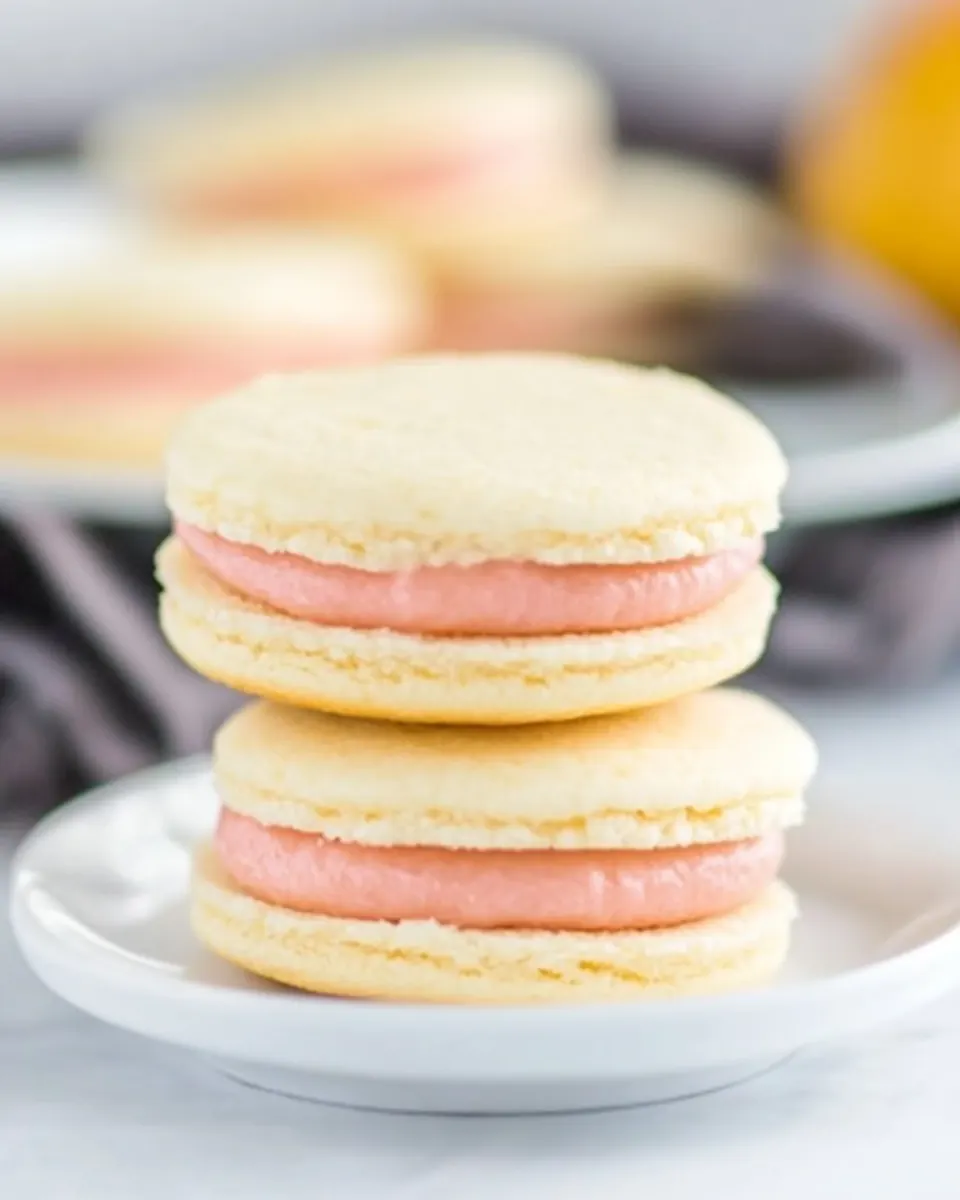
These instructions take you through the dough, chilling, baking, and filling assembly in a relaxed, step by step manner. I like to work with chilled dough because it cuts cleaner and bakes into a tender edge. Keep your tools close and allow time to cool before assembling so the filling does not melt.
- Make the Cookies: Whisk together both flours, the baking powder and salt in a medium bowl; set aside.: Whisk together both flours, the baking powder and salt in a medium bowl; set aside. : The scent of blended flours is subtle and neutral, but mixing them evenly ensures consistent structure across every cookie. I like to whisk until the baking powder and salt are thoroughly incorporated so every bite rises and seasons uniformly. If the dry mix is uneven, you may end up with spots that are under leavened or overdosed with salt, which alters texture and flavor. A common mistake here is skimping on whisking, so take a few extra seconds to combine well.
- In the bowl of your mixer, rub together the sugar and grapefruit zest with your fingertips until the zest is evenly distributed and all of the sugar has been moistened. Add the butter to the bowl and beat on medium speed until the mixture is light and fluffy, about 3 minutes. Add the egg yolks and beat until combined, scraping down the bowl as necessary. Reduce the speed to low and add the flour in three batches, alternating with the grapefruit juice, beginning and ending with the flour. Mix just until the dough comes together. Transfer the dough to a piece of plastic wrap, pat it into a 1-inch disk, wrap in the plastic wrap and refrigerate for at least 30 minutes, or until firm.: The moment you rub zest into sugar, the aroma blossoms and oils are released, creating a fragrant base for the dough. Use your fingertips to crush the zest into the sugar until it looks dampened and fragrant. This sensory step is crucial because it diffuses citrus oil into the sugar crystals, which later perfumes the butter. If you skip this, the grapefruit note will be less pronounced, so resist the urge to rush.
- Preheat oven to 350 degrees F. Line two baking sheets with parchment paper or a silicone baking mat.: You will notice the texture lift and the color lighten as air is beaten into the butter and sugar, creating a ribbon like pile that signals proper creaming. This aeration is what contributes to a delicate crumb in the finished cookie. If the butter is too soft the mixture will appear greasy rather than fluffy, and if too cold it will remain clumpy; aim for room temperature.
- Roll out the dough on a lightly floured surface to about 1/8-inch thick. Use a 2-inch round cutter to cut out as many cookies as possible and transfer them to the prepared baking sheets, spacing them 1-inch apart. Gather together the dough scraps and repeat to get as many rounds as possible. Refrigerate the baking sheets (with the cookies on them) for 15 minutes.: Once the yolks are incorporated the batter will feel richer and hold together more smoothly. Scraping ensures there are no unmixed pockets near the bowl edges where ingredients can hide. Overworking here can lead to overly loose dough, so mix just until homogenous. A mistake to avoid is adding whole eggs instead of just yolks, which will change the texture markedly.
- Bake the cookies until just barely golden brown around the edges and still very light in color in the middle, about 12 minutes. Immediately remove the cookies to a wire rack and cool completely before assembling.: Alternating creates a smooth dough without overmixing, preserving tenderness. After each addition, fold until almost incorporated so you do not develop excess gluten. Watch the dough visually, it should look cohesive but not shaggy. Overmixing is the primary error at this stage, which makes cookies tough rather than melt in your mouth.
- Make the Filling: Beat together the butter, powdered sugar and grapefruit zest on medium speed until light and fluffy, about 5 minutes. Add the grapefruit juice and food coloring (if using), increase the speed to medium-high and beat until creamy and fluffy, about 2 minutes.: The dough should form a smooth mass that holds without being sticky, indicating the perfect balance of hydration and structure. Press it gently with your hand to confirm it holds shape; if it is overly sticky chill briefly before rolling. If you continue mixing beyond this point you risk firm cookies, so stop when cohesion is achieved.
- Assemble the Cookies: Match up the cookies by size, then spread or pipe on about 1 tablespoon of filling onto the flat side of half the cookies. Top with the matching cookie and press down slightly so the filling is pushed to the edges. The cookies can be stored in an airtight container at room temperature for up to 5 days.: Chilling firms the fats so that when rolled the dough cuts cleanly and spreads minimally during baking. The cold disk also allows flavors to meld, resulting in a more harmonious cookie. If you skip adequate chilling the cookies can spread and lose their neat shape, so be patient. A common slip is not chilling long enough; if the dough still feels soft, extend the chill time.
- Preheat oven to 350 degrees F. Line two baking sheets with parchment paper or a silicone baking mat.: Preheating ensures immediate and even oven spring, while the liners prevent sticking and promote even bottom browning. You will hear a quiet pop in the oven as it reaches temperature, and that steady heat helps develop the pale golden edge on the cookies. An oven that is too cool will yield underbaked, pale cookies, so verify temperature with a thermometer if unsure.
- Roll out the dough on a lightly floured surface to about 1/8-inch thick. Use a 2-inch round cutter to cut out as many cookies as possible and transfer them to the prepared baking sheets, spacing them 1-inch apart.: Rolling to an even thickness is key for uniform baking, and the sound of the dough under the rolling pin should be quiet and firm. Place cut rounds gently and try to avoid stretching the edges, which can cause misshapen cookies. If the dough becomes sticky while rolling, chill briefly to regain firmness; working with warm dough is a common issue that leads to uneven shapes.
- Gather together the dough scraps and repeat to get as many rounds as possible. Refrigerate the baking sheets (with the cookies on them) for 15 minutes.: Chilling on the sheet helps the cookies keep their shape under heat, resulting in even pale color and a tender interior. The dough scraps will rejoin smoothly when pressed and rolled again after a brief rest. A frequent misstep is skipping this sheet chilling, which often causes excessive spreading during bake time.
- Bake the cookies until just barely golden brown around the edges and still very light in color in the middle, about 12 minutes.: The aroma will shift from sugary to lightly toasted as the edges gain color, and the center should remain pale and tender to the touch. These visual cues are your best guide, since exact oven times vary. Overbaking will dry the cookies and rob them of their delicate texture, so remove them promptly when the edges show a hint of gold.
- Immediately remove the cookies to a wire rack and cool completely before assembling.: Transferring to a wire rack halts residual cooking and prevents sogginess from trapped steam. The cool cookies will hold the filling without letting it melt, preserving a clean sandwich. If you assemble while warm, the filling may slide and the texture will change, so ensure full cooling.
- Make the Filling: Beat together the butter, powdered sugar and grapefruit zest on medium speed until light and fluffy, about 5 minutes. : This creaming step incorporates air and dissolves sugar, producing a pillowy filling. The scent of concentrated grapefruit will rise as the zest integrates, and the texture should be smooth and airy. If the mixture is gritty, it likely needs more beating or sifting of powdered sugar to dissolve lumps.
- Add the grapefruit juice and food coloring (if using), increase the speed to medium-high and beat until creamy and fluffy, about 2 minutes.: The juice brings brightness and the right balance of acidity to the filling, while beating at higher speed creates a silky, pipeable consistency. If you add juice too quickly it can loosen the filling, so incorporate slowly and judge the texture visually. If it becomes too loose, chill briefly to firm up.
- Assemble the Cookies: Match up the cookies by size, then spread or pipe on about 1 tablespoon of filling onto the flat side of half the cookies. : The contrast between the airy filling and the tender cookie is most noticeable when you use consistent portions, so a tablespoon measure helps. Pipe or spread towards the edges so each sandwich has a uniform rim of filling. Overfilling can cause the filling to squeeze out and create a mess, so keep portion control in mind.
- Top with the matching cookie and press down slightly so the filling is pushed to the edges.: Pressing gently ensures even distribution and creates an attractive finished sandwich with a narrow band of filling visible. The final texture should feel cohesive, not squishy, and the cookie edges should remain intact. Pressing too hard will squish the filling out and distort the cookie shape.
- The cookies can be stored in an airtight container at room temperature for up to 5 days.: At room temperature the filling keeps a pleasant creaminess while the cookie remains tender, making these easy to serve over several days. Store in a single layer or separate layers with parchment to avoid sticking. Refrigeration can firm the filling but may slightly stiffen the cookie, so choose storage based on how you plan to serve them.
Recipe Notes about Pink Grapefruit Sandwich Cookies
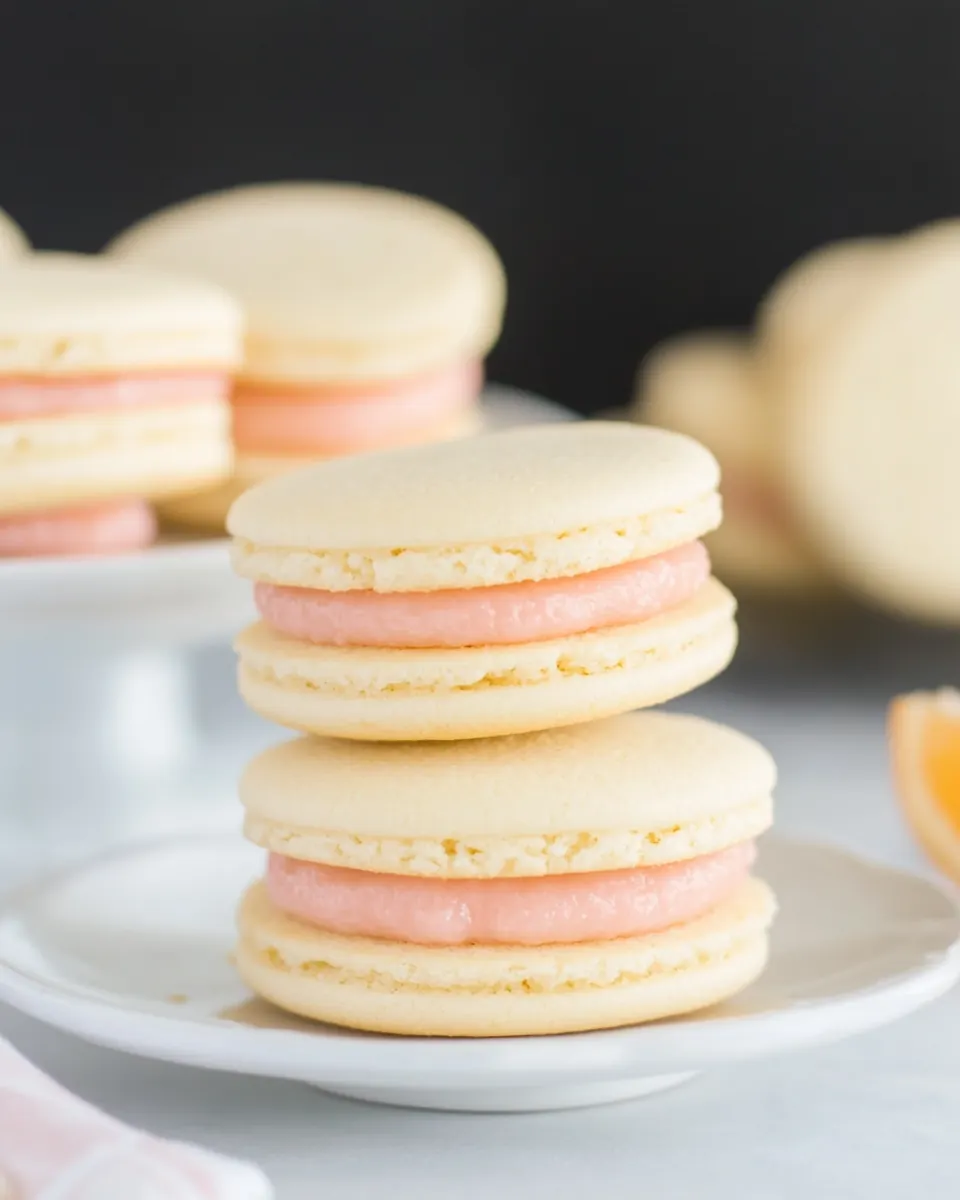
I like to think of notes as a short conversation about little choices that make the final result more reliable. Below are practical suggestions I use every time I bake these cookies to keep things tasting and looking their best.
- Room temperature butter matters — Aim for butter that yields slightly when pressed but is not greasy, so it creams properly with the sugar and holds air for a tender crumb.
- Use a scale for flour — Weights prevent overpacking cups, which keeps cookies delicate rather than dry and dense; the recipe calls for precise amounts in grams for a reason.
- Handle the dough sparingly — Minimal handling maintains tenderness; overworking develops gluten and leads to chewy cookies instead of the desired melt in your mouth texture.
- Sift powdered sugar for the filling — Sifting removes lumps and ensures the filling becomes silky when beaten with butter and juice, avoiding a gritty mouthfeel.
- Adjust juice slowly — Add grapefruit juice to the filling a little at a time to reach a pipeable consistency; too much will make it runny, too little will be stiff.
- Store correctly — Keep the sandwiches in a single layer or separated by parchment in an airtight container at room temperature for best texture up to five days.
Side Dish Ideas for Pink Grapefruit Sandwich Cookies
These cookies pair well with simple beverages and light accompaniments, and they adapt to several occasions from brunch to afternoon tea. Think of them as a bright, slightly tart counterpoint to richer items.
- Afternoon tea pairing — Serve with a pot of light black tea or a floral herbal brew to complement the grapefruit brightness without overpowering it. The tea refreshes the palate between bites.
- Brunch accompaniment — Add to a brunch spread alongside simple scones and fruit so guests can balance savory and sweet; the cookies add a citrusy counterpoint to eggs or cheese dishes.
- Spring gathering — These are perfect for spring showers or garden parties, where the pink hue and citrus aroma fit the season; display on a tiered stand for visual impact.
- Portable dessert — Pack in a single layer with parchment for picnics or packed lunches; they travel well and remain tender at room temperature for several hours.
- Storage tips — Keep in an airtight container at room temperature for up to five days, or freeze unfilled cookies for up to a month and fill after thawing for a fresher texture.
- Seasonal pairing — In spring, serve with other citrus fruits or a simple berry compote to echo the tangy notes; the cookies add an elegant finish to seasonal menus.
FAQ
Conclusion
These Pink Grapefruit Sandwich Cookies stand out because they pair a tender, sandy cookie with a bright, creamy grapefruit filling, creating a balanced and elegant bite. I encourage you to try them when grapefruits are at their best, and to give yourself the time to chill the dough for consistently shaped rounds. They are a lovely option for spring gatherings or a quiet afternoon treat, and with a little patience the results are reliably impressive and delicious.
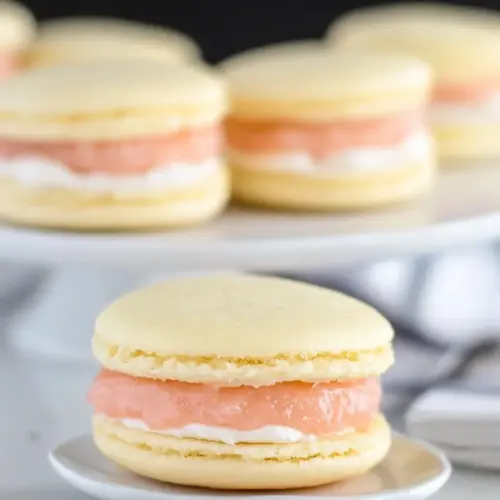
Pink Grapefruit Sandwich Cookies
Equipment
- Mixer
- Mixing Bowls
- Rolling Pin
- 2-inch round cutter
- Baking Sheets
- Parchment Paper
- Wire Rack
Ingredients
- 1 1/2 cup (187.5 g) all-purpose flour Provide structure and bulk to the cookie dough, contributing gluten development and tenderness when combined with other flours; measure precisely for consistent texture and avoid overmixing to keep cookies tender. Sift before using if needed to remove lumps and ensure even incorporation with dry ingredients for a uniform crumb.
- 3/4 cup (93.75 g) cake flour Add a softer, lighter texture and reduce overall gluten intensity in the dough, helping create a delicate, slightly crumbly bite; use cake flour to balance the all-purpose flour for a finer crumb. Spoon into the cup and level for accurate measurement to maintain the intended tender cookie structure.
- 1 teaspoon baking powder Leaven the dough slightly to give lift and a light crumb, reacting with moisture to produce small air pockets during baking; ensure the powder is fresh for reliable rise. Whisk into the dry ingredients to distribute evenly and prevent localized rising or metallic pockets.
- 1/2 teaspoon (0.5 teaspoon) salt Enhance overall flavor balance and strengthen gluten slightly for improved texture while controlling seasoning; measure carefully because too much will make dough taste overly salty. Blend with the dry ingredients so it disperses uniformly through the dough.
- 1 cup (200 g) granulated sugar Provide sweetness and promote browning and tenderizing by interfering with gluten formation; dissolve into butter and eggs to create a smooth creamed base for the cookies. Use granulated sugar to ensure proper creaming for lightness and even caramelization in the oven.
- Zest of 1 pink grapefruit Contribute intense citrus aroma and concentrated flavor oils that brighten the cookie, delivering fragrant notes without adding extra liquid; zest should be finely grated to avoid bitter pith. Fold into the creamed butter and sugar so the oils disperse and infuse the dough thoroughly.
- 1/2 cup (113.5 g) unsalted butter, at room temperature Offer richness, moisture, and mouthfeel while aiding in leavening through creaming with sugar to incorporate air; use softened butter for proper creaming and even texture. Ensure butter is at room temperature for smooth blending and to help the dough hold shape during baking.
- 2 egg yolks Add richness, fat, and contribute to tender texture while helping bind the dough; egg yolks also add color and emulsifying properties for a more cohesive batter. Beat lightly before adding to ensure even distribution and smooth incorporation into the creamed mixture.
- 1/4 cup (59 ml) pink grapefruit juice, freshly squeezed Provide bright, tangy citrus flavor and acidity that balances sweetness and enhances aroma; freshly squeezed juice ensures the freshest, most vibrant taste. Add gradually to the dough to control moisture and avoid making the batter too wet.
- 1/2 cup (113.5 g) unsalted butter, at room temperature Contribute additional richness and creaminess to the filling or dough, and when creamed with powdered sugar create a smooth, spreadable texture; ensure butter is at room temperature for the best consistency. Beat well to incorporate air and achieve a light, fluffy filling.
- 2 3/4 cup (330 g) powdered sugar Create structure, sweetness, and a silky texture in fillings and icings by combining with butter to thicken and stabilize; sift to prevent lumps for a smooth finish. Add gradually while beating to reach desired consistency without becoming grainy or overly stiff.
- 2 teaspoons pink grapefruit zest Intensify grapefruit aroma and flavor in the filling with concentrated zest oils that complement the juice, bringing freshness and floral notes; finely grate to avoid bitter white pith. Stir into the frosting to evenly distribute flavor and maintain a vibrant citrus profile.
- 3 tablespoons pink grapefruit juice, freshly squeezed Add acidity and liquid to balance sweetness and achieve the correct consistency in the filling while boosting authentic grapefruit flavor; use freshly squeezed juice for the best brightness. Incorporate a little at a time while mixing to reach a smooth, spreadable texture.
- 1 small drop red food coloring, optional Provide optional visual enhancement for a pink hue to the filling, allowing for a more vibrant appearance without altering flavor significantly; a very small drop prevents overly intense coloring. Add sparingly and mix thoroughly until the desired shade is achieved.
Instructions
- Make the Cookies: Whisk together both flours, the baking powder and salt in a medium bowl; set aside.: Whisk together both flours, the baking powder and salt in a medium bowl; set aside. : The scent of blended flours is subtle and neutral, but mixing them evenly ensures consistent structure across every cookie. I like to whisk until the baking powder and salt are thoroughly incorporated so every bite rises and seasons uniformly. If the dry mix is uneven, you may end up with spots that are under leavened or overdosed with salt, which alters texture and flavor. A common mistake here is skimping on whisking, so take a few extra seconds to combine well.
- In the bowl of your mixer, rub together the sugar and grapefruit zest with your fingertips until the zest is evenly distributed and all of the sugar has been moistened. Add the butter to the bowl and beat on medium speed until the mixture is light and fluffy, about 3 minutes. Add the egg yolks and beat until combined, scraping down the bowl as necessary. Reduce the speed to low and add the flour in three batches, alternating with the grapefruit juice, beginning and ending with the flour. Mix just until the dough comes together. Transfer the dough to a piece of plastic wrap, pat it into a 1-inch disk, wrap in the plastic wrap and refrigerate for at least 30 minutes, or until firm.: The moment you rub zest into sugar, the aroma blossoms and oils are released, creating a fragrant base for the dough. Use your fingertips to crush the zest into the sugar until it looks dampened and fragrant. This sensory step is crucial because it diffuses citrus oil into the sugar crystals, which later perfumes the butter. If you skip this, the grapefruit note will be less pronounced, so resist the urge to rush.
- Preheat oven to 350 degrees F. Line two baking sheets with parchment paper or a silicone baking mat.: You will notice the texture lift and the color lighten as air is beaten into the butter and sugar, creating a ribbon like pile that signals proper creaming. This aeration is what contributes to a delicate crumb in the finished cookie. If the butter is too soft the mixture will appear greasy rather than fluffy, and if too cold it will remain clumpy; aim for room temperature.
- Roll out the dough on a lightly floured surface to about 1/8-inch thick. Use a 2-inch round cutter to cut out as many cookies as possible and transfer them to the prepared baking sheets, spacing them 1-inch apart. Gather together the dough scraps and repeat to get as many rounds as possible. Refrigerate the baking sheets (with the cookies on them) for 15 minutes.: Once the yolks are incorporated the batter will feel richer and hold together more smoothly. Scraping ensures there are no unmixed pockets near the bowl edges where ingredients can hide. Overworking here can lead to overly loose dough, so mix just until homogenous. A mistake to avoid is adding whole eggs instead of just yolks, which will change the texture markedly.
- Bake the cookies until just barely golden brown around the edges and still very light in color in the middle, about 12 minutes. Immediately remove the cookies to a wire rack and cool completely before assembling.: Alternating creates a smooth dough without overmixing, preserving tenderness. After each addition, fold until almost incorporated so you do not develop excess gluten. Watch the dough visually, it should look cohesive but not shaggy. Overmixing is the primary error at this stage, which makes cookies tough rather than melt in your mouth.
- Make the Filling: Beat together the butter, powdered sugar and grapefruit zest on medium speed until light and fluffy, about 5 minutes. Add the grapefruit juice and food coloring (if using), increase the speed to medium-high and beat until creamy and fluffy, about 2 minutes.: The dough should form a smooth mass that holds without being sticky, indicating the perfect balance of hydration and structure. Press it gently with your hand to confirm it holds shape; if it is overly sticky chill briefly before rolling. If you continue mixing beyond this point you risk firm cookies, so stop when cohesion is achieved.
- Assemble the Cookies: Match up the cookies by size, then spread or pipe on about 1 tablespoon of filling onto the flat side of half the cookies. Top with the matching cookie and press down slightly so the filling is pushed to the edges. The cookies can be stored in an airtight container at room temperature for up to 5 days.: Chilling firms the fats so that when rolled the dough cuts cleanly and spreads minimally during baking. The cold disk also allows flavors to meld, resulting in a more harmonious cookie. If you skip adequate chilling the cookies can spread and lose their neat shape, so be patient. A common slip is not chilling long enough; if the dough still feels soft, extend the chill time.
- Preheat oven to 350 degrees F. Line two baking sheets with parchment paper or a silicone baking mat.: Preheating ensures immediate and even oven spring, while the liners prevent sticking and promote even bottom browning. You will hear a quiet pop in the oven as it reaches temperature, and that steady heat helps develop the pale golden edge on the cookies. An oven that is too cool will yield underbaked, pale cookies, so verify temperature with a thermometer if unsure.
- Roll out the dough on a lightly floured surface to about 1/8-inch thick. Use a 2-inch round cutter to cut out as many cookies as possible and transfer them to the prepared baking sheets, spacing them 1-inch apart.: Rolling to an even thickness is key for uniform baking, and the sound of the dough under the rolling pin should be quiet and firm. Place cut rounds gently and try to avoid stretching the edges, which can cause misshapen cookies. If the dough becomes sticky while rolling, chill briefly to regain firmness; working with warm dough is a common issue that leads to uneven shapes.
- Gather together the dough scraps and repeat to get as many rounds as possible. Refrigerate the baking sheets (with the cookies on them) for 15 minutes.: Chilling on the sheet helps the cookies keep their shape under heat, resulting in even pale color and a tender interior. The dough scraps will rejoin smoothly when pressed and rolled again after a brief rest. A frequent misstep is skipping this sheet chilling, which often causes excessive spreading during bake time.
- Bake the cookies until just barely golden brown around the edges and still very light in color in the middle, about 12 minutes.: The aroma will shift from sugary to lightly toasted as the edges gain color, and the center should remain pale and tender to the touch. These visual cues are your best guide, since exact oven times vary. Overbaking will dry the cookies and rob them of their delicate texture, so remove them promptly when the edges show a hint of gold.
- Immediately remove the cookies to a wire rack and cool completely before assembling.: Transferring to a wire rack halts residual cooking and prevents sogginess from trapped steam. The cool cookies will hold the filling without letting it melt, preserving a clean sandwich. If you assemble while warm, the filling may slide and the texture will change, so ensure full cooling.
- Make the Filling: Beat together the butter, powdered sugar and grapefruit zest on medium speed until light and fluffy, about 5 minutes. : This creaming step incorporates air and dissolves sugar, producing a pillowy filling. The scent of concentrated grapefruit will rise as the zest integrates, and the texture should be smooth and airy. If the mixture is gritty, it likely needs more beating or sifting of powdered sugar to dissolve lumps.
- Add the grapefruit juice and food coloring (if using), increase the speed to medium-high and beat until creamy and fluffy, about 2 minutes.: The juice brings brightness and the right balance of acidity to the filling, while beating at higher speed creates a silky, pipeable consistency. If you add juice too quickly it can loosen the filling, so incorporate slowly and judge the texture visually. If it becomes too loose, chill briefly to firm up.
- Assemble the Cookies: Match up the cookies by size, then spread or pipe on about 1 tablespoon of filling onto the flat side of half the cookies. : The contrast between the airy filling and the tender cookie is most noticeable when you use consistent portions, so a tablespoon measure helps. Pipe or spread towards the edges so each sandwich has a uniform rim of filling. Overfilling can cause the filling to squeeze out and create a mess, so keep portion control in mind.
- Top with the matching cookie and press down slightly so the filling is pushed to the edges.: Pressing gently ensures even distribution and creates an attractive finished sandwich with a narrow band of filling visible. The final texture should feel cohesive, not squishy, and the cookie edges should remain intact. Pressing too hard will squish the filling out and distort the cookie shape.
- The cookies can be stored in an airtight container at room temperature for up to 5 days.: At room temperature the filling keeps a pleasant creaminess while the cookie remains tender, making these easy to serve over several days. Store in a single layer or separate layers with parchment to avoid sticking. Refrigeration can firm the filling but may slightly stiffen the cookie, so choose storage based on how you plan to serve them.
Notes
- Room temperature butter matters — Aim for butter that yields slightly when pressed but is not greasy, so it creams properly with the sugar and holds air for a tender crumb.
- Use a scale for flour — Weights prevent overpacking cups, which keeps cookies delicate rather than dry and dense; the recipe calls for precise amounts in grams for a reason.
- Handle the dough sparingly — Minimal handling maintains tenderness; overworking develops gluten and leads to chewy cookies instead of the desired melt in your mouth texture.
- Sift powdered sugar for the filling — Sifting removes lumps and ensures the filling becomes silky when beaten with butter and juice, avoiding a gritty mouthfeel.
- Adjust juice slowly — Add grapefruit juice to the filling a little at a time to reach a pipeable consistency; too much will make it runny, too little will be stiff.
- Store correctly — Keep the sandwiches in a single layer or separated by parchment in an airtight container at room temperature for best texture up to five days.