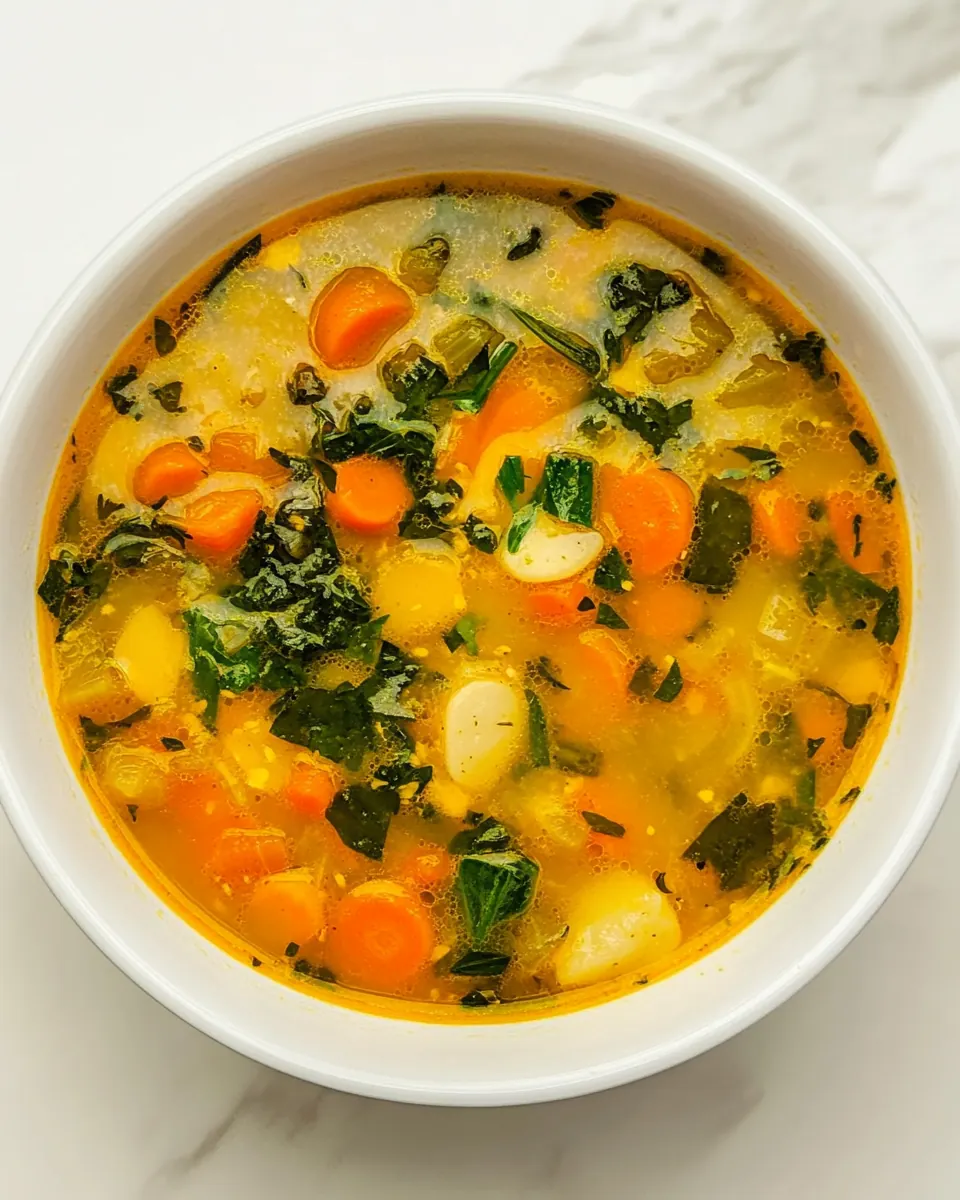
Flush the Fat Away Vegetable Soup
Flush the Fat Away Vegetable Soup is the kind of bowl I reach for when I want something honest, warming, and quietly restorative. The first time I made it I was nursing a cold and craving something that felt like a hug without heaviness. I remember the kitchen filling with the soft scent of simmering carrots and sweet potato, and how that aroma seemed to smooth out a chaotic day.
There is a small ritual to this soup that I have come to love. I chop the celery and onion with care, thinking about textures and balance. While it simmers, the house settles, and I get a few quiet moments to myself. That calm makes the bowl taste better, at least to me. Over time I have learned tiny adjustments that coax more flavor from simple ingredients, and I am always happy to share them when we sit down to eat.
Recipe Snapshot
8 hr 15 mins
15 mins
480 mins
Hard
150 kcal
American
Vegan, Gluten-Free
Soups
Slow Cooker, Large Pot, Ladle
The Magic of This Flush the Fat Away Vegetable Soup
Comfort without heaviness
I love how Flush the Fat Away Vegetable Soup delivers true comfort while staying light. The tapestry of sweet potato, carrots, and canned navy beans gives you body and satisfaction, but not the sluggish aftermath a cream based soup can bring. I rely on this when I want something that fills me up and still keeps me energized for the rest of the day.
Flexible and forgiving
One of the best things about this soup is how forgiving it is. Whether you use the slow cooker or the stovetop, the flavors deepen with time. I often swap canned beans, or skip the optional diced tomatoes depending on what I have, and it still sings. That adaptability makes it a weekday staple for me and my friends.
Nutrition-forward without preaching
There is a real sense of nourishment here. The blend of root vegetables, leafy baby spinach, and beans provides fiber, vitamins, and plant based protein. I appreciate recipes that are intentionally healthy but still taste like food you actually want to eat, not a punishment. This soup strikes that balance, so I recommend it for anyone looking to eat better without losing flavor.
Great for batch cooking and routines
I adore how well this soup stores and reheats. I make a large batch on weekend mornings and portion it for busy nights. The slow cooker version lets me set it and forget it, and if you are doing a short cleanse or reset, the single serving plan is easy to follow. That reliability means you can count on a wholesome dinner even on chaotic evenings.
Bright finishing touches
Finishing the bowl with a drizzle of olive oil and a fresh handful of wilted baby spinach lifts the whole dish. Little additions like that change the mouthfeel and nutrient absorption, and they make every spoonful feel intentional. I reach for this soup when I want to feel cared for, without fuss.
Key Ingredients for Flush the Fat Away Vegetable Soup
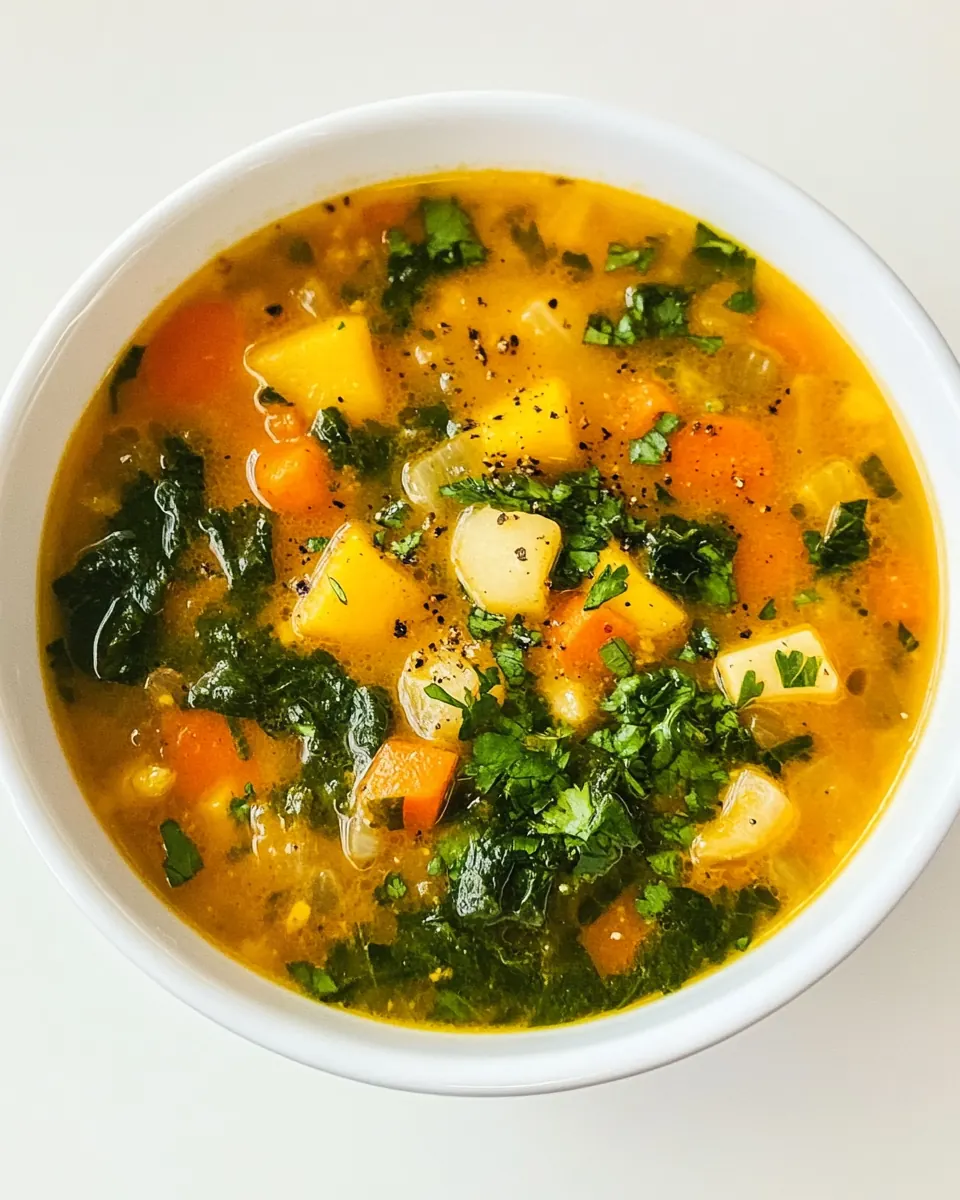
These ingredients work together to create a soup that is both nourishing and balanced. I think of the roots as the foundation, the beans as the sustaining element, and the leafy greens as the bright finish. Each player brings texture, color, and nutrient density, and together they make a bowl that feels thoughtfully composed.
- 1 sweet potato medium, peeled and cut into 1 inch cubes: Provide natural sweetness and creamy texture when simmered; cut into uniform 1-inch cubes to ensure even cooking and gentle thickness to the broth while contributing fiber and potassium for satiety.
- 3 carrots large, peeled and sliced: Add earthy sweetness and body when sliced; cook until tender to meld flavors with root vegetables and boost beta-carotene and vitamin A content.
- 1 celery stalk diced: Contribute subtle aromatic crunch and savory depth when diced; sauté briefly to release flavor compounds and add fiber and trace minerals to the soup.
- 1 yellow onion small, diced: Impart savory sweetness and a foundational aromatic base when diced; sweat until translucent to build complexity and balance the soup’s overall flavor profile.
- 1 garlic clove minced: Deliver pungent savory notes and aromatic warmth when minced; release umami and gentle heat that enhances other seasonings and supports digestion.
- pinch of kosher or sea salt more or less to taste: Enhance and balance flavors with a clean saline edge; adjust quantity to taste to avoid over-salting while highlighting vegetables and beans.
- 1/2 teaspoon black pepper: Provide mild heat and earthy warmth to round out flavors; measure carefully to prevent overpowering the delicate vegetable notes.
- 1/8 teaspoon allspice: Introduce warm, slightly sweet aromatic undertones; a small pinch adds complexity and pairs well with root vegetables and tomatoes.
- 1 teaspoon paprika: Contribute smoky, warm color and depth; sprinkle to build a rounded savory profile and enhance roasted or simmered vegetable flavors.
- 1 bay leaf: Add a subtle herbal, slightly floral layer that infuses while simmering; remove before serving to avoid an overly leathery texture.
- 30 ounces navy beans cans, drained and rinsed ( black beans) (optional): Supply hearty protein and creaminess when cooked into the soup; drain and rinse canned beans to control sodium and create a filling, fiber-rich base.
- 4 cups vegetable broth low-sodium: Create a savory liquid base that melds ingredients and controls sodium; use low-sodium broth to better manage seasoning and maintain a light profile.
- 14 1/2 ounces diced tomatoes can, no salt added, *this is an ingredient (optional): Provide bright tomato acidity and body when added; choose no-salt–added canned diced tomatoes to contribute umami and balance richness while keeping sodium low.
- 4 cups baby spinach loosely packed ( 2 zucchini, sliced) (optional): Introduce tender leafy greens and fresh color when loosely packed; stir in near the end to wilt gently and boost iron, vitamins, and a light texture contrast.
- 1 tablespoon plus 1 teaspoon extra-virgin olive oil , for serving (1/2 teaspoon per serving) (optional): Finish with silky mouthfeel and subtle fruitiness when drizzled; use a measured amount for healthy fats, or offer as an optional garnish to individual servings.
Putting Together Flush the Fat Away Vegetable Soup
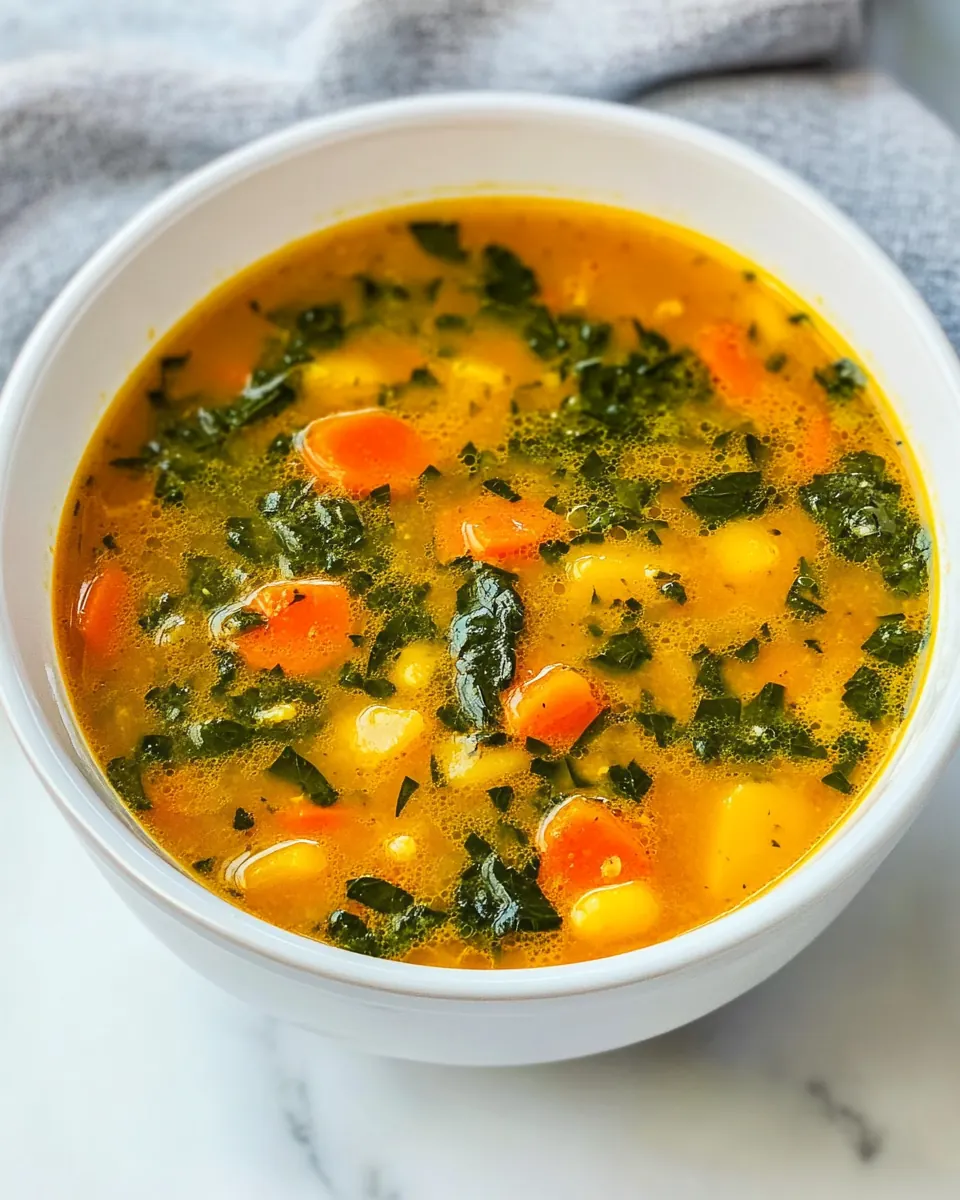
This soup is straightforward to assemble and rewards patience. I like to prepare all ingredients before I start, because it makes the slow cooker or simmering process feel effortless. Below I expand on each direction from the recipe so you know exactly what to look and listen for.
- Add all ingredients, except spinach and olive oil, to the slow cooker. Cover and cook on low 6 to 8 hours, or until the vegetables are tender. Add spinach, stir and continue cooking just until wilted, approximately 5 minutes. Serve and enjoy! (1 serving per night if doing the 3 Day Cleanse & Detox): The kitchen will smell faintly of earthy sweet potato and aromatic onion the moment you layer everything into the pot. You should notice a patchwork of colors and textures, from orange rounds of carrots to the pale cubes of sweet potato . This layering allows juices and starches to mingle as heat rises in the slow cooker, building a steady, even flavor. One common mistake is overcrowding the cooker with unevenly sized pieces, which leads to inconsistent tenderness. Aim for uniform cubes so the vegetables soften at roughly the same rate and the broth extracts flavor evenly.
- Tip: If you prefer a thicker soup, after 5 hours of cooking, simply remove 1 cup of soup, along with ingredients, mash ingredients with a fork, return to the slow cooker, stir and continue cooking 1 to 3 hours. When serving, drizzle a little (optional) olive oil over each bowl of soup.: As the pot hums along, the aroma deepens and becomes sweeter, a sign the vegetables are breaking down and melding. You want a gentle simmer rather than a boil, which preserves shape and texture while coaxing out sugars. If the cooker is too hot you risk mushy vegetables and a loss of nuance. A typical misstep is lifting the lid too often, which steals heat and prolongs cooking time. Test doneness by piercing the largest cube of sweet potato ; it should offer little resistance.
- Note: Olive oil helps the body absorb nutrients more efficiently and supports a healthy digestive system.: The bright green of the baby spinach will wilt quickly, releasing a fresh vegetal scent that contrasts the deeper, sweeter base. Stir gently so the leaves distribute through the broth, which warms them uniformly. Overcooking here will dull the color and turn the leaves limp, so keep an eye on the clock and remove promptly. A common error is adding the spinach too early, which makes it lose its vibrant texture and nutrients.
- Stovetop Method: Follow the same instructions above for prep, cover, and simmer until veggies are tender, approximately 2 hours. Stir every 15 minutes to prevent sticking. Add spinach at the end of cooking time, remove from heat, cover and allow spinach to wilt before serving.: Ladling the soup into bowls reveals a mix of tender vegetables and creamy beans suspended in a clear, seasoned broth. I like to drizzle a little extra–virgin olive oil over each bowl for a silky finish. Take a moment to inhale the layered aromas before taking a spoonful; you should taste sweetness, a savory backbone, and a subtle warmth from the paprika and black pepper . A common pitfall is serving without tasting, which can leave the dish underseasoned; adjust salt and pepper to your preference right before serving.
- Tip: If you prefer a thicker soup, after 5 hours of cooking, simply remove 1 cup of soup, along with ingredients, mash ingredients with a fork, return to the slow cooker, stir and continue cooking 1 to 3 hours : The action of mashing concentrates texture and creates a creamier consistency without any dairy. You will notice a richer body and slightly cloudier broth as starches from the sweet potato and navy beans release into the liquid, giving the soup a hearty mouthfeel. Be careful not to over mash, or you can lose pleasant textural contrasts. One mistake is mashing while the soup is too hot and thin, which makes it hard to control the degree of thickness; waiting until some reduction has occurred helps.
- When serving, drizzle a little optional olive oil over each bowl of soup: That final drizzle of extra–virgin olive oil adds a glossy sheen and a fruity, peppery note that brightens each spoonful. The oil softens edges of heat and enhances the absorption of fat soluble vitamins from the vegetables . Avoid using too much, or the soup can take on an oily mouthfeel. A common oversight is skipping this step entirely; when used sparingly it elevates the dish significantly.
- Note: Olive oil helps the body absorb nutrients more efficiently and supports a healthy digestive system : You may notice a subtle richness when you include the oil, and it complements the natural sugars of the roots. The oil carries flavors and gives a rounded finish to the broth, which can otherwise seem thin after long cooking. A cautionary mistake is assuming any oil will do; choose a good quality extra–virgin olive oil for the best aroma and health benefits.
- Stovetop Method: Follow the same instructions above for prep, cover, and simmer until veggies are tender, approximately 2 hours : On the stovetop you will hear a low simmer and see gentle steam rising, a different sensory rhythm than the slow cooker. Stir every 15 minutes to prevent sticking, and adjust heat so it is simmering, not boiling. Simmering concentrates flavor without over reducing the liquid too quickly. One common mistake is leaving the pot unattended at a rolling boil, which breaks down textures and can scorch the base.
- Stir every 15 minutes to prevent sticking: Stirring helps redistribute heat and prevents vegetables from adhering to the bottom, which could cause localized scorching. You will notice little pockets of foam or froth if the pot is very active; skimming occasionally keeps the broth clear. A common slip is using a metal spoon on a nonstick surface, so choose utensils that match your cookware to avoid damage.
- Add spinach at the end of cooking time, remove from heat, cover and allow spinach to wilt before serving: Removing from heat and letting the residual warmth do the wilting preserves the vibrant green of the baby spinach . The leaves will look glossy and tender, not mushy, when they are ready. Overheating will make them dark and lifeless, so gentle residual heat is ideal. A typical misstep is leaving the pot uncovered, which cools the soup too quickly and prevents gentle wilting.
Making Adjustments
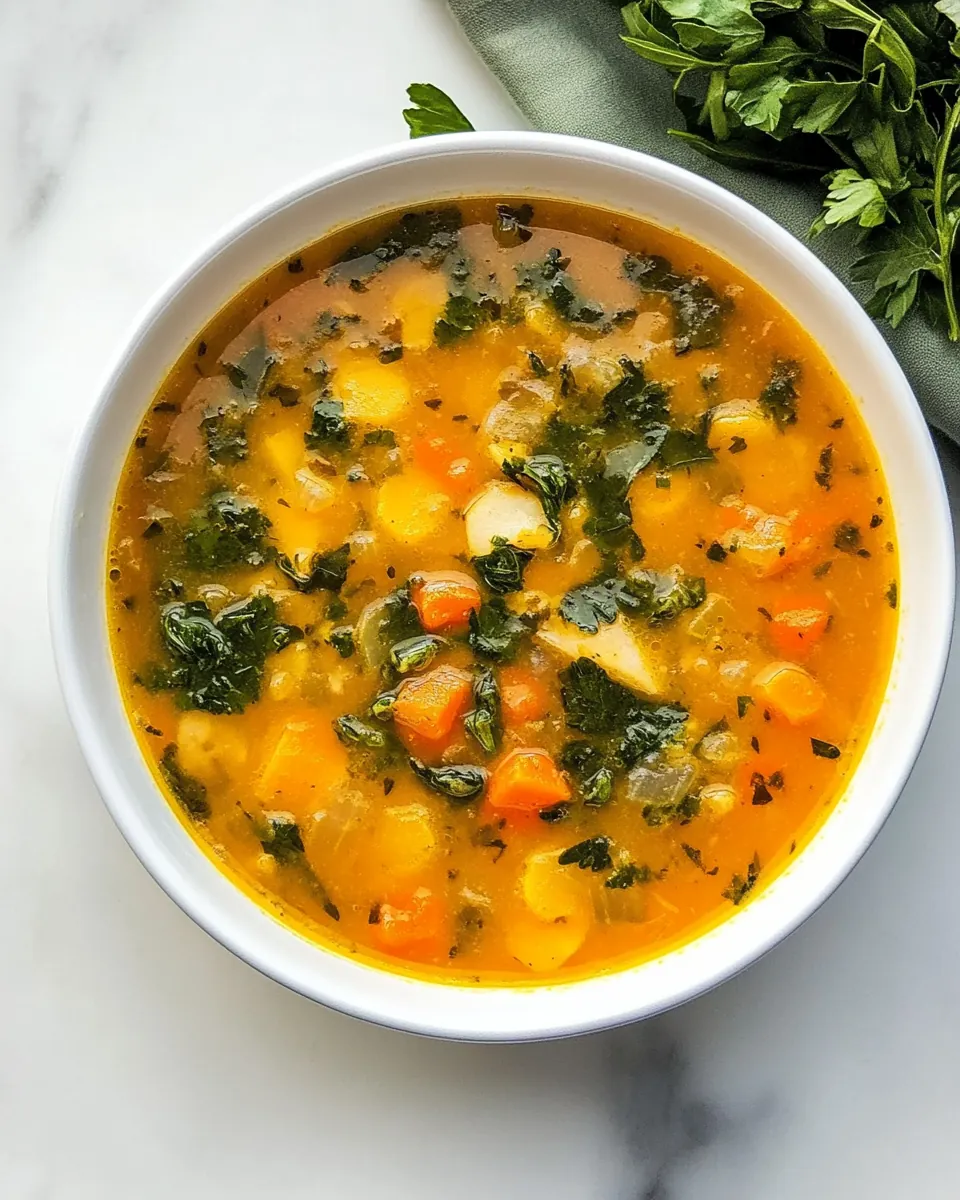
Small tweaks can change the soup from familiar to exceptional. Below are focused tips to adjust texture, flavor, and technique. Each list item highlights a quick change and explains why it matters.
- Swap beans thoughtfully If you use optional black beans instead of navy beans, expect a slightly firmer texture and earthier flavor. Black beans hold their shape more, which changes mouthfeel, but they still pair nicely with the root vegetables.
- Control thickness by mashing Removing a small portion and mashing it creates natural body without adding cream. This technique lets you dial in viscosity gradually, preventing the soup from becoming too heavy or pasty.
- Adjust salt near the end Because slow cooking concentrates flavors, add most of your salt toward the end to avoid over seasoning. Taste before final adjustments, and remember that canned ingredients may already contribute sodium.
- Use low sodium broth Starting with a low sodium vegetable broth gives you control over seasoning and keeps the dish lighter and more heart friendly. It also allows the natural sweetness of the vegetables to come through.
- Add optional tomatoes for brightness If the soup needs an acidic lift, stir in the optional diced tomatoes midway through cooking. They add a pleasant tang and help cut through any lingering richness.
- Finish with olive oil sparingly A small drizzle of extra-virgin olive oil at serving time enriches mouthfeel and helps absorb fat soluble vitamins, but use no more than a teaspoon per bowl to avoid an oily finish.
What Complements This Flush the Fat Away Vegetable Soup
This soup is versatile for many meals and occasions. Below I outline serving ideas, storage guidance, and pairing suggestions that match different seasons and rhythms. Think in terms of simple accompaniments and practical leftovers management.
- Light lunch pairing Serve a bowl with a slice of hearty whole grain bread for a satisfying midday meal that keeps you steady until dinner. The bread soaks up the broth and adds chew.
- Weeknight dinner idea Pair with a simple green salad dressed with lemon and olive oil for a quick, balanced dinner. The crisp salad contrasts the tender vegetables and gives a fresh counterpoint.
- Meal prep and storage This soup stores well for up to four days in the refrigerator and freezes beautifully for three months. Cool completely, portion into airtight containers, and label with the date for easy reheating.
- Seasonal suggestion for winter In colder months, serve piping hot with the optional drizzle of extra-virgin olive oil to make the bowl feel extra comforting. The earthy roots feel especially appropriate when the weather is crisp.
- Occasion flexibility Whether you are doing a short cleanse, feeding a family, or packing lunches, this soup adapts. Make a big batch on a weekend and portion it for busy nights or for a simple, nourishing meal during Ramadan evenings.
- Serving temperature I recommend serving warm but not scalding, as it lets the flavors settle and makes the bowl more pleasant to eat. Reheat gently on the stovetop to preserve texture.
FAQ
Conclusion
This soup stands out because it combines simple vegetables and beans into a bowl that feels both nourishing and satisfying. Try it when you want a light yet filling meal that supports a healthy routine and adapts easily to batch cooking. I encourage you to make a big pot, taste as you go, and enjoy the calm ritual of ladling a warm bowl when life feels busy. It’s a comforting option that keeps well, freezes nicely, and welcomes small tweaks to suit your palate.

Flush the Fat Away Vegetable Soup
Equipment
- Slow Cooker
- Large Pot
- Ladle
Ingredients
- 1 sweet potato medium, peeled and cut into 1 inch cubes Provide natural sweetness and creamy texture when simmered; cut into uniform 1-inch cubes to ensure even cooking and gentle thickness to the broth while contributing fiber and potassium for satiety.
- 3 carrots large, peeled and sliced Add earthy sweetness and body when sliced; cook until tender to meld flavors with root vegetables and boost beta-carotene and vitamin A content.
- 1 celery stalk diced Contribute subtle aromatic crunch and savory depth when diced; sauté briefly to release flavor compounds and add fiber and trace minerals to the soup.
- 1 yellow onion small, diced Impart savory sweetness and a foundational aromatic base when diced; sweat until translucent to build complexity and balance the soup’s overall flavor profile.
- 1 garlic clove minced Deliver pungent savory notes and aromatic warmth when minced; release umami and gentle heat that enhances other seasonings and supports digestion.
- pinch of kosher or sea salt more or less to taste Enhance and balance flavors with a clean saline edge; adjust quantity to taste to avoid over-salting while highlighting vegetables and beans.
- 1/2 teaspoon black pepper Provide mild heat and earthy warmth to round out flavors; measure carefully to prevent overpowering the delicate vegetable notes.
- 1/8 teaspoon allspice Introduce warm, slightly sweet aromatic undertones; a small pinch adds complexity and pairs well with root vegetables and tomatoes.
- 1 teaspoon paprika Contribute smoky, warm color and depth; sprinkle to build a rounded savory profile and enhance roasted or simmered vegetable flavors.
- 1 bay leaf Add a subtle herbal, slightly floral layer that infuses while simmering; remove before serving to avoid an overly leathery texture.
- 30 ounces navy beans cans, drained and rinsed (optional black beans) Supply hearty protein and creaminess when cooked into the soup; drain and rinse canned beans to control sodium and create a filling, fiber-rich base.
- 4 cups vegetable broth low-sodium Create a savory liquid base that melds ingredients and controls sodium; use low-sodium broth to better manage seasoning and maintain a light profile.
- 14 1/2 ounces diced tomatoes can, no salt added, *this is an optional ingredient Provide bright tomato acidity and body when added; choose no-salt-added canned diced tomatoes to contribute umami and balance richness while keeping sodium low.
- 4 cups baby spinach loosely packed (optional 2 zucchini, sliced) Introduce tender leafy greens and fresh color when loosely packed; stir in near the end to wilt gently and boost iron, vitamins, and a light texture contrast.
- 1 tablespoon plus 1 teaspoon extra-virgin olive oil optional, for serving (1/2 teaspoon per serving) Finish with silky mouthfeel and subtle fruitiness when drizzled; use a measured amount for healthy fats, or offer as an optional garnish to individual servings.
Instructions
- Add all ingredients, except spinach and olive oil, to the slow cooker. Cover and cook on low 6 to 8 hours, or until the vegetables are tender. Add spinach, stir and continue cooking just until wilted, approximately 5 minutes. Serve and enjoy! (1 serving per night if doing the 3 Day Cleanse & Detox): The kitchen will smell faintly of earthy sweet potato and aromatic onion the moment you layer everything into the pot. You should notice a patchwork of colors and textures, from orange rounds of carrots to the pale cubes of sweet potato . This layering allows juices and starches to mingle as heat rises in the slow cooker, building a steady, even flavor. One common mistake is overcrowding the cooker with unevenly sized pieces, which leads to inconsistent tenderness. Aim for uniform cubes so the vegetables soften at roughly the same rate and the broth extracts flavor evenly.
- Tip: If you prefer a thicker soup, after 5 hours of cooking, simply remove 1 cup of soup, along with ingredients, mash ingredients with a fork, return to the slow cooker, stir and continue cooking 1 to 3 hours. When serving, drizzle a little (optional) olive oil over each bowl of soup.: As the pot hums along, the aroma deepens and becomes sweeter, a sign the vegetables are breaking down and melding. You want a gentle simmer rather than a boil, which preserves shape and texture while coaxing out sugars. If the cooker is too hot you risk mushy vegetables and a loss of nuance. A typical misstep is lifting the lid too often, which steals heat and prolongs cooking time. Test doneness by piercing the largest cube of sweet potato ; it should offer little resistance.
- Note: Olive oil helps the body absorb nutrients more efficiently and supports a healthy digestive system.: The bright green of the baby spinach will wilt quickly, releasing a fresh vegetal scent that contrasts the deeper, sweeter base. Stir gently so the leaves distribute through the broth, which warms them uniformly. Overcooking here will dull the color and turn the leaves limp, so keep an eye on the clock and remove promptly. A common error is adding the spinach too early, which makes it lose its vibrant texture and nutrients.
- Stovetop Method: Follow the same instructions above for prep, cover, and simmer until veggies are tender, approximately 2 hours. Stir every 15 minutes to prevent sticking. Add spinach at the end of cooking time, remove from heat, cover and allow spinach to wilt before serving.: Ladling the soup into bowls reveals a mix of tender vegetables and creamy beans suspended in a clear, seasoned broth. I like to drizzle a little extra-virgin olive oil over each bowl for a silky finish. Take a moment to inhale the layered aromas before taking a spoonful; you should taste sweetness, a savory backbone, and a subtle warmth from the paprika and black pepper . A common pitfall is serving without tasting, which can leave the dish underseasoned; adjust salt and pepper to your preference right before serving.
- Tip: If you prefer a thicker soup, after 5 hours of cooking, simply remove 1 cup of soup, along with ingredients, mash ingredients with a fork, return to the slow cooker, stir and continue cooking 1 to 3 hours : The action of mashing concentrates texture and creates a creamier consistency without any dairy. You will notice a richer body and slightly cloudier broth as starches from the sweet potato and navy beans release into the liquid, giving the soup a hearty mouthfeel. Be careful not to over mash, or you can lose pleasant textural contrasts. One mistake is mashing while the soup is too hot and thin, which makes it hard to control the degree of thickness; waiting until some reduction has occurred helps.
- When serving, drizzle a little optional olive oil over each bowl of soup: That final drizzle of extra-virgin olive oil adds a glossy sheen and a fruity, peppery note that brightens each spoonful. The oil softens edges of heat and enhances the absorption of fat soluble vitamins from the vegetables . Avoid using too much, or the soup can take on an oily mouthfeel. A common oversight is skipping this step entirely; when used sparingly it elevates the dish significantly.
- Note: Olive oil helps the body absorb nutrients more efficiently and supports a healthy digestive system : You may notice a subtle richness when you include the oil, and it complements the natural sugars of the roots. The oil carries flavors and gives a rounded finish to the broth, which can otherwise seem thin after long cooking. A cautionary mistake is assuming any oil will do; choose a good quality extra-virgin olive oil for the best aroma and health benefits.
- Stovetop Method: Follow the same instructions above for prep, cover, and simmer until veggies are tender, approximately 2 hours : On the stovetop you will hear a low simmer and see gentle steam rising, a different sensory rhythm than the slow cooker. Stir every 15 minutes to prevent sticking, and adjust heat so it is simmering, not boiling. Simmering concentrates flavor without over reducing the liquid too quickly. One common mistake is leaving the pot unattended at a rolling boil, which breaks down textures and can scorch the base.
- Stir every 15 minutes to prevent sticking: Stirring helps redistribute heat and prevents vegetables from adhering to the bottom, which could cause localized scorching. You will notice little pockets of foam or froth if the pot is very active; skimming occasionally keeps the broth clear. A common slip is using a metal spoon on a nonstick surface, so choose utensils that match your cookware to avoid damage.
- Add spinach at the end of cooking time, remove from heat, cover and allow spinach to wilt before serving: Removing from heat and letting the residual warmth do the wilting preserves the vibrant green of the baby spinach . The leaves will look glossy and tender, not mushy, when they are ready. Overheating will make them dark and lifeless, so gentle residual heat is ideal. A typical misstep is leaving the pot uncovered, which cools the soup too quickly and prevents gentle wilting.
Notes
- Swap beans thoughtfully If you use optional black beans instead of navy beans, expect a slightly firmer texture and earthier flavor. Black beans hold their shape more, which changes mouthfeel, but they still pair nicely with the root vegetables.
- Control thickness by mashing Removing a small portion and mashing it creates natural body without adding cream. This technique lets you dial in viscosity gradually, preventing the soup from becoming too heavy or pasty.
- Adjust salt near the end Because slow cooking concentrates flavors, add most of your salt toward the end to avoid over seasoning. Taste before final adjustments, and remember that canned ingredients may already contribute sodium.
- Use low sodium broth Starting with a low sodium vegetable broth gives you control over seasoning and keeps the dish lighter and more heart friendly. It also allows the natural sweetness of the vegetables to come through.
- Add optional tomatoes for brightness If the soup needs an acidic lift, stir in the optional diced tomatoes midway through cooking. They add a pleasant tang and help cut through any lingering richness.
- Finish with olive oil sparingly A small drizzle of extra-virgin olive oil at serving time enriches mouthfeel and helps absorb fat soluble vitamins, but use no more than a teaspoon per bowl to avoid an oily finish.