Firecracker Chicken
Firecracker Chicken is the kind of dish that turns a regular weeknight into something worth remembering, and I still recall the first time I tossed these spicy glazed pieces into the oven and watched the kitchen fill with an addictive sweet heat. That very evening, friends kept drifting into the kitchen, drawn by the sharp garlic aroma and the kettle of bubbling sauce, which made me grin because a simple recipe had turned into the centerpiece of an impromptu dinner party.
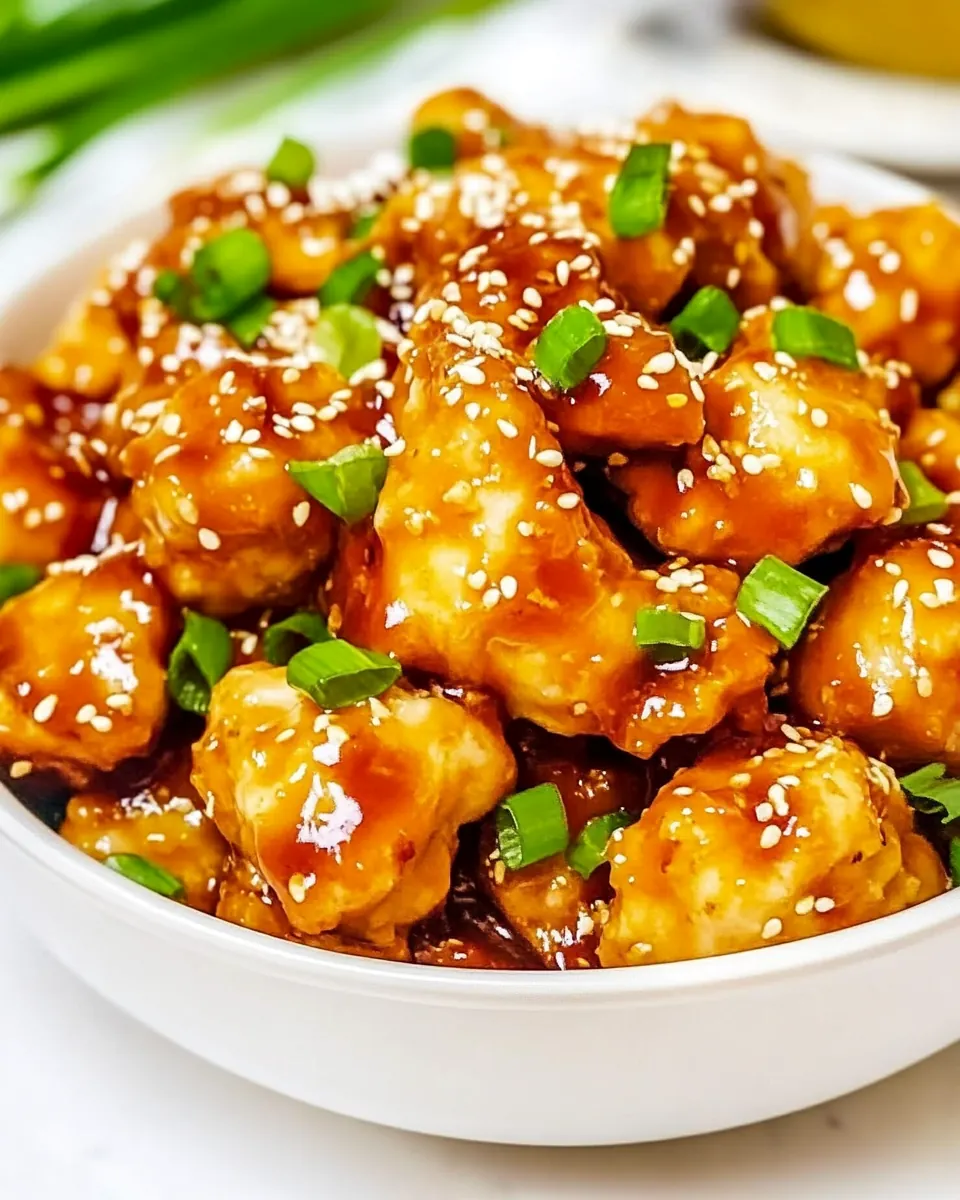
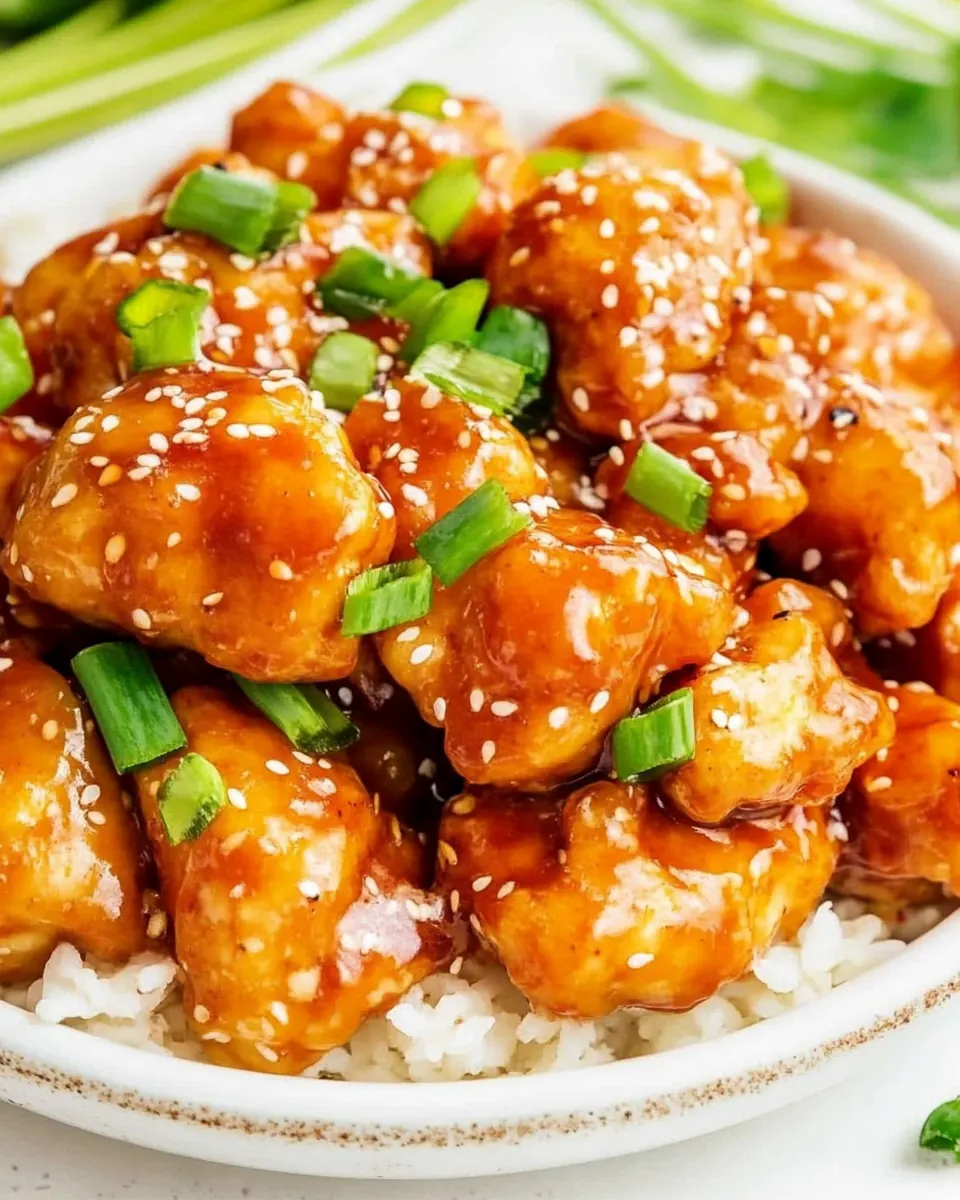
I learned early on that the secret to great Firecracker Chicken is how the coating crisps and then soaks up the sauce, creating contrasting textures that keep you grabbing forkfuls. I’ve tweaked this recipe over time, testing different vinegars and balance points between spicy and sweet, and each iteration felt like a small discovery. When I serve it, I love the way the chicken pieces arrive with glossy edges and tiny charred spots that promise crunch.
Recipe Snapshot
45 mins
5 mins
40 mins
Medium
350 kcal
American
Gluten-Free, Paleo
Dinner
Skillet, Oven, Oven safe dish, Whisk
What You’ll Enjoy About This Firecracker Chicken
Crispy yet saucy texture
I adore the textural contrast in Firecracker Chicken. The initial dredge in eggs and cornstarch creates a light crust that stays crisp even after tossing with sauce. That initial crunch followed by a syrupy coating makes every bite layered and satisfying, and I often find myself slowing down just to enjoy the interplay of crisp and saucy.
Bold but balanced flavor
I love how the sauce blends sharp rice vinegar, savory soy sauce, and the warm sweetness of brown sugar. It’s fiery without being one note, and you can taste the garlic and paprika weaving through the heat. Whenever I make a batch, guests remark on how the flavor is punchy yet surprisingly nuanced.
Fast and flexible weeknight winner
One thing I always point out is how quickly this recipe comes together. From seasoning to oven, you can have dinner on the table in under an hour, which makes Firecracker Chicken a reliable go to for busy nights. I often swap in different proteins or adjust the spice, and it still delivers, which is why I keep this recipe in regular rotation.
Minimal fuss, maximum payoff
I appreciate that it uses pantry staples like cornstarch, brown sugar, and a spicy sauce, so I rarely need a special grocery run. The method is forgiving, and even imperfect pieces of chicken turn out well. That forgiving nature means you can focus on the meal experience instead of worrying about technique.
Great for sharing and customizing
I find Firecracker Chicken is ideal for sharing because people can tweak heat levels right at the table. I’ll offer garnishes and let everyone personalize their bite. It’s those small rituals that turn a simple dish into a memorable meal.
Essential Ingredients for Firecracker Chicken
These ingredients work together to build a dish that is crispy, tangy, and punchy. The players include a lean protein, a simple batter base to crispen the surface, and a vivid sauce that balances sweet, salty, and acidic notes. Each component has a job: the coating locks in juices and creates texture, while the sauce seeps into the crust to deliver intense flavor.
- 1 pound chicken breast cut into bite sized pieces: Cut into bite sized pieces to ensure even cooking and easy eating; provides lean protein and a tender texture when cooked through. Absorbs seasonings and sauce well, making it the main canvas for the firecracker flavors.
- 1/2 teaspoon salt: Season lightly to enhance overall flavor balance and help bring out the chicken's natural taste; helps to season the batter and interior of the pieces. Works with other savory elements to prevent the dish from tasting flat.
- 1/4 teaspoon pepper: Add a touch of heat and depth to the seasoning; helps to create a subtle peppery background that complements the sweet and spicy sauce. Sprinkled evenly to ensure balanced flavor in each bite.
- 2 large eggs: Beat until combined to create a wet coating that helps cornstarch adhere to the chicken for a crisp exterior when fried or baked. Also contributes moisture and structure to the coating for a golden crust.
- 1 cup cornstarch: Coat the chicken pieces to form a light, crispy crust when fried or baked; creates a dry, crunchy texture that contrasts with the sticky sauce. Helps seal in juices for tender meat inside.
- 2 tablespoons oil: Heat until shimmering to start the frying or sautéing process and add a hint of richness; promotes even browning and helps develop texture. Use an appropriate oil quantity to prevent sticking and ensure crisping.
- 1/4 cup buffalo sauce: Provide tangy heat and signature buffalo-style spice to the sauce; balances sweetness and contributes to the dish's overall kick. Mixes with other sauce components to coat the chicken evenly.
- 1/4 cup brown sugar: Add caramelized sweetness to counterbalance the spiciness; helps create a glossy, sticky sauce that clings to the crispy chicken. Dissolves into the sauce to round out flavor and add depth.
- 1 tablespoon soy sauce: Contribute savory umami and saltiness to the sauce, enhancing depth and complexity; helps tie together sweet, spicy, and acidic components. Use sparingly to avoid overpowering other flavors.
- 1 tablespoon olive oil: Bring a fruity olive flavor and additional fat for sautéing or finishing the sauce; helps to meld ingredients and add a subtle richness. Drizzle or heat briefly to release aromatic notes.
- 1 clove garlic minced: Mince finely to distribute pungent, aromatic flavor through the sauce and coating; adds a savory, slightly sweet note when cooked. Sauté briefly to mellow sharpness and release fragrance.
- 1 teaspoon pepper: Season to introduce a layered peppery kick distinct from black pepper measurements; used to fine-tune heat and seasoning intensity. Sprinkle to taste to maintain balanced spiciness.
- 1 teaspoon paprika: Add warm, earthy color and mild smokiness to the seasoning blend; enhances visual appeal and complements the other spices. Incorporate into the cornstarch or final seasoning for consistent flavor.
- 2 tablespoons rice vinegar: Provide bright acidity to balance sweetness and heat, cutting through richness and enhancing overall flavor clarity. Stir into the sauce to lift and unify the ingredients for a tangy finish.
Recipe Steps for Firecracker Chicken
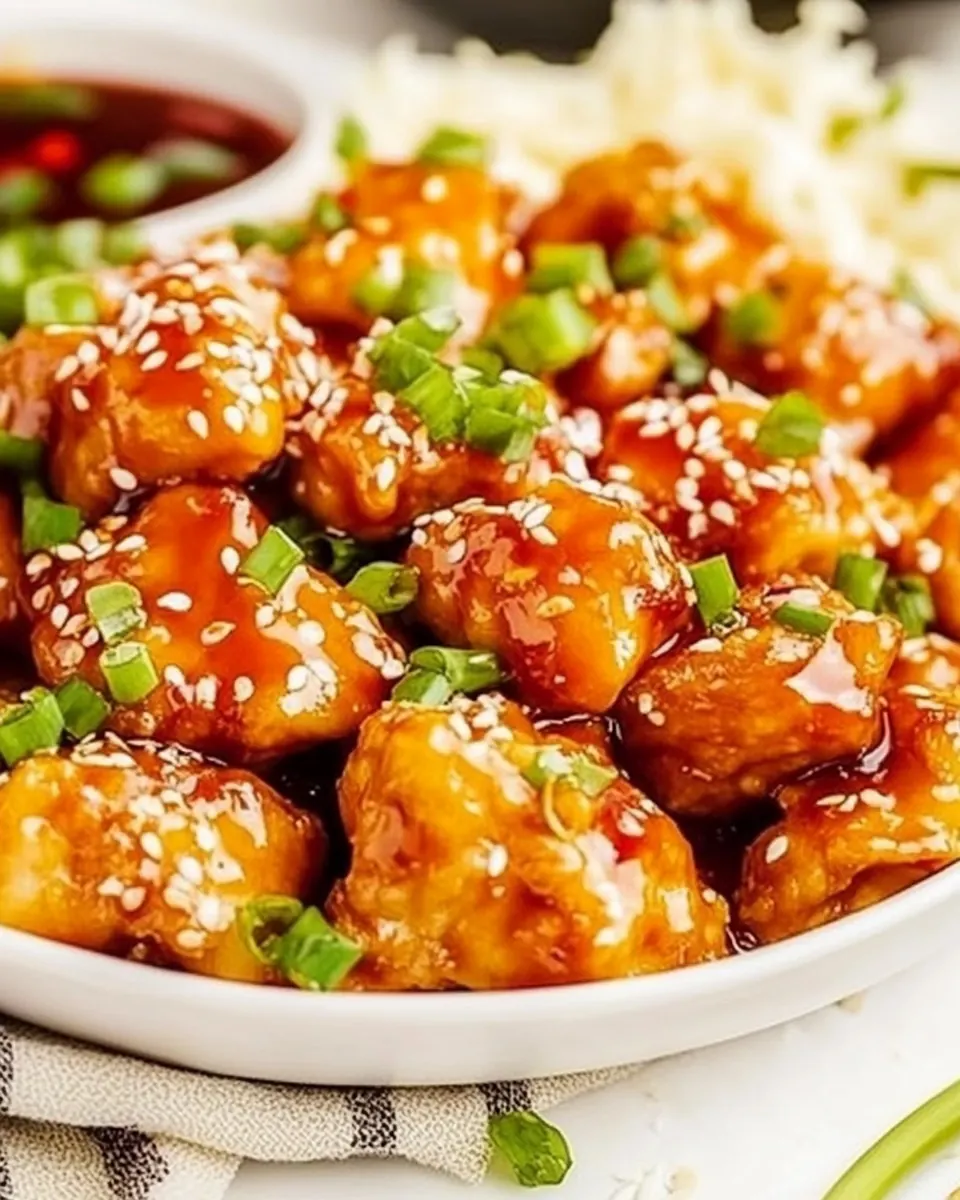
I find the method straightforward, but paying attention to small sensory cues will make a big difference. Move through seasoning, coating, searing, and a final bake, and use your senses to confirm readiness at each stage.
- Preheat the oven to 200 C/400 F.: When you step into the kitchen, you should already smell faint warmth from the oven as it comes up to temperature, and having the oven ready ensures the chicken finishes evenly. This temperature helps the exterior crisp while the inside finishes cooking without drying out. A common mistake is to skip preheating, which can lead to uneven cooking because the oven will take time to reach the proper heat.
- Season the chicken with salt and pepper and mix well.: Right after seasoning, inhale the faintly savory scent of the spices working into the meat, and you will notice the surface becoming a touch tacky, which helps coatings adhere later. Seasoning early builds deeper flavor rather than just a surface hit at the end. Don’t over season, which can make the pieces taste too salty after the soy sauce in the glaze is added.
- Beat eggs well. Dredge chicken in eggs and then in cornstarch and coat well.: When the eggs are beaten thoroughly, they form a smooth, glossy bath that the cornstarch can cling to, producing an even pale coating. Run your fingers through a piece to check coverage; it should feel evenly dusted and not patchy. If you hurry this step, the coating can be uneven and will fry inconsistently.
- Heat the oil in a skillet and add chicken. Cook until golden from all sides.: As pieces hit the hot oil , listen for a lively sizzle and watch for even golden spots forming across surfaces. That audible sear and the developing color indicate the crust is setting and flavors are concentrating. If the oil is not hot enough, the coating will absorb oil and become greasy rather than crispy.
- Combine the buffalo sauce, brown sugar, soy sauce, olive oil, garlic, pepper, rice vinegar, and paprika in a bowl.: Whisking these ingredients releases a sharp tang and an underlying sweet aroma that promises the final glaze, and the sugar will begin to dissolve as the mixture warms slightly. This melded sauce should smell balanced, neither purely sweet nor overly sharp. A common misstep is adding cold sugar that does not dissolve, leaving grainy texture in the sauce.
- Add chicken, and mix well. Pour coated chicken into an oven-safe dish. Cover with aluminum foil and bake in the oven for 20 minutes.: After tossing the warm chicken in the sauce, you will see a glossy coat begin to cling and steam rise as flavors marry. Covering with foil traps heat and helps the sauce penetrate while keeping moisture inside so the chicken stays tender. Avoid leaving the dish uncovered for the whole bake, which can dry the meat before the sauce has fully set.
- Remove the foil, stir the chicken, and bake for another 10 minutes until lightly browned on the edges.: When you take off the foil, the aroma becomes more concentrated and you’ll hear the edges begin to sing in the oven as they crisp. Stirring helps redistribute sauce so edges caramelize evenly and you can visually confirm small browned spots forming. Watch closely, because leaving it too long can burn the sugar in the glaze and create a bitter finish.
Substitutions and Tips
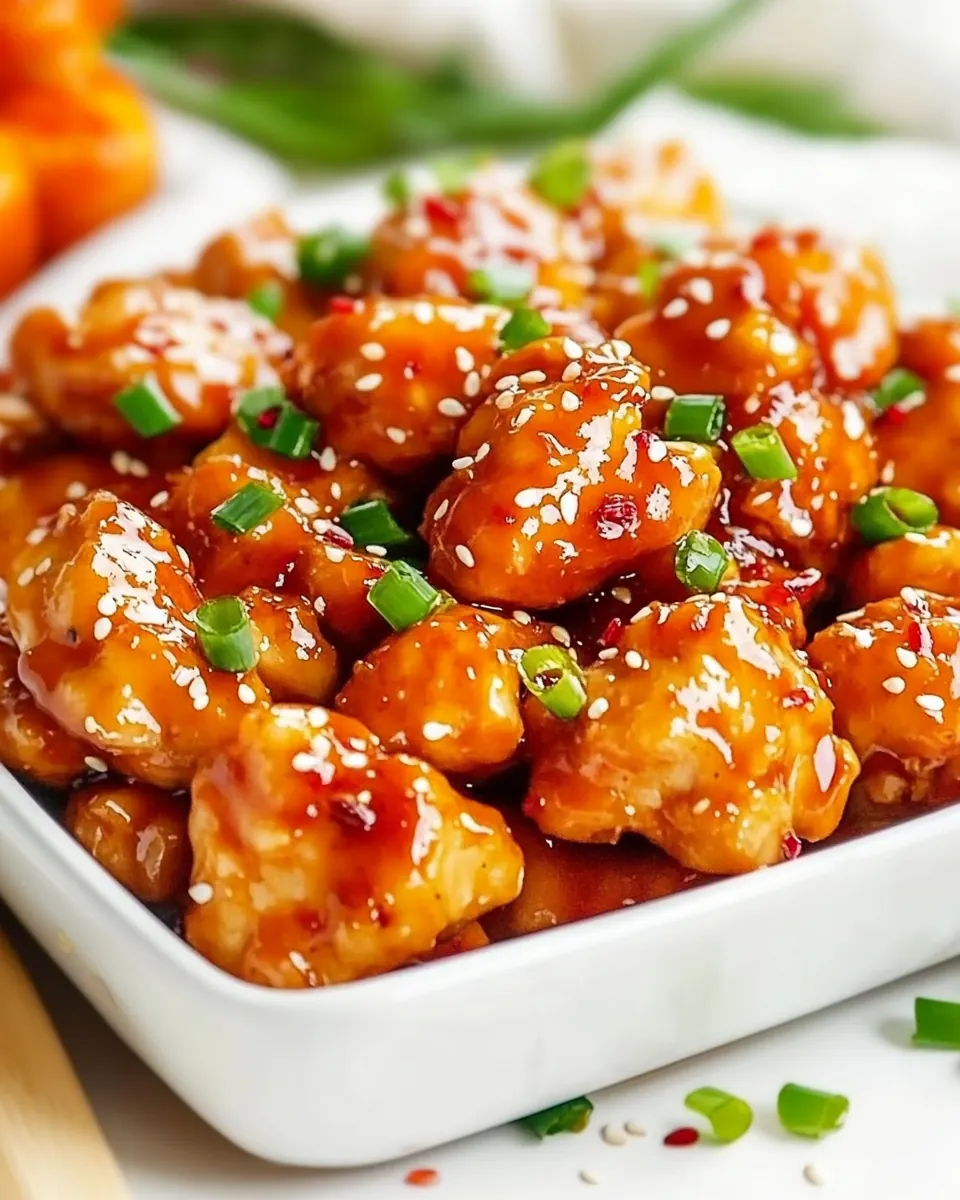
These tips expand on how you can tweak the recipe and what small adjustments really change the result. I include swaps and technique pointers to help you get the balance of crisp and saucy exactly where you like it.
- Garnish freely: Try the suggestions in notes such as dried chili flakes, sesame seeds, or scallions to add texture and visual contrast; they also introduce pop flavors that make the dish feel finished.
- Adjust heat: If you want more spice, swap the base hot sauce for a hotter version or add cayenne gradually; taste as you go so you do not overwhelm the balance.
- Swap sweeteners: Replace brown sugar with maple syrup, honey, agave, or coconut sugar for different sweetness notes and a slightly altered glaze viscosity.
- Use alternate proteins: The method works with boneless chicken thighs, tenders, shrimp, or tofu; just mind cook times and size to keep even cooking.
- Make it ahead: Prepare and chill the coated pieces and sauce separately, then fry and bake when ready; this helps with meal prep without losing final texture.
- Balance salt carefully: Because the sauce contains soy sauce, taste before adding extra salt to avoid an overly salty finish.
What to Serve Alongside Firecracker Chicken
Firecracker Chicken benefits from simple sides that absorb sauce and provide contrast. Think fresh or subtly seasoned accompaniments that highlight the dish without competing. These pairings work for casual dinners or more festive gatherings.
- Steamed rice: Plain steamed rice is a classic match that soaks up the glaze and balances heat, making each bite smooth and satisfying for lunches or weeknight dinners.
- Light salad: A crisp green salad with a tangy vinaigrette cuts through the richness and adds a refreshing crunch, ideal for serving when you want a lighter meal option.
- Roasted vegetables: Oven roasted vegetables with a drizzle of olive oil deliver caramelized notes and heartier texture, complementing the saucy chicken and adding seasonal variation.
- Pickles or quick slaw: A bright pickle or a quick cabbage slaw adds acidity and a crunchy counterpoint to the sweet heat, perfect for balancing the palate during Ramadan if you need a refreshing bite to break fast.
- Family style sharing: Serve on a large platter with garnishes like scallions and sesame seeds so guests can assemble and customize, which is great for casual entertaining or potlucks.
- Storage tips: Refrigerate leftovers in an airtight container for up to three days, and reheat gently in the oven to revive crispness rather than microwaving, which can soften the coating.
- Occasions: This dish suits busy weeknights, informal dinners with friends, or relaxed weekend lunches when you want something bold without fuss.
FAQ
Conclusion
Firecracker Chicken stands out because it balances crisp texture with a sticky, tangy, and spicy glaze that keeps everyone coming back for more. Try it the next time you want a fuss free meal that still feels special, and you may find it becomes a regular in your weeknight rotation. Serve with simple sides, offer a few garnishes, and enjoy how quickly it transforms an ordinary evening into a flavorful gathering.
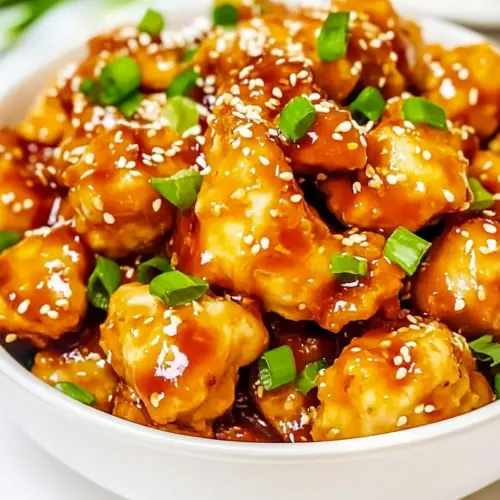
Firecracker Chicken
Equipment
- Skillet
- Oven
- Oven-safe Dish
- Whisk
Ingredients
- 1 pound chicken breast cut into bite sized pieces Cut into bite sized pieces to ensure even cooking and easy eating; provides lean protein and a tender texture when cooked through. Absorbs seasonings and sauce well, making it the main canvas for the firecracker flavors.
- 1/2 teaspoon salt Season lightly to enhance overall flavor balance and help bring out the chicken's natural taste; helps to season the batter and interior of the pieces. Works with other savory elements to prevent the dish from tasting flat.
- 1/4 teaspoon pepper Add a touch of heat and depth to the seasoning; helps to create a subtle peppery background that complements the sweet and spicy sauce. Sprinkled evenly to ensure balanced flavor in each bite.
- 2 large eggs Beat until combined to create a wet coating that helps cornstarch adhere to the chicken for a crisp exterior when fried or baked. Also contributes moisture and structure to the coating for a golden crust.
- 1 cup cornstarch Coat the chicken pieces to form a light, crispy crust when fried or baked; creates a dry, crunchy texture that contrasts with the sticky sauce. Helps seal in juices for tender meat inside.
- 2 tablespoons oil Heat until shimmering to start the frying or sautéing process and add a hint of richness; promotes even browning and helps develop texture. Use an appropriate oil quantity to prevent sticking and ensure crisping.
- 1/4 cup buffalo sauce Provide tangy heat and signature buffalo-style spice to the sauce; balances sweetness and contributes to the dish's overall kick. Mixes with other sauce components to coat the chicken evenly.
- 1/4 cup brown sugar Add caramelized sweetness to counterbalance the spiciness; helps create a glossy, sticky sauce that clings to the crispy chicken. Dissolves into the sauce to round out flavor and add depth.
- 1 tablespoon soy sauce Contribute savory umami and saltiness to the sauce, enhancing depth and complexity; helps tie together sweet, spicy, and acidic components. Use sparingly to avoid overpowering other flavors.
- 1 tablespoon olive oil Bring a fruity olive flavor and additional fat for sautéing or finishing the sauce; helps to meld ingredients and add a subtle richness. Drizzle or heat briefly to release aromatic notes.
- 1 clove garlic minced Mince finely to distribute pungent, aromatic flavor through the sauce and coating; adds a savory, slightly sweet note when cooked. Sauté briefly to mellow sharpness and release fragrance.
- 1 teaspoon pepper Season to introduce a layered peppery kick distinct from black pepper measurements; used to fine-tune heat and seasoning intensity. Sprinkle to taste to maintain balanced spiciness.
- 1 teaspoon paprika Add warm, earthy color and mild smokiness to the seasoning blend; enhances visual appeal and complements the other spices. Incorporate into the cornstarch or final seasoning for consistent flavor.
- 2 tablespoons rice vinegar Provide bright acidity to balance sweetness and heat, cutting through richness and enhancing overall flavor clarity. Stir into the sauce to lift and unify the ingredients for a tangy finish.
Instructions
- Preheat the oven to 200 C/400 F.: When you step into the kitchen, you should already smell faint warmth from the oven as it comes up to temperature, and having the oven ready ensures the chicken finishes evenly. This temperature helps the exterior crisp while the inside finishes cooking without drying out. A common mistake is to skip preheating, which can lead to uneven cooking because the oven will take time to reach the proper heat.
- Season the chicken with salt and pepper and mix well.: Right after seasoning, inhale the faintly savory scent of the spices working into the meat, and you will notice the surface becoming a touch tacky, which helps coatings adhere later. Seasoning early builds deeper flavor rather than just a surface hit at the end. Don’t over season, which can make the pieces taste too salty after the soy sauce in the glaze is added.
- Beat eggs well. Dredge chicken in eggs and then in cornstarch and coat well.: When the eggs are beaten thoroughly, they form a smooth, glossy bath that the cornstarch can cling to, producing an even pale coating. Run your fingers through a piece to check coverage; it should feel evenly dusted and not patchy. If you hurry this step, the coating can be uneven and will fry inconsistently.
- Heat the oil in a skillet and add chicken. Cook until golden from all sides.: As pieces hit the hot oil , listen for a lively sizzle and watch for even golden spots forming across surfaces. That audible sear and the developing color indicate the crust is setting and flavors are concentrating. If the oil is not hot enough, the coating will absorb oil and become greasy rather than crispy.
- Combine the buffalo sauce, brown sugar, soy sauce, olive oil, garlic, pepper, rice vinegar, and paprika in a bowl.: Whisking these ingredients releases a sharp tang and an underlying sweet aroma that promises the final glaze, and the sugar will begin to dissolve as the mixture warms slightly. This melded sauce should smell balanced, neither purely sweet nor overly sharp. A common misstep is adding cold sugar that does not dissolve, leaving grainy texture in the sauce.
- Add chicken, and mix well. Pour coated chicken into an oven-safe dish. Cover with aluminum foil and bake in the oven for 20 minutes.: After tossing the warm chicken in the sauce, you will see a glossy coat begin to cling and steam rise as flavors marry. Covering with foil traps heat and helps the sauce penetrate while keeping moisture inside so the chicken stays tender. Avoid leaving the dish uncovered for the whole bake, which can dry the meat before the sauce has fully set.
- Remove the foil, stir the chicken, and bake for another 10 minutes until lightly browned on the edges.: When you take off the foil, the aroma becomes more concentrated and you’ll hear the edges begin to sing in the oven as they crisp. Stirring helps redistribute sauce so edges caramelize evenly and you can visually confirm small browned spots forming. Watch closely, because leaving it too long can burn the sugar in the glaze and create a bitter finish.
Notes
- Garnish freely: Try the suggestions in notes such as dried chili flakes, sesame seeds, or scallions to add texture and visual contrast; they also introduce pop flavors that make the dish feel finished.
- Adjust heat: If you want more spice, swap the base hot sauce for a hotter version or add cayenne gradually; taste as you go so you do not overwhelm the balance.
- Swap sweeteners: Replace brown sugar with maple syrup, honey, agave, or coconut sugar for different sweetness notes and a slightly altered glaze viscosity.
- Use alternate proteins: The method works with boneless chicken thighs, tenders, shrimp, or tofu; just mind cook times and size to keep even cooking.
- Make it ahead: Prepare and chill the coated pieces and sauce separately, then fry and bake when ready; this helps with meal prep without losing final texture.
- Balance salt carefully: Because the sauce contains soy sauce, taste before adding extra salt to avoid an overly salty finish.