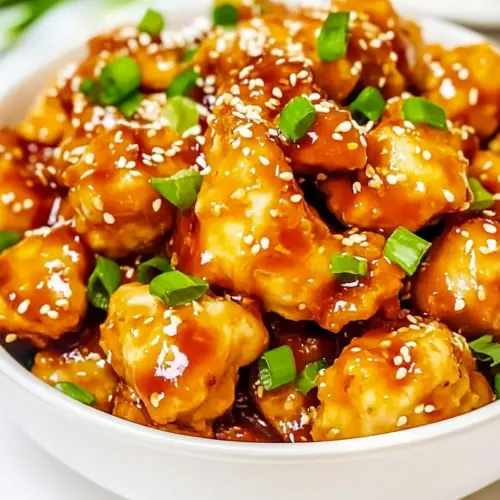
Firecracker Chicken
Firecracker Chicken is a crispy, saucy, and bold main that combines crunchy coated chicken with a tangy sweet glaze. This easy weeknight dinner offers sticky, spicy bites that everyone will reach for, perfect for busy evenings when you want maximum flavor with minimal fuss. Make it for a family meal or casual gathering and enjoy why this fiery dish always disappears fast.
Equipment
- Skillet
- Oven
- Oven-safe Dish
- Whisk
Ingredients
- 1 pound chicken breast cut into bite sized pieces Cut into bite sized pieces to ensure even cooking and easy eating; provides lean protein and a tender texture when cooked through. Absorbs seasonings and sauce well, making it the main canvas for the firecracker flavors.
- 1/2 teaspoon salt Season lightly to enhance overall flavor balance and help bring out the chicken's natural taste; helps to season the batter and interior of the pieces. Works with other savory elements to prevent the dish from tasting flat.
- 1/4 teaspoon pepper Add a touch of heat and depth to the seasoning; helps to create a subtle peppery background that complements the sweet and spicy sauce. Sprinkled evenly to ensure balanced flavor in each bite.
- 2 large eggs Beat until combined to create a wet coating that helps cornstarch adhere to the chicken for a crisp exterior when fried or baked. Also contributes moisture and structure to the coating for a golden crust.
- 1 cup cornstarch Coat the chicken pieces to form a light, crispy crust when fried or baked; creates a dry, crunchy texture that contrasts with the sticky sauce. Helps seal in juices for tender meat inside.
- 2 tablespoons oil Heat until shimmering to start the frying or sautéing process and add a hint of richness; promotes even browning and helps develop texture. Use an appropriate oil quantity to prevent sticking and ensure crisping.
- 1/4 cup buffalo sauce Provide tangy heat and signature buffalo-style spice to the sauce; balances sweetness and contributes to the dish's overall kick. Mixes with other sauce components to coat the chicken evenly.
- 1/4 cup brown sugar Add caramelized sweetness to counterbalance the spiciness; helps create a glossy, sticky sauce that clings to the crispy chicken. Dissolves into the sauce to round out flavor and add depth.
- 1 tablespoon soy sauce Contribute savory umami and saltiness to the sauce, enhancing depth and complexity; helps tie together sweet, spicy, and acidic components. Use sparingly to avoid overpowering other flavors.
- 1 tablespoon olive oil Bring a fruity olive flavor and additional fat for sautéing or finishing the sauce; helps to meld ingredients and add a subtle richness. Drizzle or heat briefly to release aromatic notes.
- 1 clove garlic minced Mince finely to distribute pungent, aromatic flavor through the sauce and coating; adds a savory, slightly sweet note when cooked. Sauté briefly to mellow sharpness and release fragrance.
- 1 teaspoon pepper Season to introduce a layered peppery kick distinct from black pepper measurements; used to fine-tune heat and seasoning intensity. Sprinkle to taste to maintain balanced spiciness.
- 1 teaspoon paprika Add warm, earthy color and mild smokiness to the seasoning blend; enhances visual appeal and complements the other spices. Incorporate into the cornstarch or final seasoning for consistent flavor.
- 2 tablespoons rice vinegar Provide bright acidity to balance sweetness and heat, cutting through richness and enhancing overall flavor clarity. Stir into the sauce to lift and unify the ingredients for a tangy finish.
Instructions
- Preheat the oven to 200 C/400 F.: When you step into the kitchen, you should already smell faint warmth from the oven as it comes up to temperature, and having the oven ready ensures the chicken finishes evenly. This temperature helps the exterior crisp while the inside finishes cooking without drying out. A common mistake is to skip preheating, which can lead to uneven cooking because the oven will take time to reach the proper heat.
- Season the chicken with salt and pepper and mix well.: Right after seasoning, inhale the faintly savory scent of the spices working into the meat, and you will notice the surface becoming a touch tacky, which helps coatings adhere later. Seasoning early builds deeper flavor rather than just a surface hit at the end. Don’t over season, which can make the pieces taste too salty after the soy sauce in the glaze is added.
- Beat eggs well. Dredge chicken in eggs and then in cornstarch and coat well.: When the eggs are beaten thoroughly, they form a smooth, glossy bath that the cornstarch can cling to, producing an even pale coating. Run your fingers through a piece to check coverage; it should feel evenly dusted and not patchy. If you hurry this step, the coating can be uneven and will fry inconsistently.
- Heat the oil in a skillet and add chicken. Cook until golden from all sides.: As pieces hit the hot oil , listen for a lively sizzle and watch for even golden spots forming across surfaces. That audible sear and the developing color indicate the crust is setting and flavors are concentrating. If the oil is not hot enough, the coating will absorb oil and become greasy rather than crispy.
- Combine the buffalo sauce, brown sugar, soy sauce, olive oil, garlic, pepper, rice vinegar, and paprika in a bowl.: Whisking these ingredients releases a sharp tang and an underlying sweet aroma that promises the final glaze, and the sugar will begin to dissolve as the mixture warms slightly. This melded sauce should smell balanced, neither purely sweet nor overly sharp. A common misstep is adding cold sugar that does not dissolve, leaving grainy texture in the sauce.
- Add chicken, and mix well. Pour coated chicken into an oven-safe dish. Cover with aluminum foil and bake in the oven for 20 minutes.: After tossing the warm chicken in the sauce, you will see a glossy coat begin to cling and steam rise as flavors marry. Covering with foil traps heat and helps the sauce penetrate while keeping moisture inside so the chicken stays tender. Avoid leaving the dish uncovered for the whole bake, which can dry the meat before the sauce has fully set.
- Remove the foil, stir the chicken, and bake for another 10 minutes until lightly browned on the edges.: When you take off the foil, the aroma becomes more concentrated and you’ll hear the edges begin to sing in the oven as they crisp. Stirring helps redistribute sauce so edges caramelize evenly and you can visually confirm small browned spots forming. Watch closely, because leaving it too long can burn the sugar in the glaze and create a bitter finish.
Notes
- Garnish freely: Try the suggestions in notes such as dried chili flakes, sesame seeds, or scallions to add texture and visual contrast; they also introduce pop flavors that make the dish feel finished.
- Adjust heat: If you want more spice, swap the base hot sauce for a hotter version or add cayenne gradually; taste as you go so you do not overwhelm the balance.
- Swap sweeteners: Replace brown sugar with maple syrup, honey, agave, or coconut sugar for different sweetness notes and a slightly altered glaze viscosity.
- Use alternate proteins: The method works with boneless chicken thighs, tenders, shrimp, or tofu; just mind cook times and size to keep even cooking.
- Make it ahead: Prepare and chill the coated pieces and sauce separately, then fry and bake when ready; this helps with meal prep without losing final texture.
- Balance salt carefully: Because the sauce contains soy sauce, taste before adding extra salt to avoid an overly salty finish.