Easy Pumpkin Cake Recipe
Easy Pumpkin Cake Recipe has been my go to when I want something that feels like a cozy hug on a plate. The first time I baked it for neighbors, the whole stairwell smelled like warm cinnamon and sweet pumpkin, and I remember thinking how a simple sheet cake can turn an ordinary afternoon into a small celebration. I still smile when someone asks for the recipe, because the memory always comes back, flour dust on my hands and the oven light warm through the glass.
Over the years I have tweaked little things, learning when to whisk and when to be gentle, and why room temperature eggs and softened butter matter. This Easy Pumpkin Cake Recipe is forgiving, which is exactly why I reach for it when I have guests popping by or when I want a low fuss dessert after a busy week. I like that it does the comforting work while I get to relax with a cup of tea.
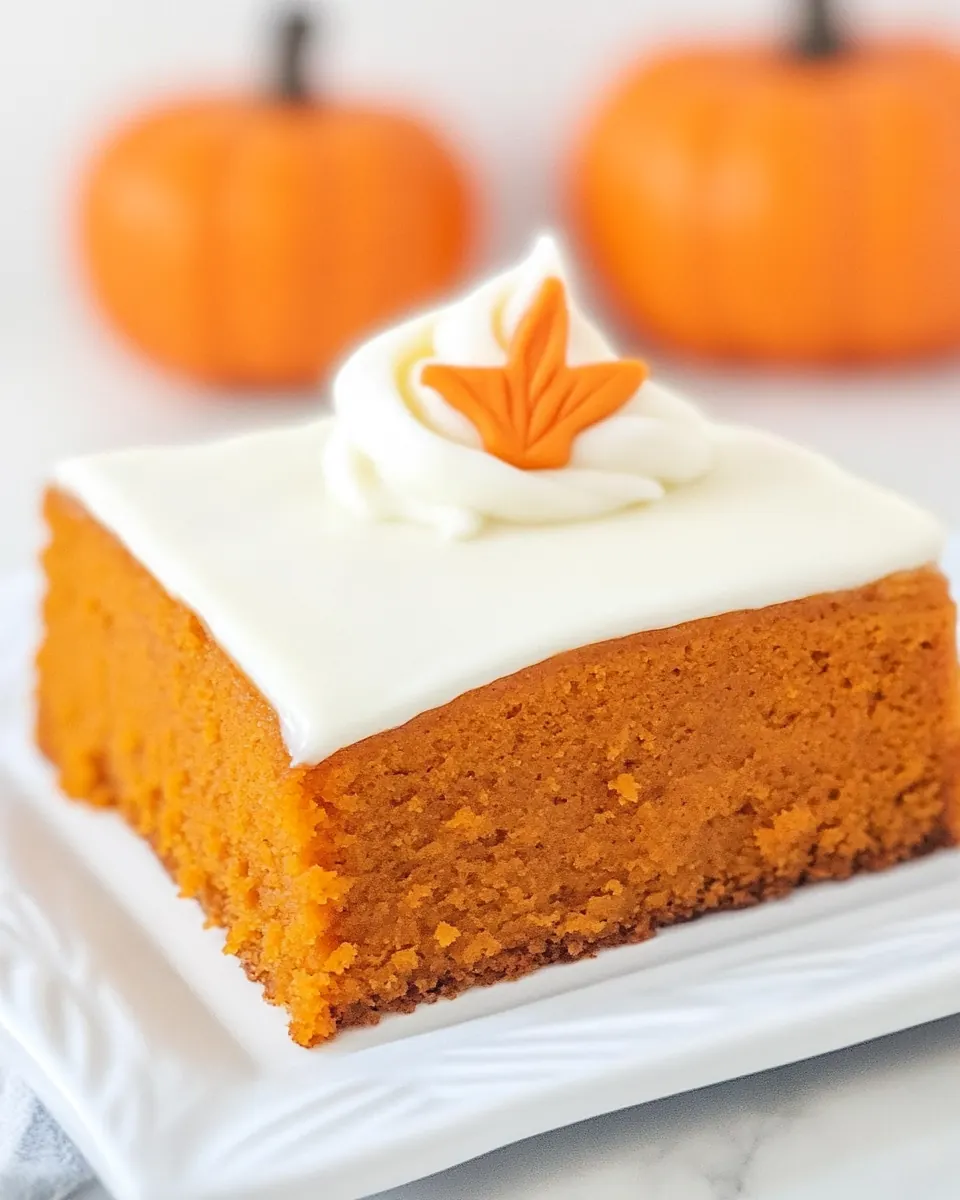
The frosting is part of the charm, rich and tangy from the cream cheese, and it spreads into the nooks of the cake like a blanket. I often nibble a spoonful of the frosting while the cake cools, and that little ritual always makes me grin. If you love simple baking that rewards patience, you will find this Easy Pumpkin Cake Recipe reliably charming and fast to make.
Recipe Snapshot
45 mins
15 mins
30 mins
Medium
350 kcal
American
Gluten-Free, Low FODMAP
Desserts
9×13 inch pan, Mixing Bowl, Fine mesh strainer for sifting, Whisk, Electric Hand Mixer
Why This Easy Pumpkin Cake Recipe Is a Winner
It is effortless but impressive
I love that with just a few pantry staples you can produce something that looks and tastes like you spent all afternoon in the kitchen. The texture is tender, the crumb holds together perfectly, and people invariably ask if it was made from scratch, which always feels satisfying.
Seasonal spice comfort
This cake leans into pumpkin and warm spices, which makes it a natural for crisp afternoons. The aroma while it bakes is part of the experience, and I enjoy how the spice notes make the cake feel homey without being over the top.
Frosting that balances the cake
The cream cheese frosting provides a slight tang that offsets the sweetness, so you never feel like you are eating something cloying. I mixed batches where the frosting turned out too thin and learned to add powdered sugar carefully, so you end up with a smooth, pipeable topping.
Flexible for occasions
I use this cake for everything from casual coffee visits to a Thanksgiving contribution. It travels well, keeps in the fridge for several days, and can be decorated simply or festively depending on the moment.
Forgiving for home bakers
I appreciate how tolerant the batter is. A quick whisk, a light fold of flour, and you are on your way. For bakers who are still learning, this cake offers encouraging results even if the mixing is a little uneven.
Ingredients You’ll Need for Easy Pumpkin Cake Recipe
These ingredients form a balance of moist structure, warm spice, and creamy frosting. The pumpkin brings moisture and flavor, the flour and eggs create the cake’s structure, and the sugar and oil keep the crumb tender. The frosting combines butter, cream cheese, and powdered sugar for a silky finish that complements the cake without overshadowing it. Together they create a classic, cozy dessert that is simple to assemble.
- 2 cups (400 g) granulated sugar: Provide sweetness and moisture balance while helping to tenderize the crumb; dissolves into the batter to create a soft, evenly textured cake and caramelizes slightly during baking for color and flavor depth.
- 1 cup (240 ml) vegetable oil: Adds fat and helps create a moist, tender crumb while promoting even mixing; contributes neutral flavor and helps dissolve sugar and distribute wet ingredients throughout the batter.
- 15 ounce (425 g) pumpkin puree not pumpkin pie filling: Contributes moisture, structure, and concentrated pumpkin flavor while adding natural sugars and fiber; influences batter thickness and keeps the cake tender and moist during baking.
- 2 teaspoons baking soda mixed with 1 tablespoon of water: Introduce leavening power by activating with liquid to produce carbon dioxide; helps the cake rise and creates a lighter, airier texture when mixed into the batter.
- 1 teaspoon pure vanilla extract: Provide aromatic flavor enhancement that rounds out sweetness and complements pumpkin spices; adds a subtle floral-vanilla note to the overall flavor profile of the cake.
- 2 1/2 teaspoons ground cinnamon or pumpkin pie spice: Deliver warm, aromatic spice character that defines the cake’s seasonal flavor; balances sweetness and enhances perception of richness and complexity.
- 1/2 teaspoon salt: Regulate and enhance overall flavor by balancing sweetness and boosting other flavors; also strengthens gluten slightly and can influence texture.
- 4 large eggs at room temperature: Bind ingredients, add richness, and contribute structure and leavening through proteins and fats; help emulsify the batter and produce a tender, cohesive crumb.
- 2 1/4 cups (280 g) all-purpose flour: Supply structure and bulk through gluten formation while absorbing moisture; helps determine crumb density and works with leavening agents to set the cake’s texture.
- 1 stick (113 g) unsalted butter softened to room temperature: Contribute richness, additional fat, and a silky mouthfeel; when creamed with sugar it helps incorporate air for a lighter texture and enriches flavor.
- 8 ounces (225 g) cream cheese at room temperature: Provide tangy richness and creaminess for the frosting or filling; soft texture and acidity balance sweetness and contribute to smooth, spreadable consistency at room temperature.
- 2 teaspoons vanilla extract: Enhance and reinforce vanilla flavor in the frosting or batter; adds aromatic sweetness and complexity, complementing the pumpkin and spices.
- 0 teaspoons salt: Maintain precision in the frosting formulation by indicating no additional salt; ensures the frosting’s flavor balance remains controlled and not overly seasoned.
- 3 cups (360 g) powdered sugar: Sweeten and thicken frostings to achieve a smooth, pipeable consistency; powdered form blends easily with cream cheese and butter to create stable, sweet frosting.
How to Prepare Easy Pumpkin Cake Recipe
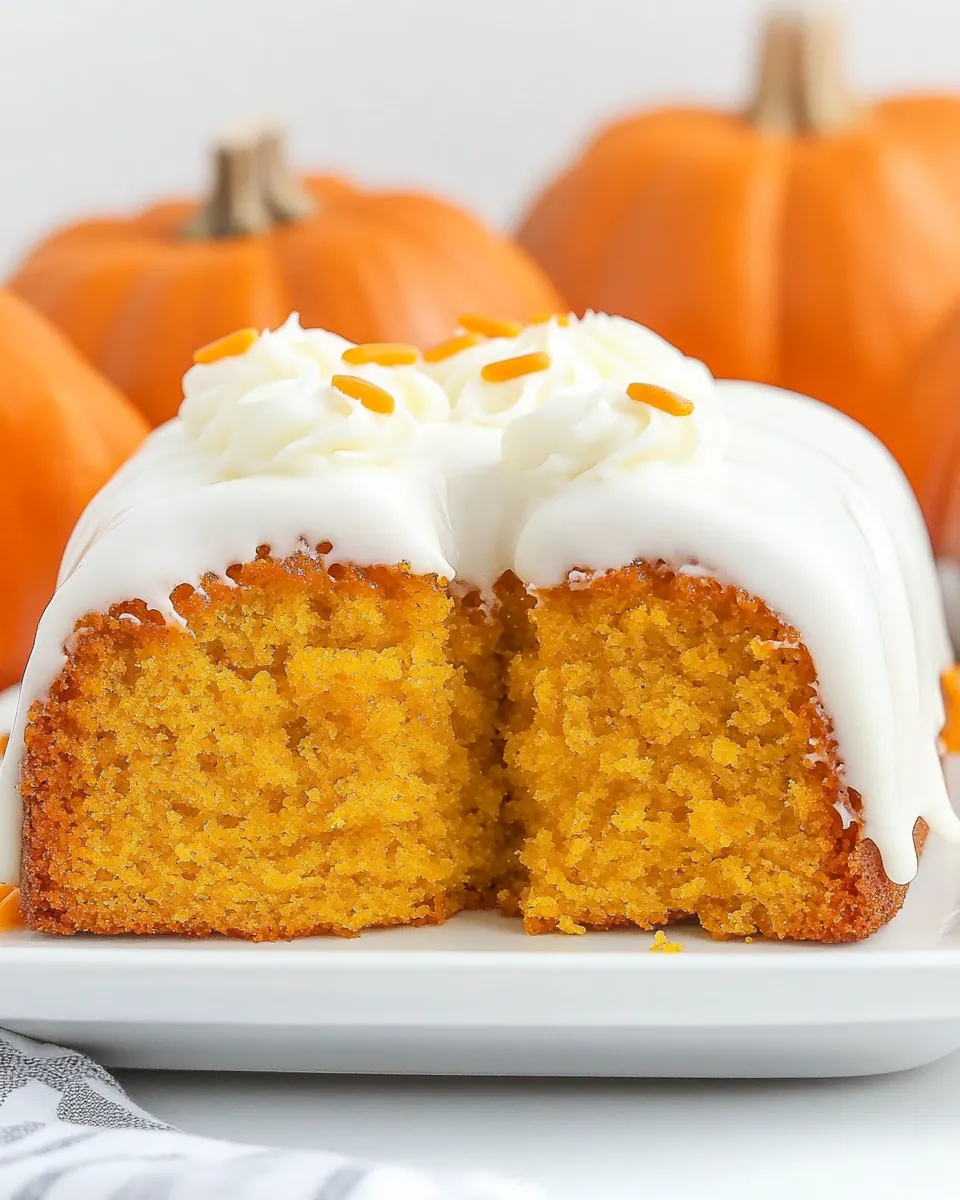
This cake comes together in straightforward stages, and the sensory cues will guide you as much as the clock. Expect aromatic spice, a glossy frosting, and an inviting golden top. Keep your tools handy and taste as you go when it comes to frosting thickness.
- Preheat the oven to 350°F (180°C) or 160°C fan oven. Grease or line a 9×13 inch pan (23×33 cm) with parchment paper and set aside.: When the oven warms, you will notice a faint warmth even through the door, and preheating helps the leaveners react properly for an even rise. The center sets more reliably when the oven is at the correct temperature. A common mistake is not allowing the oven to fully preheat, which can lead to uneven texture and longer bake times. Use an oven thermometer if your oven runs cool to ensure an accurate temperature.
- In a large mixing bowl, whisk together the sugar, vegetable oil, pumpkin puree, baking soda with water, vanilla extract, cinnamon or pumpkin pie spice, and salt until well combined.: Rubbing a thin film of oil or arranging parchment helps the cake release cleanly and keeps edges from overbrowning. The pan should be level on the counter so the batter spreads evenly. If you skip lining, the cake can stick and tear when removed, so take the extra minute to prepare the pan properly.
- Add the eggs to the mixture, whisking until well incorporated.: As you whisk, the batter will become glossy and fragrant, filled with spice aromas that tell you the flavors are melding. The dissolved baking soda will start to react, producing tiny bubbles that contribute lift. Overmixing at this stage can incorporate too much air or toughen the batter, so whisk until uniform but not aggressively foamy. If you notice separation, a short, gentle whisk will bring it back together.
- Add the flour to the mixture, whisking just until combined.: Adding room temperature eggs helps the batter emulsify, creating a cohesive texture that traps air for lift. You will feel the batter thicken slightly and become smoother under the whisk, and small ribbons should blend in without streaks. A common error is adding cold eggs straight from the fridge which can lead to a lumpy or curdled appearance, so let them sit out beforehand.
- Pour the batter into the prepared pan, and gently tap it a couple of times on the counter to remove any air bubbles. Bake for 25-30 minutes, or until a toothpick inserted into the center comes out clean. Allow the cake to cool completely.: When you fold in the flour , the batter will visibly thicken and mattify, and you should stop as soon as streaks disappear to avoid developing gluten. The ideal result is a tender crumb, which overmixing will compromise. If the batter becomes dense, resist the urge to keep stirring and proceed to the pan right away.
- While the cake cools, prepare the frosting. Sift powdered sugar (I like to do this over a piece of parchment paper, so it’s easier to add to the bowl without any mess): Tapping lets trapped air escape, leaving a smooth surface that bakes evenly and prevents big holes in the crumb. You will see a few bubbles rise and disappear on the surface. Avoid vigorous shaking which can redistribute batter unevenly; gentle taps are enough.
- In a separate large bowl, cream together the butter and cream cheese on medium speed with an electric hand mixer until well blended, about 2 minutes. Add in the vanilla extract and salt, mixing again.: As the cake bakes, the top will develop a light golden hue and a faintly crackled surface, and the kitchen will fill with spice and pumpkin aroma. The toothpick test ensures the center is set without overbaking, which would dry the cake. A common pitfall is relying solely on time, because oven temperatures vary; check visually and with a skewer near the lower end of the time range.
- Gradually add the powdered sugar, one cup at a time, mixing on low speed until all the powdered sugar is incorporated. Beat the frosting until smooth and creamy.: Cooling is when the structure stabilizes and steam escapes, so the cake firms up and the crumb sets. If you attempt to frost while warm, the frosting will melt and slide, leaving a messy finish. Place the pan on a rack and resist the temptation to hurry this step, as patience yields a cleaner, more attractive cake.
- Once the cake is cooled, evenly spread the frosting on top. Decorate with pumpkin candies, candy corn, or as desired.: Sifting the powdered sugar gives the frosting a silken texture and prevents grainy lumps, and you will hear the sugar sift in a soft whisper. The powdered sugar also aerates slightly, making the frosting spreadable. A frequent mistake is skipping the sift which leads to clumps and an uneven frosting texture.
- In a separate large bowl, cream together the butter and cream cheese on medium speed with an electric hand mixer until well blended, about 2 minutes: As you beat, the mixture turns lighter in color and smoother in texture, and the tang of cream cheese balances the richness of the butter . Proper creaming ensures a smooth frosting; undercreamed mixtures feel grainy and overbeating can make it runny. Stop when the mixture is glossy and uniform.
- Add in the vanilla extract and salt, mixing again: The vanilla and salt nudge the flavors into harmony and cut any flat sweetness. Stirring briefly distributes these accents evenly so each bite tastes balanced. Skipping this step leaves the frosting a bit one dimensional, so fold in the flavoring thoroughly.
- Gradually add the powdered sugar, one cup at a time, mixing on low speed until all the powdered sugar is incorporated: Adding the sugar slowly prevents a cloud of dust and helps the frosting remain smooth as it thickens. The frosting will transition from silky to pipeable, and you can adjust the final consistency by changing beat time or sugar amount. A common error is dumping all the sugar at once, which makes a dusty, uneven mixture and can overload your mixer.
- Beat the frosting until smooth and creamy: Proper beating produces a glossy, spreadable frosting that holds its shape without being stiff. You will notice the texture refine, and the flavor will become more integrated. Overbeating at high speed can make the frosting airy and less stable, so finish on low speed if needed.
- Once the cake is cooled, evenly spread the frosting on top: Spreading transforms the cake visually and texturally, covering the crumb with a balanced sweet tang. Use a palette knife and smooth strokes to get an even finish, and the frosting should hold ridges when spread. If the frosting is too thin, chill it briefly and add a touch more powdered sugar to thicken it.
- Decorate with pumpkin candies, candy corn, or as desired: Adding decorations gives the cake personality and a festive touch, and small accents create pockets of texture against the creamy frosting. Choose decorations that contrast in color and texture for the best effect. Avoid heavy toppings that sink into the frosting and make the cake uneven.
Ways to Adapt This Recipe
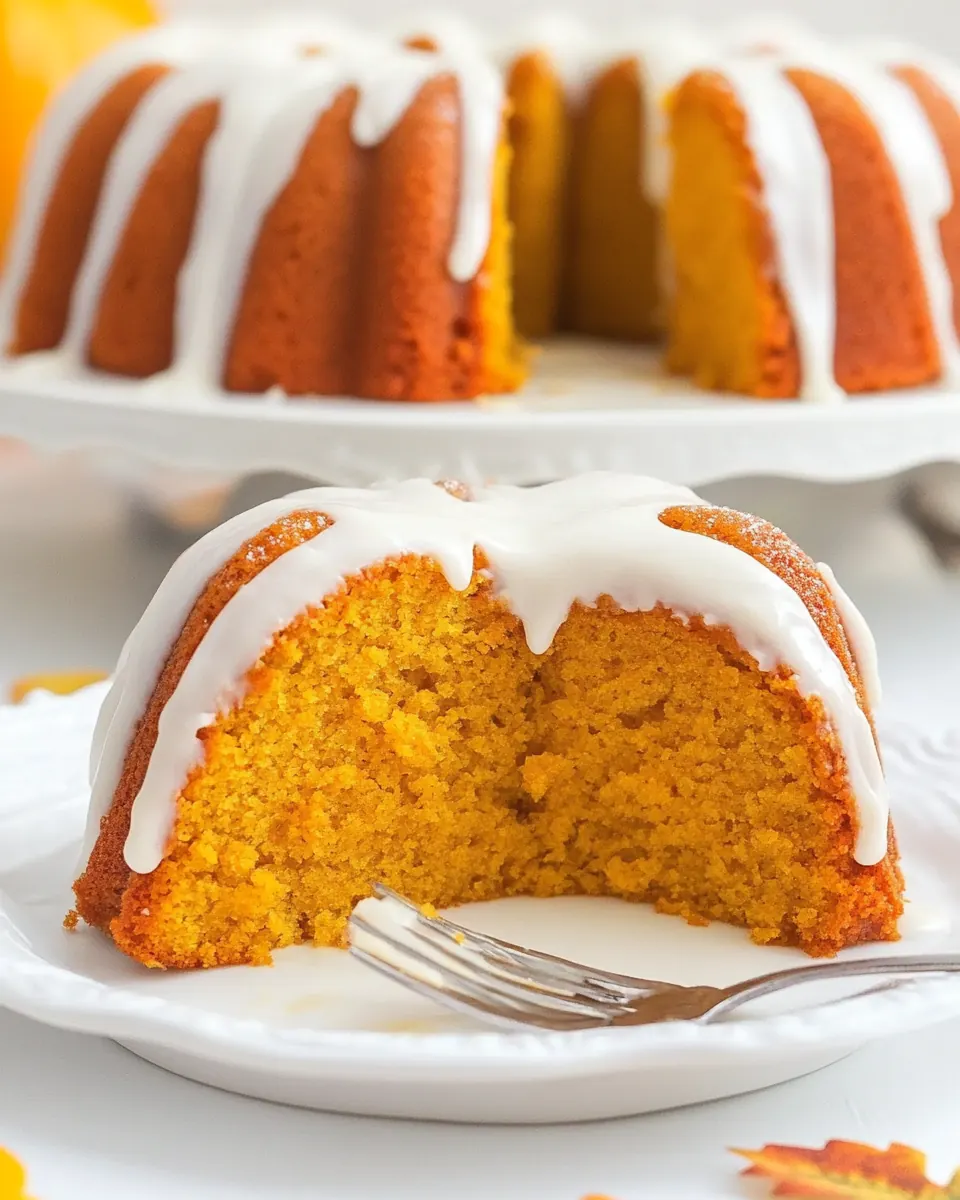
This cake adapts well to slight changes, and you can tune it to your preference without losing the classic flavor. Below are practical suggestions I have tested over multiple bakes, and each tip begins with a concise highlight so you can scan them quickly.
- Use a jelly roll pan If you bake in a wider, shallower pan the cake will be thinner and it will bake more quickly, so start checking several minutes earlier to prevent overbaking. This is a good option if you want a dessert that slices into larger, flatter pieces for serving.
- Swap spices sparingly If you do not have pumpkin pie spice, increase the cinnamon slightly and add a pinch of nutmeg if available, but avoid over spicing which can mask the pumpkin taste.
- Adjust frosting thickness If your frosting is too thin, add powdered sugar gradually and chill briefly; if it is too stiff, beat in a small splash of milk to loosen it while keeping the texture smooth.
- Make ahead tips You can bake the cake a day ahead and store it wrapped in plastic, then frost the next day for fresher texture and easier slicing when serving guests.
- Decorative ideas Use simple seasonal candies or a dusting of extra cinnamon for a rustic finish; avoid heavy toppings that may sink into the frosting and make slicing difficult.
Great Combinations for Easy Pumpkin Cake Recipe
This cake pairs nicely with drinks and light sides, and it works across occasions from casual afternoon tea to holiday desserts. Below I outline serving ideas, storage guidance, and suitable occasions in a clear list so you can match the cake to your event.
- Afternoon tea pairing Serve slices with a warm cup of spiced tea or coffee to echo the cake’s cinnamon notes, creating a balanced and comforting treat for guests.
- Holiday dessert Bring this cake to gatherings during fall holidays like Thanksgiving where its pumpkin flavor complements seasonal menus without overpowering other dishes.
- Casual potluck The cake travels well in a covered container, and its sheet format is ideal for serving a crowd with minimal fuss.
- Storage advice Keep leftovers refrigerated in an airtight container for up to one week; the frosting helps preserve moisture and maintain texture.
- Seasonal presentation For autumn gatherings, decorate with seasonal candies or a light dusting of cinnamon to emphasize the pumpkin theme and create a warm presentation.
- Serving style Slice into moderate pieces and serve slightly chilled or at cool room temperature so the frosting remains stable while the cake retains its tender crumb.
FAQ
Conclusion
This Easy Pumpkin Cake Recipe stands out because it balances moist pumpkin crumb with a tangy, silky frosting in a simple, approachable format. You will find it both forgiving and reliably delicious, whether you are serving a crowd or treating yourself to a cozy slice. I hope you give it a try soon, and enjoy how a few pantry staples and gentle technique come together to create a memorable, seasonal dessert.
Easy Pumpkin Cake Recipe
Equipment
- 9×13-inch pan
- Mixing Bowl
- Fine mesh strainer for sifting
- Whisk
- electric hand mixer
Ingredients
- 2 cups (400 g) granulated sugar Provide sweetness and moisture balance while helping to tenderize the crumb; dissolves into the batter to create a soft, evenly textured cake and caramelizes slightly during baking for color and flavor depth.
- 1 cup (240 ml) vegetable oil Adds fat and helps create a moist, tender crumb while promoting even mixing; contributes neutral flavor and helps dissolve sugar and distribute wet ingredients throughout the batter.
- 15 -ounce (425 g) pumpkin puree not pumpkin pie filling Contributes moisture, structure, and concentrated pumpkin flavor while adding natural sugars and fiber; influences batter thickness and keeps the cake tender and moist during baking.
- 2 teaspoons baking soda mixed with 1 tablespoon of water Introduce leavening power by activating with liquid to produce carbon dioxide; helps the cake rise and creates a lighter, airier texture when mixed into the batter.
- 1 teaspoon pure vanilla extract Provide aromatic flavor enhancement that rounds out sweetness and complements pumpkin spices; adds a subtle floral-vanilla note to the overall flavor profile of the cake.
- 2 1/2 teaspoons ground cinnamon or pumpkin pie spice Deliver warm, aromatic spice character that defines the cake’s seasonal flavor; balances sweetness and enhances perception of richness and complexity.
- 1/2 teaspoon salt Regulate and enhance overall flavor by balancing sweetness and boosting other flavors; also strengthens gluten slightly and can influence texture.
- 4 large eggs at room temperature Bind ingredients, add richness, and contribute structure and leavening through proteins and fats; help emulsify the batter and produce a tender, cohesive crumb.
- 2 1/4 cups (280 g) all-purpose flour Supply structure and bulk through gluten formation while absorbing moisture; helps determine crumb density and works with leavening agents to set the cake’s texture.
- 1 stick (113 g) unsalted butter softened to room temperature Contribute richness, additional fat, and a silky mouthfeel; when creamed with sugar it helps incorporate air for a lighter texture and enriches flavor.
- 8 ounces (225 g) cream cheese at room temperature Provide tangy richness and creaminess for the frosting or filling; soft texture and acidity balance sweetness and contribute to smooth, spreadable consistency at room temperature.
- 2 teaspoons vanilla extract Enhance and reinforce vanilla flavor in the frosting or batter; adds aromatic sweetness and complexity, complementing the pumpkin and spices.
- teaspoons salt Maintain precision in the frosting formulation by indicating no additional salt; ensures the frosting’s flavor balance remains controlled and not overly seasoned.
- 3 cups (360 g) powdered sugar Sweeten and thicken frostings to achieve a smooth, pipeable consistency; powdered form blends easily with cream cheese and butter to create stable, sweet frosting.
Instructions
- Preheat the oven to 350°F (180°C) or 160°C fan oven. Grease or line a 9×13 inch pan (23×33 cm) with parchment paper and set aside.: When the oven warms, you will notice a faint warmth even through the door, and preheating helps the leaveners react properly for an even rise. The center sets more reliably when the oven is at the correct temperature. A common mistake is not allowing the oven to fully preheat, which can lead to uneven texture and longer bake times. Use an oven thermometer if your oven runs cool to ensure an accurate temperature.
- In a large mixing bowl, whisk together the sugar, vegetable oil, pumpkin puree, baking soda with water, vanilla extract, cinnamon or pumpkin pie spice, and salt until well combined.: Rubbing a thin film of oil or arranging parchment helps the cake release cleanly and keeps edges from overbrowning. The pan should be level on the counter so the batter spreads evenly. If you skip lining, the cake can stick and tear when removed, so take the extra minute to prepare the pan properly.
- Add the eggs to the mixture, whisking until well incorporated.: As you whisk, the batter will become glossy and fragrant, filled with spice aromas that tell you the flavors are melding. The dissolved baking soda will start to react, producing tiny bubbles that contribute lift. Overmixing at this stage can incorporate too much air or toughen the batter, so whisk until uniform but not aggressively foamy. If you notice separation, a short, gentle whisk will bring it back together.
- Add the flour to the mixture, whisking just until combined.: Adding room temperature eggs helps the batter emulsify, creating a cohesive texture that traps air for lift. You will feel the batter thicken slightly and become smoother under the whisk, and small ribbons should blend in without streaks. A common error is adding cold eggs straight from the fridge which can lead to a lumpy or curdled appearance, so let them sit out beforehand.
- Pour the batter into the prepared pan, and gently tap it a couple of times on the counter to remove any air bubbles. Bake for 25-30 minutes, or until a toothpick inserted into the center comes out clean. Allow the cake to cool completely.: When you fold in the flour , the batter will visibly thicken and mattify, and you should stop as soon as streaks disappear to avoid developing gluten. The ideal result is a tender crumb, which overmixing will compromise. If the batter becomes dense, resist the urge to keep stirring and proceed to the pan right away.
- While the cake cools, prepare the frosting. Sift powdered sugar (I like to do this over a piece of parchment paper, so it’s easier to add to the bowl without any mess): Tapping lets trapped air escape, leaving a smooth surface that bakes evenly and prevents big holes in the crumb. You will see a few bubbles rise and disappear on the surface. Avoid vigorous shaking which can redistribute batter unevenly; gentle taps are enough.
- In a separate large bowl, cream together the butter and cream cheese on medium speed with an electric hand mixer until well blended, about 2 minutes. Add in the vanilla extract and salt, mixing again.: As the cake bakes, the top will develop a light golden hue and a faintly crackled surface, and the kitchen will fill with spice and pumpkin aroma. The toothpick test ensures the center is set without overbaking, which would dry the cake. A common pitfall is relying solely on time, because oven temperatures vary; check visually and with a skewer near the lower end of the time range.
- Gradually add the powdered sugar, one cup at a time, mixing on low speed until all the powdered sugar is incorporated. Beat the frosting until smooth and creamy.: Cooling is when the structure stabilizes and steam escapes, so the cake firms up and the crumb sets. If you attempt to frost while warm, the frosting will melt and slide, leaving a messy finish. Place the pan on a rack and resist the temptation to hurry this step, as patience yields a cleaner, more attractive cake.
- Once the cake is cooled, evenly spread the frosting on top. Decorate with pumpkin candies, candy corn, or as desired.: Sifting the powdered sugar gives the frosting a silken texture and prevents grainy lumps, and you will hear the sugar sift in a soft whisper. The powdered sugar also aerates slightly, making the frosting spreadable. A frequent mistake is skipping the sift which leads to clumps and an uneven frosting texture.
- In a separate large bowl, cream together the butter and cream cheese on medium speed with an electric hand mixer until well blended, about 2 minutes: As you beat, the mixture turns lighter in color and smoother in texture, and the tang of cream cheese balances the richness of the butter . Proper creaming ensures a smooth frosting; undercreamed mixtures feel grainy and overbeating can make it runny. Stop when the mixture is glossy and uniform.
- Add in the vanilla extract and salt, mixing again: The vanilla and salt nudge the flavors into harmony and cut any flat sweetness. Stirring briefly distributes these accents evenly so each bite tastes balanced. Skipping this step leaves the frosting a bit one dimensional, so fold in the flavoring thoroughly.
- Gradually add the powdered sugar, one cup at a time, mixing on low speed until all the powdered sugar is incorporated: Adding the sugar slowly prevents a cloud of dust and helps the frosting remain smooth as it thickens. The frosting will transition from silky to pipeable, and you can adjust the final consistency by changing beat time or sugar amount. A common error is dumping all the sugar at once, which makes a dusty, uneven mixture and can overload your mixer.
- Beat the frosting until smooth and creamy: Proper beating produces a glossy, spreadable frosting that holds its shape without being stiff. You will notice the texture refine, and the flavor will become more integrated. Overbeating at high speed can make the frosting airy and less stable, so finish on low speed if needed.
- Once the cake is cooled, evenly spread the frosting on top: Spreading transforms the cake visually and texturally, covering the crumb with a balanced sweet tang. Use a palette knife and smooth strokes to get an even finish, and the frosting should hold ridges when spread. If the frosting is too thin, chill it briefly and add a touch more powdered sugar to thicken it.
- Decorate with pumpkin candies, candy corn, or as desired: Adding decorations gives the cake personality and a festive touch, and small accents create pockets of texture against the creamy frosting. Choose decorations that contrast in color and texture for the best effect. Avoid heavy toppings that sink into the frosting and make the cake uneven.
Notes
- Use a jelly roll pan If you bake in a wider, shallower pan the cake will be thinner and it will bake more quickly, so start checking several minutes earlier to prevent overbaking. This is a good option if you want a dessert that slices into larger, flatter pieces for serving.
- Swap spices sparingly If you do not have pumpkin pie spice, increase the cinnamon slightly and add a pinch of nutmeg if available, but avoid over spicing which can mask the pumpkin taste.
- Adjust frosting thickness If your frosting is too thin, add powdered sugar gradually and chill briefly; if it is too stiff, beat in a small splash of milk to loosen it while keeping the texture smooth.
- Make ahead tips You can bake the cake a day ahead and store it wrapped in plastic, then frost the next day for fresher texture and easier slicing when serving guests.
- Decorative ideas Use simple seasonal candies or a dusting of extra cinnamon for a rustic finish; avoid heavy toppings that may sink into the frosting and make slicing difficult.