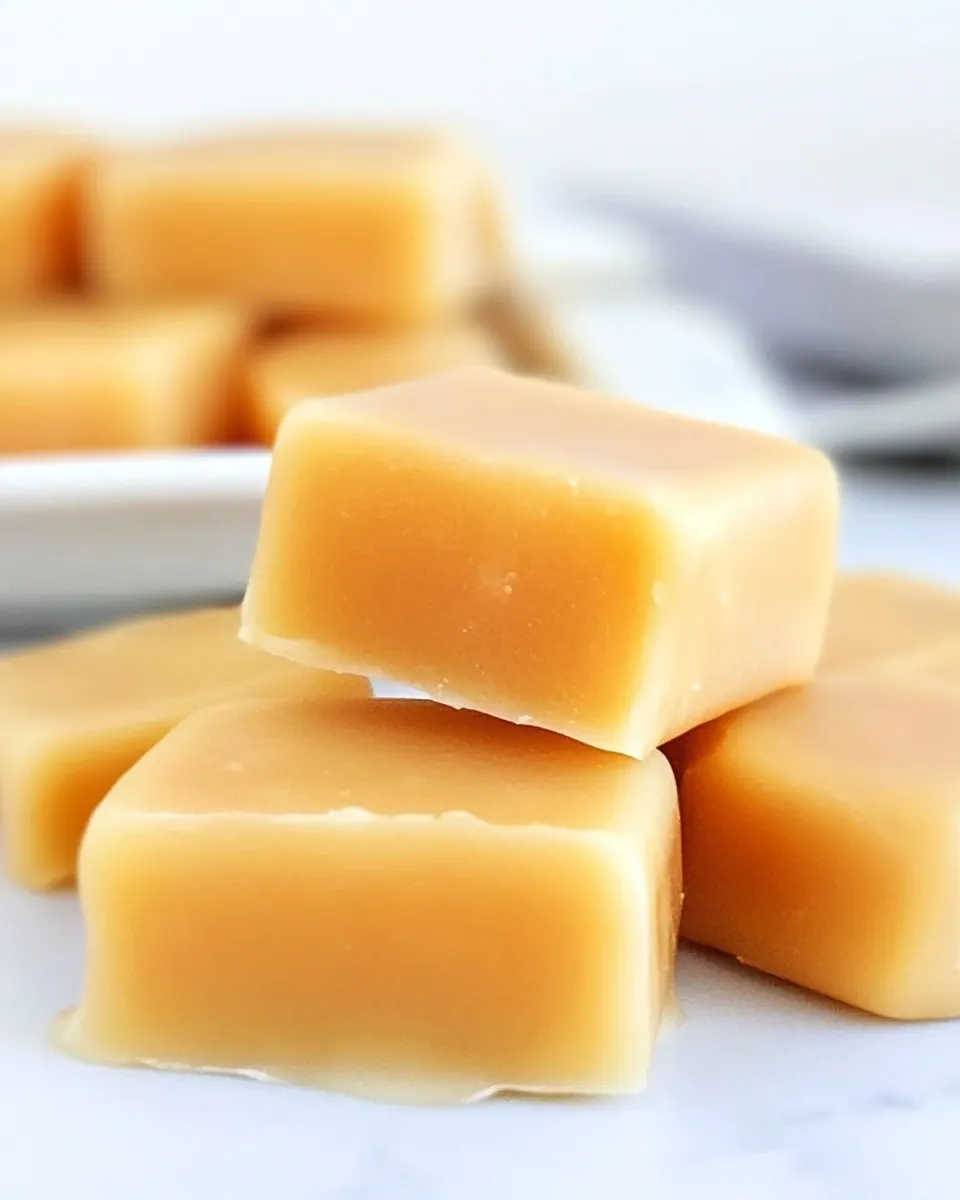
Easy Microwave Caramels
Easy Microwave Caramels came into my life on a frantic holiday afternoon when I wanted something sweet, fast, and a little bit nostalgic. I remember juggling an oven that was already full and a child asking for treats, so I turned to the microwave and a simple list of pantry staples. The first batch bubbled and hissed in the bowl, and when I stirred in the vanilla the whole kitchen smelled warm and buttery, like a memory of grandparents and simple joys.
I have a soft spot for recipes that demand little fuss and reward you with sticky, chewy goodness. Over the years I have tweaked heat and stirring rhythms until the texture is just right. There is something quietly satisfying about pouring glossy, amber caramel into a parchment lined pan and waiting for it to set. My friends always ask how something so decadent could be made with so few steps.
Recipe Snapshot
12 mins
5 mins
7 mins
Easy
150 kcal
American
Gluten-Free, Low FODMAP
Desserts
Microwave safe bowl, 8 inch square baking pan, Parchment paper, Wooden spoon, Sharp knife
Why This Easy Microwave Caramels Is a Winner
Speed without compromise
I love how Easy Microwave Caramels come together in minutes, so you can satisfy a sweet craving without an all afternoon commitment. Using the microwave means you skip long stove top monitoring, yet you still get the deep caramel flavor because of the concentrated sugars and the slow bubbling during the short cook cycle. I often reach for this when time is short and I still want something homemade to share.
Minimal ingredients, maximum payoff
There are only a few pantry players here, and each one pulls its weight. Unsalted butter gives richness and mouthfeel, while white sugar and brown sugar build complex caramel notes. The sweetened condensed milk lends creaminess and sets the texture, and a touch of salt balances the sweetness. I appreciate recipes that let quality ingredients shine without a long shopping list.
Consistent results with simple technique
I’ve found that a few careful stirs and attention to bubbling times make these caramels very reliable. Because you stir frequently during the microwave cycle, you avoid scorching and ensure even heating. I tell friends to trust the bubbling cues and to stir until the mixture calms down, which makes success repeatable, even for new cooks.
Flexible for gifting and sharing
These caramels wrap beautifully for gifting. I like cutting them into small squares and wrapping each in wax paper. Their firm but tender texture means they travel well and stay fresh in a tin, so they are ideal for parties, holiday plates, or a spontaneous treat to brighten someone’s day.
Comforting, approachable flavor
There is a warmth to the flavor profile that feels familiar and cozy. The combination of butter, brown sugar, and a whisper of vanilla extract produces that classic caramel note without any fuss. I enjoy offering these to neighbors or bringing them to potlucks because they appeal to almost everyone and taste lovingly homemade.
What You’ll Need for Easy Microwave Caramels
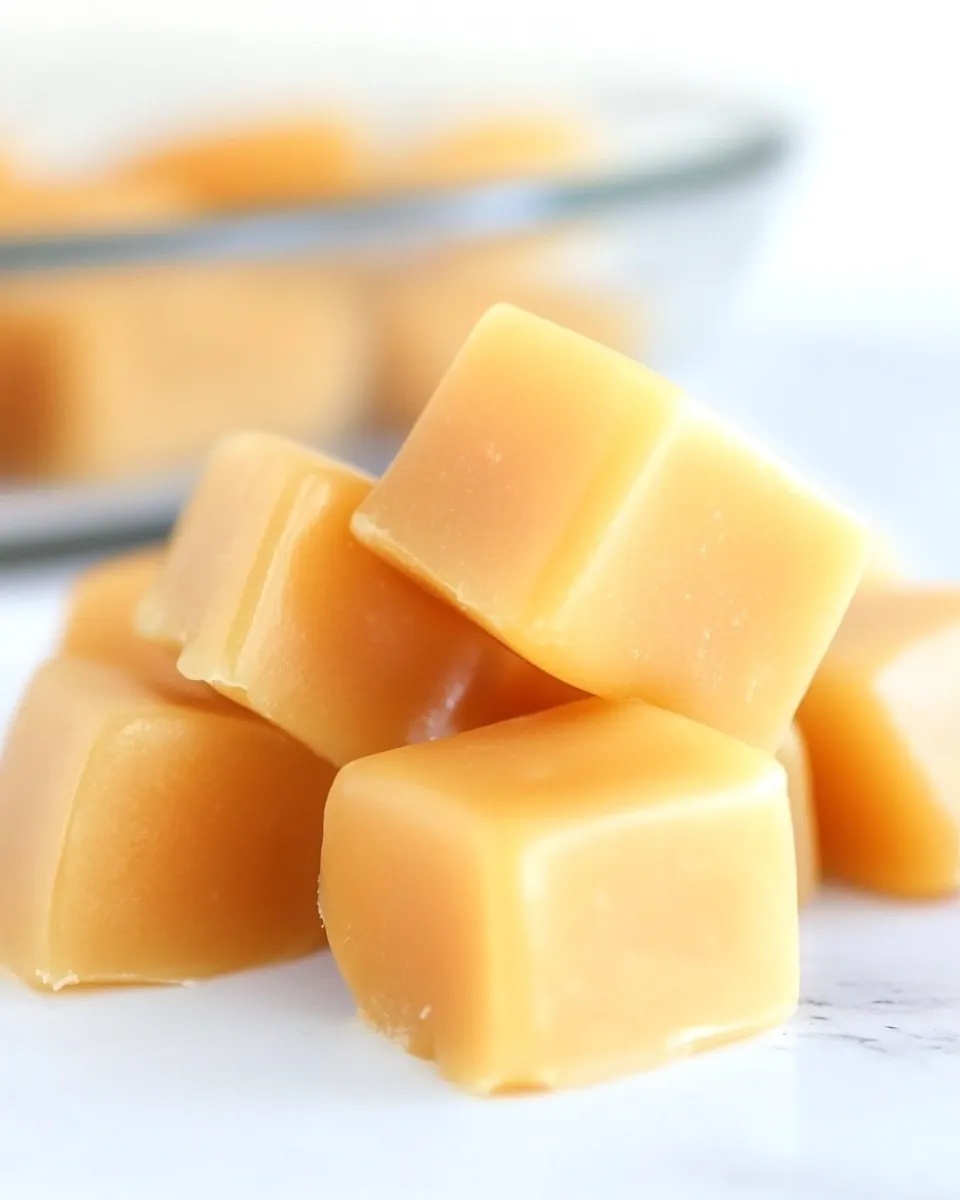
These ingredients are intentionally straightforward so flavor and technique can shine. The key players are the dairy and sugars, which create the maillard and caramelization reactions that form the classic chewy texture. Together, the fats and sugars produce a glossy, deeply flavored caramel that sets up firm enough to slice, yet soft enough to bite into.
- 1/2 cup unsalted butter: Provide rich, creamy fat that gives caramels a smooth, velvety texture and helps prevent crystallization when melted with sugars. Contribute a subtle dairy flavor that balances sweetness and improves mouthfeel, while also aiding in the caramelization process during heating.
- 1/2 cup white sugar: Add crystalline sweetness and structure that helps the caramel set as it cools; sugar dissolves and then re-crystallizes to form the candy’s body. Promote Maillard and caramelization reactions when heated with butter and condensed milk, contributing to flavor and color development.
- 1/2 cup brown sugar: Deliver deep, molasses-like sweetness and moisture that enhances flavor complexity and prevents the caramels from becoming grainy. Interact with white sugar to modify texture and lower the mixture’s freezing point, yielding a chewier final candy.
- 1/2 cup corn syrup: Provide invert-sugar-like properties that inhibit sucrose crystallization and keep caramels smooth and pliable. Supply a glossy sheen and stable texture while helping to control the candy’s final chewiness and preventing graininess.
- 1/2 cup sweetened condensed milk: Contribute concentrated milky sweetness and fat that thickens the mixture and promotes a creamy, tender bite in the finished caramels. Supply lactose and proteins that aid browning and enrich flavor while reducing the amount of added liquid needed.
- 1/4 teaspoons salt: Enhance overall flavor by balancing sweetness with a mild savory note that rounds out the caramel profile and heightens perceived sweetness. Help regulate taste so the rich sugars and dairy don’t become cloying, even in a small amount.
- 1/2 teaspoon vanilla extract: Add a sweet aromatic accent that brightens and rounds the caramel flavor, providing a familiar dessert note when stirred in at the end. Complement the deeper caramel and brown sugar tones while contributing a pleasant, fragrant finish.
The Process for Making Easy Microwave Caramels
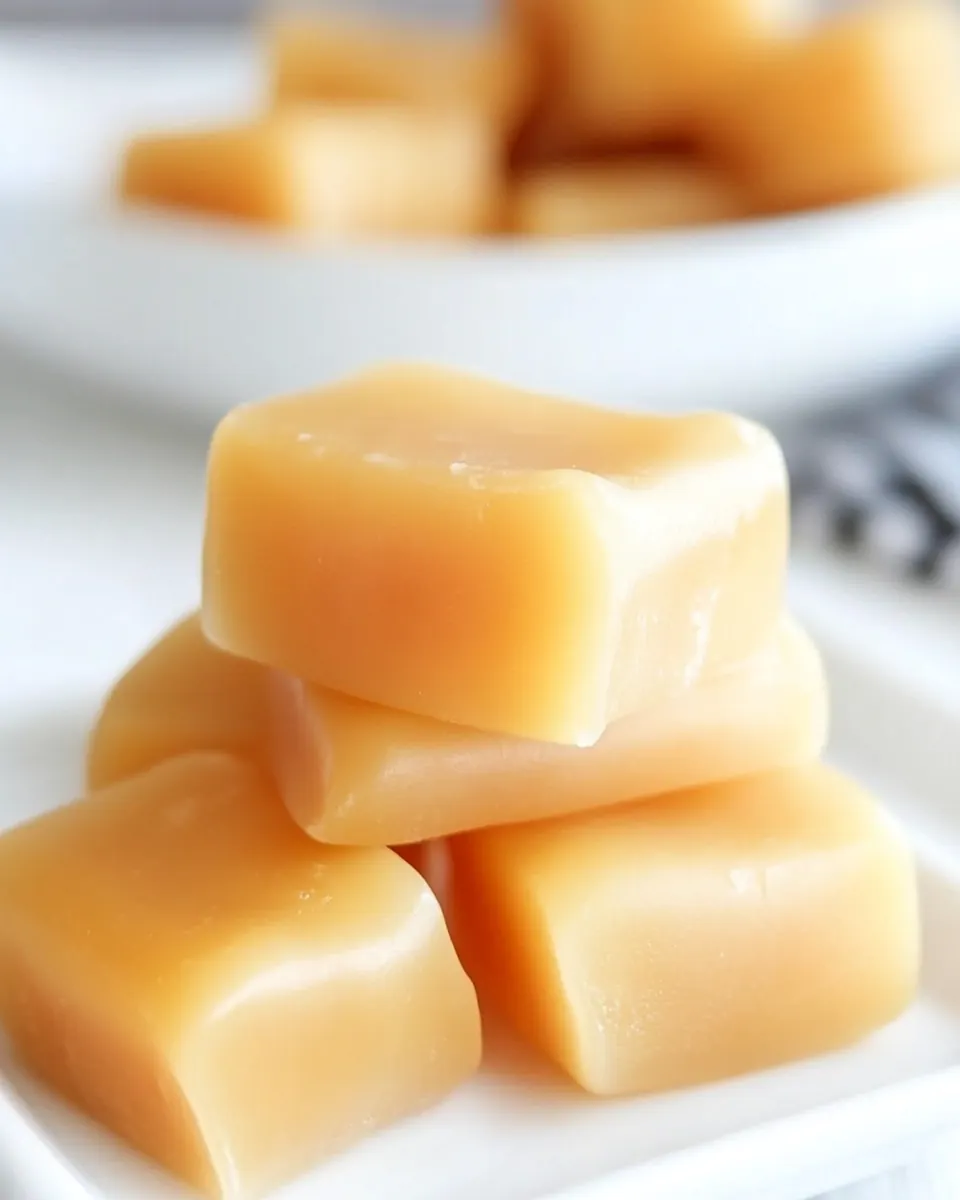
These caramels are made with gentle attention rather than long hands on time. I find that patient stirring, watching the bubbling behavior, and mixing in the vanilla at the end yields the best texture. Below I expand each direction into thoughtful, sensory-filled steps so you can follow along with confidence.
- Line an 8" square baking pan with a sheet of parchment paper. Set aside, so it’s ready as soon as the caramel mixture is done.: The room will smell neutral at this point, but preparing the pan ahead is practical and prevents frantic moves when the caramel is hot and glossy. Make sure the parchment lies flat, creasing it slightly to fit the corners for an even surface, and leave an overhang on two sides to make lifting the set caramel easy. If you skip this, the caramel will adhere to the pan and be much harder to remove. A common mistake is using non-microwave safe containers later, so keep the pan prep separate and ready. Visual cue to look for are the straight edges and a smooth interior, which will yield neat slices once cooled.
- Make sure the bowl you will be making the caramels in is microwave safe and clean and dry. Place butter (chopped into tablespoon-size pieces) in the bowl and microwave for 1 minute. It will be almost all melted. Add white and brown sugar, corn syrup, sweetened condensed milk and salt and stir well.: You will notice the butter melting into a golden pool with a gentle sizzle at the edges, and the aromas of butter will start to fill the kitchen. Dryness of the bowl matters because water droplets can change the way the sugars heat. Chop the butter into uniform pieces so it melts evenly during that first minute. When you add the sugars and sweetened condensed milk , the mixture will look granular at first, but stirring begins the dissolution process. A typical misstep is not stirring enough after adding ingredients, which can leave pockets of unmelted sugar and lead to grainy texture. Watch for the mixture to start to look homogeneous and glossy before moving to the next microwave stage.
- Place mixture in a bowl into the microwave and cook for 2 minutes. Stir well. Set timer to cook for 4 minutes, but stop it every 1 minute and 30 seconds to stir the mixture. It will bubble up and rise up in the bowl, so stir it until it calms down.: During these cycles you will see vigorous bubbling, sometimes rising toward the rim, with steam releasing as the sugars concentrate. The sound is active and lively, almost like a gentle roar, and the color deepens toward amber. Stirring frequently prevents hot spots and scorching, and it also calms the foam so the bowl does not boil over. If you do not stir often, the mixture can overheat in one spot and catch, producing a burnt note. A useful sensory cue is the consistency: after stirring it should become thicker and slower to flow, and the aroma will change from sweet milky to toasty caramel. Be careful when reaching into the microwave, as the bowl and contents are very hot.
- Once done, carefully remove the bowl with caramel from the microwave, stir in vanilla extract and pour mixture into prepared pan. Let cool completely in room temperature.: The caramel at this point will be glossy and thick, and you will feel a warm, cozy aroma when you lift the bowl. Add the vanilla extract off heat to preserve its fragrance, and stir gently until it is evenly distributed. When pouring into the parchment lined pan, do it slowly to avoid splashes and to achieve an even layer. The visual cue to know it is ready to pour is a smooth, slow ribbon when you lift the spoon; the mixture should not be runny. Common mistakes include pouring into a warm pan or trying to speed cooling in the fridge which can change the set; let it cool at room temperature for the ideal texture. If bubbles appear on the surface, a gentle tap on the counter can help them dissipate.
- Once the caramel is cooled, lift up the parchment paper and set on a cutting board. Slice caramel into squares and wrap each one individually.: Cooling transforms the glossy liquid into a firm but tender sheet that yields clean edges when sliced. Use a sharp knife and wipe it between cuts for neat squares. The texture should be slightly chewy, yielding under gentle pressure with a satisfying pull. If you cut too early, the caramel will deform and stick, and if you cut too late, it can be overly hard. Wrapping each piece in wax paper keeps them from sticking together and makes them great for gifting. A frequent slip is not letting the caramel reach full room temperature before slicing, which leads to sticky, messy pieces instead of tidy squares.
Tips and Variations
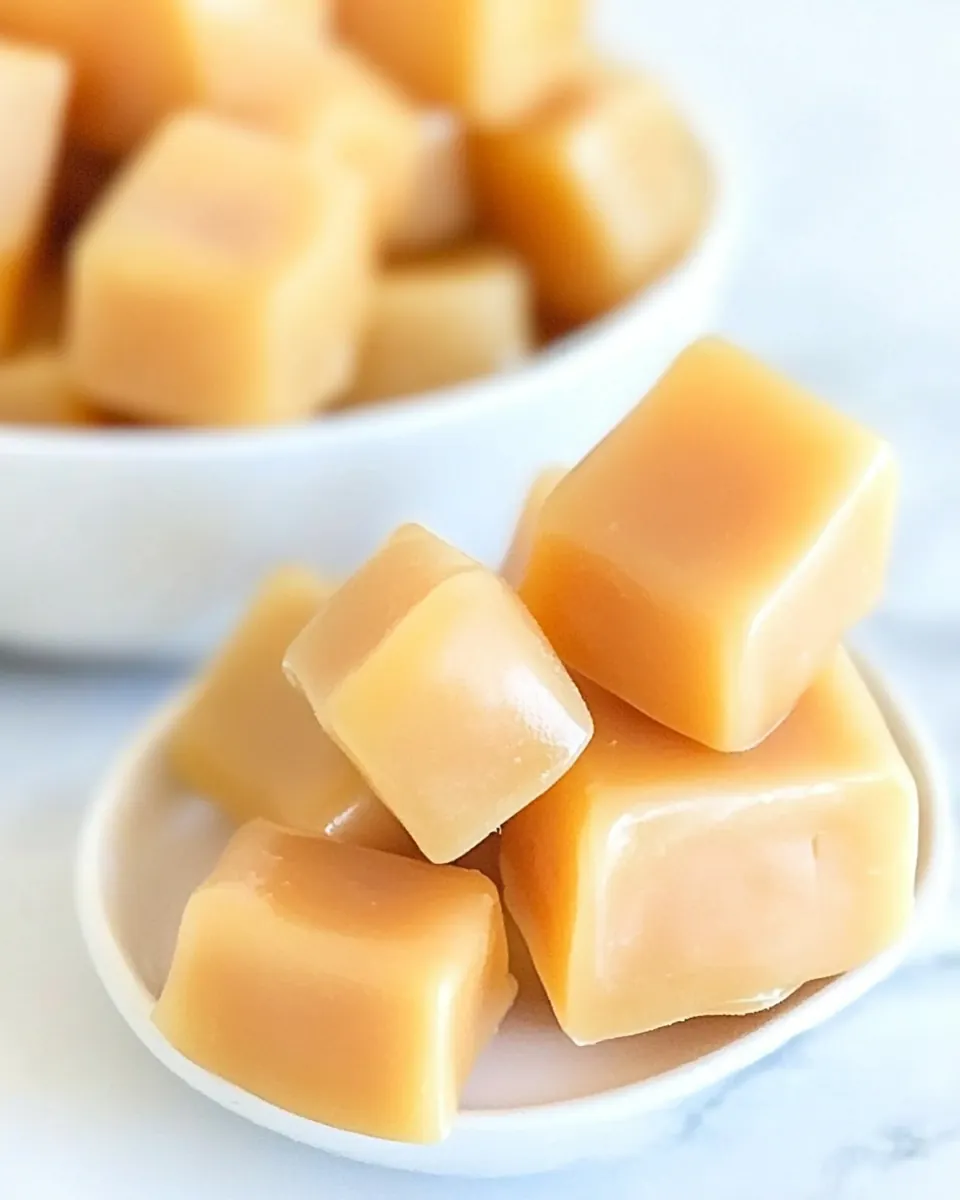
I like to keep a handful of reliable tips on hand when I make candies like these caramels. Below are detailed pointers and small variations that can improve texture, ease, and presentation, expanded from the recipe notes for clarity and confidence.
- Handle hot bowls with care. Use a thick kitchen mitten or oven glove when stirring the mixture to avoid burns, and brace the bowl with one hand so it does not spin while you stir with the other. The bowl and caramel will remain extremely hot for several minutes after microwaving.
- Keep a wooden spoon for stirring. A wooden spoon will not conduct heat the way metal can, and its texture helps you gauge thickness as you stir. Wooden spoons also give you better control while folding in the final vanilla extract.
- Wrap each piece for gifting. Cut wax paper to 4 by 3 inches and roll each caramel into a neat package. This keeps pieces separate and makes them portable for sharing with friends and neighbors.
- Measure carefully for consistent results. Accurate cup measurements ensure the sugar balance is correct, which affects both the flavor and the set of the caramel. Slight variations can make the difference between chewy and overly firm candies.
- Let the caramel set fully at room temperature. Rushing the cooling process, such as using a refrigerator, can make the texture uneven and harder to slice cleanly. Aim for a fully cooled, stable consistency before cutting.
Best Served With
These caramels shine as small, sweet bites that pair elegantly with simple beverages and occasions. Below I explain serving ideas, storage tips, and occasions where these treats make a lovely impression.
- As a small dessert offering. Present a few caramels on a small dessert plate after a casual dinner, they provide a concentrated sweet finish without the formality of a full dessert course.
- With hot coffee or tea. Serve one or two caramels alongside a hot cup, the warm beverage complements the buttery chew and brings out the caramel notes in a cozy way.
- For gifting and holiday plates. Wrap individually in wax paper and place in a tin or small box for neighbors, teachers, or hosts. They travel well and make a thoughtful homemade gift for parties and seasonal celebrations.
- Storage tips for freshness. Keep caramels in an airtight container at room temperature, layering parchment or wax paper between layers to prevent sticking. Properly stored, they remain chewy for several weeks.
- Occasions and seasonal pairings. These are versatile for cookie exchanges, potlucks, or casual gatherings. They are suitable year round and adapt nicely to festive packaging for holidays or special events.
FAQ
Conclusion
These Easy Microwave Caramels stand out because they deliver classic chew, buttery flavor, and a homemade feel with minimal fuss. I hope you give them a try, whether for a last minute gift or a cozy treat at home. They are forgiving, quick, and satisfying, and I always enjoy hearing how people personalize them or wrap them for friends. Share them, savor one slowly, and let the little moments of homemade sweetness brighten the day.
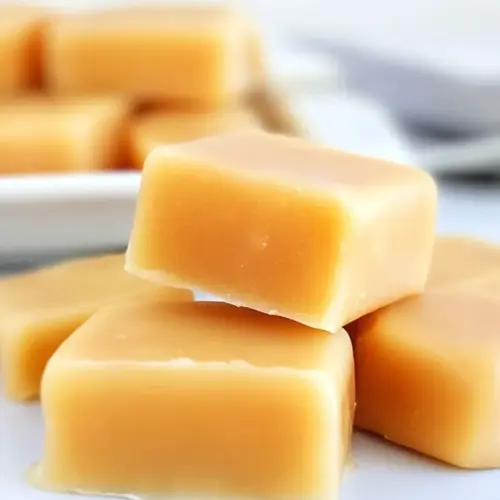
Easy Microwave Caramels
Equipment
- Microwave-safe Bowl
- 8-inch square baking pan
- Parchment Paper
- Wooden Spoon
- Sharp Knife
Ingredients
- 1/2 cup unsalted butter Provide rich, creamy fat that gives caramels a smooth, velvety texture and helps prevent crystallization when melted with sugars. Contribute a subtle dairy flavor that balances sweetness and improves mouthfeel, while also aiding in the caramelization process during heating.
- 1/2 cup white sugar Add crystalline sweetness and structure that helps the caramel set as it cools; sugar dissolves and then re-crystallizes to form the candy’s body. Promote Maillard and caramelization reactions when heated with butter and condensed milk, contributing to flavor and color development.
- 1/2 cup brown sugar Deliver deep, molasses-like sweetness and moisture that enhances flavor complexity and prevents the caramels from becoming grainy. Interact with white sugar to modify texture and lower the mixture’s freezing point, yielding a chewier final candy.
- 1/2 cup corn syrup Provide invert-sugar-like properties that inhibit sucrose crystallization and keep caramels smooth and pliable. Supply a glossy sheen and stable texture while helping to control the candy’s final chewiness and preventing graininess.
- 1/2 cup sweetened condensed milk Contribute concentrated milky sweetness and fat that thickens the mixture and promotes a creamy, tender bite in the finished caramels. Supply lactose and proteins that aid browning and enrich flavor while reducing the amount of added liquid needed.
- 1/4 teaspoons salt Enhance overall flavor by balancing sweetness with a mild savory note that rounds out the caramel profile and heightens perceived sweetness. Help regulate taste so the rich sugars and dairy don’t become cloying, even in a small amount.
- 1/2 teaspoon vanilla extract Add a sweet aromatic accent that brightens and rounds the caramel flavor, providing a familiar dessert note when stirred in at the end. Complement the deeper caramel and brown sugar tones while contributing a pleasant, fragrant finish.
Instructions
- Line an 8" square baking pan with a sheet of parchment paper. Set aside, so it’s ready as soon as the caramel mixture is done.: The room will smell neutral at this point, but preparing the pan ahead is practical and prevents frantic moves when the caramel is hot and glossy. Make sure the parchment lies flat, creasing it slightly to fit the corners for an even surface, and leave an overhang on two sides to make lifting the set caramel easy. If you skip this, the caramel will adhere to the pan and be much harder to remove. A common mistake is using non-microwave safe containers later, so keep the pan prep separate and ready. Visual cue to look for are the straight edges and a smooth interior, which will yield neat slices once cooled.
- Make sure the bowl you will be making the caramels in is microwave safe and clean and dry. Place butter (chopped into tablespoon-size pieces) in the bowl and microwave for 1 minute. It will be almost all melted. Add white and brown sugar, corn syrup, sweetened condensed milk and salt and stir well.: You will notice the butter melting into a golden pool with a gentle sizzle at the edges, and the aromas of butter will start to fill the kitchen. Dryness of the bowl matters because water droplets can change the way the sugars heat. Chop the butter into uniform pieces so it melts evenly during that first minute. When you add the sugars and sweetened condensed milk , the mixture will look granular at first, but stirring begins the dissolution process. A typical misstep is not stirring enough after adding ingredients, which can leave pockets of unmelted sugar and lead to grainy texture. Watch for the mixture to start to look homogeneous and glossy before moving to the next microwave stage.
- Place mixture in a bowl into the microwave and cook for 2 minutes. Stir well. Set timer to cook for 4 minutes, but stop it every 1 minute and 30 seconds to stir the mixture. It will bubble up and rise up in the bowl, so stir it until it calms down.: During these cycles you will see vigorous bubbling, sometimes rising toward the rim, with steam releasing as the sugars concentrate. The sound is active and lively, almost like a gentle roar, and the color deepens toward amber. Stirring frequently prevents hot spots and scorching, and it also calms the foam so the bowl does not boil over. If you do not stir often, the mixture can overheat in one spot and catch, producing a burnt note. A useful sensory cue is the consistency: after stirring it should become thicker and slower to flow, and the aroma will change from sweet milky to toasty caramel. Be careful when reaching into the microwave, as the bowl and contents are very hot.
- Once done, carefully remove the bowl with caramel from the microwave, stir in vanilla extract and pour mixture into prepared pan. Let cool completely in room temperature.: The caramel at this point will be glossy and thick, and you will feel a warm, cozy aroma when you lift the bowl. Add the vanilla extract off heat to preserve its fragrance, and stir gently until it is evenly distributed. When pouring into the parchment lined pan, do it slowly to avoid splashes and to achieve an even layer. The visual cue to know it is ready to pour is a smooth, slow ribbon when you lift the spoon; the mixture should not be runny. Common mistakes include pouring into a warm pan or trying to speed cooling in the fridge which can change the set; let it cool at room temperature for the ideal texture. If bubbles appear on the surface, a gentle tap on the counter can help them dissipate.
- Once the caramel is cooled, lift up the parchment paper and set on a cutting board. Slice caramel into squares and wrap each one individually.: Cooling transforms the glossy liquid into a firm but tender sheet that yields clean edges when sliced. Use a sharp knife and wipe it between cuts for neat squares. The texture should be slightly chewy, yielding under gentle pressure with a satisfying pull. If you cut too early, the caramel will deform and stick, and if you cut too late, it can be overly hard. Wrapping each piece in wax paper keeps them from sticking together and makes them great for gifting. A frequent slip is not letting the caramel reach full room temperature before slicing, which leads to sticky, messy pieces instead of tidy squares.
Notes
- Handle hot bowls with care. Use a thick kitchen mitten or oven glove when stirring the mixture to avoid burns, and brace the bowl with one hand so it does not spin while you stir with the other. The bowl and caramel will remain extremely hot for several minutes after microwaving.
- Keep a wooden spoon for stirring. A wooden spoon will not conduct heat the way metal can, and its texture helps you gauge thickness as you stir. Wooden spoons also give you better control while folding in the final vanilla extract.
- Wrap each piece for gifting. Cut wax paper to 4 by 3 inches and roll each caramel into a neat package. This keeps pieces separate and makes them portable for sharing with friends and neighbors.
- Measure carefully for consistent results. Accurate cup measurements ensure the sugar balance is correct, which affects both the flavor and the set of the caramel. Slight variations can make the difference between chewy and overly firm candies.
- Let the caramel set fully at room temperature. Rushing the cooling process, such as using a refrigerator, can make the texture uneven and harder to slice cleanly. Aim for a fully cooled, stable consistency before cutting.
