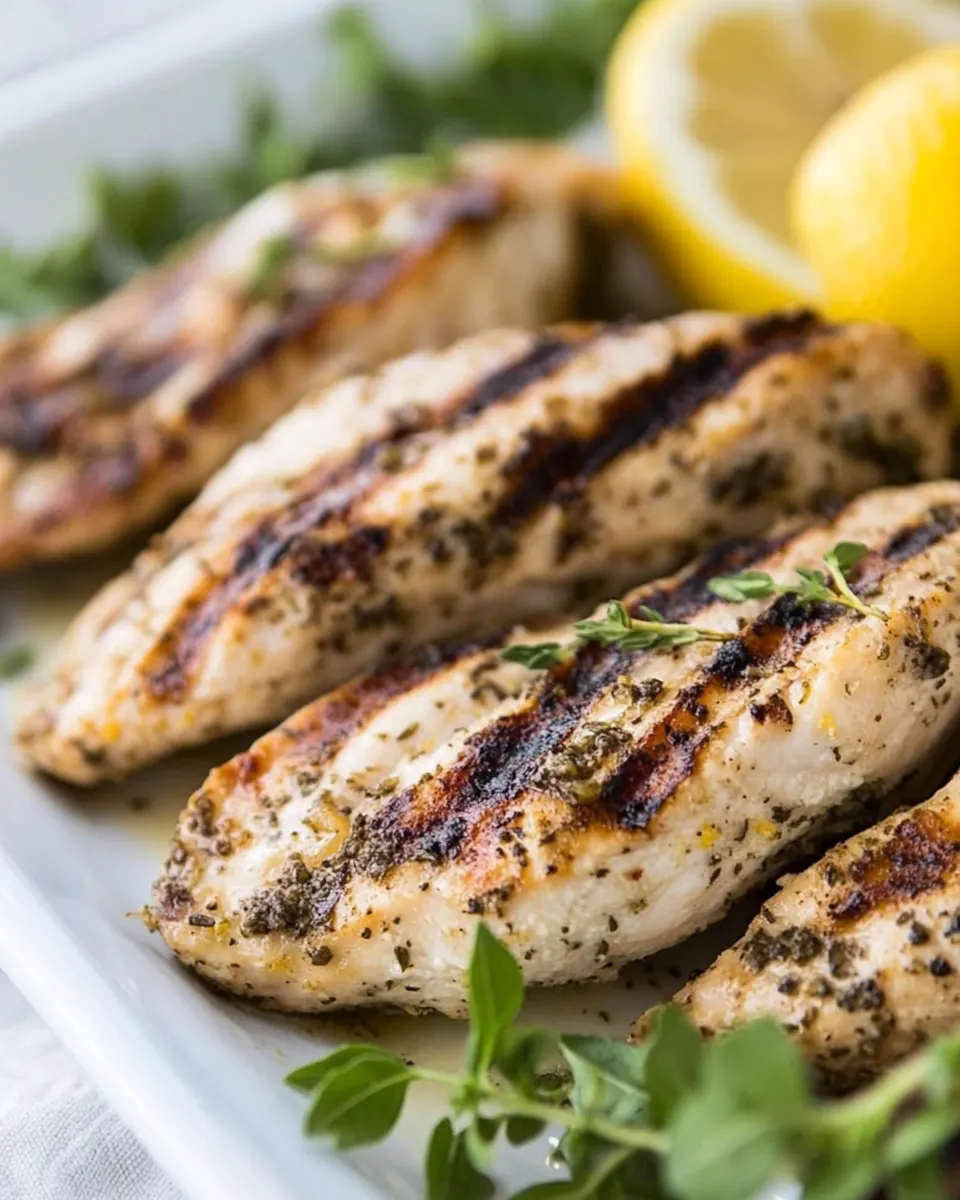
Grilled Lemon Herb Chicken
Grilled Lemon Herb Chicken has been a weeknight lifesaver in my home ever since I first tossed a few simple ingredients together on a sunlit evening. I remember coming back from a sweaty trip to the farmer market with a bag of bright lemons and a bunch of parsley, and I wanted something that tasted fresh, lively, and honest. That first bite, with a crisp char and bright citrus notes, immediately became the kind of dinner I want on repeat.
Over the years I have tweaked the balance between tang and herb so the flavor sings without stealing the show from the chicken itself. Sometimes I let the marinade sit only a short while for a punchy zing, other nights I give it a longer soak for deeper infusion. Family and friends always ask for the recipe after the first taste, and I love that it feels both effortless and special.
Recipe Snapshot
30 mins
10 mins
20 mins
Easy
350 kcal
American
Keto, Paleo
Dinner
Grill, Griddle, Mixing bowl, Whisk, Rolling pin
The Beauty of This Grilled Lemon Herb Chicken
Bright, Clean Flavor
One reason I keep coming back to Grilled Lemon Herb Chicken is the bright acidity of the lemon juice. It wakes up the palate and keeps the overall profile light, especially on warm evenings. I appreciate how a few tablespoons transform plain chicken into something vibrant, not heavy.
Simple, Pantry Friendly Ingredients
We only need a handful of staples like olive oil, dried seasoning, and basic spices. That makes this recipe ideal for last minute dinners when we have a craving but limited time. I like how the ingredient list reads like a home kitchen inventory, nothing exotic or intimidating.
Versatile Serving Options
I love that Grilled Lemon Herb Chicken adapts to many meals. It’s equally at home sliced over a leafy salad, tucked into wraps, or plated with simple sides. That flexibility keeps weeknight menus interesting without extra effort from me.
Quick Marinade, Big Payoff
Even a short 15 minute soak gives the chicken a noticeable boost in flavor. I often encourage friends to give it at least that window, because the acid in the lemon juice works fast to tenderize and infuse. It feels like cheating in the best possible way.
Friendly for Grills and Griddles
Whether I’m using an outdoor grill or a stovetop griddle, the recipe reliably develops lovely char and caramelization. That smokiness pairs beautifully with the citrus and herbs. I appreciate how consistent the results are no matter where I cook it.
Shopping List for Grilled Lemon Herb Chicken
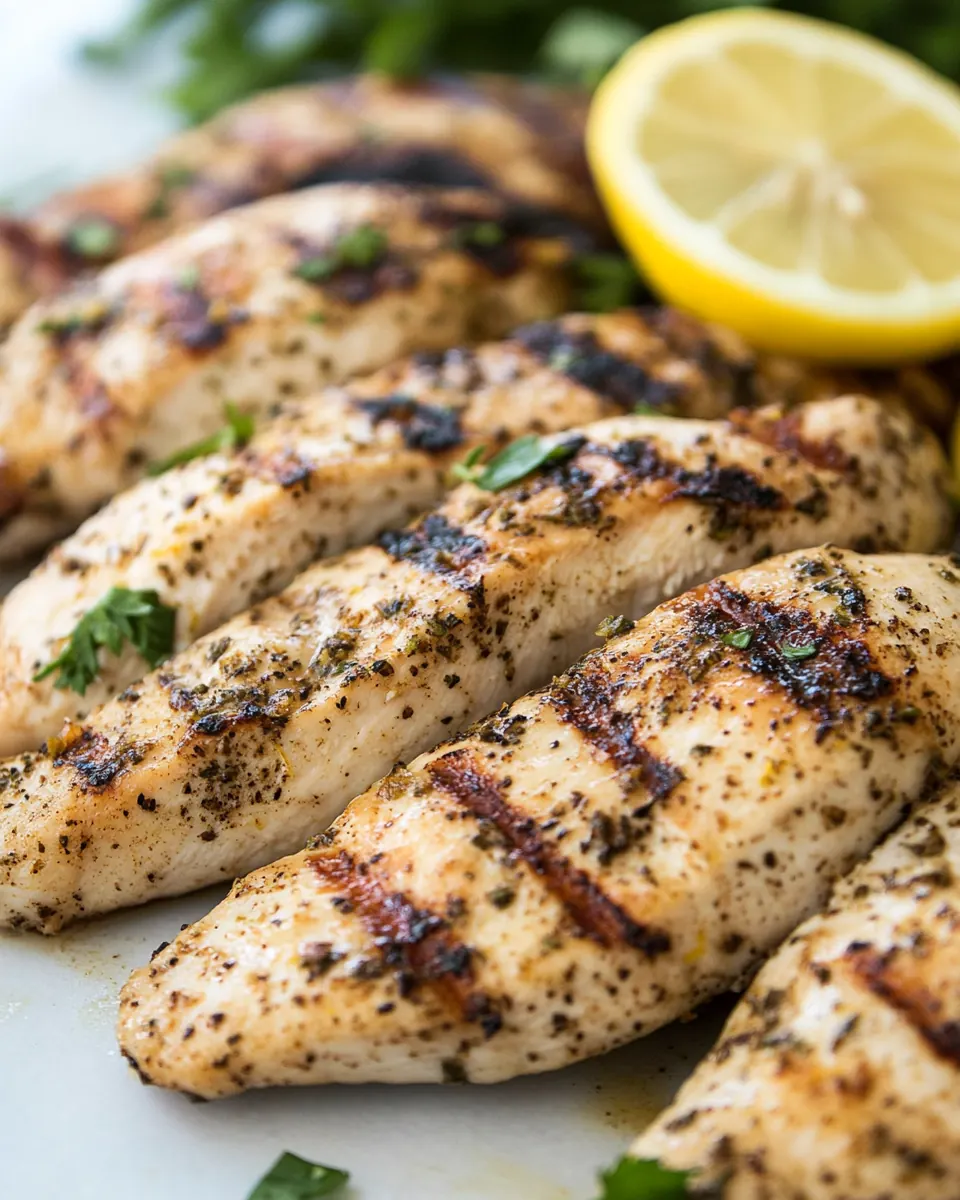
I put together this ingredient list with a simple philosophy, we want bright, balanced flavors that highlight the chicken. The key players are the lemon juice for acidity, the aromatics like garlic and onion powder for savory depth, and olive oil to carry the flavors and help the surface brown. Together they create a clean, layered taste that grills beautifully.
- 1/4 cup fresh lemon juice about 2-3 lemons, depending on size: Provide bright, tangy acidity to tenderize the chicken and balance rich flavors; helps break down proteins for a more tender texture and contributes essential citrus aroma to the marinade.
- 2 cloves garlic crushed OR 1 teaspoon garlic powder: Add pungent aromatic depth and savory bite when crushed, or provide a convenient savory garlic note when using powder; supports overall umami and pairs well with lemon and herbs.
- 1 teaspoon onion powder: Contribute concentrated savory-sweet onion flavor without adding moisture; enhances overall savory profile and complements garlic and herbs in the marinade.
- 2 tablespoons olive oil: Bring rich, fruity fat that carries and melds flavors while helping the marinade coat the chicken; also promotes even browning and prevents sticking during grilling.
- 1/2 teaspoon kosher salt plus more to taste: Introduce essential salinity to heighten flavors and season the chicken; helps extract moisture in the marinade for improved seasoning penetration and balance.
- 1/2 teaspoon ground black pepper plus more to taste: Provide warm, slightly sharp heat that layers with other seasonings; supports overall seasoning balance and enhances the perception of savory flavors.
- 1 teaspoon Italian seasoning: Impart a fragrant blend of Mediterranean herbs that reinforces savory, earthy notes and complements lemon and garlic; adds complexity and a classic Italian flavor profile.
- 1 pound chicken breasts or chicken breast tenders: Serve as the primary protein base for the recipe; readily absorbs the marinade, grills quickly, and yields tender, juicy slices when properly cooked.
- Chopped fresh parsley for garnish: Add fresh, herbaceous brightness and color as a finishing touch; enhances aroma and provides a mild, clean contrast to the grilled, savory chicken.
Preparation Steps for Grilled Lemon Herb Chicken
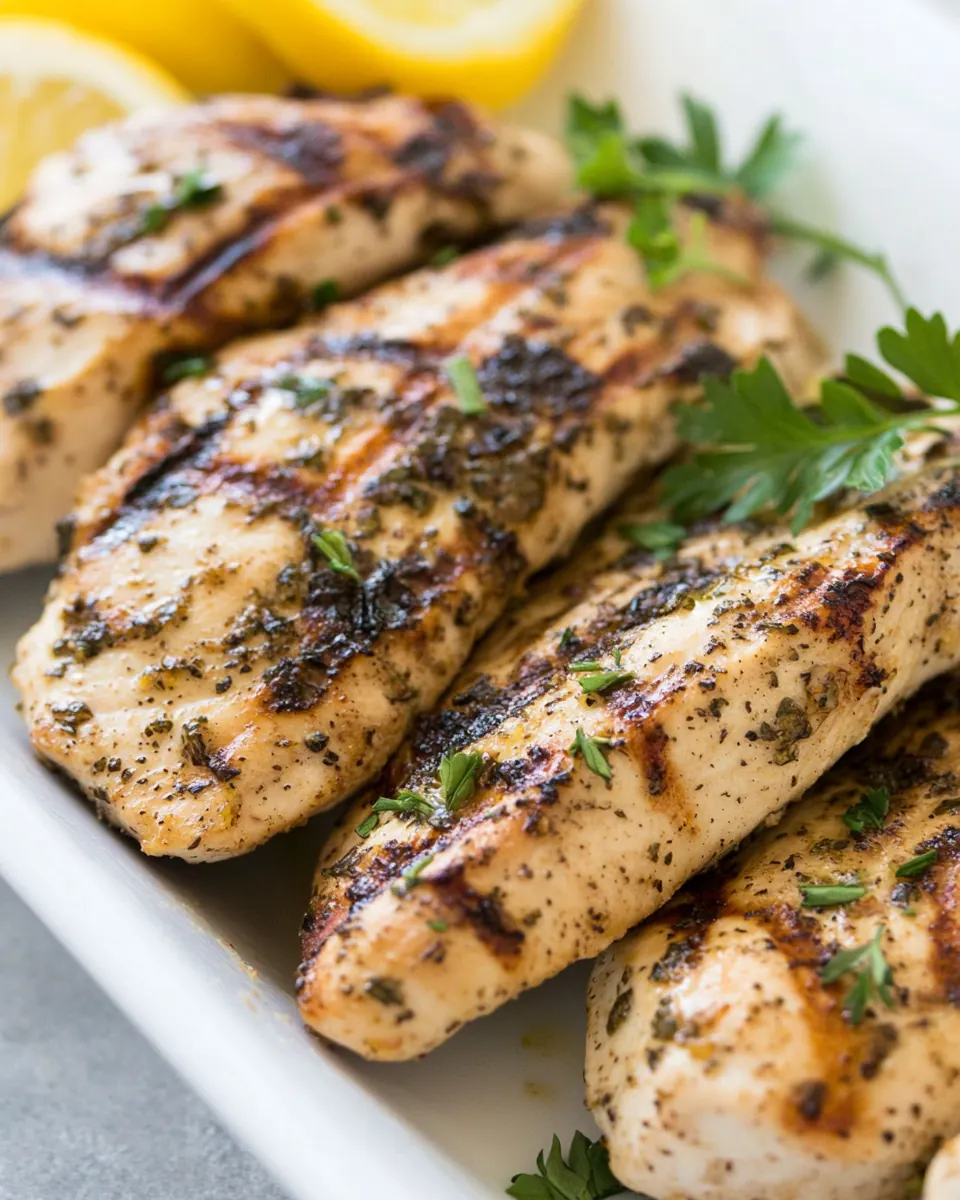
These steps will guide you through from whisking the marinade to achieving a perfectly grilled finish. I like to move confidently and deliberately through each stage so the heat and seasoning work in harmony.
- Whisk together lemon juice, garlic, onion powder, oil, salt, pepper, and seasoning.: The moment you whisk these elements they release a bright bouquet and the oil begins to emulsify, carrying the aromatic oils from the garlic and herbs. You should notice the liquid shimmer as the olive oil disperses, and the smell will be a mix of citrus sharpness and warm spice. This step matters because it ensures even flavor distribution across the chicken . A common mistake is not whisking long enough, leaving oil separated, which can cause uneven coating. If that happens, whisk a little longer or use a jar with a tight lid and shake vigorously until combined.
- If you’re using chicken breasts, pound lightly with a rolling pin to make them even in size.: When you flatten the thicker parts of the chicken the texture becomes consistent and the pieces cook uniformly, which prevents dry edges and undercooked centers. As you pound, you will feel the fibers relax and the flesh become more pliable, and the surface will take on a slightly velvety look. This helps achieve an even golden crust on the grill. Don’t overdo it, as pounding too thin can make the meat tenderize into a mushy texture. Use a piece of plastic wrap to protect the meat and your counter while pounding.
- Place marinade on chicken. Let soak for 15-30 minutes.: As the chicken soaks, the acid in the lemon juice begins to gently break down surface proteins, creating tenderness, while the aromatics permeate the meat. You may notice the marinade becoming slightly more opaque as it mingles with meat juices. Fifteen minutes gives a bright lift, while thirty minutes deepens the flavor. Avoid marinating much longer than an hour for breasts, because too much acid can make the texture mealy. If you are short on time, even a quick 15 minute soak will impart noticeable flavor.
- Preheat grill or griddle to medium-high heat. Lightly oil grill and grill chicken on both sides until done in the middle. Serve warm or room temperature.: Heating to medium high ensures a quick sear that locks in juices and creates appealing grill marks. When the surface is ready it will shimmer, and if you carefully hover your hand a few inches above, you will feel steady radiant heat. Preheating also helps prevent sticking. A common error is placing meat on a cold grill which causes it to cook slowly and lose moisture. Ensure the grates are clean and lightly oiled to promote a crisp exterior.
- This chicken goes great on salad!: As the chicken hits the grate you should hear a satisfying sizzle and quickly see the outer edges begin to brown and caramelize. That sound and color signal the Maillard reaction which brings savory depth. Cook until the internal temperature reaches a safe level for poultry, and juices run clear, watching for flare ups that can char too aggressively. If you see blackened spots forming too quickly, move the piece to a cooler part of the grill. Overcooking is the most common mistake here, so check early and often.
- Serve warm or room temperature: Letting your chicken rest briefly after grilling allows juices to redistribute, giving a moist bite and a calmer aroma. The surface will cool slightly, and if you slice it you will notice juices settle rather than spill out. Serving at room temperature can highlight the marinade flavors more clearly. Avoid slicing immediately after grilling as that encourages juice loss and a drier result.
- This chicken goes great on salad: When placed on greens, the grilled pieces meld with dressings and vegetables, adding texture and savory brightness. The charred edges provide contrast to crisp leaves, while the citrus notes cut through creamy dressings. A frequent oversight is adding hot chicken directly to delicate greens, which can wilt them; let the meat cool slightly before assembling to keep the salad fresh and vibrant.
Recipe Tips about Grilled Lemon Herb Chicken
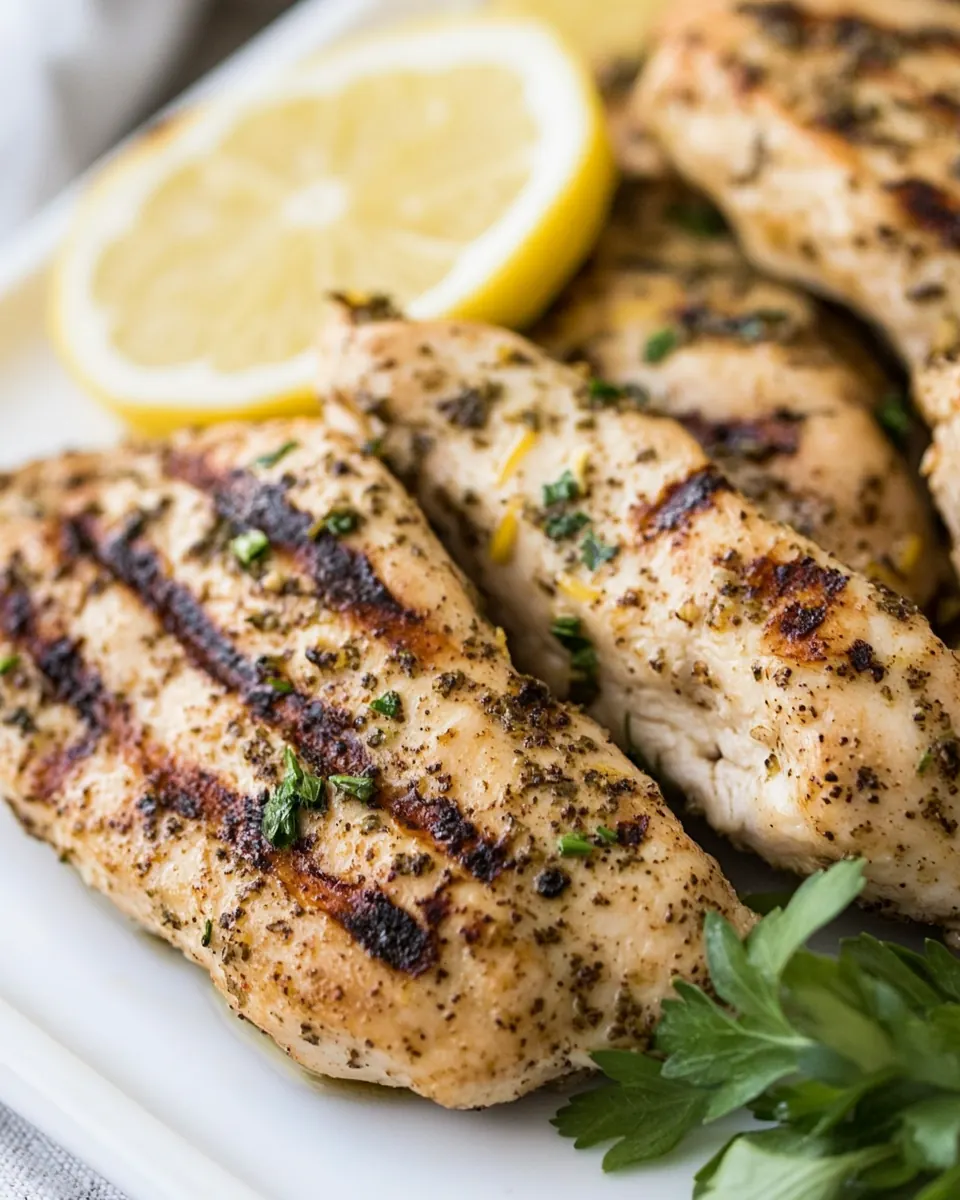
I like to keep my tips practical and easy to apply whether you are grilling outside or using a griddle. These are based on many lessons learned at home, and they will help you get the best texture and flavor every time.
- Tip 1 Use room temperature chicken before grilling: Cold meat straight from the fridge will take longer to cook and may end up uneven. Allowing it to sit briefly helps it reach the right internal temperature more quickly, creating a juicier result.
- Tip 2 Pat the chicken dry before grilling if it is too wet: Excess surface moisture interferes with browning, so a quick blot with paper towels encourages crisp searing rather than steaming.
- Tip 3 Reserve some marinade for basting sparingly: Use a small amount while grilling to boost flavor, but avoid heavy basting which can cause flare ups and charring on the grill surface.
- Tip 4 Watch for flare ups when using high heat: Move pieces to a cooler zone to prevent burning and to maintain an even crust without bitter char.
- Tip 5 Slice against the grain for tender bites: Cutting across the muscle fibers shortens them and makes each piece easier to chew, improving the eating experience.
How to Enjoy Grilled Lemon Herb Chicken
This section shows you approachable serving ideas and practical storage notes to make the most of your cooked chicken. I like to plan a few simple sides so a single main can become multiple meals across the week.
- Serve warm with fresh herbs Garnish with chopped parsley just before serving to add color and a bright herbal note that complements the citrus.
- Over a leafy salad Place sliced chicken over mixed greens with a light vinaigrette, making a balanced and refreshing lunch or dinner.
- As a protein for wraps Thinly slice and tuck into flatbreads or wraps with crunchy vegetables for a quick handheld meal.
- Meal prep and storage Store cooled slices in an airtight container in the refrigerator for up to three days, making easy lunches or dinner additions.
- Occasions This recipe is great for casual weeknight dinners, summer cookouts, and gatherings where you want something approachable and broadly liked.
- Seasonal pairing The lemon and fresh herbs feel especially appropriate in summer when citrus and fresh herbs are at their peak, though this works year round.
FAQ
Conclusion
Grilled Lemon Herb Chicken shines because it combines bright citrus, simple aromatics, and quick grilling into a reliably delicious meal. I hope this recipe encourages you to make it for easy weeknight dinners, gatherings, or meal prep, because the results are consistently fresh and flavorful. Try it once and you will appreciate how minimal effort yields maximum taste, and you may find it becoming a regular in your rotation for its versatility and bright profile.
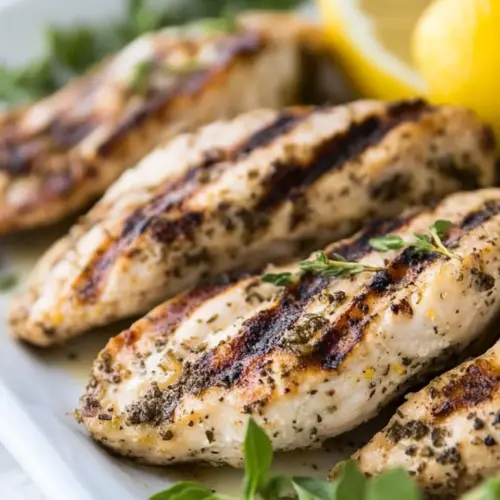
Grilled Lemon Herb Chicken
Equipment
- Grill
- Griddle
- Mixing Bowl
- Whisk
- Rolling Pin
Ingredients
- 1/4 cup fresh lemon juice about 2-3 lemons, depending on size Provide bright, tangy acidity to tenderize the chicken and balance rich flavors; helps break down proteins for a more tender texture and contributes essential citrus aroma to the marinade.
- 2 cloves garlic crushed OR 1 teaspoon garlic powder Add pungent aromatic depth and savory bite when crushed, or provide a convenient savory garlic note when using powder; supports overall umami and pairs well with lemon and herbs.
- 1 teaspoon onion powder Contribute concentrated savory-sweet onion flavor without adding moisture; enhances overall savory profile and complements garlic and herbs in the marinade.
- 2 tablespoons olive oil Bring rich, fruity fat that carries and melds flavors while helping the marinade coat the chicken; also promotes even browning and prevents sticking during grilling.
- 1/2 teaspoon kosher salt plus more to taste Introduce essential salinity to heighten flavors and season the chicken; helps extract moisture in the marinade for improved seasoning penetration and balance.
- 1/2 teaspoon ground black pepper plus more to taste Provide warm, slightly sharp heat that layers with other seasonings; supports overall seasoning balance and enhances the perception of savory flavors.
- 1 teaspoon Italian seasoning Impart a fragrant blend of Mediterranean herbs that reinforces savory, earthy notes and complements lemon and garlic; adds complexity and a classic Italian flavor profile.
- 1 pound chicken breasts or chicken breast tenders Serve as the primary protein base for the recipe; readily absorbs the marinade, grills quickly, and yields tender, juicy slices when properly cooked.
- Chopped fresh parsley for garnish Add fresh, herbaceous brightness and color as a finishing touch; enhances aroma and provides a mild, clean contrast to the grilled, savory chicken.
Instructions
- Whisk together lemon juice, garlic, onion powder, oil, salt, pepper, and seasoning.: The moment you whisk these elements they release a bright bouquet and the oil begins to emulsify, carrying the aromatic oils from the garlic and herbs. You should notice the liquid shimmer as the olive oil disperses, and the smell will be a mix of citrus sharpness and warm spice. This step matters because it ensures even flavor distribution across the chicken . A common mistake is not whisking long enough, leaving oil separated, which can cause uneven coating. If that happens, whisk a little longer or use a jar with a tight lid and shake vigorously until combined.
- If you’re using chicken breasts, pound lightly with a rolling pin to make them even in size.: When you flatten the thicker parts of the chicken the texture becomes consistent and the pieces cook uniformly, which prevents dry edges and undercooked centers. As you pound, you will feel the fibers relax and the flesh become more pliable, and the surface will take on a slightly velvety look. This helps achieve an even golden crust on the grill. Don’t overdo it, as pounding too thin can make the meat tenderize into a mushy texture. Use a piece of plastic wrap to protect the meat and your counter while pounding.
- Place marinade on chicken. Let soak for 15-30 minutes.: As the chicken soaks, the acid in the lemon juice begins to gently break down surface proteins, creating tenderness, while the aromatics permeate the meat. You may notice the marinade becoming slightly more opaque as it mingles with meat juices. Fifteen minutes gives a bright lift, while thirty minutes deepens the flavor. Avoid marinating much longer than an hour for breasts, because too much acid can make the texture mealy. If you are short on time, even a quick 15 minute soak will impart noticeable flavor.
- Preheat grill or griddle to medium-high heat. Lightly oil grill and grill chicken on both sides until done in the middle. Serve warm or room temperature.: Heating to medium high ensures a quick sear that locks in juices and creates appealing grill marks. When the surface is ready it will shimmer, and if you carefully hover your hand a few inches above, you will feel steady radiant heat. Preheating also helps prevent sticking. A common error is placing meat on a cold grill which causes it to cook slowly and lose moisture. Ensure the grates are clean and lightly oiled to promote a crisp exterior.
- This chicken goes great on salad!: As the chicken hits the grate you should hear a satisfying sizzle and quickly see the outer edges begin to brown and caramelize. That sound and color signal the Maillard reaction which brings savory depth. Cook until the internal temperature reaches a safe level for poultry, and juices run clear, watching for flare ups that can char too aggressively. If you see blackened spots forming too quickly, move the piece to a cooler part of the grill. Overcooking is the most common mistake here, so check early and often.
- Serve warm or room temperature: Letting your chicken rest briefly after grilling allows juices to redistribute, giving a moist bite and a calmer aroma. The surface will cool slightly, and if you slice it you will notice juices settle rather than spill out. Serving at room temperature can highlight the marinade flavors more clearly. Avoid slicing immediately after grilling as that encourages juice loss and a drier result.
- This chicken goes great on salad: When placed on greens, the grilled pieces meld with dressings and vegetables, adding texture and savory brightness. The charred edges provide contrast to crisp leaves, while the citrus notes cut through creamy dressings. A frequent oversight is adding hot chicken directly to delicate greens, which can wilt them; let the meat cool slightly before assembling to keep the salad fresh and vibrant.
Notes
- Tip 1 Use room temperature chicken before grilling: Cold meat straight from the fridge will take longer to cook and may end up uneven. Allowing it to sit briefly helps it reach the right internal temperature more quickly, creating a juicier result.
- Tip 2 Pat the chicken dry before grilling if it is too wet: Excess surface moisture interferes with browning, so a quick blot with paper towels encourages crisp searing rather than steaming.
- Tip 3 Reserve some marinade for basting sparingly: Use a small amount while grilling to boost flavor, but avoid heavy basting which can cause flare ups and charring on the grill surface.
- Tip 4 Watch for flare ups when using high heat: Move pieces to a cooler zone to prevent burning and to maintain an even crust without bitter char.
- Tip 5 Slice against the grain for tender bites: Cutting across the muscle fibers shortens them and makes each piece easier to chew, improving the eating experience.
