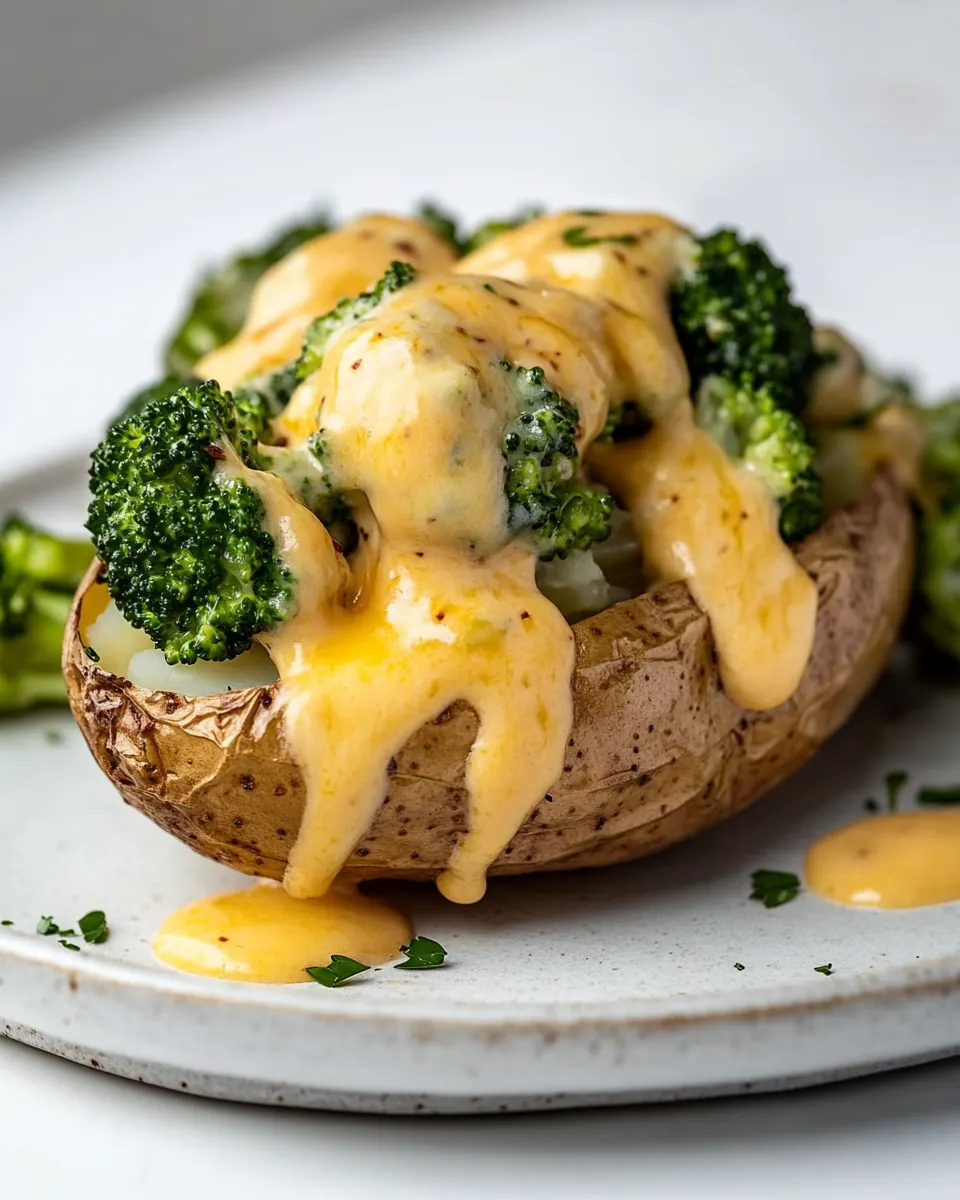
Broccoli And Cheese Baked Potato
Broccoli And Cheese Baked Potato is one of those easy, comforting meals I reach for when I want something cozy yet a little elevated. I first made this for a chilly night when I had leftover potatoes and a head of broccoli to use up, and the creamy cheddar cheese sauce transformed simple ingredients into something I kept going back for. That first batch felt like a warm hug, and ever since I keep the components on hand for a no fuss supper.
On another evening, I needed something that would satisfy my craving for cheesy richness without being heavy. Roasting the potatoes until the skins were crisp and the interiors were fluffy made all the difference. Tossing the broccoli on the same sheet in the final minutes gave it a slight char and kept everything minimal in terms of cleanup. I love how the sauce clings to the soft potato flesh and brightens the broccoli with creamy, savory notes.
Family and friends have called this a weeknight miracle because it stretches easily to serve four, and it feels special enough for guests. I often tweak the texture, fluffing the potato innards with a fork so the cheese sauce sinks into those little valleys. There is something satisfying about a dish that is both humble and generous, which is exactly what Broccoli And Cheese Baked Potato delivers.
Recipe Snapshot
1 hr 5 mins
10 mins
55 mins
Medium
350 kcal
American
Gluten-Free, Low FODMAP
Dinner
Baking sheet, Small saucepan, Whisk, Fork
Why This Broccoli And Cheese Baked Potato Shines
Comfort food that still feels fresh
I adore how Broccoli And Cheese Baked Potato blends the stick to your ribs comfort of a baked potato with a vibrant pop from roasted broccoli. The creamy cheddar cheese sauce is rich enough to satisfy craving but not so heavy it overwhelms the vegetables. I find this balance makes it great for evenings when you want something homey but not stodgy.
Minimal prep, maximum payoff
One reason I keep returning to this recipe is how little hands on work it needs. You rub the potatoes with a touch of olive oil, poke them, and let the oven do most of the job. The quick cheese sauce comes together on the stovetop while things bake, so you’re multitasking without stress. For busy nights this is a real time saver.
Flexible and forgiving
This dish tolerates little improvisations. If your broccoli florets are a touch larger or smaller, the roasting time can be nudged by a few minutes. The sauce consistency can be adjusted by adding a splash more milk if you like it looser, or a bit more cheddar cheese for extra thickness. That flexibility makes it a reliable fallback recipe for unpredictable weeknights.
Kid friendly, yet grown up
When I serve this to kids they dig into the creamy filling, while adults appreciate the roasted texture and balanced seasoning from the garlic powder, onion powder, and a hint of paprika. It’s one of those dinners that pleases a mixed crowd without complicated modifications.
Easy to scale for company
I’ve doubled this recipe for casual dinners and it holds up beautifully. The method is straightforward which keeps stress low when you’re cooking for a few extra mouths. Roasting more potatoes just means more time in the oven, and you can finish everything with the same simple cheese sauce, which makes hosting feel manageable.
What You Need for Broccoli And Cheese Baked Potato
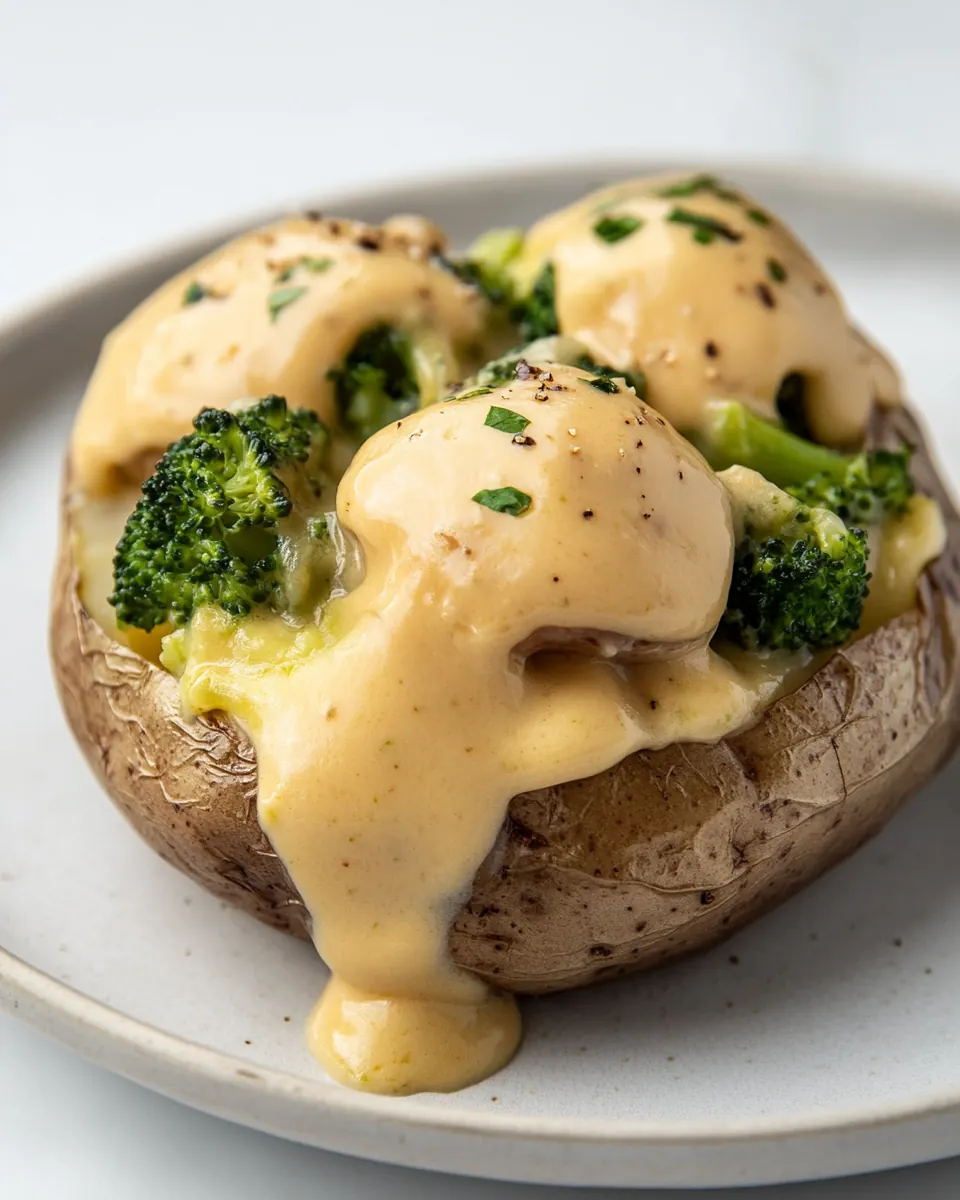
These ingredients are all about harmony. The starchy, fluffy potatoes form a comforting base, while the roasted broccoli adds texture and a bright, vegetal note. The cheese sauce, built from butter, flour, milk, and cheddar cheese, brings creaminess and savory depth. Light seasonings coax the flavors into a cohesive whole without overpowering the main players.
- 4 russet potatoes washed and dried: Bake four russet potatoes until tender to provide a sturdy, fluffy base that holds toppings well and contrasts with creamy broccoli and cheese.
- 2 tablespoons olive oil divided: Divide two tablespoons of olive oil to coat potato skins for crispness and to sauté broccoli lightly, enhancing flavor and texture in two different steps.
- Salt and pepper to taste: Season with salt and pepper to taste to amplify natural potato and broccoli flavors, balancing the richness of the cheese sauce without overwhelming it.
- 2 broccoli crowns cut into florets: Cut two broccoli crowns into florets to create bite-sized pieces that steam or sauté quickly, adding color, nutrition, and a fresh contrast to the creamy cheese.
- 1 1/2 tablespoons unsalted butter: Melt one and a half tablespoons unsalted butter to form the rich, smooth fat foundation of the cheese sauce, allowing flour to cook without extra saltiness.
- 1 1/2 tablespoons all-purpose flour: Whisk one and a half tablespoons all-purpose flour into melted butter to create a roux that thickens the milk into a velvety cheese sauce with no lumps.
- 1 cup milk: Warm one cup milk gradually to incorporate into the roux and build a creamy, cohesive base for the cheddar, controlling sauce thickness and flavor.
- 1/8 teaspoon paprika: Sprinkle one eighth teaspoon paprika to lend a subtle smoky color and gentle warmth that complements the cheese without dominating the dish.
- 1/4 teaspoon garlic powder: Add one quarter teaspoon garlic powder to introduce savory depth and a hint of aromatic pungency that enhances the overall flavor profile of the sauce.
- 1/4 teaspoon onion powder: Stir in one quarter teaspoon onion powder to contribute mild sweetness and umami, rounding out the cheese sauce’s savory notes for better balance.
- Pinch of salt for cheese sauce: Include a pinch of salt for cheese sauce to fine-tune seasoning during preparation and ensure the sauce brings out the cheddar’s full flavor.
- 1 cup shredded cheddar cheese: Fold in one cup shredded cheddar cheese to create a rich, melty topping that binds the broccoli and potatoes together with sharp, creamy character.
Cooking Method for Broccoli And Cheese Baked Potato
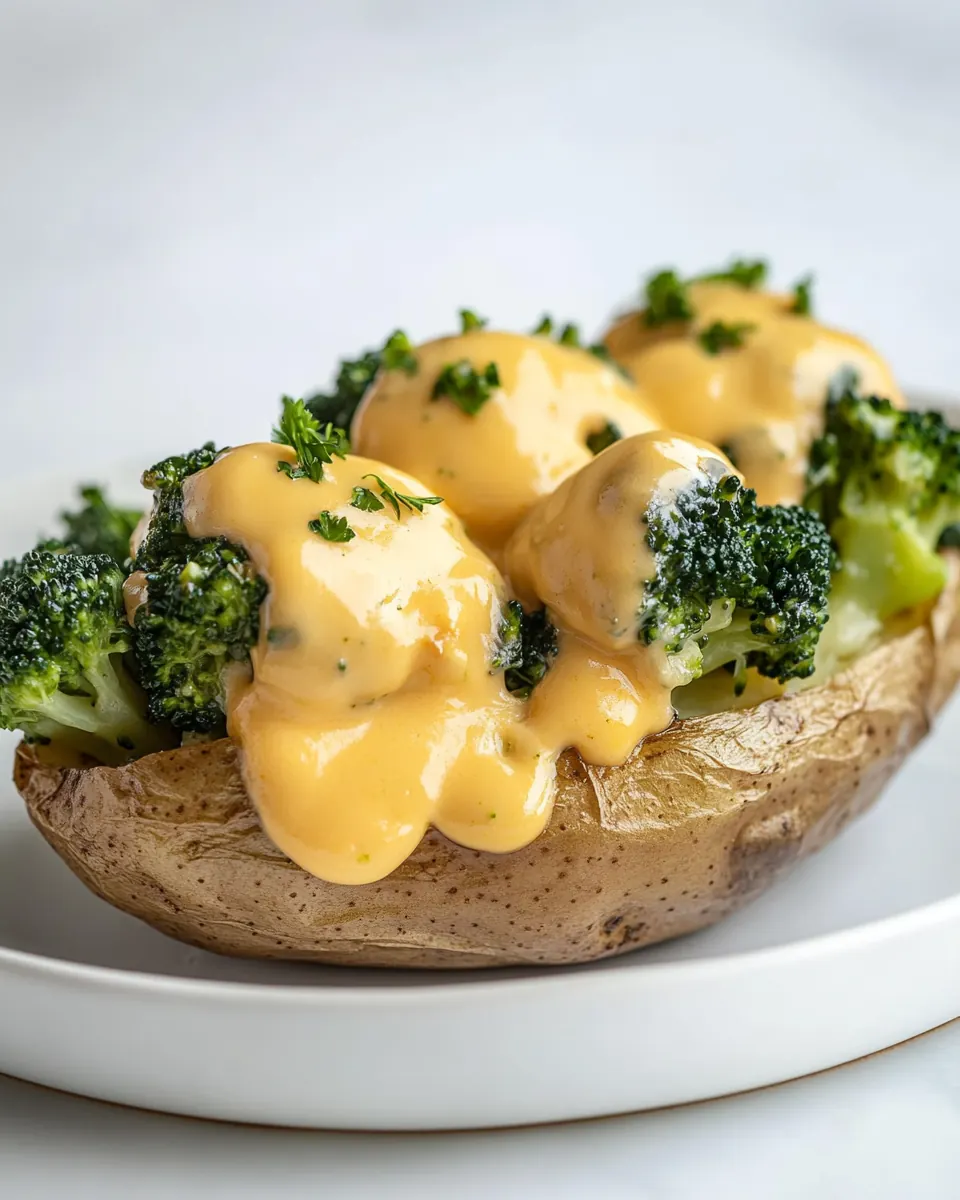
I like to keep the cooking straightforward and rhythmic. While the potatoes roast, the stovetop sauce comes together quickly, so timing is everything. Read through the steps, and you will have a satisfying, well balanced plate by the time the oven timer dings.
- Preheat your oven to 400°F. Poke each potato several times with a fork so steam can escape. Coat the potatoes with 1 tablespoon of olive oil, ensuring to rub the oil evenly, then season with salt and pepper. Arrange the potatoes on a baking sheet.: When you open the oven and slide the pan in, you should immediately notice a gentle warmth that promises even roasting. The steady heat helps the potato skin crisp while the interior cooks to a tender, fluffy texture. If the oven is not fully preheated, the cooking time will extend and the skins may not brown properly. A common mistake is placing the potatoes into a cold oven, which leads to longer bake times and a denser interior.
- Bake the potatoes until they are fork-tender, about 45-55 minutes.: The small punctures allow trapped steam to release during baking, preventing any bursts and ensuring even cooking. As the potato heats, you might hear faint pops of escaping steam, and the skins will tighten and dry slightly. Failing to poke holes can cause ruptures, which creates a mess and uneven texture inside the potato .
- Toss the broccoli florets with the remaining 1 tablespoon olive oil. During the final 15 minutes of baking, add the broccoli to the baking sheet.: Massaging the olive oil and seasoning into the skins promotes browning and flavor. Rub until the skins have a glossy sheen, that visual cue tells you they are ready for the oven. Uneven coating leads to blotchy browning and spots where the skin stays pale and soft.
- In the meantime, melt the butter in a small saucepan over medium heat. Stir in the flour and cook for about 1 minute. Gradually whisk in the milk until the mixture thickens.: Give each potato some breathing room so hot air can circulate and cook them uniformly. Placing them directly on the sheet and not crowding ensures crisp skins all around. Crowding the pan traps steam and produces softer, less appealing skins.
- Add the paprika, garlic powder, onion powder, and a pinch of salt. Mix in the shredded cheddar cheese and stir until the sauce becomes smooth and creamy.: You will know they are done when a fork slides into the center with little resistance, and the exterior feels light when lifted. The smell is earthy and warming, and the skins will look shrunken slightly from the roasted interior. Rushing this step yields undercooked, waxy centers that do not fluff well.
- Take the potatoes out of the oven. Cut each one open, carefully fluff the insides with a fork, and generously drizzle the cheese sauce on top, followed by the broccoli. Serve while warm.: The broccoli benefits from that quick high heat at the end, developing toasted tips and a bright green color. The sizzling of the florets on the hot sheet brings a faint caramelized scent that complements the savory cheddar cheese . Adding them too early can over roast them until they become mushy rather than pleasantly tender crisp.
- In the meantime melt the butter in a small saucepan over medium heat: As the butter melts, it should foam gently and give off a rich, creamy aroma. This sets the stage for the roux which thickens the sauce. If the heat is too high the butter can brown quickly and change the desired mild flavor profile.
- Stir in the flour and cook for about 1 minute: Cooking the flour with the melted butter removes the raw taste and creates a smooth base. You should see it turn slightly glossy and smell pleasantly nutty without darkening. Undercooking the roux leaves a noticeable raw flour taste, while overcooking gives a darker, nuttier note that shifts the sauce flavor.
- Gradually whisk in the milk until the mixture thickens: Pouring in the milk slowly while whisking prevents lumps and yields a silky sauce. It will steam gently as it heats and begin to thicken into a coating consistency that clings to the whisk. If you add the milk too quickly the sauce can become lumpy, which is the most common issue at this stage.
- Add the paprika garlic powder onion powder and a pinch of salt Mix in the shredded cheddar cheese and stir until the sauce becomes smooth and creamy: The aroma evolves as the spices bloom, and the melted cheddar cheese transforms the base into a glossy, velvety sauce. You should see it become homogenous and silk like; that is the cue that it is ready. Adding cold cheese straight from the fridge can temporarily firm the sauce, so remove from heat and stir until it regains its smoothness.
- Take the potatoes out of the oven Cut each one open carefully fluff the insides with a fork and generously drizzle the cheese sauce on top followed by the broccoli Serve while warm: Opening the baked potatoes releases a comforting steam and the scent of roasted starch. Fluffing the interiors creates pockets for the sauce to settle, and the contrast between crisp skin creamy filling and tender roasted broccoli is the final harmony. Waiting too long to serve cools the sauce and reduces the textural contrast that makes this dish delightful.
Tips and Variations
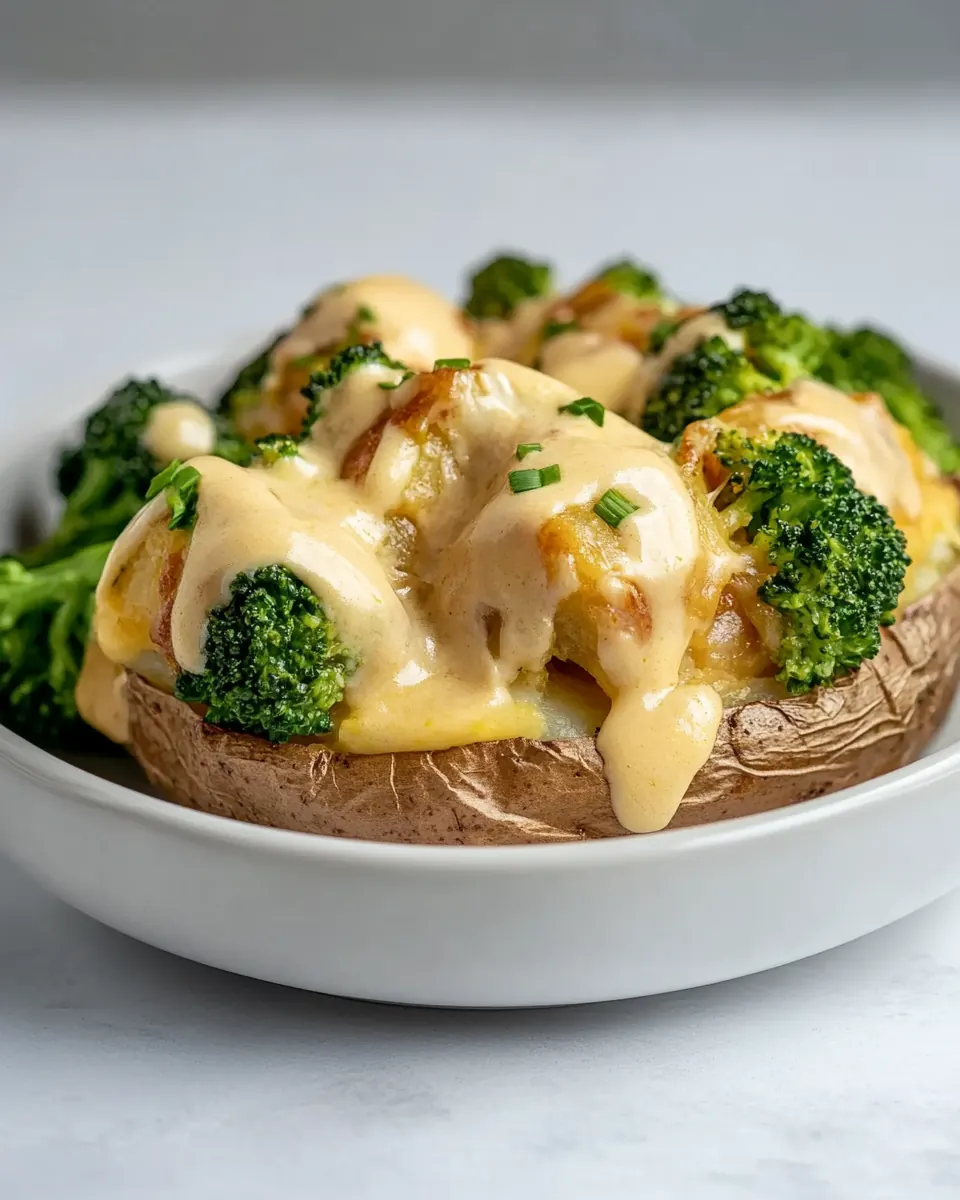
I like to think of this section as the small adjustments that make the dish feel truly yours. Below are practical ideas and variations that keep the method intact while letting you tailor textures and flavors to your taste.
- Try different baking sizes Adjust the baking time slightly if your potatoes are much larger or smaller, and always test with a fork to ensure a fluffy interior.
- Keep sauce velvety If the cheese sauce tightens too much off heat, stir in a tablespoon of warm milk to loosen it and restore a smooth texture before serving.
- Evenly sized broccoli Cut the broccoli into uniform florets so they roast evenly and reach tender crisp doneness at the same moment.
- Preheat the oven fully Ensure the oven reads the correct temperature before placing the potatoes in, as an under preheated oven lengthens baking time and impacts skin crispness.
- Season in layers Lightly season both the potato skins and the cheese sauce so every bite has balanced savory notes without overwhelming saltiness.
What to Serve With Broccoli And Cheese Baked Potato
This dish is hearty enough to stand alone but pairs wonderfully with simple sides that add brightness or crunch. Below are thoughtful serving ideas for different occasions and practical storage notes to keep leftovers tasting their best.
- Light green salad A crisp salad with a tangy vinaigrette adds contrast to the creamy texture of the potato, making the meal feel balanced for a weeknight dinner.
- Roasted root vegetables Serve alongside roasted carrots or parsnips for a cozy winter plate that complements the warm, cheesy flavors in colder months.
- Steamed greens Quick steamed greens such as spinach or Swiss chard provide a bright, slightly bitter counterpoint that lifts the richness of the cheese sauce.
- Casual lunch spread Arrange these baked potatoes on a small buffet with other warm sides for a relaxed lunch when friends drop by.
- Storage tips Cool leftovers quickly and store in an airtight container in the refrigerator for up to three days. Reheat gently in a low oven to preserve texture, and add a splash of warm milk to revive the sauce.
- Seasonal pairing In winter serve this as a comforting main with roasted vegetables, while in spring you might lighten the meal with a bright herb salad.
FAQ
Conclusion
This Broccoli And Cheese Baked Potato shines because it turns simple pantry ingredients into a comforting, flavorful meal with pleasing textures. Try it for a weeknight dinner when you want something hearty but low fuss, or scale it up for friends because it holds up well. I hope this recipe becomes one of your go to dishes for cozy nights, and that you enjoy the creamy sauce paired with roasted broccoli and fluffy potato every time.
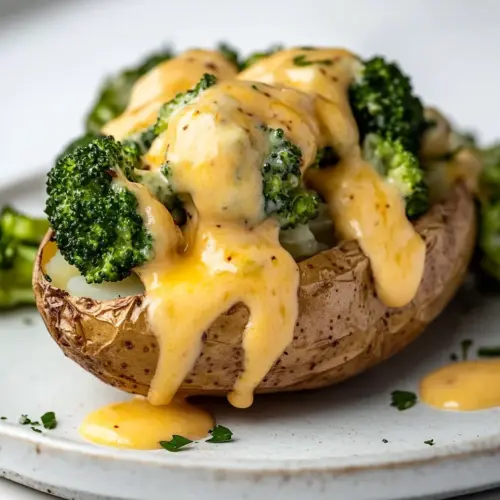
Broccoli And Cheese Baked Potato
Equipment
- Baking Sheet
- Small Saucepan
- Whisk
- Fork
Ingredients
- 4 russet potatoes washed and dried Bake four russet potatoes until tender to provide a sturdy, fluffy base that holds toppings well and contrasts with creamy broccoli and cheese.
- 2 tablespoons olive oil divided Divide two tablespoons of olive oil to coat potato skins for crispness and to sauté broccoli lightly, enhancing flavor and texture in two different steps.
- Salt and pepper to taste Season with salt and pepper to taste to amplify natural potato and broccoli flavors, balancing the richness of the cheese sauce without overwhelming it.
- 2 broccoli crowns cut into florets Cut two broccoli crowns into florets to create bite-sized pieces that steam or sauté quickly, adding color, nutrition, and a fresh contrast to the creamy cheese.
- 1 1/2 tablespoons unsalted butter Melt one and a half tablespoons unsalted butter to form the rich, smooth fat foundation of the cheese sauce, allowing flour to cook without extra saltiness.
- 1 1/2 tablespoons all-purpose flour Whisk one and a half tablespoons all-purpose flour into melted butter to create a roux that thickens the milk into a velvety cheese sauce with no lumps.
- 1 cup milk Warm one cup milk gradually to incorporate into the roux and build a creamy, cohesive base for the cheddar, controlling sauce thickness and flavor.
- 1/8 teaspoon paprika Sprinkle one eighth teaspoon paprika to lend a subtle smoky color and gentle warmth that complements the cheese without dominating the dish.
- 1/4 teaspoon garlic powder Add one quarter teaspoon garlic powder to introduce savory depth and a hint of aromatic pungency that enhances the overall flavor profile of the sauce.
- 1/4 teaspoon onion powder Stir in one quarter teaspoon onion powder to contribute mild sweetness and umami, rounding out the cheese sauce’s savory notes for better balance.
- Pinch of salt for cheese sauce Include a pinch of salt for cheese sauce to fine-tune seasoning during preparation and ensure the sauce brings out the cheddar’s full flavor.
- 1 cup shredded cheddar cheese Fold in one cup shredded cheddar cheese to create a rich, melty topping that binds the broccoli and potatoes together with sharp, creamy character.
Instructions
- Preheat your oven to 400°F. Poke each potato several times with a fork so steam can escape. Coat the potatoes with 1 tablespoon of olive oil, ensuring to rub the oil evenly, then season with salt and pepper. Arrange the potatoes on a baking sheet.: When you open the oven and slide the pan in, you should immediately notice a gentle warmth that promises even roasting. The steady heat helps the potato skin crisp while the interior cooks to a tender, fluffy texture. If the oven is not fully preheated, the cooking time will extend and the skins may not brown properly. A common mistake is placing the potatoes into a cold oven, which leads to longer bake times and a denser interior.
- Bake the potatoes until they are fork-tender, about 45-55 minutes.: The small punctures allow trapped steam to release during baking, preventing any bursts and ensuring even cooking. As the potato heats, you might hear faint pops of escaping steam, and the skins will tighten and dry slightly. Failing to poke holes can cause ruptures, which creates a mess and uneven texture inside the potato .
- Toss the broccoli florets with the remaining 1 tablespoon olive oil. During the final 15 minutes of baking, add the broccoli to the baking sheet.: Massaging the olive oil and seasoning into the skins promotes browning and flavor. Rub until the skins have a glossy sheen, that visual cue tells you they are ready for the oven. Uneven coating leads to blotchy browning and spots where the skin stays pale and soft.
- In the meantime, melt the butter in a small saucepan over medium heat. Stir in the flour and cook for about 1 minute. Gradually whisk in the milk until the mixture thickens.: Give each potato some breathing room so hot air can circulate and cook them uniformly. Placing them directly on the sheet and not crowding ensures crisp skins all around. Crowding the pan traps steam and produces softer, less appealing skins.
- Add the paprika, garlic powder, onion powder, and a pinch of salt. Mix in the shredded cheddar cheese and stir until the sauce becomes smooth and creamy.: You will know they are done when a fork slides into the center with little resistance, and the exterior feels light when lifted. The smell is earthy and warming, and the skins will look shrunken slightly from the roasted interior. Rushing this step yields undercooked, waxy centers that do not fluff well.
- Take the potatoes out of the oven. Cut each one open, carefully fluff the insides with a fork, and generously drizzle the cheese sauce on top, followed by the broccoli. Serve while warm.: The broccoli benefits from that quick high heat at the end, developing toasted tips and a bright green color. The sizzling of the florets on the hot sheet brings a faint caramelized scent that complements the savory cheddar cheese . Adding them too early can over roast them until they become mushy rather than pleasantly tender crisp.
- In the meantime melt the butter in a small saucepan over medium heat: As the butter melts, it should foam gently and give off a rich, creamy aroma. This sets the stage for the roux which thickens the sauce. If the heat is too high the butter can brown quickly and change the desired mild flavor profile.
- Stir in the flour and cook for about 1 minute: Cooking the flour with the melted butter removes the raw taste and creates a smooth base. You should see it turn slightly glossy and smell pleasantly nutty without darkening. Undercooking the roux leaves a noticeable raw flour taste, while overcooking gives a darker, nuttier note that shifts the sauce flavor.
- Gradually whisk in the milk until the mixture thickens: Pouring in the milk slowly while whisking prevents lumps and yields a silky sauce. It will steam gently as it heats and begin to thicken into a coating consistency that clings to the whisk. If you add the milk too quickly the sauce can become lumpy, which is the most common issue at this stage.
- Add the paprika garlic powder onion powder and a pinch of salt Mix in the shredded cheddar cheese and stir until the sauce becomes smooth and creamy: The aroma evolves as the spices bloom, and the melted cheddar cheese transforms the base into a glossy, velvety sauce. You should see it become homogenous and silk like; that is the cue that it is ready. Adding cold cheese straight from the fridge can temporarily firm the sauce, so remove from heat and stir until it regains its smoothness.
- Take the potatoes out of the oven Cut each one open carefully fluff the insides with a fork and generously drizzle the cheese sauce on top followed by the broccoli Serve while warm: Opening the baked potatoes releases a comforting steam and the scent of roasted starch. Fluffing the interiors creates pockets for the sauce to settle, and the contrast between crisp skin creamy filling and tender roasted broccoli is the final harmony. Waiting too long to serve cools the sauce and reduces the textural contrast that makes this dish delightful.
Notes
- Try different baking sizes Adjust the baking time slightly if your potatoes are much larger or smaller, and always test with a fork to ensure a fluffy interior.
- Keep sauce velvety If the cheese sauce tightens too much off heat, stir in a tablespoon of warm milk to loosen it and restore a smooth texture before serving.
- Evenly sized broccoli Cut the broccoli into uniform florets so they roast evenly and reach tender crisp doneness at the same moment.
- Preheat the oven fully Ensure the oven reads the correct temperature before placing the potatoes in, as an under preheated oven lengthens baking time and impacts skin crispness.
- Season in layers Lightly season both the potato skins and the cheese sauce so every bite has balanced savory notes without overwhelming saltiness.
