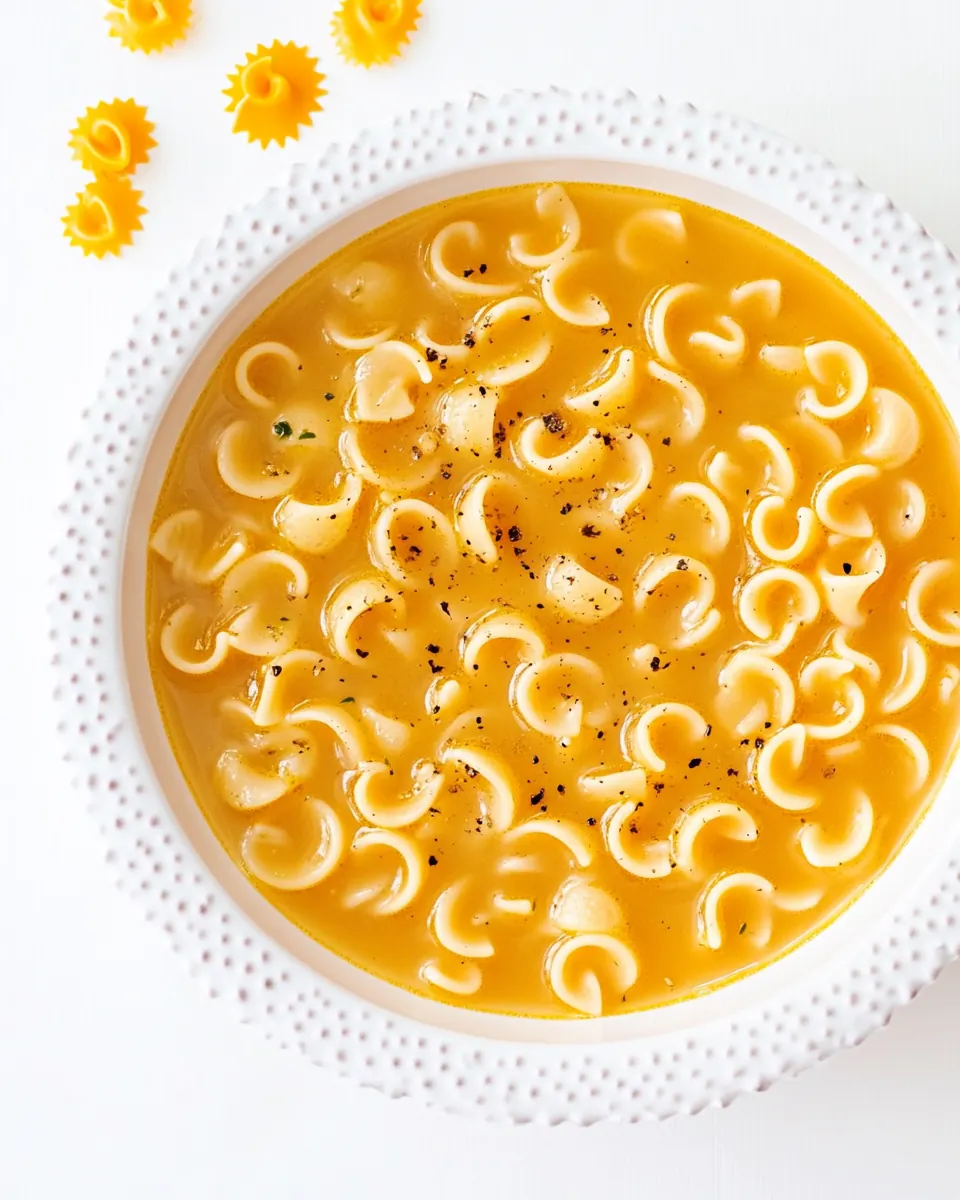
Pasta in Brodo
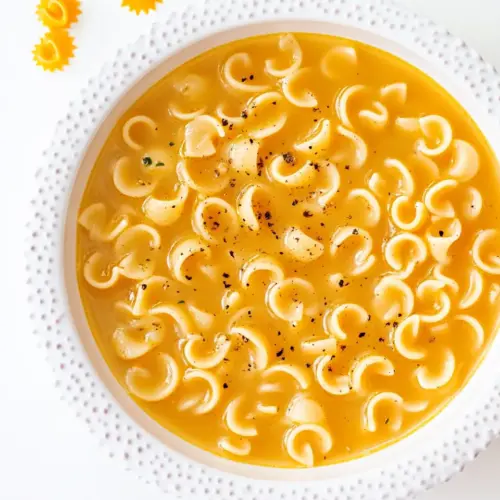
Pasta in Brodo is the kind of food I turn to when the world feels a little heavy and I want something quietly restorative.
I remember the first time I had this soup at my grandmother’s kitchen table, steam fogging the window as she ladled warm, golden broth and tiny pasta stars into a deep bowl. She didn’t rush, and neither did the dish; each spoonful was a gentle conversation between sweet carrots, aromatic onion, and the pale, vegetal notes of celery. I still think of that afternoon whenever I peel an onion or snap a stalk of celery on the cutting board. The simplicity of Pasta in Brodo is deceptive, because it builds comfort with patience and sensible ingredients.
Over the years I’ve made small changes, like stirring in a knob of unsalted butter or using a lighter broth when I want something delicate. There are times I let the vegetables simmer until they almost melt, then blend them for a silky base that cradles the tiny pasta. Other times I leave the vegetables chunky for a rustic feel. Both approaches feel like a hug in a bowl. When I’m cooking for someone under the weather, I always choose the blended version; it seems to slip down easier and warms the body and spirit. Whenever I serve Pasta in Brodo, I notice people slow down, and conversation finds its way back to simple things like favorite childhood soups or the best way to eat leftover pasta. That is why I keep this recipe close to the top of my weeknight rotation.
Recipe Snapshot
40 mins
10 mins
30 mins
Easy
250 kcal
Italian
Gluten-Free, Low FODMAP
Dinner
Calphalon 5-Quart Pot, Cutting Board
Why This Pasta in Brodo Stands Out
Pure comfort from humble ingredients
I love how Pasta in Brodo transforms a few pantry staples into something deeply comforting. The broth becomes a carrier for gentle aromas from the onion, carrots, and celery, and that warmth is exactly what I want on a chilly evening.
Fast to start, slow to savor
This recipe is a quiet bargain in my kitchen because the prep is quick, yet the simmering builds layers of flavor. I can get a pot going and still make tea or tidy the counter while the stock deepens, which fits my rhythm perfectly.
Flexible and forgiving
One of the reasons I return to Pasta in Brodo so often is its adaptability. Whether I blend the vegetables for a smooth base or keep them chunky, the result is always generous and forgiving. If the pasta absorbs too much broth, I simply add more liquid and the texture comes back to life.
Child friendly and nostalgic
I often make this for kids because the small pasta shapes are fun, and the mild flavors rarely meet resistance. I associate this dish with childhood memories, like tiny spoonfuls and patient conversations, which is why I find it so rewarding to share.
Practical for make ahead and leftovers
Making the vegetable broth ahead of time is something I do regularly. It keeps well in the fridge and freezes beautifully, so I can pull together a nourishing meal without fuss. Leftovers reheat well, and I sometimes add a splash of extra broth to restore the original, comforting consistency.
Shopping List for Pasta in Brodo
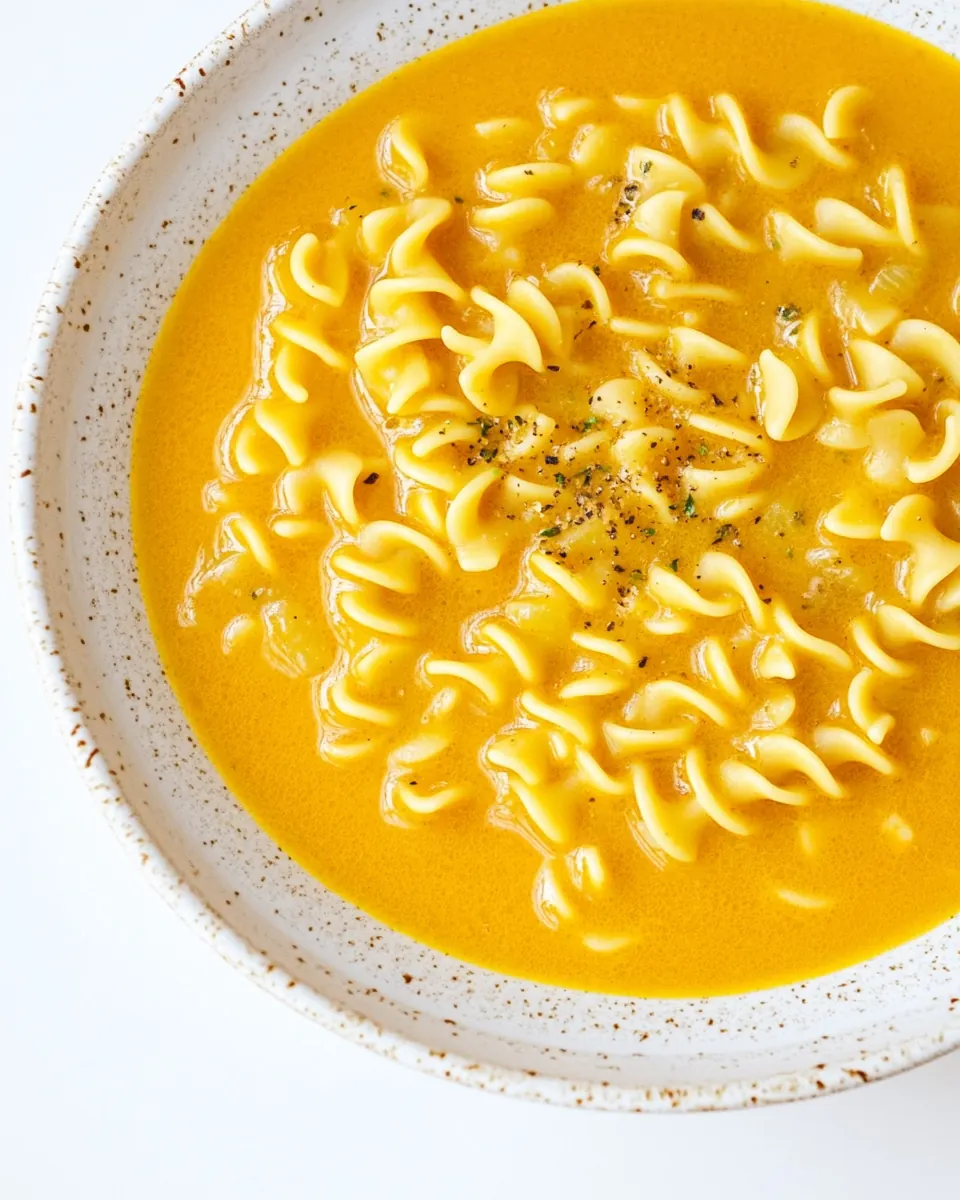
These ingredients are all about clarity and balance. The core vegetables form a sweet aromatic base that, when simmered, release a rounded savory broth. Tiny pasta brings texture and a bit of comforting starch, while butter or oil add silk and mouthfeel. Together they create a light yet nourishing bowl that feels both simple and purposeful.
- 1 onion (small): Provide aromatic sweetness and a mild bite, building the foundational flavor for the broth; peel and halve or chop finely, then sauté or simmer until translucent to release natural sugars that enrich the stock.
- 4 carrots (medium): Add natural sweetness and body to the broth while contributing subtle earthy notes; scrub and chop into coins or chunks so they release flavor and slight starchiness when simmered.
- 4 celery ribs: Contribute savory, slightly bitter undertones and aromatic depth; trim and chop the ribs finely to maximize surface area so celery infusion balances the sweetness of carrots and onion.
- 8 cups water (or reduced-sodium chicken broth): Create the liquid base and control the overall intensity of the soup; use as the simmering medium to extract flavors from vegetables and adjust with reduced–sodium broth for added depth and less salt.
- 8 ounces small pasta (stars, orzo, ABC pasta, O-ring pasta, or pastina): Provide texture and substance to the finished soup while absorbing broth flavors; choose a small-shaped pasta and add near the end of cooking so it becomes tender without overcooking or turning mushy.
- 1 tablespoon unsalted butter or olive oil: Develop richness and mouthfeel while gently coating the pasta and broth; melt butter or warm oil briefly to bloom flavors and finish the soup with a glossy, balanced finish.
- Salt and pepper (to taste, ) (optional): Enhance and balance overall taste by adjusting seasoning to personal preference; add incrementally during cooking and at the end, tasting to avoid overpowering the delicate broth.
Directions for Pasta in Brodo
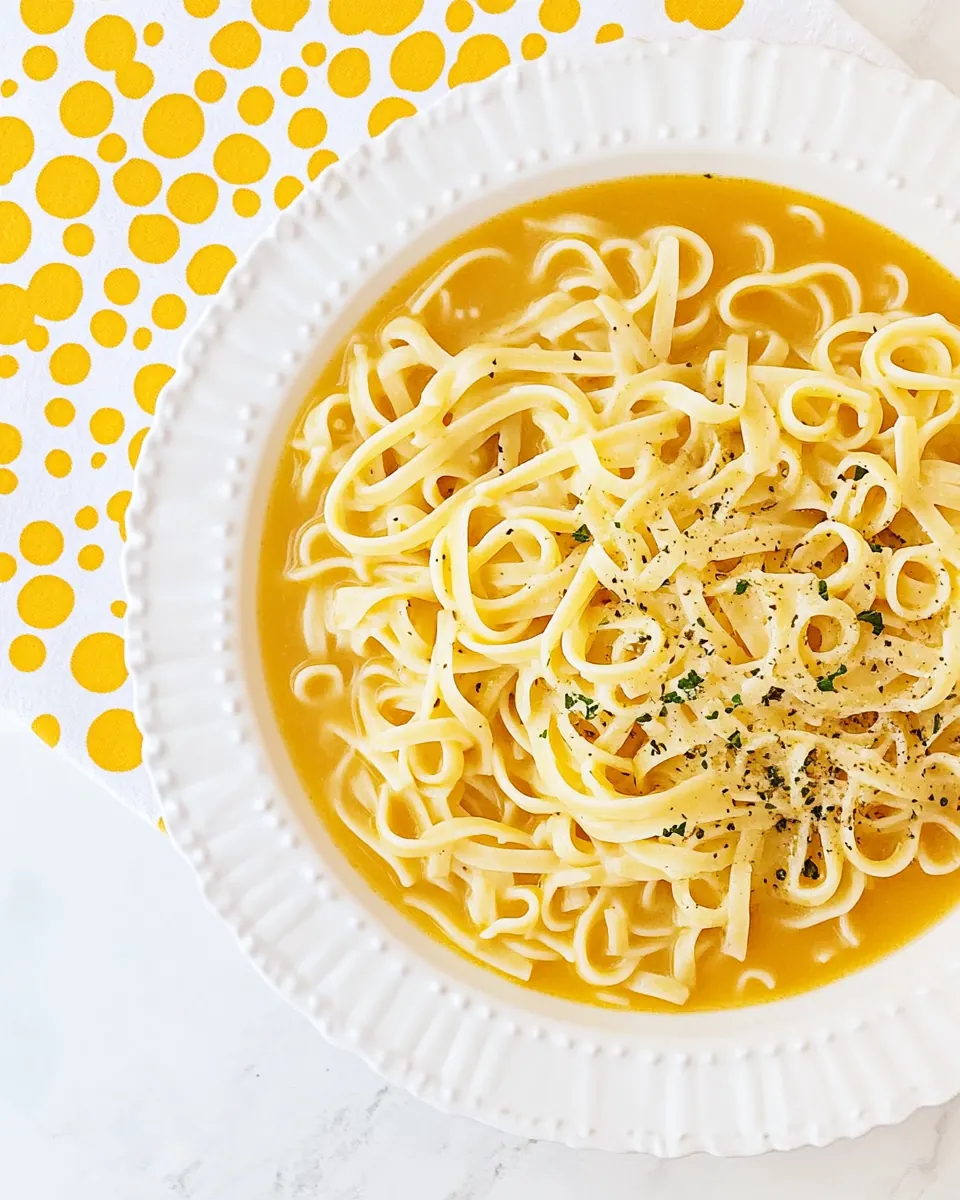
This recipe moves from a simple vegetable simmer to a soothing bowl of pasta in warm broth. Below I expand each direction so you can follow sensory cues and troubleshoot along the way. Take your time with the simmer, and trust the smells to tell you when it is ready.
- Peel and roughly chop the vegetables. Add to the pot with the water (or chicken broth) and bring to a simmer over medium heat. Simmer, covered, for about 20-25 minutes or until everything is soft when poked with a fork.: The aroma when you peel and chop fresh onion , carrots , and celery is immediate and bright, a green and sweet promise of the broth to come. As you chop, listen for the crisp snap of celery and notice the juice on the knife from carrots, which signals freshness. The reason for cutting roughly is to maximize surface area without turning the vegetables into dust, so they release their flavors steadily during simmering. A common mistake is chopping too finely, which can make the vegetables disintegrate too quickly and yield a murky broth. Keep your pieces similar in size so they cook evenly, and wipe the board between the onion and other vegetables if you are sensitive to its lingering pungency.
- Blend smooth. Return to the pot over medium-low heat.: As the liquid warms, you will first see small bubbles gather around the pot edges, and then a gentle steam rise. This moment is crucial because it extracts flavors without driving off volatile aromatics. Using medium heat keeps the broth clear and prevents the vegetables from boiling aggressively, which can break them down too fast and cloud the liquid. If your pot begins to boil hard, lower the heat, because hard boiling can emulsify the vegetables and make the broth cloudy. The smell should shift from raw vegetal to a softer, sweet-savoury scent within ten to fifteen minutes.
- Add the pasta. Cook, stirring often, until the pasta is just soft. This is typically 2 minutes more than the cooking time on the box.: A slow simmer lets the vegetables give up their body and sweetness, and when you test them with a fork they should yield easily without collapsing entirely. The sound at this stage is a very gentle bubbling, and the surface might ripple softly. This technique matters because it draws out gelatin and natural sugars in a controlled way, making the broth rounded and satisfying. Avoid lifting the lid unnecessarily, as that lets heat escape and can lengthen the cooking time. If your vegetables are still firm after 25 minutes, continue simmering and check every five minutes; undercooked vegetables will result in a thin, underflavored broth.
- Add optional seasonings and serve warm.: When you blend the cooked vegetables, the broth becomes silkier and more cohesive, with a velvety texture that cradles the tiny pasta . The smell intensifies into a comforting, homey aroma that feels nourishing. I usually use an immersion blender for convenience, pulsing until the texture is even but not overworked. This step matters because blending integrates the vegetables into the liquid, giving body without needing extra thickeners. One common mistake is over-blending to the point of making the mixture gluey, so pulse gently and stop when the texture looks creamy and even.
- Add more liquid, if desired, if the broth is absorbed by the pasta. Stir in the butter, if desired.: Bringing the blended broth back to a gentle warmth prepares the dish for the pasta . At this stage you want soft steam and only tiny bubbles, so medium low heat keeps the texture stable. The warm broth should smell rounded and inviting, not sharp or overly reduced. If you heat it too quickly on high, it can evaporate more water than intended and intensify saltiness; monitor the pot and stir occasionally to keep things even.
- (To make this with straight chicken broth, bring 6 cups to a simmer in a pot over medium-low heat. Continue with Step 3.): Dropping in the small pasta shapes changes the pot's rhythm, and you will often hear a slight change in the simmer as the pasta absorbs liquid. Tiny pasta cooks quickly, so expect texture changes within minutes. This technique matters because the pasta will release starch that slightly thickens the broth, making the mouthfeel more comforting. A frequent misstep is adding too much pasta, which soaks up all the broth and leaves the soup dry; measure carefully to maintain balance.
- Cook, stirring often, until the pasta is just soft: Stirring prevents the small pasta from clumping and keeps it suspended evenly in the broth. You should watch for a tender bite, aiming for just soft with a little tooth, not mushy. The sound is quiet now, mostly a gentle simmer, and visually the pasta will plump and move freely. This technique preserves the ideal texture, since tiny pasta can go from perfectly cooked to overdone in a minute or two. Avoid walking away during this stage; frequent stirring and tasting are your best safeguards.
- Add optional seasonings and serve warm: At serving time, taste and adjust with salt and pepper as needed. The broth will have developed sweetness and depth, and a final seasoning brightens those notes. Serving warm ensures the texture and aroma are at their best, and a spoonful should feel smooth and soothing. Be careful not to over-salt at this point, especially if you used chicken broth earlier, because it may already carry sodium. A light hand is often the best choice.
- Add more liquid if desired if the broth is absorbed by the pasta: If the pasta soaks up too much broth, simply pour in hot water or extra warm broth to restore the original, soupy consistency. The visual cue is when the pot looks thicker and the pasta sits proud instead of floating in liquid. This is a forgiving fix and keeps the final bowl pleasantly brothy. The trick is to rewarm the added liquid before pouring, so it does not cool the pot down. A common mistake is adding cold water, which can lower the temperature and disrupt cooking rhythm.
- Stir in the butter if desired: A tablespoon of unsalted butter swirled in at the end gives a glossy sheen and a round, comforting finish to the broth. The butter melts into the warm liquid and carries tiny flecks of flavor across your palate. This finishing touch matters because it smooths any edges and lifts mouthfeel without changing the core flavors. If you add it too early on high heat, it can separate, so fold it in just before serving for the best result.
- To make this with straight chicken broth bring 6 cups to a simmer in a pot over medium low heat Continue with Step 3: Starting with warm chicken broth concentrates savory notes and shortens the time needed to extract flavor, so bring it gently to a simmer before proceeding. The aroma will be richer and more herbaceous if you used homemade broth, and you should monitor salt because store bought versions vary. The why is simple; using broth changes the base character and can make the soup more savory without extra cooking. Avoid boiling fiercely, as that can reduce the broth and concentrate the saltiness too much.
Recipe Tips about Pasta in Brodo
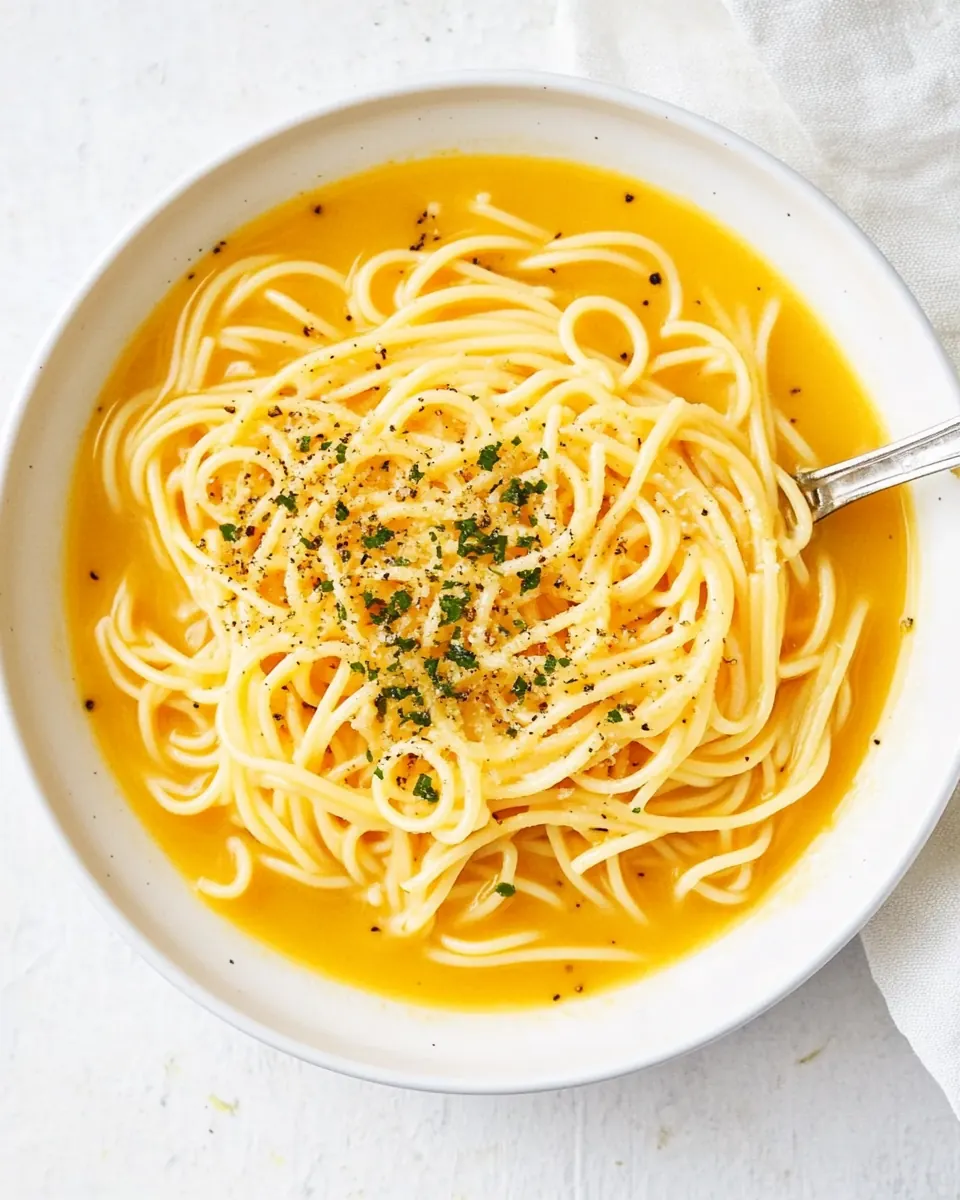
These tips reflect what I wish I knew the first few times I made this dish, practical tweaks that keep the soup balanced and soothing.
- Prep vegetables uniformly so they cook at the same rate, ensuring a balanced broth without overcooked or undercooked pieces.
- Choose small pasta shapes like orzo or pastina to maintain the right pasta to broth ratio and to make the soup easy to eat with a spoon.
- Control the simmer by keeping heat at medium low, which extracts flavor without breaking down the vegetables too aggressively.
- Reserve extra warm liquid to loosen the soup if the pasta absorbs too much broth, keeping the consistency comforting.
- Finish with butter or oil for a glossy mouthfeel and subtle richness that ties the broth and pasta together.
- Store and reheat gently by adding a splash of warm water or broth to revive the texture when reheating leftovers.
How to Enjoy Pasta in Brodo
This dish is versatile and approachable, suitable for quiet nights when you want something light and nurturing. Below are ideas for serving, occasions, and storage to help you make the most of it.
- Serve it as a simple lunch with a bowl and a crusty slice of bread for scooping, enjoying the gentle broth and tiny pasta shapes.
- Offer it as a starter for dinner to awaken appetites without filling guests, keeping the course light and comforting.
- Bring it to someone feeling under the weather because the warm, easy to swallow broth is soothing and hydrating.
- Pack leftovers for a quick meal by storing in an airtight container and adding a splash of broth when reheating to restore the original texture.
- Enjoy during winter evenings when the warm broth and tiny pasta feel especially comforting and restorative.
- Pair with simple accompaniments such as a green salad or steamed vegetables for a rounded meal without overpowering the delicate broth.
FAQ
Conclusion
Pasta in Brodo is special because it turns a few simple vegetables and tiny pasta into a deeply comforting and nourishing bowl. The gentle simmer brings out natural sweetness from the carrots and savory depth from the onion and celery, while the small pasta adds tender texture that makes each spoonful satisfying. I encourage you to give it a try on a chilly evening or when you want something soothing and uncomplicated; it is forgiving, quick to assemble, and deeply rewarding. Invite a friend or enjoy it solo, and let the warmth and simplicity of this dish do the comforting work for you.
Pasta in Brodo
Equipment
- Calphalon 5-Quart Pot
- Cutting Board
Ingredients
- 1 onion (small) Provide aromatic sweetness and a mild bite, building the foundational flavor for the broth; peel and halve or chop finely, then sauté or simmer until translucent to release natural sugars that enrich the stock.
- 4 carrots (medium) Add natural sweetness and body to the broth while contributing subtle earthy notes; scrub and chop into coins or chunks so they release flavor and slight starchiness when simmered.
- 4 celery ribs Contribute savory, slightly bitter undertones and aromatic depth; trim and chop the ribs finely to maximize surface area so celery infusion balances the sweetness of carrots and onion.
- 8 cups water (or reduced-sodium chicken broth) Create the liquid base and control the overall intensity of the soup; use as the simmering medium to extract flavors from vegetables and adjust with reduced-sodium broth for added depth and less salt.
- 8 ounces small pasta (stars, orzo, ABC pasta, O-ring pasta, or pastina) Provide texture and substance to the finished soup while absorbing broth flavors; choose a small-shaped pasta and add near the end of cooking so it becomes tender without overcooking or turning mushy.
- 1 tablespoon unsalted butter or olive oil Develop richness and mouthfeel while gently coating the pasta and broth; melt butter or warm oil briefly to bloom flavors and finish the soup with a glossy, balanced finish.
- Salt and pepper (to taste, optional) Enhance and balance overall taste by adjusting seasoning to personal preference; add incrementally during cooking and at the end, tasting to avoid overpowering the delicate broth.
Instructions
- Peel and roughly chop the vegetables. Add to the pot with the water (or chicken broth) and bring to a simmer over medium heat. Simmer, covered, for about 20-25 minutes or until everything is soft when poked with a fork.: The aroma when you peel and chop fresh onion , carrots , and celery is immediate and bright, a green and sweet promise of the broth to come. As you chop, listen for the crisp snap of celery and notice the juice on the knife from carrots, which signals freshness. The reason for cutting roughly is to maximize surface area without turning the vegetables into dust, so they release their flavors steadily during simmering. A common mistake is chopping too finely, which can make the vegetables disintegrate too quickly and yield a murky broth. Keep your pieces similar in size so they cook evenly, and wipe the board between the onion and other vegetables if you are sensitive to its lingering pungency.
- Blend smooth. Return to the pot over medium-low heat.: As the liquid warms, you will first see small bubbles gather around the pot edges, and then a gentle steam rise. This moment is crucial because it extracts flavors without driving off volatile aromatics. Using medium heat keeps the broth clear and prevents the vegetables from boiling aggressively, which can break them down too fast and cloud the liquid. If your pot begins to boil hard, lower the heat, because hard boiling can emulsify the vegetables and make the broth cloudy. The smell should shift from raw vegetal to a softer, sweet-savoury scent within ten to fifteen minutes.
- Add the pasta. Cook, stirring often, until the pasta is just soft. This is typically 2 minutes more than the cooking time on the box.: A slow simmer lets the vegetables give up their body and sweetness, and when you test them with a fork they should yield easily without collapsing entirely. The sound at this stage is a very gentle bubbling, and the surface might ripple softly. This technique matters because it draws out gelatin and natural sugars in a controlled way, making the broth rounded and satisfying. Avoid lifting the lid unnecessarily, as that lets heat escape and can lengthen the cooking time. If your vegetables are still firm after 25 minutes, continue simmering and check every five minutes; undercooked vegetables will result in a thin, underflavored broth.
- Add optional seasonings and serve warm.: When you blend the cooked vegetables, the broth becomes silkier and more cohesive, with a velvety texture that cradles the tiny pasta . The smell intensifies into a comforting, homey aroma that feels nourishing. I usually use an immersion blender for convenience, pulsing until the texture is even but not overworked. This step matters because blending integrates the vegetables into the liquid, giving body without needing extra thickeners. One common mistake is over-blending to the point of making the mixture gluey, so pulse gently and stop when the texture looks creamy and even.
- Add more liquid, if desired, if the broth is absorbed by the pasta. Stir in the butter, if desired.: Bringing the blended broth back to a gentle warmth prepares the dish for the pasta . At this stage you want soft steam and only tiny bubbles, so medium low heat keeps the texture stable. The warm broth should smell rounded and inviting, not sharp or overly reduced. If you heat it too quickly on high, it can evaporate more water than intended and intensify saltiness; monitor the pot and stir occasionally to keep things even.
- (To make this with straight chicken broth, bring 6 cups to a simmer in a pot over medium-low heat. Continue with Step 3.): Dropping in the small pasta shapes changes the pot's rhythm, and you will often hear a slight change in the simmer as the pasta absorbs liquid. Tiny pasta cooks quickly, so expect texture changes within minutes. This technique matters because the pasta will release starch that slightly thickens the broth, making the mouthfeel more comforting. A frequent misstep is adding too much pasta, which soaks up all the broth and leaves the soup dry; measure carefully to maintain balance.
- Cook, stirring often, until the pasta is just soft: Stirring prevents the small pasta from clumping and keeps it suspended evenly in the broth. You should watch for a tender bite, aiming for just soft with a little tooth, not mushy. The sound is quiet now, mostly a gentle simmer, and visually the pasta will plump and move freely. This technique preserves the ideal texture, since tiny pasta can go from perfectly cooked to overdone in a minute or two. Avoid walking away during this stage; frequent stirring and tasting are your best safeguards.
- Add optional seasonings and serve warm: At serving time, taste and adjust with salt and pepper as needed. The broth will have developed sweetness and depth, and a final seasoning brightens those notes. Serving warm ensures the texture and aroma are at their best, and a spoonful should feel smooth and soothing. Be careful not to over-salt at this point, especially if you used chicken broth earlier, because it may already carry sodium. A light hand is often the best choice.
- Add more liquid if desired if the broth is absorbed by the pasta: If the pasta soaks up too much broth, simply pour in hot water or extra warm broth to restore the original, soupy consistency. The visual cue is when the pot looks thicker and the pasta sits proud instead of floating in liquid. This is a forgiving fix and keeps the final bowl pleasantly brothy. The trick is to rewarm the added liquid before pouring, so it does not cool the pot down. A common mistake is adding cold water, which can lower the temperature and disrupt cooking rhythm.
- Stir in the butter if desired: A tablespoon of unsalted butter swirled in at the end gives a glossy sheen and a round, comforting finish to the broth. The butter melts into the warm liquid and carries tiny flecks of flavor across your palate. This finishing touch matters because it smooths any edges and lifts mouthfeel without changing the core flavors. If you add it too early on high heat, it can separate, so fold it in just before serving for the best result.
- To make this with straight chicken broth bring 6 cups to a simmer in a pot over medium low heat Continue with Step 3: Starting with warm chicken broth concentrates savory notes and shortens the time needed to extract flavor, so bring it gently to a simmer before proceeding. The aroma will be richer and more herbaceous if you used homemade broth, and you should monitor salt because store bought versions vary. The why is simple; using broth changes the base character and can make the soup more savory without extra cooking. Avoid boiling fiercely, as that can reduce the broth and concentrate the saltiness too much.
Notes
- Prep vegetables uniformly so they cook at the same rate, ensuring a balanced broth without overcooked or undercooked pieces.
- Choose small pasta shapes like orzo or pastina to maintain the right pasta to broth ratio and to make the soup easy to eat with a spoon.
- Control the simmer by keeping heat at medium low, which extracts flavor without breaking down the vegetables too aggressively.
- Reserve extra warm liquid to loosen the soup if the pasta absorbs too much broth, keeping the consistency comforting.
- Finish with butter or oil for a glossy mouthfeel and subtle richness that ties the broth and pasta together.
- Store and reheat gently by adding a splash of warm water or broth to revive the texture when reheating leftovers.
