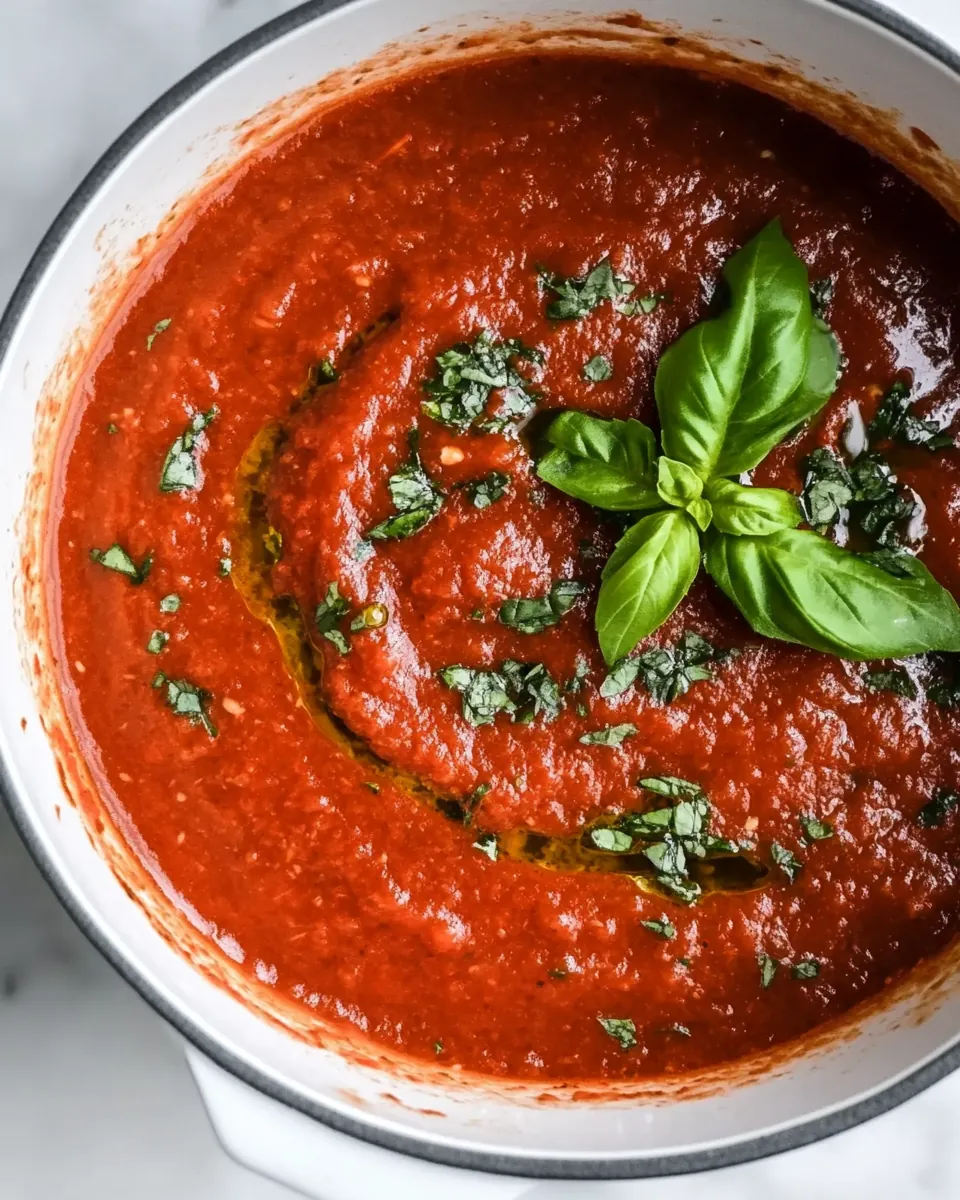
Easy Homemade Tomato Sauce
Easy Homemade Tomato Sauce is the kind of recipe I reach for when I want comfort in a jar and flavor that sings of sun warmed gardens.
I remember the first time I made this sauce on a humid summer evening, the whole kitchen scented with garlic and onion. I was short on time but wanted something real, so I pulled out the canned tomatoes and let the pot do the work. As it simmered, the house filled with an almost nostalgic aroma that made neighbors pop their heads in, curious. That slow bubbling sound felt like the kind of quiet company a meal needs.
Over the years I tuned the balance between bright acidity and gentle sweetness, learning that a spoonful of light brown sugar and a patient simmer coax out deep, rounded flavors without stealing the tomato moment. I like to finish the sauce with a hit of dried herbs, and usually it becomes the backbone for pasta nights, braises, or a simple bruschetta.
Recipe Snapshot
3 hr 5 mins
5 mins
180 mins
Hard
120 kcal
Italian
Vegan, Gluten-Free
Dinner
Large pot, Wooden spoon, Immersion blender
Why This Easy Homemade Tomato Sauce Works
1. Pure tomato flavor, nothing hidden
I love this sauce because it celebrates the tomato in a direct way. Using whole canned tomatoes gives you ripe tomato flavor any time of year, and the texture you get after simmering feels authentic, not processed. I often lean on this for an easy weeknight dinner when I want something honest and satisfying.
2. Effortless technique for impressive results
There is so little fuss here but so much payoff. A bit of extra virgin olive oil, a softening of the onion, and a quick hit of garlic builds a flavor base that feels like real cooking. I appreciate that this method is forgiving, so even if you get distracted, the sauce keeps improving with time.
3. Flexible and multipurpose
What I really adore is how versatile the sauce is. It becomes a cozy bowl of pasta, a pizza topping, or a simmering companion for meatballs or vegetables, though I stick to the ingredient list here. Because it stores beautifully, I often make a big batch and lean on it throughout the week for quick meals.
4. Pantry friendly, season independent
Even though I first learned this in summer, the recipe is pantry friendly and perfect when fresh tomatoes are not available. Stacked cans of high quality whole tomatoes let you produce a sauce that tastes like summer, even in colder months.
5. Small adjustments, big differences
I find that tiny tweaks, like a splash of tomato paste or a pinch of crushed red pepper, can shift the personality of the sauce from sweet and mellow to bright and lively. It’s a recipe that rewards gentle experimentation, and that keeps me coming back.
What You’ll Need for Easy Homemade Tomato Sauce
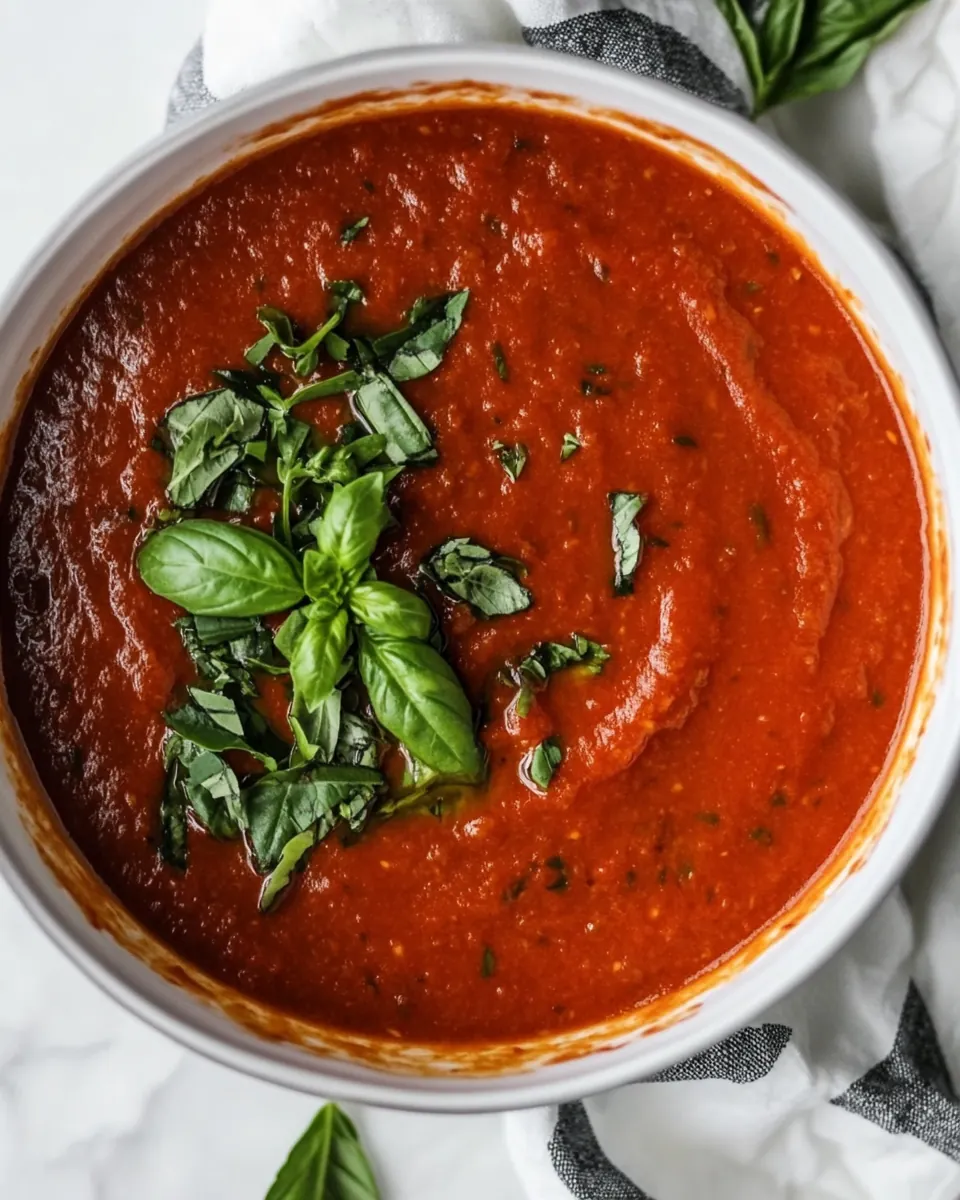
The philosophy behind these ingredients is simplicity. A few pantry staples combine to create depth, acidity, and balance. The extra virgin olive oil and onion form a savory base, garlic gives aromatic lift, while the canned San Marzano whole tomatoes provide body and bright tomato flavor. A spoonful of tomato paste and light brown sugar balance richness and acidity, and the dried herbs bring an Italian herbaceousness that ties everything together.
- 1 tablespoon extra virgin olive oil: Enhance richness and mouthfeel by coating the pan and gently sautéing aromatics; extra virgin olive oil also adds a fruity, slightly peppery flavor that complements tomatoes. Use moderate heat to avoid burning and preserve its nuanced taste, contributing to a balanced sauce.
- 1/2 cup diced onion: Provide a sweet, savory foundation when softened; diced onion releases natural sugars that deepen the sauce's flavor and add body. Cook until translucent to mellow sharpness and build complexity through caramelization.
- 6 cloves minced garlic: Infuse robust garlic aroma and savory depth when minced and briefly sautéed; garlic adds a warm, pungent backbone to the sauce. Add toward the end of sweating onions to prevent bitterness from overcooking.
- 3 (28-ounce) cans San Marzano whole tomatoes: Contribute the primary tomato base with concentrated, bright flavor and natural acidity; whole San Marzano tomatoes offer a balanced sweetness and thick texture ideal for sauce. Crush by hand or with a blender for desired consistency and simmer to meld flavors.
- 2 tablespoon tomato paste: Concentrate tomato intensity and thicken sauce texture; tomato paste provides a deep, savory umami that enhances overall tomato profile. Brown briefly before adding liquids to develop a caramelized, richer flavor.
- 2 teaspoon dried basil: Impart aromatic, slightly sweet herbal notes and a classic Italian profile; dried basil adds warmth and a hint of anise-like sweetness to the sauce. Sprinkle in during simmering so flavors rehydrate and integrate.
- 2 teaspoon dried oregano: Add savory, earthy, and slightly bitter herbal complexity; dried oregano lends a robust Mediterranean character that pairs well with tomatoes and garlic. Include early in the simmer to allow full flavor release and softening.
- 1 1/2 teaspoons salt: Season and balance flavors while enhancing overall taste perception; salt amplifies natural sweetness of tomatoes and harmonizes other seasonings. Adjust to taste during cooking and after reduction to avoid over-salting.
- 3/4 teaspoon ground black pepper: Provide mild pungency and depth without overpowering; ground black pepper adds warmth and a subtle heat that complements other spices. Add freshly ground for best aroma and adjust quantity to preference.
- 1/4 1/2 teaspoon crushed red pepper: Introduce adjustable heat and a touch of spice to brighten the sauce; crushed red pepper allows control from mild warmth to noticeable kick. Add incrementally while simmering to reach the desired spiciness.
- 1 tablespoon light brown sugar: Balance acidity and enhance overall sweetness with a light caramel note; light brown sugar softens sharp tomato tang and rounds out flavors. Stir in small amounts and taste as the sauce reduces to achieve harmony.
How to Prepare Easy Homemade Tomato Sauce
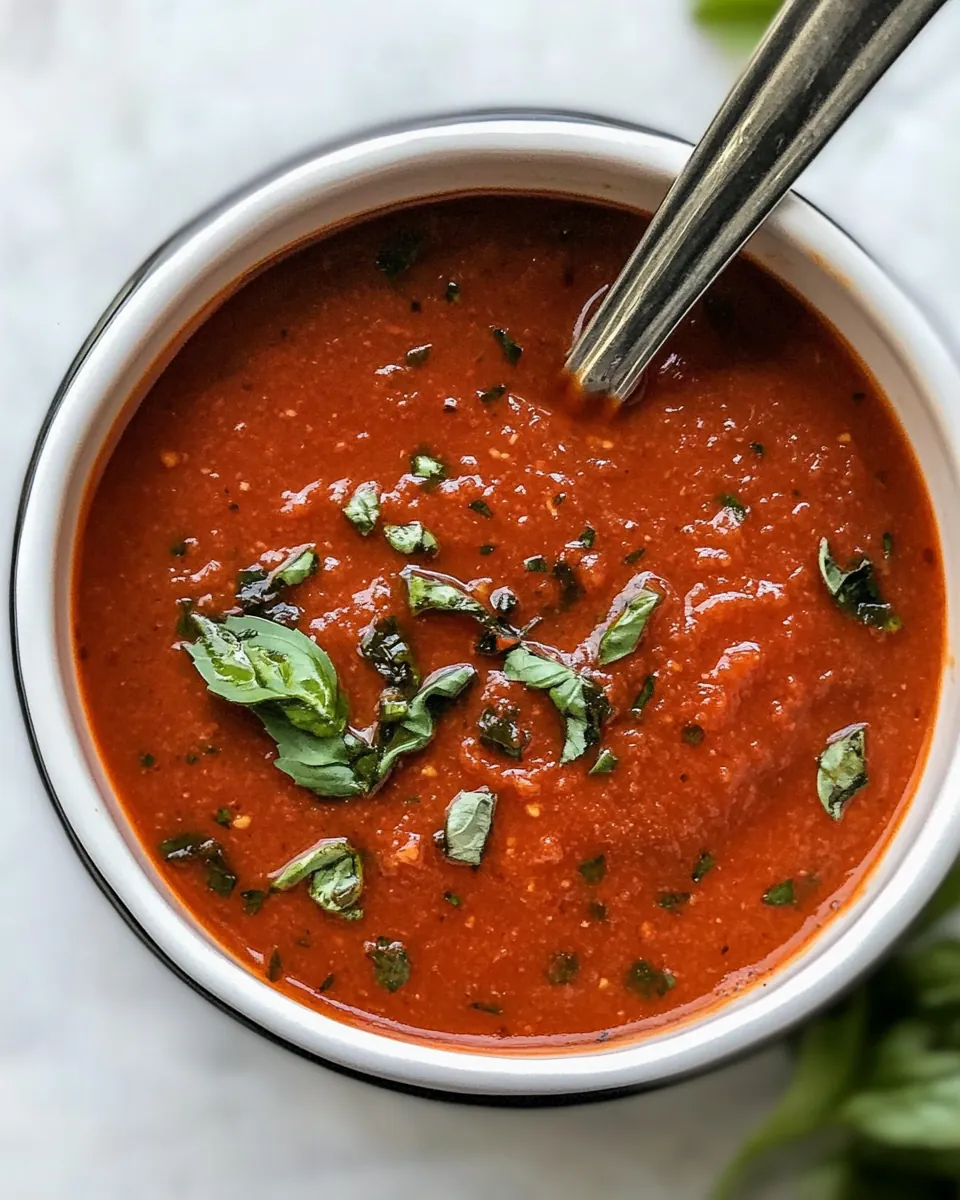
This sauce is reassuringly simple, and the real work happens slowly. Follow these steps and let the pot teach you through sound and scent. I like to stay nearby for the first stages, then check in occasionally while it simmers long and low.
- Heat 1 tablespoon extra virgin olive oil in a large pot over medium heat. Add the 1/2 cup diced onion and cook until softened 2-3 minutes. Stir in the minced 6 cloves minced garlic and cook for an additional 30 seconds until fragrant.: The sound of a gentle shimmer signals the right temperature, and the oil should spread evenly across the pan. You will smell a faint fruity note as the oil warms. This step helps carry flavors of the onion and garlic and prevents sticking. If the oil begins to smoke, reduce the heat immediately, as that will impart a burnt flavor.
- Pour in the 3 (28-ounce) cans San Marzano whole tomatoes, 2 tablespoon tomato paste, 2 teaspoon dried basil, 2 teaspoon dried oregano, 1 1/2 teaspoon salt, 3/4 teaspoon ground black pepper, 1/4-1/2 teaspoon crushed red pepper, and 1 tablespoon light brown sugar. Stir to combine.: As the onion softens it becomes translucent and slightly sweet, releasing savory juices that coat the spoon. The sizzling will quieten and the edges will lose their raw bite. If you cook too fast, the onion may brown, introducing bitterness, so keep the heat moderate and stir to promote even softening.
- Bring the sauce to a simmer, reduce heat, cover, and allow to simmer over low heat for 2-3 hours, stirring occasionally.: You will notice a bright, aromatic lift almost immediately, and the kitchen will smell warmly garlicky. This short cook time keeps the garlic tender and fragrant without turning bitter. Avoid leaving it unattended, because garlic can burn in a flash and develop a harsh, acrid taste.
- While cooking the tomatoes will break down, creating a thick sauce. You can use an immersion blender or food processor to blend the tomatoes to create a smoother sauce.: When you add the canned San Marzano whole tomatoes and seasonings, you will hear a soft splash and then a gentle simmer as the pot returns to heat. Use a spoon to break whole tomatoes apart slightly, and mix the tomato paste so it dissolves into the liquid. The aroma will transition from raw to layered and rich. A common mistake is not dispersing the paste, which can leave concentrated pockets of intense flavor.
- Serve immediately over noodles, or store in a sealed container in the refrigerator for 3 days.: As the ingredients meld, the sauce will look more harmonious, and small bubbles will form around the edges. Stirring ensures the herbs and seasonings distribute evenly, preventing salty or spicy pockets. If you under stir, you may find uneven seasoning in the finished sauce.
- Bring the sauce to a simmer, reduce heat, cover, and allow to simmer over low heat for 2 to 3 hours, stirring occasionally: The long simmer is where flavor deepens and textures transform. You will see the sauce reduce, thicken, and develop a deeper color. The aroma shifts from bright to rounded, and the sound becomes a slow, steady bubble. Low heat prevents scorching on the bottom. Stir every 15 to 20 minutes, scraping the pot base to avoid localized burning, which is the most common pitfall during long simmers.
- While cooking the tomatoes will break down, creating a thick sauce: The visual cue is the sauce losing watery separation and appearing glossy and cohesive. The texture should feel velvety on the spoon, and the taste will mellow as sweetness and acidity marry. If the sauce remains too watery after the allotted time, simmer uncovered for a bit longer to evaporate excess liquid, watching to prevent burning.
- You can use an immersion blender or food processor to blend the tomatoes to create a smoother sauce: Blending changes both texture and perception of flavor, making it silkier and more uniform. An immersion blender gives you control over smoothness while still in the pot, and a food processor requires cooling before blending but yields a very smooth result. Avoid over-blending if you prefer some texture; excessive blending can flatten the dynamic mouthfeel.
- Serve immediately over noodles, or store in a sealed container in the refrigerator for 3 days: When served warm, the sauce should cling to pasta, coating each strand or shape. If storing, let the sauce cool slightly before sealing to preserve flavor and prevent condensation. Reheat gently to avoid breaking the sauce. A frequent error is refrigerating while still steaming, which can lead to excess moisture and diluted flavor when reheated.
Substitutions and Tips
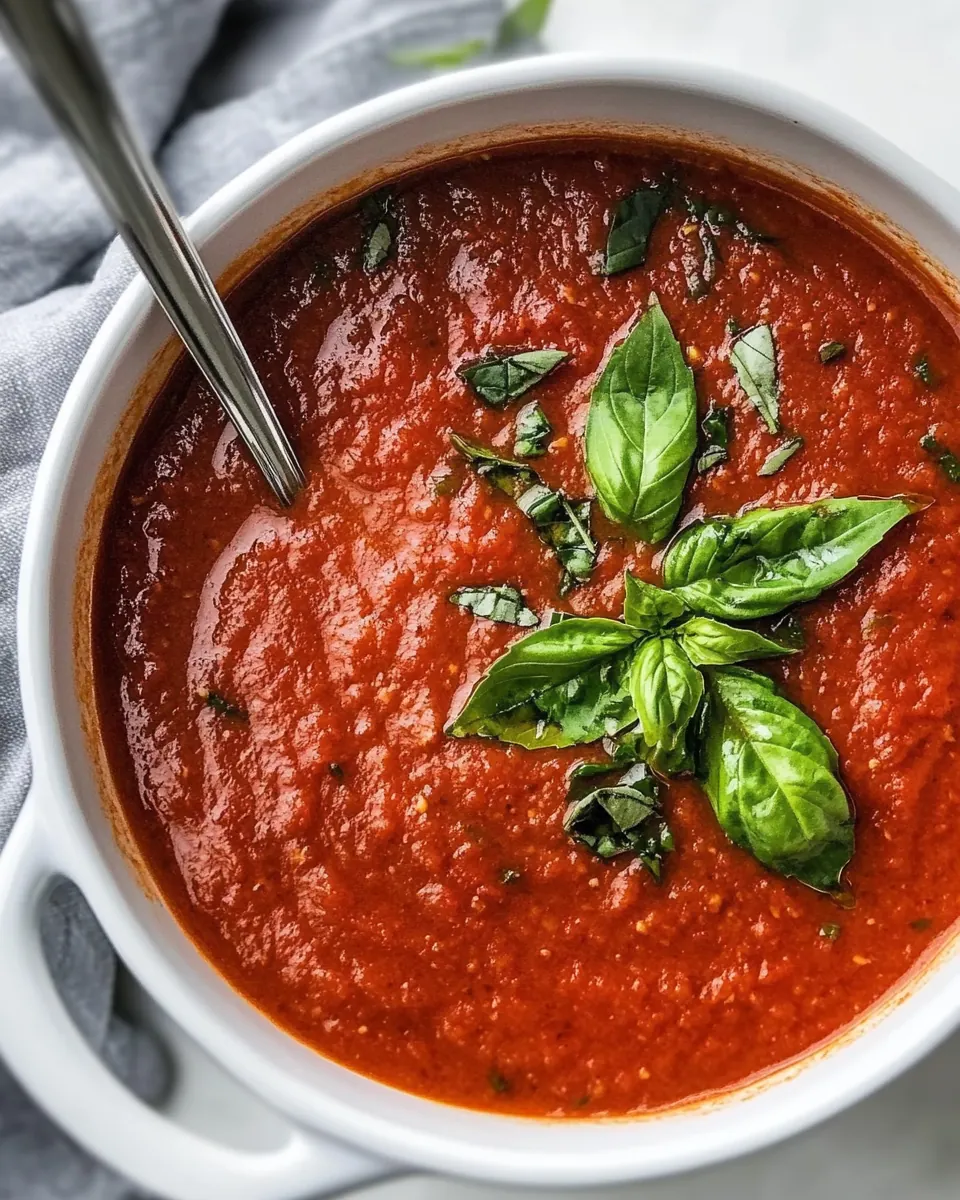
I like to keep substitutions simple and honest so that the sauce stays true to its tomato forward character. Small swaps can accommodate pantry limits while maintaining the core flavor profile. Below are practical tips I use when I am short on one ingredient or need to adapt the method for time or texture.
- Oil alternative: If you prefer a lighter fat, you can use a neutral vegetable oil in place of extra virgin olive oil, though the fruity olive flavor will be milder.
- Onion variation: Yellow or sweet onions work best for natural sweetness, but if you only have white onion the sauce will still be fine, with a slightly sharper edge.
- Garlic timing: Add garlic after the onion softens and watch it closely; burned garlic gives a bitter note that lingers.
- Tomato options: When San Marzano whole tomatoes are unavailable, opt for high quality whole peeled tomatoes; avoid low quality crushed tomatoes that can taste flat.
- Herb swaps: If you are out of dried basil or oregano, a teaspoon of mixed Italian herbs can fill in, though the flavor will be slightly different.
- Thickness control: If your sauce becomes too thick, stir in a little reserved tomato liquid or water; if too thin, simmer uncovered to reduce without adding salt.
- Blending choice: Use an immersion blender for control, or a food processor for very smooth texture, but let the sauce cool a bit before transferring to avoid splatters.
- Salt adjustment: Always taste toward the end of cooking before adding more salt, as flavors concentrate during reduction.
- Heat level: Increase the crushed red pepper slightly for more kick, adding early for infused heat or at the end for a fresher punch.
- Sweetness balance: Add light brown sugar in small increments to tame acidity, and taste as you go to avoid over sweetness.
Serving This Easy Homemade Tomato Sauce
This sauce is a terrific all purpose foundation for many meals. I often serve it simply with pasta, or use it as a base for baked dishes and slow braises. It fits casual weeknight dinners as well as more thoughtful weekend meals. Below are serving ideas, pairing suggestions, and storage notes to help you get the most from a batch.
- Classic pasta pairing: Toss warm sauce with al dente pasta and finish with a drizzle of olive oil for a comforting meal.
- Pizza base: Spread a thin layer on pizza dough before baking for an immediate, bright tomato profile.
- Vegetable braise: Simmer roasted vegetables in the sauce to create a hearty, tomato forward side or main.
- Meat accompaniment: Use as a simmering bed for meatballs or poultry to infuse them with tomato and herb flavors.
- Appetizer use: Warm and serve with toasted bread or crostini for a simple starter.
- Meal prep: Portion into jars and refrigerate for up to three days for quick assembly of meals during the week.
- Freezing note: Freeze in labeled containers for longer storage, leaving headspace as the sauce will expand when frozen.
- Reheating tips: Reheat gently over low heat with a splash of water if needed to bring back saucy fluidity, stirring to prevent sticking.
- Seasonal occasions: I reach for this sauce during summer when it echoes garden flavors, but it also brightens winter menus when fresh tomatoes are scarce.
- Serving style: Present hot in a warmed bowl and offer grated cheese at the table if desired, allowing guests to finish their plates as they prefer.
FAQ
Conclusion
This Easy Homemade Tomato Sauce stands out for its honest tomato flavor and forgiving technique that rewards patience. Try it because it transforms simple pantry ingredients into a versatile, flavorful base for pasta, pizza, and more, and it stores well so you can rely on it all week. Give it a go and let the slow simmer teach you how small, thoughtful steps yield a deeply satisfying sauce you will want to make again.
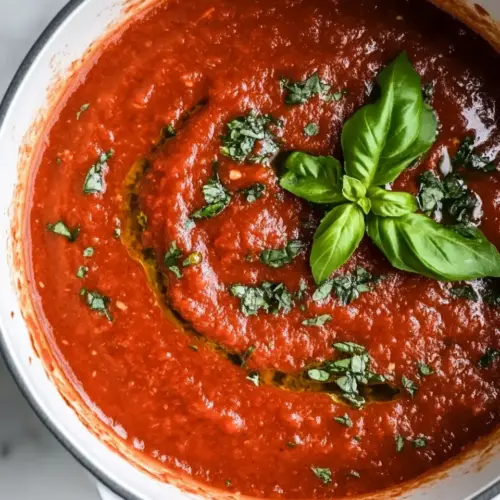
Easy Homemade Tomato Sauce
Equipment
- Large Pot
- Wooden Spoon
- Immersion Blender
Ingredients
- 1 tablespoon extra virgin olive oil Enhance richness and mouthfeel by coating the pan and gently sautéing aromatics; extra virgin olive oil also adds a fruity, slightly peppery flavor that complements tomatoes. Use moderate heat to avoid burning and preserve its nuanced taste, contributing to a balanced sauce.
- 1/2 cup diced onion Provide a sweet, savory foundation when softened; diced onion releases natural sugars that deepen the sauce's flavor and add body. Cook until translucent to mellow sharpness and build complexity through caramelization.
- 6 cloves minced garlic Infuse robust garlic aroma and savory depth when minced and briefly sautéed; garlic adds a warm, pungent backbone to the sauce. Add toward the end of sweating onions to prevent bitterness from overcooking.
- 3 (28-ounce) cans San Marzano whole tomatoes Contribute the primary tomato base with concentrated, bright flavor and natural acidity; whole San Marzano tomatoes offer a balanced sweetness and thick texture ideal for sauce. Crush by hand or with a blender for desired consistency and simmer to meld flavors.
- 2 tablespoon tomato paste Concentrate tomato intensity and thicken sauce texture; tomato paste provides a deep, savory umami that enhances overall tomato profile. Brown briefly before adding liquids to develop a caramelized, richer flavor.
- 2 teaspoon dried basil Impart aromatic, slightly sweet herbal notes and a classic Italian profile; dried basil adds warmth and a hint of anise-like sweetness to the sauce. Sprinkle in during simmering so flavors rehydrate and integrate.
- 2 teaspoon dried oregano Add savory, earthy, and slightly bitter herbal complexity; dried oregano lends a robust Mediterranean character that pairs well with tomatoes and garlic. Include early in the simmer to allow full flavor release and softening.
- 1 1/2 teaspoons salt Season and balance flavors while enhancing overall taste perception; salt amplifies natural sweetness of tomatoes and harmonizes other seasonings. Adjust to taste during cooking and after reduction to avoid over-salting.
- 3/4 teaspoon ground black pepper Provide mild pungency and depth without overpowering; ground black pepper adds warmth and a subtle heat that complements other spices. Add freshly ground for best aroma and adjust quantity to preference.
- 1/4 -1/2 teaspoon crushed red pepper Introduce adjustable heat and a touch of spice to brighten the sauce; crushed red pepper allows control from mild warmth to noticeable kick. Add incrementally while simmering to reach the desired spiciness.
- 1 tablespoon light brown sugar Balance acidity and enhance overall sweetness with a light caramel note; light brown sugar softens sharp tomato tang and rounds out flavors. Stir in small amounts and taste as the sauce reduces to achieve harmony.
Instructions
- Heat 1 tablespoon extra virgin olive oil in a large pot over medium heat. Add the 1/2 cup diced onion and cook until softened 2-3 minutes. Stir in the minced 6 cloves minced garlic and cook for an additional 30 seconds until fragrant.: The sound of a gentle shimmer signals the right temperature, and the oil should spread evenly across the pan. You will smell a faint fruity note as the oil warms. This step helps carry flavors of the onion and garlic and prevents sticking. If the oil begins to smoke, reduce the heat immediately, as that will impart a burnt flavor.
- Pour in the 3 (28-ounce) cans San Marzano whole tomatoes, 2 tablespoon tomato paste, 2 teaspoon dried basil, 2 teaspoon dried oregano, 1 1/2 teaspoon salt, 3/4 teaspoon ground black pepper, 1/4-1/2 teaspoon crushed red pepper, and 1 tablespoon light brown sugar. Stir to combine.: As the onion softens it becomes translucent and slightly sweet, releasing savory juices that coat the spoon. The sizzling will quieten and the edges will lose their raw bite. If you cook too fast, the onion may brown, introducing bitterness, so keep the heat moderate and stir to promote even softening.
- Bring the sauce to a simmer, reduce heat, cover, and allow to simmer over low heat for 2-3 hours, stirring occasionally.: You will notice a bright, aromatic lift almost immediately, and the kitchen will smell warmly garlicky. This short cook time keeps the garlic tender and fragrant without turning bitter. Avoid leaving it unattended, because garlic can burn in a flash and develop a harsh, acrid taste.
- While cooking the tomatoes will break down, creating a thick sauce. You can use an immersion blender or food processor to blend the tomatoes to create a smoother sauce.: When you add the canned San Marzano whole tomatoes and seasonings, you will hear a soft splash and then a gentle simmer as the pot returns to heat. Use a spoon to break whole tomatoes apart slightly, and mix the tomato paste so it dissolves into the liquid. The aroma will transition from raw to layered and rich. A common mistake is not dispersing the paste, which can leave concentrated pockets of intense flavor.
- Serve immediately over noodles, or store in a sealed container in the refrigerator for 3 days.: As the ingredients meld, the sauce will look more harmonious, and small bubbles will form around the edges. Stirring ensures the herbs and seasonings distribute evenly, preventing salty or spicy pockets. If you under stir, you may find uneven seasoning in the finished sauce.
- Bring the sauce to a simmer, reduce heat, cover, and allow to simmer over low heat for 2 to 3 hours, stirring occasionally: The long simmer is where flavor deepens and textures transform. You will see the sauce reduce, thicken, and develop a deeper color. The aroma shifts from bright to rounded, and the sound becomes a slow, steady bubble. Low heat prevents scorching on the bottom. Stir every 15 to 20 minutes, scraping the pot base to avoid localized burning, which is the most common pitfall during long simmers.
- While cooking the tomatoes will break down, creating a thick sauce: The visual cue is the sauce losing watery separation and appearing glossy and cohesive. The texture should feel velvety on the spoon, and the taste will mellow as sweetness and acidity marry. If the sauce remains too watery after the allotted time, simmer uncovered for a bit longer to evaporate excess liquid, watching to prevent burning.
- You can use an immersion blender or food processor to blend the tomatoes to create a smoother sauce: Blending changes both texture and perception of flavor, making it silkier and more uniform. An immersion blender gives you control over smoothness while still in the pot, and a food processor requires cooling before blending but yields a very smooth result. Avoid over-blending if you prefer some texture; excessive blending can flatten the dynamic mouthfeel.
- Serve immediately over noodles, or store in a sealed container in the refrigerator for 3 days: When served warm, the sauce should cling to pasta, coating each strand or shape. If storing, let the sauce cool slightly before sealing to preserve flavor and prevent condensation. Reheat gently to avoid breaking the sauce. A frequent error is refrigerating while still steaming, which can lead to excess moisture and diluted flavor when reheated.
Notes
- Oil alternative: If you prefer a lighter fat, you can use a neutral vegetable oil in place of extra virgin olive oil, though the fruity olive flavor will be milder.
- Onion variation: Yellow or sweet onions work best for natural sweetness, but if you only have white onion the sauce will still be fine, with a slightly sharper edge.
- Garlic timing: Add garlic after the onion softens and watch it closely; burned garlic gives a bitter note that lingers.
- Tomato options: When San Marzano whole tomatoes are unavailable, opt for high quality whole peeled tomatoes; avoid low quality crushed tomatoes that can taste flat.
- Herb swaps: If you are out of dried basil or oregano, a teaspoon of mixed Italian herbs can fill in, though the flavor will be slightly different.
- Thickness control: If your sauce becomes too thick, stir in a little reserved tomato liquid or water; if too thin, simmer uncovered to reduce without adding salt.
- Blending choice: Use an immersion blender for control, or a food processor for very smooth texture, but let the sauce cool a bit before transferring to avoid splatters.
- Salt adjustment: Always taste toward the end of cooking before adding more salt, as flavors concentrate during reduction.
- Heat level: Increase the crushed red pepper slightly for more kick, adding early for infused heat or at the end for a fresher punch.
- Sweetness balance: Add light brown sugar in small increments to tame acidity, and taste as you go to avoid over sweetness.