Pumpkin Soup
Pumpkin Soup is one of those recipes I reach for when the light shifts and the air smells like toasted leaves, and the first spoon makes me sigh with relief.
Years ago I learned this version on a blustery afternoon while hosting a small group of friends who needed something comforting and simple. I remember standing over the stove stirring a pot, the whole kitchen filling with the warm notes of onion and garlic, and realizing how a few pantry staples could become something cohesive and memorable. That night we passed bowls back and forth, trading stories as the soup warmed our hands, and the memory stuck.
I love how Pumpkin Soup balances sweet and savory, and how a splash of creamy liquid makes the texture silkier without hiding the pumpkin‘s gentle presence. I often tweak little things depending on mood, but the heart of this recipe stays the same, a reliable bowl that says welcome. Try it with crusty garlic toast and you will understand why I come back to it each fall.
Recipe Snapshot
30 mins
5 mins
25 mins
Easy
250 kcal
American
Gluten-Free, Vegan
Soups
Dutch oven or large pot, Blender or food processor, Immersion blender, Ladle
What Makes This Pumpkin Soup Special
Comforting warmth in every spoonful
I adore how Pumpkin Soup offers immediate comfort, the kind that settles into your chest and makes you relax. The combination of smooth pumpkin purée and a touch of maple syrup creates a rounded sweetness that never feels cloying. When the soup is properly seasoned, each spoonful tastes homey and restrained, perfect for evenings when you want something soothing yet not fussy.
Fast but feel good
What draws me in is how quickly this comes together. From my experience, you can have a full pot on the table in under an hour, which makes it ideal for weeknight dinners or last minute guests. I value recipes that respect time without sacrificing flavor, and this one does exactly that. You get layered tastes without hours over the stove.
Flexible and forgiving
I appreciate that Pumpkin Soup adapts to what you have. Use chicken broth or vegetable stock based on preference, and the soup still sings. When I am cooking for vegetarians, swapping in vegetable broth keeps the dish just as gratifying. The texture can be adjusted by thinning with extra broth, so no stress if your first batch is a bit thick.
Elegant yet simple presentation
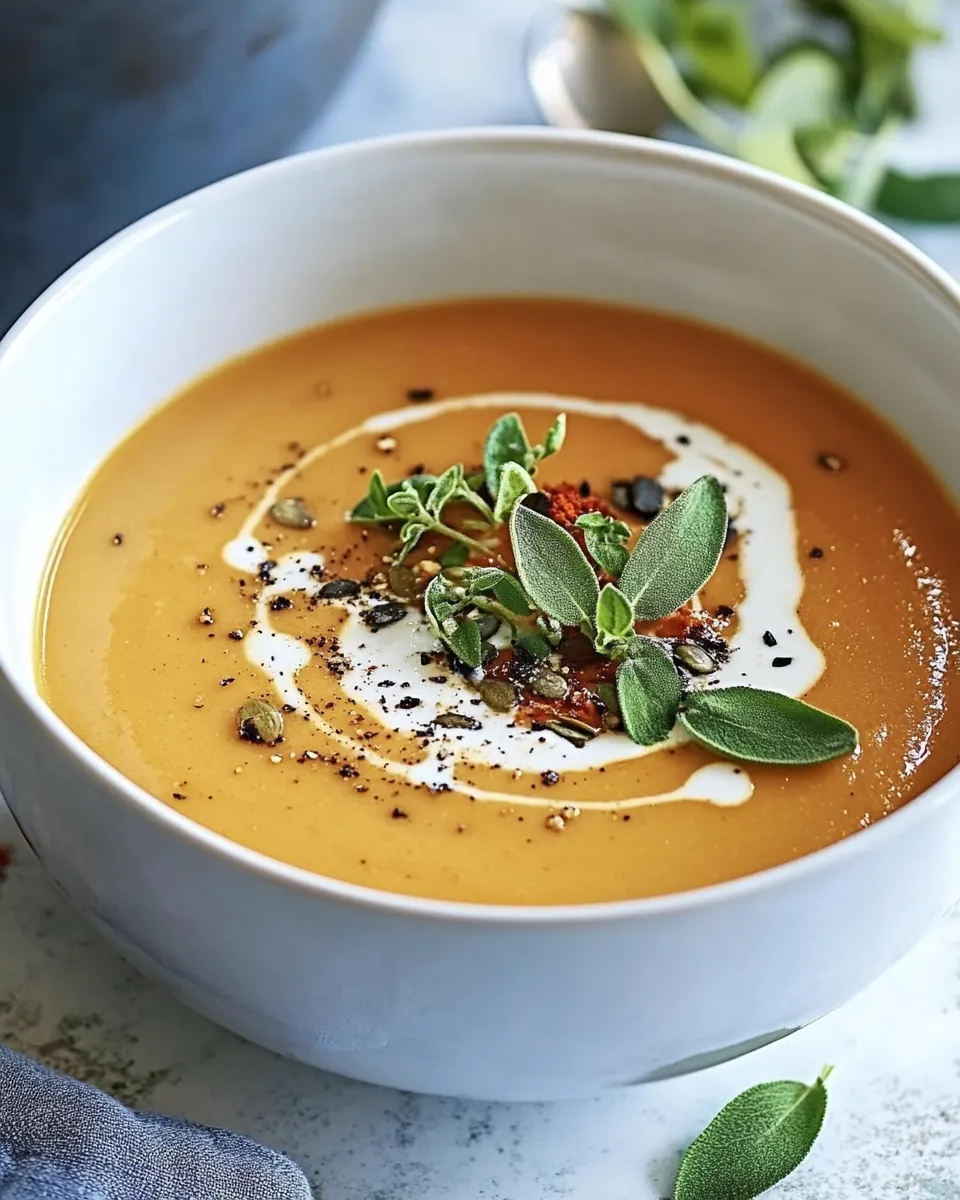
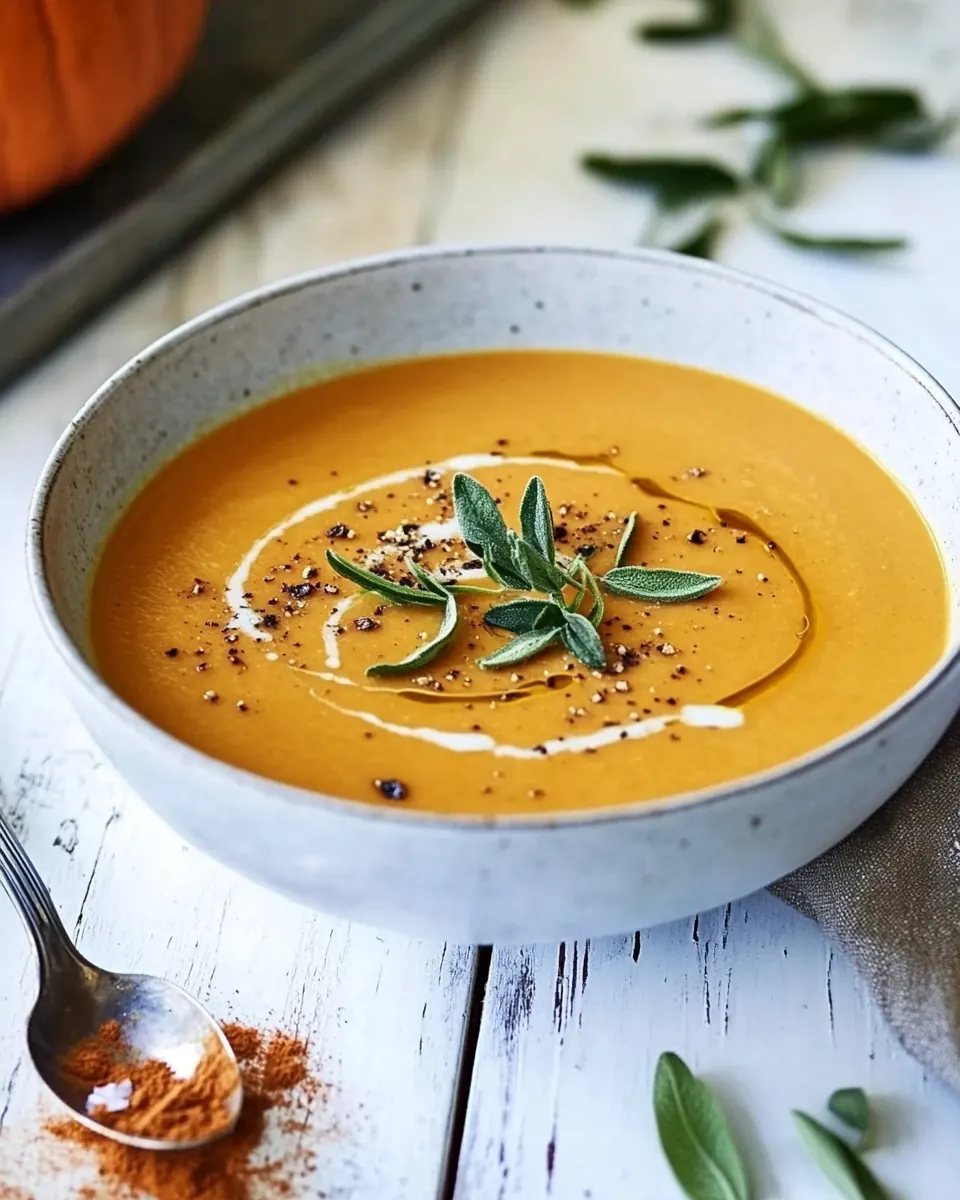
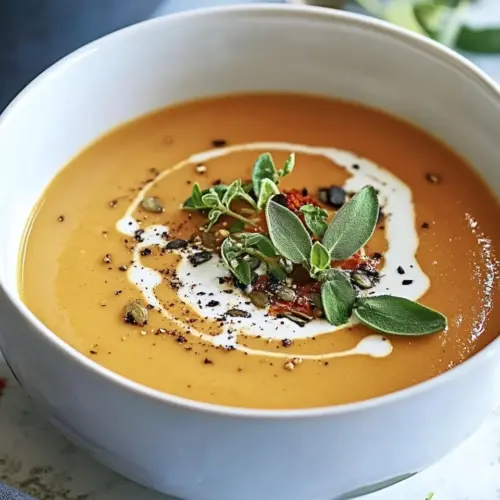
Garnish choices make this feel special. A drizzle of half-and-half and a few fresh sage leaves elevate the bowl visually and tastewise. I like that the final flourish is quick but effective, turning a humble soup into something dinner-party worthy without extra work.
Kid friendly and crowd friendly
This soup hits wide appeal. The spices are gentle, and the sweetness from maple syrup is subtle enough that both kids and adults enjoy it. It scales easily for a larger table, and leftovers reheat reliably, which is always a win in my book.
Ingredient List for Pumpkin Soup
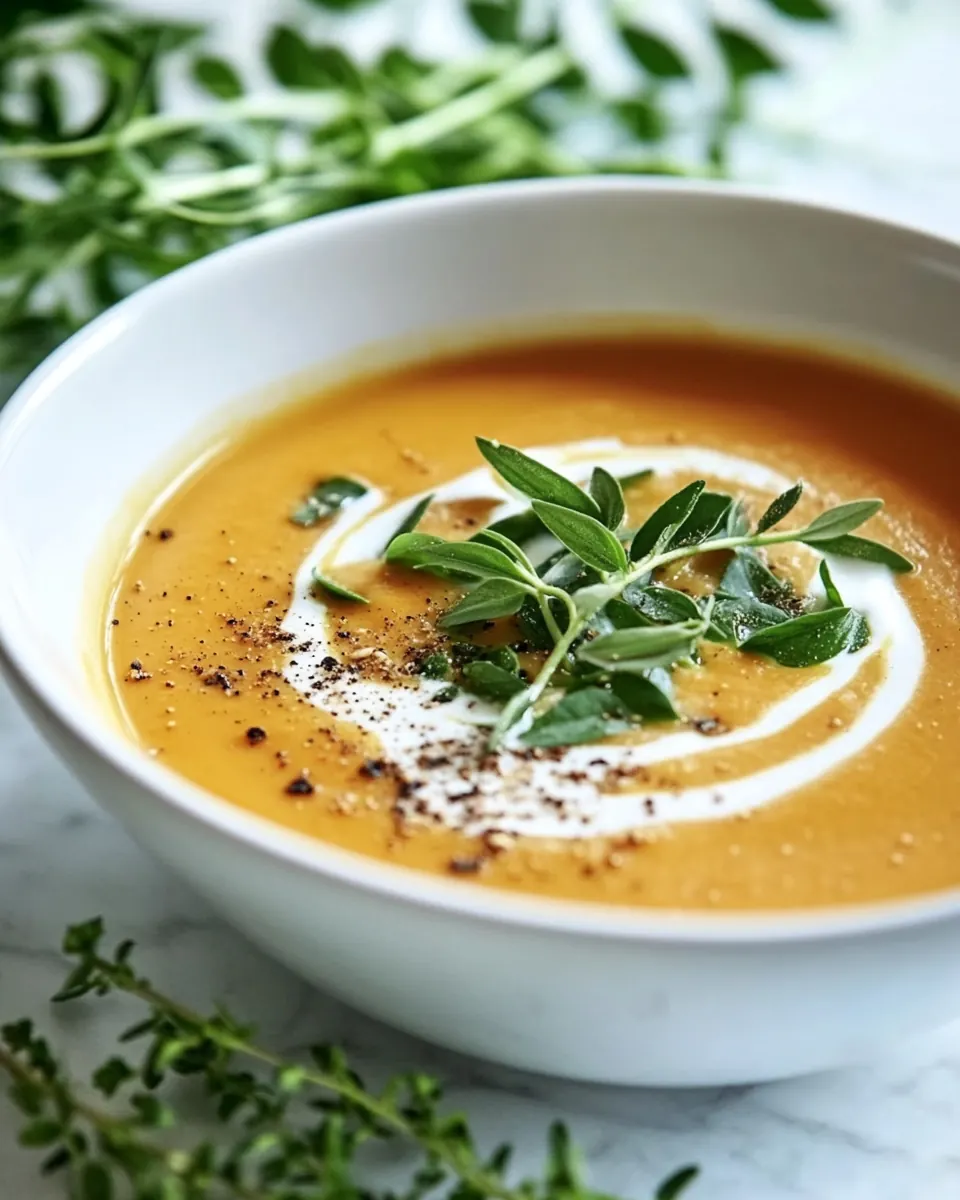
These ingredients are chosen to create a balanced, creamy bowl that feels both autumnal and approachable. The key players are the pumpkin purée for body and flavor, the aromatics like onion and garlic for depth, and the liquid components for smoothing texture. Spices such as coriander, cumin, and nutmeg add warmth without overpowering the pumpkin, while a little maple syrup brightens the overall profile.
- 2 tablespoons butter: Melted provides a rich base and helps sauté aromatics until translucent, imparting a silky mouthfeel to the soup. Balances sweetness from pumpkin and maple syrup while adding a luxurious finish when blended into the broth.
- 1 medium onion peeled and chopped (about 1 cup): Chopped contributes body and sweetness when caramelized, forming the aromatic backbone of the soup. Releases natural sugars and helps build depth of flavor during the initial sauté stage.
- 2 cloves garlic chopped: Minced brings pungent, savory notes that deepen the overall flavor profile when softened. Releases aromatic oils that complement the spices and enhance the savory-sweet balance of the pumpkin.
- 1/2 teaspoon ground coriander: Ground adds a warm, citrusy brightness that lifts the soup’s flavor without overwhelming it. Blends seamlessly with cumin and nutmeg to create a balanced spice character.
- 1/2 teaspoon ground cumin: Ground supplies earthy, slightly smoky warmth that pairs well with pumpkin and coriander. Reinforces savory depth and adds complexity to each spoonful.
- 1/4 teaspoon ground nutmeg: Ground introduces a subtle sweet-spicy warmth that enhances the autumnal character of the soup. Works in small amounts to prevent clashing with the other spices while offering aromatic nuance.
- 3 cups chicken broth or vegetable broth (see note 2): Simmered forms the liquid base that cooks the flavors together and adjusts soup consistency, whether using chicken or vegetable stock. Provides savory depth and salt balance while carrying the pumpkin puree into a smooth soup.
- 1 (15-ounce) can pumpkin purée (not pumpkin pie filling, see note 1): Pureed delivers the primary pumpkin flavor and creamy texture, defining the soup’s character and color. Blends into the broth to create body and natural sweetness without adding dairy fat.
- 1/4 cup maple syrup: Drizzled contributes natural sweetness and a hint of caramelized flavor that complements pumpkin and warm spices. Balances savory notes and can be adjusted to taste for desired sweetness.
- Salt and freshly ground black pepper: Seasoned allows final taste adjustment by enhancing all other flavors and balancing sweetness and acidity. Ground black pepper adds subtle heat while salt intensifies savory and sweet elements.
- 1/2 cup half-and-half plus more for drizzling (see note 3): Stirred-in enriches the soup with a creamy mouthfeel and mellows spices, creating a silky finish when blended. Can be reduced or substituted to control richness and calorie content.
- 1/3 cup fresh sage leaves for garnish, (see note 4) (optional): Garnishing provides an aromatic, herbaceous contrast and visual appeal when crisped or torn over the soup. Adds a fresh sage aroma that pairs particularly well with roasted pumpkin flavors.
- Garlic toast for serving: Served offers a crunchy, buttery accompaniment that soaks up the soup and adds texture contrast. Complements the creamy soup and makes the meal more satisfying when pieces are dipped or eaten alongside.
Directions for Pumpkin Soup
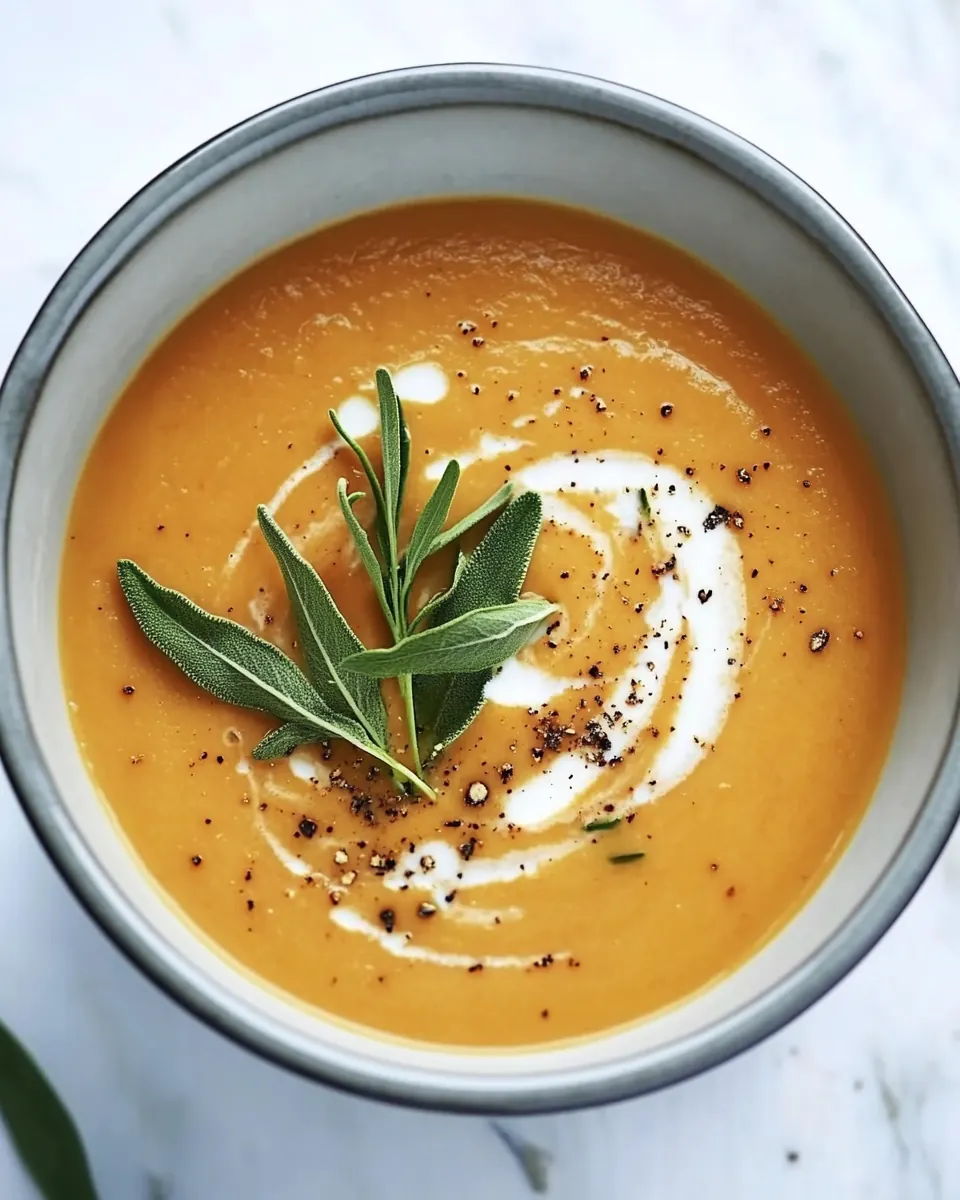
I like to walk you through these steps like we are cooking together, focusing on what you should hear, smell, and look for. The method is straightforward, but paying attention to technique makes the texture and flavor sing. Keep a ladle and a heatproof spoon close at hand, and taste as you go.
- In a Dutch oven or large pot over medium heat, melt butter. Add onion and cook until softened and translucent, about 5 minutes, stirring occasionally. Add garlic, cumin, coriander, and nutmeg, and cook until fragrant, about 30 seconds.: As the butter melts it will foam and then quiet down, releasing a warm, nutty aroma that tells you the fat is ready. You should hear a gentle sizzle when the pot is hot, not an angry crackle. This gentle heat allows the onion to soften without browning, which is crucial for a clean, sweet base. If the butter starts to brown quickly, the pan is too hot, so reduce the heat and wipe any scorched bits if needed. A common mistake is rushing by turning the heat too high, which produces bitter notes and ruins the foundational flavor; patience here pays off.
- Stir in chicken broth, pumpkin purée, and maple syrup, scraping browned bits from the bottom of the pan. Bring to a boil. Reduce heat and simmer 15 minutes.: The onion will go from opaque to translucent and slightly glossy, releasing a gentle sweetness and a savory aroma. You will notice the sound shift from active sizzling to a softer, more steady hiss as moisture releases. Stir occasionally so the pieces soften evenly and do not stick. If you see brown edges forming, lower the heat and stir more frequently to prevent a bitter finish. The softened onion creates the backbone for the whole soup, so don’t rush this step, even though it seems simple.
- Working in batches, transfer the mixture to a blender or food processor and puree until smooth. Or, use an immersion blender in the pot. Return the soup to the pot over medium-low heat and stir in half-and-half. Return to a simmer.: Once you add the garlic and spices, the kitchen will fill with bright, toasty aromas instantly, a cue that essential oils are releasing. Keep the heat moderate because these aromatics release quickly and can scorch. Use a wooden spoon to sweep the bottom of the pot so nothing sticks. The brief cook time keeps flavors vivid; overcooking here will mute the spices and create bitterness, which is the most common error at this stage.
- Season to taste with salt and pepper (I like 1/2 teaspoon salt and 1/4 teaspoon pepper). Adjust consistency by adding additional broth, if needed. Garnish individual portions with a drizzle of half-and-half and fresh sage leaves. Serve with garlic toast, if desired.: When you add the broth , the sound changes to a low, steady simmer as the liquid hits the hot pan, and scraping those browned bits adds concentrated flavor. Incorporate the canned pumpkin purée fully until it dissolves into the liquid, creating a uniform, velvety texture. Stir in the maple syrup so the sweet notes penetrate the base. If the mixture seems lumpy at first, keep stirring and bring it up to a gentle boil so everything melds. A pitfall here is failing to break up the purée, which leads to uneven texture; keep a whisk handy.
- Bring to a boil reduce heat and simmer 15 minutes: As the pot reaches a gentle boil you will see steady bubbles that indicate the flavors are beginning to meld. Once reduced to a simmer, small, rhythmic bubbles should break the surface, and the aroma should deepen into a cohesive pumpkin profile. Simmering for the suggested time lets the spices bloom fully and the flavors harmonize. If you simmer too hard, liquids evaporate too fast and the soup may thicken beyond your liking; keep it at a gentle simmer for even concentration.
- Working in batches transfer the mixture to a blender or food processor and puree until smooth Or use an immersion blender in the pot: As you blend, the soup will transform visually from chunky to satin smooth and you may notice a sweeter, more integrated aroma. Blending in batches prevents overfilling the blender and reduces splatter risk. If using an immersion blender, hold the head just below the surface and pulse to avoid splashing. A frequent error is blending hot liquid too quickly in a full blender, which can cause pressure to force the lid off; vent the lid slightly and work carefully, or use an immersion blender.
- Return the soup to the pot over medium-low heat and stir in half-and-half Return to a simmer: When you return the pureed soup to the pot, the texture will feel silkier and the color will be a uniform warm orange. Adding the half-and-half at medium-low heat prevents curdling and helps build a glossy finish. Stir gently until everything is homogenous and then bring back to a gentle simmer so the flavors marry. Avoid boiling once the dairy is added, as vigorous heat can cause separation, which is the most likely problem here.
- Season to taste with salt and pepper I like 1/2 teaspoon salt and 1/4 teaspoon pepper: After the dairy is incorporated, taste carefully and add salt and black pepper in small increments. The broth and canned pumpkin have varying salt levels, so start modestly and adjust. Taste in a warm spoonful rather than a cold one to get the true balance. Over-salting is easy to do, so add a little, stir, and taste again before adding more; you can always add, but you cannot remove.
- Adjust consistency by adding additional broth if needed: If the soup feels too thick, the texture will seem dense and clingy on the spoon; thin it by adding warm broth a quarter cup at a time until you reach a pleasing sipable consistency. Conversely, if it is too thin, simmer gently to reduce and concentrate flavor. The correct consistency should coat the back of a spoon without feeling heavy. A common oversight is adding cold liquid which cools the soup; always add warm broth.
- Garnish individual portions with a drizzle of half-and-half and fresh sage leaves Serve with garlic toast if desired: Finish each bowl with a delicate spiral of half-and-half and scatter of fresh sage for aromatic contrast and visual appeal. The contrast of creamy drizzle against the warm orange soup looks inviting, and crisped sage adds textural interest. Serve alongside warm garlic toast for a toasty counterpoint. Avoid garnishing too early on large batches, as the presentation will fade; add garnishes just before serving to keep them vibrant.
Expert Tips about Pumpkin Soup
This recipe rewards small refinements, so these tips focus on technique, storage, and presentation to get the most from Pumpkin Soup. Each tip begins with a bold phrase you can scan quickly, then a short expansion to help.
- Warm the broth before adding Warm broth integrates more smoothly with the pumpkin purée so the texture stays silky rather than congealing into lumps. Pouring cold liquid into the hot pot can cause the temperature to drop and change mouthfeel, so heat the broth briefly before combining.
- Control spice intensity Start with the recommended measures for cumin, coriander, and nutmeg then adjust after simmering. Spices bloom with heat, so a small addition can become prominent as the soup cooks and cools.
- Finish with dairy gently Add the half-and-half over medium-low heat and stir until incorporated, avoiding a boil which risks separation. Gentle heat preserves creaminess and keeps the appearance glossy.
- Make ahead and reheat properly This soup stores well in the refrigerator for up to four days. Reheat on low, stirring frequently and adding a splash of warm broth or half-and-half to revive the silky texture without thinning the flavor too much.
- Crisp sage for texture Fry fresh sage leaves quickly in a bit of butter until crisp to add a crunchy herbal accent. This transforms a simple garnish into a textural highlight that pairs beautifully with the creamy base.
- Use good quality canned pumpkin Choose pure pumpkin purée, not pumpkin pie filling, for consistent flavor and texture. Higher quality purée yields a smoother finish and avoids off flavors that can come from inferior products.
Best Served With
Pumpkin Soup is wonderfully versatile when it comes to serving. It works well as a starter for a holiday meal or as a warming main with a crisp side to offer contrast. Below are thoughtful pairings and serving suggestions that complement the soup’s warm, slightly sweet character.
- Garlic toast or crusty bread Serve warm slices to add crunch and a toasty note that contrasts with the creamy bowl.
- Simple green salad A light green salad with a bright vinaigrette balances the soup’s richness and refreshes the palate between spoonfuls.
- Roasted vegetables Serve alongside roasted root vegetables for a rustic autumn plate that highlights seasonal produce and textures.
- Holiday first course Present as a starter during Thanksgiving or fall gatherings to set a cozy, celebratory tone without stealing the show from the main course.
- Make-ahead convenience Prepare in advance and reheat gently for holiday hosting, keeping garnishes separate until just before serving for the best presentation.
- Storage and reheating Store in an airtight container in the refrigerator for up to four days, and reheat slowly on the stove until steaming, adding a splash of warm broth or half-and-half if needed to restore silkiness.
FAQ
Conclusion
This Pumpkin Soup stands out for its cozy balance of smooth pumpkin, warm spices, and a touch of maple that keeps things interesting. Give it a try when you want a bowl that comforts without fuss, whether for a weeknight meal or a special fall gathering. Serve it simply with garlic toast or a crisp salad, and enjoy how a few pantry staples come together into something warm and memorable.
Pumpkin Soup
Equipment
- Dutch oven or large pot
- Blender or food processor
- Immersion Blender
- Ladle
Ingredients
- 2 tablespoons butter Melted provides a rich base and helps sauté aromatics until translucent, imparting a silky mouthfeel to the soup. Balances sweetness from pumpkin and maple syrup while adding a luxurious finish when blended into the broth.
- 1 medium onion peeled and chopped (about 1 cup) Chopped contributes body and sweetness when caramelized, forming the aromatic backbone of the soup. Releases natural sugars and helps build depth of flavor during the initial sauté stage.
- 2 cloves garlic chopped Minced brings pungent, savory notes that deepen the overall flavor profile when softened. Releases aromatic oils that complement the spices and enhance the savory-sweet balance of the pumpkin.
- 1/2 teaspoon ground coriander Ground adds a warm, citrusy brightness that lifts the soup’s flavor without overwhelming it. Blends seamlessly with cumin and nutmeg to create a balanced spice character.
- 1/2 teaspoon ground cumin Ground supplies earthy, slightly smoky warmth that pairs well with pumpkin and coriander. Reinforces savory depth and adds complexity to each spoonful.
- 1/4 teaspoon ground nutmeg Ground introduces a subtle sweet-spicy warmth that enhances the autumnal character of the soup. Works in small amounts to prevent clashing with the other spices while offering aromatic nuance.
- 3 cups chicken broth or vegetable broth (see note 2) Simmered forms the liquid base that cooks the flavors together and adjusts soup consistency, whether using chicken or vegetable stock. Provides savory depth and salt balance while carrying the pumpkin puree into a smooth soup.
- 1 (15-ounce) can pumpkin purée (not pumpkin pie filling, see note 1) Pureed delivers the primary pumpkin flavor and creamy texture, defining the soup’s character and color. Blends into the broth to create body and natural sweetness without adding dairy fat.
- 1/4 cup maple syrup Drizzled contributes natural sweetness and a hint of caramelized flavor that complements pumpkin and warm spices. Balances savory notes and can be adjusted to taste for desired sweetness.
- Salt and freshly ground black pepper Seasoned allows final taste adjustment by enhancing all other flavors and balancing sweetness and acidity. Ground black pepper adds subtle heat while salt intensifies savory and sweet elements.
- 1/2 cup half-and-half plus more for drizzling (see note 3) Stirred-in enriches the soup with a creamy mouthfeel and mellows spices, creating a silky finish when blended. Can be reduced or substituted to control richness and calorie content.
- 1/3 cup fresh sage leaves for garnish, optional (see note 4) Garnishing provides an aromatic, herbaceous contrast and visual appeal when crisped or torn over the soup. Adds a fresh sage aroma that pairs particularly well with roasted pumpkin flavors.
- Garlic toast for serving Served offers a crunchy, buttery accompaniment that soaks up the soup and adds texture contrast. Complements the creamy soup and makes the meal more satisfying when pieces are dipped or eaten alongside.
Instructions
- In a Dutch oven or large pot over medium heat, melt butter. Add onion and cook until softened and translucent, about 5 minutes, stirring occasionally. Add garlic, cumin, coriander, and nutmeg, and cook until fragrant, about 30 seconds.: As the butter melts it will foam and then quiet down, releasing a warm, nutty aroma that tells you the fat is ready. You should hear a gentle sizzle when the pot is hot, not an angry crackle. This gentle heat allows the onion to soften without browning, which is crucial for a clean, sweet base. If the butter starts to brown quickly, the pan is too hot, so reduce the heat and wipe any scorched bits if needed. A common mistake is rushing by turning the heat too high, which produces bitter notes and ruins the foundational flavor; patience here pays off.
- Stir in chicken broth, pumpkin purée, and maple syrup, scraping browned bits from the bottom of the pan. Bring to a boil. Reduce heat and simmer 15 minutes.: The onion will go from opaque to translucent and slightly glossy, releasing a gentle sweetness and a savory aroma. You will notice the sound shift from active sizzling to a softer, more steady hiss as moisture releases. Stir occasionally so the pieces soften evenly and do not stick. If you see brown edges forming, lower the heat and stir more frequently to prevent a bitter finish. The softened onion creates the backbone for the whole soup, so don’t rush this step, even though it seems simple.
- Working in batches, transfer the mixture to a blender or food processor and puree until smooth. Or, use an immersion blender in the pot. Return the soup to the pot over medium-low heat and stir in half-and-half. Return to a simmer.: Once you add the garlic and spices, the kitchen will fill with bright, toasty aromas instantly, a cue that essential oils are releasing. Keep the heat moderate because these aromatics release quickly and can scorch. Use a wooden spoon to sweep the bottom of the pot so nothing sticks. The brief cook time keeps flavors vivid; overcooking here will mute the spices and create bitterness, which is the most common error at this stage.
- Season to taste with salt and pepper (I like 1/2 teaspoon salt and 1/4 teaspoon pepper). Adjust consistency by adding additional broth, if needed. Garnish individual portions with a drizzle of half-and-half and fresh sage leaves. Serve with garlic toast, if desired.: When you add the broth , the sound changes to a low, steady simmer as the liquid hits the hot pan, and scraping those browned bits adds concentrated flavor. Incorporate the canned pumpkin purée fully until it dissolves into the liquid, creating a uniform, velvety texture. Stir in the maple syrup so the sweet notes penetrate the base. If the mixture seems lumpy at first, keep stirring and bring it up to a gentle boil so everything melds. A pitfall here is failing to break up the purée, which leads to uneven texture; keep a whisk handy.
- Bring to a boil reduce heat and simmer 15 minutes: As the pot reaches a gentle boil you will see steady bubbles that indicate the flavors are beginning to meld. Once reduced to a simmer, small, rhythmic bubbles should break the surface, and the aroma should deepen into a cohesive pumpkin profile. Simmering for the suggested time lets the spices bloom fully and the flavors harmonize. If you simmer too hard, liquids evaporate too fast and the soup may thicken beyond your liking; keep it at a gentle simmer for even concentration.
- Working in batches transfer the mixture to a blender or food processor and puree until smooth Or use an immersion blender in the pot: As you blend, the soup will transform visually from chunky to satin smooth and you may notice a sweeter, more integrated aroma. Blending in batches prevents overfilling the blender and reduces splatter risk. If using an immersion blender, hold the head just below the surface and pulse to avoid splashing. A frequent error is blending hot liquid too quickly in a full blender, which can cause pressure to force the lid off; vent the lid slightly and work carefully, or use an immersion blender.
- Return the soup to the pot over medium-low heat and stir in half-and-half Return to a simmer: When you return the pureed soup to the pot, the texture will feel silkier and the color will be a uniform warm orange. Adding the half-and-half at medium-low heat prevents curdling and helps build a glossy finish. Stir gently until everything is homogenous and then bring back to a gentle simmer so the flavors marry. Avoid boiling once the dairy is added, as vigorous heat can cause separation, which is the most likely problem here.
- Season to taste with salt and pepper I like 1/2 teaspoon salt and 1/4 teaspoon pepper: After the dairy is incorporated, taste carefully and add salt and black pepper in small increments. The broth and canned pumpkin have varying salt levels, so start modestly and adjust. Taste in a warm spoonful rather than a cold one to get the true balance. Over-salting is easy to do, so add a little, stir, and taste again before adding more; you can always add, but you cannot remove.
- Adjust consistency by adding additional broth if needed: If the soup feels too thick, the texture will seem dense and clingy on the spoon; thin it by adding warm broth a quarter cup at a time until you reach a pleasing sipable consistency. Conversely, if it is too thin, simmer gently to reduce and concentrate flavor. The correct consistency should coat the back of a spoon without feeling heavy. A common oversight is adding cold liquid which cools the soup; always add warm broth.
- Garnish individual portions with a drizzle of half-and-half and fresh sage leaves Serve with garlic toast if desired: Finish each bowl with a delicate spiral of half-and-half and scatter of fresh sage for aromatic contrast and visual appeal. The contrast of creamy drizzle against the warm orange soup looks inviting, and crisped sage adds textural interest. Serve alongside warm garlic toast for a toasty counterpoint. Avoid garnishing too early on large batches, as the presentation will fade; add garnishes just before serving to keep them vibrant.
Notes
- Warm the broth before adding Warm broth integrates more smoothly with the pumpkin purée so the texture stays silky rather than congealing into lumps. Pouring cold liquid into the hot pot can cause the temperature to drop and change mouthfeel, so heat the broth briefly before combining.
- Control spice intensity Start with the recommended measures for cumin, coriander, and nutmeg then adjust after simmering. Spices bloom with heat, so a small addition can become prominent as the soup cooks and cools.
- Finish with dairy gently Add the half-and-half over medium-low heat and stir until incorporated, avoiding a boil which risks separation. Gentle heat preserves creaminess and keeps the appearance glossy.
- Make ahead and reheat properly This soup stores well in the refrigerator for up to four days. Reheat on low, stirring frequently and adding a splash of warm broth or half-and-half to revive the silky texture without thinning the flavor too much.
- Crisp sage for texture Fry fresh sage leaves quickly in a bit of butter until crisp to add a crunchy herbal accent. This transforms a simple garnish into a textural highlight that pairs beautifully with the creamy base.
- Use good quality canned pumpkin Choose pure pumpkin purée, not pumpkin pie filling, for consistent flavor and texture. Higher quality purée yields a smoother finish and avoids off flavors that can come from inferior products.