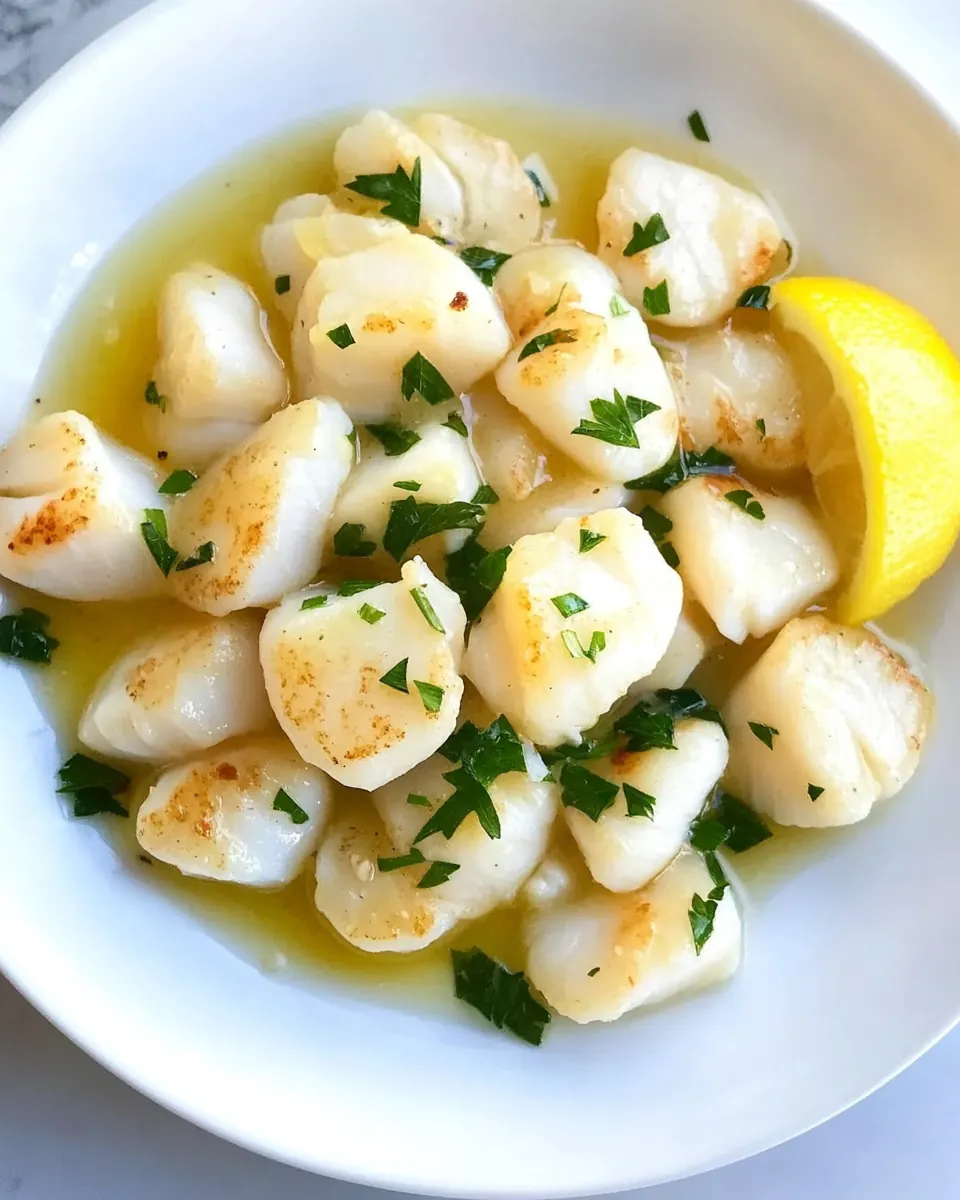
Lemon Butter Sauteed Scallops
Lemon Butter Sauteed Scallops landed on my table on a night when I wanted something effortless yet a little showy, and it immediately became a favorite for quick celebratory dinners. I remember rushing home from work with a head full of errands, opening the freezer, and spotting a bag of bay scallops. The idea of turning them into Lemon Butter Sauteed Scallops felt indulgent but achievable, so I set a simple plan in motion and let the flavors do the talking.
There is something honest about cooking small, sweet shellfish in butter and lemon, it feels like a tiny luxury you can make on a weeknight. As I worked, the kitchen filled with a soft, garlicky perfume, and I kept thinking how nice it would be to serve this when friends drop by unexpectedly. The technique is forgiving, and yet the result sings when each element is treated with just a little care. That night, before anyone arrived, I plated the scallops, sprinkled parsley, and felt pleased with how a few modest ingredients turned into a memorable plate of food.
Recipe Snapshot
10 mins
5 mins
5 mins
Easy
300 kcal
American
Keto, Gluten-Free
Dinner
Skillet, Spatula, Paper towels
The Magic of This Lemon Butter Sauteed Scallops
Pure, bright flavors
I love how Lemon Butter Sauteed Scallops rely on contrast. The richness of the butter balances the sharpness of the lemon juice, and the tiny sweetness of the scallops comes forward. This keeps the dish lively while still feeling luxurious.
Speed without sacrifice
We can have a restaurant grade plate on the table in minutes, which is why I turn to this recipe when time is tight. The short cooking time preserves texture, and you still get that golden, lightly seared exterior that suggests effort and care.
Minimalist ingredient list
I appreciate recipes that ask for a handful of solid players rather than a long shopping list. With items like garlic, butter, and a squeeze of lemon juice, you get a layered outcome without distraction. Each ingredient earns its place on the plate.
Versatile serving options
These scallops adapt to lots of occasions. I toss them over a simple salad for lunch, or serve them alongside a starch for dinner. Their quick nature makes them ideal for last minute guests, yet they feel special enough for a quiet date night.
Texture and technique
The cooking method highlights why timing matters. A short saute locks in tenderness while producing gentle caramelization. I find the sensory cues alone, like the sight of opaque scallop surfaces and the sound of a quiet sizzle, are incredibly reassuring when you want perfect results.
Lemon Butter Sauteed Scallops Ingredients
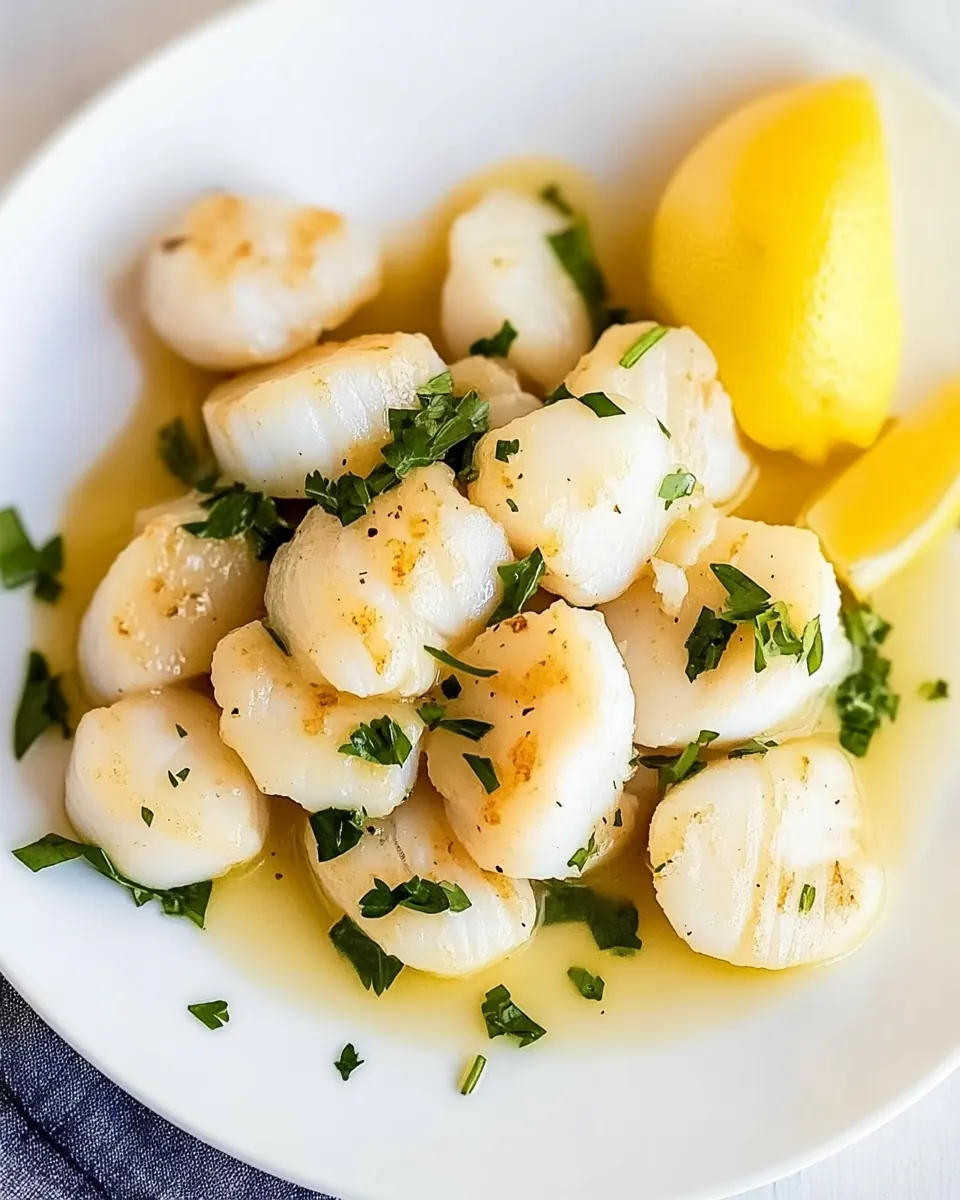
These ingredients are chosen to support a single aim, to celebrate the natural sweetness of the scallops while adding a lush, bright coating. Think of the butter as the flavor carrier, the garlic as the savory anchor, and the lemon juice as the lift that keeps the dish fresh. The small pinch of salt and a few turns of ground black pepper sharpen the profile, with parsley adding a final herbal note that catches the eye.
- 1 lb (500 g) frozen bay scallops, thawed, rinsed and pat dry with paper towels: Thaw and pat dry to remove excess moisture, ensuring even browning and preventing steaming; rinsing eliminates surface ice and debris while drying promotes a golden sear on bay scallops.
- 2 tablespoons unsalted butter, melted: Melted butter provides a rich, nutty cooking fat that helps transfer heat evenly and encourages caramelization; it also coats scallops for silky texture and carries flavor from aromatics.
- 2 cloves garlic, minced: Minced finely to release pungent, aromatic oils that infuse the butter and scallops during quick sautéing; garlic adds savory depth and balances the sweetness of the shellfish.
- 1 teaspoon lemon juice: Squeeze briefly to add bright acidity that lifts the natural sweetness of the scallops and cuts through the richness of butter; lemon juice also enhances overall flavor contrast.
- 1 pinch salt: Pinch lightly to season and enhance the scallops' natural flavors without overpowering them; salt helps proteins in the scallops develop a better crust during searing.
- 3 dashes ground black pepper: Dash sparingly to contribute mild heat and complexity, rounding out flavors while avoiding dominance over delicate scallops; freshly ground black pepper adds aromatic top notes.
- 1 teaspoon chopped parsley: Chopped finely and sprinkled at the end to provide fresh, herbal brightness and a pleasant color contrast; parsley also adds subtle grassy notes that complement lemon and butter.
Cooking Method for Lemon Butter Sauteed Scallops
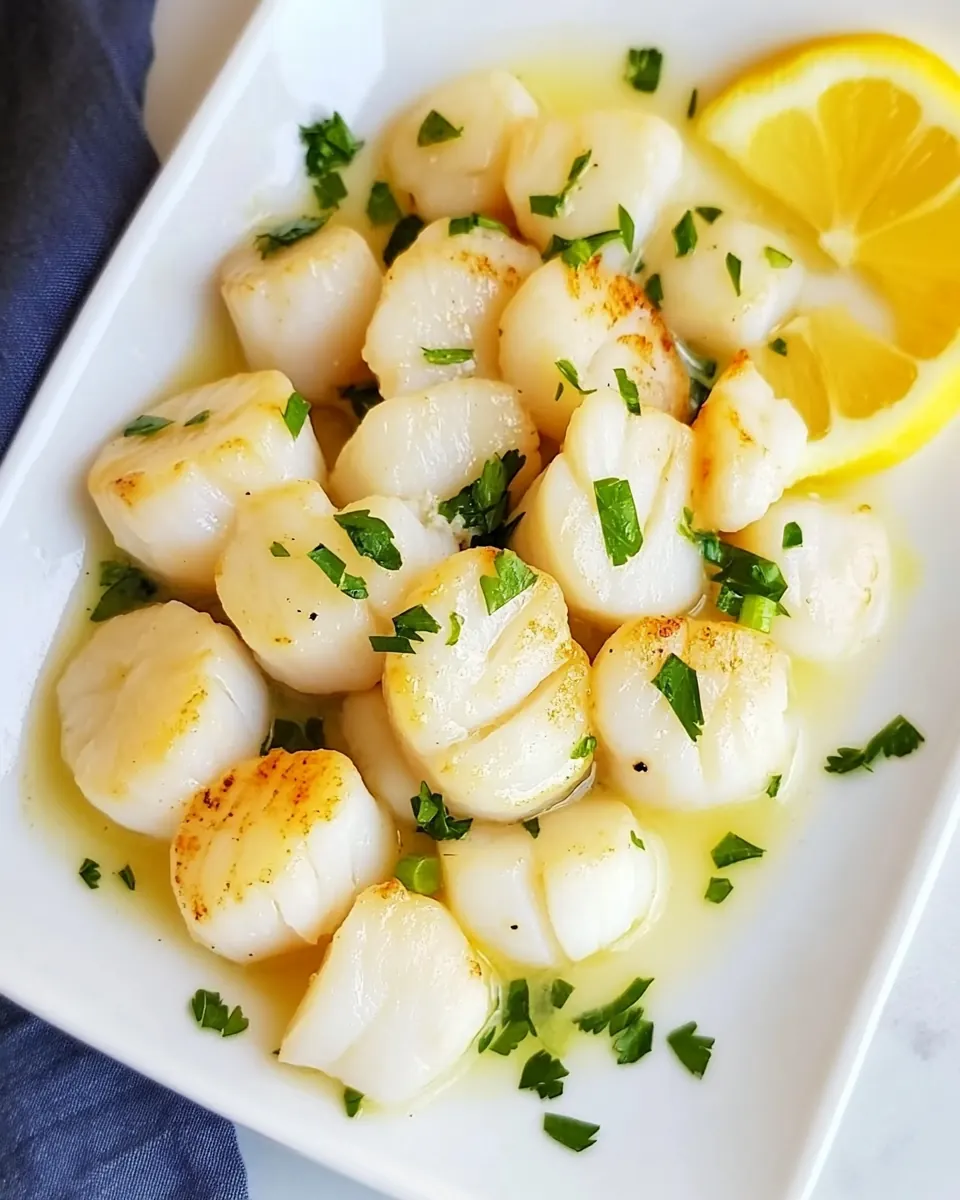
I like to approach the pan like a short performance, every moment matters but nothing is overcomplicated. The following steps guide you through temperature cues and sensory signs so you get tender, flavorful scallops every time. Keep your tools close and your attention steady, because these cook faster than you might expect.
- Heat a skillet with the melted butter. Sauté the garlic, stirring with a spatula a few times. Add the bay scallops and continue to sauté. Then add the lemon juice, salt, and pepper.: The pan should be warm enough that the butter shimmers and gives off a faint nutty aroma, not dark brown smoke. You want an even film of fat that will carry heat to the scallops , creating light caramelization. If the butter smokes immediately, lower the heat and let it cool briefly to avoid burning. A common mistake is using too high heat and scorching the fat, which leaves a bitter note on the seafood.
- As soon as the surface of the scallops turns opaque and water starts to seep out, turn off the heat. Dish them out and garnish with parsley. Serve immediately.: As the garlic hits the warm butter , inhale that immediate fragrant burst, it is a key layer of flavor. Move the minced garlic constantly, watching for tiny edges to color slightly, which signals readiness. If you see the garlic turning brown quickly, the pan is too hot, so reduce the heat to prevent bitterness. Overcooked garlic is a frequent snag; aim for a soft aromatic release without deep browning.
- Add the bay scallops and continue to sauté: When the scallops touch the pan, they should sizzle softly, and you will notice a faint sweet, briny perfume rising. Space them in a single layer so they have contact with the pan, avoid crowding or they will steam and become rubbery. As they cook, their edges will firm and their centers will go from translucent to opaque. If your pan feels crowded, cook in two batches to maintain temperature and achieve slight color development.
- Then add the lemon juice, salt, and pepper: Add the bright lemon juice toward the end to preserve its fresh acidity, and the tiny salt and sprinkles of ground black pepper will snap the overall taste into balance. You should hear a quiet hiss as the juice hits the hot fat, and a momentary steam will carry citrus aroma. Avoid adding too much liquid at once, which can chill the pan and slow the final browning process.
- As soon as the surface of the scallops turns opaque and water starts to seep out, turn off the heat: This visual cue is crucial, the scallops should look uniformly opaque on the surface and a faint sheen of juices may appear; that tells you the interior is cooked but still tender. Turn off the heat promptly to prevent overcooking, which yields a tough, rubbery texture. A typical mistake is leaving them in the hot pan too long out of caution, so trust the visual signs and remove them at the right moment.
- Dish them out and garnish with parsley: Transfer the scallops quickly so residual heat in the pan does not continue cooking them. As you plate, notice the glossy butter coating and the tiny flecks of parsley that add color and freshness. Serve immediately while the aroma is at its peak. Letting them sit too long off heat can cause them to cool and lose the delicate texture you worked to achieve.
Tips and Variations
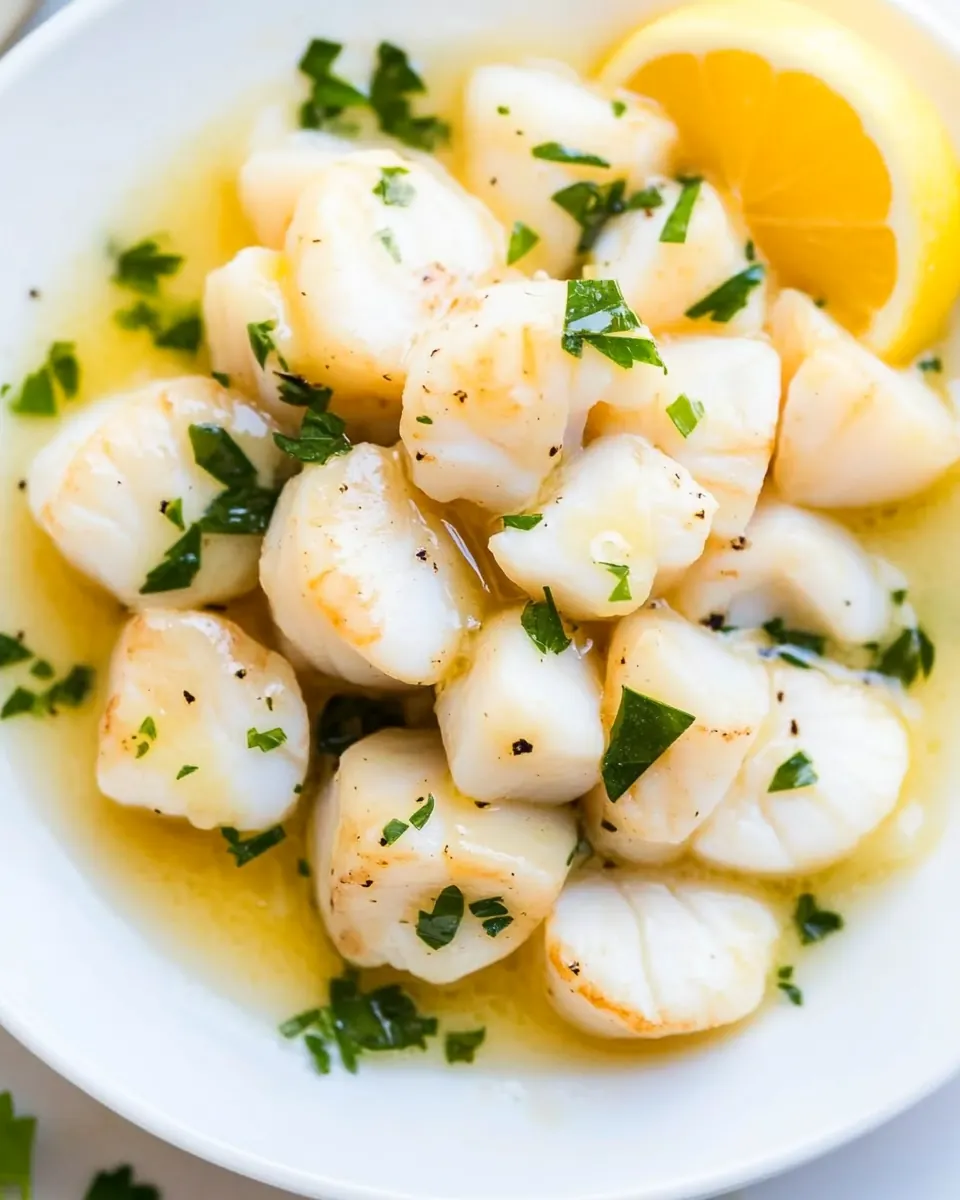
I like to keep tips practical and precise so you get reliable results every single time you make Lemon Butter Sauteed Scallops. Small changes can yield big differences in texture and flavor, so these suggestions focus on timing, temperature, and serving ideas.
- Tip 1 Use thoroughly dried scallops for a proper sear, pat them with paper towels until no visible moisture remains to prevent steaming.
- Tip 2 Melt the butter gently and heat it until it shimmers, not smokes, to preserve a clean, nutty flavor without bitterness.
- Tip 3 Mince the garlic finely so it disperses evenly and releases aroma quickly; avoid browning it which causes bitterness.
- Tip 4 Keep the skillet hot enough that the scallops sizzle on contact, but not so high that the butter burns; adjust heat as needed.
- Tip 5 Add the lemon juice at the end to maintain a bright citrus lift, a small amount is often all you need for balance.
Best Served With
These scallops shine when presented with simple companions that do not overpower their delicate taste. Choose sides and occasions that let the buttery citrus note remain the star, and think about textures that complement the tender seafood.
- Light salad Pair with a crisp green salad for a refreshing contrast that keeps the meal balanced and bright.
- Creamy risotto Serve atop a small spoonful of risotto for a comforting, elegant plate where the butter and lemon juice mingle with creamy rice.
- Steamed vegetables Offer seasonal steamed vegetables for color and a fibrous counterpoint to the tender scallops.
- Weeknight dinner These cook quickly, making them perfect for an easy weeknight dinner that still feels special.
- Storage tips Leftovers keep for a day refrigerated, but for best texture, plan to eat them immediately as refrigeration can toughen the scallops.
FAQ
Conclusion
Lemon Butter Sauteed Scallops are special because they combine minimal ingredients with fast, precise technique to produce a luxurious plate. The interplay of rich butter, bright lemon, and sweet scallops gives you restaurant quality flavor with very little fuss. Try making them when you want a quick, elegant meal that impresses without hours in the kitchen. Serve them hot, keep the seasoning light, and enjoy how a few thoughtful steps elevate simple seafood into a memorable dish.
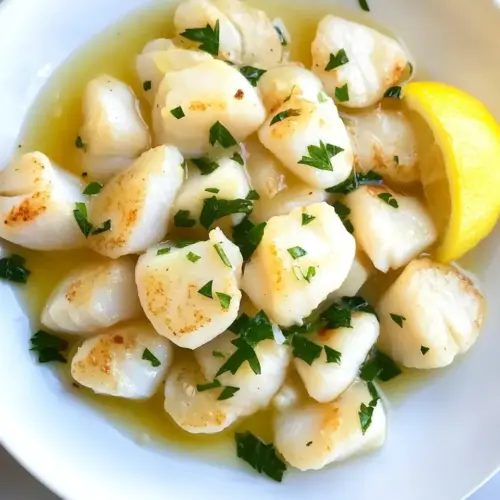
Lemon Butter Sauteed Scallops
Equipment
- Skillet
- Spatula
- Paper towels
Ingredients
- 1 lb (500 g) frozen bay scallops, thawed, rinsed and pat dry with paper towels Thaw and pat dry to remove excess moisture, ensuring even browning and preventing steaming; rinsing eliminates surface ice and debris while drying promotes a golden sear on bay scallops.
- 2 tablespoons unsalted butter, melted Melted butter provides a rich, nutty cooking fat that helps transfer heat evenly and encourages caramelization; it also coats scallops for silky texture and carries flavor from aromatics.
- 2 cloves garlic, minced Minced finely to release pungent, aromatic oils that infuse the butter and scallops during quick sautéing; garlic adds savory depth and balances the sweetness of the shellfish.
- 1 teaspoon lemon juice Squeeze briefly to add bright acidity that lifts the natural sweetness of the scallops and cuts through the richness of butter; lemon juice also enhances overall flavor contrast.
- 1 pinch salt Pinch lightly to season and enhance the scallops' natural flavors without overpowering them; salt helps proteins in the scallops develop a better crust during searing.
- 3 dashes ground black pepper Dash sparingly to contribute mild heat and complexity, rounding out flavors while avoiding dominance over delicate scallops; freshly ground black pepper adds aromatic top notes.
- 1 teaspoon chopped parsley Chopped finely and sprinkled at the end to provide fresh, herbal brightness and a pleasant color contrast; parsley also adds subtle grassy notes that complement lemon and butter.
Instructions
- Heat a skillet with the melted butter. Sauté the garlic, stirring with a spatula a few times. Add the bay scallops and continue to sauté. Then add the lemon juice, salt, and pepper.: The pan should be warm enough that the butter shimmers and gives off a faint nutty aroma, not dark brown smoke. You want an even film of fat that will carry heat to the scallops , creating light caramelization. If the butter smokes immediately, lower the heat and let it cool briefly to avoid burning. A common mistake is using too high heat and scorching the fat, which leaves a bitter note on the seafood.
- As soon as the surface of the scallops turns opaque and water starts to seep out, turn off the heat. Dish them out and garnish with parsley. Serve immediately.: As the garlic hits the warm butter , inhale that immediate fragrant burst, it is a key layer of flavor. Move the minced garlic constantly, watching for tiny edges to color slightly, which signals readiness. If you see the garlic turning brown quickly, the pan is too hot, so reduce the heat to prevent bitterness. Overcooked garlic is a frequent snag; aim for a soft aromatic release without deep browning.
- Add the bay scallops and continue to sauté: When the scallops touch the pan, they should sizzle softly, and you will notice a faint sweet, briny perfume rising. Space them in a single layer so they have contact with the pan, avoid crowding or they will steam and become rubbery. As they cook, their edges will firm and their centers will go from translucent to opaque. If your pan feels crowded, cook in two batches to maintain temperature and achieve slight color development.
- Then add the lemon juice, salt, and pepper: Add the bright lemon juice toward the end to preserve its fresh acidity, and the tiny salt and sprinkles of ground black pepper will snap the overall taste into balance. You should hear a quiet hiss as the juice hits the hot fat, and a momentary steam will carry citrus aroma. Avoid adding too much liquid at once, which can chill the pan and slow the final browning process.
- As soon as the surface of the scallops turns opaque and water starts to seep out, turn off the heat: This visual cue is crucial, the scallops should look uniformly opaque on the surface and a faint sheen of juices may appear; that tells you the interior is cooked but still tender. Turn off the heat promptly to prevent overcooking, which yields a tough, rubbery texture. A typical mistake is leaving them in the hot pan too long out of caution, so trust the visual signs and remove them at the right moment.
- Dish them out and garnish with parsley: Transfer the scallops quickly so residual heat in the pan does not continue cooking them. As you plate, notice the glossy butter coating and the tiny flecks of parsley that add color and freshness. Serve immediately while the aroma is at its peak. Letting them sit too long off heat can cause them to cool and lose the delicate texture you worked to achieve.
Notes
- Tip 1 Use thoroughly dried scallops for a proper sear, pat them with paper towels until no visible moisture remains to prevent steaming.
- Tip 2 Melt the butter gently and heat it until it shimmers, not smokes, to preserve a clean, nutty flavor without bitterness.
- Tip 3 Mince the garlic finely so it disperses evenly and releases aroma quickly; avoid browning it which causes bitterness.
- Tip 4 Keep the skillet hot enough that the scallops sizzle on contact, but not so high that the butter burns; adjust heat as needed.
- Tip 5 Add the lemon juice at the end to maintain a bright citrus lift, a small amount is often all you need for balance.