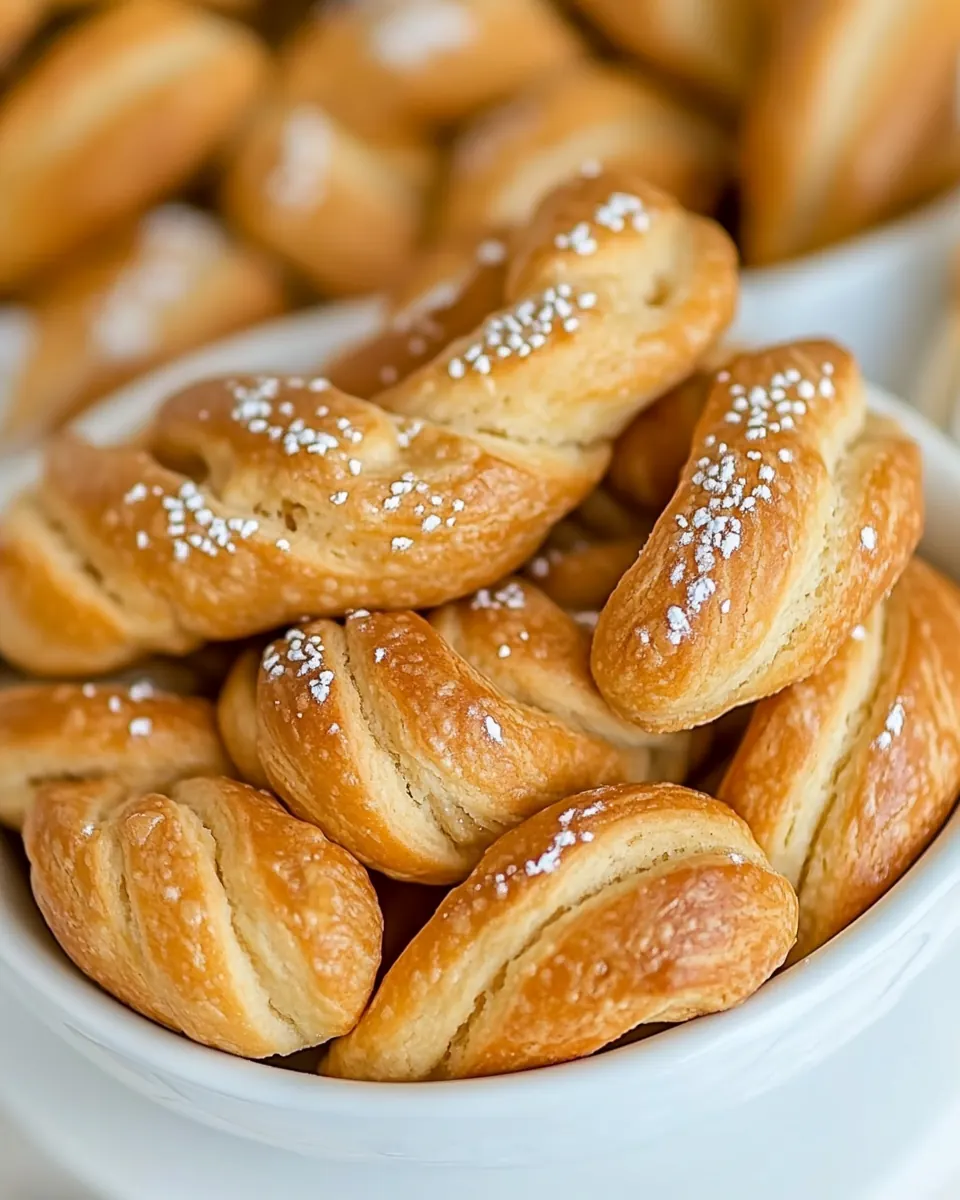
Easter Greek Cookies Koulourakia
Easter Greek Cookies Koulourakia have been part of my family table since childhood, and the scent of fresh orange and warm butter always brings me back to my grandmother’s sunny kitchen.
I remember the afternoons when we’d sit around the table, fingers dusted with flour, shaping the dough into braids and twists while someone hummed a song. The ritual of rolling, braiding, and brushing each piece with an egg wash felt like passing down a secret, and every batch came out slightly different, which made each cookie feel handmade and personal.
Over the years I’ve tweaked the technique to keep that authentic, slightly crisp exterior and tender, slightly chewy interior that makes these treats irresistible. I like to fold in plenty of orange zest so each bite pops with citrus brightness, and I swear the little sprinkle of sesame seeds before baking adds that final nostalgic note.
When friends ask why I bake Easter Greek Cookies Koulourakia instead of buying them, I tell them it is about connection. The dough is forgiving, so even if you are new to braiding, you will get satisfying results. I hope by sharing my hands on tips and small stories you feel confident to try shaping your own cookies, and maybe make a new family tradition.
Recipe Snapshot
1 hr 12 mins
60 mins
12 mins
Medium
150 kcal
Mediterranean
Gluten-Free, Low FODMAP
Desserts
Mixing bowl, Electric beaters, Baking sheet, Parchment paper, Whisk
The Beauty of This Easter Greek Cookies Koulourakia
Traditional Comfort with a Fresh Twist
I love that Easter Greek Cookies Koulourakia feel timeless. The combination of butter and orange zest is classic, yet bright. When I bake them they instantly fill the room with a warm, citrusy aroma, creating that cozy feeling of homemade celebration.
Textural Harmony
These cookies deliver a pleasing contrast, crunchy around the edges, tender inside. The use of all purpose flour, balanced with the right leaveners, gives a reliable crumb. I particularly appreciate how the egg wash brings a glossy, golden finish that makes them look as good as they taste.
Easy to Shape, Great for Gatherings
Whether you braid them or roll them into rings, the dough is forgiving. I like recipes that let guests join in, so I often invite kids to help shape the dough. It becomes a shared activity that also yields consistent results, even for beginners.
Customizable and Kid Friendly
I often adapt the shapes and finishes for different occasions. A sprinkle of sesame seeds gives a classic look, while a brush of honey can create a sweeter glaze. I find these little choices let you tailor the cookies without changing the core technique.
Reliable and Make Ahead
This recipe chills well and can be prepared in advance. I like to shape the cookies, chill them briefly if needed, and then bake right before serving. For busy mornings or holiday plans, that flexibility is a real advantage.
Ingredient List for Easter Greek Cookies Koulourakia
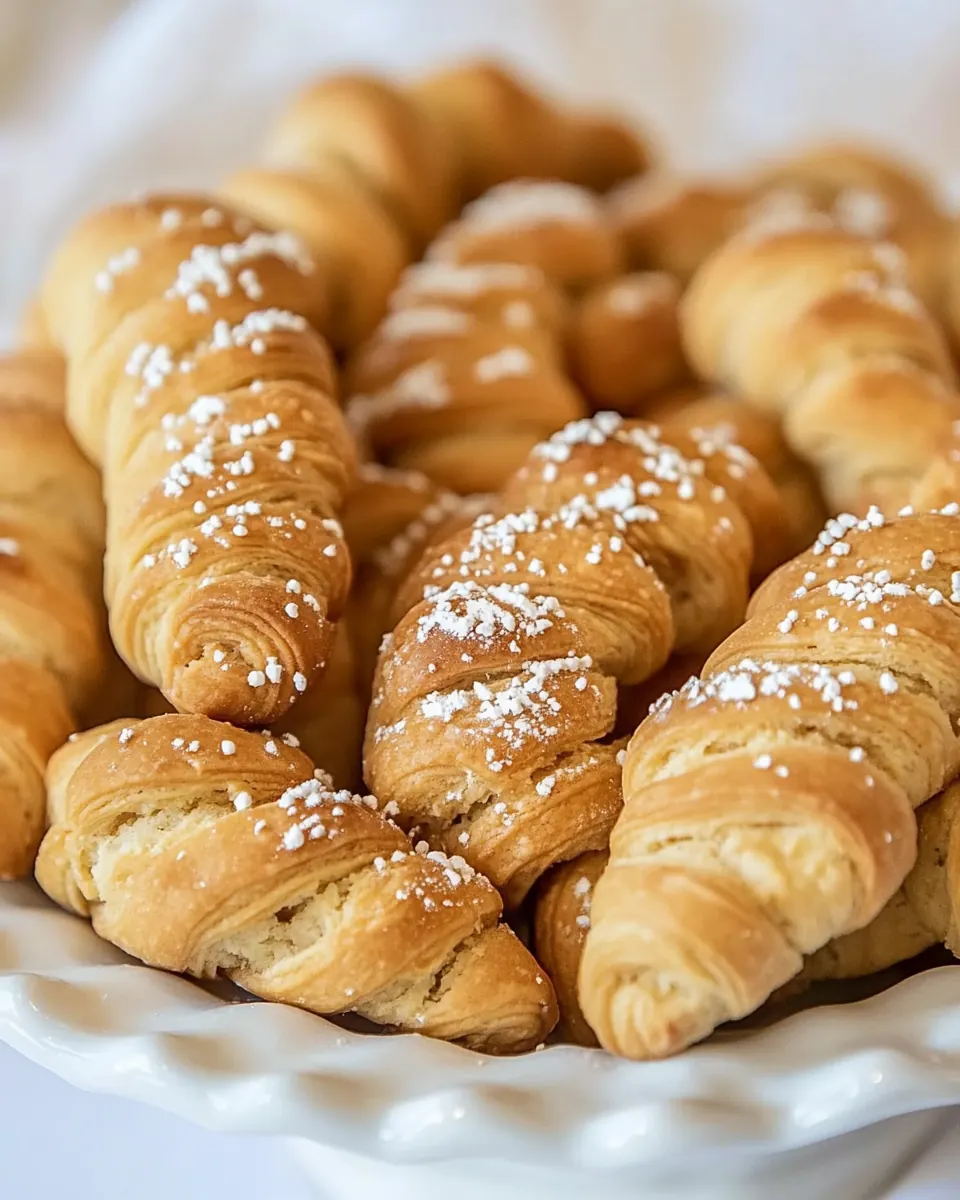
These ingredients are simple pantry staples that work together to create a cookie that is both sturdy for shaping and tender to eat. The key players are the butter for richness, the orange for brightness, and the leaveners to ensure a light crumb that still holds braids and rings.
- 1 cup unsalted butter room temperature: Cream until light and fluffy to provide the rich, tender base and buttery flavor essential for tender koulourakia dough.
- 1 1/2 cups white sugar: Sweeten and tenderize the dough while aiding browning; creamed with butter it helps create a soft, delicate crumb and caramelized edges.
- 3 eggs: Bind and enrich the dough while adding structure and moisture; beaten eggs contribute to leavening and a glossy finish when used in egg wash.
- 1/2 cup orange juice: Moisten and add bright citrus flavor while contributing slight acidity that balances sweetness and enhances gluten development for a soft crumb.
- Zest of 1 orange: Provide concentrated citrus aroma and bright zest flavor to infuse the dough with authentic orange fragrance and lift the cookie's profile.
- 6 cups all-purpose flour: Build structure and bulk while providing the necessary gluten and starches; sift and mix to achieve the proper dough consistency for shaping.
- 1 teaspoon baking ammonia or baking soda: Leaven or tenderize the dough depending on choice; baking ammonia or baking soda creates lift and a light, crisp texture characteristic of traditional recipes.
- 2 teaspoons baking powder: Add additional leavening power to ensure proper rise and lightness, complementing other chemical leaveners for an even, airy crumb.
- 1/2 teaspoons salt: Enhance overall flavor balance and control gluten strength slightly; salt rounds out sweetness and accentuates other ingredients without overpowering.
- 1 teaspoon vanilla extract: Add warm, familiar vanilla aroma and subtle sweetness depth to complement citrus notes and round out the overall flavor profile.
- 1 egg beaten: Provide an egg wash when beaten and brushed onto shaped cookies to promote deep golden color, shine, and slight sealing of edges.
- 1/3 cup milk: Loosen the dough slightly for easier shaping and add a touch of dairy richness; milk also contributes to browning and tender texture.
Step by Step Guide for Easter Greek Cookies Koulourakia
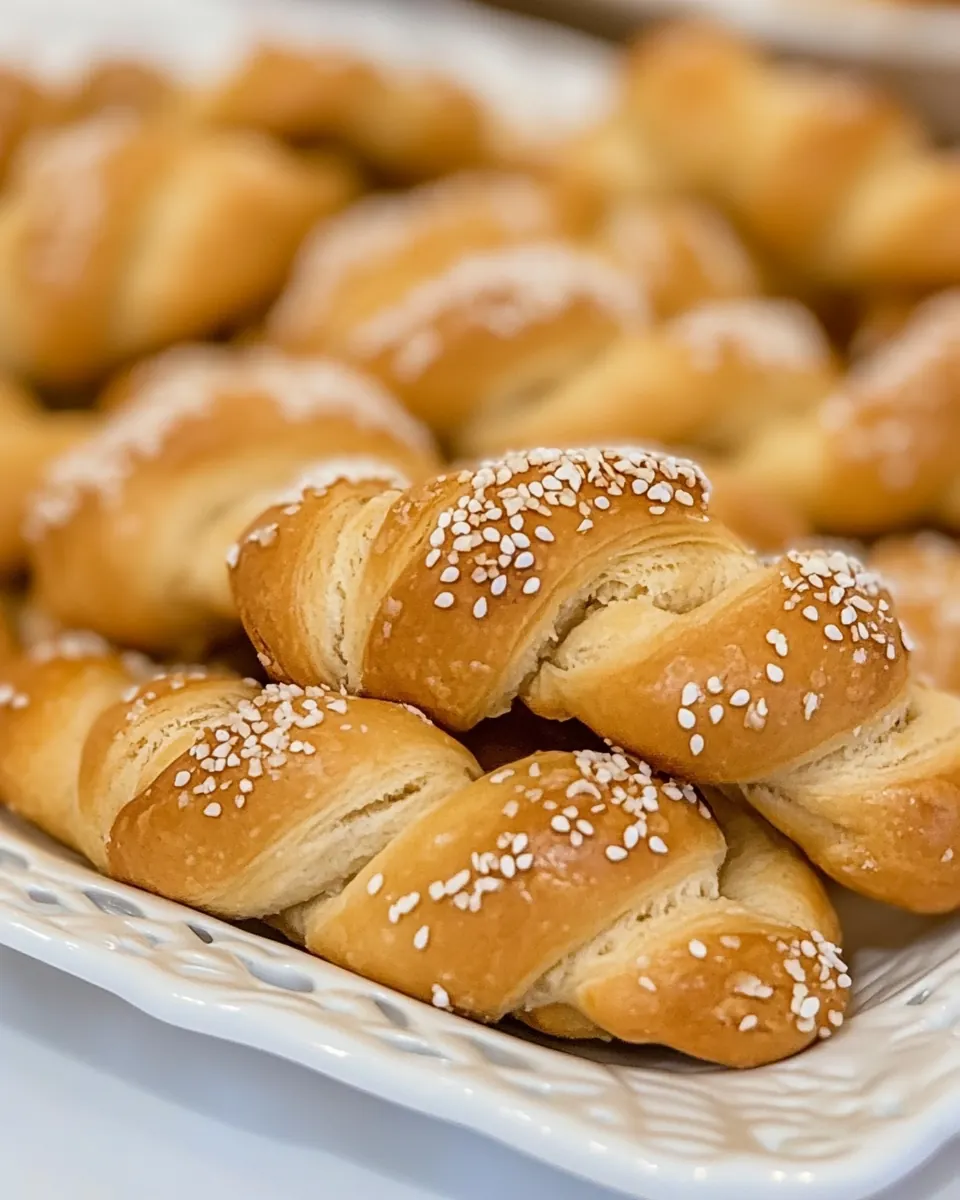
These directions are straightforward, but I like to walk through them with sensory cues so you know exactly when you are on track. Each step below expands the original instructions into thorough, hands on guidance to help you shape, bake, and finish the cookies with confidence.
- In a medium bowl mix flour, salt, baking powder, and baking ammonia or baking soda.: Start by combining the dry all purpose flour , salt , baking powder , and the leavener choice in a bowl, tossing them until they are evenly distributed. You should notice the fine, powdery texture of the flour , and when you lift a spoonful it should fall back in without clumping. This even distribution prevents pockets of salt or leavener, which would create uneven rise or spots of bitter taste. If you see lumps, sift or whisk them out. A common mistake is adding wet ingredients into unmixed dry ingredients, which can lead to streaks of leavener or dense spots; mixing first avoids that.
- Add butter to a large bowl and cream it with beaters. Add sugar gradually. Add orange zest.: As you cream the room temperature butter with the sugar , look for the mixture to become lighter in color and softer in texture, almost fluffy. The creaming traps tiny air bubbles that are crucial for an even, tender crumb. When you fold in the grated orange zest , the mixture will begin to smell citrusy and bright, releasing fragrant essential oils. If the butter looks greasy rather than creamy, it is too warm; chill briefly. Avoid under-creaming, which leaves dense spots, or over-creaming, which can make a fragile dough that spreads.
- Add eggs one at a time alternating with orange juice. Add vanilla extract.: Incorporate each egg one by one, beating until each is fully absorbed before adding the next. Alternate with splashes of orange juice so the mixture stays smooth and does not curdle. The mixture should feel silky and slightly glossy, and the aroma will deepen as the eggs are incorporated. Stir in the vanilla extract near the end to round the flavors. If the mix looks separated, pause and beat gently; temperature differences between ingredients often cause that, so bring items closer to room temperature to prevent it.
- Add flour mix a little bit at a time and mix. You should end up with a soft, pliable dough.: Add the dry mixture in portions, folding or mixing until each addition disappears into the batter, creating a soft, non sticky dough that pulls away cleanly from the bowl. The feel is key here; the dough should be pliable and slightly tacky but not wet. Overworking the dough can develop gluten and make the cookies tough, so stop mixing as soon as the flour is incorporated. If the dough is too dry, the shapes will crack, so add a teaspoon of milk or orange juice only if needed.
- Cover and chill the dough for 30 minutes.: Chilling firms the dough making it easier to shape, and lets the butter relax and the flavors meld. After about thirty minutes the dough will be noticeably firmer and less sticky to the touch. You will also see that any gloss from fats has dulled slightly. Skipping this step often leads to spreading and loss of shape in the oven, so resist the urge to shape immediately if the dough feels soft.
- Preheat oven to 375 degrees F.: While the dough chills, preheat the oven so it reaches 375 degrees F by the time you go to bake. An oven at the correct temperature ensures a quick set of the outer surface, creating that golden exterior while keeping the interior tender. Use an oven thermometer if you suspect your oven runs hot or cold. Baking at a lower temperature will make the cookies pale and dense, while too high a temperature burns the edges before the centers cook.
- Shape as desired, check the Notes for details on how to create the shape.: As you shape, the tactile feedback will tell you when the dough is correct; it should roll smoothly into ropes without cracking. For braids, divide into equal portions, roll into ropes, and gently braid, finishing with tucked ends for a neat look. If you prefer rings, roll ropes and connect the ends, smoothing the join. A common error is over flouring the work surface which dries the outer layer and causes cracking, so work lightly and keep the dough covered if it rests between shapes.
- Line a baking sheet with parchment paper and arrange the cookies on it, 2 inches apart.: The parchment gives a nonstick surface and promotes even browning. Place cookies with about 2 inches between them to allow for slight expansion. You should see a neat layout and anticipate how the cookies will look once golden. Crowding causes sticking and uneven heat distribution. If cookies are too close they may merge into each other, so leave ample space.
- Whisk egg and milk in a small bowl. Brush cookies with the egg and milk mixture. Sprinkle with sesame seeds.: The egg and milk wash will look glossy and slightly opaque when whisked. Gently brush each cookie, ensuring even coverage without pooling in the crevices, then sprinkle with sesame seeds for texture and visual appeal. The wash promotes browning and sets the seeds in place. One pitfall is over brushing which can dissolve delicate shapes; use a light hand to preserve the details.
- Bake in the preheated oven for 10 – 12 minutes, or until golden brown.: As the cookies bake you will notice a warm citrus aroma and the edges turning a pale golden brown. They should sound slightly firm when tapped and the tops will have a glossy sheen from the wash. Remove when edges are set and centers still slightly soft, they will firm as they cool. Overbaking will dry them out, while underbaking can leave a gummy center, so rely on color and touch rather than clock alone.
Helpful Hints
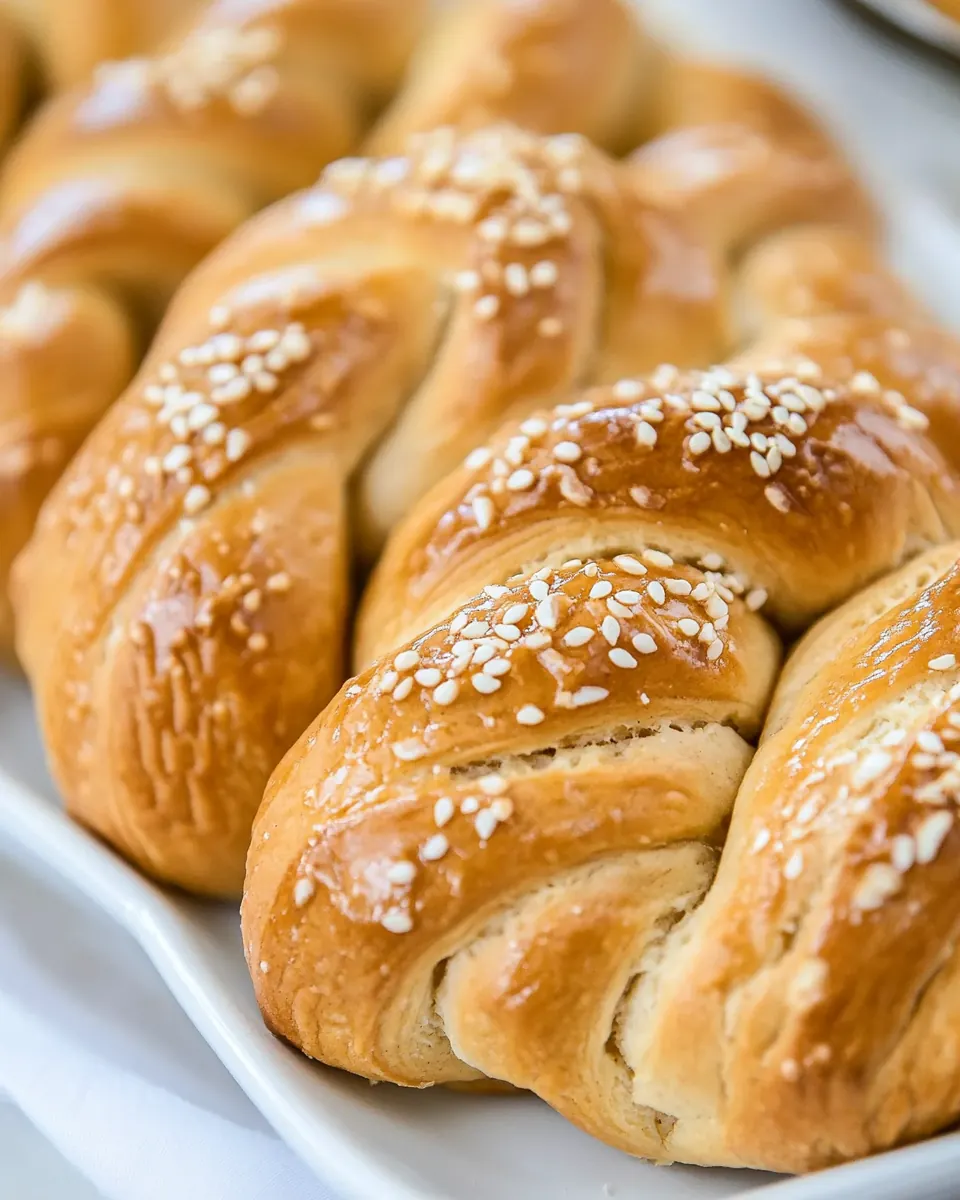
These hints are drawn from hands on experience with this dough. They focus on how to manage texture, shaping, and finishing so your batch of Easter Greek Cookies Koulourakia comes out reliably beautiful and delicious.
- Room Temperature Matters Use truly room temperature butter and eggs so the mixture emulsifies smoothly and the dough achieves the right texture.
- Measure Flour Carefully Spoon and level your all purpose flour or weigh it to avoid a dry, crumbly dough that is hard to shape.
- Zest Before Juicing Grate the orange zest first, then juice to avoid removing fragrant oils accidentally when cutting the fruit.
- Test Bake One or Two Bake a small test cookie to check oven temperature and timing, then adjust the remaining batch if needed.
- Gentle Egg Wash Apply the beaten egg and milk wash sparingly to maintain crisp braid details while still promoting a golden finish.
Serving Suggestions
I like to serve these cookies slightly warm on a platter for sharing. They work well for brunch or as a light dessert at holiday gatherings. Below are ideas for pairings, occasions, and storage.
- Casual Brunch Pairing Arrange with fresh fruit and tea for a relaxed late morning gathering where the citrus notes complement the orange in the cookies.
- Holiday Table Serve as part of an Easter spread alongside other traditional treats, keeping the platter accessible so guests can help themselves throughout the celebration.
- Gifting Package a dozen in a decorative box with parchment layers for a thoughtful homemade gift that travels well and tastes delightful.
- Storage Keep cooled cookies in an airtight container at room temperature for up to three days, or freeze for longer storage. Thaw gently and rewarm for a just baked feel.
- Serving Temperature These are best slightly warm or at room temperature, which brings out the citrus aroma and keeps the interior soft while the exterior remains pleasantly crisp.
FAQ
Conclusion
Easter Greek Cookies Koulourakia stand out for their bright citrus aroma, tender crumb, and warm golden finish that make them a joy to bake and share. Try shaping a few different styles and see which becomes your family’s favorite, because the process is as rewarding as the result. I hope you enjoy the ritual of making these cookies as much as I do, and that they bring a little extra warmth and tradition to your next gathering.
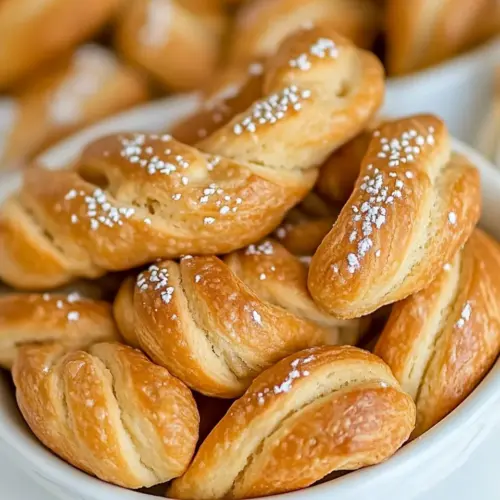
Easter Greek Cookies Koulourakia
Equipment
- Mixing Bowl
- Electric beaters
- Baking Sheet
- Parchment Paper
- Whisk
Ingredients
- 1 cup unsalted butter room temperature Cream until light and fluffy to provide the rich, tender base and buttery flavor essential for tender koulourakia dough.
- 1 1/2 cups white sugar Sweeten and tenderize the dough while aiding browning; creamed with butter it helps create a soft, delicate crumb and caramelized edges.
- 3 eggs Bind and enrich the dough while adding structure and moisture; beaten eggs contribute to leavening and a glossy finish when used in egg wash.
- 1/2 cup orange juice Moisten and add bright citrus flavor while contributing slight acidity that balances sweetness and enhances gluten development for a soft crumb.
- Zest of 1 orange Provide concentrated citrus aroma and bright zest flavor to infuse the dough with authentic orange fragrance and lift the cookie's profile.
- 6 cups all-purpose flour Build structure and bulk while providing the necessary gluten and starches; sift and mix to achieve the proper dough consistency for shaping.
- 1 teaspoon baking ammonia or baking soda Leaven or tenderize the dough depending on choice; baking ammonia or baking soda creates lift and a light, crisp texture characteristic of traditional recipes.
- 2 teaspoons baking powder Add additional leavening power to ensure proper rise and lightness, complementing other chemical leaveners for an even, airy crumb.
- 1/2 teaspoons salt Enhance overall flavor balance and control gluten strength slightly; salt rounds out sweetness and accentuates other ingredients without overpowering.
- 1 teaspoon vanilla extract Add warm, familiar vanilla aroma and subtle sweetness depth to complement citrus notes and round out the overall flavor profile.
- 1 egg beaten Provide an egg wash when beaten and brushed onto shaped cookies to promote deep golden color, shine, and slight sealing of edges.
- 1/3 cup milk Loosen the dough slightly for easier shaping and add a touch of dairy richness; milk also contributes to browning and tender texture.
Instructions
- In a medium bowl mix flour, salt, baking powder, and baking ammonia or baking soda.: Start by combining the dry all purpose flour , salt , baking powder , and the leavener choice in a bowl, tossing them until they are evenly distributed. You should notice the fine, powdery texture of the flour , and when you lift a spoonful it should fall back in without clumping. This even distribution prevents pockets of salt or leavener, which would create uneven rise or spots of bitter taste. If you see lumps, sift or whisk them out. A common mistake is adding wet ingredients into unmixed dry ingredients, which can lead to streaks of leavener or dense spots; mixing first avoids that.
- Add butter to a large bowl and cream it with beaters. Add sugar gradually. Add orange zest.: As you cream the room temperature butter with the sugar , look for the mixture to become lighter in color and softer in texture, almost fluffy. The creaming traps tiny air bubbles that are crucial for an even, tender crumb. When you fold in the grated orange zest , the mixture will begin to smell citrusy and bright, releasing fragrant essential oils. If the butter looks greasy rather than creamy, it is too warm; chill briefly. Avoid under-creaming, which leaves dense spots, or over-creaming, which can make a fragile dough that spreads.
- Add eggs one at a time alternating with orange juice. Add vanilla extract.: Incorporate each egg one by one, beating until each is fully absorbed before adding the next. Alternate with splashes of orange juice so the mixture stays smooth and does not curdle. The mixture should feel silky and slightly glossy, and the aroma will deepen as the eggs are incorporated. Stir in the vanilla extract near the end to round the flavors. If the mix looks separated, pause and beat gently; temperature differences between ingredients often cause that, so bring items closer to room temperature to prevent it.
- Add flour mix a little bit at a time and mix. You should end up with a soft, pliable dough.: Add the dry mixture in portions, folding or mixing until each addition disappears into the batter, creating a soft, non sticky dough that pulls away cleanly from the bowl. The feel is key here; the dough should be pliable and slightly tacky but not wet. Overworking the dough can develop gluten and make the cookies tough, so stop mixing as soon as the flour is incorporated. If the dough is too dry, the shapes will crack, so add a teaspoon of milk or orange juice only if needed.
- Cover and chill the dough for 30 minutes.: Chilling firms the dough making it easier to shape, and lets the butter relax and the flavors meld. After about thirty minutes the dough will be noticeably firmer and less sticky to the touch. You will also see that any gloss from fats has dulled slightly. Skipping this step often leads to spreading and loss of shape in the oven, so resist the urge to shape immediately if the dough feels soft.
- Preheat oven to 375 degrees F.: While the dough chills, preheat the oven so it reaches 375 degrees F by the time you go to bake. An oven at the correct temperature ensures a quick set of the outer surface, creating that golden exterior while keeping the interior tender. Use an oven thermometer if you suspect your oven runs hot or cold. Baking at a lower temperature will make the cookies pale and dense, while too high a temperature burns the edges before the centers cook.
- Shape as desired, check the Notes for details on how to create the shape.: As you shape, the tactile feedback will tell you when the dough is correct; it should roll smoothly into ropes without cracking. For braids, divide into equal portions, roll into ropes, and gently braid, finishing with tucked ends for a neat look. If you prefer rings, roll ropes and connect the ends, smoothing the join. A common error is over flouring the work surface which dries the outer layer and causes cracking, so work lightly and keep the dough covered if it rests between shapes.
- Line a baking sheet with parchment paper and arrange the cookies on it, 2 inches apart.: The parchment gives a nonstick surface and promotes even browning. Place cookies with about 2 inches between them to allow for slight expansion. You should see a neat layout and anticipate how the cookies will look once golden. Crowding causes sticking and uneven heat distribution. If cookies are too close they may merge into each other, so leave ample space.
- Whisk egg and milk in a small bowl. Brush cookies with the egg and milk mixture. Sprinkle with sesame seeds.: The egg and milk wash will look glossy and slightly opaque when whisked. Gently brush each cookie, ensuring even coverage without pooling in the crevices, then sprinkle with sesame seeds for texture and visual appeal. The wash promotes browning and sets the seeds in place. One pitfall is over brushing which can dissolve delicate shapes; use a light hand to preserve the details.
- Bake in the preheated oven for 10 – 12 minutes, or until golden brown.: As the cookies bake you will notice a warm citrus aroma and the edges turning a pale golden brown. They should sound slightly firm when tapped and the tops will have a glossy sheen from the wash. Remove when edges are set and centers still slightly soft, they will firm as they cool. Overbaking will dry them out, while underbaking can leave a gummy center, so rely on color and touch rather than clock alone.
Notes
- Room Temperature Matters Use truly room temperature butter and eggs so the mixture emulsifies smoothly and the dough achieves the right texture.
- Measure Flour Carefully Spoon and level your all purpose flour or weigh it to avoid a dry, crumbly dough that is hard to shape.
- Zest Before Juicing Grate the orange zest first, then juice to avoid removing fragrant oils accidentally when cutting the fruit.
- Test Bake One or Two Bake a small test cookie to check oven temperature and timing, then adjust the remaining batch if needed.
- Gentle Egg Wash Apply the beaten egg and milk wash sparingly to maintain crisp braid details while still promoting a golden finish.