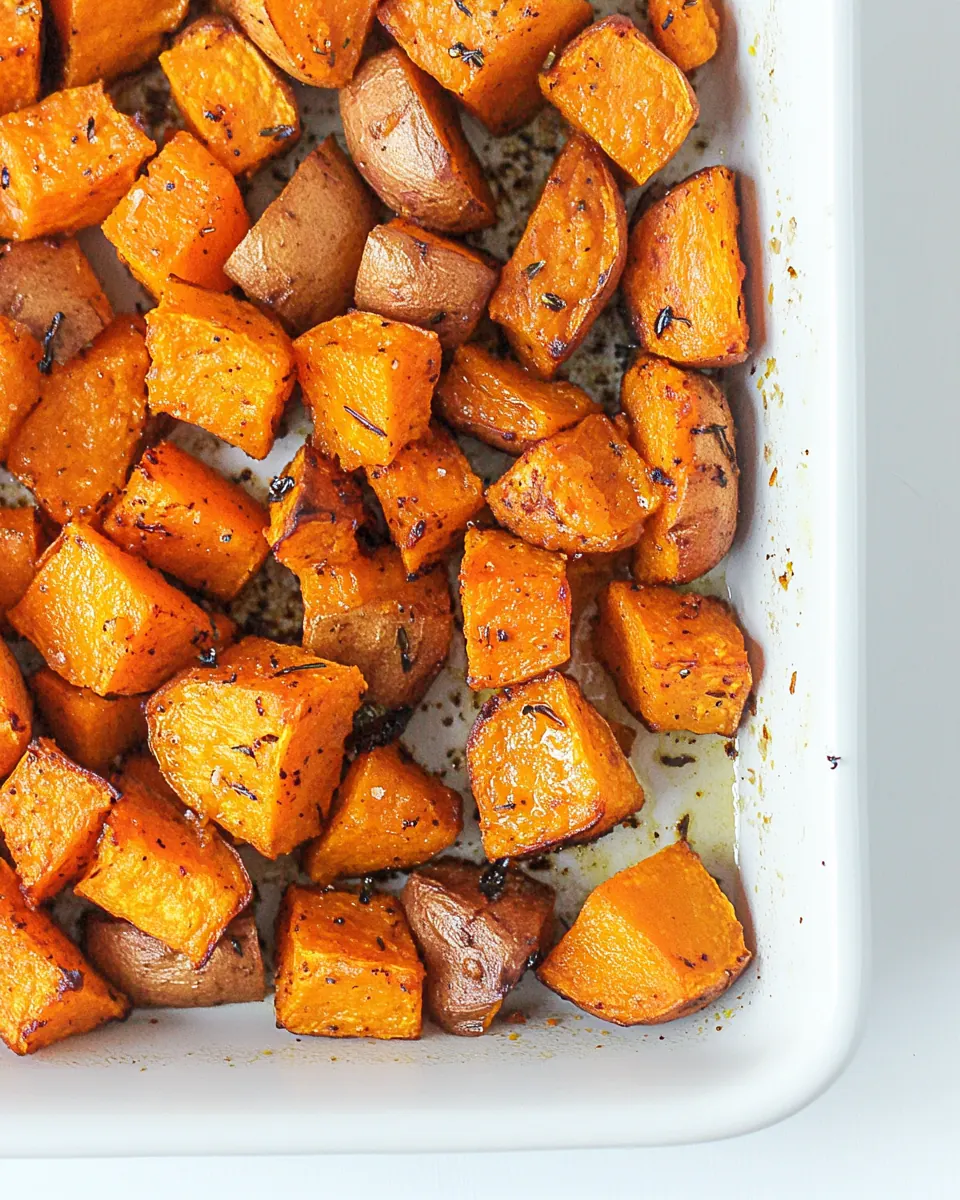
Simple and Savory Roasted Sweet Potatoes and Carrots
Simple and Savory Roasted Sweet Potatoes and Carrots is one of those recipes I reach for when I want food that feels like a warm kitchen hug. The first time I roasted these vegetables was during a chilly afternoon in fall, when I had a bag of sweet potatoes and a bunch of carrots that needed to be used. I remember the comforting scent as the oven worked, and how the edges caramelized into concentrated pockets of sweet, savory flavor that made everyone at the table pause and smile.
I love how humble ingredients like sweet potatoes, carrots, and onion can transform with just a little olive oil and seasoning into something celebratory. This dish has become my go to when I want to bring a simple, homey side to a weeknight dinner or a relaxed weekend meal. It pairs beautifully with roasted proteins or can stand alone with a green salad. Over time I learned small tricks that reliably deliver golden edges and soft centers, and I enjoy tweaking the seasoning to suit the mood of the meal.
Recipe Snapshot
35 mins
5 mins
30 mins
Easy
150 kcal
American
Paleo, Vegan
Side Dishes
Baking sheet, Large bowl
The Charm of This Simple and Savory Roasted Sweet Potatoes and Carrots
Comforting simplicity
I love how Simple and Savory Roasted Sweet Potatoes and Carrots feels cozy without being fussy. With just a few pantry staples you get a dish that tastes like slow cooking even though it comes together quickly, which is why I turn to it on busy evenings.
Flavor layering
The natural sugars in sweet potatoes and carrots caramelize in the oven, producing a depth of flavor that feels rich. The added Italian Seasoning and a splash of olive oil help build savory notes that balance the sweetness, so each bite has contrast that keeps you coming back.
Textural contrast
Crisp, slightly browned edges against tender, creamy interiors make this recipe satisfying to eat. I like that the texture can be controlled by how thinly you cut the vegetables and how long you roast them, so you get exactly the mouthfeel you want.
Versatility on the table
This dish adapts well to many meals. I often serve it with roasted chicken or a simple grain bowl. It’s also a reliable choice for feeding a group because it scales easily, and the flavors hold up well if you need to make it ahead and rewarm.
Healthy and nourishing
Between the fiber and vitamins from the sweet potatoes and carrots, and the heart healthy fat from olive oil, this side feels both indulgent and sensible. It’s a dish I make when I want something wholesome that still tastes indulgent.
Key Ingredients for Simple and Savory Roasted Sweet Potatoes and Carrots
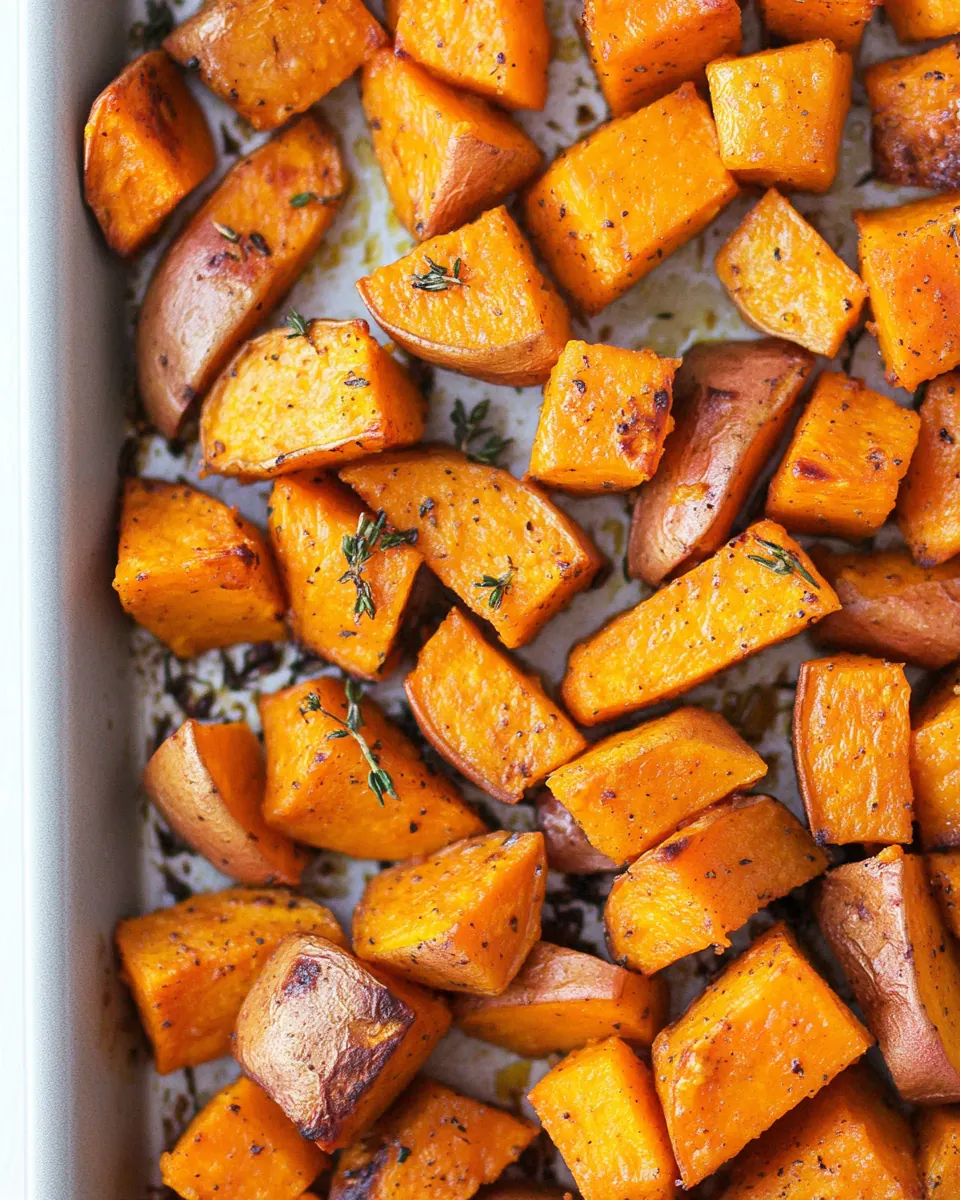
These ingredients are intentionally straightforward. The core philosophy is minimalism that maximizes natural flavors, letting the sweetness of sweet potatoes and carrots shine while the onion and Italian Seasoning bring savory balance. The olive oil helps with caramelization and mouthfeel, and simple salt and pepper finish the dish so nothing competes, everything complements.
- 2 sweet potatoes, peeled and cut into equal size pieces (about 3 cups): Peel and cube to provide tender, creamy texture and natural sweetness that balances savory flavors when roasted. Cut into equal–size pieces to ensure even cooking and caramelization on the edges.
- 3 cups baby carrots: Bring natural sweetness and a firm bite that holds up well in the oven while absorbing seasonings. Use even-sized baby carrots so they roast uniformly and develop a slightly caramelized exterior.
- 1 large onion, peeled and cut into 1 inch pieces: Provide savory aromatics and a mild sweetness that melts into the dish, adding depth and complexity. Chop into 1-inch pieces for quick roasting and to match the cooking time of the root vegetables.
- 1 tbsp olive oil: Coat vegetables to promote even browning and help seasonings adhere, while contributing a subtle fruity flavor and healthy fats. Drizzle and toss thoroughly so each piece is lightly covered before roasting.
- 1 tsp Italian Seasoning: Infuse a blend of dried herbs to add aromatic, earthy, and slightly peppery notes that complement the vegetables. Sprinkle evenly to distribute classic Mediterranean flavors throughout the roasted mix.
- salt and pepper: Season to taste to enhance and balance natural flavors, bringing out sweetness while adding savory depth and contrast. Use a moderate amount and adjust after roasting for bright, finished seasoning.
Directions for Simple and Savory Roasted Sweet Potatoes and Carrots
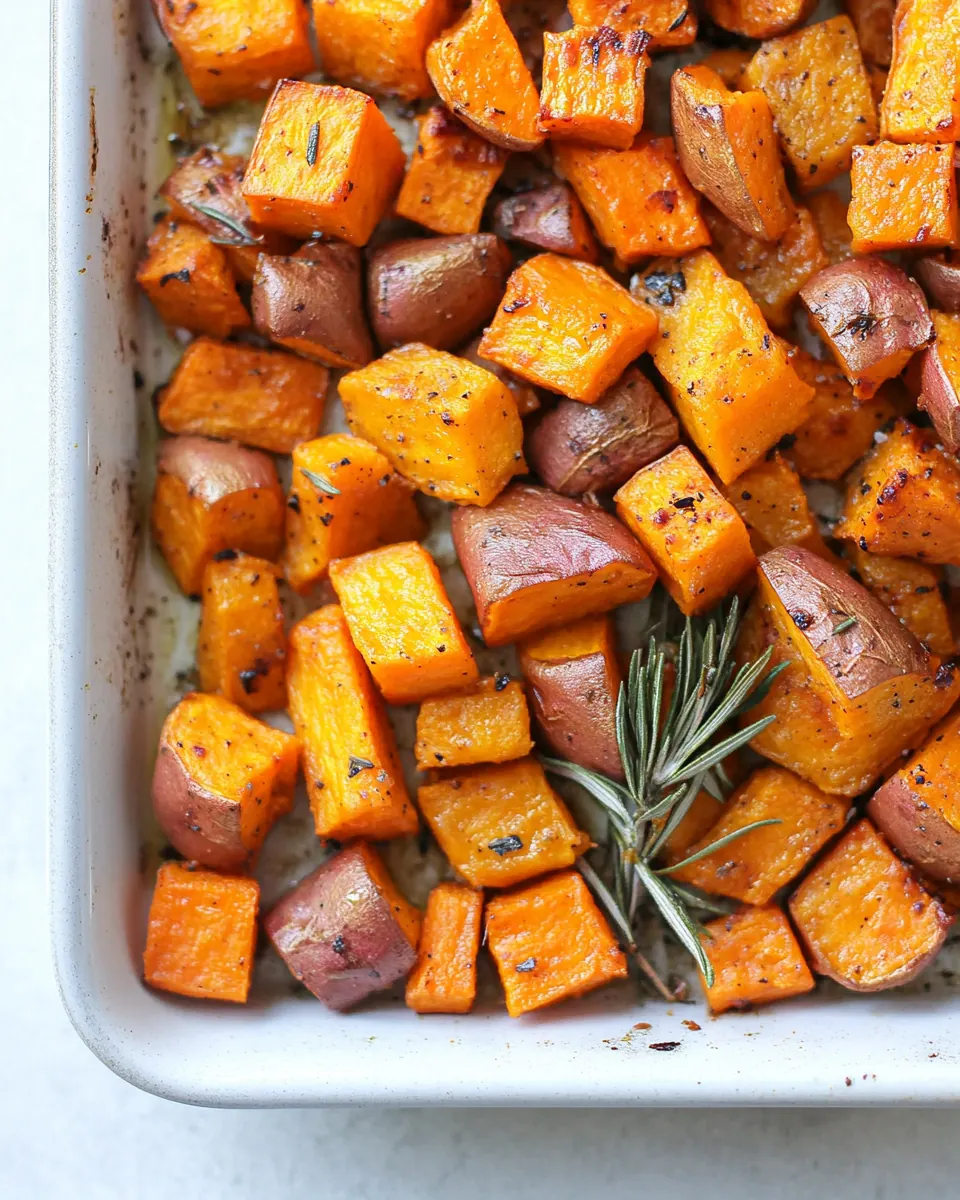
Roasting is straightforward but rewarding, and the steps below will help you achieve even browning and tender centers. I like to keep my mise en place organized so the tray goes into the oven without delay, and I pay attention to visual cues to know when the vegetables are perfectly done.
- Preheat oven to 425 degrees F.: The air in the oven becomes hot and dry, which promotes caramelization and browning on the surface of the vegetables. You will notice a warm, slightly sweet aroma as the oven reaches temperature, signaling readiness. If the oven is not fully preheated, the vegetables can steam and fail to brown. A common mistake is placing the pan in too early, which leads to pale, soggy vegetables rather than those with golden edges.
- Combine the sweet potatoes, carrots and onions in a large bowl. Drizzle with the olive oil, adding more if necessary to lightly coat, sprinkle with the seasonings and salt and pepper. Toss to coat.: As you toss the vegetables, you should feel the weight of the pieces and hear them gently clinking together. The bowl allows even distribution of oil and seasoning, which ensures each piece gets coated. The olfactory hint of herbs begins to emerge here, and a light sheen from olive oil signals proper coating. Avoid under tossing, which can leave pockets of unseasoned vegetables and inconsistent flavor.
- Spread into an even layer on a lightly greased baking sheet.: At this stage, the scent of Italian Seasoning will lift, and the oil will help ingredients adhere. A visual cue to look for is an even glossy coating over each piece. If some pieces look dry, add a touch more olive oil . A frequent error is over oiling, which creates a puddle on the pan and prevents crisping; use just enough for coverage.
- Roast for 25-30 minutes, turning halfway through. Vegetables should be soft and lightly browned when done.: Hearing the vegetables land on the sheet and seeing a single layer are important indicators that they will roast instead of steam. Crowding traps moisture, which yields soft, steamed surfaces rather than crisped edges. Space allows hot air to circulate and produces uniform browning. Avoid piling pieces, because uneven contact with the pan leads to mixed textures.
- Season with additional salt and pepper if desired. Serve hot.: During roasting you will notice the aroma intensify and edges gradually darken into golden brown spots. Turning the vegetables midway encourages even caramelization on all sides, and the sound of slight sizzling is a good sign you are on track. Use visual cues, like fork tender centers and browned rims, to know they're done. One common pitfall is skipping the turn, which can produce uneven color and texture.
- Vegetables should be soft and lightly browned when done.: When you pierce a piece with a fork, it should offer little resistance and the surface should show patches of caramelization. The contrast between tender interiors and crisp edges is the hallmark of successful roasting. If pieces seem undercooked, return them to the oven for a few more minutes; if they are too brown, lower the temperature slightly next time. Avoid overcooking, which causes mushy vegetables lacking pleasant texture.
- Season with additional salt and pepper if desired. Serve hot.: A final seasoning lift brings flavors into balance, and serving while warm preserves the textural contrasts. The aroma rising from the tray as you plate the vegetables is inviting, and a light sprinkle of salt at the end can brighten the dish. Don’t skip tasting before serving, as ovens vary and final adjustments may be needed. A mistake to avoid is seasoning only before cooking, which can lead to muted flavor; finishing salt makes a difference.
Ways to Customize
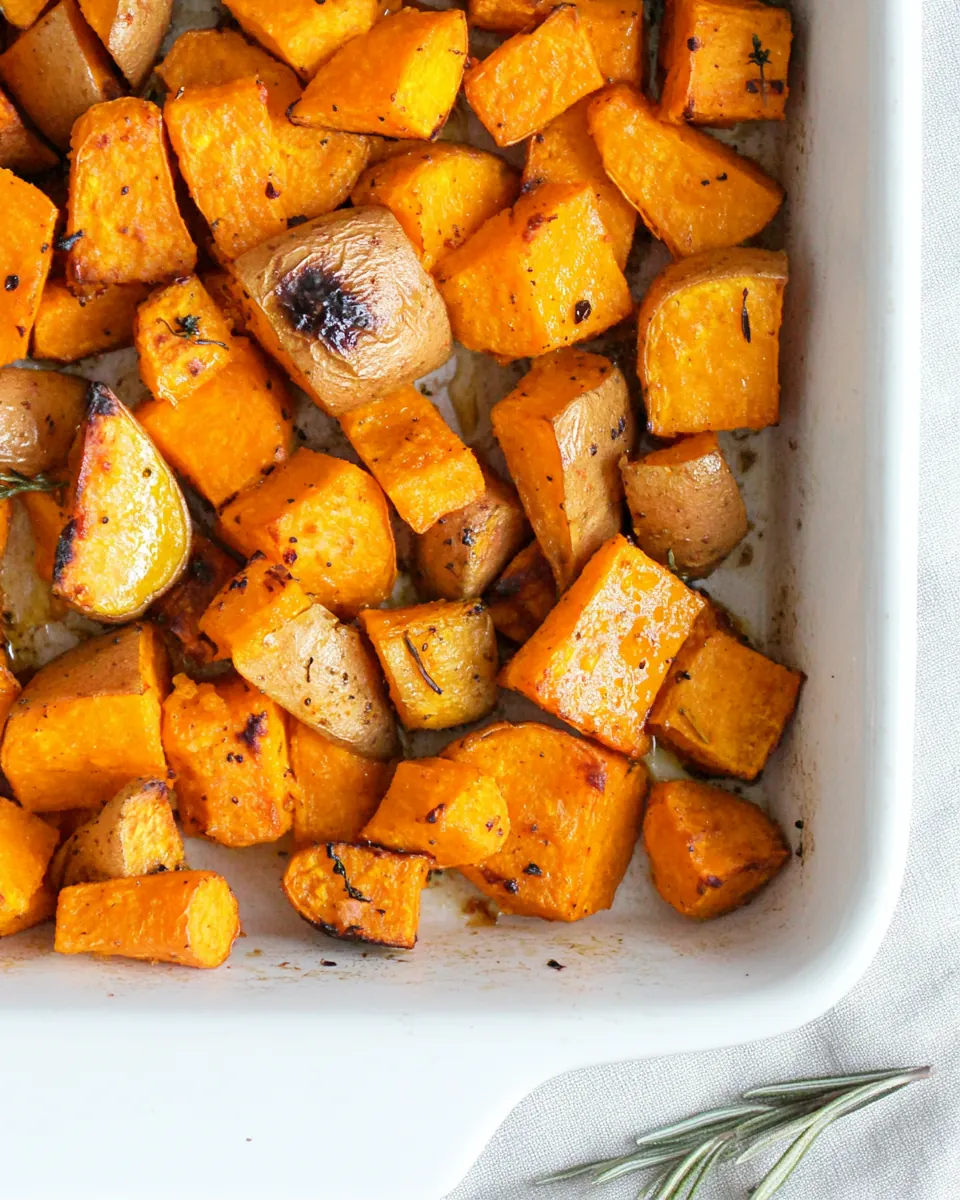
This recipe is a great canvas for small tweaks that change the mood of the dish. Below are practical, flavorful ideas you can use to adapt the dish for different meals or personal tastes.
- Herb boost — Add a sprinkle of fresh chopped herbs after roasting to introduce brightness without changing the cooking method.
- Spice twist — Toss in ground warm spices before roasting if you want a slightly exotic profile; adjust quantity to taste.
- Textural crunch — Finish with a handful of toasted nuts or seeds for added crunch and nutty flavor when serving.
- Slight sweetness — Drizzle a small amount of natural sweetener near the end of roasting to enhance caramelization and glaze the vegetables.
- Acid finish — A squeeze of citrus just before serving brightens and balances the natural sweetness of the vegetables.
What to Serve Alongside Simple and Savory Roasted Sweet Potatoes and Carrots
This dish pairs well with many mains and fits a variety of occasions, from casual weeknight dinners to festive family meals. Below are thoughtful serving ideas, pairing suggestions, and storage notes to help you plan the whole experience.
- Roasted proteins — Serve alongside a simply roasted chicken or baked fish for a complete dinner that feels balanced and homey.
- Grain bowls — Add these vegetables to warm grains and a drizzle of dressing to make a nourishing bowl suitable for lunch or a light dinner.
- Holiday sides — The warm flavors and seasonal produce make this a natural side for fall gatherings or holiday spreads.
- Make ahead — Roast the vegetables and store in the refrigerator for up to three days, reheating gently in the oven to restore some crispness.
- Serving temperature — Serve hot for the best textural contrast, or at room temperature if you need a make ahead option for gatherings.
- Seasonal pairing — This dish shines in fall when sweet potatoes are at their peak, but it also works any time you want a comforting, vegetable forward side.
FAQ
Conclusion
This recipe stands out because it turns simple vegetables into a richly flavored, comforting side with minimal effort. The combination of caramelized sweet potatoes, tender carrots, and savory herb notes creates a satisfying balance of sweet and savory that works for everyday meals or special occasions. Give it a try the next time you want a dish that is both reliable and crowd friendly, and enjoy how a few humble ingredients can deliver a big flavor payoff.
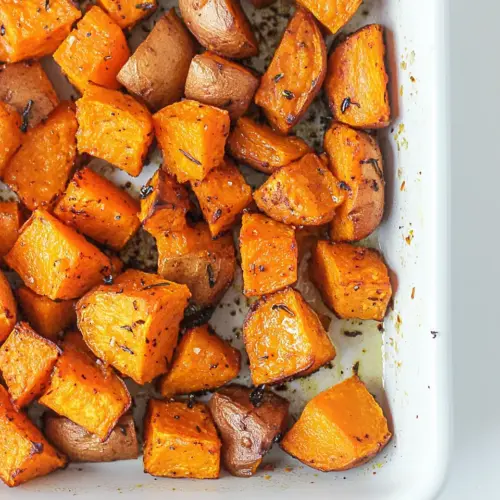
Simple and Savory Roasted Sweet Potatoes and Carrots
Equipment
- Baking Sheet
- Large Bowl
Ingredients
- 2 sweet potatoes, peeled and cut into equal size pieces (about 3 cups) Peel and cube to provide tender, creamy texture and natural sweetness that balances savory flavors when roasted. Cut into equal-size pieces to ensure even cooking and caramelization on the edges.
- 3 cups baby carrots Bring natural sweetness and a firm bite that holds up well in the oven while absorbing seasonings. Use even-sized baby carrots so they roast uniformly and develop a slightly caramelized exterior.
- 1 large onion, peeled and cut into 1 inch pieces Provide savory aromatics and a mild sweetness that melts into the dish, adding depth and complexity. Chop into 1-inch pieces for quick roasting and to match the cooking time of the root vegetables.
- 1 tbsp olive oil Coat vegetables to promote even browning and help seasonings adhere, while contributing a subtle fruity flavor and healthy fats. Drizzle and toss thoroughly so each piece is lightly covered before roasting.
- 1 tsp Italian Seasoning Infuse a blend of dried herbs to add aromatic, earthy, and slightly peppery notes that complement the vegetables. Sprinkle evenly to distribute classic Mediterranean flavors throughout the roasted mix.
- salt and pepper Season to taste to enhance and balance natural flavors, bringing out sweetness while adding savory depth and contrast. Use a moderate amount and adjust after roasting for bright, finished seasoning.
Instructions
- Preheat oven to 425 degrees F.: The air in the oven becomes hot and dry, which promotes caramelization and browning on the surface of the vegetables. You will notice a warm, slightly sweet aroma as the oven reaches temperature, signaling readiness. If the oven is not fully preheated, the vegetables can steam and fail to brown. A common mistake is placing the pan in too early, which leads to pale, soggy vegetables rather than those with golden edges.
- Combine the sweet potatoes, carrots and onions in a large bowl. Drizzle with the olive oil, adding more if necessary to lightly coat, sprinkle with the seasonings and salt and pepper. Toss to coat.: As you toss the vegetables, you should feel the weight of the pieces and hear them gently clinking together. The bowl allows even distribution of oil and seasoning, which ensures each piece gets coated. The olfactory hint of herbs begins to emerge here, and a light sheen from olive oil signals proper coating. Avoid under tossing, which can leave pockets of unseasoned vegetables and inconsistent flavor.
- Spread into an even layer on a lightly greased baking sheet.: At this stage, the scent of Italian Seasoning will lift, and the oil will help ingredients adhere. A visual cue to look for is an even glossy coating over each piece. If some pieces look dry, add a touch more olive oil . A frequent error is over oiling, which creates a puddle on the pan and prevents crisping; use just enough for coverage.
- Roast for 25-30 minutes, turning halfway through. Vegetables should be soft and lightly browned when done.: Hearing the vegetables land on the sheet and seeing a single layer are important indicators that they will roast instead of steam. Crowding traps moisture, which yields soft, steamed surfaces rather than crisped edges. Space allows hot air to circulate and produces uniform browning. Avoid piling pieces, because uneven contact with the pan leads to mixed textures.
- Season with additional salt and pepper if desired. Serve hot.: During roasting you will notice the aroma intensify and edges gradually darken into golden brown spots. Turning the vegetables midway encourages even caramelization on all sides, and the sound of slight sizzling is a good sign you are on track. Use visual cues, like fork tender centers and browned rims, to know they're done. One common pitfall is skipping the turn, which can produce uneven color and texture.
- Vegetables should be soft and lightly browned when done.: When you pierce a piece with a fork, it should offer little resistance and the surface should show patches of caramelization. The contrast between tender interiors and crisp edges is the hallmark of successful roasting. If pieces seem undercooked, return them to the oven for a few more minutes; if they are too brown, lower the temperature slightly next time. Avoid overcooking, which causes mushy vegetables lacking pleasant texture.
- Season with additional salt and pepper if desired. Serve hot.: A final seasoning lift brings flavors into balance, and serving while warm preserves the textural contrasts. The aroma rising from the tray as you plate the vegetables is inviting, and a light sprinkle of salt at the end can brighten the dish. Don’t skip tasting before serving, as ovens vary and final adjustments may be needed. A mistake to avoid is seasoning only before cooking, which can lead to muted flavor; finishing salt makes a difference.
Notes
- Herb boost — Add a sprinkle of fresh chopped herbs after roasting to introduce brightness without changing the cooking method.
- Spice twist — Toss in ground warm spices before roasting if you want a slightly exotic profile; adjust quantity to taste.
- Textural crunch — Finish with a handful of toasted nuts or seeds for added crunch and nutty flavor when serving.
- Slight sweetness — Drizzle a small amount of natural sweetener near the end of roasting to enhance caramelization and glaze the vegetables.
- Acid finish — A squeeze of citrus just before serving brightens and balances the natural sweetness of the vegetables.
