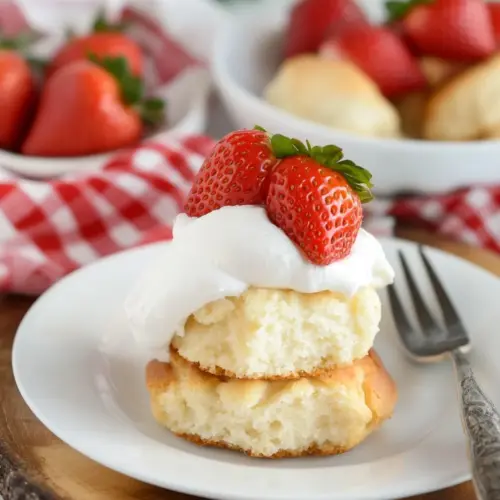
Double Strawberry and Rose Shortcakes
Double Strawberry and Rose Shortcakes marry crisp, candied rose petals with bright, juicy strawberries for a spring worthy treat. This floral dessert is airy, textural, and surprisingly easy to prepare with a little patience in drying the petals. It makes a show stopping plate for brunch or a romantic dessert, and it rewards the maker with delicate, fragrant bites worth sharing.
Equipment
- Small Bowl
- Parchment Paper
- Silicone Baking Mat
- Whisk
Ingredients
- 3 unsprayed roses Delicately harvest and use only pristine petals to infuse a floral aroma and subtle flavor into the shortcakes; gently rinse and pat dry to remove any dirt or tiny insects. Preserve visual appeal by selecting unsprayed roses for edible use, and consider chiffonading or lightly bruising petals to release fragrance during assembly.
- 1 to 2 very fresh organic egg whites Whisk gently until slightly foamy to provide structure and lightness to fillings or meringue components; use very fresh organic egg whites for optimal whipping volume and stability. Adjust number between one and two based on desired texture and consistency, taking care to avoid any yolk contamination that would prevent proper aeration.
- granulated sugar or store-bought candied rose petals Sweeten and decorate by sprinkling granulated sugar or using store-bought candied rose petals to add crunchy sweetness and an elegant finish. Enhance presentation and balance the floral notes by choosing a fine sugar for dusting or ready-made candied petals for an instant, professional-looking garnish.
Instructions
- Several hours ahead or the day before, separate the rose petals, rinse them quickly in cold water and pat them dry. Put one egg white in a small bowl and whisk until it's foamy. (You may or may not need the second white.) Put the sugar in another small bowl and place a sheet of parchment paper or a silicone baking mat on the counter. One at a time, dip a petal into the white and let the excess drip back into the bowl. Drag the petal through the sugar to coat both sides very lightly. Dry the petals on the paper or mat in a cool, non-humid place for at least 6 hours or for as long as overnight.: The air after that quick rinse is cool and fragrant, almost minty from the petals, and the act of patting them dry should be gentle so you do not bruise the tissue. Use a soft towel and press rather than rub, feeling for residual damp spots. This step matters because any lingering moisture will keep the sugar from adhering and can make the petals limp, rather than crisp. A common mistake is rushing and leaving tiny wet patches which lead to sticky, uneven sugar, so take your time to feel each petal until it is dry to the touch.
- Put one egg white in a small bowl and whisk until it's foamy: As you whisk the egg white , notice the transition from glossy liquid to a pale, foamy sheen, the volume increasing and small bubbles forming. This foam provides a slightly tacky surface that helps the sugar cling without weighing the petals down. If the white seems too runny, give it a few more gentle lifts with your whisk, but avoid vigorous beating that creates stiff, meringue like peaks, which will leave a cakey residue on the petals. The typical error here is overbeating, which changes the coating texture drastically, so stop when it is uniformly foamy.
- You may or may not need the second white: Keep the second egg white in reserve, assessing the consistency of the first as you work. If you find the foam thins quickly or you have more petals than expected, add the second for consistent coverage. This on hand approach prevents waste and helps you maintain an even film on each petal. Avoid adding the second white prematurely, which can make the bowl overly full and difficult to manage, leading to splashing and messy handling.
- Put the sugar in another small bowl and place a sheet of parchment paper or a silicone baking mat on the counter: The sugar should be in a shallow bowl so you can drag the petals through it easily, and the parchment or silicone mat gives you a clean, dry surface for drying. The sound of sugar shifting as you run a petal across it is faint and satisfying, and the sheet gathers any excess for reuse. This setup matters because a porous surface will wick moisture away, ruining the crisping process, so use non absorbent parchment or silicone. A frequent misstep is using a spongey towel underneath which soaks up the sugar and causes clumping on the underside of the petals.
- One at a time, dip a petal into the white and let the excess drip back into the bowl: As you dip each petal into the foam, tilt the bowl so gravity helps remove excess, watching the thin film cling like a sheen. The tactile cue is light tack without heavy pooling. This thin coating is why the petals become delicately glassy when sugared, rather than weighed down. If you rush and leave large beads of white on the petal, the drying will be uneven and you will end up with soft spots. Take a moment to let each petal settle so it releases extra foam back into the bowl.
- Drag the petal through the sugar to coat both sides very lightly: Running the petal across the sugar should feel almost like dusting a feather, with a whisper of crystalline texture adhering to both surfaces. Rotate the petal gently to catch underside coverage, and tap off any heavy granules. This light coating creates a thin crunchy shell after drying, and the visual effect is a faint shimmer along each petal edge. The common error here is pressing the petal into the sugar too forcefully, which buries the texture and destroys the delicate silhouette.
- Dry the petals on the paper or mat in a cool, non-humid place for at least 6 hours or for as long as overnight: Over the drying period you will notice the petals lose tack and gain a subtle, glass like sheen, and the room will take on a soft floral aroma. Choosing a cool, dry spot avoids sticky humidity that prevents crisping, and patience here results in a satisfying snap when you bite. If you rush the drying with heat you risk browning or wilting the petals, which ruins the delicate balance. Keep them covered lightly from dust, but allow air circulation so they dry evenly, and resist handling until they feel dry and crisp.
Notes
- Boost fragrance by selecting the most aromatic unsprayed roses you can find, the headier the bloom the more floral notes will come through.
- Adjust sweetness by choosing finer or coarser sugar; finer sugar yields a more even, subtle sparkle while coarser sugar gives a pronounced crunch.
- Reserve whites by testing one egg white first and using the second only if needed, this prevents waste and keeps coatings consistent.
- Dry longer for extra crisp by leaving petals overnight in a cool place if your climate is humid, longer drying helps them snap cleanly.
- Make ahead by preparing candied petals a day early, storing them in an airtight box so they are ready to top assembled shortcakes.
- Presentation trick place a single candied petal at the peak of each plated shortcake to signal elegance and to provide a fragrant first impression.