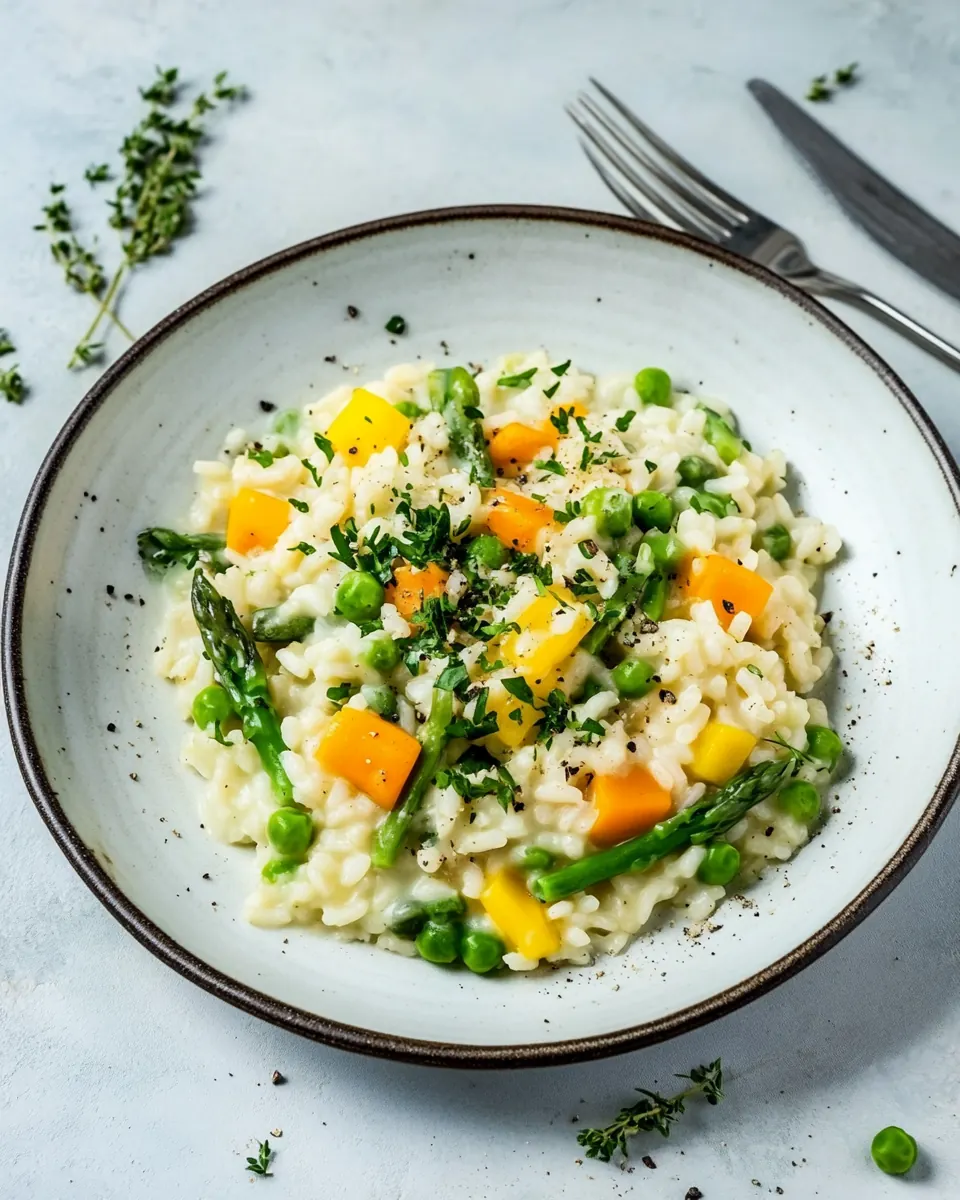
Dairy Free Farmer s Market Risotto
Dairy Free Farmer s Market Risotto is the kind of dish I reach for when the market bag is heavy with bright produce and I want something comforting but light. The first time I made this, I had a crate of asparagus and corn that begged to be celebrated, and a pantry full of simple staples. I remember standing at my stove, listening to the gentle simmer of the broth and thinking how satisfying it is to coax creaminess from just rice and vegetables, without relying on dairy to do the work.
There is something quietly meditative about stirring a pot of risotto, and this Dairy Free Farmer s Market Risotto became my weekend ritual. I love how the flavors evolve as each ladle of hot broth joins the rice, releasing gentle steam and floral aromas from fresh basil. Each stir feels like a small promise the dish will sing at the table.
I also learned that making risotto without butter or cheese forces you to be attentive, and that attention rewards you with vibrant texture and clean, bright flavor. On a sunny spring afternoon, I served this to friends with a crisp salad, and we ate with our sleeves rolled up, savoring the tender asparagus and popping kernels of corn while sharing stories. It felt honest and seasonal, and I still reach for this recipe when I want a crowd pleasing yet unfussy meal.
Recipe Snapshot
55 mins
10 mins
45 mins
Medium
300 kcal
Italian
Vegan, Gluten-Free
Dinner
Large deep skillet or saute pan, Pot for broth, Another pot for peas
Why This Dairy Free Farmer s Market Risotto Works
Seasonal brightness in every spoonful
I love how Dairy Free Farmer s Market Risotto shines with ingredients that are at their peak in spring. The tender asparagus, sweet corn kernels, and fresh basil leaves give the risotto a lively, garden fresh quality that feels grounded and bright. When you use seasonal produce, the dish nearly cooks itself because the flavors are already singing.
Comfort without heaviness
This risotto proves you can have creamy comfort without dairy. By slowly coaxing starch out of the arborio rice with warm vegetable broth, the texture becomes luxuriously silky. I find it satisfying to deliver the same mouthfeel usually achieved with butter and cheese, while keeping the result light enough for a spring lunch or a relaxed dinner.
Simple technique, impressive results
I adore how modest techniques yield something special. Stirring steadily, watching the liquid absorb, and tuning the heat all elevate the final plate. It is a recipe that makes you feel capable, and guests always comment on how elevated it tastes, even though it relies on straightforward steps and pantry items like shallot and olive oil.
Flexible and crowd friendly
This dish scales nicely, which is why I often make it for gatherings. The method is forgiving if you have an extra pair of hands ladling broth or someone watching the pot while you set the table. Because it is dairy free, it accommodates varied diets, and the bright mix of vegetables always appeals to a wide range of palates.
Fresh herb finish that wakes everything up
Torn basil leaves at the end add aroma and a lifting freshness that transforms the texture into something truly memorable. I never skip that final stir and vigorous toss because the herb oils bloom when they meet the warm rice and create an irresistible, fragrant finish.
Recipe Ingredients for Dairy Free Farmer s Market Risotto
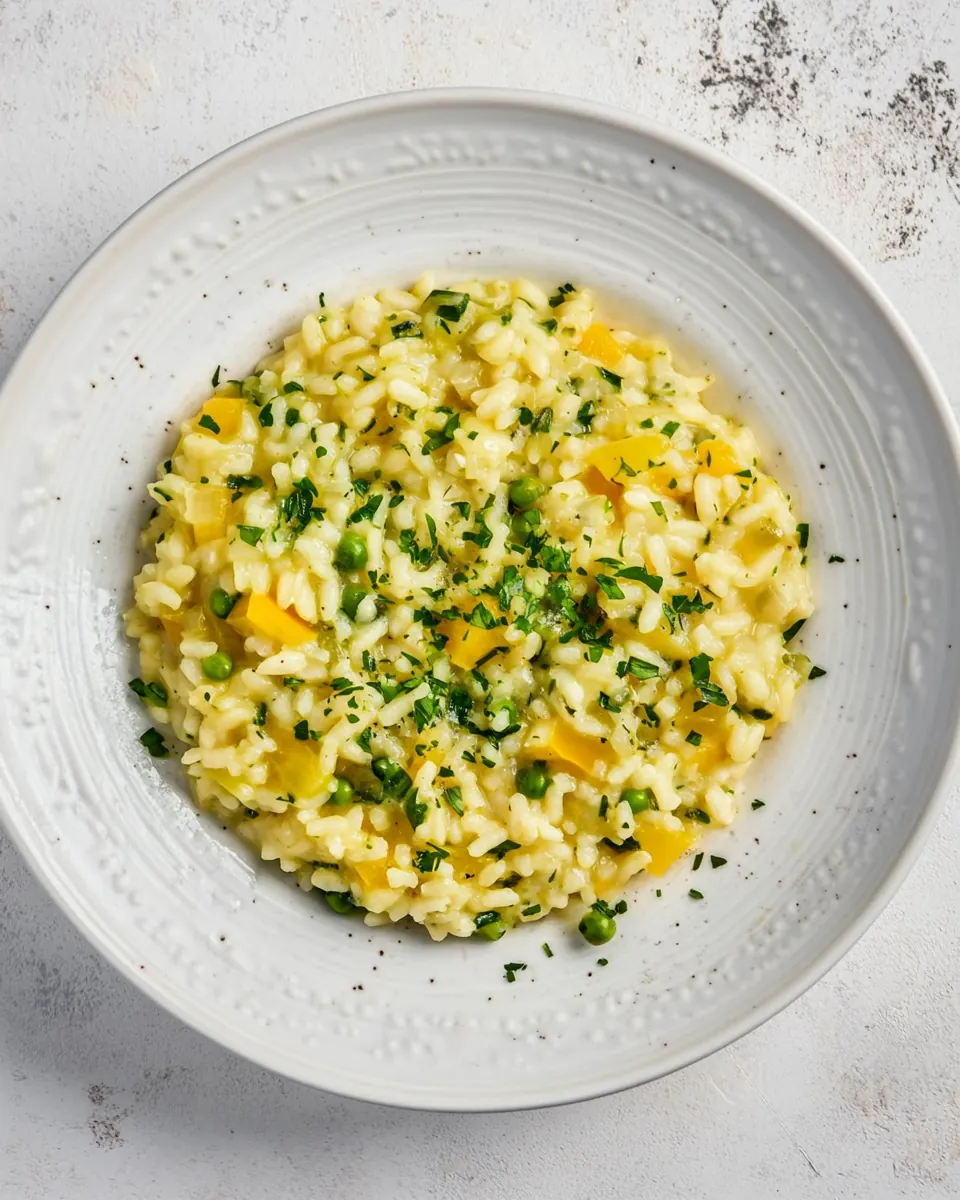
These ingredients are chosen to create a harmonious balance of starch, savory aromatics, and bright seasonal vegetables. The arborio rice is the star that releases starch to create creaminess, while the warm vegetable broth is the gentle solvent that unlocks flavor. The vegetables provide texture contrasts and bursts of sweetness, and finishing basil leaves ties everything together with herbal perfume.
- 6 to 8 cups vegetable broth: Warm gently and provide the cooking liquid base for risotto, carrying and concentrating flavors as it reduces; use the higher end of the range for a looser texture and the lower end for a creamier finish.
- 2 to 3 cups water: Supplement the broth to control liquid volume and adjust final risotto consistency; add gradually while stirring to achieve the desired creaminess without overcooking the rice.
- 1/2 cup green peas: Add a bright pop of sweetness and color late in cooking to preserve texture; stir in during the final minutes so peas remain tender-crisp and retain their fresh flavor.
- 2 tablespoons olive oil: Coat the pan and sauté aromatics evenly, promoting gentle sweating and preventing sticking; use for initial flavor building and to create a silky mouthfeel in the finished risotto.
- 1 shallot chopped fine: Meld into the oil to release aromatic compounds and build savory depth; cook until translucent to add a subtle sweet-onion flavor without overpowering other vegetables.
- 1 medium carrot, peeled, diced small: Provide subtle sweetness and textural contrast when diced small and softened; sauté with the shallot to develop caramelized notes that complement the rice.
- 1 leek light green and white part only, halved lengthwise, rinsed and sliced horizontally into strips: Contribute a mild, onion-like flavor and delicate texture when sliced thinly; rinse well to remove grit and cook until softened to blend seamlessly into the dish.
- 1 cup arborio rice: Absorb the flavorful liquids and release starches that create the classic creamy risotto texture; add gradually and stir to coax out starch for a cohesive, velvety result.
- 1/2 cup asparagus chopped into 1 inch pieces, woody stems removed: Introduce a tender, slightly vegetal bite and seasonal freshness when cut into uniform pieces; add partway through cooking so asparagus cooks through but remains slightly firm.
- 1 cup corn kernels fresh: Offer sweet, juicy kernels and seasonal brightness when fresh; stir in near the end of cooking to preserve sweetness and provide textural contrast.
- 2 cups baby spinach roughly chopped: Fold in late to wilt gently and add vibrant color and earthiness; rough chopping ensures even distribution and quick wilting without becoming mushy.
- 1/2 teaspoon salt: Enhance overall seasoning with a measured saline lift to balance sweetness from vegetables and starch from rice; adjust to taste at the end to avoid over-salting.
- 1/4 teaspoon ground black pepper fresh: Provide a sharp, warming note and subtle background heat when freshly ground; incorporate sparingly and adjust to personal preference to complement the other flavors.
- 1/2 cup basil leaves fresh, torn into small pieces: Infuse bright herbaceous fragrance and a peppery-sweet finish when torn and stirred in at the end; use fresh leaves to maintain aromatic intensity and color.
Recipe Directions for Dairy Free Farmer s Market Risotto
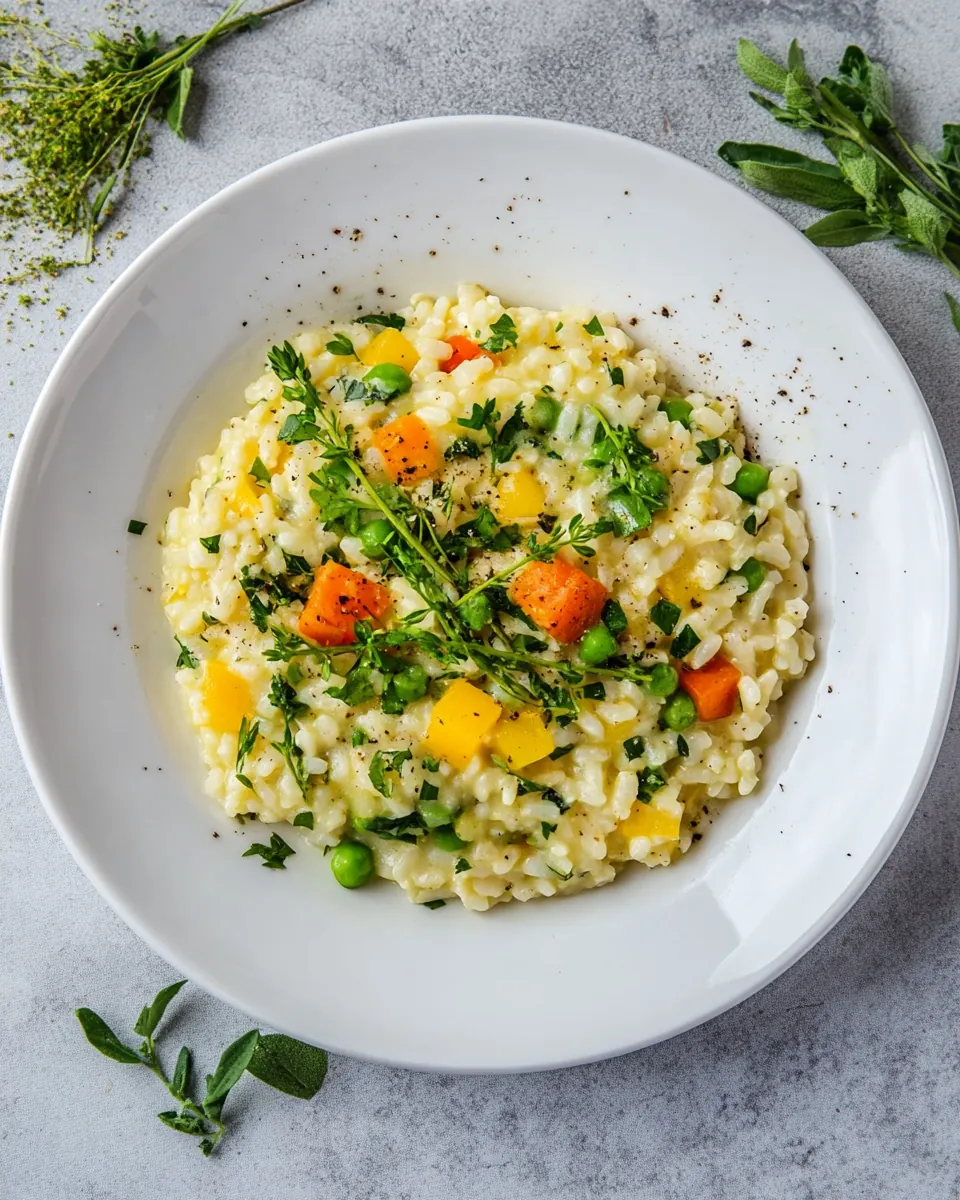
These directions will guide you step by patient step through building flavor and texture. Take your time, keep the broth warm, and pay attention to the rice s texture as you add liquid. The process rewards focus and yields a silky, vegetable forward risotto.
- Heat vegetable broth over medium heat and keep warm.: As the broth gently simmers, you will notice a steady steam rising and a savory aroma that sets the stage for the rice to absorb flavor; keeping the vegetable broth warm ensures each ladle you add does not cool the pan down, which would slow cooking and affect texture. If the broth is cold when added, the rice will take longer to soften and the final consistency can become gluey from over stirring; a common mistake here is letting the broth boil vigorously which concentrates salt and can change flavor, so aim for a gentle simmer.
- In another pot, boil green peas in water until tender and cooked through, but not too soft. Drain peas and set aside.: When the green peas hit boiling water, their color will intensify to a bright green and you will hear a soft rolling boil; blanching briefly preserves their pop and sweetness while preventing a mushy texture that would lose contrast in the risotto. After cooking, drain and set aside so excess water does not dilute the risotto; a frequent misstep is overcooking them until they fall apart, which flattens both flavor and mouthfeel.
- In a large, deep skillet or saute pan (I use Le Crueset enameled cast iron) over medium-high heat, add 2 tablespoons olive oil. Saute shallots, carrots and leeks until softened and fragrant, about 5 minutes.: The oil will shimmer when hot and is the platform for building the aromatics; once you add the shallot , carrot , and leek , listen for a gentle sizzle and watch them soften and turn translucent, releasing sweet, savory fragrances. Sautéing at the correct heat ensures you get flavor without browning, which keeps the risotto s taste clean and springlike; avoid too high a flame because rapid browning can create bitter notes.
- Add arborio rice and stir until coated well with oil. Add 1 cup hot vegetable broth and stir constantly, until liquid is almost absorbed. Do not rush this. Reduce heat to medium.: As the vegetables sweat, the kitchen will fill with an onion like sweetness and the pieces will lose their raw edge; this step forms the flavor base so patience matters. Stir frequently to avoid sticking at the pan edges and to develop even tenderness; rushing this step often results in under softened vegetables that compete with the rice s texture.
- Continue to add broth, 1/2 cup at a time, stirring until liquid is almost absorbed. Repeat until rice is still a little under-cooked. During this process, reduce heat so that the liquid isn't absorbed too quickly.: The grains will become glossy and slightly toasted at the edges as they take on oil, and you will hear a faint, steady crackle; coating the arborio rice seals the grains and helps regulate how they release starch during cooking. Toasting briefly builds nutty undertones but do not brown the rice, because that would alter the delicate profile; a common error is skipping this coating step which can lead to an uneven, pasty finish.
- Add asparagus, corn kernels and spinach, stirring to combine. Add another 1/2 cup broth and cover. Reduce heat to simmer and allow to sit for 5-8 minutes, until rice is al-dente (tender, with still a little 'bite' to it).: When the first ladle of warm vegetable broth hits the rice, steam will rise and the rice will begin to swell, creating a creamier suspension; stirring constantly at this stage encourages even absorption and gradual starch release. You should notice the surface looking glossy with small puddles that nearly vanish, which is the cue to add more liquid; a mistake is pouring too much at once, which dilutes flavor and prolongs cooking.
- Add salt, pepper and torn basil. Stir vigorously once more and serve.: Lowering the flame steadies the simmer so the liquid absorbs at a controlled pace, producing a silky texture rather than aggressive evaporation, and you will see gentle ripples rather than roaring bubbles. Maintaining a consistent medium heat prevents the rice from cooking too quickly on the outside while the center stays hard; sudden high heat can cause uneven doneness and a mealy core.
- Continue to add broth, 1/2 cup at a time, stirring until liquid is almost absorbed: Each addition should be met with patient stirring until the rice holds a creamy sheen and the tiny puddles nearly disappear; this rhythm is how the risotto develops that signature, clingy creaminess without dairy. As the rice swells, smell will shift toward a deeper, nutty aroma and the surface will thicken; a common trap is hurrying to the finish by adding more liquid than needed, which leads to a runny texture rather than a spoon topping consistency.
- Repeat until rice is still a little under cooked: You want the grains to be tender on the outside with a slight bite at the center, known as al dente; testing frequently near the end helps you avoid overcooking, and the center should offer a gentle resistance when bitten. The rice will continue to soften slightly as you rest it, so aim for that hint of firmness rather than complete softness; overcooking here makes the overall dish mushy rather than luxuriously creamy.
- During this process, reduce heat so that the liquid isn t absorbed too quickly: If the broth disappears too fast, the rice will not have time to release its starch and the final texture may be grainy rather than smooth; the visual cue is rapid bubbling and steam which tells you to lower the heat. Adjusting heat prevents the surface from tightening while the interior lags, and it protects delicate vegetable pieces from overcooking; a common oversight is leaving the flame high which forces repetitive corrections and uneven results.
- Add asparagus, corn kernels and spinach, stirring to combine: When you fold in the asparagus , corn kernels , and spinach , you will see vibrant colors reappear and feel varied textures; the vegetables will release a fresh vegetal scent and the interplay of tender rice with crisp asparagus and sweet corn is delightful. Stir gently to distribute evenly; over stirring can bruise delicate spinach leaves, while under stirring can leave pockets of raw vegetable that are jarring in contrast.
- Add another 1/2 cup broth and cover: Adding a final touch of warm liquid and covering the pan lets residual heat and steam finish cooking the rice and vegetables, coaxing the last bit of starch into a cohesive sauce without constant stirring. During this short rest you will notice a mellowing of aromas and the grains finishing to a perfect al dente; avoid lifting the lid too often, because heat escapes and cooking time becomes unpredictable.
- Reduce heat to simmer and allow to sit for 5 to 8 minutes, until rice is al dente: During this quiet stage the risotto relaxes, flavors meld, and you will detect a unified aroma rather than separate notes; the rice will become tender with a tiny bite. Timing is key, check at five minutes and taste for the desired texture, because every pot and grain batch varies; the usual mistake is rushing or over resting which can lead to a stodgy or over soft texture.
- Add salt, pepper and torn basil: The final seasonings will brighten and bind the flavors, with the basil releasing aromatic oils that perfume the dish and the black pepper adding a warm finish. Stir vigorously once so the herb and seasonings distribute evenly and the risotto becomes glossy; under seasoning at the end is the most common error, so taste carefully and adjust sparingly.
- Stir vigorously once more and serve: A final energetic stir brings everything together, creating a cohesive, creamy texture and distributing the herb and vegetable pieces so each bite is balanced; serve immediately while warm to enjoy the ideal mouthfeel. If you leave it to sit too long, the risotto will thicken as it cools, so plan to plate promptly for best results.
Pro Tips and Tweaks
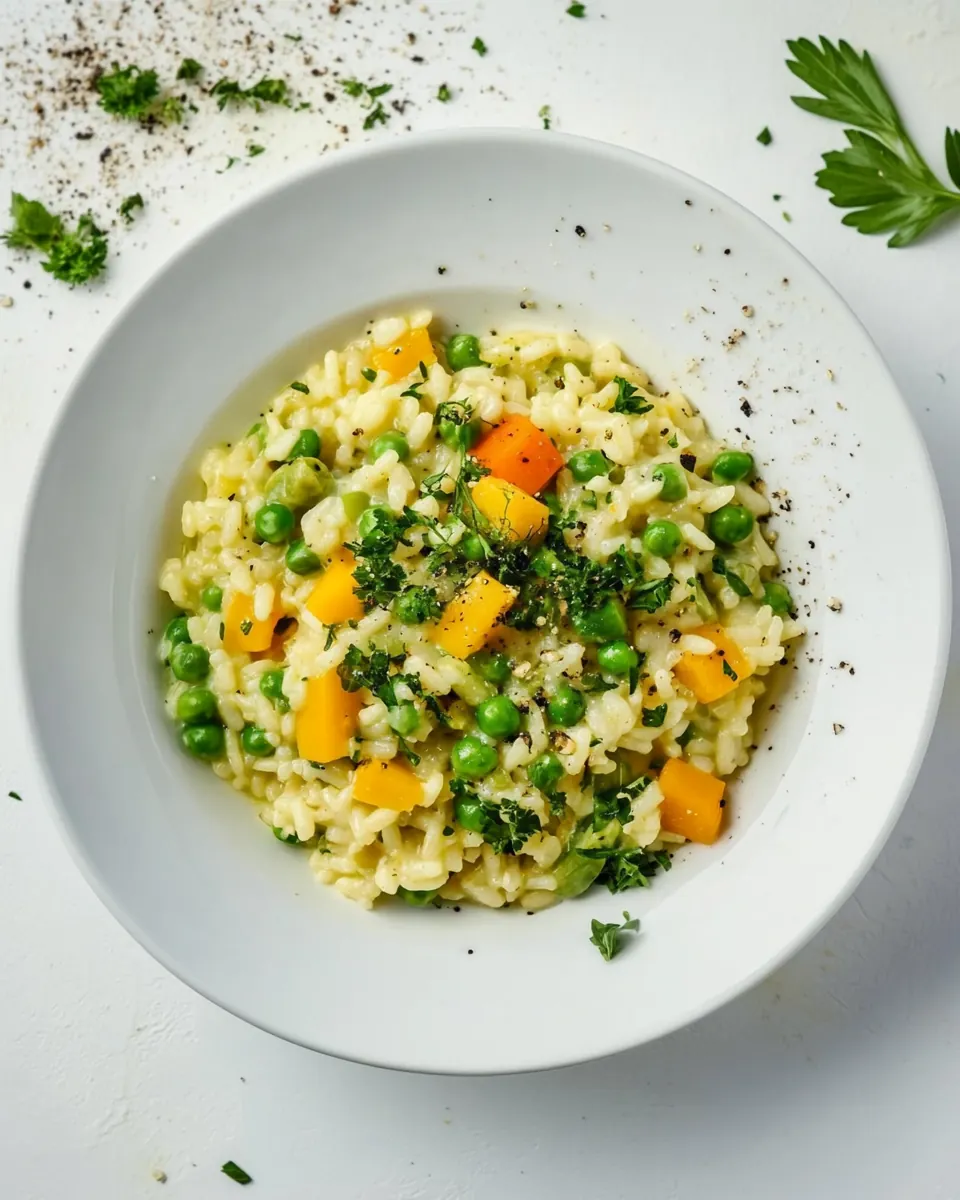
These tips deepen your control over texture and flavor, and offer tweaks I use when I want to make this dish mine. Read them before you start so you can set up a smooth rhythm at the stove.
- Warm your broth first – Always keep the vegetable broth at a gentle simmer so each addition does not lower the pan temperature, which preserves a steady cooking rhythm and consistent starch extraction.
- Control the heat – Use medium to medium high for sautéing aromatics, then drop to medium when adding broth to avoid too rapid absorption and to allow the rice to release starch slowly for creaminess.
- Use quality rice – Genuine arborio rice gives the best creaminess; short grain varieties differ, so swapping can change the final texture so choose rice labeled for risotto.
- Prep vegetables uniform in size – Cut asparagus, carrot, and leek into similar sized pieces so they cook evenly and the mouthfeel remains balanced across every bite.
- Add vegetables at the right moment – Adding tender greens like spinach toward the end preserves their color and texture, while heartier items like asparagus should go earlier so they become tender but not limp.
- Finish with fresh herb – Tearing and folding in basil at the end releases aroma without bruising, offering a bright lifted finish that elevates the whole bowl.
Serving This Dairy Free Farmer s Market Risotto
This risotto is versatile and welcoming, perfect for a range of occasions and pairings. Serve it warm and use simple garnishes to highlight its fresh character. It works well as a main or as a side, depending on the meal and company.
- Serve as a main – Plate warm bowls topped with extra torn basil leaves and a drizzle of olive oil for a simple, satisfying centerpiece for a spring lunch or light dinner.
- Serve as a side – Pair with grilled vegetables or a crisp green salad for a balanced meal where the risotto provides creamy texture and vegetable brightness.
- Occasions – Perfect for weekend brunches, casual dinner parties, and seasonal gatherings when asparagus and corn are at peak freshness; it fits relaxed entertaining and special moments alike.
- Storage – Cool quickly, transfer to an airtight container, and refrigerate up to two days, then reheat gently with a splash of warm vegetable broth to return creaminess.
- Seasonal pairings – In spring, highlight fresh herbs and bright greens; in other seasons, use preserved vegetables that match the recipe s profile while keeping the technique the same.
- Plating tips – Serve immediately in shallow bowls, finishing with a few whole basil leaves and a scattering of reserved green peas for color contrast and texture play.
FAQ
Conclusion
This Dairy Free Farmer s Market Risotto stands out because it turns simple seasonal vegetables and arborio rice into a silky, comforting meal without relying on dairy. It s approachable for cooks of any level and shines when the produce is at its peak, offering a balance of creaminess, fresh herb aroma, and bright vegetable texture. Give it a try the next time you come home with a market haul; the process is rewarding, and the result is a bowl that feels both nourishing and celebratory.
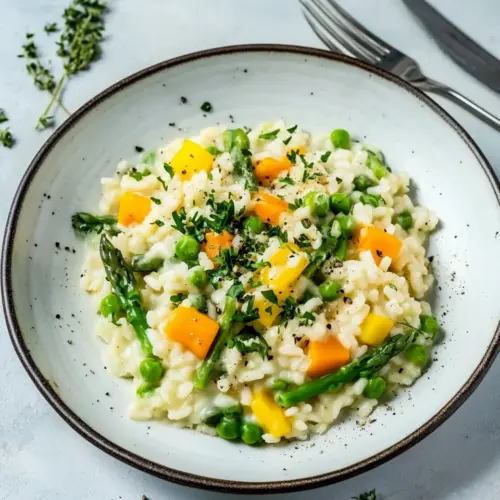
Dairy Free Farmer s Market Risotto
Equipment
- Large deep skillet or saute pan
- Pot for broth
- Another pot for peas
Ingredients
- 6 to 8 cups vegetable broth Warm gently and provide the cooking liquid base for risotto, carrying and concentrating flavors as it reduces; use the higher end of the range for a looser texture and the lower end for a creamier finish.
- 2 to 3 cups water Supplement the broth to control liquid volume and adjust final risotto consistency; add gradually while stirring to achieve the desired creaminess without overcooking the rice.
- 1/2 cup green peas Add a bright pop of sweetness and color late in cooking to preserve texture; stir in during the final minutes so peas remain tender-crisp and retain their fresh flavor.
- 2 tablespoons olive oil Coat the pan and sauté aromatics evenly, promoting gentle sweating and preventing sticking; use for initial flavor building and to create a silky mouthfeel in the finished risotto.
- 1 shallot chopped fine Meld into the oil to release aromatic compounds and build savory depth; cook until translucent to add a subtle sweet-onion flavor without overpowering other vegetables.
- 1 medium carrot, peeled, diced small Provide subtle sweetness and textural contrast when diced small and softened; sauté with the shallot to develop caramelized notes that complement the rice.
- 1 leek light green and white part only, halved lengthwise, rinsed and sliced horizontally into strips Contribute a mild, onion-like flavor and delicate texture when sliced thinly; rinse well to remove grit and cook until softened to blend seamlessly into the dish.
- 1 cup arborio rice Absorb the flavorful liquids and release starches that create the classic creamy risotto texture; add gradually and stir to coax out starch for a cohesive, velvety result.
- 1/2 cup asparagus chopped into 1 inch pieces, woody stems removed Introduce a tender, slightly vegetal bite and seasonal freshness when cut into uniform pieces; add partway through cooking so asparagus cooks through but remains slightly firm.
- 1 cup corn kernels fresh Offer sweet, juicy kernels and seasonal brightness when fresh; stir in near the end of cooking to preserve sweetness and provide textural contrast.
- 2 cups baby spinach roughly chopped Fold in late to wilt gently and add vibrant color and earthiness; rough chopping ensures even distribution and quick wilting without becoming mushy.
- 1/2 teaspoon salt Enhance overall seasoning with a measured saline lift to balance sweetness from vegetables and starch from rice; adjust to taste at the end to avoid over-salting.
- 1/4 teaspoon ground black pepper fresh Provide a sharp, warming note and subtle background heat when freshly ground; incorporate sparingly and adjust to personal preference to complement the other flavors.
- 1/2 cup basil leaves fresh, torn into small pieces Infuse bright herbaceous fragrance and a peppery-sweet finish when torn and stirred in at the end; use fresh leaves to maintain aromatic intensity and color.
Instructions
- Heat vegetable broth over medium heat and keep warm.: As the broth gently simmers, you will notice a steady steam rising and a savory aroma that sets the stage for the rice to absorb flavor; keeping the vegetable broth warm ensures each ladle you add does not cool the pan down, which would slow cooking and affect texture. If the broth is cold when added, the rice will take longer to soften and the final consistency can become gluey from over stirring; a common mistake here is letting the broth boil vigorously which concentrates salt and can change flavor, so aim for a gentle simmer.
- In another pot, boil green peas in water until tender and cooked through, but not too soft. Drain peas and set aside.: When the green peas hit boiling water, their color will intensify to a bright green and you will hear a soft rolling boil; blanching briefly preserves their pop and sweetness while preventing a mushy texture that would lose contrast in the risotto. After cooking, drain and set aside so excess water does not dilute the risotto; a frequent misstep is overcooking them until they fall apart, which flattens both flavor and mouthfeel.
- In a large, deep skillet or saute pan (I use Le Crueset enameled cast iron) over medium-high heat, add 2 tablespoons olive oil. Saute shallots, carrots and leeks until softened and fragrant, about 5 minutes.: The oil will shimmer when hot and is the platform for building the aromatics; once you add the shallot , carrot , and leek , listen for a gentle sizzle and watch them soften and turn translucent, releasing sweet, savory fragrances. Sautéing at the correct heat ensures you get flavor without browning, which keeps the risotto s taste clean and springlike; avoid too high a flame because rapid browning can create bitter notes.
- Add arborio rice and stir until coated well with oil. Add 1 cup hot vegetable broth and stir constantly, until liquid is almost absorbed. Do not rush this. Reduce heat to medium.: As the vegetables sweat, the kitchen will fill with an onion like sweetness and the pieces will lose their raw edge; this step forms the flavor base so patience matters. Stir frequently to avoid sticking at the pan edges and to develop even tenderness; rushing this step often results in under softened vegetables that compete with the rice s texture.
- Continue to add broth, 1/2 cup at a time, stirring until liquid is almost absorbed. Repeat until rice is still a little under-cooked. During this process, reduce heat so that the liquid isn't absorbed too quickly.: The grains will become glossy and slightly toasted at the edges as they take on oil, and you will hear a faint, steady crackle; coating the arborio rice seals the grains and helps regulate how they release starch during cooking. Toasting briefly builds nutty undertones but do not brown the rice, because that would alter the delicate profile; a common error is skipping this coating step which can lead to an uneven, pasty finish.
- Add asparagus, corn kernels and spinach, stirring to combine. Add another 1/2 cup broth and cover. Reduce heat to simmer and allow to sit for 5-8 minutes, until rice is al-dente (tender, with still a little 'bite' to it).: When the first ladle of warm vegetable broth hits the rice, steam will rise and the rice will begin to swell, creating a creamier suspension; stirring constantly at this stage encourages even absorption and gradual starch release. You should notice the surface looking glossy with small puddles that nearly vanish, which is the cue to add more liquid; a mistake is pouring too much at once, which dilutes flavor and prolongs cooking.
- Add salt, pepper and torn basil. Stir vigorously once more and serve.: Lowering the flame steadies the simmer so the liquid absorbs at a controlled pace, producing a silky texture rather than aggressive evaporation, and you will see gentle ripples rather than roaring bubbles. Maintaining a consistent medium heat prevents the rice from cooking too quickly on the outside while the center stays hard; sudden high heat can cause uneven doneness and a mealy core.
- Continue to add broth, 1/2 cup at a time, stirring until liquid is almost absorbed: Each addition should be met with patient stirring until the rice holds a creamy sheen and the tiny puddles nearly disappear; this rhythm is how the risotto develops that signature, clingy creaminess without dairy. As the rice swells, smell will shift toward a deeper, nutty aroma and the surface will thicken; a common trap is hurrying to the finish by adding more liquid than needed, which leads to a runny texture rather than a spoon topping consistency.
- Repeat until rice is still a little under cooked: You want the grains to be tender on the outside with a slight bite at the center, known as al dente; testing frequently near the end helps you avoid overcooking, and the center should offer a gentle resistance when bitten. The rice will continue to soften slightly as you rest it, so aim for that hint of firmness rather than complete softness; overcooking here makes the overall dish mushy rather than luxuriously creamy.
- During this process, reduce heat so that the liquid isn t absorbed too quickly: If the broth disappears too fast, the rice will not have time to release its starch and the final texture may be grainy rather than smooth; the visual cue is rapid bubbling and steam which tells you to lower the heat. Adjusting heat prevents the surface from tightening while the interior lags, and it protects delicate vegetable pieces from overcooking; a common oversight is leaving the flame high which forces repetitive corrections and uneven results.
- Add asparagus, corn kernels and spinach, stirring to combine: When you fold in the asparagus , corn kernels , and spinach , you will see vibrant colors reappear and feel varied textures; the vegetables will release a fresh vegetal scent and the interplay of tender rice with crisp asparagus and sweet corn is delightful. Stir gently to distribute evenly; over stirring can bruise delicate spinach leaves, while under stirring can leave pockets of raw vegetable that are jarring in contrast.
- Add another 1/2 cup broth and cover: Adding a final touch of warm liquid and covering the pan lets residual heat and steam finish cooking the rice and vegetables, coaxing the last bit of starch into a cohesive sauce without constant stirring. During this short rest you will notice a mellowing of aromas and the grains finishing to a perfect al dente; avoid lifting the lid too often, because heat escapes and cooking time becomes unpredictable.
- Reduce heat to simmer and allow to sit for 5 to 8 minutes, until rice is al dente: During this quiet stage the risotto relaxes, flavors meld, and you will detect a unified aroma rather than separate notes; the rice will become tender with a tiny bite. Timing is key, check at five minutes and taste for the desired texture, because every pot and grain batch varies; the usual mistake is rushing or over resting which can lead to a stodgy or over soft texture.
- Add salt, pepper and torn basil: The final seasonings will brighten and bind the flavors, with the basil releasing aromatic oils that perfume the dish and the black pepper adding a warm finish. Stir vigorously once so the herb and seasonings distribute evenly and the risotto becomes glossy; under seasoning at the end is the most common error, so taste carefully and adjust sparingly.
- Stir vigorously once more and serve: A final energetic stir brings everything together, creating a cohesive, creamy texture and distributing the herb and vegetable pieces so each bite is balanced; serve immediately while warm to enjoy the ideal mouthfeel. If you leave it to sit too long, the risotto will thicken as it cools, so plan to plate promptly for best results.
Notes
- Warm your broth first - Always keep the vegetable broth at a gentle simmer so each addition does not lower the pan temperature, which preserves a steady cooking rhythm and consistent starch extraction.
- Control the heat - Use medium to medium high for sautéing aromatics, then drop to medium when adding broth to avoid too rapid absorption and to allow the rice to release starch slowly for creaminess.
- Use quality rice - Genuine arborio rice gives the best creaminess; short grain varieties differ, so swapping can change the final texture so choose rice labeled for risotto.
- Prep vegetables uniform in size - Cut asparagus, carrot, and leek into similar sized pieces so they cook evenly and the mouthfeel remains balanced across every bite.
- Add vegetables at the right moment - Adding tender greens like spinach toward the end preserves their color and texture, while heartier items like asparagus should go earlier so they become tender but not limp.
- Finish with fresh herb - Tearing and folding in basil at the end releases aroma without bruising, offering a bright lifted finish that elevates the whole bowl.
