Creamy Tahini Dressing
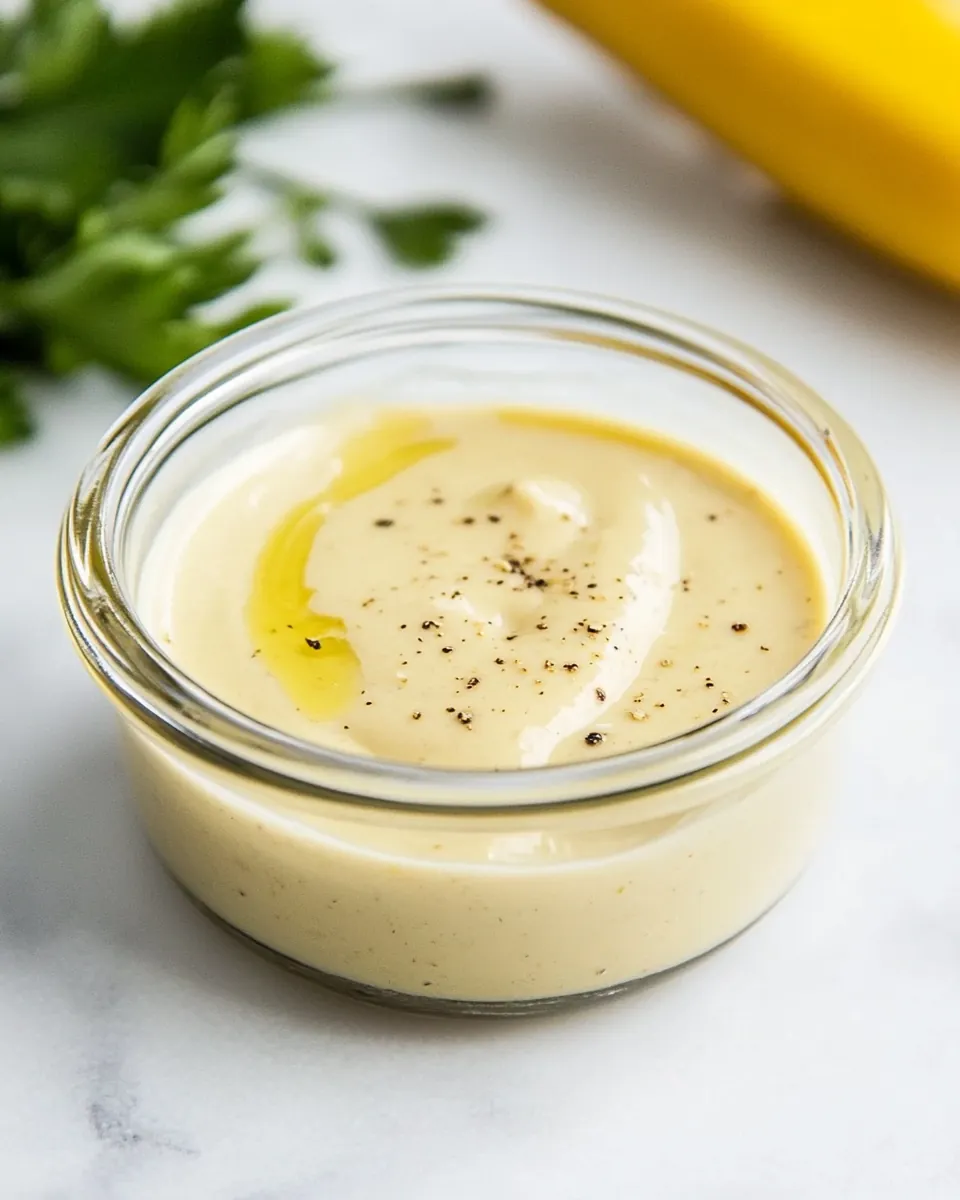
Creamy Tahini Dressing has been my go to shortcut for turning plain salads and roasted vegetables into something memorable, and I still smile when I reach for the jar in the fridge. The first time I mixed tahini, lemon, and a touch of honey it felt like alchemy, a simple set of pantry staples becoming an irresistibly smooth sauce. I remember stirring it while watching light change in my kitchen window, the aroma of lemon lifting the sesame notes in a way that made me pause and taste between stirs.
Over the years I’ve adapted the proportions to suit different moods, sometimes making it silkier with an extra splash of olive oil, other times thinning it just enough with water to drizzle over grain bowls. I often make a double batch, because friends always ask for a spoonful and then another, and it stores beautifully so I can grab it all week. This dressing quietly upgrades weekday lunches and also plays well when I want something simple for guests.
Recipe Snapshot
5 mins
5 mins
Easy
150 kcal
Mediterranean
Paleo, Gluten-Free
Salads
Small bowl, Measuring spoons, Measuring cup, Whisk, Airtight container
Why You Need This Creamy Tahini Dressing
Ultra Versatile
I love that Creamy Tahini Dressing works in so many contexts. I drizzle it over salad for a rich, nutty finish, toss it with roasted vegetables to add a glossy sheen, or use it as a dip for raw vegetables. Because it is not overpowering, it plays nicely with fresh herbs and bold toppings.
Balanced Flavor Profile
This dressing balances the earthy depth of tahini with bright lemon juice and a hint of sweetness from honey. That contrast keeps each bite interesting, and the small amount of extra virgin olive oil smooths the texture, making it feel indulgent without heaviness. I find that the garlic powder adds savory warmth without dominating.
Quick and Reliable
One reason I turn to Creamy Tahini Dressing is speed. From measuring to whisked it takes minutes, so it is perfect when you need a last minute sauce. The simplicity also makes it reliable, there are no temperamental steps so it comes out consistently well, which is something I really appreciate on busy nights.
Long Lasting and Convenient
I appreciate that this dressing keeps well in the fridge, so I can prepare it ahead and use it throughout the week. It becomes more integrated as it rests, so flavors mellow and marry. That convenience means I reach for it more often, which in turn inspires more creative meals and fewer takeout nights.
Easy to Customize
Finally, I enjoy how forgiving the recipe is. Want it thinner, add a tablespoon of water. Prefer more tang, add an extra squeeze of lemon juice. You can tailor it without losing the core character, which makes it a staple in my kitchen rotation.
Ingredients Required for Creamy Tahini Dressing
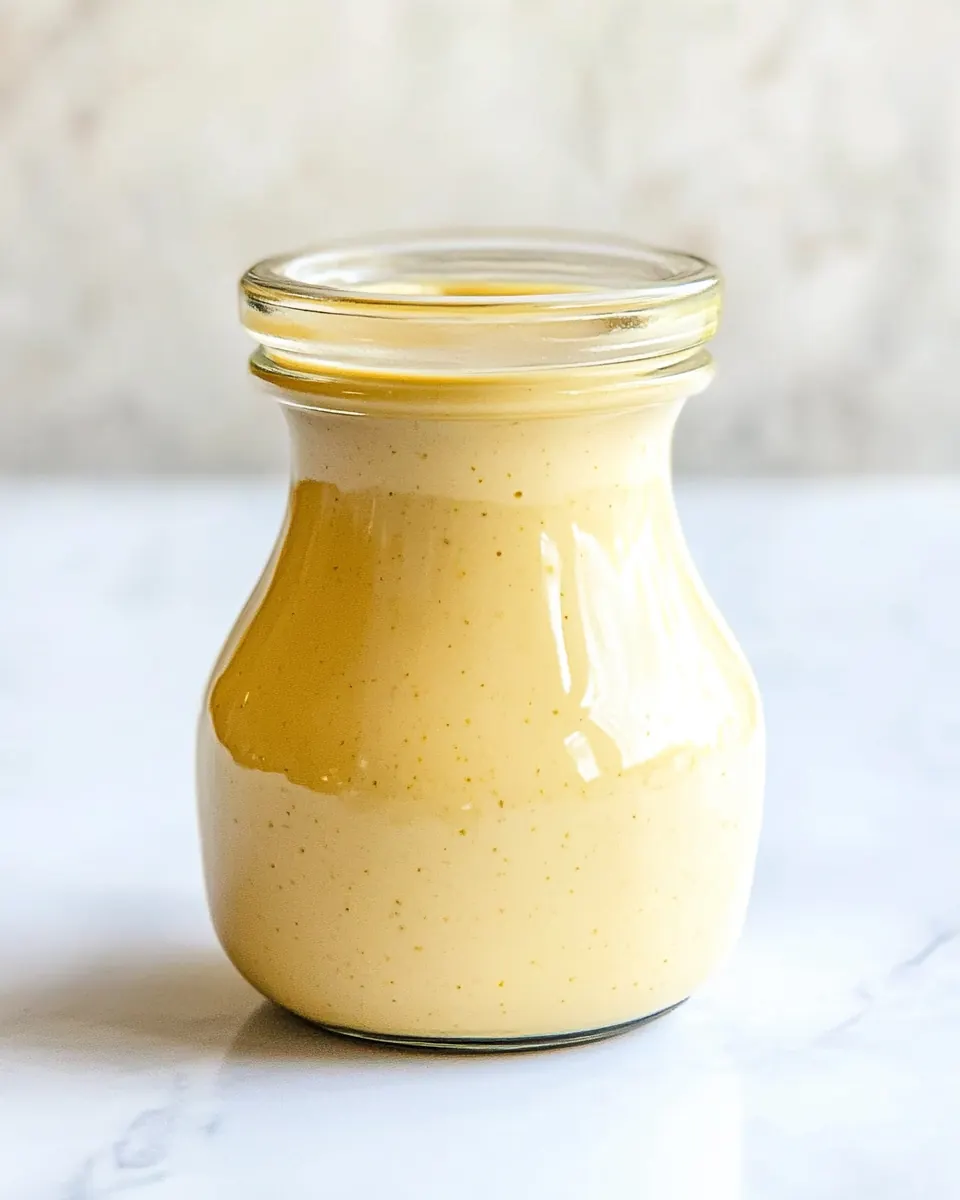
These ingredients combine to create a smooth, balanced dressing that reads nutty, tangy, and slightly sweet. The key players are the tahini for body and sesame flavor, lemon juice for bright acidity, and extra virgin olive oil for silkiness. Small amounts of honey and garlic powder round out the profile, while salt and pepper bring everything into focus. The optional water helps adjust texture without diluting flavor.
- 1/3 cup tahini sesame paste: Provides a rich, nutty base and thick, creamy texture that forms the backbone of the dressing; helps emulsify the liquids and contribute a silky mouthfeel. Adds depth of flavor and a subtle roasted sesame aroma that balances the acidity from lemon. Works as a binder for other seasonings and can be thinned with water to reach desired consistency.
- 3 tablespoons extra virgin olive oil: Contributes a fruity, robust fat that smooths the tahini and helps create an emulsion with the lemon juice; adds a glossy finish. Enhances mouthfeel and carries flavors across the palate while adding a touch of healthy monounsaturated fats. Helps mellow the tahini's intensity and round out the overall dressing.
- 3 tablespoons lemon juice: Adds bright acidity that cuts through the richness and lightens the overall flavor profile; helps balance sweetness and oil. Activates the tahini to become more pourable and tangy, improving overall freshness. Provides a citrusy lift that makes the dressing lively with salads or bowls.
- 1 tablespoon honey: Imparts gentle sweetness to counterbalance the lemon and sesame bitterness; helps round the flavor profile and prevent sharpness. A small amount enhances overall harmony and provides a pleasant glaze-like quality. Can be adjusted to taste to make the dressing more mellow or pronounced.
- 1 teaspoon garlic powder: Adds a concentrated savory and aromatic note that amplifies the dressing's overall flavor without adding moisture. Provides gentle pungency reminiscent of fresh garlic but shelf-stable and convenient. Enhances savory depth and pairs well with the tahini's nuttiness and lemon's brightness.
- Salt and pepper: Season to taste with salt and pepper to elevate and balance all components; salt enhances overall flavor while pepper adds subtle heat and complexity. Use sparingly and adjust at the end to avoid over-seasoning, as tahini can mute salt perception. Ensures the dressing is flavorful and well-rounded.
- 1-3 tablespoons water if needed (optional): Allows adjustment of consistency to desired pourability or creaminess, used sparingly until the dressing reaches the preferred texture. Helps achieve a smooth, drizzle-able dressing without thinning flavor when added incrementally. Useful for customizing viscosity for salads, bowls, or dipping.
How to Assemble Creamy Tahini Dressing
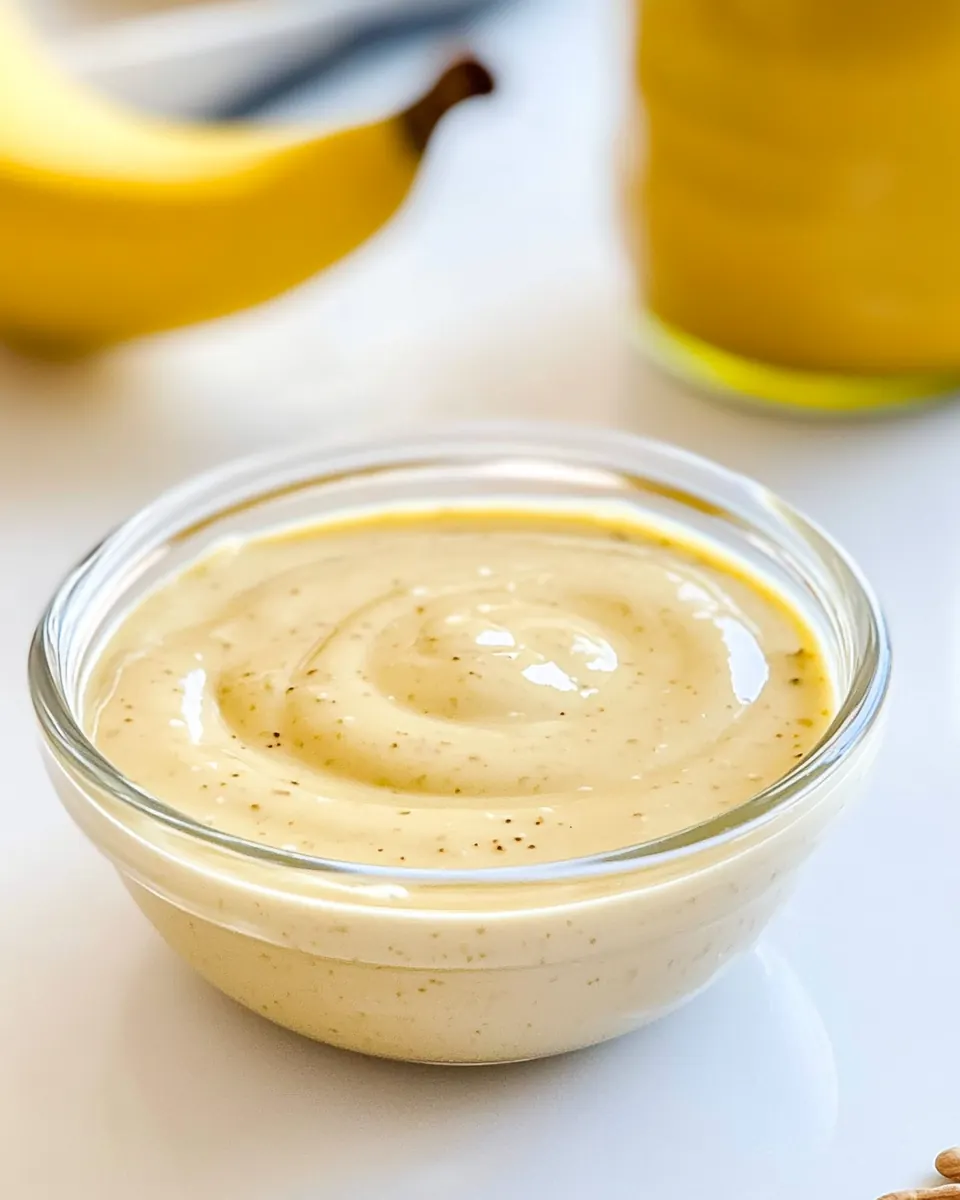
Assembling this dressing is straightforward but rewarding. I like a calm moment of whisking so the ingredients fully combine and the texture becomes lusciously smooth. Below are the steps rewritten into a detailed narrative so you can sense what each stage should feel and smell like.
- Set out a small bowl or measuring pitcher. Measure and combine the tahini paste, olive oil, lemon juice, honey, and garlic powder.: The immediate feel when you gather your tools is one of readiness, a small quiet ritual before you create. Using a narrow measuring pitcher concentrates the action as you whisk, and the sides help keep splatter in check. You want stability under your wrist, so choose a vessel that sits flat on the counter. A common mistake is using a container that is too wide, which forces faster whisking and can leave the tahini unevenly mixed.
- Whisk the dressing until smooth. If it is thicker than desired, you can whisk in 1 tablespoon of water at a time to reach your desired consistency.: At this stage the aromas start to layer, with sesame and citrus present but not yet harmonized. Measuring carefully keeps the balance consistent, and I like adding the honey last so it settles into the mix instead of clinging to a spoon. If tahini is thick, it may resist incorporation at first, so scrape the jar to include every bit. Overcrowding the bowl with ingredients can make whisking inefficient, so keep proportions modest for easier blending.
- Taste, then add salt and pepper as needed. At this point you can also whisk in additional herbs and spices if you want.: Now you will notice the texture change, from grainy to silky. Use steady, circular wrist motion and listen for a faint, even sound as the whisk glides through the liquid. The color will shift to a glossy, pale tan. This step matters because thorough emulsification ensures the oil and tahini bind rather than separate, giving you a stable dressing that clings to food. If you rush, you may end up with thin streaks of oil, which signals incomplete mixing.
- Cover the dressing and refrigerate until ready to serve.: Adding water is about texture, not flavor, so proceed gradually and judge by how the dressing coats the back of a spoon. The first splash will loosen the mixture, and small increments let you stop when you hit the perfect pourable stage. Use room temperature water to avoid chilling the emulsion. A typical slip up is adding too much liquid at once, which makes the dressing runny and dulls the sesame's mouthfeel.
- Taste, then add salt and pepper as needed: This sensory check is essential, taste for acidity, salt balance, and sweetness. Adjust in tiny increments because each addition shifts the profile noticeably. The dressing should sing, with each component present but none overpowering. A mistake many people make is over salting early on, so season lightly and revisit after the flavors settle for a minute.
- At this point you can also whisk in additional herbs and spices if you want: This is the customization window where you can fold in parsley, cumin, or chili flakes for a different character. Sensory cues to look for are aroma and how the dressing clings after additions. Adding large amounts of fresh herbs can introduce moisture, so account for that by whisking a touch more. Avoid overpowering the tahini base, since it is the hallmark flavor you want to preserve.
- Cover the dressing and refrigerate until ready to serve: Chilling helps the flavors meld, and the dressing thickens slightly as it cools, which many people prefer. Use an airtight container to prevent odor transfer from the fridge. Before serving, give it a brisk stir to reincorporate any settled oil. A common error is leaving it uncovered, which diminishes freshness and can dry the surface.
Helpful Hints
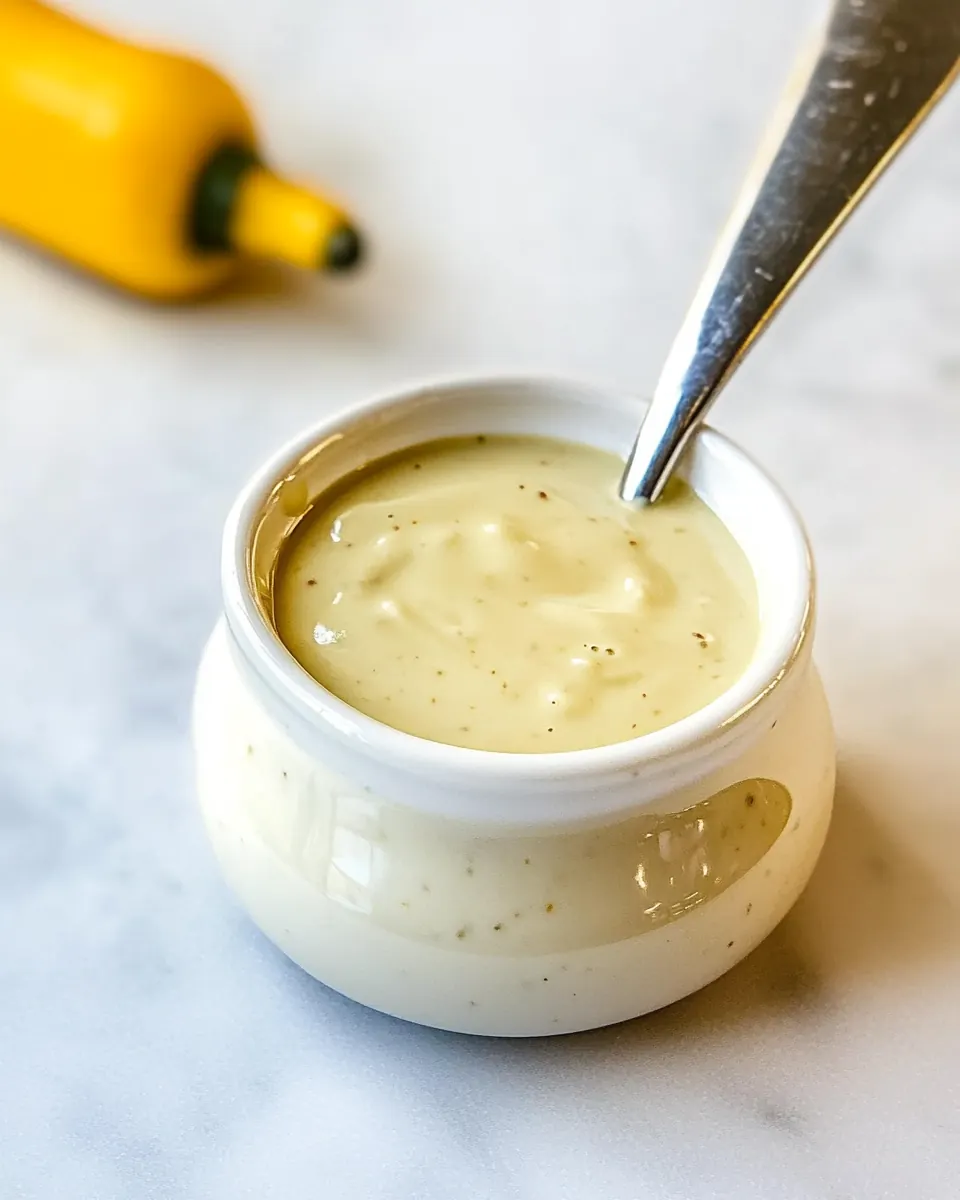
This short intro highlights practical pointers I use when making Creamy Tahini Dressing. These tips help you achieve silky texture, balanced flavor, and longer storage life. Read them and adapt them to your pantry and taste preferences.
- Measure Precisely: Use measuring spoons and cups to get the proportions right, especially for the first few times, so you can learn how the balance feels and then adjust from there.
- Room Temperature Ingredients: If your tahini is cold, let it sit briefly so it mixes smoothly; cold, stiff tahini can seize and resist emulsification.
- Slow Emulsification: Whisk the tahini and lemon together before adding oil to encourage a stable emulsion that will not separate quickly in the fridge.
- Adjust Gradually: When thinning with water, add one tablespoon at a time and test by drizzling over a spoon or salad to check consistency.
- Store Properly: Keep in an airtight container in the refrigerator for up to three weeks, and stir well before each use to recombine any settled components.
Serving Suggestions
This introduction explains how I like to present Creamy Tahini Dressing and why it fits many meals and occasions. The ideas below include practical pairings and storage notes to help you incorporate the dressing into daily life.
- As a Salad Dressing: Drizzle over mixed greens or heartier lettuces for a creamy, nutty finish that replaces heavier creamy dressings.
- Grain Bowls: Spoon it over bowls with rice, quinoa, roasted vegetables, and a sprinkle of seeds for a satisfying lunch or dinner.
- Vegetable Dip: Use as a dip for raw carrots, celery, or roasted cauliflower during casual gatherings or as an appetizer.
- Meal Prep Friendly: Make a batch at the start of the week to keep salads and bowls interesting, storing it in a jar so it is easy to shake and pour.
- Seasonal Pairings: In spring and summer use it on bright green salads with herbs; in cooler months pair it with roasted, root vegetables for a comforting contrast.
- Occasion Uses: Offer it at potlucks or Ramadan iftar tables as a versatile condiment that complements many dishes without overpowering them.
- Storage Tip: Keep refrigerated and give a good stir before serving, the dressing may thicken slightly when cold so a minute at room temperature helps it loosen.
FAQ
Conclusion
Creamy Tahini Dressing shines because it transforms simple ingredients into a velvety, versatile sauce that complements salads, bowls, and roasted vegetables. Give it a try and you may find it becomes one of your most used condiments, offering depth without fuss. It is quick to make, easy to tweak, and rewarding to keep on hand for elevating everyday meals with minimal effort.
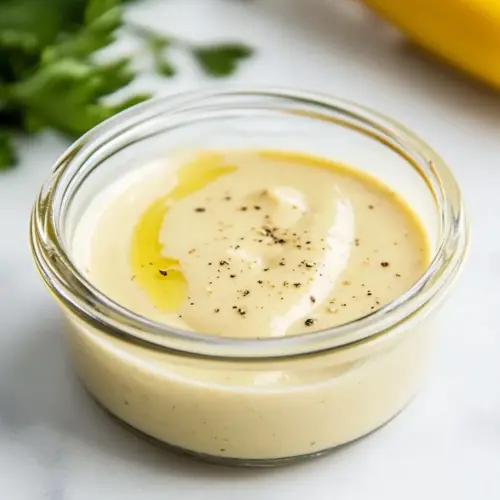
Creamy Tahini Dressing
Equipment
- Small Bowl
- Measuring Spoons
- Measuring Cup
- Whisk
- Airtight Container
Ingredients
- 1/3 cup tahini sesame paste Provides a rich, nutty base and thick, creamy texture that forms the backbone of the dressing; helps emulsify the liquids and contribute a silky mouthfeel. Adds depth of flavor and a subtle roasted sesame aroma that balances the acidity from lemon. Works as a binder for other seasonings and can be thinned with water to reach desired consistency.
- 3 tablespoons extra virgin olive oil Contributes a fruity, robust fat that smooths the tahini and helps create an emulsion with the lemon juice; adds a glossy finish. Enhances mouthfeel and carries flavors across the palate while adding a touch of healthy monounsaturated fats. Helps mellow the tahini's intensity and round out the overall dressing.
- 3 tablespoons lemon juice Adds bright acidity that cuts through the richness and lightens the overall flavor profile; helps balance sweetness and oil. Activates the tahini to become more pourable and tangy, improving overall freshness. Provides a citrusy lift that makes the dressing lively with salads or bowls.
- 1 tablespoon honey Imparts gentle sweetness to counterbalance the lemon and sesame bitterness; helps round the flavor profile and prevent sharpness. A small amount enhances overall harmony and provides a pleasant glaze-like quality. Can be adjusted to taste to make the dressing more mellow or pronounced.
- 1 teaspoon garlic powder Adds a concentrated savory and aromatic note that amplifies the dressing's overall flavor without adding moisture. Provides gentle pungency reminiscent of fresh garlic but shelf-stable and convenient. Enhances savory depth and pairs well with the tahini's nuttiness and lemon's brightness.
- Salt and pepper Season to taste with salt and pepper to elevate and balance all components; salt enhances overall flavor while pepper adds subtle heat and complexity. Use sparingly and adjust at the end to avoid over-seasoning, as tahini can mute salt perception. Ensures the dressing is flavorful and well-rounded.
- Optional: 1-3 tablespoons water if needed Allows adjustment of consistency to desired pourability or creaminess, used sparingly until the dressing reaches the preferred texture. Helps achieve a smooth, drizzle-able dressing without thinning flavor when added incrementally. Useful for customizing viscosity for salads, bowls, or dipping.
Instructions
- Set out a small bowl or measuring pitcher. Measure and combine the tahini paste, olive oil, lemon juice, honey, and garlic powder.: The immediate feel when you gather your tools is one of readiness, a small quiet ritual before you create. Using a narrow measuring pitcher concentrates the action as you whisk, and the sides help keep splatter in check. You want stability under your wrist, so choose a vessel that sits flat on the counter. A common mistake is using a container that is too wide, which forces faster whisking and can leave the tahini unevenly mixed.
- Whisk the dressing until smooth. If it is thicker than desired, you can whisk in 1 tablespoon of water at a time to reach your desired consistency.: At this stage the aromas start to layer, with sesame and citrus present but not yet harmonized. Measuring carefully keeps the balance consistent, and I like adding the honey last so it settles into the mix instead of clinging to a spoon. If tahini is thick, it may resist incorporation at first, so scrape the jar to include every bit. Overcrowding the bowl with ingredients can make whisking inefficient, so keep proportions modest for easier blending.
- Taste, then add salt and pepper as needed. At this point you can also whisk in additional herbs and spices if you want.: Now you will notice the texture change, from grainy to silky. Use steady, circular wrist motion and listen for a faint, even sound as the whisk glides through the liquid. The color will shift to a glossy, pale tan. This step matters because thorough emulsification ensures the oil and tahini bind rather than separate, giving you a stable dressing that clings to food. If you rush, you may end up with thin streaks of oil, which signals incomplete mixing.
- Cover the dressing and refrigerate until ready to serve.: Adding water is about texture, not flavor, so proceed gradually and judge by how the dressing coats the back of a spoon. The first splash will loosen the mixture, and small increments let you stop when you hit the perfect pourable stage. Use room temperature water to avoid chilling the emulsion. A typical slip up is adding too much liquid at once, which makes the dressing runny and dulls the sesame's mouthfeel.
- Taste, then add salt and pepper as needed: This sensory check is essential, taste for acidity, salt balance, and sweetness. Adjust in tiny increments because each addition shifts the profile noticeably. The dressing should sing, with each component present but none overpowering. A mistake many people make is over salting early on, so season lightly and revisit after the flavors settle for a minute.
- At this point you can also whisk in additional herbs and spices if you want: This is the customization window where you can fold in parsley, cumin, or chili flakes for a different character. Sensory cues to look for are aroma and how the dressing clings after additions. Adding large amounts of fresh herbs can introduce moisture, so account for that by whisking a touch more. Avoid overpowering the tahini base, since it is the hallmark flavor you want to preserve.
- Cover the dressing and refrigerate until ready to serve: Chilling helps the flavors meld, and the dressing thickens slightly as it cools, which many people prefer. Use an airtight container to prevent odor transfer from the fridge. Before serving, give it a brisk stir to reincorporate any settled oil. A common error is leaving it uncovered, which diminishes freshness and can dry the surface.
Notes
- Measure Precisely: Use measuring spoons and cups to get the proportions right, especially for the first few times, so you can learn how the balance feels and then adjust from there.
- Room Temperature Ingredients: If your tahini is cold, let it sit briefly so it mixes smoothly; cold, stiff tahini can seize and resist emulsification.
- Slow Emulsification: Whisk the tahini and lemon together before adding oil to encourage a stable emulsion that will not separate quickly in the fridge.
- Adjust Gradually: When thinning with water, add one tablespoon at a time and test by drizzling over a spoon or salad to check consistency.
- Store Properly: Keep in an airtight container in the refrigerator for up to three weeks, and stir well before each use to recombine any settled components.