Butternut Squash Latkes
Butternut Squash Latkes were the first thing I learned to make when the squash season showed up at our market stall, and that first pan taught me how much character a simple vegetable can carry. I still remember the way the kitchen smelled that afternoon, warm and sweet with browned edges, as I fumbled with a grater and a battered skillet. I was nervous about getting a crisp outside and tender inside, but once I tasted that rice crisp texture against the gentle squash sweetness, I was hooked.
Years later I make Butternut Squash Latkes for weeknight dinners and casual guests, sometimes swapping herbs, sometimes adding spice, always chasing that perfect balance of savory and soft. I like how they’re humble yet festive, a small golden cake that feels like an embrace on a cool evening. Friends usually assume they came from a fancy bakery, which always makes me smile because the technique is forgiving, and the ingredients are straightforward.
When autumn rolls around I reach for these pancakes as an easy way to celebrate the season without fuss. Once you learn to read the pan and listen for the sizzle, you’ll be able to make a batch whenever you crave something warm and comforting. The recipe below reflects my kitchen voice, with small notes about what to watch for and why each step matters.
Recipe Snapshot
35 mins
15 mins
20 mins
Easy
200 kcal
American
Gluten-Free, Low FODMAP
Side Dishes
Non stick skillet, Cast iron skillet, Mixing bowl, Grater, Spatula
Why You’ll Love This Butternut Squash Latkes
Golden Texture with a Tender Heart
I love how Butternut Squash Latkes deliver a contrast in every bite, crispy edges that give way to a pillowy center. The natural sugars in the butternut squash caramelize as the cakes meet hot oil, creating tiny pockets of nutty, toasty flavor that make each mouthful satisfying. I aim for that audible sizzle when the batter hits the pan because it means you are locking in texture and color.
Simple Ingredients, Big Impact
What draws me to this recipe is how little you need to make something memorable. With a handful of pantry staples like flour and egg, plus one fresh herb and warm spices like cumin, these latkes come alive. The components support each other: the starch in the flour binds moisture, the egg adds structure, and a touch of salt lifts the natural sweetness of the butternut squash.
Adaptable for Any Occasion
I often serve Butternut Squash Latkes at weekday dinners or as an impressive appetizer. They scale easily so you can make a few for two or a whole tray for guests. Because the flavor profile is warm and mildly spiced, they pair seamlessly with tangy dips like the cumin scented Greek yogurt in this recipe. I appreciate a dish that moves from casual to celebratory without losing its core simplicity.
Comfort with a Fresh Twist
These latkes feel both nostalgic and modern. The cilantro garnish brightens the plate and keeps the richness from feeling heavy. When I make them, I’m always tweaking small details, like the oil temperature or the resting time, and that curiosity keeps the dish interesting. It’s a recipe that invites you to listen and learn, and I enjoy that ongoing discovery.
Low Stress, High Reward
I value recipes that don’t demand perfection to taste great. Butternut Squash Latkes forgive little mistakes, and even if one batch is slightly softer or browner, the flavor still sings. For me that ease is a huge reason to keep this recipe in regular rotation, because good food should feel accessible.
Main Ingredients for Butternut Squash Latkes
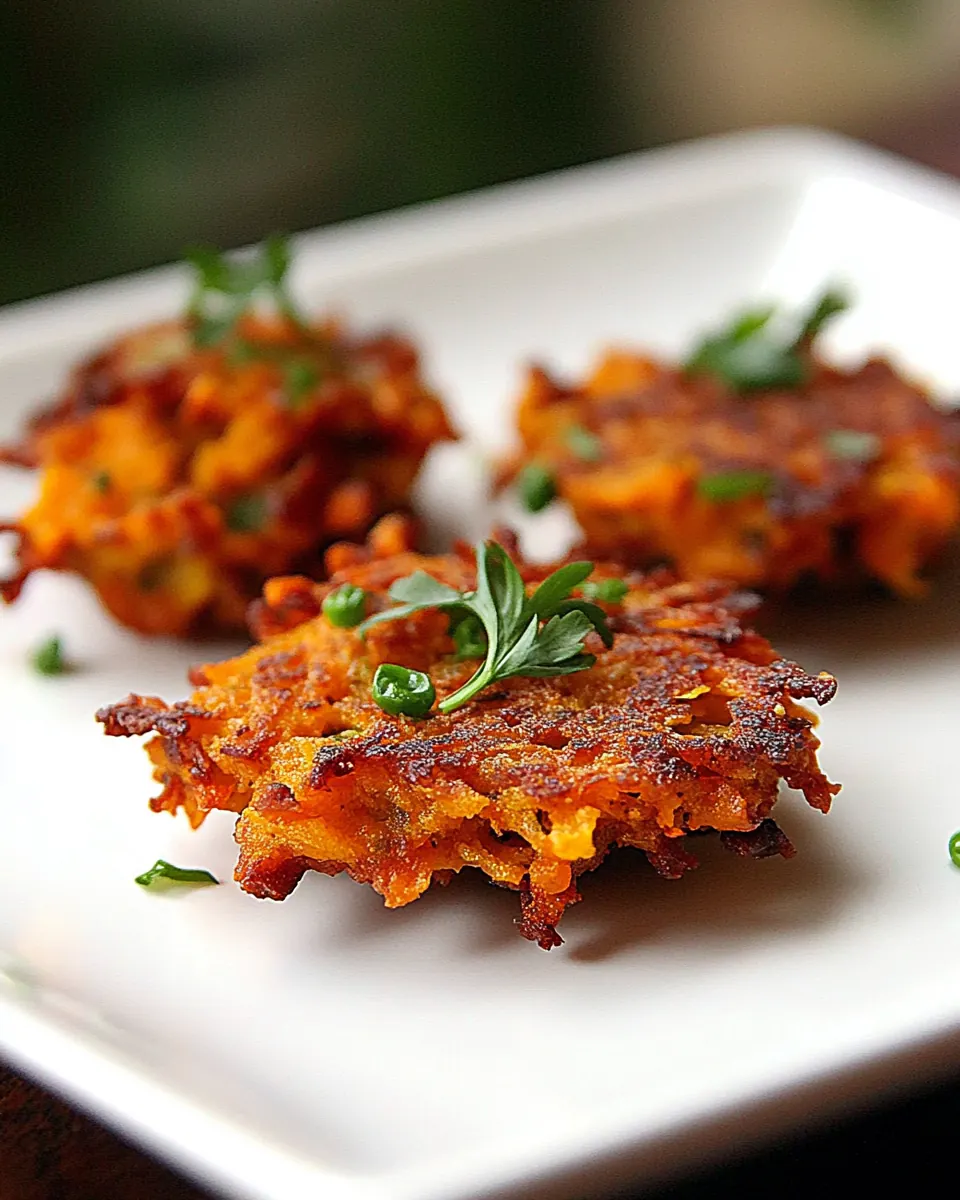
These ingredients form the backbone of a latke that is crispy outside and tender inside. Each element plays a role: the starchy binder keeps the cakes intact, the spice and salt highlight the natural squash sweetness, and the yogurt dip provides a cool, tangy counterpoint. I focus on fresh produce and minimal, complementary seasonings to let the butternut squash shine.
- 1 tablespoon butter: Provide a rich, nutty fat that helps brown and flavor the latkes while preventing sticking during frying; melt gently before adding the batter and adjust quantity for desired crispness.
- 2 cups coarsely grated butternut squash: Add sweet, earthy texture and moisture when coarsely grated, forming the body of the latkes; squeeze excess liquid if necessary to avoid soggy pancakes.
- 1 egg beaten: Bind the grated squash and dry ingredients together, adding structure and tenderness; whisk briefly and incorporate evenly for consistent texture.
- 1/3 cup flour: Contribute structure and help absorb moisture from the squash to create a cohesive batter; sift or whisk into the mixture to prevent lumps.
- 1 teaspoon sugar: Introduce a touch of sweetness to balance savory spices and deepen the overall flavor profile; adjust to taste depending on squash sweetness.
- 1/2 teaspoon salt: Enhance and season the latkes by elevating other flavors and helping to balance sweetness; distribute evenly throughout the batter.
- 1/4 teaspoon cumin: Provide warm, earthy aromatics that complement the squash and add depth; mix thoroughly to ensure even spice distribution.
- 1/4 cup finely chopped fresh cilantro plus more for garnish: Bring bright, herbaceous freshness and a hint of citrusy flavor when finely chopped; reserve some for garnish to add color and lift.
- 1/2 cup Greek yogurt: Offer a cool, tangy accompaniment that cuts through the richness of the fried latkes; serve on the side or dolloped on top for contrast.
- 1/2 teaspoon cumin: Add a second layer of warm, earthy spice to reinforce the cumin flavor in the dish; stir into yogurt or batter depending on desired intensity.
Making This Butternut Squash Latkes

Frying latkes is as much about rhythm as it is about technique. Below you will find the sequence I follow, with sensory cues and troubleshooting tips to help you know exactly when a step is done. Keep a steady hand and trust your senses rather than the clock alone.
- Melt 1 tablespoon of butter in a medium non-stick skillet over medium-high heat. Add the squash and sauté until lighter in color and soft, but not turning too much, about 5 minutes. Remove from the heat and cool.: The smell at this stage is rich and slightly nutty as the butter liquefies, and you want to see it shimmer but not smoke. The surface should glisten and move around the pan when you tilt it, signaling even heat. This step heats the pan so the butter can help start the cooking of the shredded butternut squash , promoting early caramelization. If the butter browns too quickly, the heat is too high, which will impart a bitter taste, so lower the flame at once. A common mistake here is rushing to add the squash while the butter is still foaming hard, which leads to uneven cooking and potential splatter.
- In a medium mixing bowl, stir together the squash and egg. Add the remaining ingredients and stir to combine.: As the butternut squash hits the pan you should hear a gentle hiss, not a loud splatter. Within a minute the strands will begin to loosen, and by two to three minutes they will release steam and soften. The visual cue to stop sautéing is when the strands look slightly translucent and have lost raw brightness, but they should not collapse into mush. This partial cooking helps evaporate excess moisture so the latkes crisp instead of becoming soggy. If you leave the squash in the pan too long it will break down and yield a dense cake rather than a light interior, so aim for tenderness with structure.
- Coat a large cast iron skillet with a generous layer of olive or canola oil, and set it over high heat. Test the heat with the first latke: add a tablespoon full of batter to the pan. The latke should immediately sizzle and firm. Cook for one minute on each side. Remove to a plate with paper towels. Repeat with the remaining batter, making sure not to crowd the pan.: Cooling the cooked butternut squash makes it easier to combine with the egg and flour without scrambling the egg or creating a runny batter. You will notice steam fade and the squash firm slightly as it cools. This pause also prevents the batter from thinning, which would cause the latkes to spread too much during frying. If you skip cooling, you risk a loose mixture that does not hold shape, making the cakes fall apart in the pan.
- In the meantime, combine the yogurt and the cumin. Salt to taste.: When you fold the warm but not hot butternut squash into the beaten egg , the mixture becomes cohesive and slightly glossy. The egg binds the strands and starts to develop the structure you will feel when shaping the latkes. The texture should be moist but manageable rather than watery. If it feels wet, let it sit a few minutes to allow residual steam to dissipate, because excess moisture will prevent crisping during frying.
- To serve, dollop each latke with a little yogurt, and garnish with a cilantro leaf.: As you fold in the flour , sugar , salt , cumin , and cilantro , you will see the batter come together into a cohesive mixture that holds shape when scooped. The flour absorbs stray moisture while the seasoning flavors bloom into the warm squash. If the batter appears too loose, a little more flour will help, but be careful not to overdo it because that will dull the squash. Conversely, if it becomes dry, a dash of water or a small amount of extra egg can revive it.
- Serve immediately, or cover and refrigerate. Simply reheat the cakes in a 400 degree oven for 5-10 minutes until crisp.: When the oil is hot it will shimmer and move easily across the skillet surface, and a drop of batter should sizzle immediately. The high heat is essential to form a crisp crust quickly, sealing the edges so the interior steams to tenderness without absorbing excess oil. Use an oil with a high smoke point like canola or refined olive to avoid burnt flavors. A common error is using too little oil which prevents even browning and leads to sticking.
- Test the heat with the first latke add a tablespoon full of batter to the pan: The first test cake tells you everything. If it immediately sizzles and firms up at the edges, the oil is ready. Watch for a deepening golden color at the rim within about a minute as that indicates the Maillard reaction is underway. If the test piece browns too quickly, lower the heat; if it sinks and absorbs oil, raise the temperature slightly and allow the skillet to recover. This trial prevents ruining the entire batch.
- The latke should immediately sizzle and firm cook for one minute on each side: During this short cook you will hear a satisfying crackle and see the edges tighten and become crisp, transforming from pale to golden. The quick flip keeps the interior tender while giving the exterior a pleasant crunch. Press gently with a spatula to check firmness; a properly cooked latke will release easily from the pan. The main pitfall here is flipping too early which splatters batter and causes tearing, so wait until it lifts cleanly before turning.
- Remove to a plate with paper towels repeat with the remaining batter making sure not to crowd the pan: As you transfer finished latkes to the towel lined plate, they will continue to crisp slightly from residual heat. Giving each cake breathing room in the pan ensures the oil temperature recovers between batches and prevents steaming. If you crowd the skillet, the cakes will steam and stay limp rather than crisp. Also, change or refresh the oil if it becomes darkened to avoid imparting bitter flavors.
- In the meantime combine the yogurt and the cumin salt to taste: Stirring the Greek yogurt with the second measure of cumin creates a cooling, aromatic sauce with a soft earthiness that echoes the latke seasoning. Taste and adjust with salt to balance the tang. The creamy texture of the Greek yogurt contrasts the fried surface, giving each bite a bright finish. If your yogurt is too thin the sauce will run off the cakes instead of clinging, so strain if necessary.
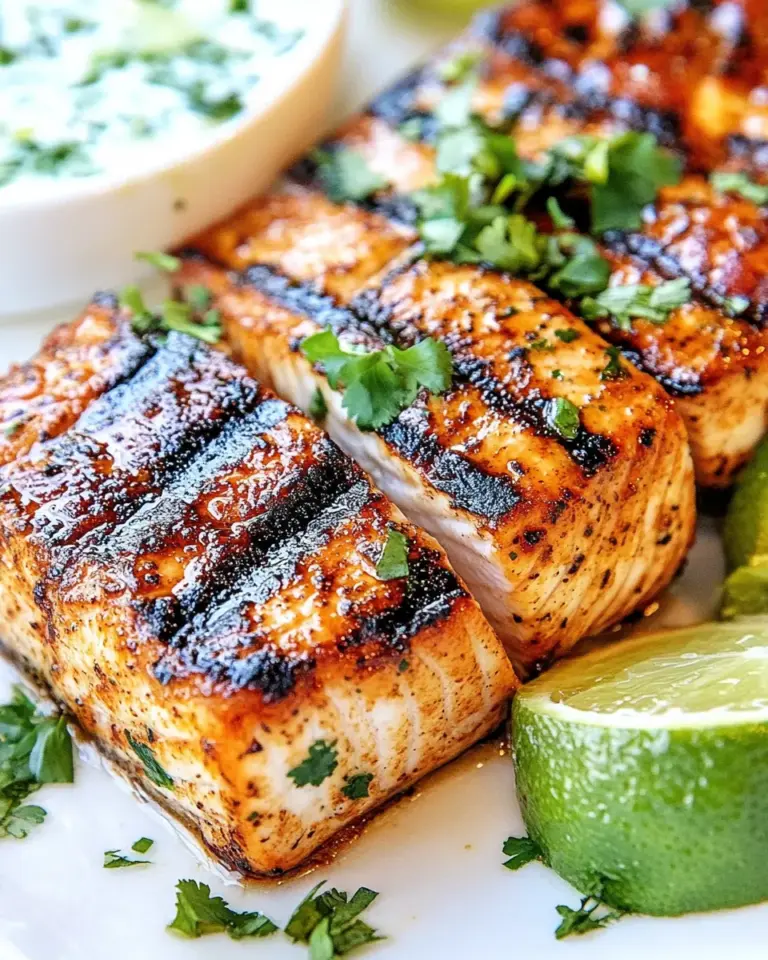
- To serve dollop each latke with a little yogurt and garnish with a cilantro leaf: The sight of bright white Greek yogurt atop golden cakes with a fleck of green cilantro is inviting and texturally complementary. Spoon a small amount so the first bite contains both elements. Serving straight from the pan keeps the exterior crisp while the yogurt adds coolness. A mistake is over topping which overwhelms the crispy experience.
- Serve immediately or cover and refrigerate simply reheat the cakes in a 400 degree oven for 5 to 10 minutes until crisp: When you reheat, the oven revives the crust and warms the center without making them greasy, restoring that just fried texture. The sound of the edges crisping as they come back to life is reassuring. If you microwave instead, expect a softer result. Reheating too long can dry them out, so check at the shorter end of the range.
Helpful Notes about Butternut Squash Latkes

Below are practical tips I use every time I make Butternut Squash Latkes. They cover small decisions that change texture and flavor, and they come from many repeat batches in a busy kitchen. Read them and tuck the most relevant tricks into your routine.
- Choose the right squash A medium firm butternut squash with a smooth rind and a little weight for its size yields tender flesh that graters well and crisps beautifully.
- Remove excess moisture After sautéing or grating, press the butternut squash lightly in a towel or let it cool uncovered to reduce steam and avoid a soggy batter.
- Oil temperature matters Test with a small spoonful of batter; it should sizzle immediately. This ensures quick crust formation and minimal oil absorption.
- Use fresh cumin Toast and grind whole cumin if possible for brighter aroma in both the batter and the Greek yogurt sauce.
- Keep a warm oven If making many batches, place finished latkes on a rack in a 200 degree oven to keep them crisp while you finish frying.
Serving This Butternut Squash Latkes
These serving ideas help you present Butternut Squash Latkes for different occasions. Whether you want a cozy family dinner or a plated starter for guests, the contrast of crisp cakes and a cool yogurt sauce makes for flexible, crowd pleasing options.
- Casual weeknight Serve a stack of latkes with a generous spoonful of the cumin Greek yogurt on the side and a simple green salad for a balanced meal.
- Appetizer for guests Present one or two mini latkes topped with a dollop of yogurt and a small cilantro leaf on a platter for easy passing.
- Brunch addition Add these to a brunch spread alongside roasted vegetables and crusty bread, letting guests build their own plates.
- Holiday side For fall gatherings or festive occasions, place a shallow pile on a serving board with small bowls of yogurt and extra herbs for garnish.
- Storage Refrigerate in a single layer separated by parchment for up to two days. Reheat in a 400 degree oven for crispness rather than microwaving to avoid sogginess.
- Seasonal pairing These latkes pair especially well with autumn produce and spices, making them a natural fit for fall dinners and cozy nights in.
FAQ
Conclusion
Butternut Squash Latkes shine because they balance crisp, golden edges with a tender, flavorful interior, making a humble vegetable feel celebratory. I encourage you to try this recipe when you want something comforting that also feels a bit special, whether for a weeknight or a gathering. With simple ingredients and a short list of techniques, these latkes reward attention to heat and timing, and they welcome small tweaks to suit your palate. Share them warm, top them with the cumin yogurt, and enjoy the approachable luxury of a well made, seasonal dish.

Butternut Squash Latkes
Equipment
- Non-Stick Skillet
- Cast-Iron Skillet
- Mixing Bowl
- Grater
- Spatula
Ingredients
- 1 tablespoon butter Provide a rich, nutty fat that helps brown and flavor the latkes while preventing sticking during frying; melt gently before adding the batter and adjust quantity for desired crispness.
- 2 cups coarsely grated butternut squash Add sweet, earthy texture and moisture when coarsely grated, forming the body of the latkes; squeeze excess liquid if necessary to avoid soggy pancakes.
- 1 egg beaten Bind the grated squash and dry ingredients together, adding structure and tenderness; whisk briefly and incorporate evenly for consistent texture.
- 1/3 cup flour Contribute structure and help absorb moisture from the squash to create a cohesive batter; sift or whisk into the mixture to prevent lumps.
- 1 teaspoon sugar Introduce a touch of sweetness to balance savory spices and deepen the overall flavor profile; adjust to taste depending on squash sweetness.
- 1/2 teaspoon salt Enhance and season the latkes by elevating other flavors and helping to balance sweetness; distribute evenly throughout the batter.
- 1/4 teaspoon cumin Provide warm, earthy aromatics that complement the squash and add depth; mix thoroughly to ensure even spice distribution.
- 1/4 cup finely chopped fresh cilantro plus more for garnish Bring bright, herbaceous freshness and a hint of citrusy flavor when finely chopped; reserve some for garnish to add color and lift.
- 1/2 cup Greek yogurt Offer a cool, tangy accompaniment that cuts through the richness of the fried latkes; serve on the side or dolloped on top for contrast.
- 1/2 teaspoon cumin Add a second layer of warm, earthy spice to reinforce the cumin flavor in the dish; stir into yogurt or batter depending on desired intensity.
Instructions
- Melt 1 tablespoon of butter in a medium non-stick skillet over medium-high heat. Add the squash and sauté until lighter in color and soft, but not turning too much, about 5 minutes. Remove from the heat and cool.: The smell at this stage is rich and slightly nutty as the butter liquefies, and you want to see it shimmer but not smoke. The surface should glisten and move around the pan when you tilt it, signaling even heat. This step heats the pan so the butter can help start the cooking of the shredded butternut squash , promoting early caramelization. If the butter browns too quickly, the heat is too high, which will impart a bitter taste, so lower the flame at once. A common mistake here is rushing to add the squash while the butter is still foaming hard, which leads to uneven cooking and potential splatter.
- In a medium mixing bowl, stir together the squash and egg. Add the remaining ingredients and stir to combine.: As the butternut squash hits the pan you should hear a gentle hiss, not a loud splatter. Within a minute the strands will begin to loosen, and by two to three minutes they will release steam and soften. The visual cue to stop sautéing is when the strands look slightly translucent and have lost raw brightness, but they should not collapse into mush. This partial cooking helps evaporate excess moisture so the latkes crisp instead of becoming soggy. If you leave the squash in the pan too long it will break down and yield a dense cake rather than a light interior, so aim for tenderness with structure.
- Coat a large cast iron skillet with a generous layer of olive or canola oil, and set it over high heat. Test the heat with the first latke: add a tablespoon full of batter to the pan. The latke should immediately sizzle and firm. Cook for one minute on each side. Remove to a plate with paper towels. Repeat with the remaining batter, making sure not to crowd the pan.: Cooling the cooked butternut squash makes it easier to combine with the egg and flour without scrambling the egg or creating a runny batter. You will notice steam fade and the squash firm slightly as it cools. This pause also prevents the batter from thinning, which would cause the latkes to spread too much during frying. If you skip cooling, you risk a loose mixture that does not hold shape, making the cakes fall apart in the pan.
- In the meantime, combine the yogurt and the cumin. Salt to taste.: When you fold the warm but not hot butternut squash into the beaten egg , the mixture becomes cohesive and slightly glossy. The egg binds the strands and starts to develop the structure you will feel when shaping the latkes. The texture should be moist but manageable rather than watery. If it feels wet, let it sit a few minutes to allow residual steam to dissipate, because excess moisture will prevent crisping during frying.
- To serve, dollop each latke with a little yogurt, and garnish with a cilantro leaf.: As you fold in the flour , sugar , salt , cumin , and cilantro , you will see the batter come together into a cohesive mixture that holds shape when scooped. The flour absorbs stray moisture while the seasoning flavors bloom into the warm squash. If the batter appears too loose, a little more flour will help, but be careful not to overdo it because that will dull the squash. Conversely, if it becomes dry, a dash of water or a small amount of extra egg can revive it.
- Serve immediately, or cover and refrigerate. Simply reheat the cakes in a 400 degree oven for 5-10 minutes until crisp.: When the oil is hot it will shimmer and move easily across the skillet surface, and a drop of batter should sizzle immediately. The high heat is essential to form a crisp crust quickly, sealing the edges so the interior steams to tenderness without absorbing excess oil. Use an oil with a high smoke point like canola or refined olive to avoid burnt flavors. A common error is using too little oil which prevents even browning and leads to sticking.
- Test the heat with the first latke add a tablespoon full of batter to the pan: The first test cake tells you everything. If it immediately sizzles and firms up at the edges, the oil is ready. Watch for a deepening golden color at the rim within about a minute as that indicates the Maillard reaction is underway. If the test piece browns too quickly, lower the heat; if it sinks and absorbs oil, raise the temperature slightly and allow the skillet to recover. This trial prevents ruining the entire batch.
- The latke should immediately sizzle and firm cook for one minute on each side: During this short cook you will hear a satisfying crackle and see the edges tighten and become crisp, transforming from pale to golden. The quick flip keeps the interior tender while giving the exterior a pleasant crunch. Press gently with a spatula to check firmness; a properly cooked latke will release easily from the pan. The main pitfall here is flipping too early which splatters batter and causes tearing, so wait until it lifts cleanly before turning.
- Remove to a plate with paper towels repeat with the remaining batter making sure not to crowd the pan: As you transfer finished latkes to the towel lined plate, they will continue to crisp slightly from residual heat. Giving each cake breathing room in the pan ensures the oil temperature recovers between batches and prevents steaming. If you crowd the skillet, the cakes will steam and stay limp rather than crisp. Also, change or refresh the oil if it becomes darkened to avoid imparting bitter flavors.
- In the meantime combine the yogurt and the cumin salt to taste: Stirring the Greek yogurt with the second measure of cumin creates a cooling, aromatic sauce with a soft earthiness that echoes the latke seasoning. Taste and adjust with salt to balance the tang. The creamy texture of the Greek yogurt contrasts the fried surface, giving each bite a bright finish. If your yogurt is too thin the sauce will run off the cakes instead of clinging, so strain if necessary.
- To serve dollop each latke with a little yogurt and garnish with a cilantro leaf: The sight of bright white Greek yogurt atop golden cakes with a fleck of green cilantro is inviting and texturally complementary. Spoon a small amount so the first bite contains both elements. Serving straight from the pan keeps the exterior crisp while the yogurt adds coolness. A mistake is over topping which overwhelms the crispy experience.
- Serve immediately or cover and refrigerate simply reheat the cakes in a 400 degree oven for 5 to 10 minutes until crisp: When you reheat, the oven revives the crust and warms the center without making them greasy, restoring that just fried texture. The sound of the edges crisping as they come back to life is reassuring. If you microwave instead, expect a softer result. Reheating too long can dry them out, so check at the shorter end of the range.
Notes
- Choose the right squash A medium firm butternut squash with a smooth rind and a little weight for its size yields tender flesh that graters well and crisps beautifully.
- Remove excess moisture After sautéing or grating, press the butternut squash lightly in a towel or let it cool uncovered to reduce steam and avoid a soggy batter.
- Oil temperature matters Test with a small spoonful of batter; it should sizzle immediately. This ensures quick crust formation and minimal oil absorption.
- Use fresh cumin Toast and grind whole cumin if possible for brighter aroma in both the batter and the Greek yogurt sauce.
- Keep a warm oven If making many batches, place finished latkes on a rack in a 200 degree oven to keep them crisp while you finish frying.