Curried Cauliflower Soup
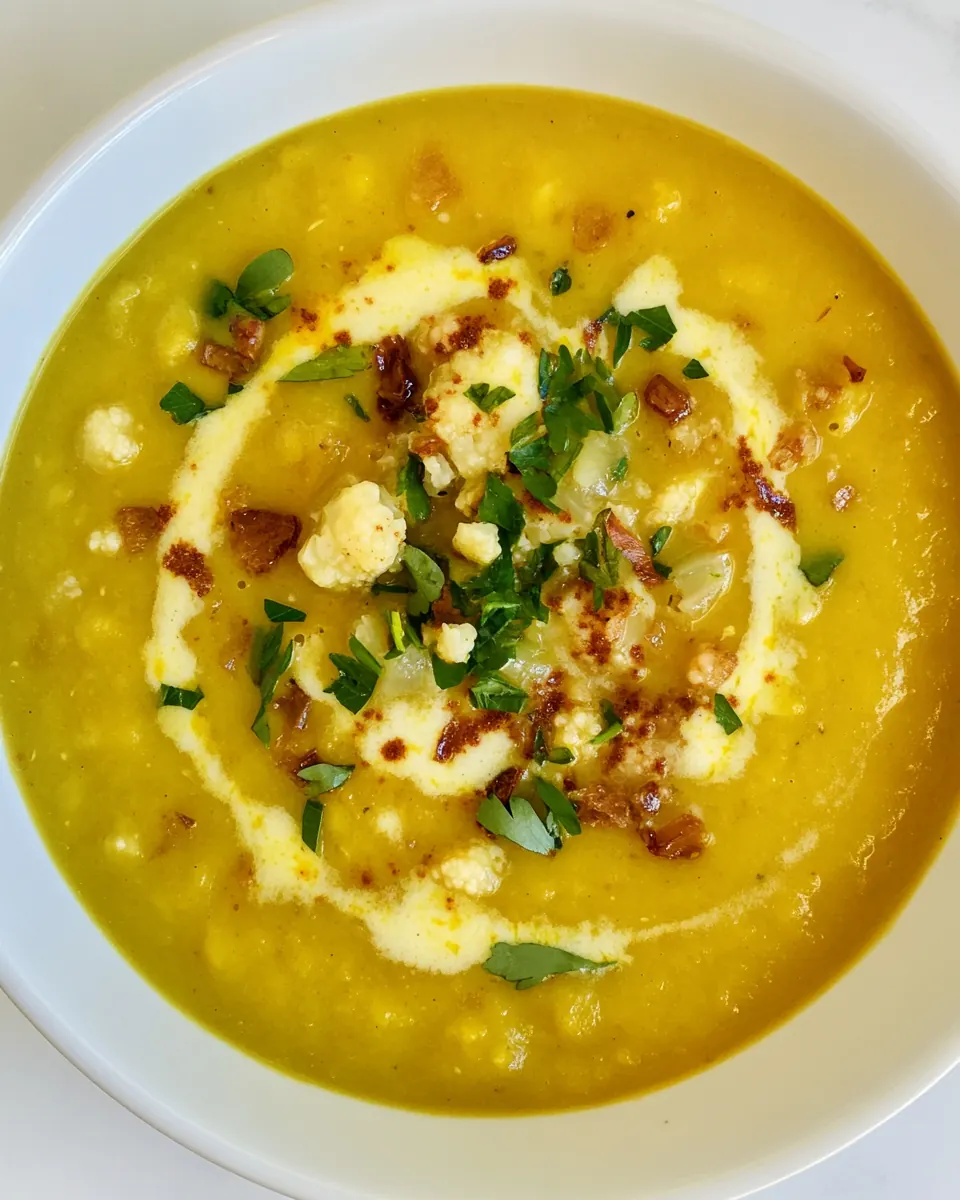
Curried Cauliflower Soup is the kind of bowl I reach for when the air turns crisp and I want something warm that still feels bright and lively. The first time I made this soup I was chasing the memory of a market stall where a spoonful of spiced purée had stopped me in my tracks, and that memory nudged me to roast a head of cauliflower until its edges turned caramel colored, coaxing out a nutty sweetness that plays beautifully with curry.
I remember pulling the baking sheet from the oven, breathing in the toasted, slightly sweet aroma of roasted cauliflower, and thinking how simple ingredients can feel luxurious when you treat them with a little patience. I like to sauté diced onion and carrot until they become softened and fragrant, stirring in curry so the spices bloom, then simmer everything with starchy potato and stock until the vegetables melt into silk. There is a comforting rhythm to it, the sound of a simmer and the slow whirr of a blender turning chunky bits into velvet.
Over the years I have learned to play with texture and contrast, spooning a dollop of heavy cream for nighttime decadence or scattering chopped roasted cashews and bright parsley at the end for crunch and color. Sometimes I add a spoonful of sweet chutney for tang and an unexpected floral note. Serving this soup feels like giving someone a warm, layered hug, but one that surprises them with every bite.
Recipe Snapshot
2 hr 10 mins
30 mins
100 mins
Hard
250 kcal
American
Gluten-Free, Vegan
Soups
Oven, Baking sheet, Large pot, Blender or immersion blender
Why We Love This Curried Cauliflower Soup
Roasting Builds Deep Flavor
I always roast the cauliflower because it concentrates the vegetable‘s natural sugars and creates those caramelized edges that make the soup sing. The first time I tried this, the smell filled my kitchen and I knew the results would be far superior to boiling alone. Roasting also gives you a few reserved florets for garnish, which adds pleasing texture and visual appeal.
Layering Spices Matters
I like to toast the curry powder briefly with the sautéed onion and carrot so its aromatics bloom. This step transforms the powder from flat seasoning into a fragrant backbone for the dish, and it helps avoid a one dimensional curry flavor. Trust me, taking this small moment early on rewards you with a more vibrant bowl.
Texture Contrast Keeps It Interesting
I never serve this purely smooth without a crunchy element. The chopped roasted cashews give the soup an appealing bite against the velvety purée, and that contrast makes each spoonful memorable. I love how the garnish also adds richness and a toasty note that complements the curry.
Versatility and Balance
What I appreciate most is how adaptable this recipe is. You can keep it dairy free by skipping the heavy cream, or round it out with a bit of chutney for sweetness and acid. The soup sits comfortably between savory and slightly sweet, which makes it easy to pair and enjoyable for lots of palates.
Comfort Without Heaviness
This soup shows you don’t need heavy ingredients to create something comforting. The combination of roasted cauliflower, starchy potato, and a good stock yields a creamy mouthfeel without relying on too much cream. For me, it’s a go to when I want something cozy that still feels clean and nourishing.
Everything You Need for Curried Cauliflower Soup

These ingredients are about smart contrast and layered flavor. I keep the list focused, letting the roasted cauliflower provide body and nuttiness, the sautéed onion and carrot add aromatic foundation, and the potato and stock give the soup a silky mouthfeel. Small additions like mango chutney and chopped cashews bring brightness and texture so each spoonful feels thoughtfully balanced.
- 1 large head cauliflower (about 2 pounds), trimmed and cut into florets: Provide a hearty, nutty base and bulk for the soup; break into florets to cook evenly and absorb flavors, yielding a creamy texture when pureed. Roast or simmer until tender to develop sweetness and deepen the soup's body while maintaining a pleasant mouthfeel.
- 4 tablespoons extra-virgin olive oil, divided: Enhance flavor and help sauté vegetables; divide usage between initial frying to soften aromatics and finishing for sheen and richness. Use extra–virgin olive oil for its fruity notes and stable cooking performance at moderate heat.
- 1 large carrot, about 1/2 cup, diced: Add natural sweetness and subtle earthiness while contributing color and texture; dice uniformly so pieces cook at the same rate and blend smoothly into the soup. Carrot also provides natural sugars that balance savory and spicy curry notes.
- 1 medium yellow onion, about 1 cup, chopped: Provide aromatic depth and foundational savory flavor when chopped and sautéed; cook until translucent to release sugars and build complexity in the soup's base. Yellow onion contributes a mellow sweetness and enhances overall savory balance.
- 1 large yukon gold potato, about 8 ounces, peeled and diced: Supply starch for body and a silky mouthfeel; peel and dice to ensure even cooking and help thicken the soup when pureed. Yukon gold potatoes yield a creamy consistency and subtle buttery flavor without overpowering other ingredients.
- 1/2 to 2 teaspoons mild curry powder: Introduce warm, aromatic spice with varying heat depending on amount used; measure between 1/2 and 2 teaspoons to control intensity and complement cauliflower and chutney. Mild curry powder layers complexity with notes of turmeric, coriander, and cumin.
- 6 cups chicken or vegetable stock: Create the flavorful liquid foundation and control soup consistency; choose chicken or vegetable stock for desired richness and simmer to meld ingredients. Six cups provide enough volume to cook vegetables and produce a smooth, blendable soup.
- 1 bay leaf: Infuse a subtle herbal, slightly floral depth during simmering; add while cooking and remove before pureeing to avoid bitterness. Bay leaf accentuates other aromatics and helps round out the savory profile.
- 1/4 cup Major Grey’s chutney: Contribute sweet-tangy complexity and a touch of fruitiness that complements curry spices; stir in during finishing to balance savory elements and add a distinctive chutney flavor. Major Grey's chutney brings notes of mango, vinegar, and spices that elevate the soup.
- 1/4 cup heavy cream (optional): Add richness and silky texture when used; incorporate optional heavy cream sparingly for a luxurious finish and to mellow spices. Use as a finishing touch if a creamier, more indulgent soup is desired.
- 1/2 cup chopped roasted cashews: Provide crunchy texture and a toasty, nutty contrast when chopped and sprinkled as a garnish; roast cashews deepen flavor and add pleasant bite. Cashews also introduce protein and complement the curry and chutney flavors.
- 1/4 cup chopped flat leaf parsley: Introduce fresh, herbaceous brightness and color when chopped and sprinkled as a garnish; fold in at the end to preserve vibrant flavor and avoid wilting. Flat leaf parsley balances richness and adds a clean finish to the soup.
- kosher salt and freshly-ground pepper: Season and adjust final flavor to taste; use kosher salt to enhance savory notes and freshly–ground pepper to add mild heat and aromatic bite. Taste and season gradually to achieve balanced seasoning without overpowering other ingredients.
Recipe Directions for Curried Cauliflower Soup

These directions will walk you through roasting, sautéing, simmering, and puréeing, all in a relaxed, sensory-driven way. Take your time at the roasting and sautéing stages to build the flavors that make the final soup sing, and keep tasting as you adjust seasoning and texture.
- Preheat oven to 400 degrees F. Place cauliflower florets on a foil-lined baking sheet. Toss with 2 tablespoons olive oil, 1/2 teaspoon kosher salt, and 1/2 teaspoon freshly-ground black pepper. Spread cauliflower in a single layer. Bake 40 minutes, until cauliflower is tender and golden brown, turning florets halfway through.: The kitchen will fill with a warm, toasty aroma as the edges of the cauliflower caramelize, a fragrant cue that sugars are concentrating, which deepens the soup. You should hear a faint sizzle as the florets roast, and the visual cue is even golden browning across surfaces, not just one side. This step matters because roasted pieces give the purée a richer, more complex flavor than boiled florets would. If the florets steam rather than brown, it usually means the pan was overcrowded or the oil was insufficient, so make sure they have space and a light coating of oil. A common mistake is turning them too frequently, which prevents proper browning; turn only once halfway through.
- Heat remaining 2 tablespoons oil in a large pot until shimmering. Add chopped carrots and onions and sauté over medium-high heat until vegetables begin to soften, about 5 minutes. Stir in curry powder and cook for 1 minute, until fragrant.: As the onion and carrot sweat, their natural sweetness will come forward and the pan will emit a gentle savory perfume, signaling a savory base forming. When you add the curry powder it will bloom, releasing warm, floral, and earthy notes that make the dish aromatic; you may notice steam carrying the spice aroma upwards. This technique deepens flavor by allowing volatile oils in the spice to awaken. To avoid burning the powder, stir continuously and keep the heat moderate; burned spices taste acrid and will spoil the pot. If your vegetables begin to brown too fast, lower the heat and add a splash of stock to deglaze.
- Add stock, scraping any browned bits off of the bottom of the pot. Stir in roasted cauliflower, diced potato, and bay leaf. Bring to a boil, reduce heat, and simmer, partially covered, until cauliflower and potatoes are very soft, about 30 minutes, stirring occasionally.: As the mixture comes to a simmer you will see the surface break into gentle bubbles and a savory steam will rise. Scraping the browned bits lifts concentrated flavor into the soup, enhancing depth. The potato melts into the liquid creating body, while the roasted cauliflower contributes its caramel notes. Keep the pot partially covered to maintain heat while allowing some evaporation, which concentrates flavor. Stir every so often to prevent sticking; a common mistake is to walk away and let the bottom scorch. The right texture is when a fork easily pierces the potato and cauliflower, and spooning a bit reveals a cohesive, tender mixture.
- Remove the bay leaf and discard. Stir in mango chutney. Let the soup cool down a bit and then puree it in batches in a blender or food processor until smooth (or use an immersion blender directly in the pot.): Removing the bay leaf prevents any fibrous bits in your purée, and stirring in the chutney introduces a sweet and tangy layer that brightens the curry spice. When you transfer hot liquid to a blender, it should be warm rather than steaming hot to avoid pressure build up; vent the lid slightly and hold it with a towel. As you purée, listen for the blender's steady hum and observe a smooth, velvety texture form, with steam rising and a fragrant swirl of spices. If the mixture seems resistant, purge air by pulsing and give the blender a moment between batches. A frequent error is overfilling the blender, so work in modest batches for safety and smooth results.
- Return puréed soup to pot and add heavy cream, if using. Season to taste with additional curry powder, salt, and pepper. If soup is too thick, add a little bit of water or stock to thin. Serve, garnished with chopped cashews, chopped parsley, and additional roasted cauliflower florets, if desired.: On returning the silk to the pot you will notice a glossy sheen and a concentration of aromas that signal readiness. If you add heavy cream , stir gently off heat to maintain a silky texture and avoid curdling; the cream will soften edges and round flavors. Taste and adjust seasoning in small increments so the final bowl is balanced between spice, salt, and sweetness. If the soup is too viscous, a splash of warm stock creates the ideal sipping texture. Finish by sprinkling chopped roasted cashews and fresh parsley for crunch and color, the contrast elevates each spoonful. A common mistake is over-salting at this point; add salt gradually and taste after each addition.
Variations to Try
There are many small variations you can try to shift the character of this soup without changing its comforting core. Below are practical ideas that I return to again and again.
- Swap the stock to change depth. Using a rich homemade vegetable stock yields a more savory base, while a lighter store bought stock keeps the bowl brighter.
- Make it dairy free by skipping the heavy cream; the potato provides body and the soup remains luxuriously smooth.
- Adjust the curry by starting with the lower amount and adding more after puréeing so you can tailor heat and aromatic profile precisely.
- Add extra texture by roasting additional cauliflower florets while the soup simmers, then chopping them for garnish to give fresh crunch.
- Use chutney sparingly at first, then increase to balance the spice and provide a layered, fruity tang that lifts the dish.
- Chop nuts last to keep them crunchy; adding them too early will make them soften and lose their toasty bite.
Great Combinations for Curried Cauliflower Soup
This soup pairs beautifully with simple sides and can suit many occasions, from weeknight dinners to a cozy fall lunch. Think about texture and temperature contrasts, and choose accompaniments that enhance the curry notes without overpowering them.
- Crusty bread, such as a warm baguette or rustic loaf, is ideal for dipping and balances the smooth soup with chewy texture.
- Light salads with lemon vinaigrette complement the soup’s warm spices with bright acidity and crunchy greens.
- Roasted vegetable sides that echo the cauliflower, like roasted carrots or squash, create a harmonious autumnal plate.
- Lunch or dinner occasions work equally well, this soup makes a comforting solo meal or a lovely starter for a multi course dinner.
- Storage tips include cooling to room temperature before refrigerating in airtight containers for up to three days, and reheating gently on the stove with a splash of stock if it thickens.
- Seasonal pairings favor fall and winter produce, but the soup’s brightness from chutney and parsley keeps it enjoyable year round.
FAQ
Conclusion
Curried Cauliflower Soup stands out for its layered flavors and comforting, silky texture. The combination of roasted cauliflower, fragrant curry, and a touch of chutney creates a bowl that is both homey and interesting, perfect for cooler weather. I encourage you to try this recipe and play with the garnishes to make it your own; whether you keep it simple or dress it up with cashews and parsley, it rewards patience and tastes of time well spent. Share it with friends or enjoy a quiet evening with a bowl and crusty bread for dipping.

Curried Cauliflower Soup
Equipment
- Oven
- Baking Sheet
- Large Pot
- Blender or immersion blender
Ingredients
- 1 large head cauliflower (about 2 pounds), trimmed and cut into florets Provide a hearty, nutty base and bulk for the soup; break into florets to cook evenly and absorb flavors, yielding a creamy texture when pureed. Roast or simmer until tender to develop sweetness and deepen the soup's body while maintaining a pleasant mouthfeel.
- 4 tablespoons extra-virgin olive oil, divided Enhance flavor and help sauté vegetables; divide usage between initial frying to soften aromatics and finishing for sheen and richness. Use extra-virgin olive oil for its fruity notes and stable cooking performance at moderate heat.
- 1 large carrot, about 1/2 cup, diced Add natural sweetness and subtle earthiness while contributing color and texture; dice uniformly so pieces cook at the same rate and blend smoothly into the soup. Carrot also provides natural sugars that balance savory and spicy curry notes.
- 1 medium yellow onion, about 1 cup, chopped Provide aromatic depth and foundational savory flavor when chopped and sautéed; cook until translucent to release sugars and build complexity in the soup's base. Yellow onion contributes a mellow sweetness and enhances overall savory balance.
- 1 large yukon gold potato, about 8 ounces, peeled and diced Supply starch for body and a silky mouthfeel; peel and dice to ensure even cooking and help thicken the soup when pureed. Yukon gold potatoes yield a creamy consistency and subtle buttery flavor without overpowering other ingredients.
- 1/2 to 2 teaspoons mild curry powder Introduce warm, aromatic spice with varying heat depending on amount used; measure between 1/2 and 2 teaspoons to control intensity and complement cauliflower and chutney. Mild curry powder layers complexity with notes of turmeric, coriander, and cumin.
- 6 cups chicken or vegetable stock Create the flavorful liquid foundation and control soup consistency; choose chicken or vegetable stock for desired richness and simmer to meld ingredients. Six cups provide enough volume to cook vegetables and produce a smooth, blendable soup.
- 1 bay leaf Infuse a subtle herbal, slightly floral depth during simmering; add while cooking and remove before pureeing to avoid bitterness. Bay leaf accentuates other aromatics and helps round out the savory profile.
- 1/4 cup Major Grey’s chutney Contribute sweet-tangy complexity and a touch of fruitiness that complements curry spices; stir in during finishing to balance savory elements and add a distinctive chutney flavor. Major Grey's chutney brings notes of mango, vinegar, and spices that elevate the soup.
- 1/4 cup heavy cream, optional Add richness and silky texture when used; incorporate optional heavy cream sparingly for a luxurious finish and to mellow spices. Use as a finishing touch if a creamier, more indulgent soup is desired.
- 1/2 cup chopped roasted cashews Provide crunchy texture and a toasty, nutty contrast when chopped and sprinkled as a garnish; roast cashews deepen flavor and add pleasant bite. Cashews also introduce protein and complement the curry and chutney flavors.
- 1/4 cup chopped flat leaf parsley Introduce fresh, herbaceous brightness and color when chopped and sprinkled as a garnish; fold in at the end to preserve vibrant flavor and avoid wilting. Flat leaf parsley balances richness and adds a clean finish to the soup.
- kosher salt and freshly-ground pepper Season and adjust final flavor to taste; use kosher salt to enhance savory notes and freshly-ground pepper to add mild heat and aromatic bite. Taste and season gradually to achieve balanced seasoning without overpowering other ingredients.
Instructions
- Preheat oven to 400 degrees F. Place cauliflower florets on a foil-lined baking sheet. Toss with 2 tablespoons olive oil, 1/2 teaspoon kosher salt, and 1/2 teaspoon freshly-ground black pepper. Spread cauliflower in a single layer. Bake 40 minutes, until cauliflower is tender and golden brown, turning florets halfway through.: The kitchen will fill with a warm, toasty aroma as the edges of the cauliflower caramelize, a fragrant cue that sugars are concentrating, which deepens the soup. You should hear a faint sizzle as the florets roast, and the visual cue is even golden browning across surfaces, not just one side. This step matters because roasted pieces give the purée a richer, more complex flavor than boiled florets would. If the florets steam rather than brown, it usually means the pan was overcrowded or the oil was insufficient, so make sure they have space and a light coating of oil. A common mistake is turning them too frequently, which prevents proper browning; turn only once halfway through.
- Heat remaining 2 tablespoons oil in a large pot until shimmering. Add chopped carrots and onions and sauté over medium-high heat until vegetables begin to soften, about 5 minutes. Stir in curry powder and cook for 1 minute, until fragrant.: As the onion and carrot sweat, their natural sweetness will come forward and the pan will emit a gentle savory perfume, signaling a savory base forming. When you add the curry powder it will bloom, releasing warm, floral, and earthy notes that make the dish aromatic; you may notice steam carrying the spice aroma upwards. This technique deepens flavor by allowing volatile oils in the spice to awaken. To avoid burning the powder, stir continuously and keep the heat moderate; burned spices taste acrid and will spoil the pot. If your vegetables begin to brown too fast, lower the heat and add a splash of stock to deglaze.
- Add stock, scraping any browned bits off of the bottom of the pot. Stir in roasted cauliflower, diced potato, and bay leaf. Bring to a boil, reduce heat, and simmer, partially covered, until cauliflower and potatoes are very soft, about 30 minutes, stirring occasionally.: As the mixture comes to a simmer you will see the surface break into gentle bubbles and a savory steam will rise. Scraping the browned bits lifts concentrated flavor into the soup, enhancing depth. The potato melts into the liquid creating body, while the roasted cauliflower contributes its caramel notes. Keep the pot partially covered to maintain heat while allowing some evaporation, which concentrates flavor. Stir every so often to prevent sticking; a common mistake is to walk away and let the bottom scorch. The right texture is when a fork easily pierces the potato and cauliflower, and spooning a bit reveals a cohesive, tender mixture.
- Remove the bay leaf and discard. Stir in mango chutney. Let the soup cool down a bit and then puree it in batches in a blender or food processor until smooth (or use an immersion blender directly in the pot.): Removing the bay leaf prevents any fibrous bits in your purée, and stirring in the chutney introduces a sweet and tangy layer that brightens the curry spice. When you transfer hot liquid to a blender, it should be warm rather than steaming hot to avoid pressure build up; vent the lid slightly and hold it with a towel. As you purée, listen for the blender's steady hum and observe a smooth, velvety texture form, with steam rising and a fragrant swirl of spices. If the mixture seems resistant, purge air by pulsing and give the blender a moment between batches. A frequent error is overfilling the blender, so work in modest batches for safety and smooth results.
- Return puréed soup to pot and add heavy cream, if using. Season to taste with additional curry powder, salt, and pepper. If soup is too thick, add a little bit of water or stock to thin. Serve, garnished with chopped cashews, chopped parsley, and additional roasted cauliflower florets, if desired.: On returning the silk to the pot you will notice a glossy sheen and a concentration of aromas that signal readiness. If you add heavy cream , stir gently off heat to maintain a silky texture and avoid curdling; the cream will soften edges and round flavors. Taste and adjust seasoning in small increments so the final bowl is balanced between spice, salt, and sweetness. If the soup is too viscous, a splash of warm stock creates the ideal sipping texture. Finish by sprinkling chopped roasted cashews and fresh parsley for crunch and color, the contrast elevates each spoonful. A common mistake is over-salting at this point; add salt gradually and taste after each addition.
Notes
- Swap the stock to change depth. Using a rich homemade vegetable stock yields a more savory base, while a lighter store bought stock keeps the bowl brighter.
- Make it dairy free by skipping the heavy cream; the potato provides body and the soup remains luxuriously smooth.
- Adjust the curry by starting with the lower amount and adding more after puréeing so you can tailor heat and aromatic profile precisely.
- Add extra texture by roasting additional cauliflower florets while the soup simmers, then chopping them for garnish to give fresh crunch.
- Use chutney sparingly at first, then increase to balance the spice and provide a layered, fruity tang that lifts the dish.
- Chop nuts last to keep them crunchy; adding them too early will make them soften and lose their toasty bite.