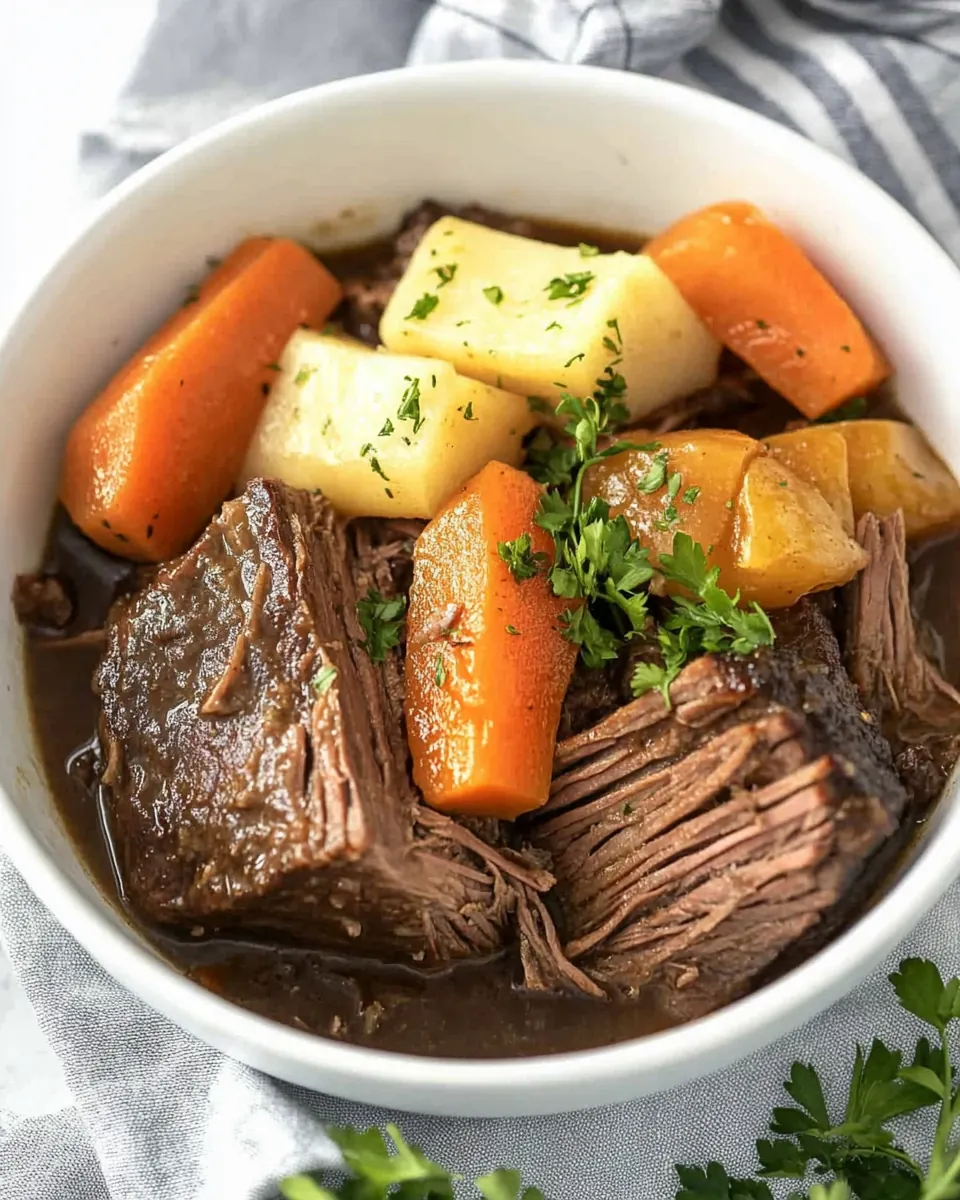
Pot Roast with Oyster Sauce Gravy
Pot Roast with Oyster Sauce Gravy is the kind of dinner that fills the whole house with warmth, and it has a special place in my winter cooking rotation.
I remember the first time I made Pot Roast with Oyster Sauce Gravy for a small gathering of close friends, arriving home from the cold and wanting something that felt like a hug on a plate. The aroma of searing beef and sizzling onion rising from the Dutch oven drew everyone to the kitchen, and by the time we sat down the sauce had a glossy, savory sheen that made forks hover before the first bite. I love how the oyster sauce adds an umami depth without overwhelming the comforting, familiar notes of a classic pot roast.
Over the years I’ve tweaked the technique to coax tenderness from the chuck and to keep the vegetables bright and perfectly cooked. I often think about how a simple swap in stock can nudge the profile toward homey or robust, depending on whether you use chicken or beef stock. This recipe has become my fallback for weekend dinners when I want something hands off once the pot goes into the oven, yet comforting enough to serve on special nights.
When I serve Pot Roast with Oyster Sauce Gravy, I always get asked for the recipe, and friends tell me they make it when they need a reliable, hearty meal. It travels well too, making it an excellent choice for family gatherings and long winter evenings when you want to linger at the table. The glossy gravy and fork tender beef make every bite satisfying, and I can’t help but smile when I see people reach for seconds.
Recipe Snapshot
3 hr 15 mins
30 mins
165 mins
Hard
450 kcal
American
Paleo, Whole30
Dinner
Dutch oven, Tongs
The Charm of This Pot Roast with Oyster Sauce Gravy
Deep savory flavor with a simple twist
I adore this dish because the addition of oyster sauce transforms a familiar pot roast into something quietly remarkable. It brings an umami lift that keeps the gravy interesting, making every spoonful rich and layered without adding unnecessary complexity. I often tell guests that a small bottle of oyster sauce can change how you think about braises.
Comforting, crowd pleasing texture
We love serving this when we want everyone to feel cozy. The chuck roast breaks apart with minimal effort, and the baby potatoes and carrots soak up those savory juices. I find this makes it ideal for feeding a few hungry friends, because it scales without losing its comforting texture.
Hands off once it’s in the oven
One of the reasons I return to this recipe is how forgiving it is. After a brief sear and a short time on the stovetop to bring the liquid to a boil, the oven does the heavy lifting. That frees me to set the table, pour drinks, or relax with family, while knowing the dish is developing deep flavors as it cooks low and slow.
Versatile pantry friendly elements
I appreciate that the ingredients are straightforward: a quality roast, stock, oyster sauce, aromatics like onion, and simple herbs. You can shift the stock or skip extras and still end up with a memorable meal, which is why I recommend it to friends who want an impressive dinner without a complicated shopping list.
Great for savoring leftovers
I always plan for seconds. The leftover slices taste even better the next day as the flavors continue to meld. I sometimes reheat gently on the stovetop, letting the gravy bubble softly so it glazes the meat and vegetables again. It’s a comfort that keeps on giving, and I love that about this recipe.
Ingredients for Pot Roast with Oyster Sauce Gravy
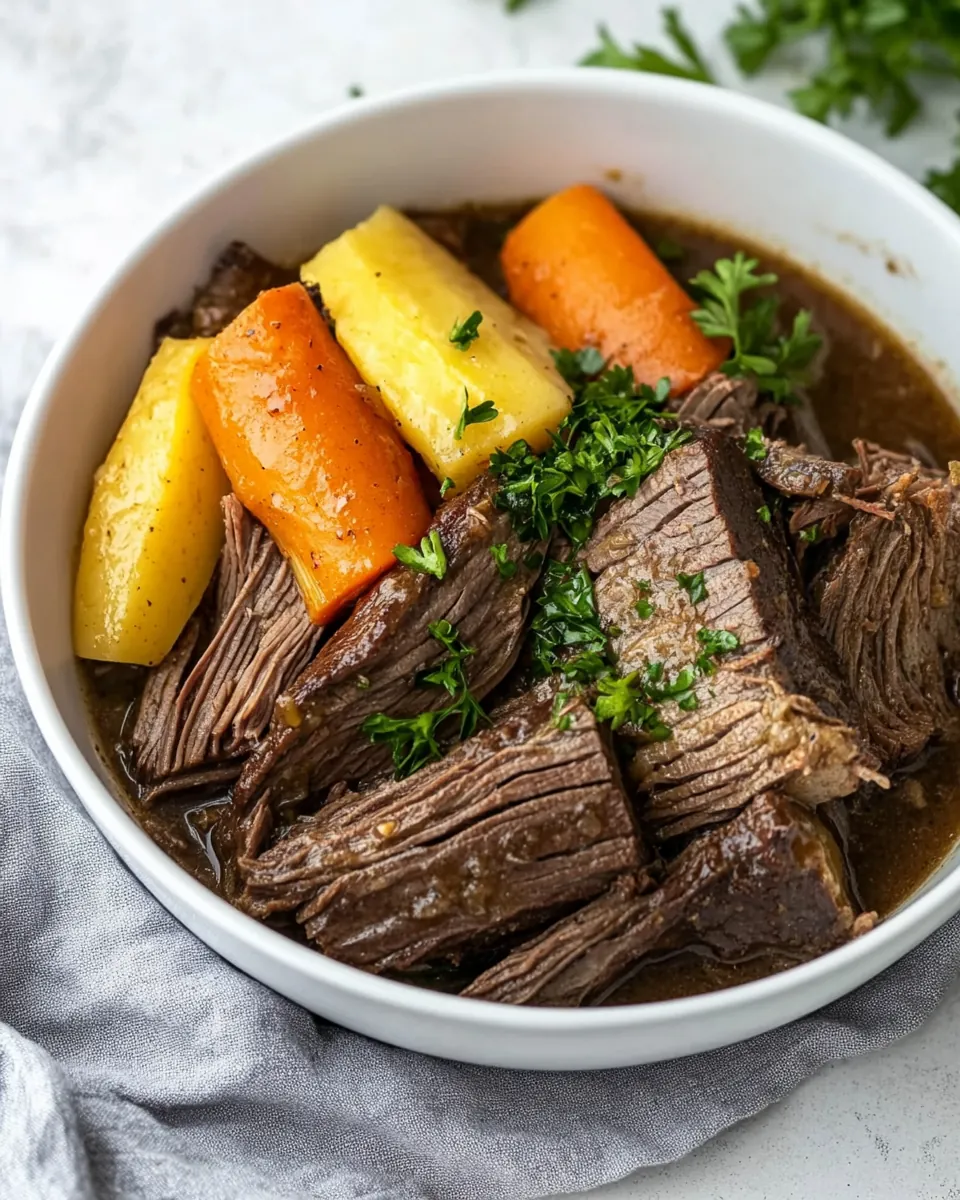
These ingredients are chosen to build a balanced pot roast where each item plays a clear role. The chuck roast is the foundation, offering rich connective tissue that breaks down into silky tenderness. The stock and oyster sauce create the body of the gravy, while the onion, thyme, and bay leaves provide aromatics that infuse the meat as it braises. Root vegetables like potatoes and carrots cook in the braising liquid and finish tender and flavorful.
- 2 teaspoons kosher salt: Season generously to enhance the beef's natural flavors and help tenderize the roast during slow cooking; evenly distribute to ensure balanced seasoning throughout the meat and vegetables.
- 1 teaspoon freshly ground black pepper: Crack freshly to add a bright, aromatic heat that complements the savory components; sprinkle over the roast and vegetables toward the end of searing or while braising for best flavor integration.
- 3 pounds boneless chuck roast: Brown thoroughly to develop deep, caramelized flavors through the Maillard reaction; cook until a rich crust forms which will enrich the gravy and overall dish complexity.
- 2 tablespoons olive oil: Heat until shimmering to provide a cooking medium for searing the roast and softening aromatics; use enough to coat the pan to prevent sticking and encourage even browning.
- 1 1/2 cups stock (I used chicken broth, but beef stock or broth is fine): Deglaze the pan and supply liquid for braising, contributing depth and moisture to the pot roast; choose a stock that complements the meat and will form the base of the gravy.
- 1/4 cup oyster sauce: Enrich the braising liquid with savory, umami-forward notes that deepen the gravy; stir into the stock to meld flavors and create a glossy, flavorful sauce.
- 3 4 fresh thyme sprigs: Infuse subtle herbal, earthy aromatics into the braising liquid as the roast cooks; place sprigs in the pot so their fragile leaves release fragrance without overpowering the dish.
- 2 bay leaves: Impart a mild, bay-like aroma that adds complexity to long-simmered dishes; tuck leaves into the braising liquid to slowly release a warm, slightly floral flavor.
- 2 onions, cut half and then into thick slices: Soften and sweeten as they cook, contributing body and a mild caramelized onion flavor to the gravy; slice thick to maintain texture and release natural sugars into the braise.
- 1 1/2 pounds baby yellow potatoes, cut in half if desired: Hold their shape and absorb braising flavors while adding a tender, earthy component to the roast; halve if large to ensure even cooking and easy serving.
- 1 1/2 pounds carrots, peeled and cut into chunks: Provide natural sweetness and hearty texture that balance the savory gravy and meat; peel and chunk so they become fork-tender and meld with the other vegetables during braising.
Instructions for Pot Roast with Oyster Sauce Gravy
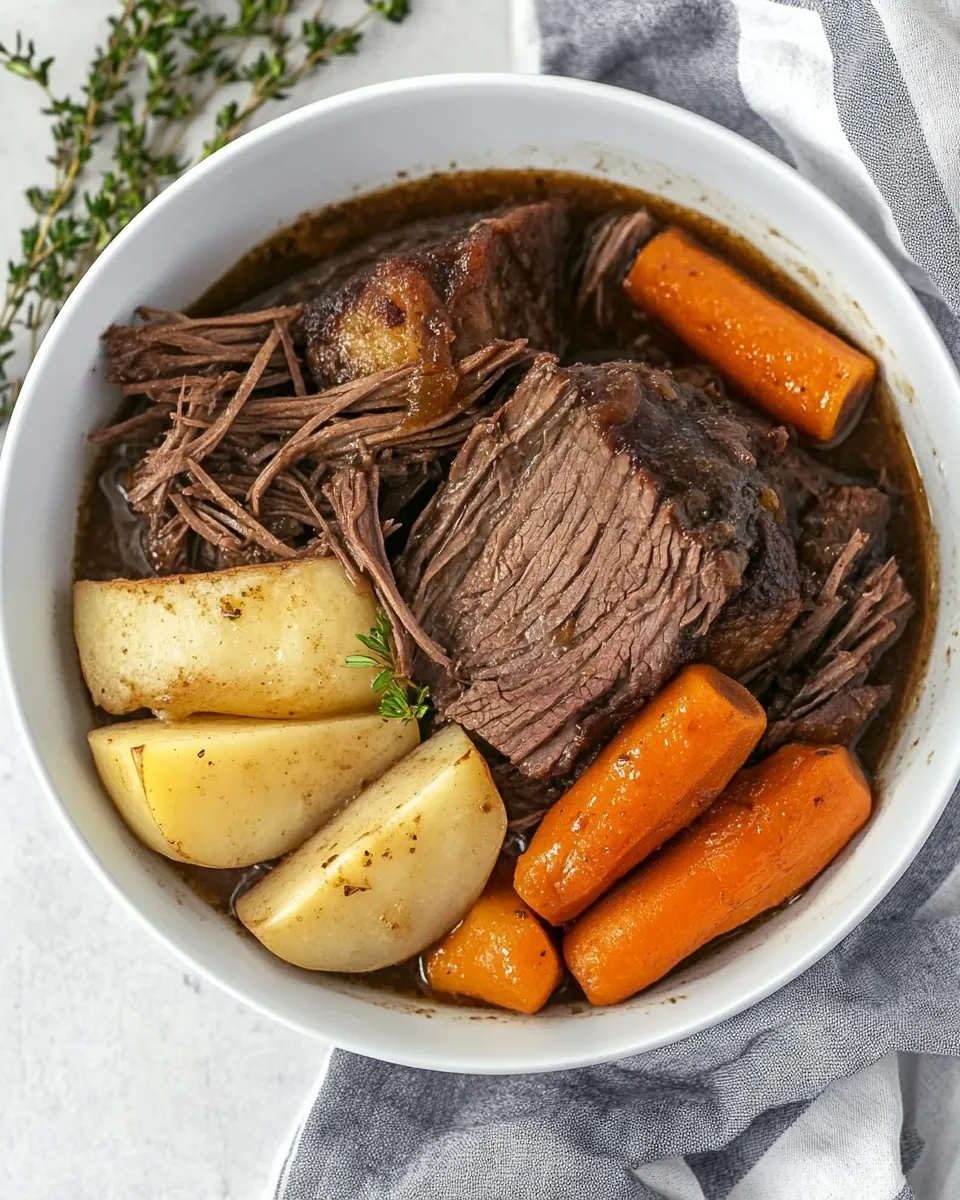
This roast is straightforward to prepare, but the long cook rewards patience. I like to set everything up before I start to sear, then let the oven do the work while I handle other tasks around the house. Follow the steps in order to lock in flavor and texture.
- Preheat oven to 325°: The moment you put your roast in the oven you will want a steady gentle heat so the connective tissue breaks down slowly. You will notice the kitchen temperature shifting as the oven stabilizes, and that low, steady warmth helps the meat become tender rather than drying out. A common mistake is using too high a temperature which toughens the roast, so resist the urge to crank the heat for speed.
- Sprinkle both sides of the roast with 1 teaspoon of salt and 1/2 teaspoon of the pepper.: At this stage the salt and pepper begin to season the surface where the Maillard reaction will take place. You'll feel the roughness of the salt on the meat and smell the pepper's top notes when you bring the roast close to your nose. If you under season, the final dish will taste muted, so be deliberate and even with the seasoning.
- Heat the oil in a Dutch oven, then sear both sides of the roast until browned.: During searing you will hear a pleasing sizzle and see a deepening brown crust form on the beef . That crust locks in flavor and creates fond at the bottom of the pot which enriches the gravy. If the oil is not hot enough you will not get proper browning, leading to less depth in the finished sauce.
- Whisk together the stock and the oyster sauce and pour over the roast.: When you whisk the stock with oyster sauce , you will notice the liquid take on a glossy sheen and an umami aroma that hints at the final gravy. Pouring the mixture around the roast, not directly on it, helps preserve the seared surface. A mistake here is adding cold liquid that lowers the pot temperature drastically, which can slow the braising process.
- Add the onions and heat until the mixture boils.: Adding the sliced onions releases sweet, savory steam as they warm in the liquid. You'll see small bubbles appear along the edges as the pot comes to a gentle boil, which signals that the braise will begin in earnest. If you skip this and place the pot straight in the oven cold, the flavors will not meld as effectively before the slow cook.
- Cover the pot and place in the oven. Cook for 2 hours 45 minutes.: Covering traps steam and creates an environment where collagen transforms into tender silk. You will hear a muffled, comforting quiet as the oven works, and the aromas will develop slowly. Removing the lid too frequently releases heat and extends the cook time, so avoid peeking often.
- Remove from the oven and tuck the potatoes and carrots into the juices surrounding the roast. Cover and cook until the vegetables are tender about an hour and 15 minutes longer.: As the roast braises for this period, you will notice the kitchen slowly filling with savory notes. The meat begins to yield, and the aroma deepens to a roasted, meaty perfume. A common error is assuming appearance alone indicates doneness; rely on time and the visual cue of the meat pulling slightly from the bone or feeling very tender when prodded.
- Remove the roast to a serving platter.: When you open the pot you will be greeted by a steam cloud rich with flavor, and the liquid will look concentrated and glossy. Nestle the potatoes and carrots so they sit in the braising liquid where they will absorb flavor. If you overcrowd the pot, the vegetables will not cook evenly, so arrange them with space around each piece.
- Taste the vegetables in the pan and season with a touch more salt and pepper if needed.: During this second stage the vegetables will soften and take on the gravy's flavors, becoming tender with a slightly lacquered finish. You should see the potatoes yield to a gentle fork, and the carrots become bright and sweet. Cutting vegetables too small will lead to overcooked mush by the end of this long simmer.
- Remove the vegetables and arrange around the roast. Serve while hot.: Lifting the roast out, you will notice how easily the meat comes away from the center and how glossy the surrounding liquid appears. Resting the meat briefly before slicing helps juices redistribute so the slices are moist. A common mistake is slicing immediately, which lets juices run out and leaves the meat drier than it should be.
- Taste the vegetables in the pan and season with a touch more salt and pepper if needed.: After cooking the flavors concentrate and sometimes need a final adjustment. Taste a piece of potato and carrot and add a small sprinkle of salt or a crack of black pepper to brighten them. Over seasoning at this late stage is easy to do, so add sparingly and taste as you go.
- Remove the vegetables and arrange around the roast. Serve while hot.: The final presentation has the glossy vegetables nestled around the sliced roast , and the steam will carry the aroma to the table. Serve immediately so the gravy remains silky and the meat warm. Waiting too long to serve causes the sauce to thicken and the meat to cool, reducing the enjoyment of those first perfect bites.
Pro Tips and Tweaks
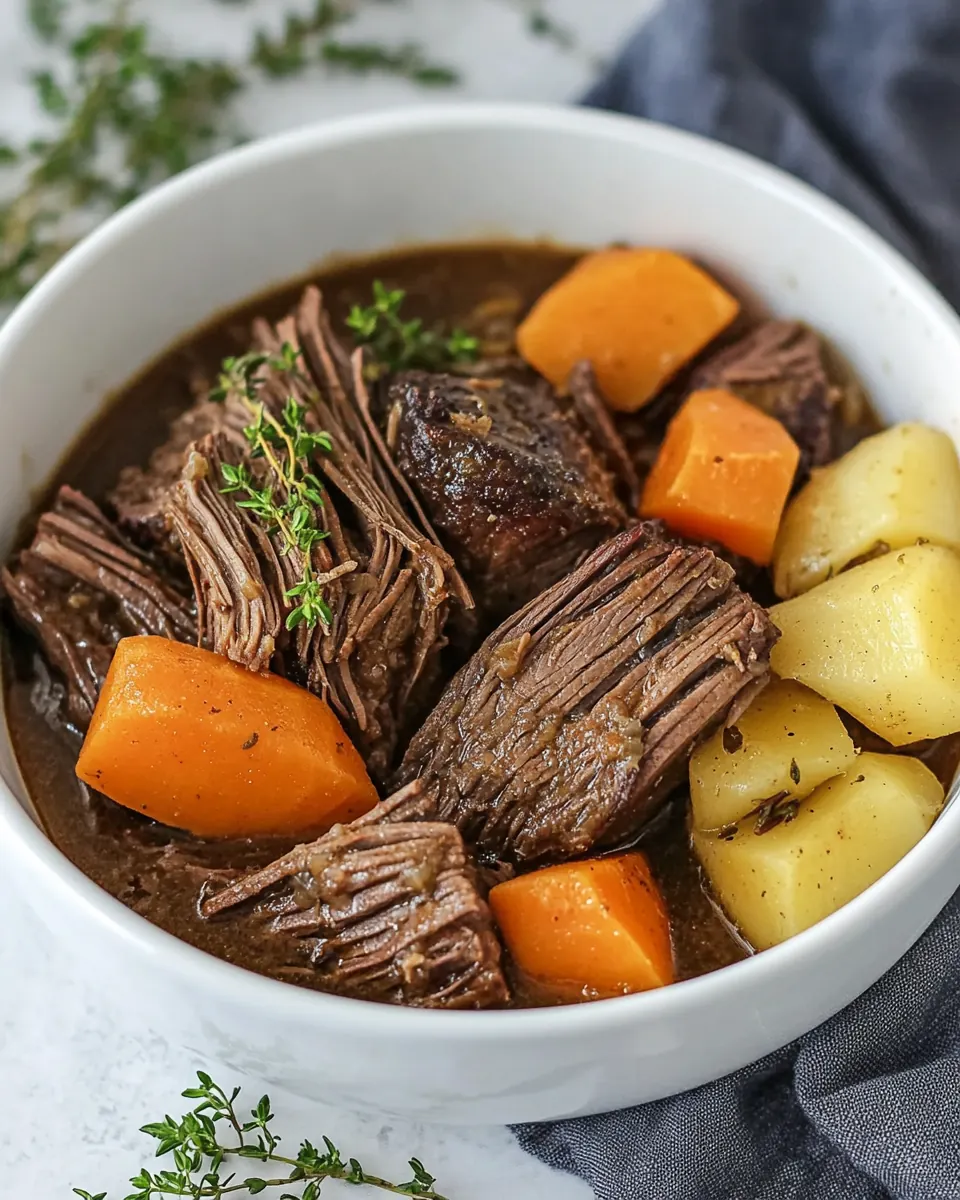
I like to share a handful of focused tips that make this roast shine. These tweaks come from repeated cooks and small experiments that consistently improved texture and flavor. Read these before you start so you can plan timing and equipment.
- Room temperature beef Let the chuck roast sit at room temperature for about 30 minutes before searing so it cooks more evenly and forms a better crust.
- Hot oil for searing Make sure the olive oil is shimmering before adding the roast to ensure a proper Maillard crust which deepens flavor.
- Measure oyster sauce Use the stated 1 4 cup of oyster sauce to balance umami without overwhelming the braise, and whisk it thoroughly into the stock.
- Herb placement Tuck whole thyme sprigs and bay leaves into the liquid to infuse flavor while making them easy to remove prior to serving.
- Low and slow Maintain the oven at the recommended 325° to allow collagen to melt and the meat to become fork tender, avoiding a dry texture from higher heat.
Serving Suggestions
This pot roast makes for a cozy, celebratory dinner and is versatile across occasions. Whether for a weeknight family meal or a special winter gathering, plan a relaxed serving where guests can spoon gravy over their plates. Below are detailed ways to present and enjoy the dish.
- Classic family dinner Arrange slices of the roast on a warmed platter and spoon the glossy gravy over the top, surrounding it with the potatoes and carrots so everyone can help themselves.
- Comfort holiday plate For a winter holiday meal, place the roast at the center of the table with bowls of the vegetables and extra gravy for guests to pass around.
- Casual gathering Serve family style in the Dutch oven at the center of the table so people can serve as they like, which creates a relaxed communal atmosphere.
- Leftover plan Store cooled leftovers in an airtight container with some gravy to keep meat moist; gently reheat on low so the sauce re-coats the meat without drying it out.
- Seasonal pairing This rich roast pairs well with simple winter sides and a green vegetable to cut through the richness when you want balance on the plate.
- Serving temperature Serve while hot to preserve the silky quality of the gravy and the tender texture of the meat and vegetables for the best mouthfeel.
FAQ
Conclusion
This recipe stands out because it blends a classic slow braise with the umami boost of oyster sauce to create a deeply flavored, comforting meal. Give it a try when you want a dinner that feels special yet effortless once it’s in the oven. I hope you enjoy the glossy gravy and tender meat as much as I do, and that it becomes a go to dish for your cozy winter nights.
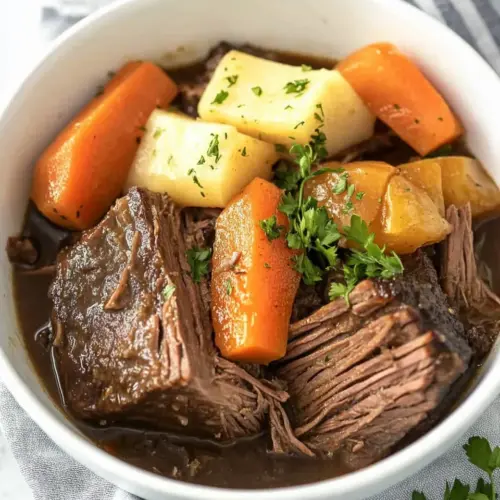
Pot Roast with Oyster Sauce Gravy
Equipment
- Dutch Oven
- Tongs
Ingredients
- 2 teaspoons kosher salt Season generously to enhance the beef's natural flavors and help tenderize the roast during slow cooking; evenly distribute to ensure balanced seasoning throughout the meat and vegetables.
- 1 teaspoon freshly ground black pepper Crack freshly to add a bright, aromatic heat that complements the savory components; sprinkle over the roast and vegetables toward the end of searing or while braising for best flavor integration.
- 3 pounds boneless chuck roast Brown thoroughly to develop deep, caramelized flavors through the Maillard reaction; cook until a rich crust forms which will enrich the gravy and overall dish complexity.
- 2 tablespoons olive oil Heat until shimmering to provide a cooking medium for searing the roast and softening aromatics; use enough to coat the pan to prevent sticking and encourage even browning.
- 1 1/2 cups stock (I used chicken broth, but beef stock or broth is fine) Deglaze the pan and supply liquid for braising, contributing depth and moisture to the pot roast; choose a stock that complements the meat and will form the base of the gravy.
- 1/4 cup oyster sauce Enrich the braising liquid with savory, umami-forward notes that deepen the gravy; stir into the stock to meld flavors and create a glossy, flavorful sauce.
- 3 -4 fresh thyme sprigs Infuse subtle herbal, earthy aromatics into the braising liquid as the roast cooks; place sprigs in the pot so their fragile leaves release fragrance without overpowering the dish.
- 2 bay leaves Impart a mild, bay-like aroma that adds complexity to long-simmered dishes; tuck leaves into the braising liquid to slowly release a warm, slightly floral flavor.
- 2 onions, cut half and then into thick slices Soften and sweeten as they cook, contributing body and a mild caramelized onion flavor to the gravy; slice thick to maintain texture and release natural sugars into the braise.
- 1 1/2 pounds baby yellow potatoes, cut in half if desired Hold their shape and absorb braising flavors while adding a tender, earthy component to the roast; halve if large to ensure even cooking and easy serving.
- 1 1/2 pounds carrots, peeled and cut into chunks Provide natural sweetness and hearty texture that balance the savory gravy and meat; peel and chunk so they become fork-tender and meld with the other vegetables during braising.
Instructions
- Preheat oven to 325°: The moment you put your roast in the oven you will want a steady gentle heat so the connective tissue breaks down slowly. You will notice the kitchen temperature shifting as the oven stabilizes, and that low, steady warmth helps the meat become tender rather than drying out. A common mistake is using too high a temperature which toughens the roast, so resist the urge to crank the heat for speed.
- Sprinkle both sides of the roast with 1 teaspoon of salt and 1/2 teaspoon of the pepper.: At this stage the salt and pepper begin to season the surface where the Maillard reaction will take place. You'll feel the roughness of the salt on the meat and smell the pepper's top notes when you bring the roast close to your nose. If you under season, the final dish will taste muted, so be deliberate and even with the seasoning.
- Heat the oil in a Dutch oven, then sear both sides of the roast until browned.: During searing you will hear a pleasing sizzle and see a deepening brown crust form on the beef . That crust locks in flavor and creates fond at the bottom of the pot which enriches the gravy. If the oil is not hot enough you will not get proper browning, leading to less depth in the finished sauce.
- Whisk together the stock and the oyster sauce and pour over the roast.: When you whisk the stock with oyster sauce , you will notice the liquid take on a glossy sheen and an umami aroma that hints at the final gravy. Pouring the mixture around the roast, not directly on it, helps preserve the seared surface. A mistake here is adding cold liquid that lowers the pot temperature drastically, which can slow the braising process.
- Add the onions and heat until the mixture boils.: Adding the sliced onions releases sweet, savory steam as they warm in the liquid. You'll see small bubbles appear along the edges as the pot comes to a gentle boil, which signals that the braise will begin in earnest. If you skip this and place the pot straight in the oven cold, the flavors will not meld as effectively before the slow cook.
- Cover the pot and place in the oven. Cook for 2 hours 45 minutes.: Covering traps steam and creates an environment where collagen transforms into tender silk. You will hear a muffled, comforting quiet as the oven works, and the aromas will develop slowly. Removing the lid too frequently releases heat and extends the cook time, so avoid peeking often.
- Remove from the oven and tuck the potatoes and carrots into the juices surrounding the roast. Cover and cook until the vegetables are tender about an hour and 15 minutes longer.: As the roast braises for this period, you will notice the kitchen slowly filling with savory notes. The meat begins to yield, and the aroma deepens to a roasted, meaty perfume. A common error is assuming appearance alone indicates doneness; rely on time and the visual cue of the meat pulling slightly from the bone or feeling very tender when prodded.
- Remove the roast to a serving platter.: When you open the pot you will be greeted by a steam cloud rich with flavor, and the liquid will look concentrated and glossy. Nestle the potatoes and carrots so they sit in the braising liquid where they will absorb flavor. If you overcrowd the pot, the vegetables will not cook evenly, so arrange them with space around each piece.
- Taste the vegetables in the pan and season with a touch more salt and pepper if needed.: During this second stage the vegetables will soften and take on the gravy's flavors, becoming tender with a slightly lacquered finish. You should see the potatoes yield to a gentle fork, and the carrots become bright and sweet. Cutting vegetables too small will lead to overcooked mush by the end of this long simmer.
- Remove the vegetables and arrange around the roast. Serve while hot.: Lifting the roast out, you will notice how easily the meat comes away from the center and how glossy the surrounding liquid appears. Resting the meat briefly before slicing helps juices redistribute so the slices are moist. A common mistake is slicing immediately, which lets juices run out and leaves the meat drier than it should be.
- Taste the vegetables in the pan and season with a touch more salt and pepper if needed.: After cooking the flavors concentrate and sometimes need a final adjustment. Taste a piece of potato and carrot and add a small sprinkle of salt or a crack of black pepper to brighten them. Over seasoning at this late stage is easy to do, so add sparingly and taste as you go.
- Remove the vegetables and arrange around the roast. Serve while hot.: The final presentation has the glossy vegetables nestled around the sliced roast , and the steam will carry the aroma to the table. Serve immediately so the gravy remains silky and the meat warm. Waiting too long to serve causes the sauce to thicken and the meat to cool, reducing the enjoyment of those first perfect bites.
Notes
- Room temperature beef Let the chuck roast sit at room temperature for about 30 minutes before searing so it cooks more evenly and forms a better crust.
- Hot oil for searing Make sure the olive oil is shimmering before adding the roast to ensure a proper Maillard crust which deepens flavor.
- Measure oyster sauce Use the stated 1 4 cup of oyster sauce to balance umami without overwhelming the braise, and whisk it thoroughly into the stock.
- Herb placement Tuck whole thyme sprigs and bay leaves into the liquid to infuse flavor while making them easy to remove prior to serving.
- Low and slow Maintain the oven at the recommended 325° to allow collagen to melt and the meat to become fork tender, avoiding a dry texture from higher heat.
