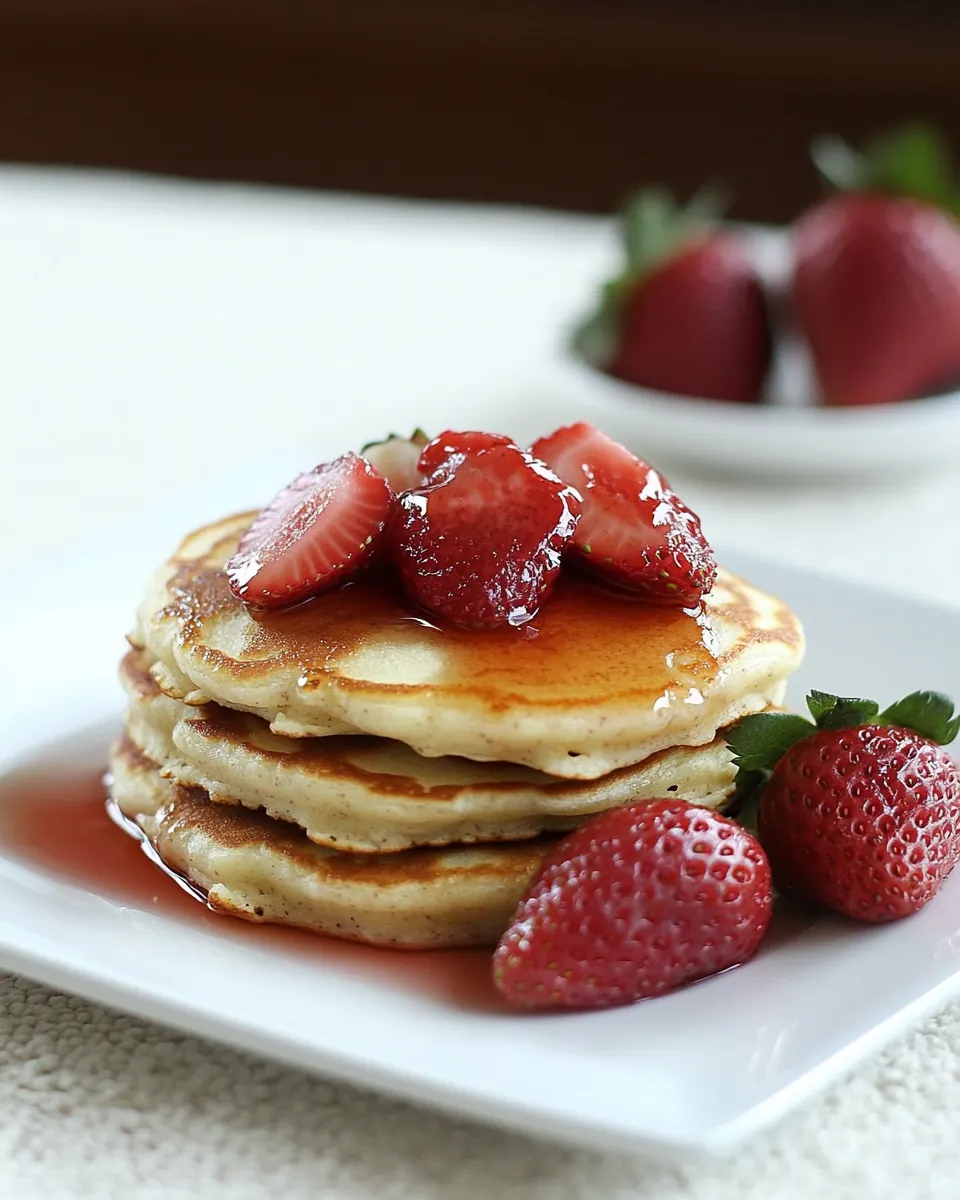
Strawberry Almond Flour Pancakes
Strawberry Almond Flour Pancakes came into my weekend mornings like a bright, sunlit surprise, a small ritual I now look forward to whenever strawberries are in season. I remember the first time I mixed almond flour with fresh strawberries and eggs, worried the texture would be odd, but the batter smelled faintly nutty and pleasantly sweet, promising warmth and comfort before my first sip of coffee. Over time I refined the balance so the pancakes are tender, slightly springy, and studded with berry pockets that burst when you bite them.
There are moments when I make a double batch just to keep the syrup for later, and friends always ask for the recipe after tasting the vibrant strawberry topping. I like how this dish feels both simple and a little special, the kind of breakfast that makes weekdays feel indulgent without being fussy. The combination of almond flour and brown rice flour gives a pleasant nutty backbone while the fresh strawberries and a touch of honey offer a bright finish. I hope this recipe becomes one of your go to breakfasts, something you turn to when you want something wholesome and memorable.
Recipe Snapshot
20 mins
5 mins
15 mins
Medium
250 kcal
American
Gluten-Free, Paleo
Breakfast
Small saucepan, Fine strainer, Mixing bowl, 12 inch skillet, Measuring cup
What We Adore About This Strawberry Almond Flour Pancakes
Light and Nourishing
I love how Strawberry Almond Flour Pancakes feel nourishing without being heavy. The almond flour lends a gentle, toasty mouthfeel that carries the sweetness of the strawberries, so you get satisfaction without that weighed down feeling. When I serve these, people comment on the lift and subtle chew, and I think that texture is why they keep coming back for more.
Bright, Fresh Flavor
Fresh strawberries make all the difference here. I prefer the bursts of real fruit rather than extracts, because the natural juices create a vibrant syrup that perfumes the entire kitchen. I often chop extra strawberries to fold into the batter, so each bite has a little jewel of brightness that complements the almond flour base.
Quick and Reliable
One reason I reach for this recipe on busy mornings is how dependable it is. With only a handful of steps and pantry friendly ingredients like brown rice flour and eggs, you can pull it together fast. The method teaches you how to judge doneness by sight and sound, so you won’t be guessing about timing once you’ve made them a couple of times.
Great for Dietary Preferences
These pancakes work well for those seeking grain alternatives. Using almond flour as a primary flour gives a different nutritional profile from standard wheat pancakes, and combining it with brown rice flour keeps the texture familiar. I’ve shared these with people who appreciate a less bready breakfast, and they respond well to the tender crumb and nutty notes.
Versatile and Fun
I also adore how you can turn this recipe into a lovely brunch centerpiece. The strawberry syrup can be made ahead and warmed for guests, and a drizzle over a stack of Strawberry Almond Flour Pancakes instantly elevates the plate. I enjoy experimenting with plating and small garnishes, but even simple butter and syrup shine here.
Ingredients Overview for Strawberry Almond Flour Pancakes
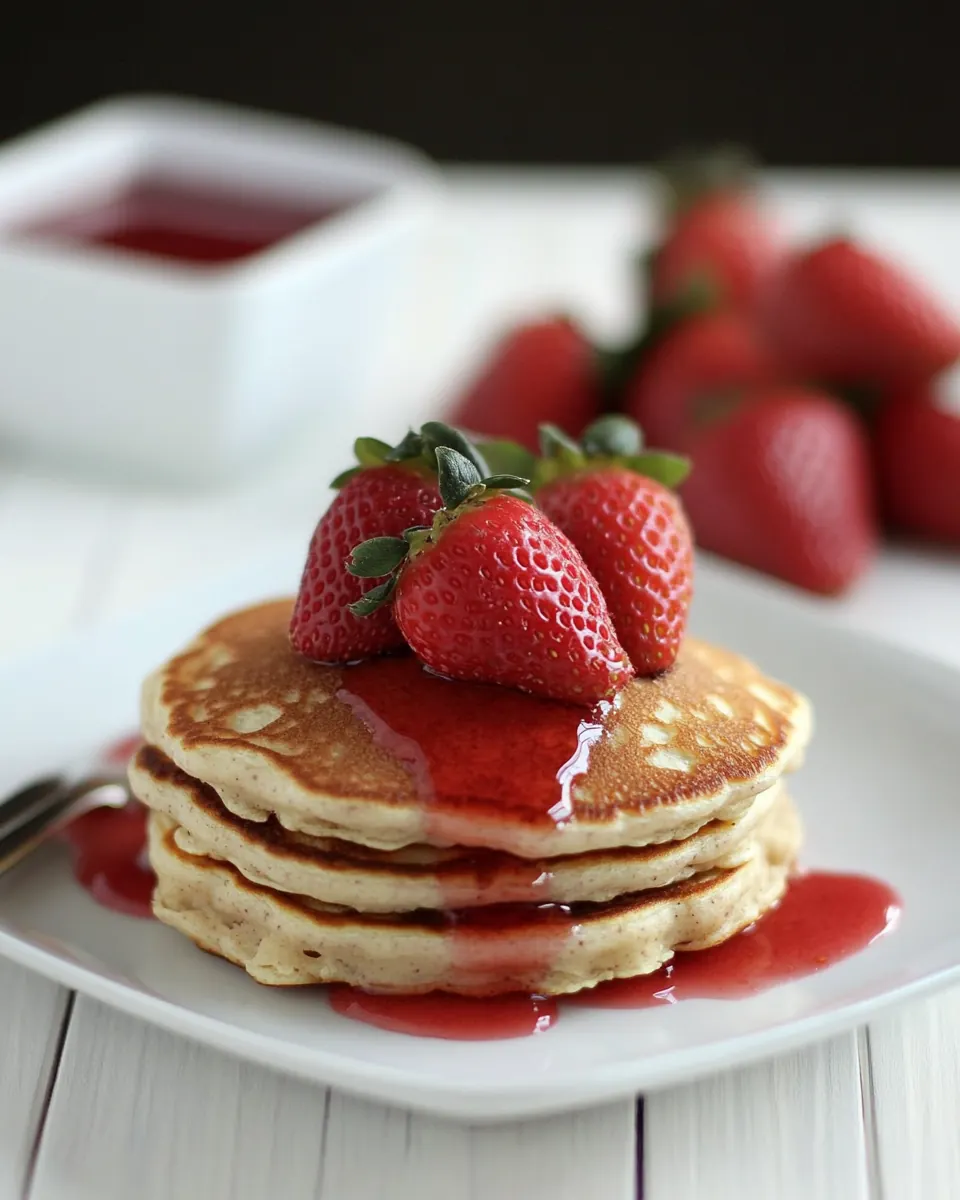
These ingredients are chosen to create a balanced pancake that is tender, nutty, and bright with fruit. The key players are the almond flour for rich flavor, the brown rice flour to add structure, and the fresh strawberries for juicy sweetness. Eggs and almond milk bring moisture and lift while baking powder and salt tune the texture and taste.
- 2 eggs slightly beaten: Whisked slightly to incorporate air and bind the batter, providing structure and tenderness to the pancakes. Eggs also add natural richness and help create a golden exterior when cooked. Their proteins set during cooking to hold the pancake shape.
- 3/4 cup unsweetened almond milk: Poured to hydrate dry ingredients and create a pourable batter while keeping the pancakes dairy-free and light. Unsweetened almond milk adds a subtle nutty flavor and helps control overall sweetness. It also contributes moisture for a tender crumb.
- 1/2 cup fresh strawberries thinly sliced: Sliced thinly to distribute bursts of fresh strawberry flavor and juiciness throughout the batter without large chunks. Thin slices soften during cooking and release natural sugars that enhance browning. They also add color and a fresh fruit texture.
- 1/2 teaspoon pure vanilla extract: Measured precisely to provide a delicate aromatic note that enhances the overall flavor profile without overpowering the fruit. Pure vanilla extract rounds out the batter and complements the almond elements. It also subtly improves perceived sweetness.
- 1/2 cup almond flour: Stirred in as a primary dry binder that imparts a moist, tender texture and a mild nutty taste. Almond flour contributes healthy fats and keeps the pancakes gluten-free-friendly. It also helps create a slightly dense, cake-like crumb.
- 3/4 cup brown rice flour: Added as the bulk dry ingredient to give body and structure while keeping the pancakes light and mildly textured. Brown rice flour offers a neutral flavor and helps absorb moisture from eggs and almond flour. It also supports a tender, cohesive batter.
- 1 teaspoon baking powder: Leavened to help the pancakes rise and become fluffy by releasing gas when heated. Baking powder reacts with moisture and heat to create lift and lighten texture. It ensures even puffing and a soft interior.
- 1/4 teaspoon salt: Seasoned lightly to balance flavors and enhance sweetness without being salty. Salt strengthens gluten-free flours' flavor profiles and rounds out the overall taste. A small amount also improves the perception of other ingredients.
- 2 cups heaping fresh ripe strawberries chopped: Chopped roughly to provide larger pockets of fresh strawberry flavor and juicy texture as a topping or mix-in. These heaping pieces create noticeable fruit presence and visual appeal when warmed on the griddle. They also release syrupy juices that meld with the pancakes.
- 2 tablespoons water: Combined to adjust consistency of the strawberry topping, diluting fruit juices into a syrupy glaze. Water helps dissolve honey and blend with chopped strawberries for an even sauce. It also prevents the topping from becoming too thick when heated.
- 1 tablespoon honey: Drizzled to sweeten and lightly glaze the strawberry topping, enhancing flavor with a natural sweetener. Honey adds depth and a sticky sheen that pairs well with fruit and almond notes. It can also help the topping caramelize slightly when warmed.
How to Assemble Strawberry Almond Flour Pancakes
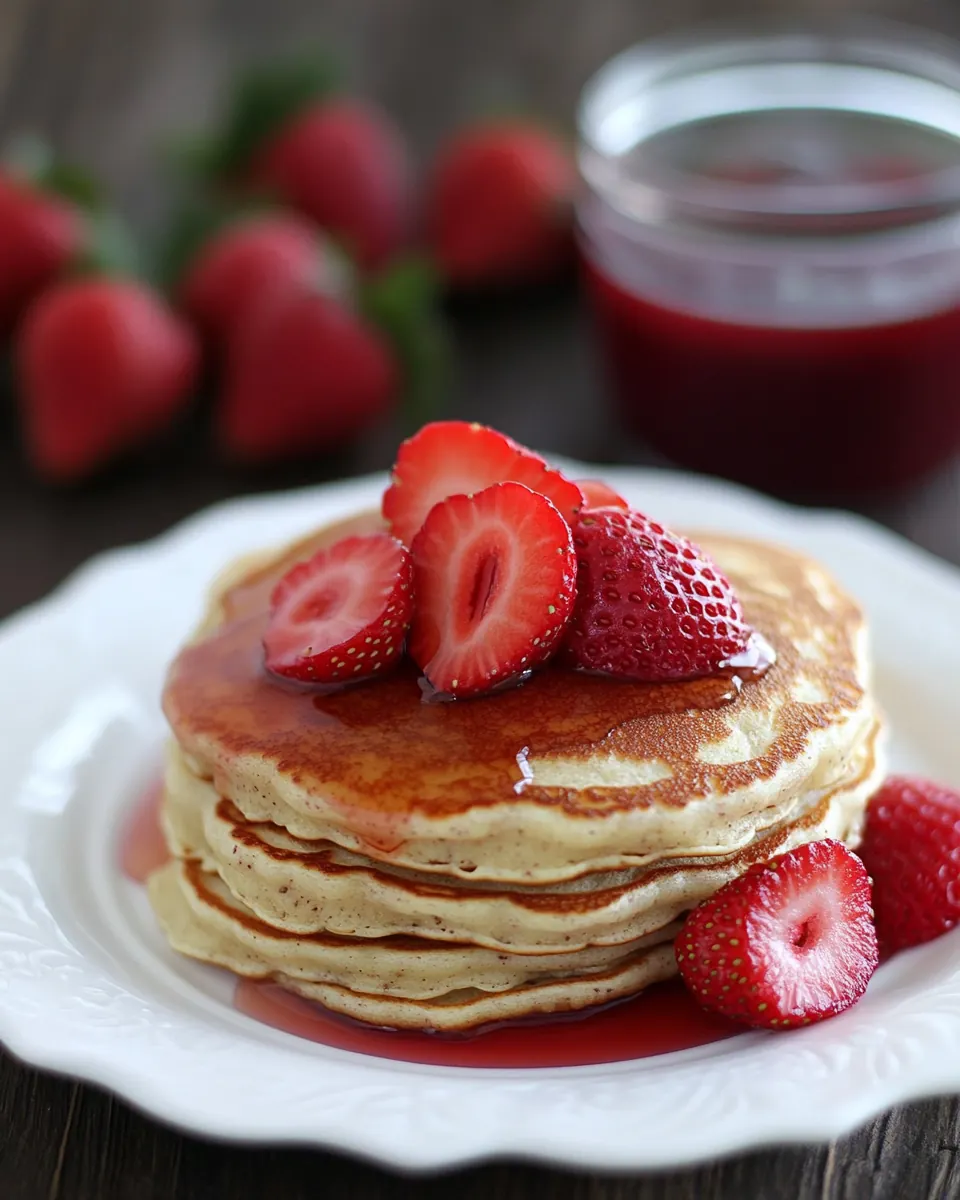
These pancakes come together in two parallel tracks, the strawberry syrup and the batter. Follow each step and watch for the visual and aromatic cues I describe, they will tell you when you are on the right path. Keep your pan at a steady medium heat, and allow small pockets of bubbles to guide your flips for perfectly cooked centers.
- In a small saucepan, combine all ingredients for the syrup and bring to a full boil.: As the mixture first hits the heat you will smell a fresh, bright strawberry perfume that intensifies as it warms. A full boil is when large bubbles consistently break the surface and the aroma deepens into a jam like scent. This initial high heat helps break down the fruit cell walls so juices release quickly. Common mistake to avoid, if you keep the heat too low the strawberries will not soften evenly, resulting in an underdeveloped syrup.
- Reduce the heat to medium-low and allow the mixture to continue to boil gently until the strawberries have softened and the juices are thickened somewhat, about 10 minutes.: You should hear a gentle, steady simmer with smaller bubbles, and the texture will change from whole berries to softened fruit suspended in syrup. The bubbling will slow and the liquid will coat the spoon, indicating the proper reduction. This slow simmer concentrates flavor and avoids scorching. A typical error is leaving the heat too high so the sugars scorch, which gives a bitter burnt note.
- Remove the saucepan from the heat and strain the juices from the strawberry pulp using a fine strainer. Save the strawberry pulp for a tasty smoothie – no need to throw it away!: At this stage the syrup will be glossy and fragrant, and pressing the fruit through the strainer will release deep colored juices. The strained syrup should be smooth and pourable, with a rich strawberry perfume. Straining gives a silkier finish for drizzling, while retaining a clear, vibrant color. If you skip straining you may end up with a chunky topping that sinks into the pancakes rather than glazing them.
- Set the syrup aside to use for the strawberry pancakes.: Allow the syrup to cool slightly so it thickens a touch and becomes easier to spoon. The aroma will remain strong, and a small ribbon should hold on the surface when drizzled slowly. This resting step develops a fuller mouthfeel in the syrup. A pitfall is using the syrup piping hot, which can overly soften pancakes on contact.
- In a mixing bowl, whisk together the eggs, almond milk, chopped strawberries and vanilla extract.: When you whisk these wet ingredients, you will notice a light froth forming and a blend of sweet berry scent with almond milk. The action incorporates air and helps distribute the chopped strawberries evenly, ensuring small bursts of fruit throughout the pancake. Properly mixed wet ingredients help the batter come together smoothly. Overbeating here can cause the batter to deflate too much, leading to denser pancakes.
- Add in the flours, baking powder and salt and stir together until combined.: As you fold the almond flour and brown rice flour with the dry leavening and salt, the mixture will transform from wet to a cohesive batter. Look for no large streaks of dry flour, but expect a thicker consistency than all purpose batter. The baking powder will react when heated, creating lift, so an even distribution is crucial. A common slip is overmixing, which can make the final cakes tough, so stop once combined.
- Add enough oil to a skillet to coat the bottom and heat to medium.: You will hear a soft sizzle when the oil is ready, and the surface will shimmer. This light oil layer prevents sticking and encourages even browning, giving that attractive golden exterior. Keeping the skillet at medium rather than high prevents the outside from burning while the inside remains uncooked. Many people err by using too high heat, producing a dark crust and undercooked center.
- Measure 1/4 cup of pancake batter and pour on the skillet. A 12” skillet will cook 3 pancakes at a time comfortably.: As batter hits the hot surface you should see it spread slightly and hear a steady, gentle hiss. Using a 1/4 cup measure helps keep pancakes uniform in size so they cook evenly. A 12 inch skillet accommodates about three pancakes without crowding. If you pour too large a mound, the exterior will darken before the interior sets.
- Allow the pancakes to cook until the edges firm up and small bubbles rise to the top.: Visual cues are essential here, the edges will change from wet and glossy to set and slightly matte while numerous tiny bubbles form and pop on the surface. That bubbling signals that steam is escaping and the interior is cooking through. The bottom should be a warm golden brown. Flipping too early is a frequent mistake and leads to undercooked middles, so wait for the bubbles to form and the edges to stabilize.
- Flip and cook on the other side an additional minute or two until pancakes are cooked all the way through.: After flipping, listen for a softer sizzle and watch the top become evenly set with a light golden tint. The second side cooks faster, so one to two minutes is usually sufficient, and you should gently press the center to ensure it springs back slightly. Proper flipping locks in moisture while finishing the crumb. A common error is prolonged cooking which dries the pancake, so remove as soon as it is set.
- Serve with butter and strawberry syrup!: The final plate will look glossy and inviting, the warm strawberry syrup pooling over the stack and melting a pat of butter into the top pancake. The contrast of warm syrup and tender cake is immediate, and the aroma is deeply fruity. Serve right away for the best texture, as pancakes will cool and firm over time. A last mistake to avoid is assembling too far ahead, which causes the pancakes to lose their fresh lightness.
Making Adjustments
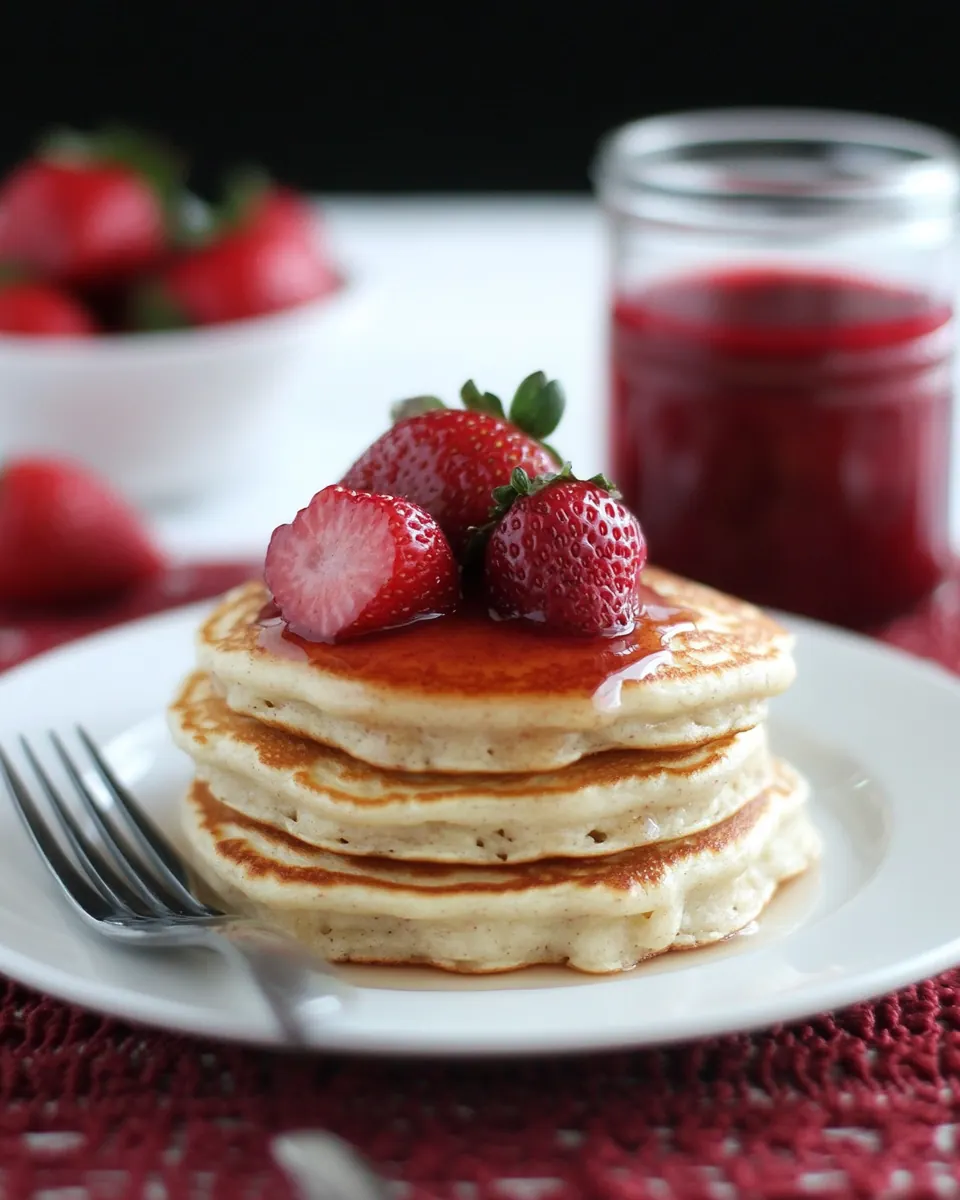
If you want to tweak texture or sweetness, small adjustments go a long way. Below are practical tips for changing consistency, sweetness level, or the way you cook the pancakes. Each tip starts with a clear action to try, followed by why it matters and what to watch for.
- Reduce sweetness If the syrup or batter seems too sweet, use less honey or skip any extra sweeteners; this preserves bright strawberry flavor and prevents cloying notes.
- Adjust batter thickness Add a splash more almond milk if the batter feels too stiff, this helps pancakes spread properly on the skillet and cook through without burning.
- Make syrup thicker Simmer a little longer to reduce the strawberry mixture, which concentrates flavor and creates a jam like consistency that clings to pancakes.
- Prevent sticking Ensure the skillet is well oiled and at proper medium heat, a too cool pan causes sticking, while too hot leads to rapid browning.
- Keep pancakes warm Hold finished pancakes on a low oven rack to maintain temperature without drying them out, this is useful when cooking for a group.
Side Dish Ideas for Strawberry Almond Flour Pancakes
These pancakes pair beautifully with light, fresh sides and make for a lovely brunch centerpiece. Think about contrasts in texture and temperature to round out the plate. Below are ideas for occasions and serving styles, plus storage and seasonal pairing suggestions.
- Fresh fruit salad A mix of seasonal fruits enhances the strawberry notes and adds a crisp, juicy contrast to the warm pancakes.
- Greek yogurt dollop A spoonful of plain or lightly sweetened yogurt balances sweetness with tang and adds a creamy counterpoint.
- Toasted nuts A scattering of toasted almonds echoes the almond flour, adding crunch and a toasty aroma to the plate.
- Simple green salad For a light brunch, a peppery salad works surprisingly well, offering herbaceous contrast to the sweet syrup.
- Occasion friendly These pancakes suit lazy weekend breakfasts, springtime brunches, and celebratory gatherings where a fresh, seasonal menu is desired.
- Storage tips Store leftover pancakes in an airtight container in the refrigerator for up to two days, and reheat gently in a skillet or oven to restore texture.
- Seasonal pairing In spring, serve with other berries or early stone fruit to keep flavors bright and timely.
FAQ
Conclusion
These Strawberry Almond Flour Pancakes shine because they balance nutty almond notes with fresh, vibrant strawberries for a breakfast that feels both wholesome and a little indulgent. Give them a try on a weekend morning or when you need a comforting, fruit forward start to the day. I hope the textures and aromas spark small moments of joy at your table, and that this recipe becomes a repeat favorite in your rotation.
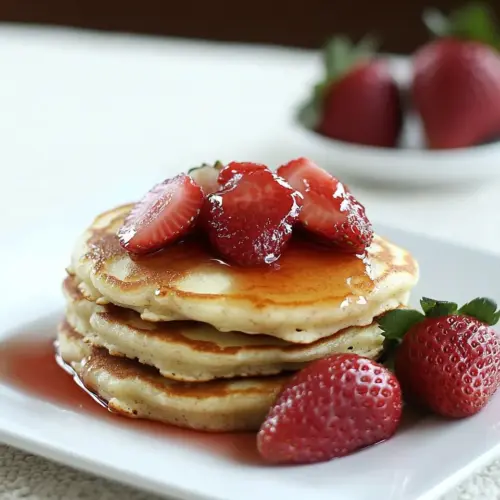
Strawberry Almond Flour Pancakes
Equipment
- Small Saucepan
- Fine strainer
- Mixing Bowl
- 12-inch skillet
- Measuring Cup
Ingredients
- 2 eggs slightly beaten Whisked slightly to incorporate air and bind the batter, providing structure and tenderness to the pancakes. Eggs also add natural richness and help create a golden exterior when cooked. Their proteins set during cooking to hold the pancake shape.
- 3/4 cup unsweetened almond milk Poured to hydrate dry ingredients and create a pourable batter while keeping the pancakes dairy-free and light. Unsweetened almond milk adds a subtle nutty flavor and helps control overall sweetness. It also contributes moisture for a tender crumb.
- 1/2 cup fresh strawberries thinly sliced Sliced thinly to distribute bursts of fresh strawberry flavor and juiciness throughout the batter without large chunks. Thin slices soften during cooking and release natural sugars that enhance browning. They also add color and a fresh fruit texture.
- 1/2 teaspoon pure vanilla extract Measured precisely to provide a delicate aromatic note that enhances the overall flavor profile without overpowering the fruit. Pure vanilla extract rounds out the batter and complements the almond elements. It also subtly improves perceived sweetness.
- 1/2 cup almond flour Stirred in as a primary dry binder that imparts a moist, tender texture and a mild nutty taste. Almond flour contributes healthy fats and keeps the pancakes gluten-free-friendly. It also helps create a slightly dense, cake-like crumb.
- 3/4 cup brown rice flour Added as the bulk dry ingredient to give body and structure while keeping the pancakes light and mildly textured. Brown rice flour offers a neutral flavor and helps absorb moisture from eggs and almond flour. It also supports a tender, cohesive batter.
- 1 teaspoon baking powder Leavened to help the pancakes rise and become fluffy by releasing gas when heated. Baking powder reacts with moisture and heat to create lift and lighten texture. It ensures even puffing and a soft interior.
- 1/4 teaspoon salt Seasoned lightly to balance flavors and enhance sweetness without being salty. Salt strengthens gluten-free flours' flavor profiles and rounds out the overall taste. A small amount also improves the perception of other ingredients.
- 2 cups heaping fresh ripe strawberries chopped Chopped roughly to provide larger pockets of fresh strawberry flavor and juicy texture as a topping or mix-in. These heaping pieces create noticeable fruit presence and visual appeal when warmed on the griddle. They also release syrupy juices that meld with the pancakes.
- 2 tablespoons water Combined to adjust consistency of the strawberry topping, diluting fruit juices into a syrupy glaze. Water helps dissolve honey and blend with chopped strawberries for an even sauce. It also prevents the topping from becoming too thick when heated.
- 1 tablespoon honey Drizzled to sweeten and lightly glaze the strawberry topping, enhancing flavor with a natural sweetener. Honey adds depth and a sticky sheen that pairs well with fruit and almond notes. It can also help the topping caramelize slightly when warmed.
Instructions
- In a small saucepan, combine all ingredients for the syrup and bring to a full boil.: As the mixture first hits the heat you will smell a fresh, bright strawberry perfume that intensifies as it warms. A full boil is when large bubbles consistently break the surface and the aroma deepens into a jam like scent. This initial high heat helps break down the fruit cell walls so juices release quickly. Common mistake to avoid, if you keep the heat too low the strawberries will not soften evenly, resulting in an underdeveloped syrup.
- Reduce the heat to medium-low and allow the mixture to continue to boil gently until the strawberries have softened and the juices are thickened somewhat, about 10 minutes.: You should hear a gentle, steady simmer with smaller bubbles, and the texture will change from whole berries to softened fruit suspended in syrup. The bubbling will slow and the liquid will coat the spoon, indicating the proper reduction. This slow simmer concentrates flavor and avoids scorching. A typical error is leaving the heat too high so the sugars scorch, which gives a bitter burnt note.
- Remove the saucepan from the heat and strain the juices from the strawberry pulp using a fine strainer. Save the strawberry pulp for a tasty smoothie – no need to throw it away!: At this stage the syrup will be glossy and fragrant, and pressing the fruit through the strainer will release deep colored juices. The strained syrup should be smooth and pourable, with a rich strawberry perfume. Straining gives a silkier finish for drizzling, while retaining a clear, vibrant color. If you skip straining you may end up with a chunky topping that sinks into the pancakes rather than glazing them.
- Set the syrup aside to use for the strawberry pancakes.: Allow the syrup to cool slightly so it thickens a touch and becomes easier to spoon. The aroma will remain strong, and a small ribbon should hold on the surface when drizzled slowly. This resting step develops a fuller mouthfeel in the syrup. A pitfall is using the syrup piping hot, which can overly soften pancakes on contact.
- In a mixing bowl, whisk together the eggs, almond milk, chopped strawberries and vanilla extract.: When you whisk these wet ingredients, you will notice a light froth forming and a blend of sweet berry scent with almond milk. The action incorporates air and helps distribute the chopped strawberries evenly, ensuring small bursts of fruit throughout the pancake. Properly mixed wet ingredients help the batter come together smoothly. Overbeating here can cause the batter to deflate too much, leading to denser pancakes.
- Add in the flours, baking powder and salt and stir together until combined.: As you fold the almond flour and brown rice flour with the dry leavening and salt, the mixture will transform from wet to a cohesive batter. Look for no large streaks of dry flour, but expect a thicker consistency than all purpose batter. The baking powder will react when heated, creating lift, so an even distribution is crucial. A common slip is overmixing, which can make the final cakes tough, so stop once combined.
- Add enough oil to a skillet to coat the bottom and heat to medium.: You will hear a soft sizzle when the oil is ready, and the surface will shimmer. This light oil layer prevents sticking and encourages even browning, giving that attractive golden exterior. Keeping the skillet at medium rather than high prevents the outside from burning while the inside remains uncooked. Many people err by using too high heat, producing a dark crust and undercooked center.
- Measure 1/4 cup of pancake batter and pour on the skillet. A 12” skillet will cook 3 pancakes at a time comfortably.: As batter hits the hot surface you should see it spread slightly and hear a steady, gentle hiss. Using a 1/4 cup measure helps keep pancakes uniform in size so they cook evenly. A 12 inch skillet accommodates about three pancakes without crowding. If you pour too large a mound, the exterior will darken before the interior sets.
- Allow the pancakes to cook until the edges firm up and small bubbles rise to the top.: Visual cues are essential here, the edges will change from wet and glossy to set and slightly matte while numerous tiny bubbles form and pop on the surface. That bubbling signals that steam is escaping and the interior is cooking through. The bottom should be a warm golden brown. Flipping too early is a frequent mistake and leads to undercooked middles, so wait for the bubbles to form and the edges to stabilize.
- Flip and cook on the other side an additional minute or two until pancakes are cooked all the way through.: After flipping, listen for a softer sizzle and watch the top become evenly set with a light golden tint. The second side cooks faster, so one to two minutes is usually sufficient, and you should gently press the center to ensure it springs back slightly. Proper flipping locks in moisture while finishing the crumb. A common error is prolonged cooking which dries the pancake, so remove as soon as it is set.
- Serve with butter and strawberry syrup!: The final plate will look glossy and inviting, the warm strawberry syrup pooling over the stack and melting a pat of butter into the top pancake. The contrast of warm syrup and tender cake is immediate, and the aroma is deeply fruity. Serve right away for the best texture, as pancakes will cool and firm over time. A last mistake to avoid is assembling too far ahead, which causes the pancakes to lose their fresh lightness.
Notes
- Reduce sweetness If the syrup or batter seems too sweet, use less honey or skip any extra sweeteners; this preserves bright strawberry flavor and prevents cloying notes.
- Adjust batter thickness Add a splash more almond milk if the batter feels too stiff, this helps pancakes spread properly on the skillet and cook through without burning.
- Make syrup thicker Simmer a little longer to reduce the strawberry mixture, which concentrates flavor and creates a jam like consistency that clings to pancakes.
- Prevent sticking Ensure the skillet is well oiled and at proper medium heat, a too cool pan causes sticking, while too hot leads to rapid browning.
- Keep pancakes warm Hold finished pancakes on a low oven rack to maintain temperature without drying them out, this is useful when cooking for a group.
