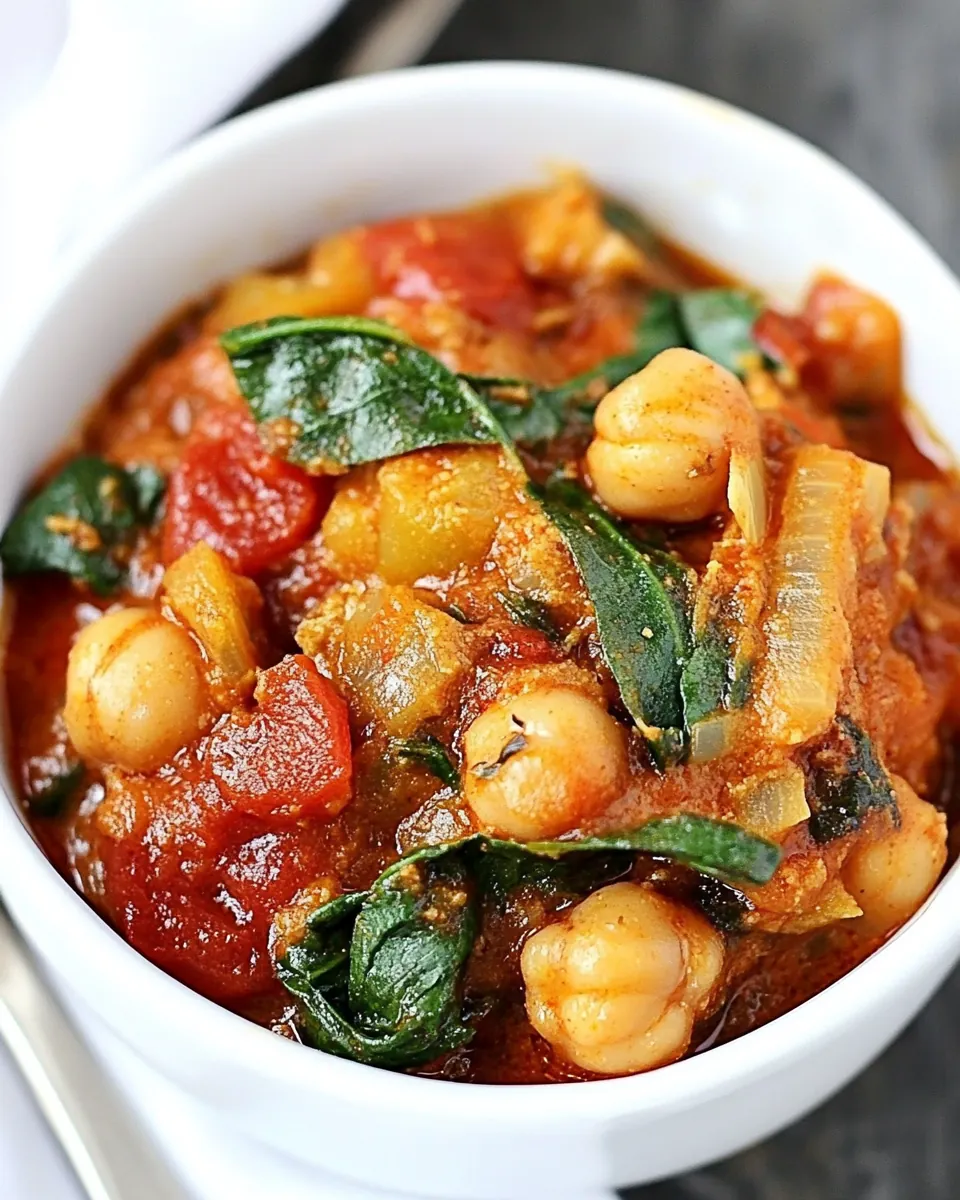
One Pot Coconut Chickpea Curry
One Pot Coconut Chickpea Curry first won me over on a rainy weeknight when I needed dinner that felt like a warm hug but did not require babysitting a dozen pans. I remember stirring the pot while rain traced the window, and the aroma of garam masala and cumin seeds filled the kitchen, making the whole apartment feel cozier. That evening I learned how much comfort a single pan can provide, and why a good curry can become a weekly ritual.
Over the years I’ve tweaked tiny things in this recipe until it felt just right. I love the way the creamy coconut milk tames the spices, while the chickpeas hold their shape and provide a satisfying bite. When friends come over, this dish stretches easily, and when I am cooking solo I still savor the leftovers that taste even better the next day. Each time I prepare it, I feel that same calm reassurance that an easy, nourishing meal can bring.
Recipe Snapshot
1 hr 10 mins
25 mins
45 mins
Medium
350 kcal
Indian
Vegan, Gluten-Free
Dinner
Heavy skillet, Dutch oven, Small bowl, Chef’s knife
Why This One Pot Coconut Chickpea Curry Hits Different
1. Comforting simplicity
I adore how One Pot Coconut Chickpea Curry manages to be both soulful and simple. With just one pot to wash and straightforward steps, it feels like a home-cooked classic rather than a complicated project. I find myself turning to it when I want something reliable, warm, and deeply satisfying without a long shopping list.
2. Layered warm spice profile
The blend of garam masala, cumin, and ground ginger gives this curry a rounded warmth that is fragrant, not overpowering. I personally love to lightly toast the spices first because that coaxed-out aroma signals the dinner is about to be extraordinary. The cardamom pods add a bright, slightly floral note that keeps the flavor from feeling one dimensional.
3. Texture and balance
What makes this recipe stand out is the interplay between creamy sauce and toothsome ingredients. The chickpeas offer a gentle chew, the cauliflower softens and soaks up sauce, and the spinach brings a fresh green lift. I always appreciate a dish that balances mouthfeel as thoughtfully as flavor.
4. Meal prep and versatility
This curry is a dream for meal prep. I can make a big batch and have lunches and dinners ready for the week. Leftovers deepen in flavor, and reheating is forgiving. I’ll often portion it over warm rice or quinoa, which makes it easy to customize servings for different appetites.
5. Friendly for many diets
I value recipes that work for a variety of eaters, and this curry fits the bill. It is hearty and plant centered, making it great for vegetarians and anyone looking for meatless meals. The coconut base keeps it rich without dairy, so it’s a natural pick for those avoiding dairy products.
Essential Ingredients for One Pot Coconut Chickpea Curry
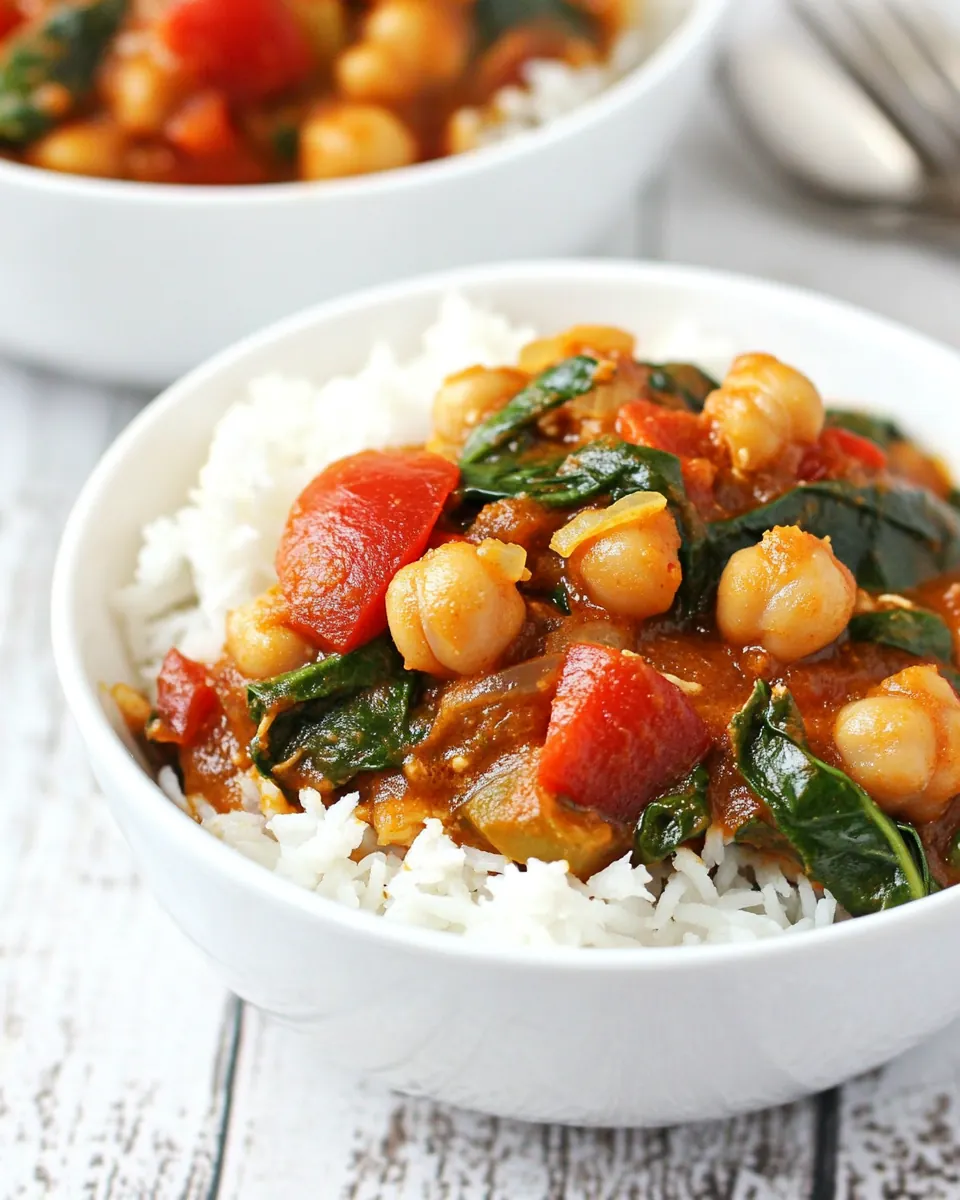
These ingredients are chosen to create a harmonious curry where spice, creaminess, and texture each play a clear role. The spices form the aromatic backbone, the coconut milk adds silk, and the chickpeas and cauliflower supply substance. I think of the list as a small team: spices lead, vegetables support, and liquids bring everyone together into a cohesive sauce.
- 2 teaspoons garam masala: Enhance warmth and depth: adds a complex blend of cinnamon, cloves, coriander, and peppery notes that tie the curry spices together and round out the overall flavor profile. Toast briefly in the pan to release oils before adding aromatics to maximize fragrance and taste. Works as a finishing layer that lifts the dish and complements coconut richness.
- 1 teaspoon cumin seeds: Provide earthy crunch and a subtle smoky backdrop: pop briefly in hot oil to release nutty flavors that create textural contrast and aromatics for the curry base. Ground cumin complements other warm spices and helps build the foundational savory character of the sauce.
- 1 teaspoon ground ginger: Deliver bright, zesty warmth: contributes a peppery-citrusy heat that counterbalances richness and adds aromatic lift to the curry. Add early with aromatics so its essential oils infuse the dish, supporting both tomato acidity and coconut creaminess.
- 4 greencardamom pods: Impart fragrant, floral notes: crush slightly to release aromatic oils that bring sweet, citrusy complexity to the curry and deepen the spice profile without adding heat. Remove pods before serving if preferred, or split them open to release seeds for extra intensity.
- 1 tablespoon unsalted butter or ghee: Provide a rich, buttery base: melts to carry spices and aromatics, adding silkiness and a lightly toasted flavor that enhances the savory elements of the curry. Use ghee for a nuttier, more traditional finish or unsalted butter for a milder dairy note.
- 1 small yellow onion, diced: Offer a sweet, savory foundation: softens and caramelizes when sautéed, providing natural sugars and texture that build the sauce’s depth. Cook until translucent to develop flavor without browning too quickly, which ensures balanced sweetness.
- 4 large garlic cloves, minced: Contribute pungent, savory punch: infuse the oil with garlicky heat that permeates the curry and complements both the spices and coconut milk. Add minced garlic after onions have softened to avoid burning and to mellow sharpness into sweetness.
- 1 tablespoon grated ginger (from a 3-inch peeled piece): Add fresh, sharp warmth: brings bright, aromatic heat that complements ground ginger and enlivens the sauce with a clean, peppery snap. Grate freshly for maximum flavor, adding it with garlic or just after to preserve its vibrant character.
- One 14.5-ounce can diced tomatoes: Introduce bright acidity and umami: canned diced tomatoes bring body, slight sweetness, and tang that balance the coconut’s richness and help form the saucy base. Crush or stir them in to combine with spices and simmer to concentrate flavors and mellow acidity.
- Two 15-ounce cans chickpeas, drained and rinsed: Provide hearty protein and creamy texture: chickpeas add substance, nutty flavor, and a pleasant bite that soaks up the curry sauce while boosting satiety and nutrition. Drain and rinse well to remove canning liquid, then stir in to heat through and absorb spices.
- One 14-ounce can well shaken coconut milk (use light if counting WW Points): Supply creamy richness and tropical sweetness: well–shaken coconut milk creates a luscious, silky sauce that softens tomato acidity and carries spices while contributing a subtle coconut aroma. Use light coconut milk for fewer calories or full-fat for a richer mouthfeel.
- One small head cauliflower, chopped: Add bulk and subtle nuttiness: chopped cauliflower lends texture and vegetal sweetness that soaks up sauce and adds fiber without overpowering other flavors. Cook until tender-crisp to maintain structure and add contrast to softer chickpeas and spinach.
- 5 ounces baby spinach (5 cups, loosely packed): Introduce fresh, leafy brightness: baby spinach wilts into the curry, contributing color, mild mineral notes, and nutrients without dominating the flavor profile. Stir in toward the end of cooking so it just wilts and retains its vivid green and tender texture.
- 3 tablespoons freshly squeezed lemon juice (1 large lemon): Brighten and balance flavors: freshly squeezed lemon juice cuts through the coconut richness and enhances the overall brightness of the dish with clean acidity. Add at the end to preserve its fresh citrus aroma and adjust to taste for balance.
- 1 teaspoon salt (more or less, to taste): Season and enhance overall taste: salt brings out natural flavors, harmonizes spices, and elevates the curry’s savory components when adjusted to personal preference. Start with the stated amount and fine-tune after simmering to achieve ideal seasoning.
- cooked rice or quinoa, for serving (if desired): Serve as a neutral, filling base: cooked rice or quinoa provide a grainy, absorbent platform that soaks up the curry sauce and turns the dish into a complete, satisfying meal. Offer on the side or under the curry to tailor portions and texture preferences.
Instructions for One Pot Coconut Chickpea Curry
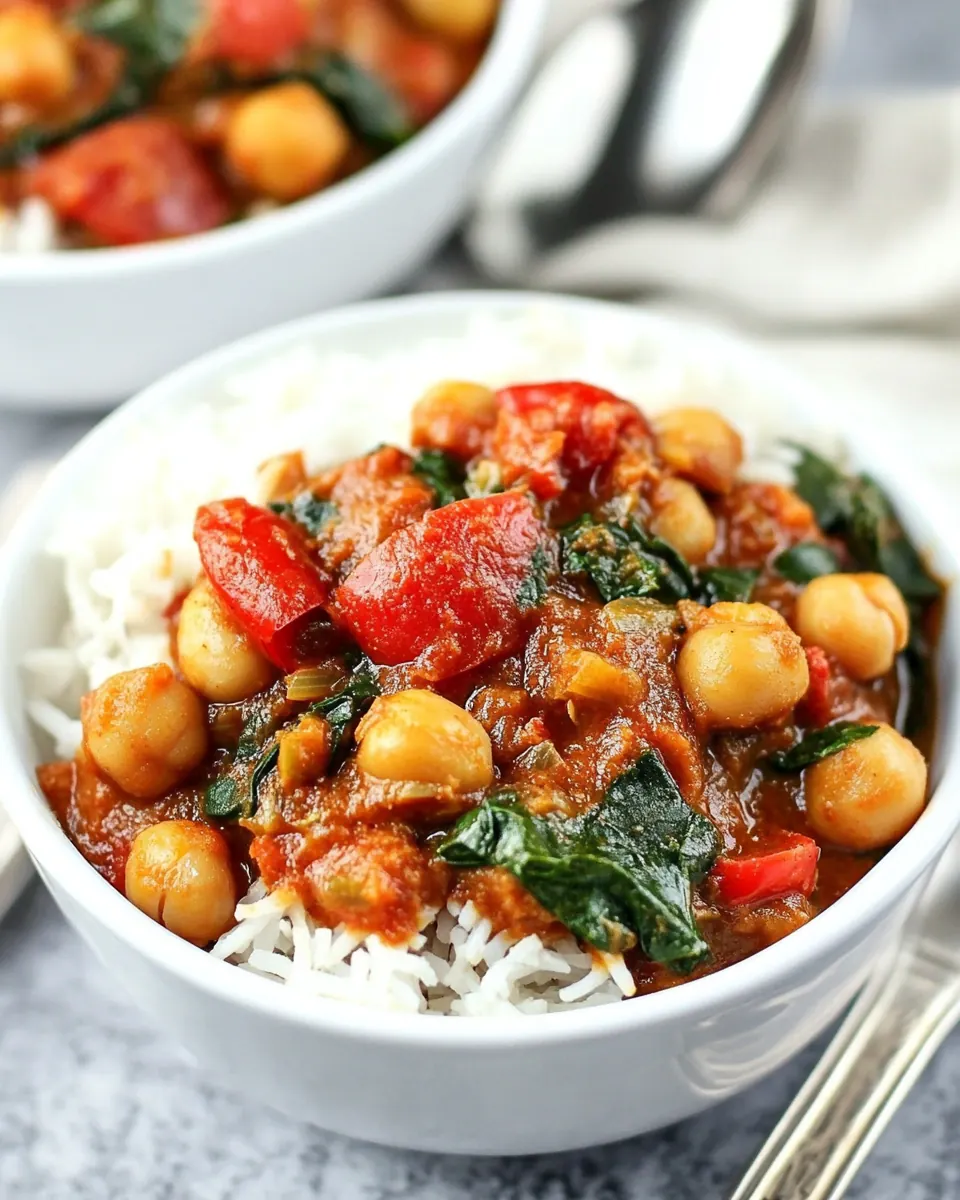
This is a forgiving dish that rewards attention to scent and texture. I like to move through the steps with calm focus, smelling for toasted spices and watching for the visual cues that let you know each stage is complete.
- In a small bowl, combine the garam masala, cumin and ground ginger. Use the flat of a chef's knife to crack the cardamom pods and add those to the bowl too.: The moment you mix these spices, inhale deeply to gauge their freshness, because fragrant spices are the difference between bright curry and flat curry. When you crack the cardamom pods with the knife, you should hear a faint snap and see the seeds release, which is a sign the oils are ready to bloom. A common mistake here is using old spices that smell dull, so if anything smells muted consider swapping them out. This pre-blend saves time when adding them to hot fat later, ensuring even distribution and consistent flavor in the sauce.
- Heat the butter in a heavy skillet or Dutch oven over medium heat. Add the onion and cook for about 10 minutes, browning the onion and letting it develop dark color, although without burning it. Stir in the garlic and ginger and cook for 2 minutes.: As the butter melts you should see it foam and then calm, signaling the right temperature. Add the diced onion and listen for a steady sizzle, then watch as the edges turn golden and the sugars caramelize, creating deep, sweet notes. When you add the minced garlic and grated ginger , the aroma will shift to a savory, spicy perfume, which tells you the aromatics are releasing their juices. If the onion starts to blacken quickly, lower the heat immediately to avoid bitter char, which will negatively affect the whole dish. Taking time here builds the foundational flavor that the rest of the recipe depends on.
- Add the spices from the cup and stir them into the onion mixture. Add the tomatoes and the chickpeas and saute for about 2 minutes. Take the pan off the heat and stir in the shaken coconut milk. Return the pan to the heat and bring to a gentle boil. Turn down the heat, stir in the cauliflower and simmer for about 30 minutes, or until the chickpeas are tender and the sauce has reduced slightly.: When you fold in the pre-mixed spices they should sizzle briefly and perfume the pan, indicating their oils are waking up. Adding the diced tomatoes and chickpeas introduces acidity and body, and a short saute concentrates flavors. Removing the pot from heat before adding the well shaken coconut milk prevents sudden splatter and helps the liquid incorporate smoothly. As you return to heat and bring to a gentle boil, watch for small bubbles around the edges, then lower to a steady simmer; this gentle cooking softens the cauliflower and allows the sauce to thicken. A frequent error is boiling too vigorously, which can split coconut milk and make the texture grainy, so maintain a patient simmer for the best mouthfeel.
- Add the baby spinach in handfuls, stirring in each handful to help it wilt before adding the next. Stir in the lemon juice. Taste and season with salt.: As you add each handful of spinach , you will see it collapse into the sauce, turning bright emerald and giving off a fresh vegetal scent that balances the warm spices. Stirring between additions ensures even wilting and prevents clumps. When you squeeze in the lemon juice , the acidity will pop against the creamy background, sharpening the flavors. Taste carefully and adjust the salt to bring everything into balance. A common misstep is over-salting early, so always finish with salt after reduction and acid adjustments.
- Serve immediately over rice, or let cool and refrigerate. The curry will hold up well in the refrigerator in an airtight container for up to 5 days.: When you plate the curry over warm rice or quinoa , the steam opens the aroma and the grains soak up the sauce, creating a comforting bite. If you plan to refrigerate, let the curry cool slightly before transferring to airtight containers to preserve texture and prevent condensation. Reheating gently on the stove with a splash of water or a brief microwave turn restores creaminess. Avoid repeated aggressive reheating, which can cause the coconut milk to separate and the vegetables to become mushy.
Making Adjustments
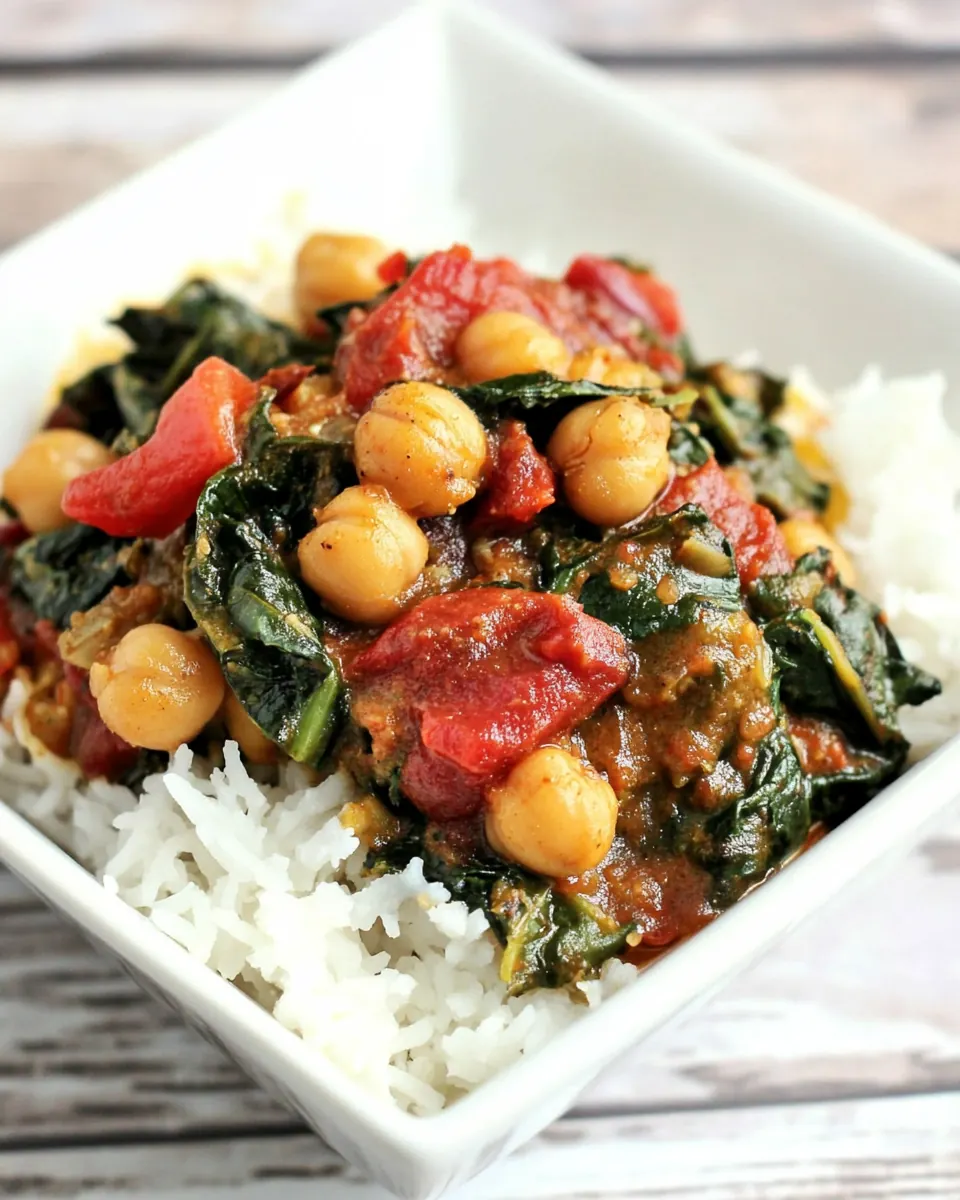
This section helps you personalize heat, texture, and timing. Below I expand on the notes provided with thoughtful, practical advice so you can adjust confidently.
- If you are preparing this recipe as GLUTEN-FREE: double check labels on canned diced tomatoes, chickpeas, and coconut milk to ensure they are certified gluten free or list no gluten containing ingredients, since cross contamination can occur in processing.
- If you do not have fresh spinach: substitute with one cup thawed and thoroughly drained frozen spinach, squeeze out excess water, and stir in toward the end to warm through without making the sauce watery.
- If you are counting WW points: choose light coconut milk to lower the fat and calorie content, which will affect the overall points while still retaining a creamy mouthfeel.
- If you prefer more heat: gently increase the amount of warm spices or add a pinch of ground cayenne to the spice blend, adding a little at a time until you reach the desired level so you do not overpower the coconut base.
- If you like a thicker sauce: simmer a bit longer with the lid off to reduce liquid, or mash a few chickpeas against the side of the pot to release starch and naturally thicken the sauce.
Accompaniments for One Pot Coconut Chickpea Curry
This curry plays well with simple sides and various occasions. Below I outline serving ideas, storage notes, and seasonal pairings to help you plan meals that highlight the curry’s strengths.
- Serve over warm rice: white basmati or jasmine rice soaks up the sauce and keeps the meal comforting and traditional.
- Try with quinoa: a protein rich alternative that adds a slightly nutty texture and keeps the plate wholesome and filling.
- Pack for lunches: portion into airtight containers and bring to work for easy reheating, the curry’s flavor matures overnight making it ideal for meal prep.
- Holiday or gathering option: scale the recipe up for casual dinners when you want a vegetarian centerpiece that satisfies a crowd and travels well from stove to table.
- Storage instructions: refrigerate in airtight containers for up to five days, or freeze in portions for up to three months; thaw in the fridge overnight and reheat gently to protect texture.
- Seasonal pairings: in colder months add a side of roasted root vegetables for extra heartiness, while in spring serve with a simple cucumber salad to contrast the warm spices with cool crunch.
FAQ
Conclusion
What makes this recipe special is its combination of creamy coconut, warm spices, and hearty chickpeas that come together in one pot for minimal fuss and maximal flavor. Give One Pot Coconut Chickpea Curry a try when you want a comforting, easy meal that also travels well into leftovers. I hope it becomes a dependable favorite in your rotation, ready to serve on busy weeknights or for relaxed gatherings with friends and family.
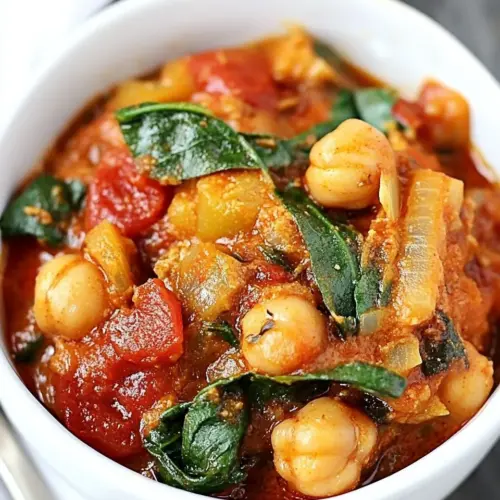
One Pot Coconut Chickpea Curry
Equipment
- Heavy Skillet
- Dutch Oven
- Small Bowl
- Chef's Knife
Ingredients
- 2 teaspoons garam masala Enhance warmth and depth: adds a complex blend of cinnamon, cloves, coriander, and peppery notes that tie the curry spices together and round out the overall flavor profile. Toast briefly in the pan to release oils before adding aromatics to maximize fragrance and taste. Works as a finishing layer that lifts the dish and complements coconut richness.
- 1 teaspoon cumin seeds Provide earthy crunch and a subtle smoky backdrop: pop briefly in hot oil to release nutty flavors that create textural contrast and aromatics for the curry base. Ground cumin complements other warm spices and helps build the foundational savory character of the sauce.
- 1 teaspoon ground ginger Deliver bright, zesty warmth: contributes a peppery-citrusy heat that counterbalances richness and adds aromatic lift to the curry. Add early with aromatics so its essential oils infuse the dish, supporting both tomato acidity and coconut creaminess.
- 4 greencardamom pods Impart fragrant, floral notes: crush slightly to release aromatic oils that bring sweet, citrusy complexity to the curry and deepen the spice profile without adding heat. Remove pods before serving if preferred, or split them open to release seeds for extra intensity.
- 1 tablespoon unsalted butter or ghee Provide a rich, buttery base: melts to carry spices and aromatics, adding silkiness and a lightly toasted flavor that enhances the savory elements of the curry. Use ghee for a nuttier, more traditional finish or unsalted butter for a milder dairy note.
- 1 small yellow onion, diced Offer a sweet, savory foundation: softens and caramelizes when sautéed, providing natural sugars and texture that build the sauce’s depth. Cook until translucent to develop flavor without browning too quickly, which ensures balanced sweetness.
- 4 large garlic cloves, minced Contribute pungent, savory punch: infuse the oil with garlicky heat that permeates the curry and complements both the spices and coconut milk. Add minced garlic after onions have softened to avoid burning and to mellow sharpness into sweetness.
- 1 tablespoon grated ginger (from a 3-inch peeled piece) Add fresh, sharp warmth: brings bright, aromatic heat that complements ground ginger and enlivens the sauce with a clean, peppery snap. Grate freshly for maximum flavor, adding it with garlic or just after to preserve its vibrant character.
- One 14.5-ounce can diced tomatoes Introduce bright acidity and umami: canned diced tomatoes bring body, slight sweetness, and tang that balance the coconut’s richness and help form the saucy base. Crush or stir them in to combine with spices and simmer to concentrate flavors and mellow acidity.
- Two 15-ounce cans chickpeas, drained and rinsed Provide hearty protein and creamy texture: chickpeas add substance, nutty flavor, and a pleasant bite that soaks up the curry sauce while boosting satiety and nutrition. Drain and rinse well to remove canning liquid, then stir in to heat through and absorb spices.
- One 14-ounce can well shaken coconut milk (use light if counting WW Points) Supply creamy richness and tropical sweetness: well-shaken coconut milk creates a luscious, silky sauce that softens tomato acidity and carries spices while contributing a subtle coconut aroma. Use light coconut milk for fewer calories or full-fat for a richer mouthfeel.
- One small head cauliflower, chopped Add bulk and subtle nuttiness: chopped cauliflower lends texture and vegetal sweetness that soaks up sauce and adds fiber without overpowering other flavors. Cook until tender-crisp to maintain structure and add contrast to softer chickpeas and spinach.
- 5 ounces baby spinach (5 cups, loosely packed) Introduce fresh, leafy brightness: baby spinach wilts into the curry, contributing color, mild mineral notes, and nutrients without dominating the flavor profile. Stir in toward the end of cooking so it just wilts and retains its vivid green and tender texture.
- 3 tablespoons freshly squeezed lemon juice (1 large lemon) Brighten and balance flavors: freshly squeezed lemon juice cuts through the coconut richness and enhances the overall brightness of the dish with clean acidity. Add at the end to preserve its fresh citrus aroma and adjust to taste for balance.
- 1 teaspoon salt (more or less, to taste) Season and enhance overall taste: salt brings out natural flavors, harmonizes spices, and elevates the curry’s savory components when adjusted to personal preference. Start with the stated amount and fine-tune after simmering to achieve ideal seasoning.
- cooked rice or quinoa, for serving (if desired) Serve as a neutral, filling base: cooked rice or quinoa provide a grainy, absorbent platform that soaks up the curry sauce and turns the dish into a complete, satisfying meal. Offer on the side or under the curry to tailor portions and texture preferences.
Instructions
- In a small bowl, combine the garam masala, cumin and ground ginger. Use the flat of a chef's knife to crack the cardamom pods and add those to the bowl too.: The moment you mix these spices, inhale deeply to gauge their freshness, because fragrant spices are the difference between bright curry and flat curry. When you crack the cardamom pods with the knife, you should hear a faint snap and see the seeds release, which is a sign the oils are ready to bloom. A common mistake here is using old spices that smell dull, so if anything smells muted consider swapping them out. This pre-blend saves time when adding them to hot fat later, ensuring even distribution and consistent flavor in the sauce.
- Heat the butter in a heavy skillet or Dutch oven over medium heat. Add the onion and cook for about 10 minutes, browning the onion and letting it develop dark color, although without burning it. Stir in the garlic and ginger and cook for 2 minutes.: As the butter melts you should see it foam and then calm, signaling the right temperature. Add the diced onion and listen for a steady sizzle, then watch as the edges turn golden and the sugars caramelize, creating deep, sweet notes. When you add the minced garlic and grated ginger , the aroma will shift to a savory, spicy perfume, which tells you the aromatics are releasing their juices. If the onion starts to blacken quickly, lower the heat immediately to avoid bitter char, which will negatively affect the whole dish. Taking time here builds the foundational flavor that the rest of the recipe depends on.
- Add the spices from the cup and stir them into the onion mixture. Add the tomatoes and the chickpeas and saute for about 2 minutes. Take the pan off the heat and stir in the shaken coconut milk. Return the pan to the heat and bring to a gentle boil. Turn down the heat, stir in the cauliflower and simmer for about 30 minutes, or until the chickpeas are tender and the sauce has reduced slightly.: When you fold in the pre-mixed spices they should sizzle briefly and perfume the pan, indicating their oils are waking up. Adding the diced tomatoes and chickpeas introduces acidity and body, and a short saute concentrates flavors. Removing the pot from heat before adding the well shaken coconut milk prevents sudden splatter and helps the liquid incorporate smoothly. As you return to heat and bring to a gentle boil, watch for small bubbles around the edges, then lower to a steady simmer; this gentle cooking softens the cauliflower and allows the sauce to thicken. A frequent error is boiling too vigorously, which can split coconut milk and make the texture grainy, so maintain a patient simmer for the best mouthfeel.
- Add the baby spinach in handfuls, stirring in each handful to help it wilt before adding the next. Stir in the lemon juice. Taste and season with salt.: As you add each handful of spinach , you will see it collapse into the sauce, turning bright emerald and giving off a fresh vegetal scent that balances the warm spices. Stirring between additions ensures even wilting and prevents clumps. When you squeeze in the lemon juice , the acidity will pop against the creamy background, sharpening the flavors. Taste carefully and adjust the salt to bring everything into balance. A common misstep is over-salting early, so always finish with salt after reduction and acid adjustments.
- Serve immediately over rice, or let cool and refrigerate. The curry will hold up well in the refrigerator in an airtight container for up to 5 days.: When you plate the curry over warm rice or quinoa , the steam opens the aroma and the grains soak up the sauce, creating a comforting bite. If you plan to refrigerate, let the curry cool slightly before transferring to airtight containers to preserve texture and prevent condensation. Reheating gently on the stove with a splash of water or a brief microwave turn restores creaminess. Avoid repeated aggressive reheating, which can cause the coconut milk to separate and the vegetables to become mushy.
Notes
- If you are preparing this recipe as GLUTEN-FREE: double check labels on canned diced tomatoes, chickpeas, and coconut milk to ensure they are certified gluten free or list no gluten containing ingredients, since cross contamination can occur in processing.
- If you do not have fresh spinach: substitute with one cup thawed and thoroughly drained frozen spinach, squeeze out excess water, and stir in toward the end to warm through without making the sauce watery.
- If you are counting WW points: choose light coconut milk to lower the fat and calorie content, which will affect the overall points while still retaining a creamy mouthfeel.
- If you prefer more heat: gently increase the amount of warm spices or add a pinch of ground cayenne to the spice blend, adding a little at a time until you reach the desired level so you do not overpower the coconut base.
- If you like a thicker sauce: simmer a bit longer with the lid off to reduce liquid, or mash a few chickpeas against the side of the pot to release starch and naturally thicken the sauce.